.webp)
Understanding the most common January repair requests – and how to avoid them helps homeowners start the year proactively instead of reacting to unexpected problems. January is one of the busiest months for home repair because it combines post-holiday wear, colder weather stress, and deferred maintenance from the previous year. Even in central Oklahoma, where winters are often inconsistent rather than severe, January exposes weaknesses that may have gone unnoticed during fall.
For homeowners in Oklahoma City, Midwest City, Choctaw, Arcadia, Jones, and surrounding areas, January repairs are rarely caused by a single extreme event. They are more often the result of gradual wear combined with sudden temperature changes, increased indoor activity, and systems being pushed harder after the holidays. Knowing what typically breaks in January makes it easier to prevent those issues before they require urgent attention.
Many homeowners turn to Mr. Handyman of Central Oklahoma City for handyman services that address January home repair needs efficiently while supporting long-term home maintenance.
Why January Triggers So Many Repair Requests
January sits at the intersection of seasonal stress and increased home use. Homes experience temperature swings, indoor humidity changes, and heavier use of plumbing, doors, and fixtures. At the same time, many small issues from the previous year reach a tipping point.
January repair requests are common because:
- Homes are used more heavily after the holidays
- Heating systems and plumbing are under stress
- Temperature fluctuations cause materials to shift
- Deferred home maintenance becomes unavoidable
Addressing these problems early reduces the likelihood of emergencies later in winter.
Plumbing Leaks and Fixture Failures
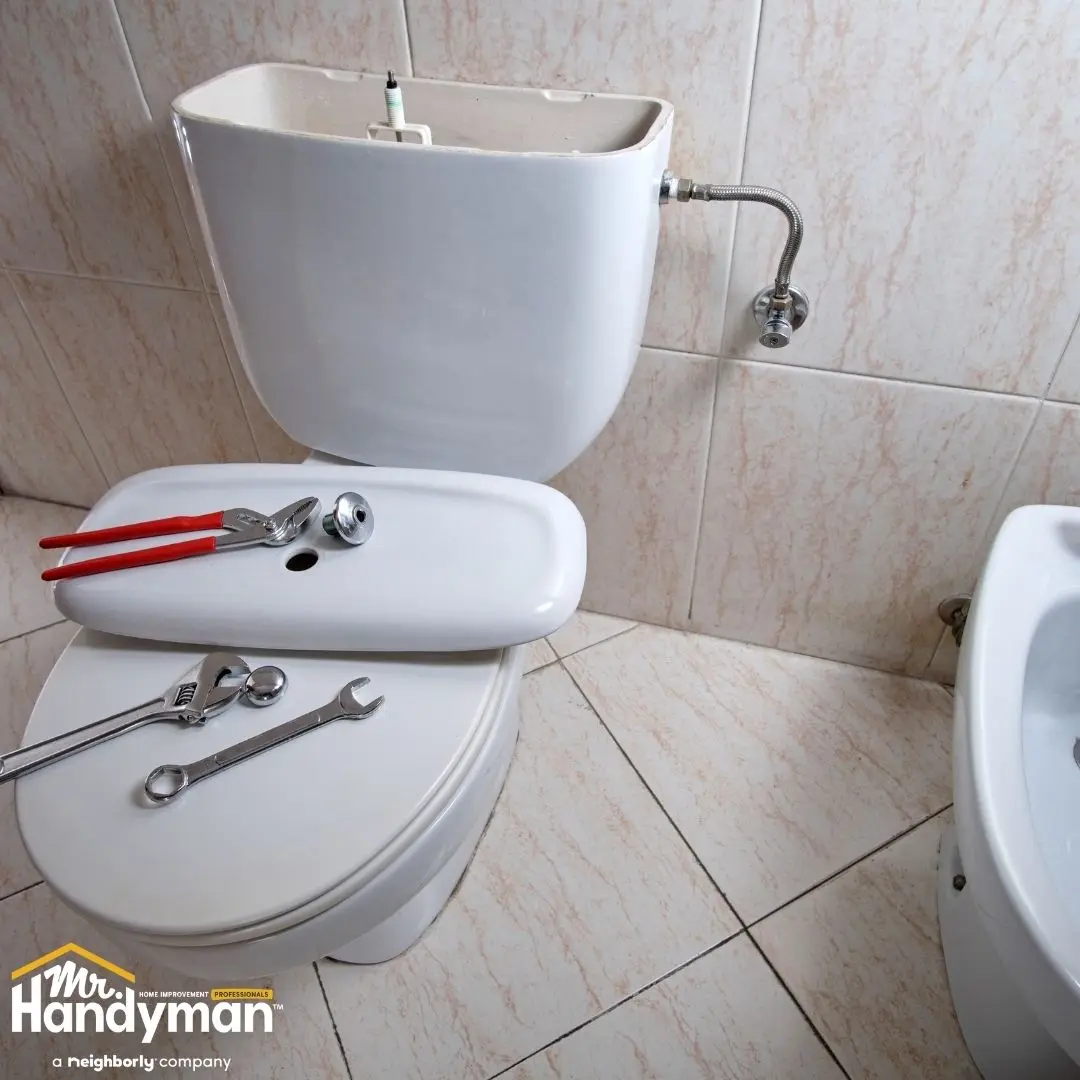
One of the most common January repair requests involves plumbing. Cold nights combined with increased indoor water use can reveal weak connections, worn fixtures, or hidden leaks.
Typical January plumbing repairs include:
- Dripping faucets that worsen in cold weather
- Slow or partially clogged drains
- Minor pipe leaks exposed by temperature changes
- Loose fixtures that begin to leak under pressure
These issues often start small. Fixing them early helps prevent water damage and reduces the risk of frozen or burst pipes later in winter.
Doors That Stick, Shift, or Stop Sealing Properly
January is peak season for door-related repair requests. Temperature changes cause doors and frames to expand and contract, leading to alignment issues.
Common door repair requests include:
- Doors that stick or rub against frames
- Doors that no longer latch properly
- Drafts caused by poor sealing
- Loose hinges or hardware
Avoiding these problems starts with early adjustments, proper weatherstripping, and securing hardware before movement worsens.
Drafty Windows and Interior Comfort Issues

Cold weather makes drafts far more noticeable. Homeowners often request repairs in January because rooms suddenly feel colder or heating costs increase.
January window-related repairs often involve:
- Sealing gaps around window frames
- Repairing damaged caulking
- Fixing loose trim
- Addressing condensation issues
Preventative sealing and minor repairs can significantly improve comfort and reduce energy loss.
Drywall Cracks and Cosmetic Damage
Drywall repair is another frequent January request. As indoor air dries out and temperatures fluctuate, cracks and nail pops become visible.
Common drywall-related repairs include:
- Hairline cracks along seams
- Nail pops caused by framing movement
- Small dents or damage revealed by winter lighting
- Separation at corners or ceilings
Repairing drywall issues early prevents cracks from spreading and keeps interior spaces looking well maintained.
Loose Flooring and Trip Hazards
Flooring issues are frequently reported in January. Materials contract during colder weather, and increased foot traffic makes movement more noticeable.
Typical January flooring repair requests include:
- Loose tiles or planks
- Lifting edges or damaged transitions
- Squeaks indicating movement
- Uneven surfaces that create trip risks
Securing flooring early improves safety and prevents further damage.
Lighting and Electrical Concerns
Shorter days and longer nights make lighting problems more obvious in January. Homeowners often request repairs once dark mornings and evenings make deficiencies unavoidable.
Common lighting-related repair requests include:
- Flickering or dim lights
- Loose fixtures
- Faulty switches
- Inadequate lighting in hallways or stairways
Addressing lighting issues improves safety and daily comfort during winter.
How to Avoid These Common January Repairs
Most January repair requests can be avoided with proactive home maintenance. Small adjustments and inspections completed early can prevent problems from escalating.
Effective preventative steps include:
- Sealing gaps around doors and windows before winter deepens
- Addressing minor plumbing issues promptly
- Inspecting flooring and securing loose areas
- Tightening fixtures and hardware before movement worsens
- Improving lighting before shorter days become disruptive
Proactive home maintenance reduces both repair costs and stress.
The Role of Professional Handyman Services in January
January repairs often span multiple areas of the home. Professional handyman services provide an efficient way to address these issues without coordinating multiple contractors.
Homeowners who work with Mr. Handyman of Central Oklahoma City benefit from handyman services that focus on preventative repairs, home repair efficiency, and long-term home maintenance. Professional support helps identify issues homeowners may overlook and ensures repairs are completed correctly.
Understanding the most common January repair requests – and how to avoid them allows homeowners in central Oklahoma to start the year proactively. By addressing plumbing, doors, windows, drywall, flooring, and lighting early, homeowners can reduce emergency repairs and maintain safer, more comfortable homes throughout winter.
Why These January Repairs Keep Reappearing in Homes
To fully understand the most common January repair requests – and how to avoid them, it helps to look at why the same issues show up year after year. January repairs are rarely random. They are usually the result of seasonal stress layered on top of small, unresolved problems that existed long before winter arrived.
In central Oklahoma, January often brings rapid temperature swings rather than consistent cold. One week may feel mild, while the next brings freezing nights. These fluctuations cause materials inside the home to expand and contract repeatedly, which accelerates wear on doors, plumbing connections, flooring, and interior finishes. When holiday routines end and normal daily use resumes, those weakened areas finally show signs of failure.
Deferred Maintenance From the Previous Year
One of the biggest drivers behind January repair requests is deferred home maintenance. Small issues that felt manageable during spring or summer often become unavoidable once winter conditions expose them.
Examples include:
- Minor plumbing leaks that worsen with cold
- Doors that were slightly misaligned but still usable
- Small drywall cracks that widen in dry winter air
- Loose flooring that becomes more noticeable as materials contract
January becomes the moment when postponement is no longer an option.
Increased Indoor Use After the Holidays
January marks a return to normal routines. Kitchens, bathrooms, entryways, and hallways see heavier daily use after weeks of holiday traffic and altered schedules. This sudden increase in use stresses already worn components.
High-use areas most affected include:
- Bathrooms with aging fixtures
- Kitchens with loose hardware or worn flooring
- Entryways where doors and thresholds absorb daily wear
- Stairs and hallways used more frequently in winter
When usage spikes, weak points fail quickly.
Dry Indoor Air and Material Movement
January is often the driest month indoors. Heating systems reduce humidity levels, which affects wood, drywall, and trim. As materials dry out, they shrink slightly, revealing cracks, gaps, and movement that were previously hidden.
This leads to common repair requests such as:
- Nail pops in drywall
- Cracks along seams and corners
- Gaps between trim and walls
- Squeaks in floors and stairs
These issues are not cosmetic flukes. They are predictable responses to winter conditions.
Why Quick Fixes Often Fail
Many January repair requests stem from temporary solutions that were applied earlier in the year. Tape over drafts, tightened screws without reinforcement, or surface patching without addressing root causes often fail under winter stress.
Quick fixes tend to break down because they:
- Do not account for seasonal movement
- Ignore underlying moisture or alignment issues
- Use materials not designed for repeated expansion and contraction
January exposes the difference between short-term repairs and durable solutions.
Preventative Habits That Reduce January Repair Calls
Avoiding the most common January repair requests starts with changing how small issues are handled throughout the year. Homes that receive consistent attention experience far fewer winter surprises.
Effective habits include:
- Addressing small leaks immediately
- Adjusting doors and hardware at the first sign of movement
- Sealing cracks and gaps properly rather than cosmetically
- Inspecting flooring and securing loose areas early
These steps reduce the buildup of stress that leads to January failures.
The Importance of Seasonal Transitions
Homes perform best when maintenance is aligned with seasonal transitions. Fall is ideal for preparation, but January is often when missed opportunities become obvious.
Using January as a reset point helps homeowners:
- Identify vulnerabilities revealed by winter
- Correct issues before deeper cold arrives
- Prevent repeated repairs later in the season
Rather than reacting to breakdowns, homeowners can use January insights to strengthen their homes proactively.
How Professional Assessment Prevents Repeat Repairs
Many homeowners fix what they can see but miss what is developing beneath the surface. Professional handyman services help identify underlying causes rather than just symptoms.
A professional assessment often reveals:
- Structural movement affecting multiple areas
- Plumbing issues hidden behind walls or fixtures
- Alignment problems causing repeated door failures
- Moisture sources contributing to drywall and trim damage
Addressing these root causes is key to avoiding repeated January repair requests.
Homeowners who work with Mr. Handyman of Central Oklahoma City benefit from experienced professionals who understand how winter conditions affect homes in this region. Their handyman services focus on durable repairs that reduce the likelihood of the same issues returning every January.
Why January Is the Right Time to Break the Cycle
While January is known for repair calls, it is also the best time to stop the pattern. Issues are visible, usage is high, and winter stress has revealed where a home is weakest.
Breaking the cycle involves:
- Fixing issues thoroughly instead of temporarily
- Prioritizing areas affected by temperature changes
- Reinforcing repairs for long-term durability
- Planning follow-up maintenance for spring
This approach transforms January from a repair-heavy month into a turning point for better home maintenance.
Understanding the most common January repair requests – and how to avoid them requires looking beyond individual fixes. When homeowners recognize why these problems appear and address their underlying causes, they reduce repeat repairs, protect their homes from seasonal stress, and start the year with fewer disruptions.
How to Turn January Repairs Into a Smarter Maintenance Plan
Fully understanding the most common January repair requests – and how to avoid them means using January as more than a reactionary month. It can become a strategic checkpoint that helps homeowners reduce repairs for the rest of the year. The issues that surface in January are valuable signals. They show where a home is most vulnerable and where preventative home maintenance will have the greatest impact.
For homeowners in central Oklahoma, January offers clarity. Winter conditions have revealed weak spots, but there is still time to address them before deeper cold snaps or spring storms arrive.
Using January Repairs as a Diagnostic Tool
Every repair request in January tells a story. A sticking door points to alignment or moisture issues. A plumbing leak suggests pressure or insulation weaknesses. Cracked drywall often indicates movement or humidity imbalance.
Homeowners can use January repairs to:
- Identify patterns rather than isolated problems
- Spot areas affected by seasonal temperature swings
- Understand which systems need closer monitoring
- Prioritize repairs that protect multiple areas of the home
Viewing January issues as diagnostic clues helps prevent repeat problems.
Shifting From Reactive Repairs to Preventative Maintenance
Homes that experience frequent January repairs are often caught in a reactive cycle. Fixing only what breaks leads to repeated service calls and higher long-term costs.
Breaking this cycle involves:
- Addressing root causes instead of surface damage
- Reinforcing repairs to withstand seasonal movement
- Scheduling maintenance before problems reappear
- Investing in durability rather than temporary fixes
Preventative home maintenance reduces both stress and expense over time.
Creating a Seasonal Home Maintenance Rhythm
January is an ideal time to establish a maintenance rhythm that aligns with seasonal changes. Issues revealed in winter can guide maintenance priorities for spring, summer, and fall.
A seasonal approach may include:
- Winter inspections to identify stress points
- Spring follow-ups on winter repairs
- Summer maintenance focused on wear and moisture
- Fall preparation to reduce winter strain
This rhythm keeps small problems from building into January emergencies year after year.
Knowing When Repairs Signal the Need for Upgrades
Repeated January repairs often indicate that a component has reached the end of its useful life. Continuing to repair instead of upgrading can lead to higher costs and frustration.
January is a good time to evaluate:
- Doors or windows that shift every winter
- Flooring that repeatedly loosens
- Fixtures that leak or fail seasonally
- Areas that require constant patching
Strategic upgrades reduce future repair needs and improve overall home performance.
Reducing Emergency Repairs During Extreme Weather
Emergency repairs during freezing weather are disruptive and expensive. The best way to avoid them is by strengthening vulnerable areas identified in January.
Proactive steps include:
- Improving insulation and sealing
- Reinforcing plumbing connections
- Securing structural and interior components
- Addressing moisture sources early
These actions reduce the likelihood of sudden failures during cold snaps.
Balancing DIY Efforts With Professional Support
Some January repairs are manageable for homeowners, while others benefit from professional expertise. Knowing when to seek help ensures repairs are safe, durable, and effective.
Professional support is especially valuable for:
- Plumbing issues with freezing risk
- Structural movement affecting doors or floors
- Electrical concerns during peak winter use
- Repairs requiring precise alignment or sealing
Choosing professional help at the right time prevents repeat failures.
The Value of a Trusted Handyman Relationship
Having a reliable handyman makes it easier to move from reactive repairs to proactive care. A professional who understands the home’s history can identify recurring issues and recommend long-term solutions.
Homeowners who work with Mr. Handyman of Central Oklahoma City benefit from handyman services focused on durability, safety, and preventative home maintenance. Experienced professionals help turn January repair needs into lasting improvements rather than recurring problems.
Making January the Month That Reduces Repairs All Year
January does not have to be the most repair-heavy month of the year. When homeowners use it strategically, it becomes the month that reduces future repair requests.
By analyzing January issues, addressing root causes, establishing seasonal maintenance habits, and investing in durable repairs, homeowners in central Oklahoma can significantly reduce repeat problems. Understanding the most common January repair requests – and how to avoid them empowers homeowners to start the year with stronger homes, fewer emergencies, and greater peace of mind.
Avoid common January repairs with help from experienced professionals. Call us or schedule service online to start the year confidently.
