What Winter Actually Does to Your Home
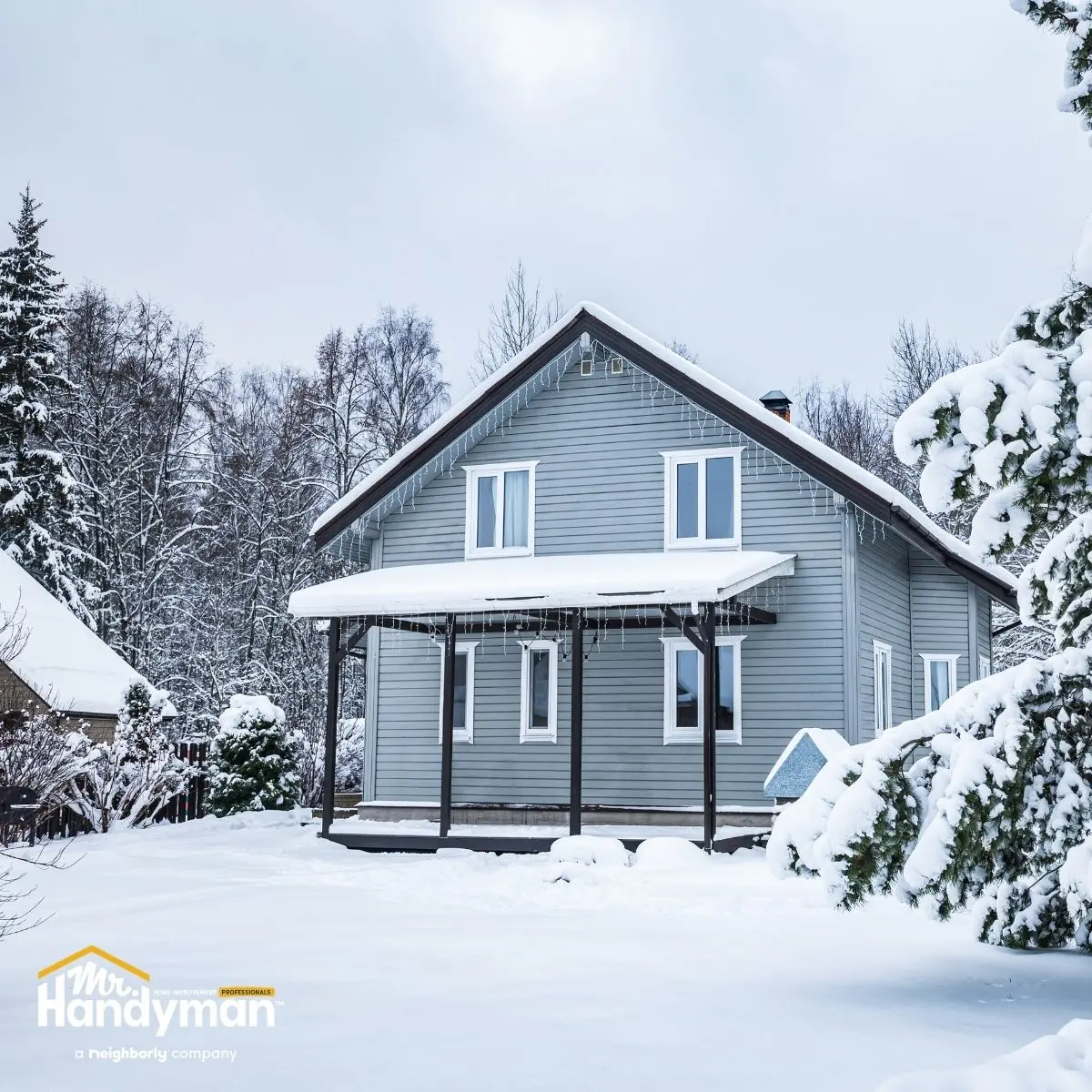
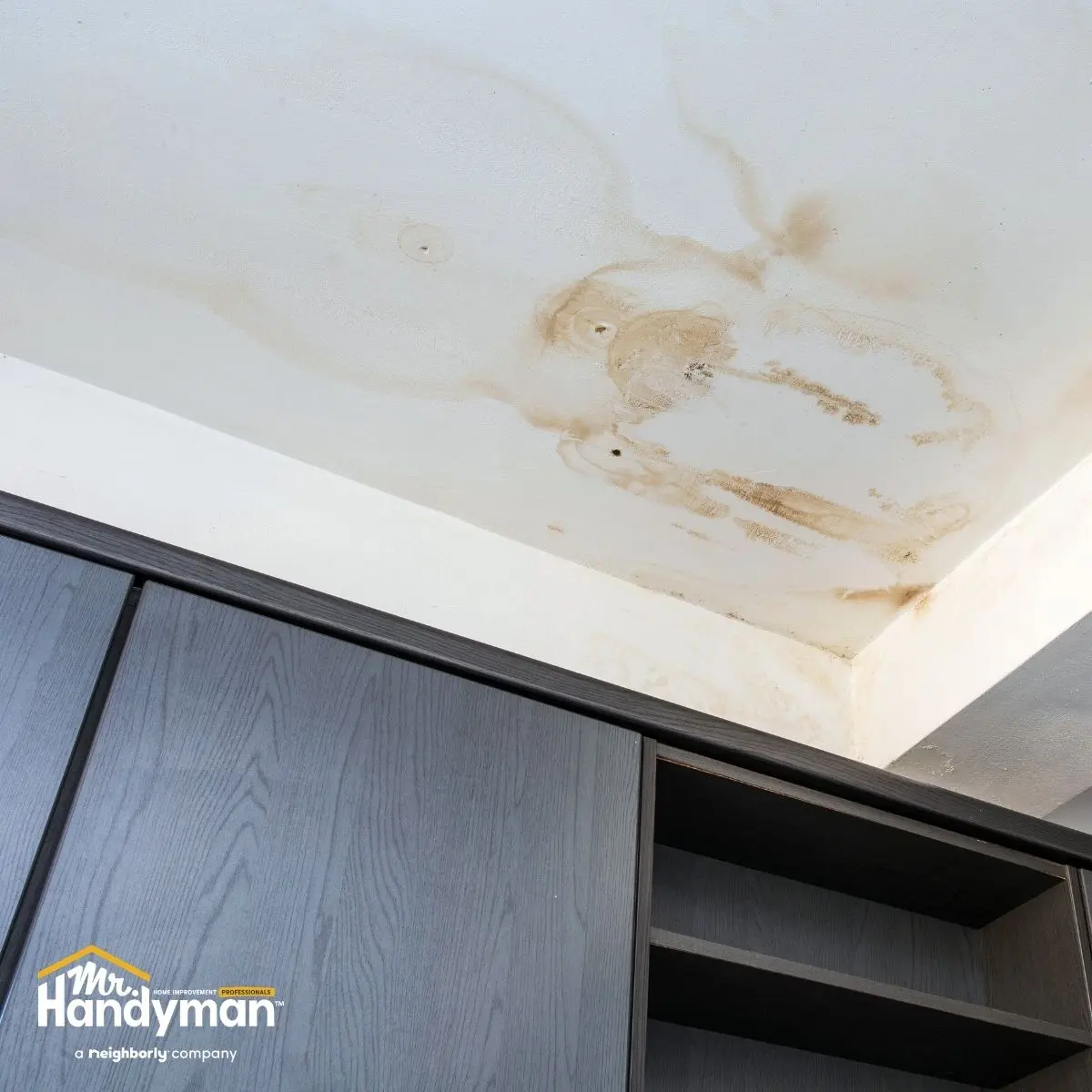
Most homeowners think about winter damage in terms of dramatic events — a burst pipe, a fallen tree branch, an ice dam that forces water through the ceiling. These things happen, and when they do, the damage is impossible to miss. But the more common story of winter damage is quieter than that. It accumulates in small increments across dozens of surfaces, joints, and components throughout your home, and by the time spring arrives, the total effect is significant even though no single moment felt like a crisis.
In Oklahoma City and Norman, winter does not follow a predictable script. Some years bring extended freezes, ice storms, and sustained cold that tests every system in your home simultaneously. Other years deliver a disorienting series of warm spells interrupted by sharp cold snaps — and that thermal cycling is, in many ways, harder on a home than a consistently cold winter would be. Materials that expand and contract repeatedly without ever fully stabilizing are under more cumulative stress than materials that simply freeze and stay frozen.
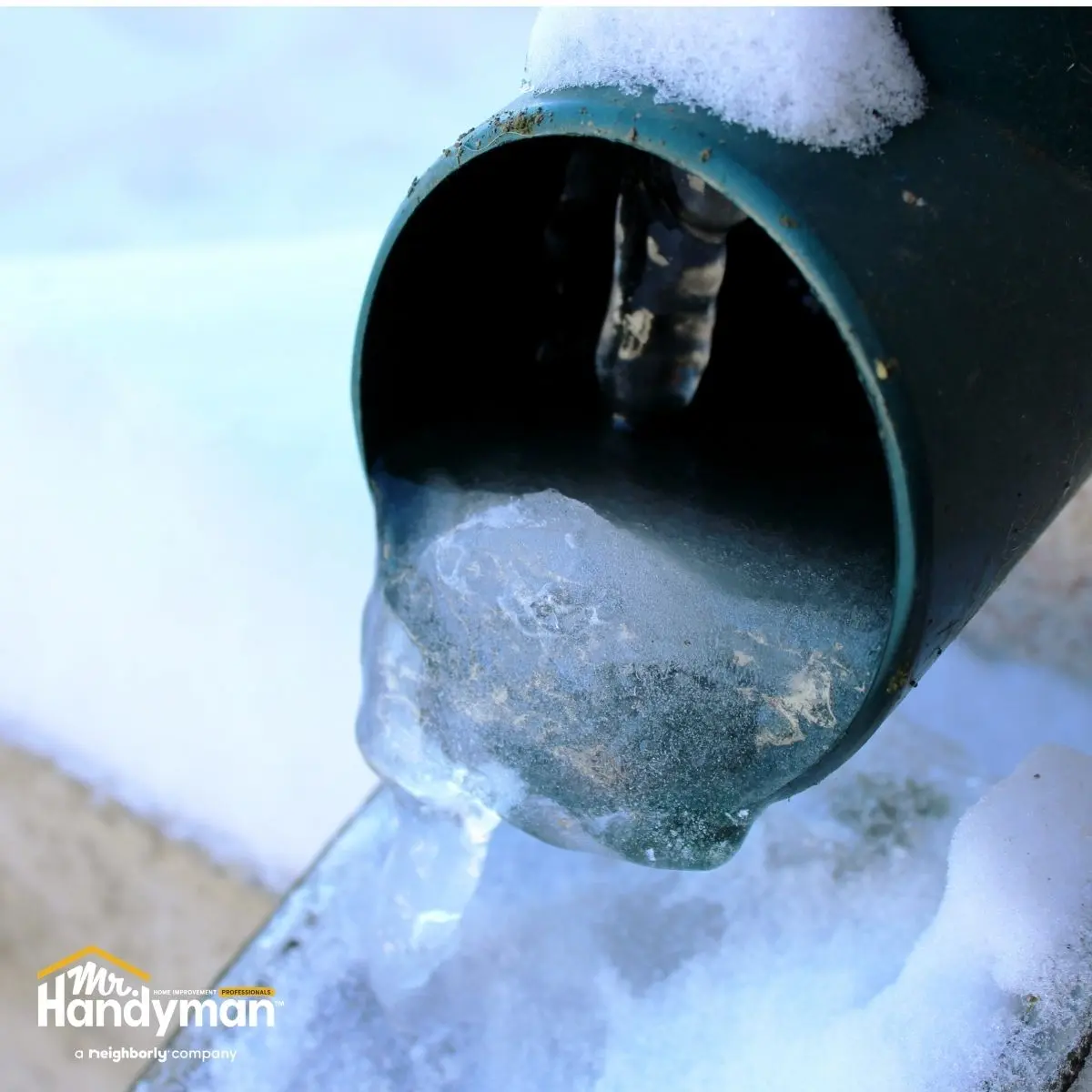
The freeze-thaw cycle is the central mechanism behind most post-winter residential repair needs. Water is the key actor. It finds its way into every small gap, crack, and unsealed joint in your home's exterior and interior surfaces. When it freezes, it expands with enough force to widen cracks, separate caulked joints, and shift building materials that have held their position for years. When it thaws, it retreats — but the opening it created remains, slightly larger than before, ready to accept more water in the next cycle.
By the time Oklahoma's spring arrives, most homes have accumulated a season's worth of these small failures. Addressing them promptly, before spring storm season adds additional stress and before summer heat accelerates deterioration, is one of the most valuable maintenance investments a homeowner can make.
Why Spring Is the Right Time to Act
There is a narrow but important window between the end of winter and the beginning of Oklahoma's active storm season when repair conditions are ideal and the urgency is highest. Temperatures are mild enough for exterior caulking and paint to cure properly. The ground has stabilized after winter moisture, making foundation and concrete assessments accurate. And the damage winter left behind is fully revealed — there is no more cold weather coming to mask or compound existing problems.
Waiting past this window has real consequences in central Oklahoma. Spring storm season brings hail, high winds, and heavy rainfall that stress every vulnerable point your home developed over winter. A small caulking gap that would have been a thirty-minute repair in March becomes a water infiltration problem by May if a storm pushes rain against it repeatedly. A loose gutter section that needed one afternoon of attention in early spring becomes a foundation drainage problem by summer if left to pull further away from the fascia through multiple storm events.
Acting in the spring repair window is not about being reactive to visible damage. It is about understanding that winter created vulnerabilities your home is carrying into its most weather-intensive season, and closing those vulnerabilities before they are exploited.
Exterior Caulking and Sealants
If there is a single post-winter repair category that delivers the highest return on investment for Oklahoma homeowners, it is exterior caulking. Caulking is the first line of defense against water infiltration at every joint, seam, and transition point on your home's exterior — around windows and doors, where siding meets trim, at penetrations for pipes and electrical conduit, and at the base of exterior fixtures.
Caulk degrades through a combination of UV exposure, thermal cycling, and simple age. In Oklahoma's climate, where summer UV intensity is high and winter temperature swings are significant, exterior caulking has a meaningful service life that most homeowners underestimate. Caulk that was applied five or more years ago and has never been assessed is almost certainly showing signs of failure somewhere on your home — shrinkage, cracking, separation from one or both surfaces, or the hardening and brittleness that precedes complete failure.
Walking your home's exterior perimeter in early spring and pressing gently on all caulked joints is the simplest assessment method available. Caulk that compresses and springs back is still functional. Caulk that is hard, cracked, or separating from the surfaces it bridges needs to be removed and replaced. This is unglamorous work, but it is the difference between a home that manages water effectively and one that is quietly accumulating moisture damage inside wall cavities where no one looks until the problem is serious.
Exterior Paint and Wood Surfaces
Oklahoma winters are particularly hard on exterior wood surfaces — fascia boards, soffit panels, window and door trim, deck framing, and any decorative wood elements on your home's exterior. The combination of moisture exposure and thermal cycling dries wood out, causes paint to lose adhesion, and creates the checking and cracking that allows further moisture penetration.
Post-winter paint inspection should focus on areas where paint failure is most likely to originate — south and west facing surfaces that receive intense UV exposure, low surfaces near grade where moisture contact is highest, and any horizontal wood surfaces where water can pool rather than shed. Paint that is peeling, bubbling, or showing bare wood beneath it is not just a cosmetic problem. It is an open invitation for moisture to enter the wood and begin the rot process that, once established, requires significantly more intervention than a paint job.
Addressing paint failures promptly in spring — cleaning the surface, spot priming bare areas, and applying fresh topcoat — stops the deterioration cycle before summer heat bakes moisture into exposed wood. Any wood that has already progressed to softness or visible rot should be assessed for repair or replacement before painting, because paint applied over deteriorated wood will fail again quickly regardless of product quality.
Roof and Gutter Assessment
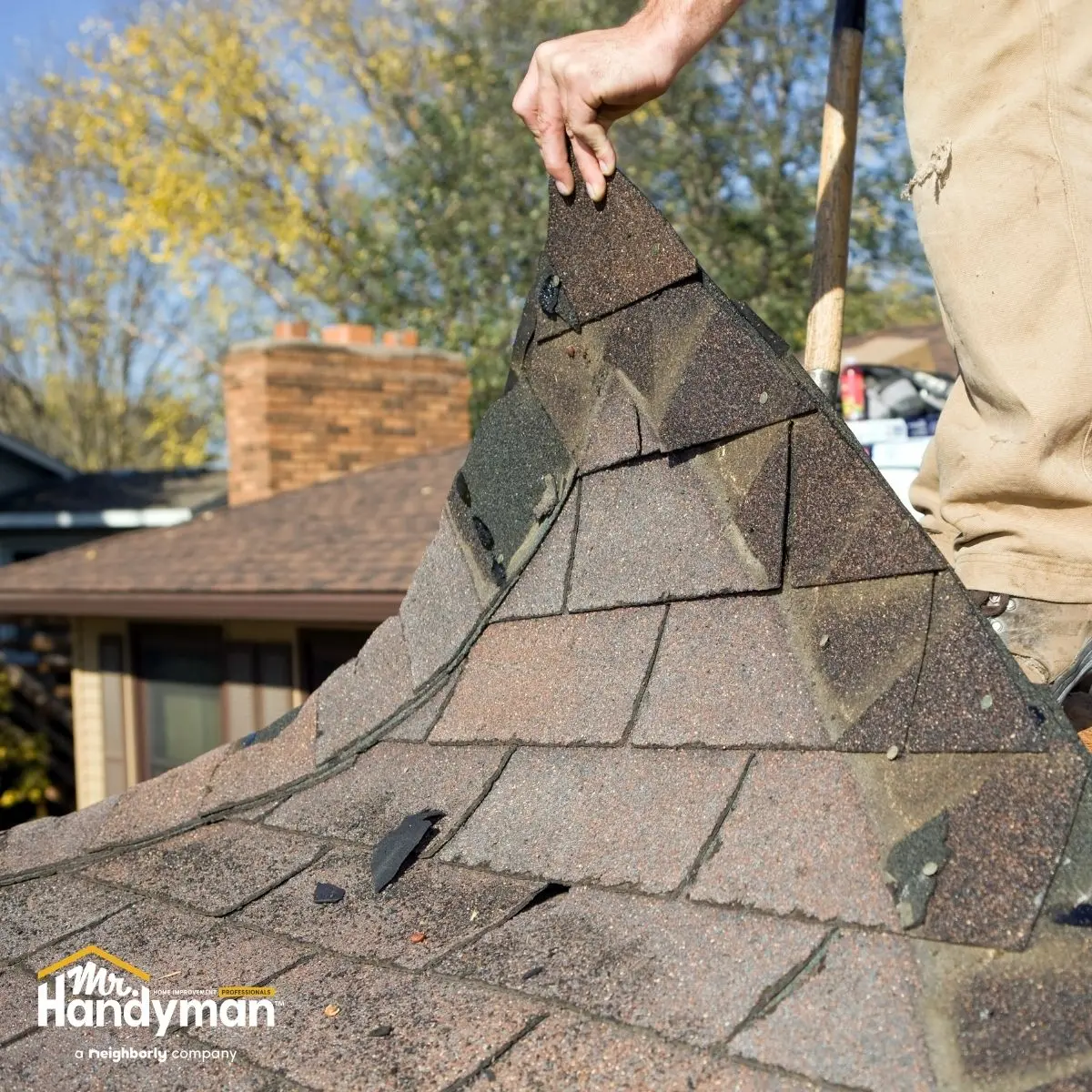
Oklahoma winters regularly deliver ice accumulation, wind events, and the freeze-thaw cycling that stresses roofing components in specific and predictable ways. Shingles that were already approaching the end of their service life before winter often emerge from the season with accelerated granule loss, lifted edges, or cracked tabs that compromise the roof's ability to shed water effectively.
Gutters take significant stress from ice loading and wind during Oklahoma winters. The weight of ice accumulation in gutters pulls hanger hardware away from the fascia, creates low spots where water pools rather than drains, and can separate gutter sections at their joints. A gutter system that is sagging, pulling away from the roofline, or visibly misaligned after winter needs to be reset and resealed before spring storm season begins delivering the concentrated rainfall events that test drainage systems hardest.
Downspouts should be checked for blockage from debris that accumulated over winter and for proper connection to underground drainage or surface extensions that direct water away from the foundation. A downspout that discharges water against the foundation rather than away from it is actively contributing to the soil saturation and hydrostatic pressure that threatens basement walls and crawl space conditions over time.
What Winter Leaves Inside Your Home
The exterior of your home absorbs the most visible winter damage, but the interior tells its own story. Temperature fluctuations, heating system operation, and the moisture dynamics that shift between seasons all leave marks inside a home that are easy to attribute to other causes or dismiss as minor inconveniences. Understanding what to look for inside your home after a central Oklahoma winter helps you address the full picture of seasonal wear rather than just what is visible from the street.
Homes in Oklahoma City and Norman vary widely in age and construction. Older homes built before modern insulation and vapor barrier standards are particularly susceptible to interior moisture issues, settling-related movement, and the drywall cracking that results from seasonal expansion and contraction. Newer homes are not immune — they experience their own patterns of post-winter interior wear, particularly around windows, doors, and mechanical systems that worked continuously through heating season.
Drywall Cracks and Interior Surface Repairs
Drywall cracking after winter is one of the most common interior repair needs Oklahoma homeowners encounter, and one of the most frequently misunderstood. Most post-winter drywall cracks are not structural warnings. They are the visible record of seasonal movement — the expansion and contraction of framing lumber as it responds to temperature and humidity changes throughout winter and into spring.
The cracks that appear at the corners of window and door openings, along ceiling and wall joints, and at the seams between drywall panels are typically the result of this normal seasonal movement. They become a problem not because of what caused them, but because of what they allow — air infiltration, moisture exchange, and the progressive widening that occurs if each winter's movement is never repaired before the next cycle begins.
Addressing drywall cracks in spring involves more than filling them with a thin layer of joint compound and painting over them. Cracks that are simply filled without proper preparation — cleaning loose material from the edges, applying mesh tape over wider cracks, and feathering compound across a sufficient area — will reappear within a season because the repair lacks the structural reinforcement to accommodate the same movement that created the crack initially. Done properly, spring drywall repair creates a surface that is genuinely restored rather than temporarily concealed.
Nail pops are a related post-winter interior issue that appears in both walls and ceilings. As framing lumber dries and contracts during heating season, nails or screws holding drywall panels can push through the surface finish, creating visible bumps that catch light and draw attention. The correct repair involves driving the fastener back below the surface, adding a second fastener nearby to secure the panel properly, and finishing the area smoothly — not simply pressing the pop back flush and painting over it, which results in the same pop reappearing within months.
Windows and Doors After Winter
Windows and doors are the most thermally active components in any home. They span the boundary between conditioned interior space and exterior conditions, and they respond to temperature and humidity changes more dramatically than walls or floors. After a central Oklahoma winter, it is common to find windows and doors that are sticking, drafting, or showing visible gaps that were not present before cold weather arrived.
Wood window frames and door frames absorb moisture during winter and can swell enough to cause binding that makes operation difficult. As spring arrives and moisture levels stabilize, this swelling typically resolves — but frames that have been binding repeatedly over multiple winters often develop finish damage, hardware stress, and alignment issues that do not fully self-correct.
Weatherstripping around exterior doors compresses and degrades over time, and winter accelerates this process at the door bottom sweep where it contacts the threshold repeatedly through the season. A door that allows visible daylight along its edges or at the bottom is drafting conditioned air continuously — in Oklahoma summers, that means your air conditioning system is working harder than it should be from the day the heat arrives. Replacing door weatherstripping in spring, before cooling season begins, is a direct energy efficiency investment with a payback that begins immediately.
Window glazing compound — the putty that seals glass panes into older wood window frames — dries, shrinks, and cracks over time, and Oklahoma winters accelerate that process. Cracked or missing glazing compound allows moisture to contact the frame directly and creates a pathway for air infiltration around the glass. Re-glazing windows in spring is a traditional maintenance task that extends the service life of older wood windows significantly and improves both their thermal performance and their appearance.
Plumbing Fixtures and Water Heaters
Winter places specific demands on residential plumbing systems, and spring is the appropriate time to assess how well those systems held up. Homes in Oklahoma City and Norman that experienced temperatures below freezing — particularly older homes with pipes running through exterior walls or uninsulated crawl spaces — should be checked carefully for any slow leaks that may have developed at joints stressed by near-freezing conditions even if a full pipe failure did not occur.
Water heaters that operated continuously through winter to meet increased hot water demand should be assessed for sediment accumulation and anode rod condition. Sediment buildup in a tank water heater reduces efficiency, increases energy consumption, and accelerates corrosion of the tank interior. Flushing sediment in spring extends water heater service life and restores heating efficiency — a straightforward maintenance task that most homeowners defer until the water heater fails entirely, at which point replacement rather than maintenance is the only option.
Exterior hose bibs that were shut off for winter need to be tested and inspected before spring outdoor water use begins. A hose bib that drips at the handle packing or leaks at the wall connection after winter may have sustained minor damage during a freeze event that will worsen with use if not addressed.
FAQs
How do I know if a drywall crack is a normal seasonal issue or a structural concern?
Cracks that run diagonally from the corners of window and door openings, follow drywall seams, or appear in the same locations each spring are typically seasonal movement cracks. Cracks that are wide enough to insert a coin into, that run continuously across walls and ceilings, or that are accompanied by doors and windows that have suddenly become difficult to operate may indicate foundation or structural movement and warrant a professional assessment.
Should I repair caulking and paint before or after Oklahoma's spring storm season?
Before, whenever possible. Exterior caulking and paint repairs completed before storm season protect your home through the highest-stress weather period of the year. Waiting until after storm season means your home carries its winter vulnerabilities through additional stress before they are addressed.
My doors stuck all winter but seem fine now that it's warmer. Do I still need to address them?
Yes. Doors that bind seasonally are telling you that the frame, hardware, or weatherstripping is under stress that will worsen over time. Addressing the underlying cause in spring — whether it is hinge hardware, frame alignment, or weatherstripping condition — prevents progressive damage and ensures the door functions properly when summer humidity arrives and wood swells again.
How much of this post-winter repair work can a handyman service handle versus a specialized contractor?
The majority of post-winter residential repairs — drywall patching, caulking, paint touch-up, weatherstripping replacement, gutter resetting, wood surface repair, door and window adjustments, and minor plumbing fixture repairs — fall well within the scope of an experienced residential handyman service. Specialized contractors are typically needed only when structural assessment, roofing replacement, or major plumbing work is indicated.
Is it worth doing a full post-winter walkthrough even if I haven't noticed any obvious problems?
Absolutely. The most costly post-winter repairs are almost always the ones that were not noticed until they became serious. A systematic walkthrough of your home's exterior and interior in early spring catches small failures while they are still small — before storm season, summer heat, and another winter cycle compound them into significantly larger and more expensive problems.
Let's Get Your Home Ready for Spring
Winter leaves its mark on every home in central Oklahoma. The difference between homeowners who stay ahead of their maintenance and those who are constantly reacting to problems is simply the habit of addressing seasonal wear promptly — before it compounds, escalates, and becomes expensive.
Mr. Handyman of Central Oklahoma City is ready to help you work through your post-winter repair list efficiently and professionally, so your home enters spring and summer in the best possible condition.
🌐 mrhandyman.com/central-oklahoma-city/
Mr. Handyman of S. Oklahoma City and Norman serves homeowners throughout the southern metro and Norman with the same reliable, detail-oriented approach to seasonal home maintenance.
🌐 mrhandyman.com/northern-montgomery-county/
Schedule your post-winter home assessment today and take the guesswork out of spring maintenance.