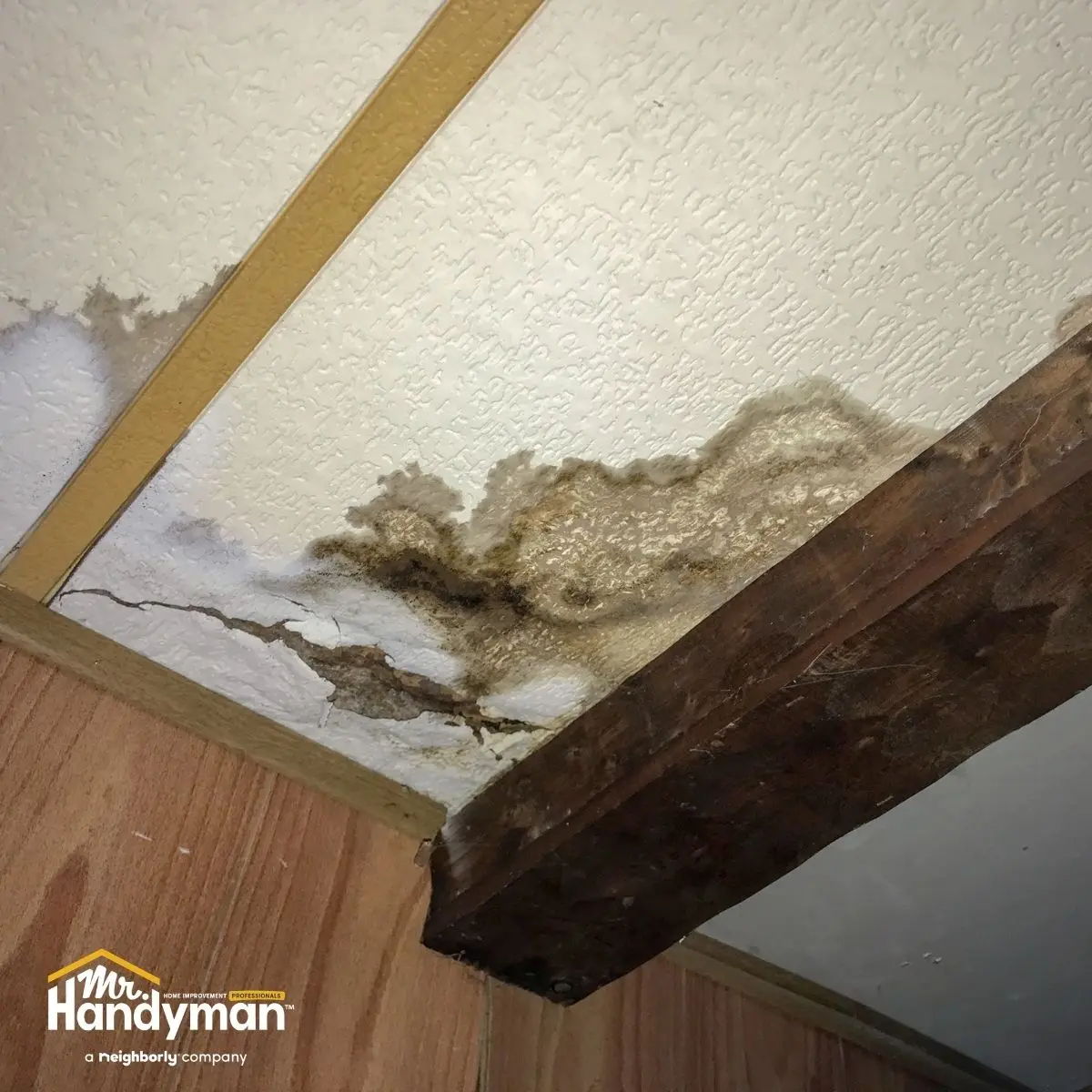
Water damage doesn't announce itself with fanfare. There's rarely a dramatic moment when a pipe bursts or a ceiling collapses. Most water damage starts quietly—a slow drip behind a wall, condensation pooling in an attic, a toilet seal that weeps just enough to darken the subfloor but not enough to puddle visibly. By the time homeowners notice staining on a ceiling or warping on a floor, the damage has often been progressing for weeks or months.
In Central Oklahoma City, South Oklahoma City, and Norman, water damage is a particularly persistent problem. The region's clay soil shifts with moisture changes, stressing foundations and creating cracks where water can infiltrate. Older homes—many built in the decades when construction standards were less rigorous—have plumbing systems, roofing materials, and insulation that weren't designed to last fifty or sixty years. Combine that with Oklahoma's severe weather patterns—heavy spring storms, summer heat that stresses air conditioning systems and condensate lines, and winter freezes that crack pipes—and you have conditions where water finds its way into places it shouldn't be.
The financial cost of undetected water damage is substantial. A small leak that goes unnoticed for six months can require thousands of dollars in repairs once mold growth, structural rot, or subfloor replacement becomes necessary. Insurance claims for water damage are complicated, and many policies don't cover damage that resulted from long-term neglect or maintenance failures. Catching water damage early—before it becomes a crisis—protects your home's structural integrity, your family's health, and your financial stability.
This isn't about paranoia. It's about paying attention. Water leaves clues. Discoloration, texture changes, odors, and subtle shifts in how materials look and feel all signal that moisture is present where it shouldn't be. Learning to recognize these early warning signs means you can address problems while they're still manageable, before they escalate into emergencies that disrupt your daily life and drain your savings.
Visual Signs of Hidden Water Intrusion
Water stains are the most obvious indicators, but they're often misunderstood. A yellow or brown stain on a ceiling doesn't always mean active leaking. It can be the remnant of an old leak that was repaired but never properly treated. What matters is whether the stain is growing, darkening, or developing rings that indicate repeated wetting and drying cycles. Fresh water damage typically appears darker and may have a wet sheen. Older damage looks faded but can reactivate if the source of moisture returns.
Look at ceilings in rooms directly below bathrooms, kitchens, or HVAC units. These are high-risk areas where plumbing connections, supply lines, and drain pipes run overhead. Even a pinhole leak in a copper pipe or a loose compression fitting can allow water to drip onto drywall or insulation for months before it becomes visible. Staining often appears near seams, corners, or around light fixtures where gravity pulls moisture to the lowest point.
Walls show water damage differently than ceilings. Paint may bubble or peel in spots where moisture is trapped behind the surface. Drywall can feel soft or spongy to the touch if it's been saturated. Wallpaper may lift at the seams or develop wrinkles. In older homes with plaster walls, you might see cracks forming in unusual patterns or sections of plaster that sound hollow when tapped. These aren't always structural settling—they can indicate moisture weakening the bond between plaster layers.
Baseboards and trim are revealing. If you see gaps forming between the baseboard and the wall, or if the wood appears swollen or warped, moisture is likely present in the wall cavity or subfloor. Paint on baseboards can crack or flake when wood expands from water absorption. In homes with wood flooring, check where the floor meets the wall. Cupping, where floorboards curve upward at the edges, often indicates moisture coming from below.
Windows and doors are common entry points for water. Check the areas around window frames for discoloration, soft spots in the drywall, or peeling paint. Water can enter through failed caulking, deteriorated weather stripping, or cracks in the frame itself. In Oklahoma, where intense storms drive rain sideways, even small gaps around windows can allow significant water intrusion over time. Doors—especially exterior doors and sliding glass doors—can leak at the threshold or along the frame if seals have degraded.
Smells That Indicate Moisture Problems
Musty odors are often the first sign of water damage, appearing before any visual evidence. This smell comes from mold and mildew growth, which begins within twenty-four to forty-eight hours of materials becoming wet. You might notice it in a bathroom that always seems damp, a closet that backs up to an exterior wall, or a corner of a basement that never quite feels dry. The smell is earthy, stale, and persistent. It doesn't go away with air fresheners because the source is organic decay.
Bathrooms are particularly prone to moisture-related odors. Even without visible leaks, inadequate ventilation allows humidity from showers and baths to saturate drywall, grout, and wood. Over time, this creates an environment where mold thrives behind walls, under flooring, or in ceiling cavities. If your bathroom smells musty even after cleaning, moisture is trapped somewhere. Check behind toilets, under sinks, and around tub and shower enclosures. Feel the walls for dampness or temperature differences that suggest poor insulation or hidden moisture.
Basements and crawl spaces in Oklahoma homes often have chronic moisture issues tied to soil composition and foundation design. Clay soil doesn't drain well. When it rains heavily, water saturates the ground around your foundation and seeps through cracks, through concrete block walls, or up through slab foundations. A persistent damp smell in a basement isn't normal. It indicates ongoing water intrusion that, if left unchecked, will damage stored belongings, encourage pest infestations, and compromise structural supports.
Attics can develop moisture problems from roof leaks, inadequate ventilation, or HVAC condensation issues. A musty smell in an attic—especially after a storm—suggests water is entering through the roof or condensing on cooler surfaces. Insulation holds moisture and becomes a breeding ground for mold. Wooden roof decking and rafters can rot over time if they're repeatedly exposed to moisture. In Oklahoma, where summer heat makes attics unbearably hot, condensation forms when humid air meets cooler surfaces at night, creating a cycle of dampness.
Textural Changes in Floors and Ceilings
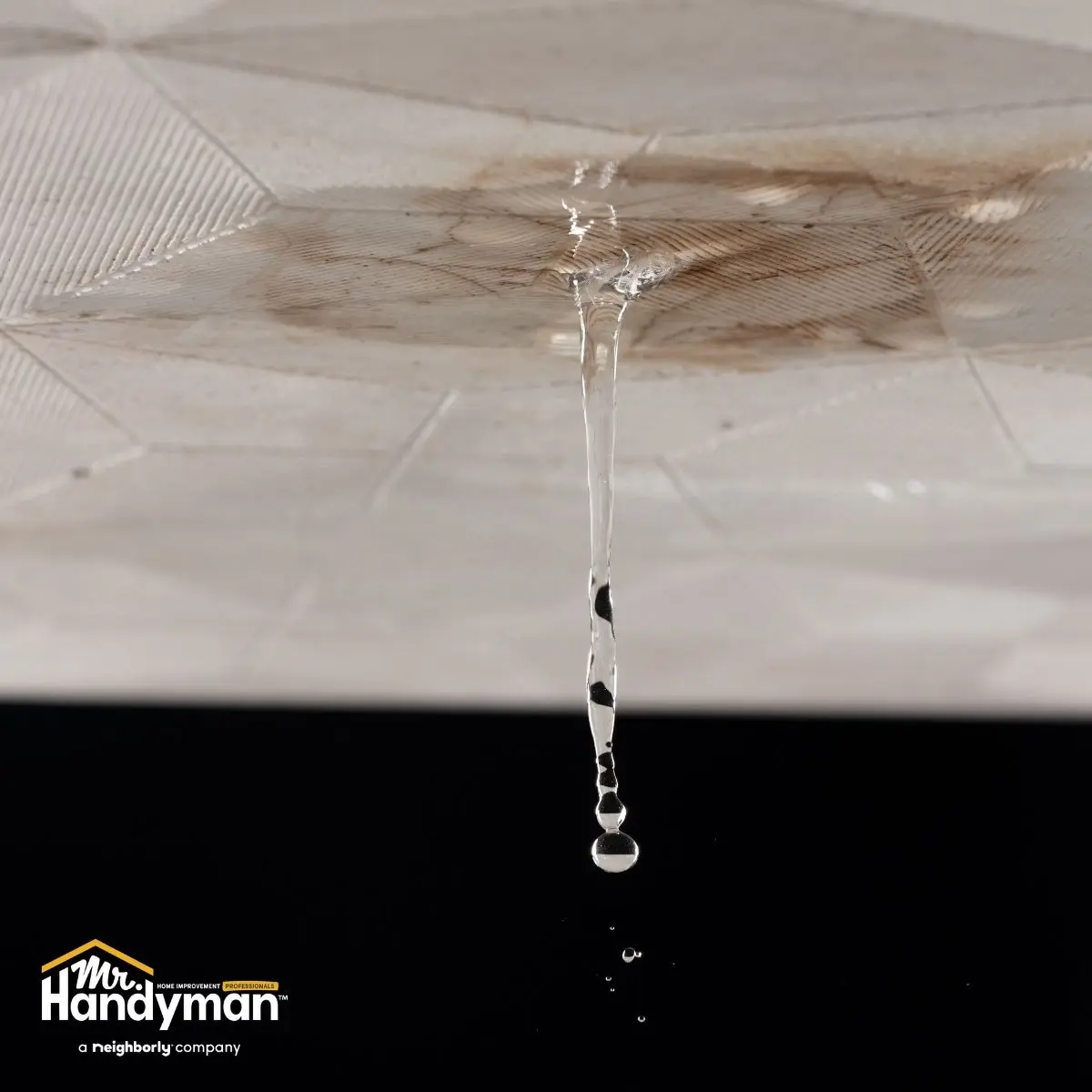
Floors respond to water damage in ways that are easy to miss if you're not paying attention. Hardwood floors may develop a slight bounce or feel softer underfoot where the subfloor has absorbed water. You might hear creaking or squeaking in areas that were previously silent. Vinyl flooring can lift at the seams or develop bubbles where water has infiltrated from below. Tile floors may have grout that's crumbling or tiles that sound hollow when tapped, indicating the thinset mortar underneath has failed due to moisture.
Carpet is deceptive. It can hide significant water damage because it absorbs moisture and dries on the surface while the padding and subfloor beneath remain wet. If carpet feels damp, spongy, or unusually cool to the touch, water is present below. Dark spots or staining that appear after rain or plumbing use indicate an active leak. Carpet in basements is especially vulnerable. Concrete slabs can wick moisture from the ground, and carpeting installed directly on concrete without a proper moisture barrier will eventually develop mold and odor problems.
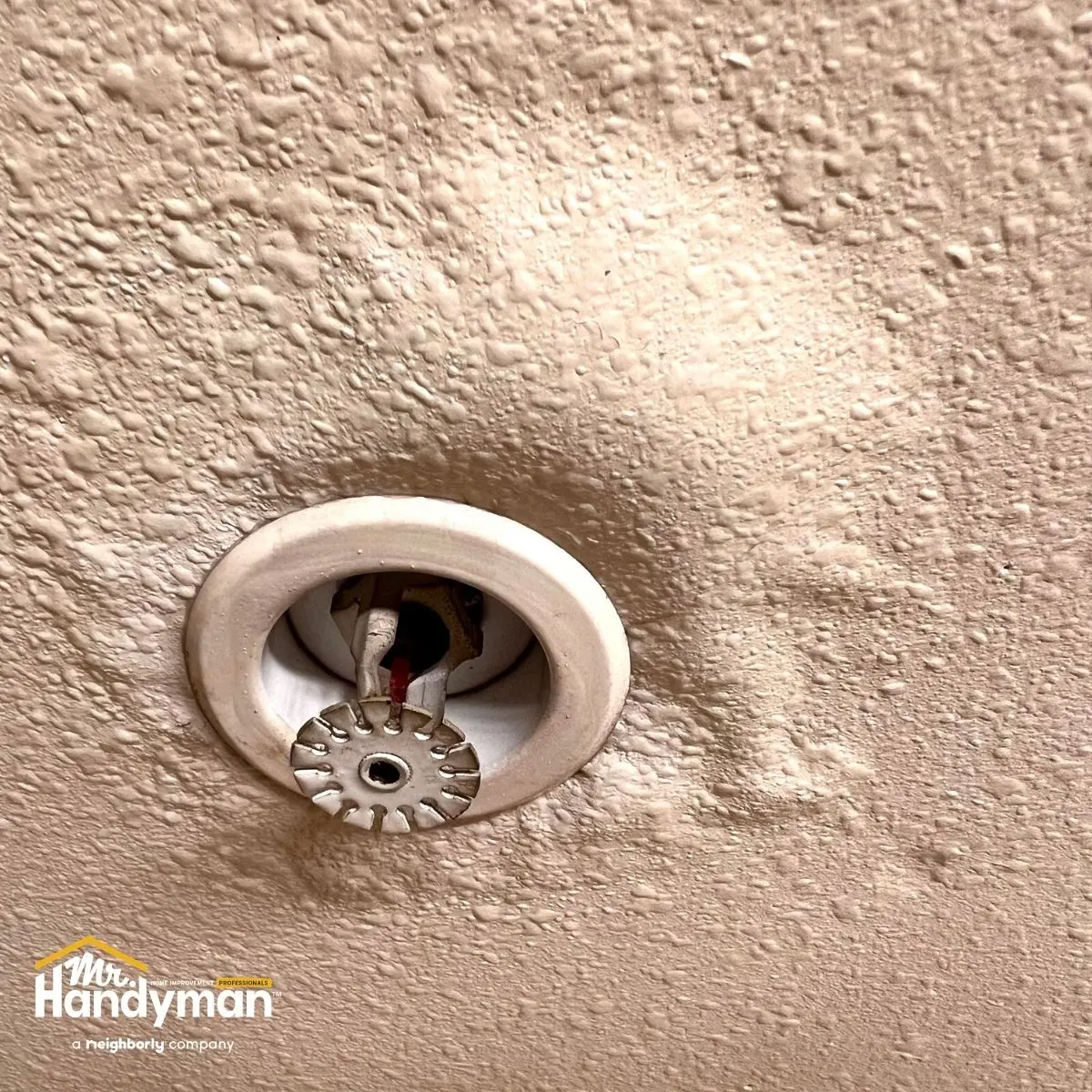
Ceilings that sag or feel soft are in the advanced stages of water damage. Drywall loses its structural integrity when saturated, and the weight of accumulated water can cause it to bow downward. Popcorn texture ceilings may start to droop or separate in patches. Drop ceilings in basements can show water staining on tiles, and the tiles themselves may warp or disintegrate if they've been wet repeatedly. Any sagging ceiling is a serious concern and should be addressed immediately to prevent collapse.
In homes with crawl spaces, the floor above can show subtle signs of moisture damage even when the problem is hidden below. Warping, cupping, or soft spots in hardwood floors often trace back to high humidity or standing water in the crawl space. Oklahoma's clay soil and poor drainage mean crawl spaces can retain moisture for extended periods, especially after heavy rains or if gutters and downspouts aren't directing water away from the foundation.
Mold Growth Patterns and Health Implications
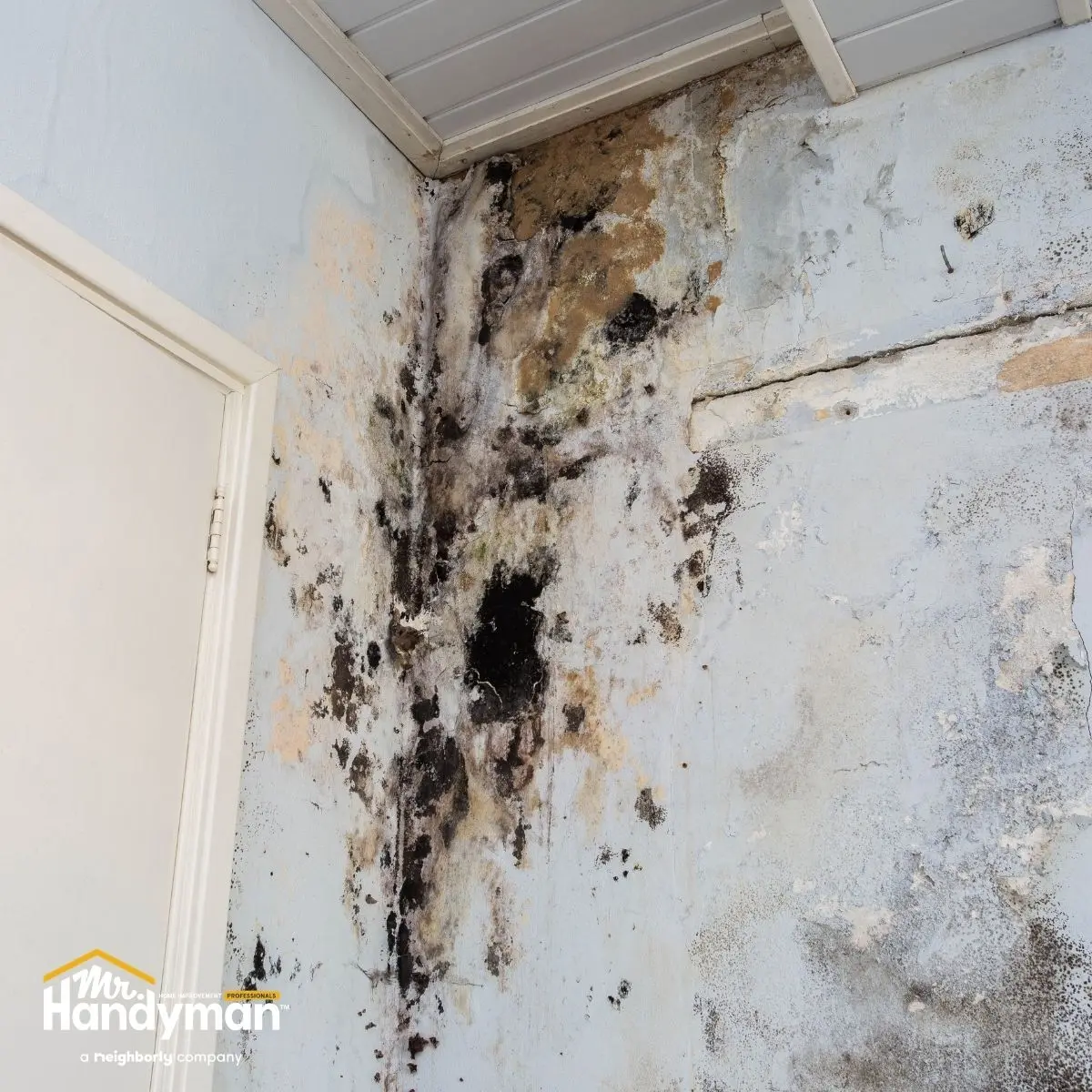
Mold doesn't need a catastrophic flood to establish itself. It needs moisture, organic material, and time. Drywall, wood framing, insulation, carpet, and even dust provide the organic material. Moisture comes from leaks, condensation, or high humidity. Once mold spores land on a damp surface, they begin colonizing within days. What starts as a small patch behind a toilet or under a sink can spread throughout a wall cavity, releasing spores into your home's air.
Visible mold appears as black, green, or white patches on surfaces. It might look fuzzy, slimy, or powdery depending on the species and the surface it's growing on. Common places to find mold include shower corners, window sills, around sink drains, and on walls in poorly ventilated rooms. But visible mold is often just the surface manifestation of a larger problem. Mold inside walls, under flooring, or in attics can't be seen but still affects indoor air quality.
Health effects from mold exposure range from minor irritation to serious respiratory problems. People with asthma, allergies, or compromised immune systems are particularly vulnerable. Symptoms include persistent coughing, sneezing, headaches, fatigue, and worsening asthma symptoms. If family members experience these issues primarily when at home, and symptoms improve when away from the house, mold exposure is a likely culprit.
Oklahoma's humidity levels, especially during spring and summer, create ideal conditions for mold growth. Homes without adequate ventilation in bathrooms, kitchens, and attics trap moisture. Air conditioning systems that run constantly in summer can develop condensation issues if drain lines are clogged or if the system is oversized and cycles too frequently. Condensate pans that overflow or drain lines that leak into wall cavities introduce moisture exactly where mold thrives.
How to Spot Early Signs of Water Damage in Oklahoma City and Norman Homes
Water damage doesn't announce itself with fanfare. There's rarely a dramatic moment when a pipe bursts or a ceiling collapses. Most water damage starts quietly—a slow drip behind a wall, condensation pooling in an attic, a toilet seal that weeps just enough to darken the subfloor but not enough to puddle visibly. By the time homeowners notice staining on a ceiling or warping on a floor, the damage has often been progressing for weeks or months.
In Central Oklahoma City, South Oklahoma City, and Norman, water damage is a particularly persistent problem. The region's clay soil shifts with moisture changes, stressing foundations and creating cracks where water can infiltrate. Older homes—many built in the decades when construction standards were less rigorous—have plumbing systems, roofing materials, and insulation that weren't designed to last fifty or sixty years. Combine that with Oklahoma's severe weather patterns—heavy spring storms, summer heat that stresses air conditioning systems and condensate lines, and winter freezes that crack pipes—and you have conditions where water finds its way into places it shouldn't be.
The financial cost of undetected water damage is substantial. A small leak that goes unnoticed for six months can require thousands of dollars in repairs once mold growth, structural rot, or subfloor replacement becomes necessary. Insurance claims for water damage are complicated, and many policies don't cover damage that resulted from long-term neglect or maintenance failures. Catching water damage early—before it becomes a crisis—protects your home's structural integrity, your family's health, and your financial stability.
This isn't about paranoia. It's about paying attention. Water leaves clues. Discoloration, texture changes, odors, and subtle shifts in how materials look and feel all signal that moisture is present where it shouldn't be. Learning to recognize these early warning signs means you can address problems while they're still manageable, before they escalate into emergencies that disrupt your daily life and drain your savings.
Visual Signs of Hidden Water Intrusion
Water stains are the most obvious indicators, but they're often misunderstood. A yellow or brown stain on a ceiling doesn't always mean active leaking. It can be the remnant of an old leak that was repaired but never properly treated. What matters is whether the stain is growing, darkening, or developing rings that indicate repeated wetting and drying cycles. Fresh water damage typically appears darker and may have a wet sheen. Older damage looks faded but can reactivate if the source of moisture returns.
Look at ceilings in rooms directly below bathrooms, kitchens, or HVAC units. These are high-risk areas where plumbing connections, supply lines, and drain pipes run overhead. Even a pinhole leak in a copper pipe or a loose compression fitting can allow water to drip onto drywall or insulation for months before it becomes visible. Staining often appears near seams, corners, or around light fixtures where gravity pulls moisture to the lowest point.
Walls show water damage differently than ceilings. Paint may bubble or peel in spots where moisture is trapped behind the surface. Drywall can feel soft or spongy to the touch if it's been saturated. Wallpaper may lift at the seams or develop wrinkles. In older homes with plaster walls, you might see cracks forming in unusual patterns or sections of plaster that sound hollow when tapped. These aren't always structural settling—they can indicate moisture weakening the bond between plaster layers.
Baseboards and trim are revealing. If you see gaps forming between the baseboard and the wall, or if the wood appears swollen or warped, moisture is likely present in the wall cavity or subfloor. Paint on baseboards can crack or flake when wood expands from water absorption. In homes with wood flooring, check where the floor meets the wall. Cupping, where floorboards curve upward at the edges, often indicates moisture coming from below.
Windows and doors are common entry points for water. Check the areas around window frames for discoloration, soft spots in the drywall, or peeling paint. Water can enter through failed caulking, deteriorated weather stripping, or cracks in the frame itself. In Oklahoma, where intense storms drive rain sideways, even small gaps around windows can allow significant water intrusion over time.
Smells That Indicate Moisture Problems
Musty odors are often the first sign of water damage, appearing before any visual evidence. This smell comes from mold and mildew growth, which begins within twenty-four to forty-eight hours of materials becoming wet. You might notice it in a bathroom that always seems damp, a closet that backs up to an exterior wall, or a corner of a basement that never quite feels dry. The smell is earthy, stale, and persistent. It doesn't go away with air fresheners because the source is organic decay.
Bathrooms are particularly prone to moisture-related odors. Even without visible leaks, inadequate ventilation allows humidity from showers and baths to saturate drywall, grout, and wood. Over time, this creates an environment where mold thrives behind walls, under flooring, or in ceiling cavities. If your bathroom smells musty even after cleaning, moisture is trapped somewhere. Check behind toilets, under sinks, and around tub and shower enclosures.
Basements and crawl spaces in Oklahoma homes often have chronic moisture issues tied to soil composition and foundation design. Clay soil doesn't drain well. When it rains heavily, water saturates the ground around your foundation and seeps through cracks, through concrete block walls, or up through slab foundations. A persistent damp smell in a basement isn't normal. It indicates ongoing water intrusion that will damage stored belongings, encourage pest infestations, and compromise structural supports.
Attics can develop moisture problems from roof leaks, inadequate ventilation, or HVAC condensation issues. A musty smell in an attic—especially after a storm—suggests water is entering through the roof or condensing on cooler surfaces. Insulation holds moisture and becomes a breeding ground for mold. Wooden roof decking and rafters can rot over time if they're repeatedly exposed to moisture.
Textural Changes in Floors and Ceilings
Floors respond to water damage in ways that are easy to miss if you're not paying attention. Hardwood floors may develop a slight bounce or feel softer underfoot where the subfloor has absorbed water. You might hear creaking or squeaking in areas that were previously silent. Vinyl flooring can lift at the seams or develop bubbles where water has infiltrated from below. Tile floors may have grout that's crumbling or tiles that sound hollow when tapped, indicating the thinset mortar underneath has failed due to moisture.
Carpet is deceptive. It can hide significant water damage because it absorbs moisture and dries on the surface while the padding and subfloor beneath remain wet. If carpet feels damp, spongy, or unusually cool to the touch, water is present below. Dark spots or staining that appear after rain or plumbing use indicate an active leak. Carpet in basements is especially vulnerable. Concrete slabs can wick moisture from the ground, and carpeting installed directly on concrete without a proper moisture barrier will eventually develop mold and odor problems.
Ceilings that sag or feel soft are in the advanced stages of water damage. Drywall loses its structural integrity when saturated, and the weight of accumulated water can cause it to bow downward. Popcorn texture ceilings may start to droop or separate in patches. Any sagging ceiling is a serious concern and should be addressed immediately to prevent collapse.
In homes with crawl spaces, the floor above can show subtle signs of moisture damage even when the problem is hidden below. Warping, cupping, or soft spots in hardwood floors often trace back to high humidity or standing water in the crawl space. Oklahoma's clay soil and poor drainage mean crawl spaces can retain moisture for extended periods, especially after heavy rains or if gutters and downspouts aren't directing water away from the foundation.