Knowing emergency plumbing tips for extreme cold weather is essential for homeowners in central Oklahoma, where winter conditions can change rapidly and without much warning. While Oklahoma City does not experience long, snow-heavy winters, sudden Arctic cold fronts, strong winds, and overnight hard freezes create serious plumbing risks. These short but intense cold events are responsible for many winter plumbing emergencies across the region.
In Oklahoma City, Midwest City, Choctaw, Arcadia, Jones, and surrounding communities, plumbing systems are often unprepared for extreme cold because homes are built primarily for heat management, not sustained freezing temperatures. Pipes located in garages, exterior walls, crawl spaces, and utility areas are especially vulnerable. When extreme cold hits, knowing how to respond quickly can prevent extensive water damage and costly home repair.
When winter plumbing issues escalate beyond basic home maintenance, homeowners often rely on Mr. Handyman of Central Oklahoma City for dependable handyman services that address urgent repairs and help stabilize plumbing systems during cold weather emergencies.
Why Extreme Cold Weather Triggers Plumbing Emergencies
Extreme cold weather places plumbing systems under sudden stress. As temperatures drop, water inside pipes can begin to freeze. Frozen water expands, increasing pressure inside the pipe. This pressure can crack pipes or weaken joints, even if the pipe does not burst immediately.
What makes central Oklahoma especially challenging is the speed of temperature changes. Pipes may experience freezing conditions overnight after relatively mild daytime temperatures. This rapid freeze-thaw cycle increases the likelihood of damage, particularly in older homes or those with minimal insulation.
Wind also plays a significant role. Strong winter winds strip heat from exterior walls and exposed plumbing, accelerating freezing and increasing the risk of pipe failure.
Early Warning Signs of a Cold-Weather Plumbing Emergency
Recognizing early signs allows homeowners to act before damage spreads. During extreme cold weather, plumbing issues can worsen quickly.
Common warning signs include:
- Little or no water flow from faucets
- Frost visible on exposed pipes
- Unusual noises when turning on taps
- Sudden drops in water pressure
- Damp spots on walls, ceilings, or floors
Any of these signs may indicate freezing or restricted water flow. Immediate action can reduce the likelihood of burst pipes and water damage.
What to Do If You Suspect Frozen Pipes
If frozen pipes are suspected, homeowners should act carefully and promptly. Turning on faucets connected to the suspected pipe can help relieve pressure as ice begins to melt. Both hot and cold handles should be opened slightly.
Applying gentle heat to the affected area may help thaw the pipe. Safe methods include:
- Using a hair dryer on a low setting
- Applying warm towels to the pipe
- Increasing indoor heat near the affected area
Open flames or high-heat devices should never be used, as they can damage pipes or create fire hazards.
If a pipe appears cracked or leaking, the main water supply should be shut off immediately to limit water damage.
Why Knowing the Main Water Shutoff Is Critical
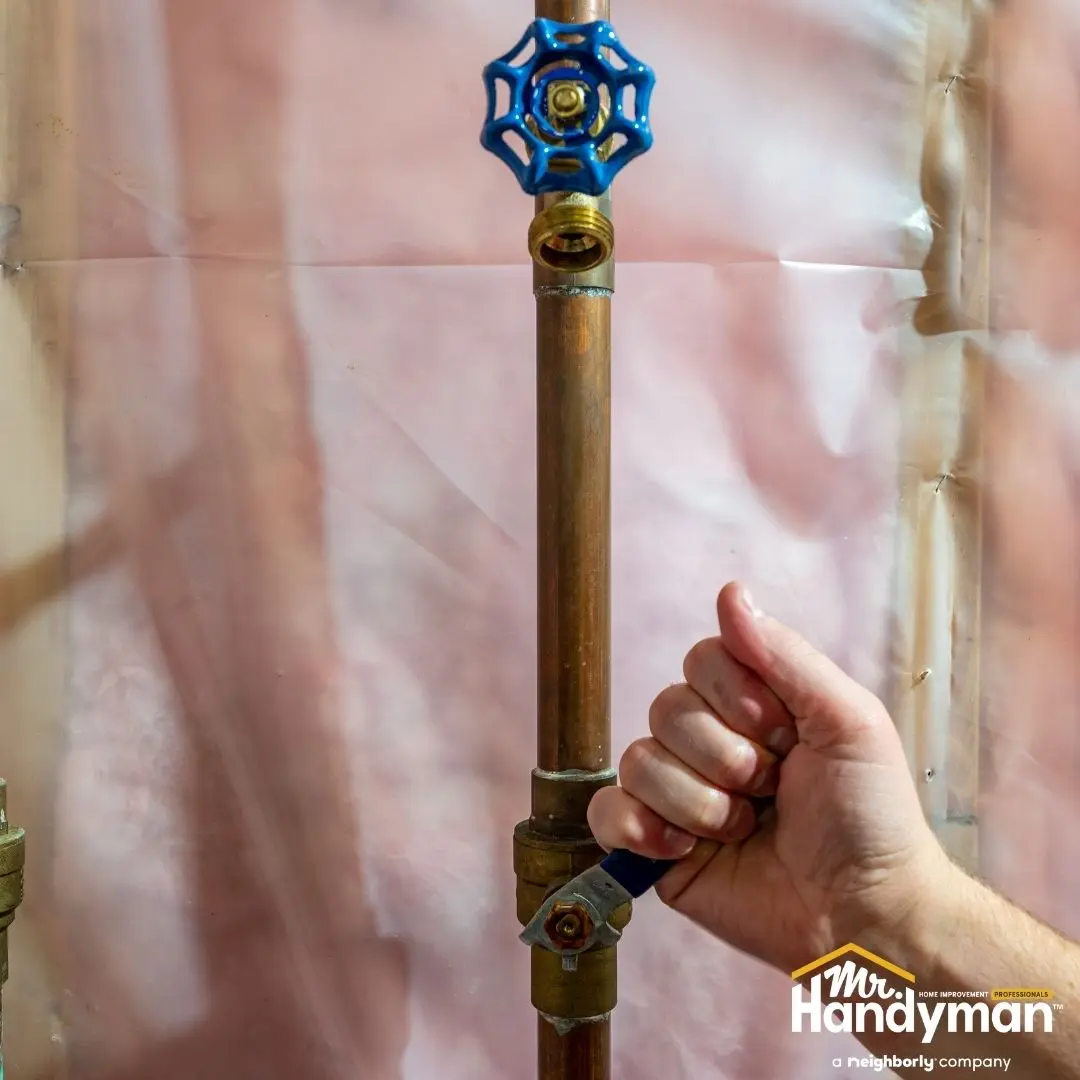
One of the most important emergency plumbing tips for extreme cold weather is knowing where the main water shutoff valve is located. In the event of a burst pipe, shutting off the water quickly can prevent extensive damage to walls, flooring, insulation, and electrical systems.
Homeowners should locate and test the shutoff valve before winter arrives. Valves that are stuck or difficult to turn should be addressed as part of routine home maintenance.
Protecting Plumbing During Power Outages
Extreme cold weather often brings power outages, which significantly increase plumbing risks. Without heat, indoor temperatures can drop rapidly, allowing pipes to freeze even inside living spaces.
During outages, homeowners should:
- Keep cabinet doors open near plumbing lines
- Close off unused rooms to conserve heat
- Allow faucets to drip slightly during severe cold
- Avoid leaving the home unattended if possible
If an outage is expected to last an extended period, shutting off the main water supply may help prevent catastrophic damage if a pipe freezes and bursts.
Why Dripping Faucets Can Help in Emergencies
Allowing faucets to drip during extreme cold is a temporary emergency measure that helps keep water moving through pipes. Moving water is less likely to freeze, and dripping also relieves pressure if ice begins to form.
This method should be used selectively and combined with insulation and heating efforts. While dripping faucets are not a long-term solution, they can be effective during overnight freezes or unexpected cold snaps.
The Role of Preventative Home Maintenance
Emergency situations are often the result of overlooked maintenance. Insulating exposed pipes, sealing drafts, and winterizing outdoor plumbing reduce the likelihood of emergencies when extreme cold weather hits.
Preventative home maintenance not only protects plumbing but also improves overall home efficiency and comfort. Addressing vulnerabilities early helps homeowners avoid emergency repairs during peak winter demand.
Why Professional Help Matters During Extreme Cold
Cold-weather plumbing emergencies often involve more than a single repair. Frozen or burst pipes can affect drywall, flooring, insulation, and structural components. Professional handyman services provide a comprehensive approach to addressing both the immediate issue and related home repair needs.
Homeowners who work with experienced professionals benefit from quicker stabilization, reduced damage, and guidance on preventing future issues.
Understanding emergency plumbing tips for extreme cold weather helps homeowners in central Oklahoma respond effectively when winter conditions turn severe. Preparation, quick action, and professional support when needed can make the difference between a manageable issue and a major home repair event.
Emergency Steps to Take When Extreme Cold Impacts Your Plumbing
Knowing emergency plumbing tips for extreme cold weather is most valuable when homeowners understand exactly what to do in the moment. In central Oklahoma, winter plumbing emergencies often escalate quickly because freezing temperatures arrive suddenly and homes are not designed for sustained cold. Acting decisively during the first signs of trouble can significantly reduce damage and repair costs.
Extreme cold does not allow much margin for delay. Pipes can freeze and fail within hours, especially in garages, crawl spaces, and exterior walls. Having a clear response plan helps homeowners stay calm and protect their property when conditions worsen.
How to Respond to No Water or Severely Reduced Flow
One of the most alarming winter plumbing issues is turning on a faucet and getting little or no water. This often indicates a frozen section of pipe. When this happens, homeowners should avoid forcing water flow, which can increase pressure and raise the risk of a burst pipe.
Immediate actions include:
- Keeping the affected faucet open slightly
- Turning on both hot and cold handles
- Increasing indoor heat in the affected area
- Opening cabinets to allow warm air to reach pipes
Allowing faucets to remain partially open helps relieve pressure as ice begins to melt. This is a critical emergency plumbing tip for extreme cold weather because pressure buildup is what causes most pipe failures.
Safely Thawing Frozen Pipes
If the frozen section can be identified, careful thawing may restore water flow without damage. Thawing should always be done gradually.
Safe thawing methods include:
- Using a hair dryer on a low heat setting
- Applying warm towels to exposed pipe sections
- Using portable heaters to warm the surrounding space
Heat should be applied starting near the faucet and moving toward the frozen section. This approach allows melting water to escape and reduces pressure buildup behind the ice.
Open flames, propane heaters, or high-heat tools should never be used. These methods can damage pipes and create serious fire hazards.
What to Do If a Pipe Bursts
A burst pipe is one of the most severe winter plumbing emergencies. When this occurs, fast action is essential.
Homeowners should immediately:
- Shut off the main water supply
- Turn off electricity in affected areas if water is present
- Open faucets to drain remaining water from the system
- Contain water with towels or buckets when possible
Once water flow is stopped, attention can shift to minimizing damage and arranging repairs. Burst pipes often lead to additional home repair needs involving drywall, flooring, insulation, and cabinetry.
Managing Plumbing Emergencies During Power Outages
Power outages during extreme cold significantly increase plumbing risks. Without heat, indoor temperatures can drop below freezing even inside living spaces.
During outages, homeowners should focus on conserving heat around plumbing lines:
- Keep interior doors open to promote airflow
- Close blinds or curtains to reduce heat loss
- Concentrate activity in one area of the home when possible
- Allow faucets to drip in vulnerable areas
If an outage is expected to last an extended period, shutting off the main water supply may be the safest option to prevent catastrophic water damage if pipes freeze and fail.
Why Exterior Plumbing Emergencies Spread Indoors
Exterior plumbing failures often cause interior damage during extreme cold weather. Frozen outdoor faucets or hose bibs can crack pipes behind walls, leading to leaks inside the home once temperatures rise.
Homeowners experiencing unexplained indoor leaks near exterior walls during winter should consider exterior freeze damage as a possible cause. This situation requires prompt attention to prevent further structural issues.
Emergency Drain and Sewer Concerns During Cold Weather
Extreme cold can also affect drains and sewer lines. Grease, soap residue, and debris thicken in low temperatures, increasing the likelihood of blockages. Frozen ground can place additional stress on underground pipes.
Signs of winter drain emergencies include:
- Slow or backed-up drains
- Gurgling noises from plumbing fixtures
- Foul odors inside the home
These issues can worsen quickly during freezing conditions and should be addressed as soon as possible to prevent backups and water damage.
When to Call for Professional Help
Some winter plumbing emergencies require professional assistance to resolve safely. Situations that typically call for expert help include:
- Burst or cracked pipes
- Persistent loss of water pressure
- Hidden leaks inside walls or ceilings
- Repeated freezing in the same area
Homeowners who work with Mr. Handyman of Central Oklahoma City benefit from handyman services that address urgent plumbing needs and related home repair issues during extreme cold events.
Why Quick Action Makes a Difference
Extreme cold weather does not leave much room for hesitation. Delays often result in more extensive damage, higher repair costs, and longer disruptions. Knowing emergency plumbing tips for extreme cold weather allows homeowners to respond quickly and confidently when conditions turn severe.
By understanding how to manage frozen pipes, power outages, and sudden leaks, homeowners in central Oklahoma can reduce the impact of winter plumbing emergencies and protect their homes during unpredictable cold weather.
How to Reduce the Risk of Future Cold-Weather Plumbing Emergencies

Understanding emergency plumbing tips for extreme cold weather is not just about reacting when something goes wrong. The most effective way to protect a home in central Oklahoma is to reduce the likelihood of emergencies before the next cold snap arrives. Because winter weather in this region is unpredictable, preparation and follow-through play a critical role in preventing damage.
Extreme cold may only last a short time, but the consequences of unprepared plumbing can linger long after temperatures rise. Preventative steps taken after an emergency or near-miss help strengthen the home against future events.
Reinforcing Vulnerable Plumbing Areas
Many winter plumbing emergencies happen in the same locations year after year. Pipes in garages, crawl spaces, exterior walls, and utility rooms are consistently the most vulnerable during extreme cold weather.
Reducing risk starts with reinforcing these areas through targeted home maintenance:
- Adding or upgrading pipe insulation
- Sealing gaps where pipes enter walls or floors
- Improving insulation in crawl spaces and garage walls
- Reducing airflow that exposes pipes to cold air
Addressing these weak points helps stabilize temperatures around plumbing lines and reduces the likelihood of freezing during future cold events.
Winterizing Outdoor Plumbing the Right Way
Outdoor plumbing is a common source of winter damage that leads to interior emergencies. Frozen hose bibs and exterior lines often crack behind walls, only revealing damage once temperatures rise.
Effective winterization includes:
- Disconnecting and draining hoses
- Shutting off interior supply valves to outdoor faucets
- Opening exterior faucets to drain trapped water
- Installing insulated covers on exposed fixtures
These steps are especially important in Oklahoma City, Midwest City, Choctaw, Arcadia, Jones, and surrounding areas, where sudden freezes are more common than prolonged cold. Outdoor preparation is one of the simplest and most impactful emergency prevention measures.
Maintaining Consistent Indoor Temperatures
Extreme cold becomes far more dangerous when indoor temperatures fluctuate. Allowing homes to cool significantly overnight or during absences increases the risk of frozen pipes, even in interior spaces.
Homeowners should prioritize temperature consistency by:
- Keeping thermostats set to a steady winter temperature
- Avoiding aggressive overnight temperature setbacks
- Allowing warm air to circulate near plumbing lines
- Opening cabinet doors under sinks during extreme cold
These habits help maintain safe conditions for plumbing systems when outdoor temperatures drop unexpectedly.
Preparing for Power Outages Before They Happen
Power outages during extreme cold weather are one of the most dangerous scenarios for plumbing systems. Without heat, pipes can freeze rapidly, even in areas normally considered safe.
Preparation reduces risk and response time:
- Locate and test the main water shutoff valve
- Keep tools and flashlights accessible
- Identify areas of the home most vulnerable to freezing
- Have a plan for extended outages
Being prepared allows homeowners to act quickly if power is lost, reducing the chance of burst pipes and extensive water damage.
Scheduling Preventative Inspections
Preventative inspections are one of the most effective long-term strategies for avoiding winter plumbing emergencies. Inspections identify issues that may not be obvious, such as insulation gaps, aging materials, or minor leaks worsened by cold weather.
A thorough inspection may include:
- Evaluating exposed plumbing and insulation
- Checking shutoff valves and pressure points
- Inspecting areas with a history of freezing
- Identifying signs of previous freeze damage
Preventative home maintenance helps correct small problems before they turn into emergency home repair situations.
Why Professional Support Strengthens Winter Readiness
While many preventative steps can be handled by homeowners, professional assistance provides an added layer of protection. Experienced professionals understand how regional climate patterns and construction styles affect plumbing systems in central Oklahoma.
Homeowners who work with Mr. Handyman of Central Oklahoma City benefit from handyman services that address both immediate repairs and long-term prevention. This includes insulation improvements, minor plumbing repairs, and broader home maintenance tasks that reduce cold-weather risk.
Professional support is especially valuable for older homes or properties that have experienced repeated winter plumbing issues.
Building a Long-Term Cold-Weather Plumbing Strategy
Emergency plumbing tips for extreme cold weather are most effective when they are part of a broader strategy. Homes that receive consistent care and attention are far more resilient during sudden freezes and winter storms.
Long-term benefits of proactive planning include:
- Fewer emergency repairs
- Lower risk of water damage
- Improved energy efficiency
- Greater peace of mind during winter
By learning from past cold-weather events and addressing vulnerabilities, homeowners create safer and more reliable living environments.
Final Thoughts on Cold-Weather Plumbing Preparedness
Extreme cold weather may be unpredictable in central Oklahoma, but plumbing emergencies do not have to be. Understanding emergency plumbing tips for extreme cold weather empowers homeowners to respond quickly, minimize damage, and take meaningful steps toward prevention.
Preparation, awareness, and consistent home maintenance are the foundation of winter readiness. By reinforcing vulnerable areas, winterizing outdoor plumbing, planning for outages, and seeking professional support when needed, homeowners can protect their plumbing systems and navigate Oklahoma’s winter cold with confidence.
When extreme cold causes plumbing trouble, quick action matters. Call for fast help or request service online anytime.