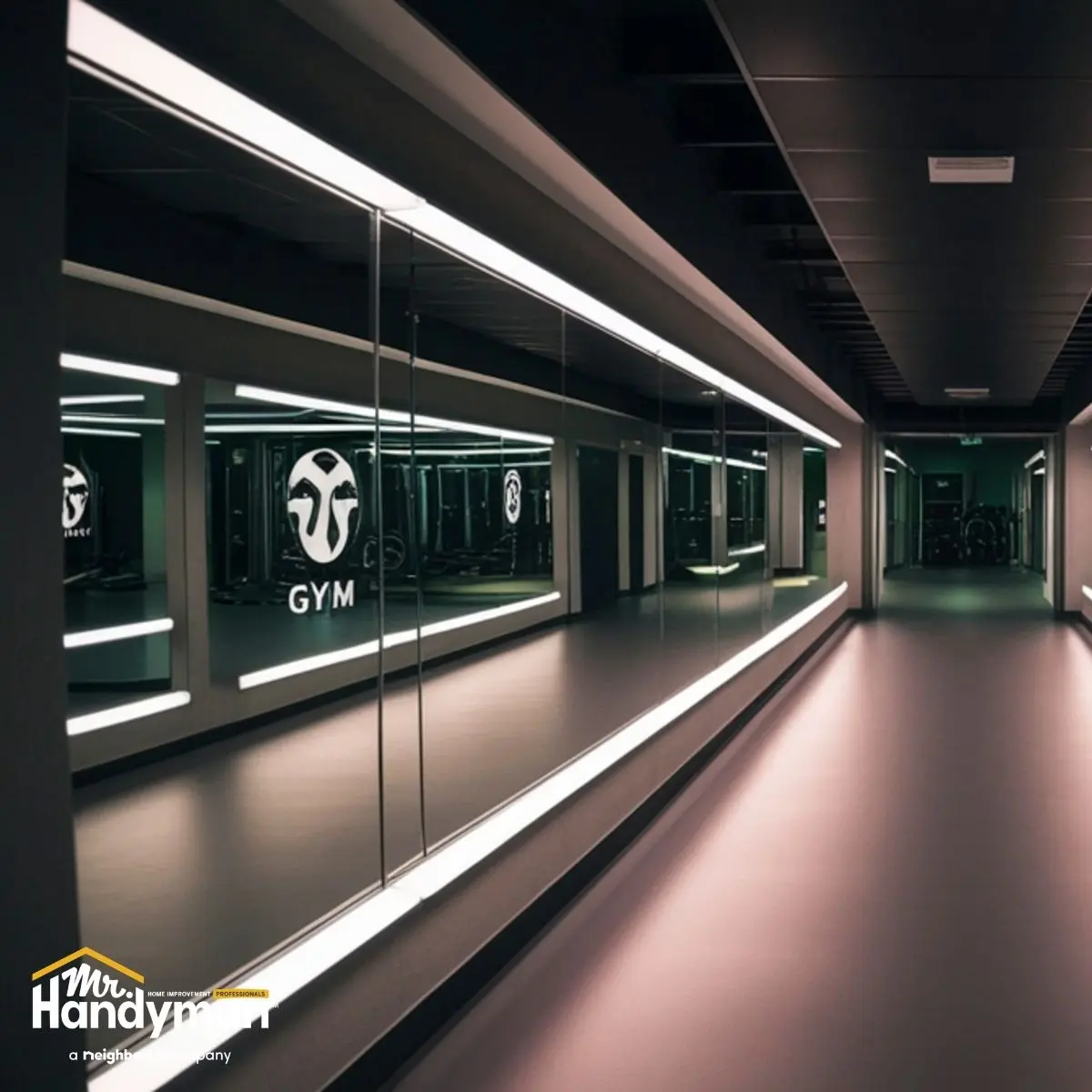
Lighting does more than illuminate a gym—it sets the mood, affects performance, impacts safety, and directly influences how members feel about their workout experience. Poor lighting creates shadows that obscure equipment hazards, makes it difficult to check form in mirrors, causes eye strain during focused activities, and creates an overall atmosphere that feels either unwelcoming or outdated. In competitive fitness markets like Oklahoma City and Norman, where members have multiple gym options within a few miles of home or work, lighting quality is one of those subtle factors that influences whether someone feels energized and motivated in your space or starts looking for alternatives.
What many gym owners and home fitness enthusiasts don't realize is how quickly lighting performance degrades without regular maintenance. Bulbs dim gradually over time, ballasts fail and cause flickering, fixtures accumulate dust that blocks light output, and electrical connections loosen with vibration and temperature cycling. The result is lighting that delivers less illumination than it should, costs more to operate than necessary, and creates safety hazards that aren't always obvious until someone gets hurt. A gym that looked perfectly bright when you first opened can lose 30 percent or more of its effective light output within two to three years without anyone noticing the gradual decline.
In Oklahoma's climate, where temperature extremes stress electrical components and humidity affects connections and fixtures, lighting maintenance becomes even more critical. Gyms in older commercial buildings in Oklahoma City and Norman often have outdated electrical systems that weren't designed for modern high-intensity lighting demands. Garage home gyms face temperature swings that shorten bulb life and stress ballasts. Add the constant vibration from dropped weights and high-impact training, and you've got conditions where lighting systems fail faster and more frequently than in typical commercial spaces. Understanding why lighting maintenance matters and what proper care entails protects your investment, reduces energy costs, and ensures your facility stays safe and inviting.
How Poor Lighting Affects Safety and Performance
The connection between lighting quality and gym safety is direct and measurable. Inadequate or inconsistent lighting creates hazards that increase injury risk and affect workout quality in ways members may not consciously recognize but definitely experience.
Trip and fall hazards become more dangerous in poorly lit areas. Weight plates left on the floor, equipment edges, cable attachments, and transitions between flooring surfaces all become harder to see when lighting is inadequate. Shadows cast by equipment or created by uneven lighting make depth perception difficult, which is particularly problematic in areas where people are moving quickly between stations or carrying heavy weights. Older eyes are especially affected—lighting that seems adequate to a 25-year-old may be insufficient for members over 50 who need more light to see detail and contrast clearly.
Form and technique suffer when mirrors aren't properly illuminated. Members rely on mirror reflections to check posture, monitor joint angles, and ensure proper movement patterns during exercises. When lighting creates shadows on the body or doesn't adequately illuminate the mirror surface, it's impossible to see these details clearly. Poor lighting during technical lifts or functional movements means members can't self-correct form errors, which leads to inefficient training and increases injury risk over time. This is especially problematic in group fitness studios where participants follow an instructor's cued movements but can't see their own reflection well enough to know if they're executing correctly.
Eye strain and fatigue result from inadequate lighting levels or harsh, flickering lights. Members working out in dimly lit spaces or under lights that flicker unconsciously squint and strain to see, which causes headaches, visual fatigue, and mental exhaustion that makes workouts feel harder than they should. Flickering lights—often a sign of failing ballasts or bad electrical connections—create a strobe effect that can trigger migraines in sensitive individuals and generally makes spaces feel uncomfortable. Even if members can't articulate why, they'll avoid areas with poor lighting quality or cut their workouts short.
Equipment maintenance suffers when lighting is insufficient in storage areas, mechanical rooms, or back-of-house spaces. Staff can't properly inspect equipment, spot wear or damage, or perform maintenance tasks safely when working in poorly lit conditions. This leads to deferred maintenance, safety issues that go unnoticed, and inefficient operations that cost more in the long run than proper lighting would have cost up front.
Why Gym Lighting Systems Degrade Faster Than Other Spaces
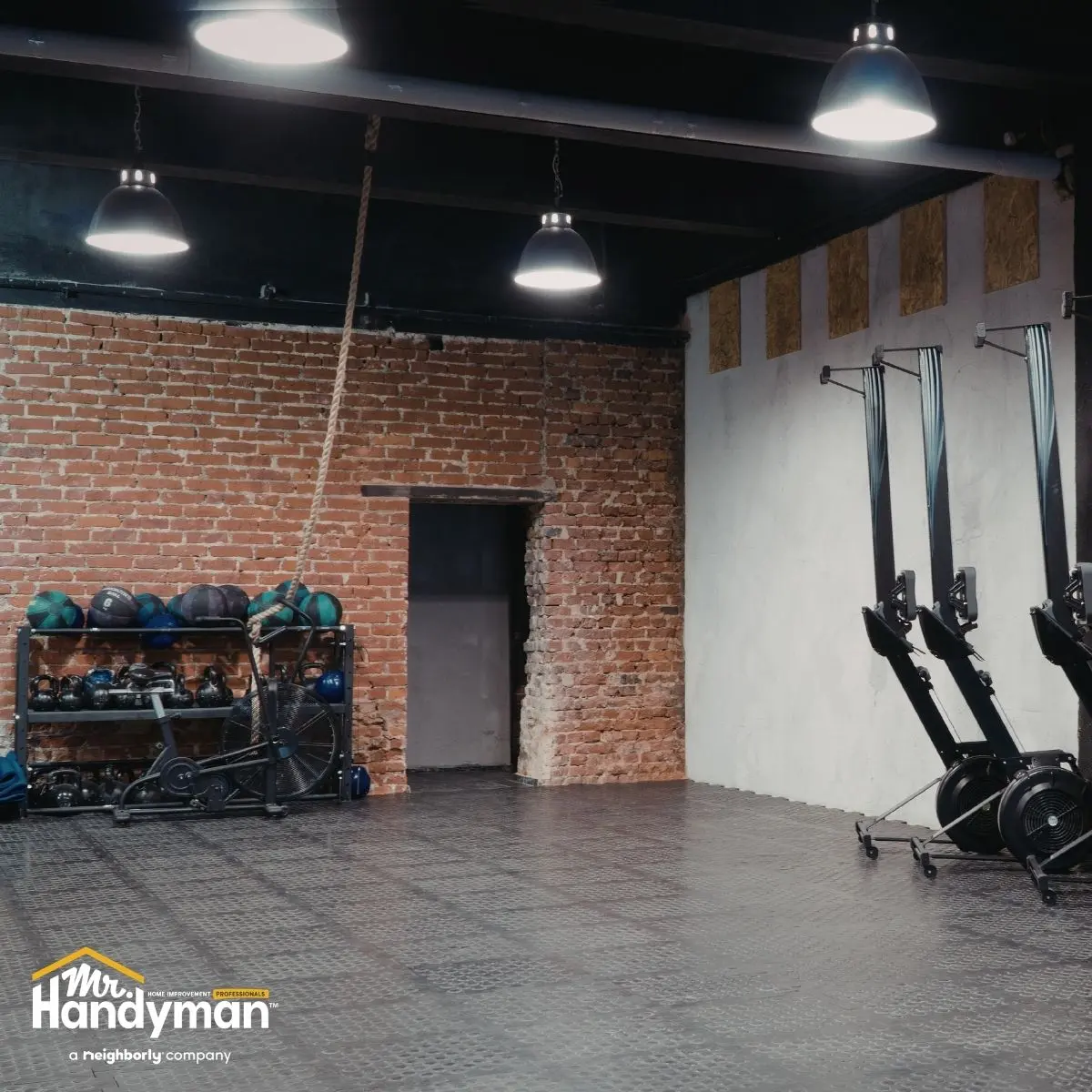
Fitness facilities create uniquely demanding environments for lighting systems. The combination of physical stresses, environmental factors, and usage patterns means gym lighting fails faster and requires more frequent maintenance than lighting in offices, retail spaces, or even industrial facilities.
Vibration from dropped weights and high-impact activities constantly stresses light fixtures, bulbs, and electrical connections. Every time a loaded barbell hits the floor or a class full of people does jumping jacks, vibration travels through the building structure and shakes lighting fixtures. Bulb filaments—even in fluorescent and LED lights—can be damaged by repeated impacts. Connections between fixtures and electrical boxes work loose over time. Ballasts and drivers experience mechanical stress that shortens their lifespan. In home gyms built in garages or basements, where lighting fixtures are often mounted directly to ceiling joists without vibration dampening, this problem is even worse.
Temperature cycling shortens component life, especially in spaces without consistent climate control. Gyms get hot during peak hours when body heat and equipment operation raise temperatures, then cool down overnight or during slow periods. Garage gyms in Oklahoma City and Norman can see temperature swings from below freezing in winter nights to over 100 degrees on summer afternoons. These thermal cycles cause expansion and contraction in fixture housings, stress solder joints in electrical components, and reduce bulb life. LED drivers and fluorescent ballasts are particularly sensitive to heat—operating in sustained high temperatures can cut their expected lifespan in half.
Moisture and humidity attack electrical connections and corrode fixture components. Sweat, shower steam, and ambient humidity create conditions where corrosion develops on electrical contacts, inside ballasts, and on fixture housings. Even in climate-controlled gyms, the moisture load is higher than typical commercial spaces. Locker rooms, shower areas, and humid workout spaces need moisture-rated fixtures and more frequent inspection of electrical connections to prevent corrosion-related failures. Older buildings in Oklahoma City and Norman often lack proper vapor barriers and ventilation, which allows humidity to accumulate in ceiling spaces where electrical boxes and wiring are located.
Dust accumulation blocks light output and causes overheating. Gyms generate significant dust from foot traffic, equipment movement, and in some cases from activities like gymnastics or CrossFit where chalk is used. This dust settles on fixtures and lenses, blocking light transmission and forcing fixtures to work harder to produce the same illumination. Dust also accumulates inside fixtures and on ballasts or drivers, creating insulation that traps heat and causes premature component failure. In garage gyms, dust and debris infiltration is even worse because these spaces typically have poorer air filtration than commercial buildings.
Electrical demand fluctuations stress systems when multiple high-draw pieces of equipment cycle on and off. Treadmills, ellipticals, and other electric equipment create varying electrical loads that can affect lighting systems, especially in older buildings where circuits may be inadequate for modern gym demands. Voltage fluctuations cause lights to dim momentarily and stress ballasts and drivers, reducing their lifespan. This is particularly problematic in older commercial buildings in Oklahoma City and Norman where electrical systems may not have been upgraded when spaces were converted to fitness use.
The Hidden Costs of Deferred Lighting Maintenance
Putting off lighting maintenance because everything seems to be working well enough is a false economy. The gradual degradation in lighting quality and the inefficiencies that develop as systems age cost significantly more than proactive maintenance would.
Energy waste increases as lighting systems age and lose efficiency. A fluorescent fixture with a failing ballast might still produce light but draws more power to do so. Dirty fixtures and lenses reduce light output, which often leads to adding more fixtures to compensate rather than simply cleaning and maintaining existing ones. LED systems are generally more efficient, but even they suffer when drivers fail or when fixtures accumulate dirt. In a commercial gym running lights 14 to 16 hours daily, the cumulative energy waste from degraded lighting can add hundreds of dollars monthly to utility bills.
Bulb replacement costs multiply when done reactively rather than proactively. Waiting for individual bulbs to fail and replacing them one at a time means paying service call fees repeatedly instead of doing planned group relamping at scheduled intervals. It also means staff time spent changing bulbs frequently, dealing with member complaints about dark areas, and managing the inconvenience of burned-out lights during peak hours. Reactive maintenance typically costs three to five times more than planned maintenance over a multi-year period.
Member dissatisfaction and retention problems develop gradually as lighting quality degrades. Members won't usually complain directly about lighting, but they'll increasingly find reasons why your gym doesn't feel as good as alternatives they're considering. Poor lighting contributes to an overall impression that the facility is aging, not well maintained, or not investing in member experience. This translates into lower membership renewals, negative online reviews that mention "dated" facilities, and difficulty attracting new members in competitive markets.
Safety incidents increase when lighting is inadequate, and the costs of even a single injury-related lawsuit far exceed years of proper lighting maintenance. Trip and fall claims, equipment-related injuries where poor visibility was a contributing factor, and documented complaints about unsafe conditions all create liability exposure. Insurance carriers increasingly scrutinize facility maintenance practices when evaluating claims, and deferred lighting maintenance is evidence of negligence that weakens defense positions.
Comprehensive Lighting Maintenance That Works
Effective lighting maintenance for gyms isn't complicated, but it does require a structured approach that addresses both immediate needs and long-term system health. Understanding what proper maintenance entails helps you develop a plan that keeps your facility bright, safe, and energy-efficient.
Scheduled inspections catch problems before they become failures. Every six months, someone knowledgeable should walk through every area of the gym specifically to assess lighting. Look for bulbs that have dimmed noticeably, any flickering or delayed starts, lights that are out completely, discolored ballast housings that indicate overheating, loose fixtures or covers, and areas where lighting levels seem inadequate compared to similar spaces. Document findings and prioritize repairs based on safety impact and cost-effectiveness.
Group relamping of fluorescent and older technology lighting saves money and ensures consistent light levels. Rather than replacing bulbs individually as they fail, plan to replace all bulbs in a zone or the entire facility at once when they've reached approximately 70 percent of their rated life. This ensures even light levels throughout the space, reduces the labor cost per bulb changed, and prevents the gradual dimming that happens when bulbs of various ages are mixed together. For a typical gym, group relamping every two to three years makes economic sense and maintains optimal lighting quality.
Fixture cleaning dramatically improves light output without any equipment changes. Most gym fixtures accumulate enough dust and debris within six months to reduce light output by 15 to 20 percent. A simple cleaning of lenses, reflectors, and fixture housings can restore most of this lost illumination. Schedule fixture cleaning quarterly for high-traffic areas and twice yearly for less critical spaces. This maintenance task is straightforward enough that gym staff can handle it during slow periods with proper ladder safety procedures.
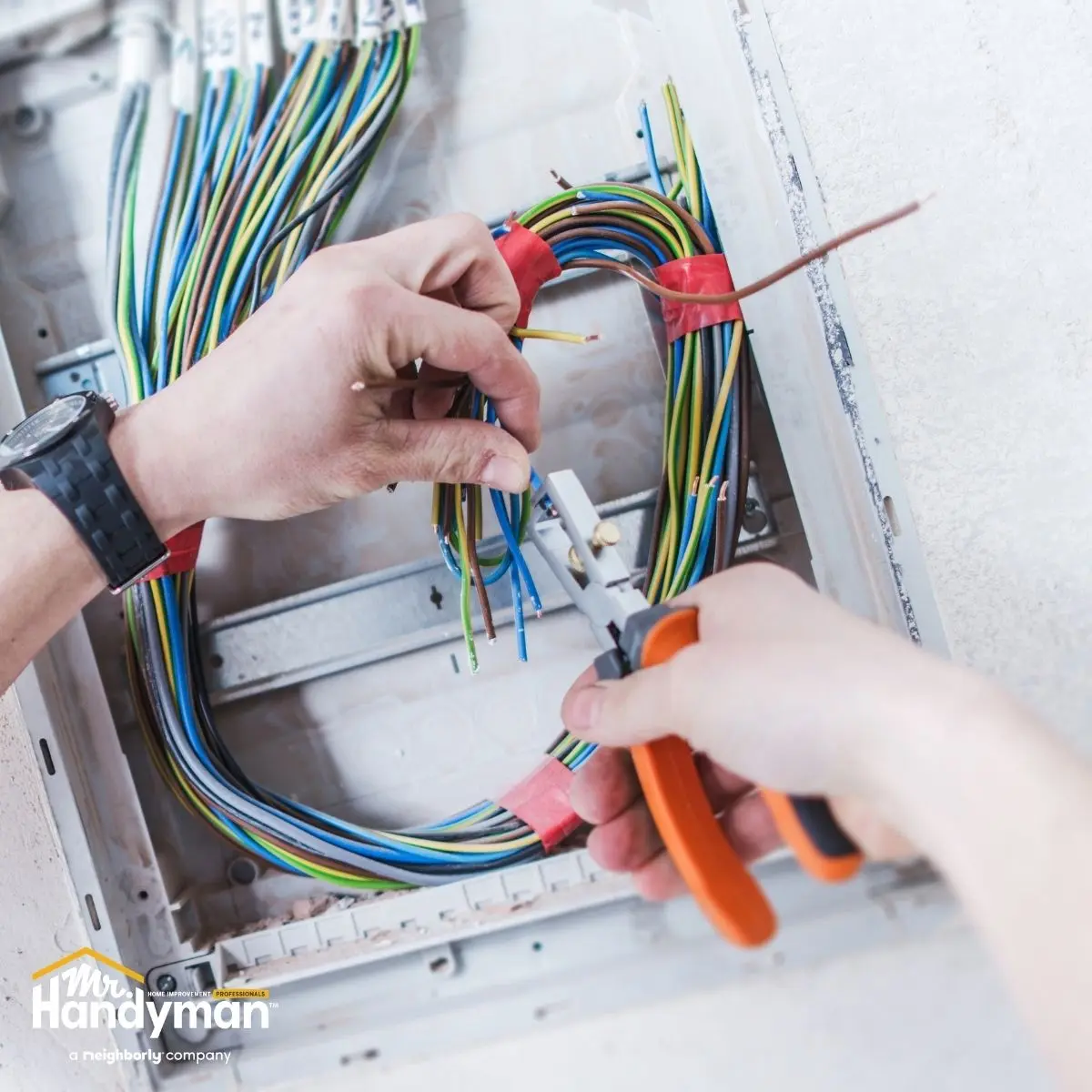
Electrical connection inspection prevents failures and safety hazards. At least annually, someone qualified should inspect connections at breaker panels, check fixture mounting security, look for signs of overheating at connections, test for proper grounding, and verify that no circuits are overloaded. Loose connections create heat that damages wire insulation and increases fire risk. In gyms where vibration is constant, these inspections are even more critical because connections work loose faster than in static environments.
LED retrofit and upgrade planning makes sense for most older gym lighting systems. LED technology has matured to the point where retrofits typically pay for themselves in energy savings within two to four years. LEDs produce better quality light, require almost no maintenance, aren't affected by vibration the way fluorescent bulbs are, and generate less heat. For gyms in older buildings in Oklahoma City and Norman with outdated lighting, LED upgrades often improve lighting quality while reducing energy consumption by 50 to 70 percent.
Regional Considerations for Oklahoma Fitness Facilities
Oklahoma's climate and electrical infrastructure create specific challenges that affect how gym lighting should be maintained and upgraded. Understanding these regional factors helps you make better decisions about lighting systems and maintenance schedules.
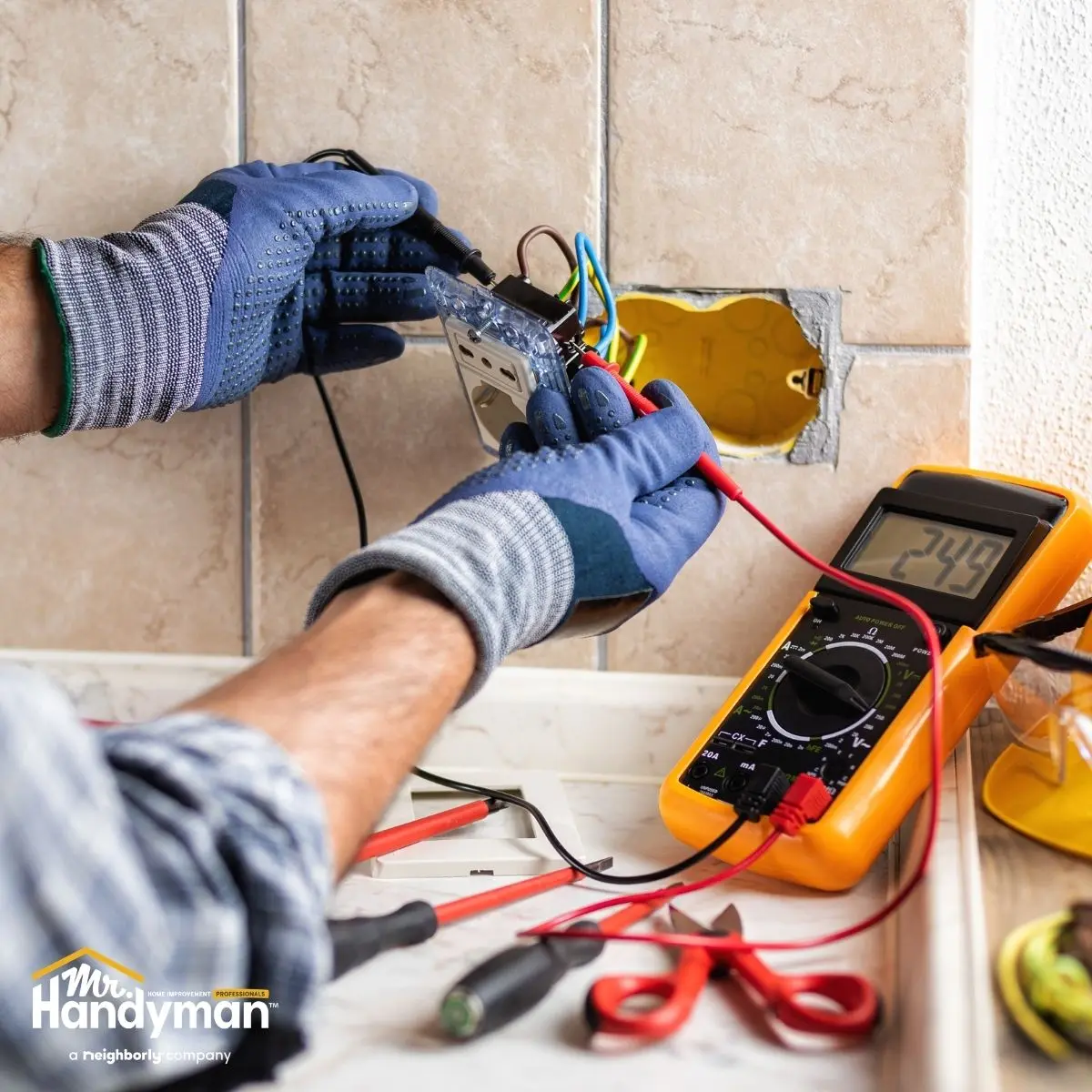
Power quality issues in older electrical systems are common in established areas of Oklahoma City and Norman. Buildings constructed before 1990 often have electrical systems that provide less stable voltage than modern standards, particularly during peak demand periods. This causes premature failure of lighting ballasts and LED drivers. If you notice frequent bulb or ballast failures, especially affecting multiple fixtures at once, have an electrician test power quality and circuit loads. Installing whole-building surge protection often solves these problems and protects not just lighting but also expensive gym equipment.
Storm-related power disruptions and surges damage lighting systems beyond just blown bulbs. Oklahoma's severe weather brings frequent power interruptions and voltage surges that kill ballasts, drivers, and electronic components. After major storms, inspect lighting systems even if everything seems to work—damage may not be immediately apparent but will show up as premature failures in the following weeks and months. Surge protection at the electrical panel is essential for protecting lighting investments in Oklahoma's storm-prone climate.
Frequently Asked Questions
How often should gym lighting be inspected and maintained?
For commercial gyms, conduct basic lighting inspections monthly—have staff look for burned-out bulbs, flickering fixtures, or dark areas during their regular walkthroughs. Schedule comprehensive professional inspections twice yearly to check electrical connections, clean fixtures, and assess system condition. Home gyms need quarterly basic checks and annual professional inspection. After severe weather or any electrical issues in the building, inspect lighting systems specifically for damage.
What's the typical lifespan of gym lighting components?
LED fixtures and bulbs typically last 50,000 to 100,000 hours in ideal conditions, but gym environments reduce this to 40,000 to 70,000 hours due to vibration and temperature stress. Fluorescent ballasts last 5 to 7 years in gym conditions before needing replacement. Traditional incandescent and halogen bulbs should be avoided in gyms entirely—they're inefficient and sensitive to vibration. In garage gyms with extreme temperature swings, expect component lifespans at the lower end of these ranges.
Is it worth upgrading to LED lighting in an older gym?
Almost always yes. LED retrofits typically have 2 to 4 year payback periods from energy savings alone. Factor in reduced maintenance costs, better light quality, and longer lifespan, and LEDs make economic sense for most gym applications. The main exception might be if you're planning major facility renovations within two years—in that case, maintain existing lighting until the renovation and include LED upgrades as part of the larger project.
Why do some areas of my gym seem dimmer even though all the lights are working?
This typically happens due to dirty fixtures reducing light output, aging bulbs that have dimmed over time, or original lighting design that was inadequate for how the space is now being used. Try cleaning all fixtures first—you'll often recover significant light output. If areas are still dim, consider whether equipment has been rearranged since installation, creating shadows where they didn't exist before, or whether activities in that area demand higher light levels than originally planned.
Can I handle basic lighting maintenance myself or should I hire an electrician?
Bulb replacement, fixture cleaning, and visual inspections are tasks gym owners and staff can handle safely with proper ladder use and basic electrical safety awareness. However, ballast replacement, electrical connection inspection, circuit testing, and any work involving opening electrical panels should be handled by licensed electricians. The risks of electrical shock and creating fire hazards make DIY electrical work beyond simple bulb changes inadvisable.
What lighting level should different areas of my gym have?
Weight training and cardio areas need 50 to 75 foot-candles for safe equipment use and form checking. Group fitness studios and stretching areas work well with 30 to 50 foot-candles. Locker rooms and hallways need 20 to 30 foot-candles. Reception and retail areas typically need 50 to 100 foot-candles for a bright, welcoming impression. Lighting levels below these minimums create safety issues and make spaces feel unwelcoming. You can measure light levels with inexpensive light meters to assess whether your current system is adequate.
Professional Lighting Solutions for Oklahoma Fitness Facilities
Your gym's lighting is too important to manage reactively. Proper lighting maintenance keeps members safe, reduces operating costs, and ensures your facility projects the professional, energetic atmosphere that keeps members engaged and attracts new business.
Mr. Handyman of Central Oklahoma City and Mr. Handyman of S. Oklahoma City and Norman provide comprehensive lighting assessment, maintenance, and upgrade services specifically for fitness facilities. We understand the unique demands gym environments place on lighting systems and how Oklahoma's climate accelerates component wear. Our team evaluates your current lighting, identifies immediate safety issues and maintenance needs, and develops practical plans for keeping your facility properly illuminated.
Whether you need basic maintenance like fixture cleaning and bulb replacement, troubleshooting of electrical issues affecting lighting performance, or planning and implementation of LED retrofits that will reduce energy costs while improving light quality, we deliver solutions that make sense for your facility and budget.
Don't wait until lighting problems affect safety or drive members away. Schedule a lighting assessment today and get professional recommendations on what your system needs now and how to plan for long-term efficiency and reliability.
Mr. Handyman of Central Oklahoma City
Website: https://www.mrhandyman.com/central-oklahoma-city/
Mr. Handyman of S. Oklahoma City and Norman
Website: https://www.mrhandyman.com/northern-montgomery-county/