What Peeling Paint Is Actually Telling Your Members
There is a moment that happens in every fitness facility with deferred paint maintenance — a moment when a member glances at a scuffed baseboard, a chipped wall corner, or a patch of peeling paint above a water fountain and makes a quiet judgment about the facility they are paying to use every month. They do not fill out a comment card. They do not mention it to staff. They simply file it away as evidence that the facility's management is not paying attention, and that evidence accumulates alongside every other small maintenance failure they encounter until the total weight of it influences a decision — to cancel, to downgrade, or to start looking around.
Gym owners and managers in Oklahoma City and Norman operate in a market where members have real choices and real expectations. The fitness industry has matured to the point where members are not simply comparing equipment quality and class schedules when they evaluate facilities. They are comparing the total experience — and the physical condition of the space they train in is a constant, unavoidable component of that experience. Paint condition, specifically, is one of the most visible and psychologically active elements of a facility's interior environment. It affects how clean a space looks, how professionally it is managed, and how much the ownership cares about the details that members encounter every single day.
The good news is that paint maintenance is one of the most accessible and cost-effective improvements available to any fitness facility. Touch-up painting does not require closing the gym, does not demand days of preparation, and does not consume a renovation budget. What it requires is a systematic approach, the right materials, and an honest assessment of where paint condition is actively working against the facility's brand image and member experience. In a competitive Oklahoma City and Norman fitness market, that investment pays returns that far exceed its cost.
Why Gym Environments Destroy Paint Faster Than Almost Any Other Commercial Space
Understanding why paint maintenance is a recurring necessity in fitness facilities — rather than a one-time improvement — begins with understanding what gym environments actually do to painted surfaces on a daily basis. The conditions inside a commercial gym are genuinely hostile to paint adhesion, finish integrity, and color retention in ways that standard commercial painting specifications do not always account for.
Humidity is the primary accelerant of paint failure in fitness facilities throughout central Oklahoma. Members exercising simultaneously generate significant moisture through respiration and perspiration that elevates interior humidity well above levels typical in office or retail environments. That moisture migrates into wall and ceiling surfaces, compromising paint adhesion from behind and producing the bubbling and peeling that members notice at eye level and below. In Oklahoma City and Norman, where outdoor humidity fluctuates dramatically between seasons and where older commercial buildings often have HVAC systems that struggle to manage the moisture load a busy gym produces, interior humidity management is a persistent challenge that shows up directly in paint failure rates.
Physical impact is the second major paint damage driver in gym environments. The equipment moves, members move, and everything that moves eventually makes contact with a painted surface. Weight plates carried across the floor clip wall corners. Resistance bands snap against painted surfaces during exercises. Equipment being repositioned scrapes along baseboards and wall faces. In free weight areas, turf lanes, and stretching zones — the highest-activity areas of most commercial gyms — this impact damage accumulates rapidly and visibly. A freshly painted wall in a free weight area can show meaningful scuff and gouge damage within weeks of a gym opening or renovating without protective measures in place.
Cleaning protocols in commercial fitness facilities — essential for hygiene management — also accelerate paint wear in ways that facility managers do not always anticipate. The cleaning agents required to maintain gym hygiene standards are significantly more aggressive than the products used in standard commercial cleaning. Quaternary ammonium compounds, hydrogen peroxide-based disinfectants, and alcohol-based sprays applied repeatedly to painted surfaces strip finish sheen, compromise paint adhesion at the surface level, and cause color fading that makes high-traffic wall areas look perpetually dingy even when they are chemically clean. In Oklahoma's summer months, when disinfection frequency typically increases with higher membership activity, this chemical wear process intensifies.
The Psychology of Paint Condition in a Fitness Environment
Fitness is fundamentally a psychological experience as much as a physical one. Members train better, stay longer, and return more consistently when their environment supports their mental engagement with the workout. Research on environmental psychology consistently shows that physical surroundings affect motivation, perceived effort, and emotional state in measurable ways — and paint condition is one of the most pervasive environmental variables in any interior space.
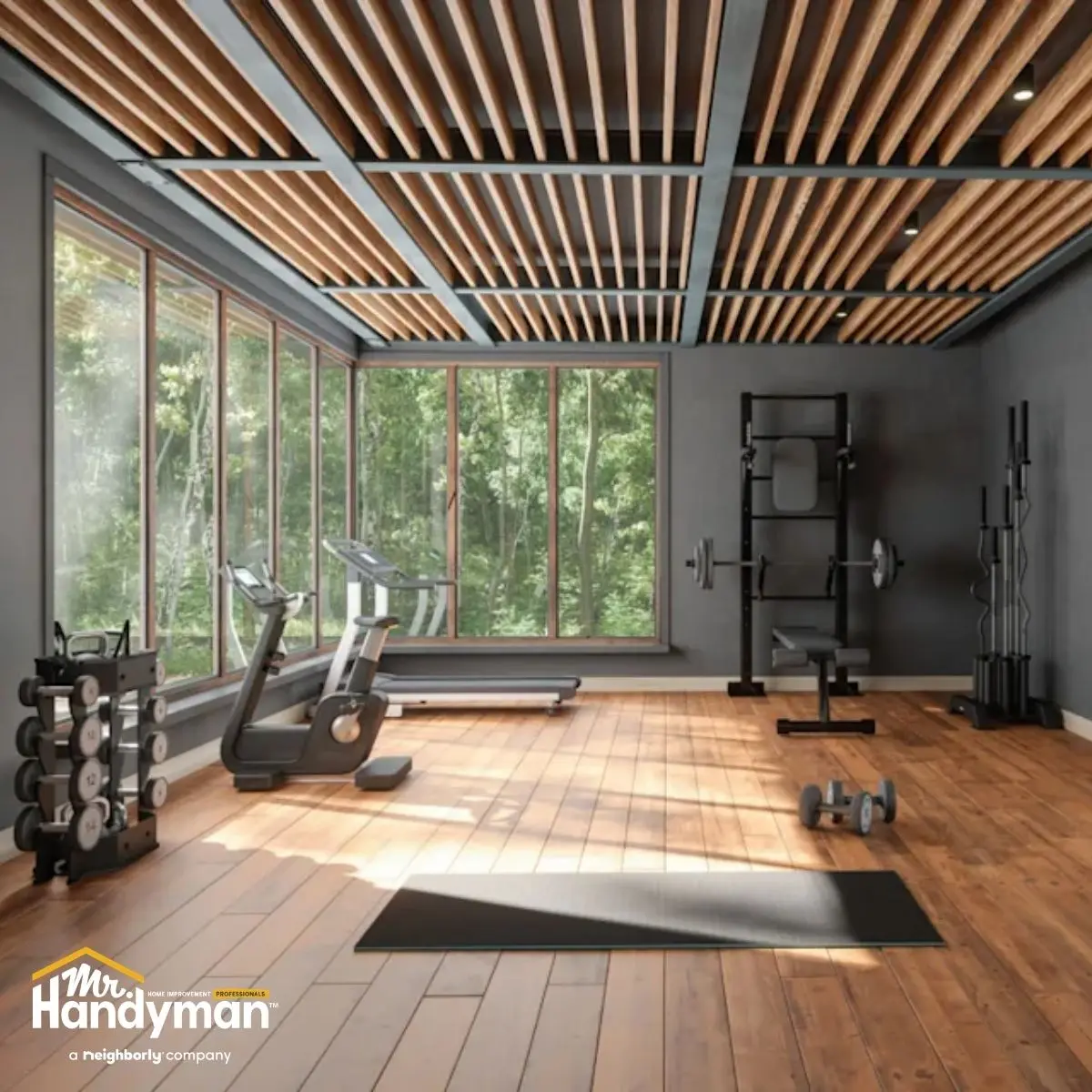
A freshly painted gym environment communicates energy, investment, and forward momentum — qualities that align directly with what members are trying to cultivate in their own fitness journey. Walls that are clean, vibrant, and free of visible damage create a backdrop that members respond to positively at a level they may not consciously articulate but that influences their experience nonetheless. Conversely, walls that are scuffed, faded, and showing accumulated damage create a subtle but persistent sense of decline — an environment that feels like it is moving backward rather than forward, which is precisely the opposite of what members want to associate with their fitness goals.
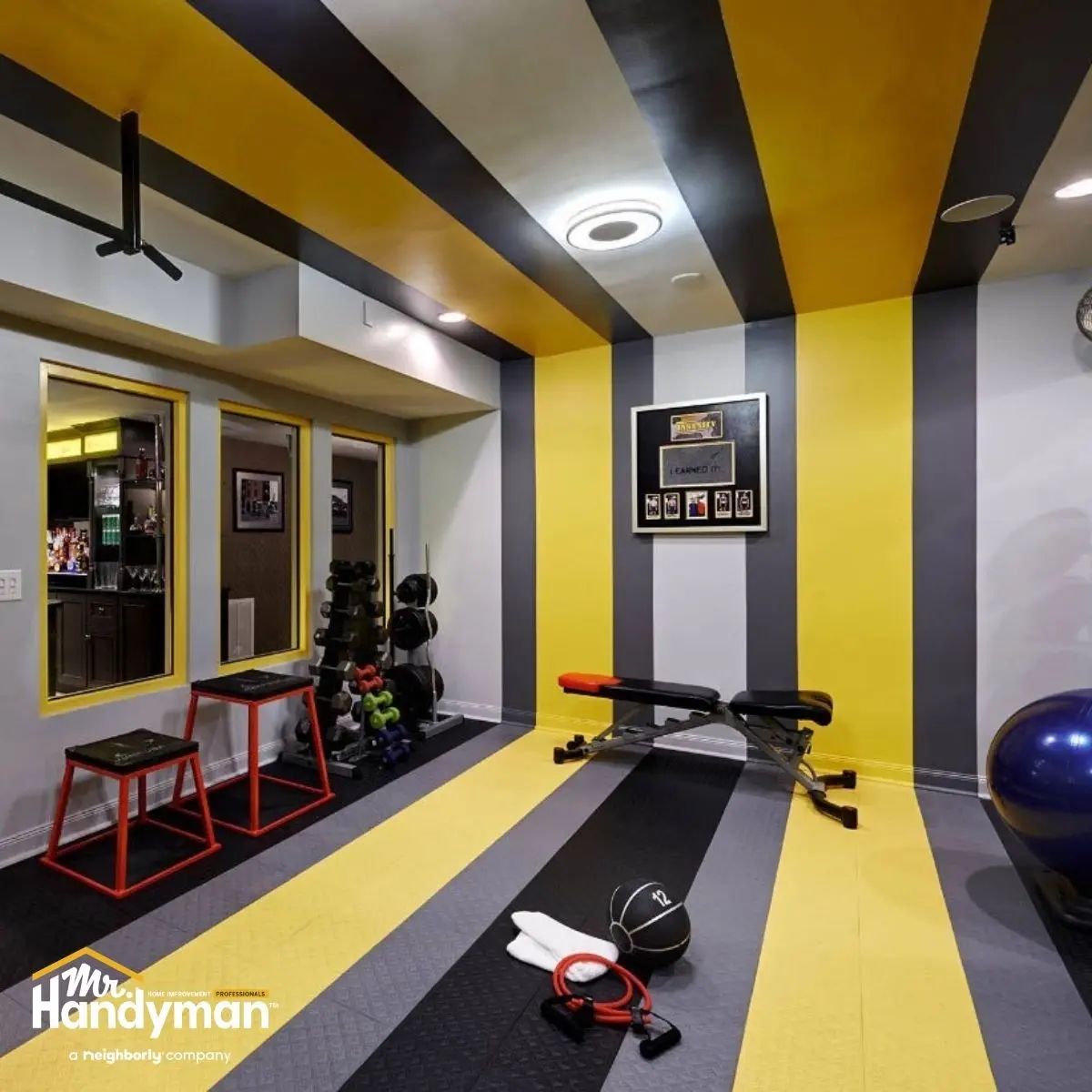
Color psychology is a dimension of paint maintenance that goes beyond simple touch-up repairs into the broader question of whether a facility's color scheme is still serving its intended purpose. High-energy fitness spaces benefit from color choices that support alertness and motivation — bold accent walls in high-activity zones, clean neutrals in recovery and stretching areas, and consistent brand colors that reinforce the facility's identity throughout the space. When those colors have faded, when accent walls have lost their vibrancy, or when the overall palette reads as dated rather than current, a paint refresh becomes a brand investment as much as a maintenance task.
In Oklahoma City and Norman, where fitness facilities compete across a wide range of price points and positioning, the psychological environment a facility creates is a genuine competitive differentiator. A gym where everything looks sharp, intentional, and well-maintained attracts and retains members who have elevated expectations — and those members are typically the most consistent, highest-value members in a facility's roster.
Where to Look First: High-Impact Touch-Up Zones
Not all wall surface in a fitness facility carries equal weight in terms of member perception, and a strategic touch-up approach concentrates effort and resources on the zones where paint condition creates the most immediate brand impact. Understanding which areas to prioritize allows facility managers to maintain a consistently professional appearance without approaching every paint imperfection as equally urgent.
The entry and lobby zone is always the first priority. This is the space every member passes through at the beginning of every visit, and its condition sets the expectation for everything that follows. Scuffs along the walls of entry corridors, chipping paint around door frames, and worn baseboard paint in the lobby area create a negative first impression that members carry with them onto the equipment floor. Keeping entry zone paint in excellent condition requires more frequent attention than other areas — perhaps monthly touch-up cycles in high-traffic facilities — but the investment is justified by the outsized influence this zone has on overall member experience perception.
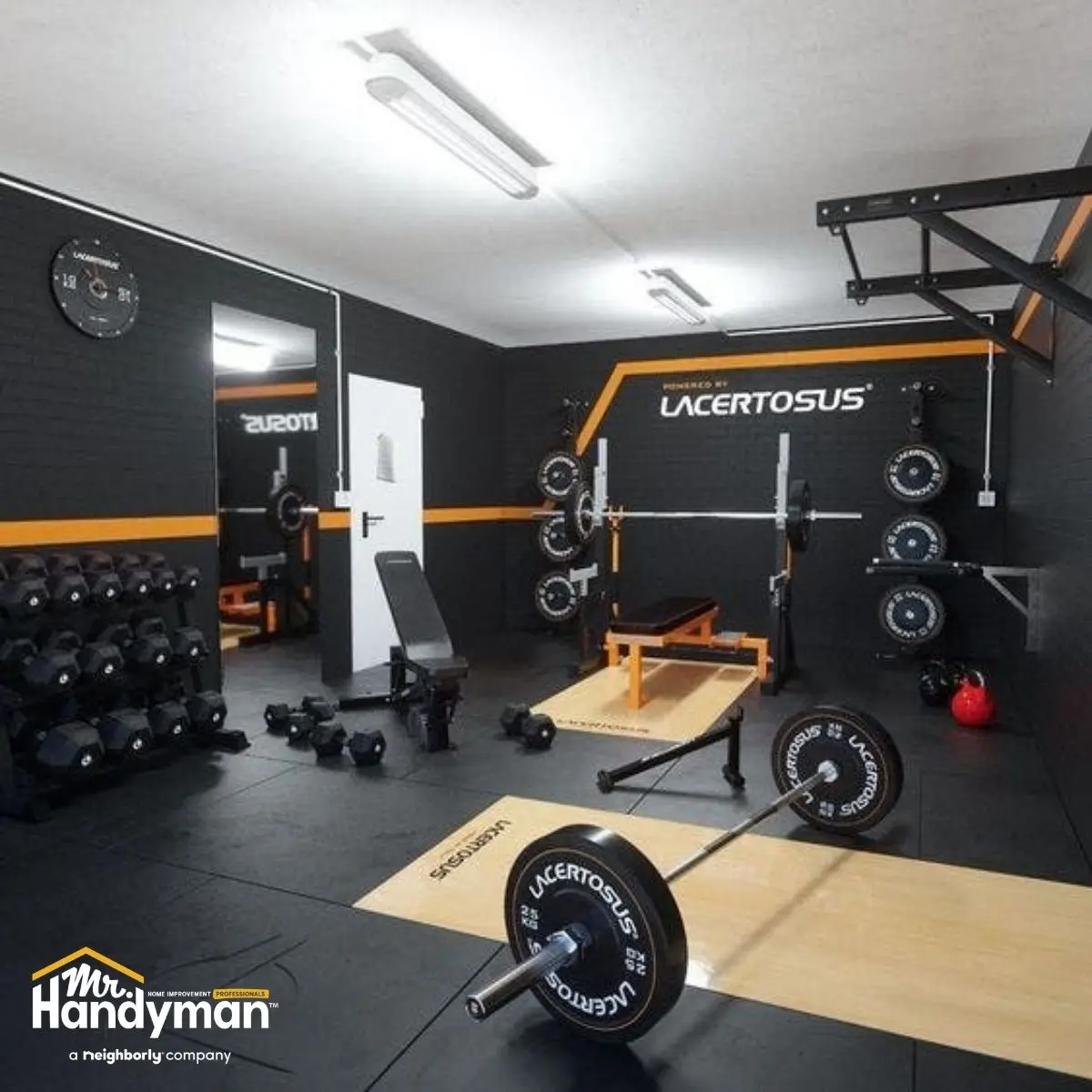
The free weight and functional training area is the zone where impact damage accumulates fastest and where members spend the most focused, high-awareness time. Members performing compound lifts, carrying equipment, and moving with intensity through this zone are observing their surroundings at a level of physical engagement that makes environmental details more salient, not less. Wall corners that have been gouged by passing weight plates, painted surfaces behind equipment that show contact scuffs, and baseboard paint along the perimeter of this zone all need regular touch-up attention to maintain the appearance of active management.
Locker room painted surfaces require touch-up attention that addresses both appearance and hygiene perception simultaneously. Paint failures in locker rooms — peeling at wall bases, bubbling near shower areas, discoloration on ceiling surfaces — carry a hygiene implication that paint failures elsewhere in the facility do not. Members who see paint deterioration in a locker room do not simply think the space looks tired. They think the space may not be adequately maintained from a hygiene standpoint, which is a significantly more damaging perception in a space where they shower and change.
Hallways, stairwells, and transition corridors are consistently the most neglected paint maintenance zones in commercial fitness facilities — and their neglect is noticed by members who use them regularly even if these spaces receive less attention during formal facility assessments. Fresh paint in transition spaces communicates a management standard that extends to every corner of the facility, not just the areas that prospective members see on tours.
Material Selection and Application Standards That Make Touch-Ups Last
The longevity and effectiveness of paint touch-up work in a fitness facility depends as much on material selection and surface preparation as on the frequency of the touch-up cycle itself. Touch-ups performed with incorrect paint specifications, inadequate surface preparation, or application techniques that do not account for existing finish conditions will fail faster, look worse, and ultimately cost more than touch-ups performed to a professional standard from the beginning.
Paint sheen selection in gym environments is a decision that has direct implications for both durability and cleanability. Flat and matte finishes, while aesthetically versatile, do not withstand the cleaning protocols that fitness facility hygiene requires and do not resist the surface moisture that gym environments generate. Eggshell and satin finishes provide the cleanability and moisture resistance that gym walls require while maintaining a professional appearance that flat finishes offer. Semi-gloss is appropriate for high-impact areas — baseboards, door frames, and trim — where durability and cleanability demands are highest. Specifying the right sheen for each surface type ensures that touch-up work performs through the conditions it will actually encounter.
Surface preparation before touch-up painting is the step most frequently compromised when touch-ups are performed quickly or by inadequately trained staff. Paint applied directly over a scuffed or gouged surface without cleaning, light sanding, and priming will adhere poorly and fail faster than the surrounding paint, creating a visible patch that looks worse than the damage it was meant to address. Proper touch-up preparation — cleaning the surface of all contaminants, lightly abrading the area to improve adhesion, spot priming bare or damaged substrate, and feathering the touch-up paint into the surrounding finish — produces a result that blends effectively and holds up through the conditions that caused the original damage.
Color matching is the technical challenge that makes touch-up painting in existing spaces more demanding than painting a fresh surface. Paint that has been on walls for a year or more has aged, faded, and changed in ways that make an exact match from the original paint formula difficult to achieve without adjustment. In Oklahoma's intense summer sun, color fading in south and west facing wall areas can be significant enough to create a visible mismatch when touched up with unadjusted original formula paint. Professional color matching accounts for this aging and produces touch-up work that integrates with the existing finish rather than highlighting the repair.
FAQs
How often should a commercial gym perform paint touch-ups?
High-traffic areas — entry zones, free weight areas, and locker rooms — benefit from monthly visual inspection and touch-up cycles that address damage as it accumulates rather than allowing it to compound. Lower-traffic secondary spaces can be assessed quarterly. Full repainting of high-wear zones is typically needed every two to three years in active commercial fitness facilities, and maintaining consistent touch-up cycles extends this interval significantly.
Should gym staff perform touch-up painting, or is professional service always necessary?
Routine touch-ups — small scuffs, minor gouges, and limited chipping at baseboards — can be effectively handled by trained staff who have access to the correct paint formulas, appropriate application tools, and a basic understanding of surface preparation. Larger repairs, color-matched touch-ups in prominent areas, and any work involving paint over moisture-damaged substrate benefit from professional assessment and execution to ensure results that integrate with the existing finish.
What paint finish is most appropriate for gym locker rooms specifically?
Satin or semi-gloss finishes in moisture-resistant formulations are appropriate for locker room walls, with semi-gloss on all trim, door frames, and surfaces directly adjacent to shower areas. Ceiling surfaces in locker rooms should use paint specifically formulated for high-humidity environments to prevent the bubbling and peeling that standard ceiling paint develops rapidly in shower zones.
How do I prevent impact damage from recurring in the same wall areas after touch-up repairs?
Protective measures — equipment placement buffers, rubber wall guards in high-impact zones, and corner guards on vulnerable wall corners — address the physical cause of recurring damage in specific locations. Touch-up painting without implementing protective measures in chronically damaged areas creates a cycle of repair and re-damage that is more expensive than installing protection in the first place.
Does paint condition actually affect membership retention, or is that overstated?
The connection is real but indirect. Members rarely cite paint condition explicitly as a cancellation reason, but facility appearance consistently ranks among the top factors in member satisfaction surveys, and paint condition is one of the most visible and immediately perceived components of facility appearance. The cumulative effect of deteriorating paint on member satisfaction is measurable in retention data even when individual members cannot articulate the specific cause of their dissatisfaction.
What should I do if touch-up paint does not match the existing wall color?
If the touch-up paint formula is correct but the match is poor, the existing wall paint has likely faded enough to require professional color matching against the current wall color rather than the original formula. A professional color match sample pulled from the existing wall surface — not the original paint specification — will produce a significantly better result. In cases where fading is extensive, repainting the full wall section rather than continuing to touch up is usually more cost-effective and visually cleaner.
The Details That Keep Members Coming Back
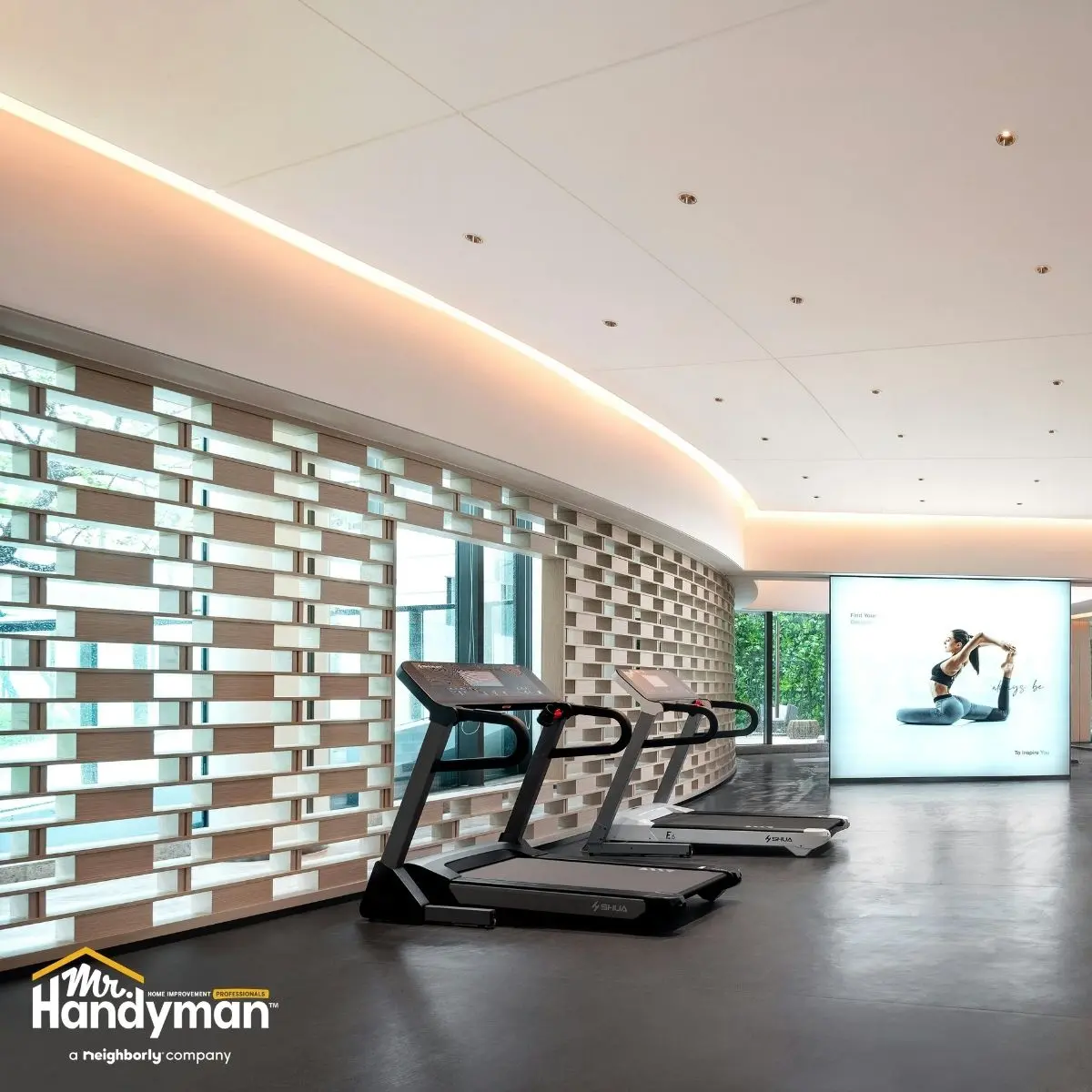
A fitness facility that looks sharp, maintained, and professionally managed is communicating something to every member who walks through its doors — that the ownership pays attention, that their investment in a membership is matched by an investment in their experience, and that the facility they chose reflects the standard they hold for themselves. Paint condition is one of the most constant, most visible expressions of that standard, and maintaining it is one of the most straightforward investments a facility manager can make in the member experience that retention depends on.
Mr. Handyman of Central Oklahoma City works with fitness facility owners and managers throughout the area to assess, plan, and execute the paint touch-up and refresh programs that keep facilities looking professionally maintained through the demanding conditions of an active commercial gym environment.
🌐 mrhandyman.com/central-oklahoma-city/
Mr. Handyman of S. Oklahoma City and Norman serves fitness facilities throughout the southern metro and Norman with the same quality paint maintenance and touch-up service that protects brand image and member experience every single day.
🌐 mrhandyman.com/northern-montgomery-county/
Schedule your facility paint assessment today and find out exactly where targeted touch-ups will deliver the greatest return on your member experience and brand presentation.