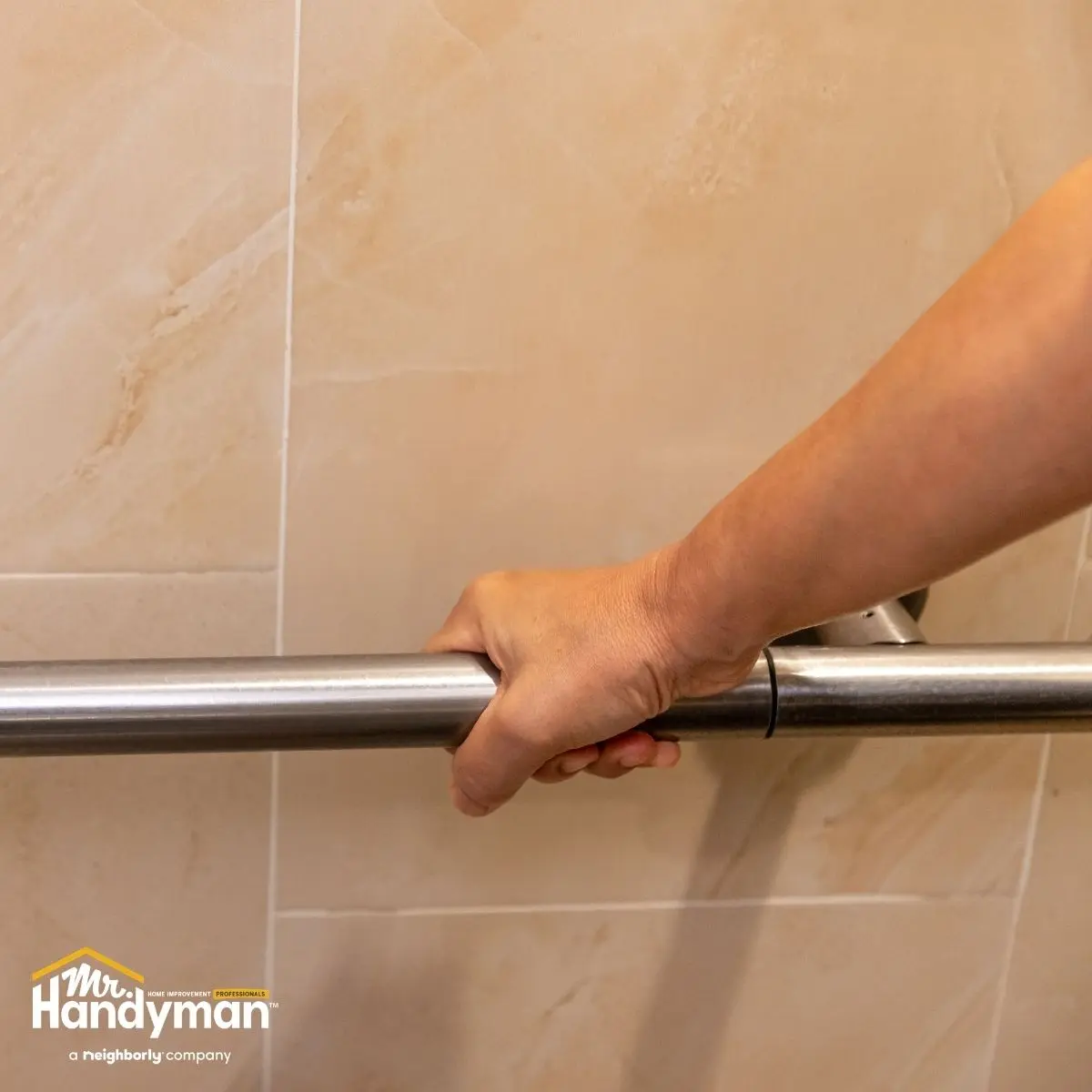
Safety equipment in a gym exists to prevent injuries and protect lives during emergencies, but it only works when it's properly installed, regularly inspected, and maintained in working order. Handrails that wobble, grab bars that pull away from walls, emergency exit signs that don't illuminate, fire extinguishers that haven't been serviced in years, and alarm systems with dead batteries are liabilities waiting to create catastrophic problems. The worst part is that these failures often go unnoticed until the exact moment someone needs the equipment to work—when a member loses balance on stairs, when someone needs support exiting a shower, or when an emergency requires immediate evacuation.
In Oklahoma City and Norman, where fitness facilities range from small boutique studios in renovated buildings to large commercial gyms in modern developments, safety equipment standards vary widely. Older buildings converted to fitness use may have safety equipment that was adequate for previous occupancy but insufficient for gym operations. New facilities might have excellent safety equipment initially, but without regular inspection and maintenance, even the best systems degrade over time. The combination of heavy usage, vibration from gym activities, Oklahoma's temperature and humidity fluctuations, and simple neglect means safety equipment fails faster in fitness environments than in typical commercial spaces.
The legal and financial consequences of safety equipment failure can be devastating. A member injured because a handrail failed, a tragedy that occurred because emergency lighting didn't work during a power outage, or violations discovered during inspections after an incident all create liability that insurance may not fully cover—especially if inspection records show the equipment wasn't being properly maintained. Beyond legal exposure, safety failures destroy reputations. Members talk, online reviews spread, and a single serious incident can permanently damage a gym's brand. Understanding what safety equipment needs monthly inspection and how to conduct those checks properly isn't optional—it's fundamental to operating a responsible fitness facility.
Critical Safety Equipment That Requires Monthly Inspection
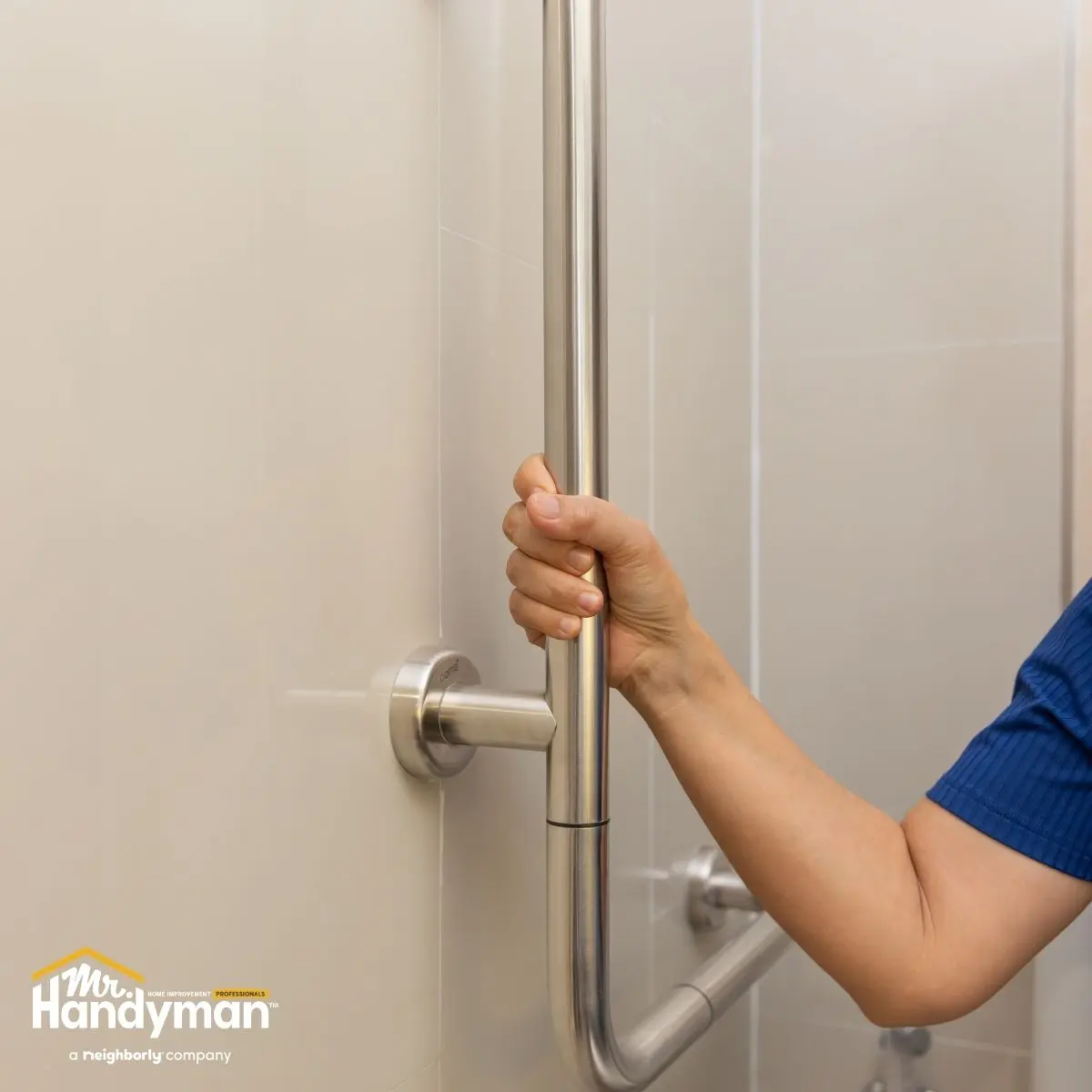
Not all safety equipment needs the same inspection frequency, but certain items in gym environments face enough stress and are critical enough to life safety that monthly checks are essential. These inspections don't require specialized expertise—they just require consistent attention and a willingness to actually test equipment rather than assuming it works.
Handrails and guardrails along stairs, ramps, and elevated platforms take constant abuse from members using them for support, leaning on them while resting, or grabbing them suddenly when balance is lost. Every handrail should be tested monthly by firmly grasping it and applying significant downward and outward force to verify mounting security. Check every mounting bracket—feel for any movement at wall connections, look for gaps between mounting plates and walls, examine fasteners for looseness or corrosion, and inspect the handrail itself for cracks or damage. In older buildings in Oklahoma City and Norman, handrails may have been installed with inadequate fasteners that don't reach wall studs or proper blocking, making them decorative rather than functional safety features.
Grab bars in locker rooms, showers, and restrooms are life-safety devices that prevent slip and fall injuries in wet environments. These need monthly inspection because the combination of moisture, frequent use, and improper installation creates high failure rates. Test each grab bar by pulling firmly with your full body weight in multiple directions—down, out, and at angles. Any movement at the wall connection indicates failure is imminent. Check for rust on mounting hardware, water stains at wall penetrations that indicate leaks, loose or missing set screws on bar connections, and any cracks in tile or wall surfaces around mounting points. Grab bars should be mounted to solid blocking behind walls, not just into drywall or tile, but improper installation is extremely common.
Emergency exit signs and lighting systems must be verified working monthly because battery backup systems fail silently over time. Test every exit sign by interrupting power to verify the battery illumination works. Check that LED bulbs or tubes are functioning, that signs are properly oriented and visible from all approach angles, and that mounting brackets are secure. Emergency lighting units should be tested by activating them and verifying they provide adequate illumination for safe egress. Most units have a test button that simulates power failure. Document that these tests were performed—in the event of an emergency where lighting fails, inspection records become critical evidence in any investigation or lawsuit.
Fire extinguishers need monthly visual inspection to verify they're charged, accessible, and undamaged. Check that pressure gauges show units in the green zone indicating proper charge, that pull pins and tamper seals are intact, that there's no visible damage to cylinders or hoses, that mounting brackets hold extinguishers securely, and that inspection tags show current annual professional service. Fire extinguishers should be located within 75 feet of any point in the facility, clearly marked, and never blocked by equipment or stored items. In gyms, equipment gets rearranged constantly—an extinguisher that was accessible last month may be blocked now.
First aid kits and AED devices are emergency equipment that must be immediately available and functional. Monthly checks should verify first aid kits are fully stocked with unexpired supplies, that AED units show ready status on indicator lights, that AED pads are within expiration dates, that storage cabinets aren't locked or obstructed, and that staff know locations of all emergency equipment. AED batteries have finite lives and can fail without warning—monthly status checks catch these failures before an emergency.
Alarm systems and panic buttons need testing to verify they work when activated. Fire alarm pull stations should be tested monthly by activating them and confirming the system responds properly. This requires coordination with your alarm monitoring company to avoid false emergency responses. Panic buttons in bathrooms, private training rooms, or other isolated areas should be tested to verify they trigger alerts properly. Document all testing with dates and results.
How Safety Equipment Fails in Gym Environments
Understanding why safety equipment fails in fitness facilities helps prioritize inspection efforts and catch problems before they become dangerous. The stresses that gym environments place on safety equipment are significant and often underestimated.
Vibration loosens fasteners and mounting hardware progressively over time. Every weight that hits the floor, every person jumping during group fitness classes, and every piece of cardio equipment operating sends vibration through the building structure. This constant shaking works screws loose, causes bolts to back out, and can even crack mounting brackets that are under stress. Safety equipment that was properly installed and secure six months ago may have loosened significantly without any visible signs of the problem until someone applies force and discovers the equipment moves or fails completely.
Moisture and humidity corrode mounting hardware and electrical connections. Locker rooms, shower areas, and high-humidity workout spaces attack metal fasteners, brackets, and electrical components. Stainless steel mounting hardware corrodes less than standard steel, but even stainless develops corrosion in persistently wet environments. This is particularly problematic in older buildings in Oklahoma City and Norman where ventilation may be inadequate and humidity control is poor. Corrosion weakens mounting hardware and can cause sudden failures when equipment is loaded.
Improper installation is disturbingly common and creates failures that appear to be maintenance issues but are actually installation defects. Grab bars mounted into drywall instead of solid blocking, handrails attached with inadequate fasteners that don't reach studs, emergency lighting units wired incorrectly so backup batteries never charge, and fire extinguishers mounted on brackets rated for lighter weights are all installation failures that monthly inspection can identify before someone gets hurt. When you discover safety equipment that moves or seems insecure during inspection, the root cause is often improper installation rather than normal wear.
Battery degradation in emergency lighting and alarm systems happens silently and progressively. Backup batteries in exit signs and emergency lights have finite lifespans—typically three to five years—but they begin losing capacity long before complete failure. A battery that provided 90 minutes of backup power when new might only provide 20 minutes after three years, which may not be adequate for safe evacuation during a prolonged power outage. Monthly testing that actually measures illumination duration rather than just verifying lights turn on catches these degradation problems.
Physical damage from equipment contact or member misuse weakens safety equipment in ways that aren't always immediately visible. A handrail that someone grabbed while falling and pulled on with extreme force may have stressed mounting brackets enough to create cracks or loosening without complete failure. A fire extinguisher that was bumped by equipment being moved may have valve damage that isn't obvious until the unit is needed. Monthly inspection catches this damage before it leads to complete failure.
Building a Practical Monthly Safety Inspection Routine
Creating a sustainable monthly inspection routine that actually gets completed requires a structured approach that balances thoroughness with practicality. The goal is systematic coverage of all critical safety equipment without creating a process so burdensome that it gets skipped or rushed through without genuine attention.
Assign responsibility clearly for monthly inspections. One person should be designated as responsible for ensuring inspections happen on schedule, though the actual inspection work can rotate among trained staff. This person maintains the inspection checklist, schedules the work, follows up on identified issues, and keeps documentation of all inspections and repairs. Without clear ownership, monthly inspections become optional and eventually stop happening consistently.
Use a detailed checklist that covers every piece of safety equipment by location. Create a master document that lists every handrail, grab bar, exit sign, emergency light, fire extinguisher, AED, and other safety equipment by specific location—"handrail east stairwell second floor," "grab bar shower three women's locker room," etc. Each item gets inspected and checked off during the monthly process. This prevents missed equipment and ensures nothing gets overlooked because staff assumed someone else checked it.
Schedule inspections during low-traffic periods to allow thorough testing without disrupting members. Early mornings before the first rush, mid-afternoon lulls, or times when specific areas are closed for cleaning work well. Testing emergency lighting requires briefly interrupting power, which shouldn't be done when members are actively using equipment in affected areas. Alarm testing needs coordination with monitoring companies and shouldn't happen during peak hours when false alarms create maximum disruption.
Document everything in writing with dates, inspector names, and findings. A simple inspection log or digital checklist captures when each piece of equipment was inspected, what was found, whether any issues require follow-up, and when repairs were completed. This documentation protects you legally by demonstrating due diligence in maintaining safety systems. It also helps identify patterns—if the same handrail needs tightening every few months, that indicates a deeper problem that needs permanent repair rather than repeated tightening.
Address identified problems immediately or document why they're deferred. When inspection reveals a loose grab bar, non-functioning exit sign, or discharged fire extinguisher, these issues need immediate attention. If immediate repair isn't possible, the equipment should be tagged out of service and blocked from use until repaired. Document what was found, what temporary measures were taken, and when permanent repair is scheduled. Never leave known safety defects unaddressed without explicit documentation of plans to resolve them.
Regional Considerations for Oklahoma Facilities
Oklahoma's climate and building characteristics create specific challenges for safety equipment that affect inspection priorities and maintenance needs. Understanding these regional factors helps identify problems more likely to occur in local conditions.
Temperature extremes stress battery backup systems in emergency lighting and alarms. Batteries in hot environments—common in garage gyms or buildings with inadequate climate control during Oklahoma summers—lose capacity faster and need more frequent replacement. Cold temperatures in winter reduce battery performance temporarily and can prevent emergency lighting from providing rated runtime. Monthly testing during temperature extremes is particularly important because these are the exact conditions when power outages are most likely due to storms and when backup systems need to perform.
Humidity and moisture in Oklahoma's springs and summers accelerate corrosion of mounting hardware and metal components. Stainless steel mounting hardware for grab bars and handrails is essential in high-moisture areas, but even stainless corrodes over time. Monthly inspection during humid seasons should pay special attention to any rust formation, water staining at mounting points, or signs of moisture infiltration behind wall plates. Oklahoma's humid periods are also when mold can form on emergency lighting fixtures and electrical components if condensation occurs.
Severe weather and power disruptions are more common in Oklahoma than many regions, making emergency systems even more critical. Tornado warnings, severe thunderstorms, and ice storms create situations where emergency lighting and alarm systems must work perfectly. After any severe weather event, conduct an immediate safety equipment inspection even if the monthly check was recently completed. Storm damage may have affected systems without causing obvious failures.
Older building infrastructure in established areas of Oklahoma City and Norman often means safety equipment was added to buildings that weren't originally designed for it. Grab bars may be mounted to tile walls with hollow space behind them rather than solid blocking. Handrails may be attached to plaster walls that are deteriorating. Emergency lighting may be wired into old electrical systems with questionable grounding. These situations require more frequent inspection and often need professional evaluation to determine if upgrades are necessary.
Foundation settling in Oklahoma's clay soils can affect wall-mounted safety equipment over time. Buildings shift gradually as foundations settle, which can stress mounting points for handrails and grab bars. Cracks in walls near mounting hardware or gaps that develop between mounting plates and walls often indicate foundation movement. These situations need professional evaluation because simply re-tightening hardware doesn't address the underlying structural issue.
Frequently Asked Questions
What should I do if monthly inspection reveals a safety equipment failure?
Immediately remove the equipment from service or block access to the area until repairs are completed. For critical equipment like grab bars in showers or handrails on stairs, closing the area to members may be necessary until permanent repairs are made. Contact qualified professionals for repairs—safety equipment installation and repair isn't appropriate for DIY work. Document what was found, when it was discovered, what actions were taken, and when repairs were completed. Don't attempt temporary fixes on life-safety equipment.
How do I know if safety equipment was properly installed originally?
Professional inspection can evaluate installation quality, but warning signs include equipment that moves when tested with firm force, mounting hardware that doesn't appear to penetrate into studs or blocking, corrosion or rust visible at mounting points shortly after installation, gaps between mounting plates and walls, and equipment that's been reinstalled or repaired multiple times in short periods. When in doubt, have qualified professionals inspect and verify installation meets building codes and manufacturer specifications.
Can staff perform monthly safety inspections or do I need outside professionals?
Staff can and should perform monthly visual inspections and basic testing like checking emergency lighting, verifying fire extinguisher pressure, and testing grab bars and handrails for security. However, annual professional inspections of all safety equipment are also necessary. Professionals catch problems staff might miss, verify code compliance, service equipment that requires specialized knowledge, and provide documentation that carries more legal weight than internal inspections.
What training do staff need to conduct monthly safety inspections?
Staff need training on what to look for during inspections, how to test equipment properly without damaging it, how to document findings, what constitutes a failure requiring immediate action, and who to contact when problems are found. This training should be provided by the gym owner, manager, or qualified safety professional and documented with written procedures and checklists. Annual refresher training helps maintain consistency as staff changes.
How long should I keep safety inspection documentation?
Maintain safety inspection records for at least seven years—longer is better. These records demonstrate due diligence in maintaining safe facilities and become critical evidence if accidents occur or liability claims arise. Digital records backed up off-site are ideal. Include dates, inspector names, specific findings, actions taken, and photos when relevant. Documentation that repairs were made properly matters as much as documentation that inspections occurred.
What's the liability if someone is injured and safety inspections weren't being done?
Failure to properly inspect and maintain safety equipment constitutes negligence and exposes you to significant liability in personal injury claims. Plaintiffs' attorneys specifically look for gaps in inspection records and maintenance documentation. Insurance coverage may be reduced or denied if inspections weren't being performed as required by policy terms. Beyond legal consequences, regulatory agencies may impose fines and require facility upgrades as conditions for continued operation. The financial and reputational damage far exceeds the cost of proper inspection programs.
Professional Safety Equipment Assessment and Maintenance
Your gym's safety equipment is too important to manage with inconsistent attention or hope that everything's working properly. Regular inspection catches failures before they cause injuries, protects you from liability, and demonstrates the commitment to member safety that builds trust and loyalty.
Mr. Handyman of Central Oklahoma City and Mr. Handyman of S. Oklahoma City and Norman provide comprehensive safety equipment assessment, inspection, and repair services for fitness facilities. We understand the unique stresses gym environments place on safety equipment and how Oklahoma's climate accelerates wear and failure. Our team evaluates current equipment condition, identifies installation defects that monthly inspections might miss, and provides or coordinates repairs that restore safety equipment to proper working order.
Whether you need help establishing a monthly inspection routine, addressing safety equipment failures discovered during inspections, evaluating whether existing equipment meets current codes and standards, or upgrading outdated safety systems to modern standards, we deliver solutions that protect your members and your business.
Don't wait for an accident or violation to discover your safety equipment isn't properly maintained. Schedule a comprehensive safety assessment today and get professional evaluation of what's working, what needs attention, and what should be upgraded.
Mr. Handyman of Central Oklahoma City
Website: https://www.mrhandyman.com/central-oklahoma-city/
Mr. Handyman of S. Oklahoma City and Norman
Website: https://www.mrhandyman.com/northern-montgomery-county/
