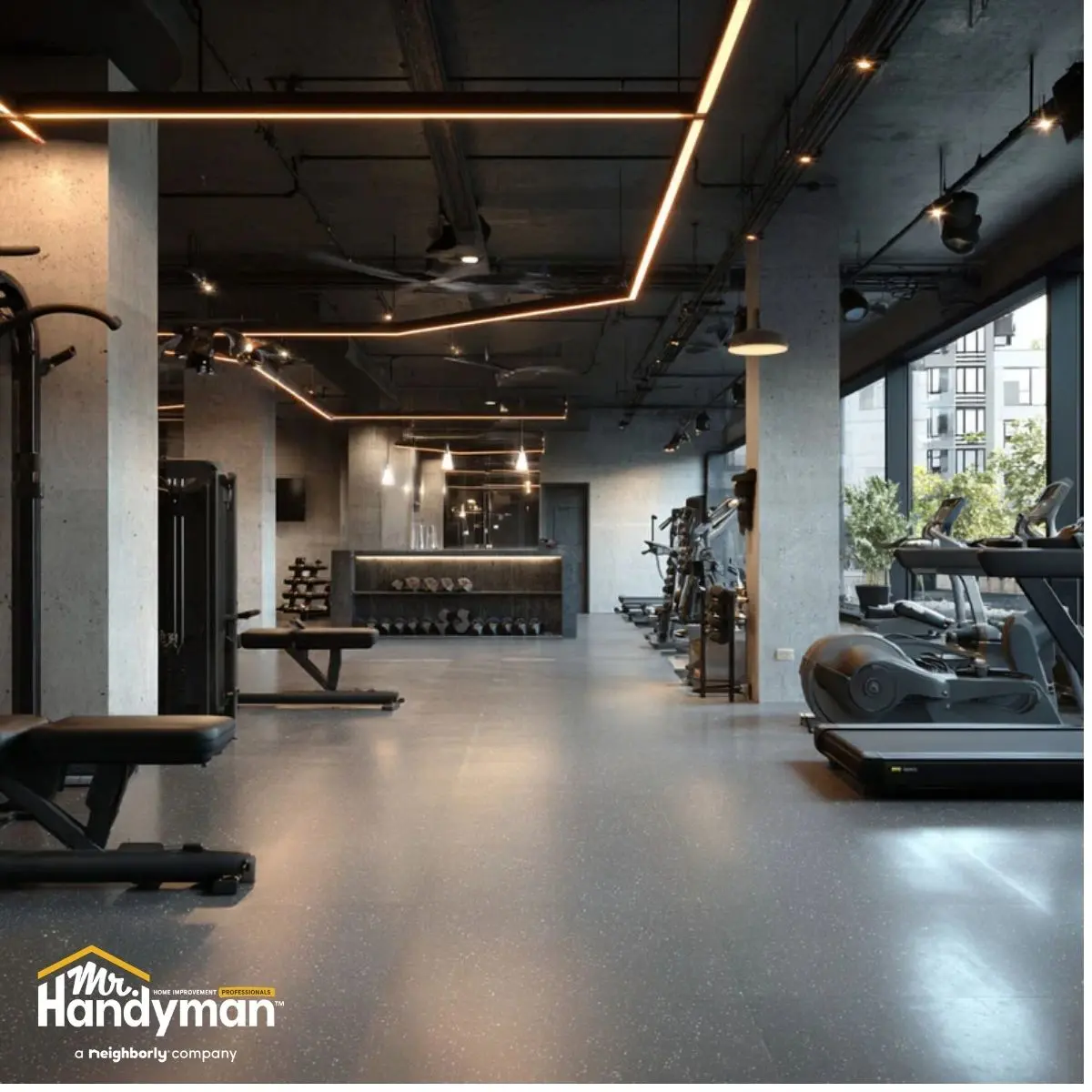
A gym's physical environment communicates more than most owners realize. Before a potential member ever tries the equipment, joins a class, or speaks to a trainer, they're forming opinions based on what they see. Cracked walls, water-stained ceilings, peeling paint, and visible damage send immediate signals about how a business operates. In a competitive fitness market like Oklahoma City and Norman, where new gyms and boutique studios open regularly, the condition of your walls and ceilings can be the difference between someone signing up or walking out to check out the next option down the street.
Wall and ceiling damage doesn't just hurt aesthetics—it raises questions about maintenance standards, cleanliness, and whether management pays attention to details. A gym member who notices a growing crack in the wall or a brown water stain spreading across the ceiling starts wondering what else is being ignored. If the visible damage isn't being fixed, what's happening with equipment maintenance, ventilation systems, or sanitation protocols? These thoughts happen subconsciously but influence decisions about membership renewals, online reviews, and word-of-mouth recommendations.
In Oklahoma, where older commercial buildings are common in both established neighborhoods and growing areas, wall and ceiling issues develop faster than in newer construction. Buildings from the 1970s through 1990s weren't built with the same moisture barriers, insulation standards, or structural reinforcements that modern construction includes. Add Oklahoma's dramatic temperature swings, seasonal storms, and humidity fluctuations, and you've got conditions that accelerate foundation settling, roof leaks, and moisture intrusion—all of which show up as damage on interior walls and ceilings.
Why Wall and Ceiling Damage Happens in Gym Environments
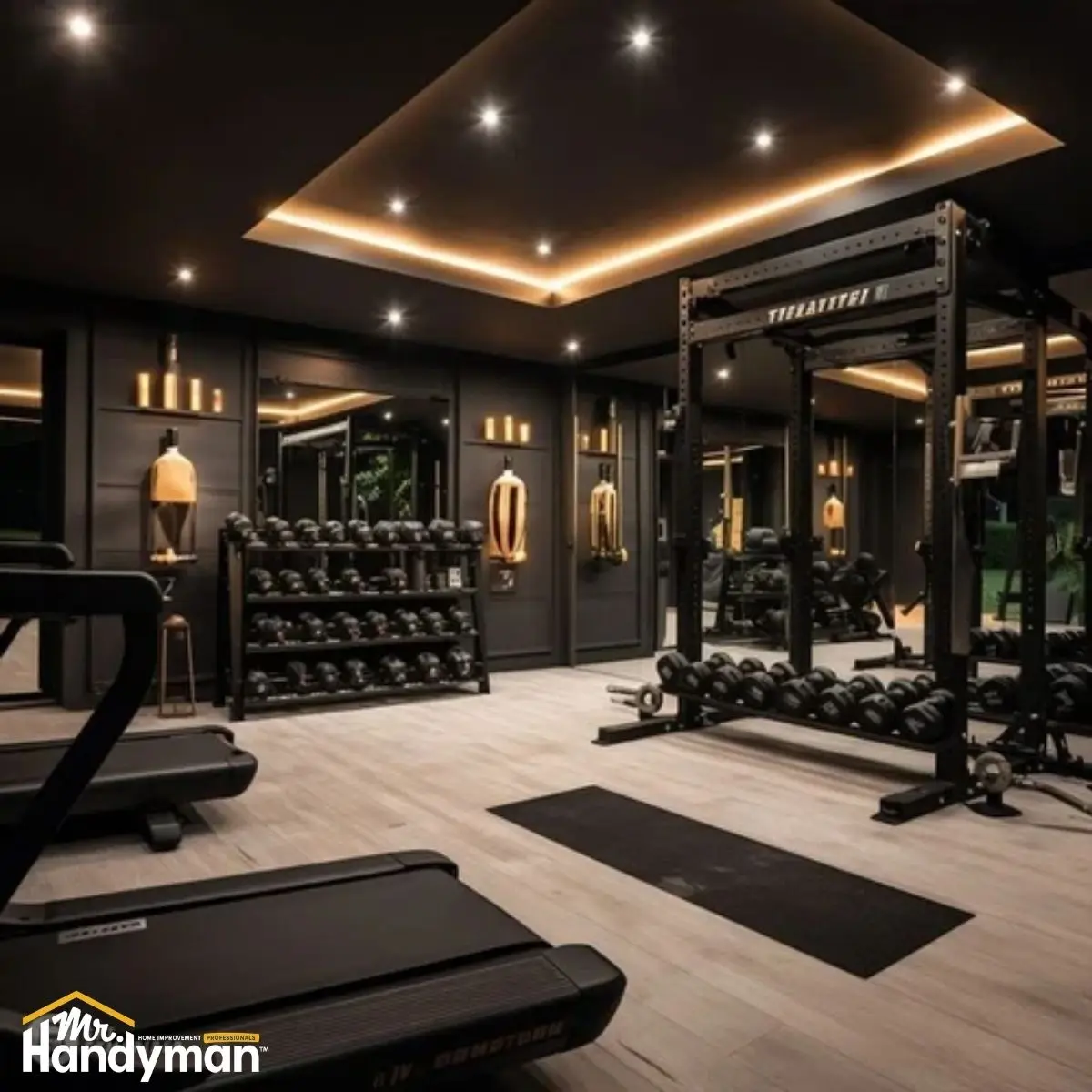
Gyms are harder on buildings than typical commercial spaces. The combination of moisture from sweat and showers, temperature changes from body heat and HVACTED systems working overtime, vibration from dropped weights and high-impact activities, and constant humidity creates an environment where walls and ceilings deteriorate faster than they would in an office or retail space.
Moisture is the primary culprit behind most wall and ceiling damage in fitness facilities. Locker rooms, shower areas, and high-traffic workout zones generate humidity that gets absorbed into drywall, works its way behind paint, and creates conditions for mold growth and material breakdown. Even in climate-controlled gyms, the sheer volume of moisture produced by dozens of people working out simultaneously can overwhelm ventilation systems that weren't designed for that level of output. Older buildings in Oklahoma City and Norman often have HVAC systems that were installed decades ago and are undersized for modern gym operations.
Structural settling is another common cause of cracks and damage, especially in commercial spaces built on Oklahoma's clay-heavy soil. As buildings age and foundations shift with seasonal moisture changes in the ground, stress fractures appear in walls and ceilings. What starts as a hairline crack can widen over time, particularly around doorways, windows, and corners where structural stress concentrates. In gyms where heavy equipment is bolted to floors or where free weight areas see repeated impact, these stresses get amplified.
Roof leaks often go unnoticed until water stains appear on ceilings or drywall starts sagging. Oklahoma's severe weather—hail storms, heavy spring rains, and occasional ice—takes a toll on commercial roofing. A small leak that develops after a storm might not be obvious from inside until moisture has already saturated insulation and ceiling materials. By the time a brown stain appears or paint starts bubbling, the damage extends beyond what's visible. This is especially problematic in older flat-roof commercial buildings common in both Oklahoma City and Norman.
Impact damage from equipment being moved, weights being dropped near walls, or renovation work creates holes, dents, and scuffs that accumulate over time. In busy gyms, walls near weight racks, along cardio equipment rows, and in high-traffic hallways take constant abuse. What might seem like minor cosmetic damage—a small dent here, a scuff there—adds up to an overall impression of neglect when left unrepaired.
How Damaged Walls and Ceilings Affect Member Perception
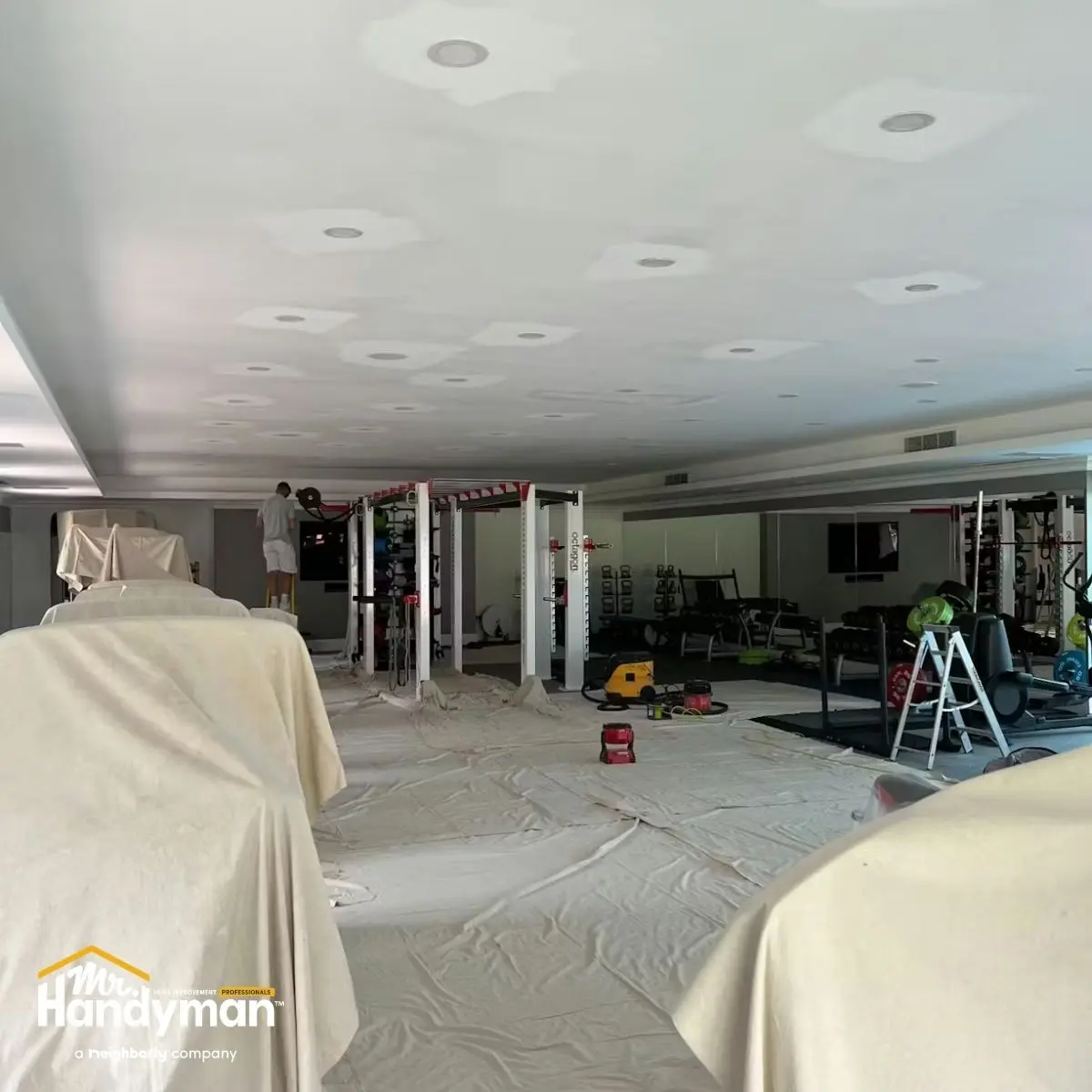
First impressions happen in seconds, and wall and ceiling damage is often one of the first things people notice when walking into a gym. Prospective members touring the facility are looking for reasons to say yes or no, and visible damage tilts the decision toward no more often than owners realize.
Cleanliness concerns are immediately triggered by water stains, mold spots, or peeling paint. Even if the gym floor is spotless and equipment is sanitized regularly, a ceiling with visible water damage makes people question overall hygiene standards. The assumption becomes: if they're not fixing that, what else are they ignoring? This is particularly damaging for gyms trying to attract health-conscious members who prioritize cleanliness and air quality.
Professionalism and attention to detail get judged through the physical environment. A gym with cracked walls and damaged ceilings signals a business that's reactive rather than proactive—one that waits for things to break completely before addressing them. Members notice when issues persist month after month without being repaired. They see it as a lack of investment in the facility, which makes them question whether their membership dues are being used to improve the space or just keep the lights on.
Safety concerns arise when damage looks structural or widespread. Large cracks, sagging ceiling tiles, or areas where drywall is visibly damaged create anxiety about whether the building is safe. Even if the damage is purely cosmetic, members don't know that. They see a crack running across the ceiling above where they're lifting heavy weights and wonder if something's about to give. That mental distraction affects workout quality and eventually drives people to find a gym where they feel more secure.
Brand image takes a hit that extends beyond the physical space. In an era where gym members post workout selfies and check in on social media, damaged walls and ceilings end up in the background of photos and videos. Those images get shared online, contributing to an overall impression that the gym is run-down or poorly maintained. Negative online reviews frequently mention facility condition, and wall and ceiling damage is often cited as evidence of declining standards.
What to Fix First: Prioritizing Repairs for Maximum Impact
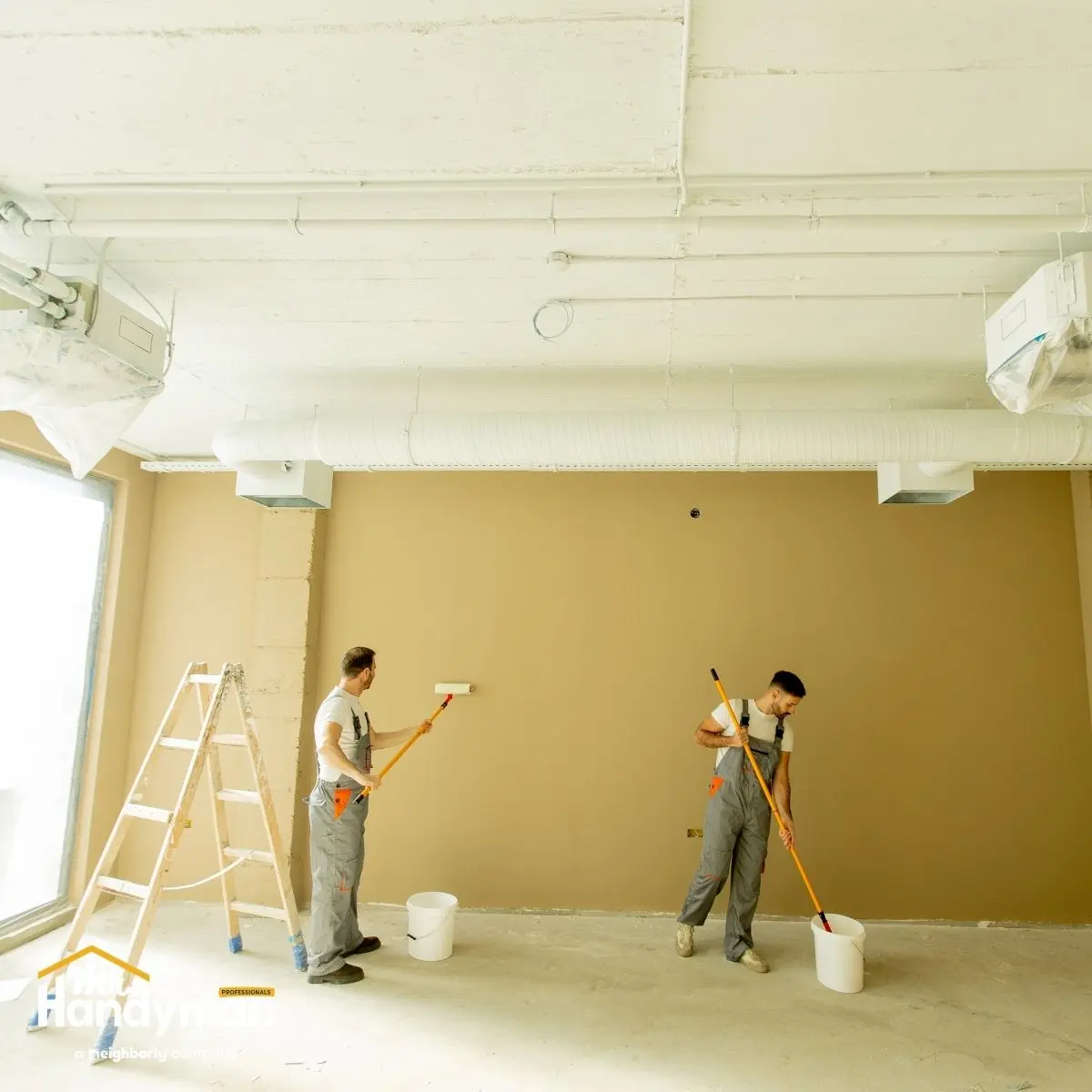
Not all wall and ceiling damage carries the same weight in terms of member perception or safety. Prioritizing repairs strategically ensures you're addressing the issues that have the biggest impact on how your gym is perceived while staying within budget constraints.
Water damage and active leaks should always be priority one. If you have ceiling stains that are growing, sagging drywall, or visible mold, these need immediate attention. Water damage indicates an ongoing problem that will only get worse and potentially cause structural issues or health concerns. Fixing the source of the leak and repairing the damaged ceiling or wall prevents further deterioration and eliminates the most alarming visual signal that something's seriously wrong.
High-visibility areas come next—specifically the entrance, lobby, front desk area, and main workout floor. These are the spaces every member and visitor sees, and they form the baseline impression of your facility. A cracked wall in a back storage room might go unnoticed, but the same crack in your lobby is seen by everyone who walks through the door. Focus repairs on spaces that get the most eyes and the most traffic first. Fresh paint, repaired drywall, and clean ceilings in these areas deliver the biggest return on investment in terms of improved perception.
Structural cracks that suggest foundation or settling issues should be assessed and repaired before they worsen. While not all cracks are structural, those that run diagonally from corners, appear near windows and doors, or seem to be widening over time need professional evaluation. Fixing these early prevents more expensive repairs down the line and removes a visual element that makes members question whether the building is sound.
Locker rooms and shower areas are critical because moisture damage here affects both perception and health. Peeling paint, mold spots, water stains, and damaged drywall in these spaces are deal-breakers for prospective members evaluating cleanliness standards. These areas also deteriorate faster than other parts of the gym, so staying ahead of repairs prevents small issues from becoming major renovation projects.
Group fitness studios and specialty areas like yoga rooms or spin studios need attention because members spend focused time in these spaces and notice details. Scuffs, holes from previous equipment installations, and ceiling damage are more apparent in these smaller, enclosed areas where people aren't distracted by movement around the gym. Keeping these spaces pristine reinforces the premium experience members expect from specialty classes.
Regional Factors That Accelerate Wall and Ceiling Damage
Oklahoma's climate and building stock create specific challenges that gym owners in Oklahoma City and Norman need to understand. The combination of weather extremes, soil conditions, and older construction standards means wall and ceiling damage develops faster and requires more proactive maintenance than in other regions.
Clay soil expansion and contraction cause foundation movement that translates into interior wall cracks. Oklahoma's clay-heavy soil swells when wet and shrinks when dry, creating seasonal foundation shifts that stress building structures. Gyms in older commercial buildings—common in established areas of Oklahoma City and Norman—are particularly vulnerable. Cracks that appear in spring after heavy rains or in fall after dry summers are often tied to this soil movement. While you can't stop the soil from shifting, you can repair the resulting damage promptly and monitor for recurring issues that might indicate a more serious foundation problem.
Severe weather and roof stress from hail, wind, and ice lead to leaks that show up as ceiling damage. Oklahoma's position in Tornado Alley means buildings regularly face harsh weather that degrades roofing materials faster than in milder climates. A hailstorm that seems minor can create small punctures in flat commercial roofs that allow water intrusion over time. Regular roof inspections after major weather events help catch these leaks before they create extensive interior damage.
Temperature swings between hot summers and cold winters cause materials to expand and contract, stressing joints and seams in drywall and plaster. Older buildings without modern insulation or climate control systems experience more dramatic interior temperature fluctuations, which accelerate cracking and separation. Gyms that operate 24/7 or that adjust HVAC settings overnight to save energy subject their walls and ceilings to additional stress from repeated heating and cooling cycles.
Humidity from Oklahoma's muggy summers infiltrates buildings and gets trapped in wall cavities and ceiling spaces, especially in gyms where internal humidity from workouts adds to external moisture loads. Without proper ventilation and dehumidification, this moisture creates ideal conditions for mold growth and drywall deterioration that may not be visible until damage is extensive.
Frequently Asked Questions
How do I know if a ceiling stain is from an active leak or old damage?
Active leaks typically show darker, expanding stains with soft or sagging drywall that feels damp to the touch. Old water damage has stable, yellowed or brown stains with edges that have stopped spreading. If you're unsure, place a piece of colored tape at the edge of the stain and check in a week to see if it's grown. Any expansion means moisture is still getting in and needs immediate attention.
Can cosmetic wall damage like scuffs and small holes wait, or should they be fixed right away?
In high-visibility areas like lobbies, workout floors, and locker rooms, even cosmetic damage should be repaired within a few weeks. Members notice these details and they contribute to an overall impression of neglect if left unaddressed. In back-of-house areas or storage spaces, cosmetic repairs can be batched and handled during slower seasons, but don't let visible damage accumulate in member-facing spaces.
How often should gym walls and ceilings be inspected for damage?
Monthly visual inspections by staff can catch obvious new damage, but quarterly professional inspections are recommended to identify issues that aren't immediately visible—like moisture intrusion behind walls, small cracks that are just starting, or early signs of mold. After severe weather events, inspect ceilings immediately for new stains or sagging that might indicate roof damage.
What's the typical cost difference between fixing ceiling damage early versus waiting until it's severe?
Early intervention—patching a small stain and fixing the minor leak that caused it—might cost a few hundred dollars. Waiting until drywall is saturated, insulation is damaged, and mold has developed can turn into a multi-thousand-dollar project requiring drywall replacement, insulation removal, mold remediation, and repainting. The cost multiplier is often 5 to 10 times higher when you wait.
Should I repaint the entire gym at once or handle walls room by room as damage appears?
If your gym has widespread minor damage or it's been more than five years since the last full paint job, a complete refresh makes sense and ensures color consistency. If damage is isolated to specific areas, room-by-room repairs and repainting work fine as long as you're using the same paint color and finish. Keep detailed records of paint brands and colors to ensure touch-ups match properly.
Does wall and ceiling damage affect air quality or just appearance?
Water damage, mold growth, and deteriorating drywall all affect indoor air quality. Mold releases spores that can trigger allergies and respiratory issues. Water-damaged materials create musty odors and harbor bacteria. Even seemingly minor damage can impact the air your members are breathing during intense workouts when they're taking in more oxygen. Addressing damage quickly protects both appearance and health.
Protect Your Gym's Reputation with Professional Wall and Ceiling Repairs
Your gym's walls and ceilings are part of your brand—they either reinforce your commitment to quality or undermine it every time someone walks through the door. Staying ahead of damage maintains member confidence, protects your investment, and ensures your facility reflects the professionalism you bring to training and service.
Mr. Handyman of Central Oklahoma City and Mr. Handyman of S. Oklahoma City and Norman understand the unique challenges gym owners face with wall and ceiling maintenance in Oklahoma's climate. We provide thorough assessments that identify not just the visible damage but the underlying causes, and we prioritize repairs based on what matters most for your business and budget.
Whether you need to address water damage before it spreads, repair high-visibility areas that are hurting first impressions, or develop a maintenance plan that keeps your facility looking professional year-round, our experienced team delivers quality repairs that last.
Don't let wall and ceiling damage quietly erode your gym's reputation. Schedule an inspection today and get a clear picture of what needs attention and what it will take to keep your facility in top condition.
Mr. Handyman of Central Oklahoma City
Website: https://www.mrhandyman.com/central-oklahoma-city/
Mr. Handyman of S. Oklahoma City and Norman
Website: https://www.mrhandyman.com/northern-montgomery-county/