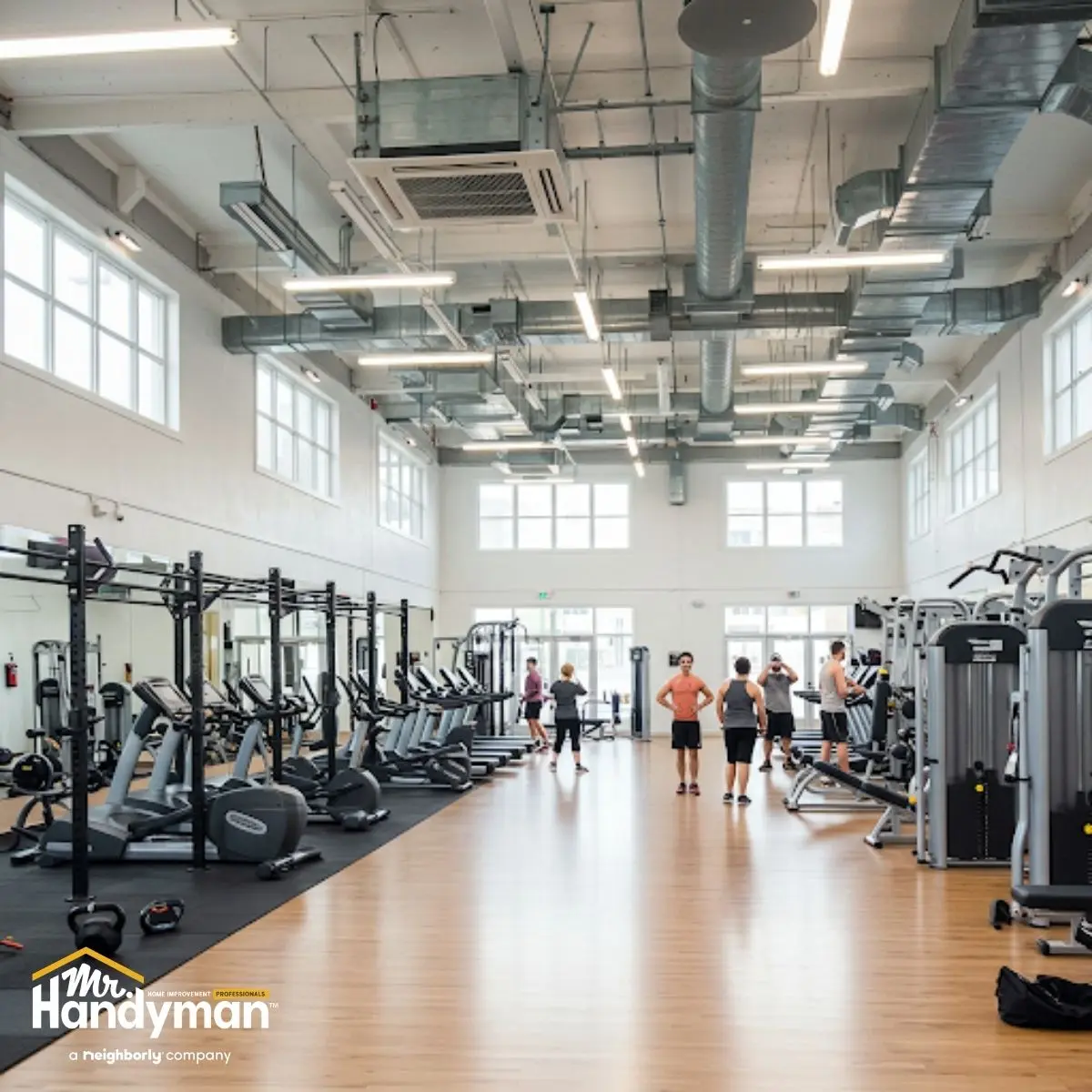
Air quality in a gym isn't just a comfort issue—it's a health and safety concern that directly affects member performance, respiratory health, and overall experience. When people exercise, their breathing rate increases dramatically, pulling in significantly more air than during normal activity. If that air is stale, contaminated with odors, laden with dust and allergens, or insufficiently refreshed, it affects workout quality and can trigger respiratory problems ranging from minor irritation to serious asthma attacks. In fitness and wellness centers where members are paying for a health-promoting environment, poor air quality is a fundamental failure that undermines the entire purpose of the facility.
The HVAC system is the heart of indoor air quality management, but it's also one of the most neglected aspects of gym maintenance. Owners focus on visible elements like equipment condition and facility cleanliness while the HVAC system quietly degrades in performance. Filters get clogged with dust and debris, reducing airflow and forcing systems to work harder. Ducts accumulate contaminants that get recirculated throughout the space. Condensate drains clog and create moisture problems that breed mold. Cooling and heating performance decline, making temperature control difficult and creating uncomfortable microclimates that drive members away during Oklahoma's temperature extremes.
In Oklahoma City and Norman, where outdoor air quality is already challenged by seasonal allergens, dust from agricultural areas, and occasional smoke from wildfires, the HVAC system's job becomes even more critical. The system needs to filter outdoor air effectively while managing the enormous moisture load that dozens or hundreds of people generate during intense workouts. Add Oklahoma's temperature swings—from below freezing winters to sweltering summers regularly exceeding 95 degrees—and HVAC systems face demands that push them to their limits. Without proper maintenance, these systems fail to deliver the air quality that members need and expect, creating health risks and driving business to better-maintained competitors.
How Poor HVAC Maintenance Affects Air Quality and Health
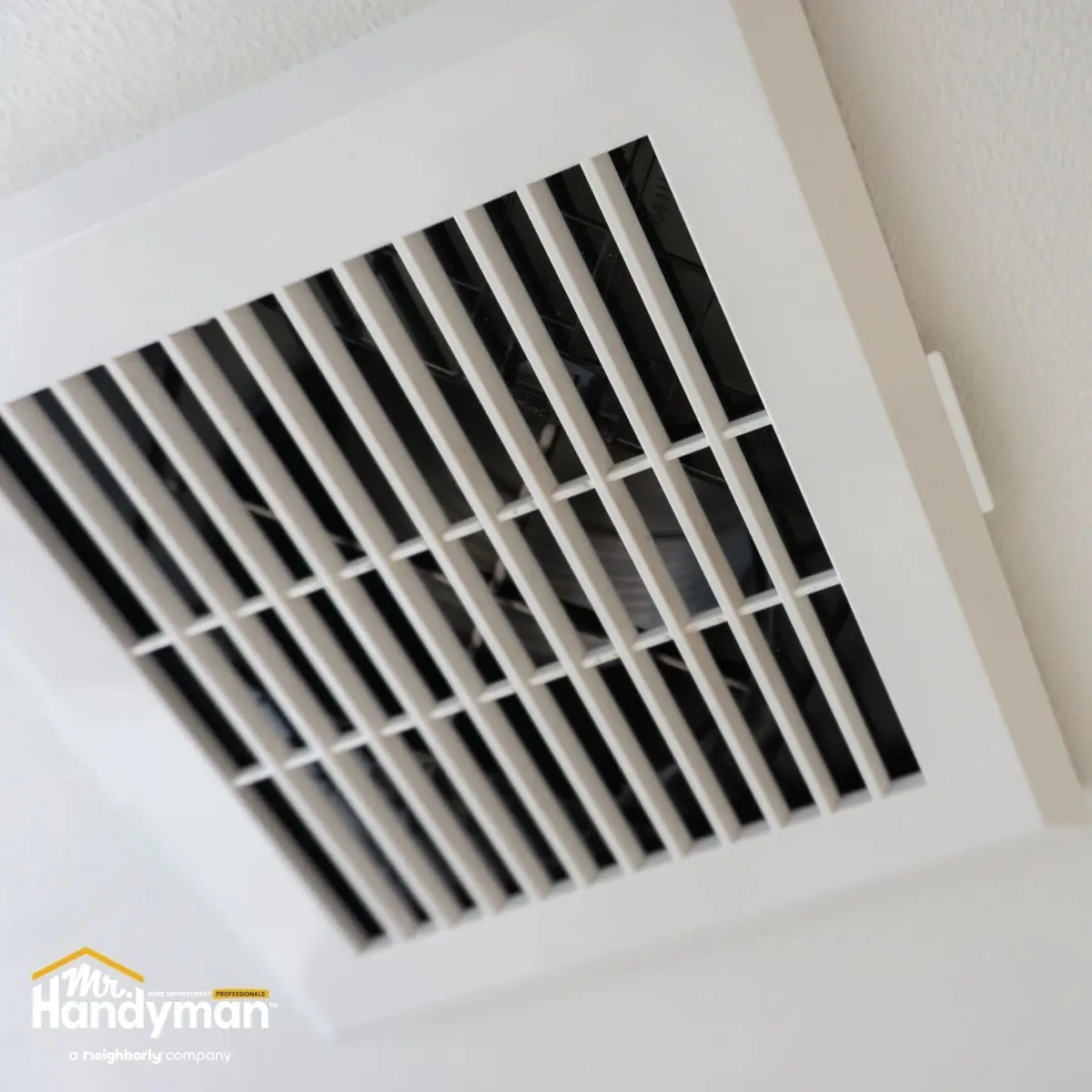
The connection between HVAC performance and indoor air quality is direct and measurable. When systems aren't properly maintained, air quality degrades in specific, predictable ways that affect everyone using the facility.
Inadequate fresh air exchange creates stale, oxygen-depleted environments that make workouts feel harder than they should. HVAC systems are designed to bring in outdoor air, filter it, condition it, and distribute it throughout the building while exhausting stale indoor air. When intake dampers malfunction, exhaust fans fail, or systems are improperly balanced, fresh air exchange drops below healthy levels. Members working out in these conditions experience faster fatigue, difficulty catching their breath, and poor endurance that has nothing to do with fitness level. The air is literally providing less oxygen per breath because it's been breathed multiple times by multiple people without adequate replacement.
Airborne contaminant buildup happens when filtration systems aren't maintained and ventilation is inadequate. Gyms generate enormous amounts of particulate matter—skin cells, textile fibers from workout clothing, dust kicked up from floors, and in some facilities chalk or other training aids. Without proper filtration and air exchange, these particles accumulate to levels that irritate respiratory systems and trigger allergies. Members with asthma or other respiratory conditions are especially vulnerable, but even healthy individuals experience throat irritation, coughing, and nasal congestion from exercising in contaminated air.
Mold and bacteria growth in HVAC components creates serious health hazards that aren't always visible. Condensate pans that don't drain properly, evaporator coils that stay damp, and ductwork that accumulates moisture all become breeding grounds for mold, mildew, and bacteria. These organisms get distributed throughout the facility every time the HVAC system runs, exposing members to spores and pathogens during the exact moments when they're breathing most heavily. The musty odors that often accompany poor HVAC maintenance aren't just unpleasant—they're evidence of biological contamination that poses real health risks.
Temperature and humidity imbalances result from systems that can't keep up with the loads placed on them. A gym with inadequate HVAC capacity or poorly maintained equipment can't manage the heat and moisture that intense workouts generate. Hot, humid conditions don't just make exercise uncomfortable—they increase heat stress risk, promote bacterial growth on equipment and surfaces, and create condensation problems that damage building materials and flooring. In Oklahoma's humid summers, gyms without proper HVAC maintenance become oppressively hot and humid during peak hours, driving members to work out elsewhere or cancel memberships entirely.
Odor problems that no amount of cleaning solves typically indicate HVAC issues rather than sanitation failures. When ventilation is inadequate, body odor, equipment smell, and cleaning product fumes accumulate instead of being exhausted. Locker room odors migrate into workout areas because exhaust systems aren't creating proper negative pressure. These persistent odor problems damage reputation and create an impression of poor cleanliness even when surfaces are spotless. Members don't want to work out in spaces that smell bad, and no amount of air freshener can compensate for fundamentally inadequate ventilation.
Why Gym HVAC Systems Fail Faster Than Other Commercial Systems
Fitness facilities place uniquely demanding loads on HVAC equipment that accelerate wear and create maintenance needs beyond what typical commercial systems experience. Understanding these stresses explains why gym HVAC maintenance can't follow the same schedule as office buildings or retail spaces.
Extreme moisture loads challenge even properly sized systems. A busy group fitness class of 30 people can generate several gallons of water vapor in a single hour through sweat and respiration. That moisture enters the air and must be removed by the HVAC system to maintain comfortable humidity levels. Over time, this constant moisture attacks evaporator coils, condensate drains, and ductwork. Coils that stay wet develop biofilm and corrosion. Drain pans that can't keep up overflow and create water damage. In older buildings in Oklahoma City and Norman, HVAC systems that were adequate when the space was used for retail or office purposes are completely overwhelmed when converted to fitness use.
High occupancy loads during peak hours push systems to maximum capacity for extended periods. Most commercial HVAC systems are designed for relatively stable occupancy throughout the day. Gyms experience dramatic swings—near empty during mid-morning and mid-afternoon, then packed during early morning, lunch, and evening hours. This cycling forces HVAC equipment to ramp up quickly, run at full capacity for hours, then cycle back down. The thermal stress from these operational cycles reduces component life and increases failure rates, particularly in compressors, motors, and electronic controls.
Airborne particulates clog filters faster than in typical environments. The dust, fiber, and debris generated by gym activities load up filters much more quickly than the light commercial loads most systems are designed for. A filter that might last three months in an office building may need changing monthly in a gym. When filters aren't changed frequently enough, airflow restriction forces blowers to work harder, reduces cooling and heating efficiency, and allows particulates to bypass filters and accumulate on coils and in ductwork.
Twenty-four hour operation in some facilities means systems never get rest periods to recover. Many gyms operate from early morning to late evening seven days per week, and some offer 24-hour access. HVAC systems running continuously accumulate more wear, experience fewer opportunities for condensate to fully evaporate from coils, and reach end-of-life on components faster. Systems in 24-hour facilities may need component replacement at half the intervals that manufacturers specify for typical commercial use.
Vibration from dropped weights and high-impact training affects mounted equipment and ductwork. Heavy weights hitting floors send vibration through building structures that loosens mounting hardware for air handlers, shakes ductwork connections, and can crack rigid ductwork materials over time. Flexible duct connections tear at attachment points. Condensate drain lines work loose from vibration and create leaks. This mechanical stress from gym operations adds another layer of wear that office building HVAC systems don't experience.
Comprehensive HVAC Maintenance That Protects Air Quality
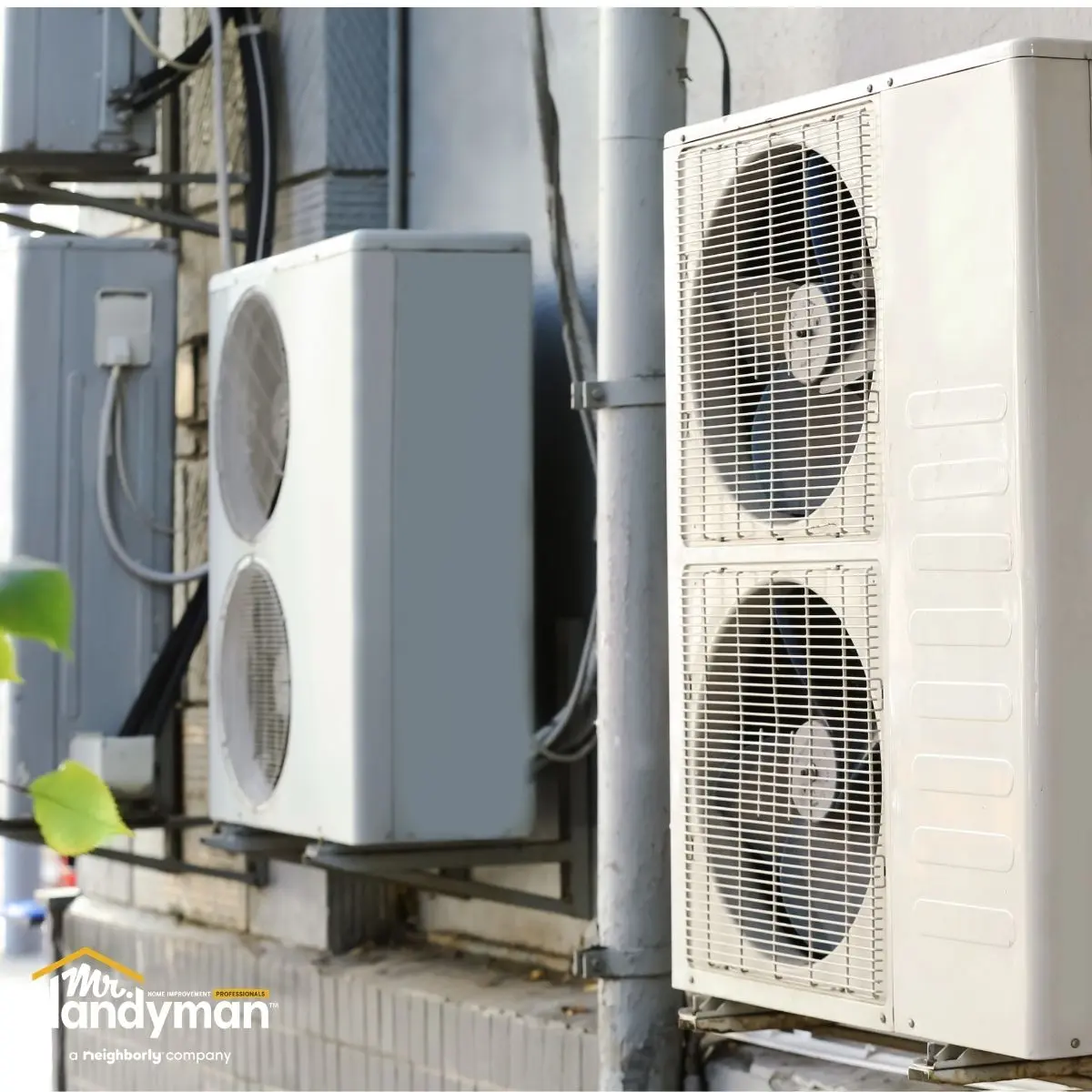
Effective HVAC maintenance for fitness facilities requires a structured approach that addresses both routine service needs and the specific challenges gym environments create. Understanding what proper maintenance entails helps you evaluate whether your current service program is adequate.
Filter replacement on accelerated schedules is non-negotiable for gym air quality. Standard filter change intervals recommended for commercial buildings don't apply to fitness facilities. High-efficiency filters in gyms need monthly inspection and should be changed whenever airflow restriction is noticeable or when filters show visible loading with particulates. Some high-traffic facilities benefit from bi-weekly filter changes during peak seasons. Using higher-efficiency filters—MERV 11 or MERV 13 instead of standard MERV 8—captures more of the fine particulates that affect air quality, but these filters also load faster and need more frequent replacement.
Coil cleaning prevents the biological contamination that destroys air quality. Evaporator coils that stay damp and accumulate dust become breeding grounds for mold and bacteria within months in gym environments. Professional coil cleaning at least twice yearly—and quarterly in high-moisture areas like locker rooms—removes biofilm, restores heat transfer efficiency, and eliminates a major source of musty odors and airborne contaminants. This maintenance is especially critical in Oklahoma's humid climate where mold growth happens quickly.
Condensate drain system maintenance prevents water damage and mold growth. Drain pans need regular inspection and cleaning to ensure water flows freely to drains. Drain lines should be flushed and treated with biocide to prevent algae and biofilm buildup that causes clogs. Auxiliary drain pans under air handlers need to be checked for proper function. In multi-story buildings, condensate pumps require maintenance to ensure they operate when needed. A clogged condensate drain can dump gallons of water into ceiling spaces, creating massive mold problems and expensive repairs.
Ductwork inspection and cleaning removes accumulated contaminants that standard filtration misses. Over time, dust, fiber, mold spores, and debris accumulate in ductwork despite filtration. This material gets stirred up and redistributed every time the system runs. Professional duct cleaning every three to five years in commercial gyms—more often if air quality problems persist—improves system performance and removes contaminant reservoirs. Special attention should be paid to return air ducts in locker rooms where humidity and organic contaminants are highest.
Ventilation system balancing ensures each area receives appropriate fresh air exchange. Many air quality problems stem from systems that aren't properly balanced—some areas get too much airflow while others get too little. Professional air balancing verifies that outdoor air intake meets design specifications, exhaust fans in locker rooms and restrooms create proper negative pressure, and supply air reaches all spaces adequately. This service typically needs to be performed when systems are installed and then repeated if space usage changes or after major equipment repairs.
System capacity evaluation determines whether equipment is adequate for current use. Buildings repurposed as gyms may have HVAC systems that were properly sized for previous use but are undersized for fitness facility loads. If your gym struggles with temperature and humidity control during peak hours despite proper maintenance, the system may simply be inadequate. A load calculation based on actual occupancy and usage patterns determines whether equipment upgrades are needed to achieve acceptable air quality.
Regional HVAC Challenges in Oklahoma Fitness Facilities
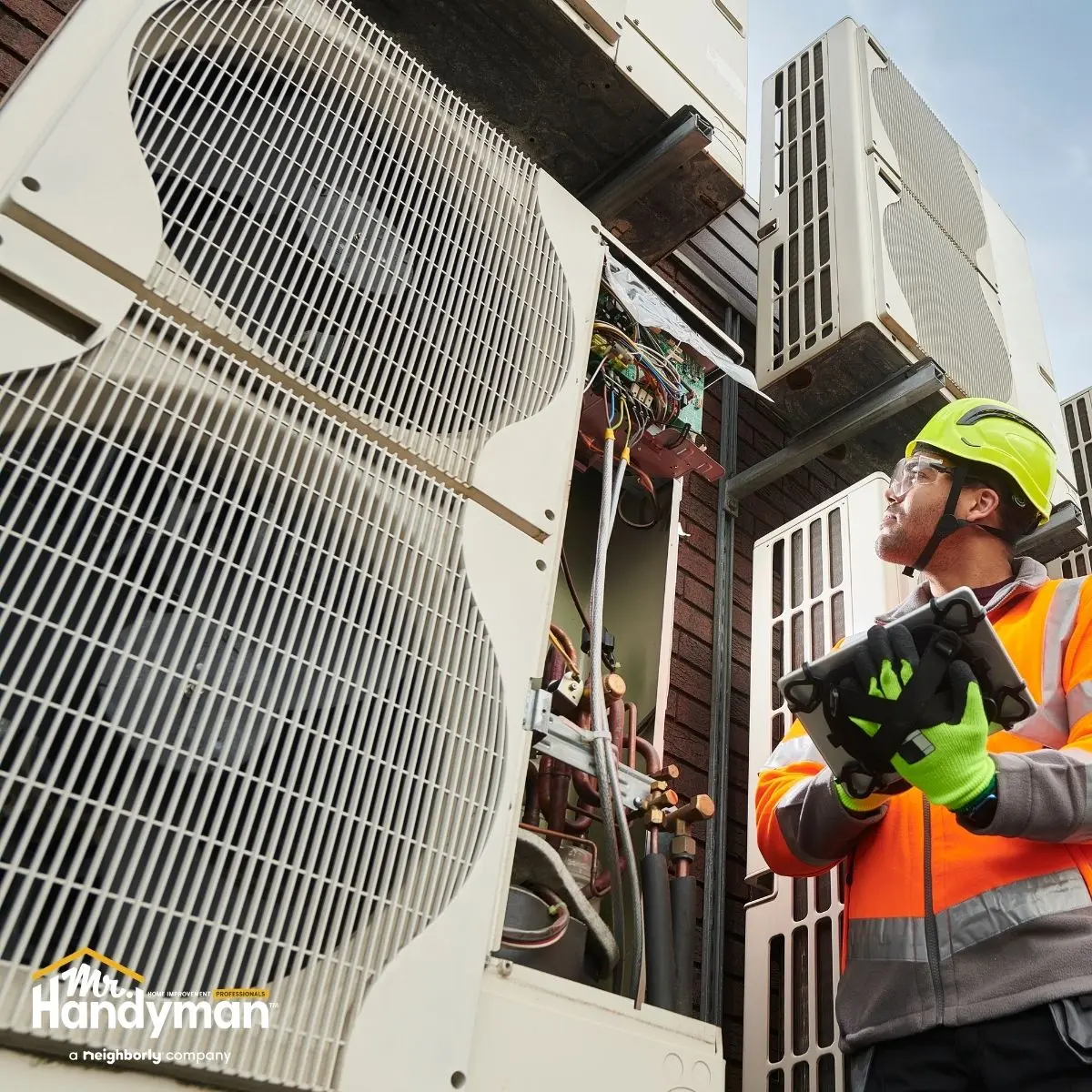
Oklahoma's climate creates specific HVAC challenges that affect how systems should be maintained and what performance you can reasonably expect. Understanding these regional factors helps set appropriate expectations and maintenance priorities.
Extreme outdoor temperature swings stress cooling and heating systems that are already working hard to manage indoor loads. Oklahoma City and Norman regularly see summer temperatures above 95 degrees with high humidity, then winter temperatures below freezing with dry air. HVAC systems must handle these outdoor conditions while simultaneously managing the enormous internal loads from gym operations. Equipment that's marginally adequate in spring and fall becomes overwhelmed in summer and winter extremes. Systems in older buildings often lack the capacity to handle both extreme outdoor conditions and peak gym occupancy simultaneously.
High humidity during Oklahoma's spring and early summer overwhelms dehumidification capacity in many systems. When outdoor air is 80 degrees and 80 percent humidity, bringing in the fresh air required for good indoor air quality also brings enormous amounts of moisture that must be removed. Systems not equipped with adequate dehumidification capability struggle to keep indoor humidity below 60 percent during these periods. High indoor humidity promotes mold growth, makes spaces feel uncomfortable even at reasonable temperatures, and creates condensation on cold surfaces like water pipes and gym equipment.
Dust and allergen loads in Oklahoma are significant due to agricultural activity, construction, and seasonal conditions. Outdoor air brought in for ventilation carries these contaminants, which places higher demands on filtration systems. Pollen counts in spring can be severe enough to affect even indoor air quality if filtration isn't adequate. Dust storms and high wind events common in Oklahoma create short-term extreme particulate loads that rapidly clog filters and strain systems.
Older commercial buildings in established areas often have undersized or outdated HVAC systems that were never designed for fitness facility use. Buildings constructed in the 1970s through 1990s—common in both Oklahoma City and Norman—typically have packaged rooftop units or split systems sized for standard commercial occupancy. When these buildings are converted to gyms without HVAC upgrades, the existing systems are inadequate from day one. Poor air quality isn't a maintenance failure in these cases—it's a capacity problem that maintenance alone can't fix.
Power grid stress during Oklahoma summers can cause voltage fluctuations that damage HVAC controls and compressors. During heat waves when electrical demand peaks, voltage drops and power quality issues become more common. These events stress electronic controls, prematurely age compressors, and can cause system failures during the exact times when you need cooling most. Surge protection and voltage monitoring become important protective measures in Oklahoma's electrical grid environment.
Frequently Asked Questions
How often should gym HVAC systems be professionally serviced?
Commercial gym HVAC systems need professional service quarterly at minimum—ideally monthly during peak cooling and heating seasons. Each service should include filter inspection and replacement, coil inspection and cleaning as needed, condensate drain system check, refrigerant level verification, electrical connection inspection, and airflow measurement. Annual comprehensive service should include duct cleaning evaluation, system balancing verification, and capacity assessment. Home gyms with dedicated HVAC can follow twice-yearly service schedules unless air quality problems develop.
What are the signs that my gym's HVAC system isn't maintaining proper air quality?
Watch for persistent musty or stale odors despite regular cleaning, member complaints about difficulty breathing or feeling fatigued, visible moisture or condensation on windows and equipment, temperature that can't be maintained during peak hours, humidity that feels oppressive, dust accumulation on surfaces shortly after cleaning, and increasing frequency of respiratory complaints or illnesses among staff and members. Any of these indicate air quality problems that maintenance should address.
Can I improve air quality without replacing the entire HVAC system?
Often yes. Upgrading to higher-efficiency filters, adding UV lights in ductwork to control biological growth, installing standalone air purifiers in high-occupancy areas, improving exhaust ventilation in locker rooms, sealing duct leaks that allow contaminant infiltration, and optimizing control settings to maximize fresh air intake can all significantly improve air quality without full system replacement. However, if your system is fundamentally undersized for your facility's needs, these improvements have limits.
Why does my gym smell musty even though we clean regularly?
Musty odors indicate mold or mildew growth somewhere in the HVAC system—typically on evaporator coils, in condensate pans, or in ductwork. Surface cleaning doesn't address these hidden contamination sources. The moisture environment in gyms combined with poor HVAC maintenance creates ideal conditions for biological growth. Professional coil cleaning, condensate system service, and possibly duct cleaning are needed to eliminate the source rather than just masking symptoms with cleaning products or air fresheners.
How much does proper HVAC maintenance cost compared to dealing with poor air quality?
For a 5,000 square foot commercial gym, expect to spend $3,000 to $6,000 annually on comprehensive HVAC maintenance. The costs of poor air quality—lost memberships, negative reviews, health complaints, property damage from moisture problems, and premature equipment replacement—easily exceed $20,000 to $50,000 annually. A single mold remediation project after water damage from a clogged condensate drain can cost more than five years of proper maintenance. The return on investment for proper HVAC maintenance in gyms is overwhelmingly positive.
What should I look for when hiring HVAC service for my fitness facility?
Choose contractors with specific experience in fitness facility HVAC—not just general commercial experience. They should understand the unique loads gyms create, recommend filter change intervals appropriate for gym environments, include condensate system service as standard practice, be responsive for emergency service during peak seasons, and offer maintenance contracts that include regular service rather than just emergency response. Ask for references from other gym clients and verify they carry appropriate licensing and insurance.
Professional HVAC Solutions for Oklahoma Fitness Facilities
Air quality in your fitness facility is too important to manage reactively. Proper HVAC maintenance protects member health, ensures comfort during workouts, prevents expensive equipment failures, and maintains the professional environment that keeps members engaged and attracts new business.
Mr. Handyman of Central Oklahoma City and Mr. Handyman of S. Oklahoma City and Norman work with qualified HVAC professionals to provide comprehensive assessment and coordination of HVAC maintenance for fitness facilities. We understand how Oklahoma's climate challenges gym HVAC systems and can help you evaluate whether your current maintenance program is adequate for your facility's needs.
Whether you need help coordinating filter replacement schedules, assessing air quality issues that persist despite regular cleaning, planning facility modifications that affect HVAC demands, or developing a comprehensive maintenance program that keeps your system operating efficiently year-round, we provide the expertise to ensure your facility maintains healthy air quality.
Don't wait for air quality problems to affect member satisfaction and retention. Schedule an HVAC assessment today and get professional recommendations on what your system needs to deliver the healthy environment your members expect.
Mr. Handyman of Central Oklahoma City
Website: https://www.mrhandyman.com/central-oklahoma-city/
Mr. Handyman of S. Oklahoma City and Norman
Website: https://www.mrhandyman.com/northern-montgomery-county/