.webp) Knowing how to keep pipes from freezing during harsh winters is essential for homeowners in central Oklahoma, even though the region does not experience long, snow-heavy winters like northern states. What makes winter conditions challenging in Oklahoma City and surrounding areas is the combination of sudden temperature drops, strong winds, and homes that are not designed for prolonged cold. These factors create a real risk for frozen pipes, often with little warning.
Knowing how to keep pipes from freezing during harsh winters is essential for homeowners in central Oklahoma, even though the region does not experience long, snow-heavy winters like northern states. What makes winter conditions challenging in Oklahoma City and surrounding areas is the combination of sudden temperature drops, strong winds, and homes that are not designed for prolonged cold. These factors create a real risk for frozen pipes, often with little warning.
In Oklahoma City, Midwest City, Choctaw, Arcadia, Jones, and nearby communities, winter weather is unpredictable. A mild week can quickly give way to an overnight hard freeze. Pipes that were not an issue the day before can freeze by morning. Understanding why this happens and taking preventative steps is a critical part of responsible home maintenance.
Homeowners who address these risks early reduce the chance of emergency home repair calls, water damage, and costly disruptions. When professional support is needed, Mr. Handyman of Central Oklahoma City helps homeowners protect plumbing systems through practical handyman services and seasonal home maintenance solutions.
What “Harsh Winters” Really Mean in Central Oklahoma
Harsh winter conditions in central Oklahoma are defined less by duration and more by intensity and timing. Rather than weeks of consistent freezing temperatures, the region experiences:
- Sudden cold fronts that drop temperatures rapidly
- Overnight freezes following warm daytime highs
- Strong winter winds that accelerate heat loss
- Short but intense periods of subfreezing weather
These conditions are particularly hard on plumbing systems. Pipes expand and contract as temperatures fluctuate, increasing stress on joints and fittings. Homes in this region are typically built to manage heat, not extended cold, which means insulation around plumbing is often minimal compared to colder climates.
Because freezing weather is intermittent, many homeowners delay winter preparation. Unfortunately, even one night below freezing can be enough to freeze pipes if preventative measures are not in place.
Why Pipes Freeze More Easily Than Homeowners Expect
Pipes freeze when water inside them drops below freezing and begins to expand. This expansion increases internal pressure, which can crack pipes or weaken connections. Pipes located in unheated or poorly insulated areas are most at risk, including:
- Garages
- Crawl spaces
- Attics
- Exterior walls
- Under sinks along outside-facing walls
In central Oklahoma, these areas often lack sufficient insulation because they are rarely exposed to prolonged cold. When a sudden freeze occurs, pipes in these locations can freeze quickly, sometimes within a few hours.
Wind plays an additional role. Cold air moving across exterior walls and garages strips away residual heat, making pipes freeze faster than homeowners anticipate.
The Importance of Early Winter Pipe Protection
Understanding how to keep pipes from freezing during harsh winters starts with early preparation. Waiting until temperatures are already dropping limits options and increases risk. Preventative home maintenance should ideally be completed before the first hard freeze.
Early preparation allows homeowners to identify vulnerabilities and address them without urgency. It also reduces the likelihood of emergency repairs, which are often more expensive and disruptive during winter cold snaps.
Key benefits of early winter preparation include:
- Lower risk of burst pipes
- Reduced water damage potential
- Improved overall home efficiency
- Greater peace of mind during freeze events
Preventative care is always more cost-effective than reacting to damage after it occurs.
Insulating Pipes to Reduce Freezing Risk
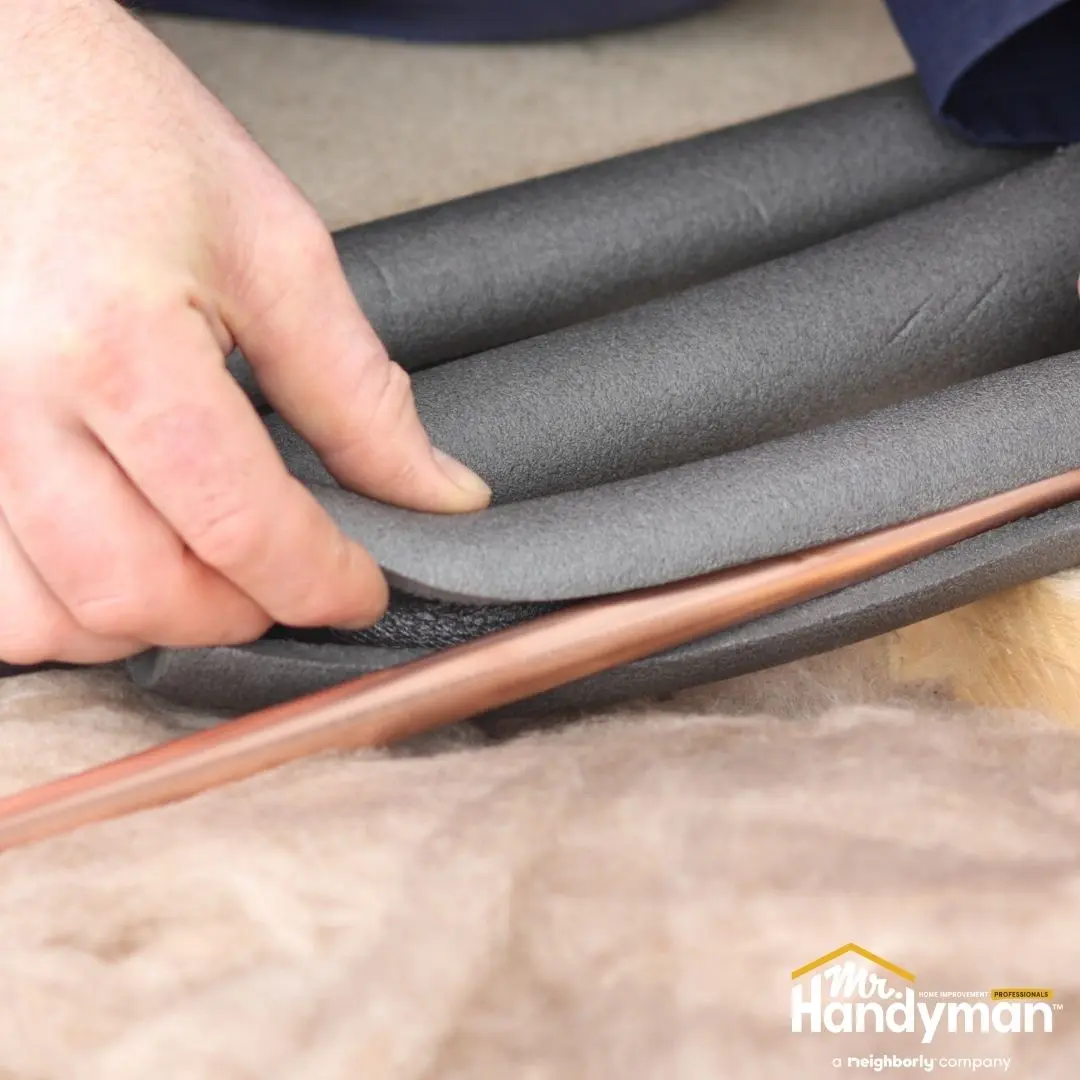
Pipe insulation is one of the most effective and accessible ways to prevent freezing. Insulation helps retain heat within pipes, slowing the rate at which water temperature drops during cold weather.
Common insulation options include foam pipe sleeves, fiberglass wrap, and insulating tape. These materials are especially important for pipes located in garages, crawl spaces, and along exterior walls.
When insulating pipes, homeowners should focus on:
- Continuous coverage without gaps
- Securing insulation so it does not slip or compress
- Addressing both hot and cold water lines
Proper insulation is a foundational step in winter home maintenance and plays a major role in protecting plumbing systems during sudden freezes.
Sealing Drafts and Air Leaks Near Plumbing Lines
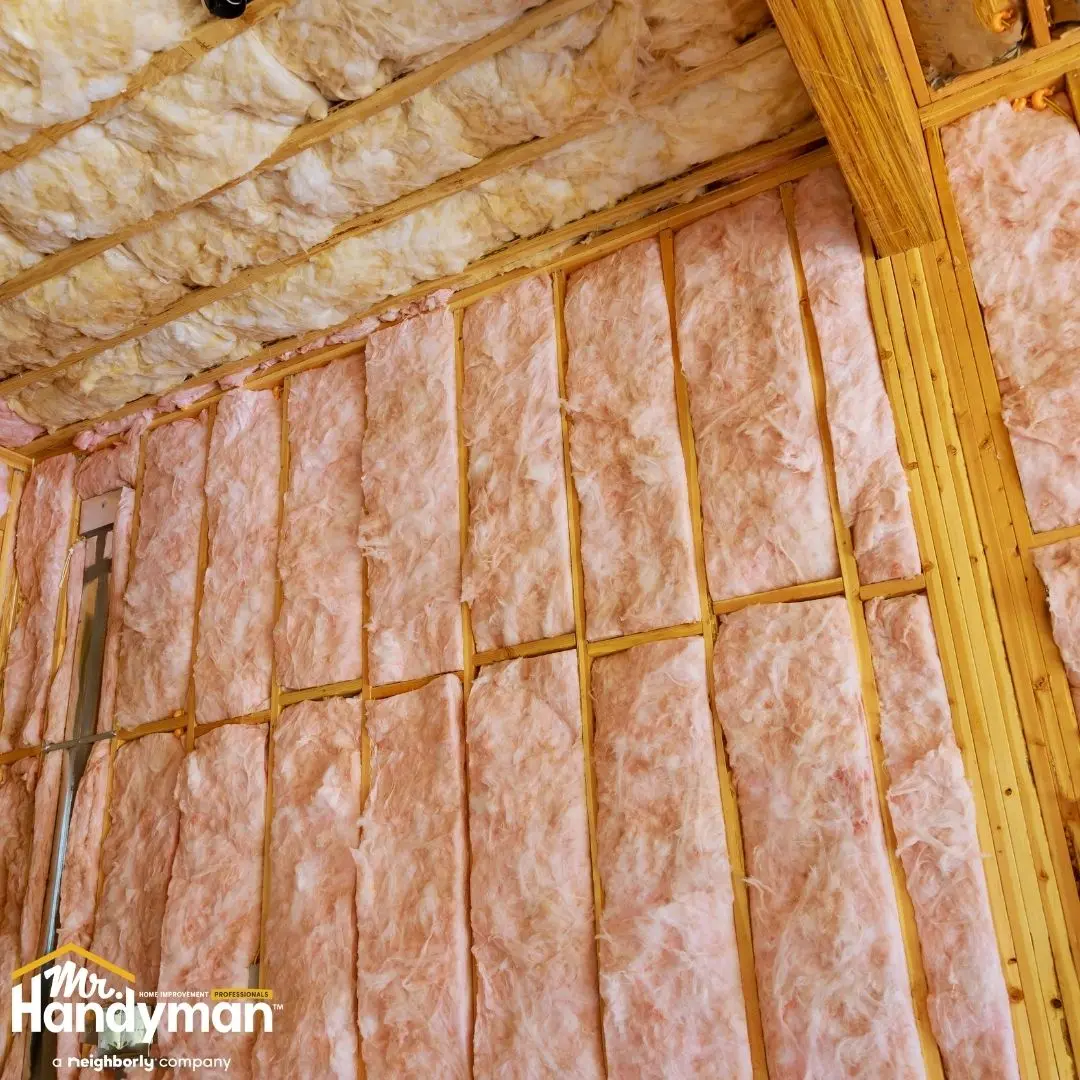
Cold air infiltration is a major contributor to frozen pipes. Small gaps around vents, wiring, and plumbing penetrations allow cold air to reach pipes directly. Sealing these openings reduces exposure and helps maintain warmer temperatures around plumbing.
Common areas to inspect include:
- Where pipes enter walls or floors
- Around crawl space vents
- Near garage walls shared with living spaces
- Under sinks and behind appliances
Sealing drafts is not only beneficial for plumbing protection but also improves energy efficiency and indoor comfort during winter months.
Maintaining Consistent Indoor Temperatures
Temperature consistency is critical when learning how to keep pipes from freezing during harsh winters. Allowing indoor temperatures to drop significantly overnight increases the likelihood of frozen pipes, especially in less insulated areas of the home.
Even when away from home, thermostats should be set to maintain a steady temperature. Sudden drops in indoor heat can allow pipes to freeze before homeowners realize there is a problem.
Opening cabinet doors beneath sinks during cold nights can also help. This allows warm air to circulate around pipes that are otherwise enclosed and vulnerable.
Why Preventative Home Maintenance Matters
Frozen pipes are rarely an isolated issue. When pipes freeze and crack, water damage often follows, affecting drywall, flooring, insulation, and structural components. These secondary repairs fall under broader home repair needs and can quickly escalate in scope and cost.
Preventative home maintenance reduces these risks by addressing vulnerabilities before cold weather arrives. Insulation upgrades, draft sealing, and routine inspections all contribute to a more resilient home during winter.
Homeowners who rely on professional handyman services benefit from experienced evaluations that identify issues that are easy to overlook. Addressing small concerns early helps prevent major disruptions later.
Understanding how to keep pipes from freezing during harsh winters is not about preparing for months of snow and ice. In central Oklahoma, it is about being ready for sudden, intense cold events that place plumbing systems under stress. Taking proactive steps now helps protect homes, reduce repair costs, and ensure reliable plumbing performance throughout the winter season.
How to Keep Pipes From Freezing During Harsh Winters Inside the Home
Understanding how to keep pipes from freezing during harsh winters requires more than basic insulation. In central Oklahoma homes, interior plumbing is often just as vulnerable as exterior lines due to construction styles, airflow patterns, and temperature inconsistencies. Focusing on indoor prevention strategies is a critical part of winter home maintenance and helps reduce the risk of frozen pipes during sudden cold snaps.
Many homeowners assume that pipes inside the home are automatically protected. In reality, pipes located near exterior walls, in garages, or in enclosed spaces can still freeze when temperatures drop quickly. Addressing these risks requires attention to airflow, heat distribution, and daily habits during winter months.
Protecting Pipes in Garages and Utility Spaces
Garages are one of the most common locations for frozen pipes in Oklahoma homes. These spaces are rarely insulated to the same standard as living areas and are often exposed to cold air infiltration through doors and exterior walls. Water supply lines, water heaters, and washing machine connections located in garages are especially vulnerable.
To reduce freezing risk in garage spaces, homeowners should focus on:
- Sealing gaps around garage doors to limit cold air intrusion
- Insulating walls shared with the house
- Wrapping exposed pipes with appropriate insulation
- Keeping garage temperatures above freezing during cold events
Leaving garage doors open during winter, even briefly, can allow cold air to reach plumbing lines quickly. During harsh winter conditions, minimizing temperature swings in these spaces is essential.
Managing Pipes Along Exterior Walls
Pipes routed through exterior walls are another common problem area. These walls experience the greatest exposure to wind and cold air, especially during overnight freezes. Even when indoor temperatures are comfortable, pipes within these walls may be significantly colder.
Homeowners can reduce risk by:
- Identifying plumbing located on exterior walls
- Sealing cracks or gaps that allow cold air into wall cavities
- Keeping nearby rooms consistently heated
- Avoiding furniture placement that blocks heat flow to exterior walls
Opening cabinet doors under sinks during freezing weather allows warm air to circulate around pipes that would otherwise remain cold. This simple habit can make a meaningful difference during harsh winter nights.
The Role of Consistent Heating in Pipe Protection
Maintaining consistent indoor temperatures is one of the most effective ways to prevent frozen pipes. Large temperature drops overnight increase the likelihood of freezing, particularly in areas far from heat sources.
During winter, thermostats should remain set to a steady temperature, even when homeowners are asleep or away. Turning heat down too aggressively to save energy can backfire by increasing the risk of frozen pipes and subsequent water damage.
In homes with uneven heating, supplemental heat may be necessary in colder rooms or areas with plumbing lines. Space heaters can be used carefully and according to safety guidelines, but they should never be placed near combustible materials or left unattended.
Using Water Flow Strategically During Freeze Events
Allowing water to move through pipes can help reduce freezing risk during extreme cold. Running a small, steady drip from faucets connected to vulnerable pipes keeps water moving and reduces pressure buildup if freezing begins.
This approach is most effective when used selectively:
- Focus on faucets connected to exterior wall plumbing
- Use cold water lines, as they freeze more quickly
- Avoid excessive water waste by limiting flow
While dripping faucets is not a long-term solution, it can be a useful temporary measure during overnight freezes when combined with insulation and heating.
Protecting Plumbing During Power Outages
Power outages during winter pose a serious risk to plumbing systems. Without heat, indoor temperatures can drop rapidly, especially in homes with minimal insulation. Pipes can freeze within hours during harsh winter conditions if heat is lost.
Homeowners should prepare for outages by:
- Identifying the main water shutoff valve
- Knowing how to shut off water to individual fixtures
- Keeping cabinet doors open near plumbing lines
- Closing off unused rooms to concentrate heat
In extended outages, shutting off the main water supply may be the safest option to prevent catastrophic water damage if a pipe fails. This decision should be made carefully, especially in homes with appliances that require water to operate.
Preventative Inspections as Part of Winter Home Maintenance
Routine inspections play an important role in learning how to keep pipes from freezing during harsh winters. Small issues such as loose insulation, minor air leaks, or aging pipe materials can significantly increase freezing risk when temperatures drop.
Preventative inspections often focus on:
- Exposed plumbing in garages and crawl spaces
- Insulation coverage and condition
- Signs of moisture or previous freeze damage
- Functionality of shutoff valves
Professional handyman services can identify vulnerabilities that homeowners may overlook, especially in hidden or hard-to-access areas.
Why Indoor Pipe Protection Is Often Overlooked
Many homeowners focus their winter preparation on outdoor plumbing, assuming interior pipes are safe. In central Oklahoma, indoor pipe freezing is actually more common due to the combination of sudden cold, limited insulation, and airflow patterns within homes.
Because winter weather is inconsistent, plumbing systems are subjected to repeated expansion and contraction. Over time, this stress weakens pipes and fittings, making them more likely to freeze and crack during harsh winter events.
Consistent home maintenance helps address these cumulative risks and supports long-term plumbing reliability.
Professional Support for Winter Pipe Protection
While many preventative steps can be handled by homeowners, professional assistance adds an extra layer of protection. Experienced professionals understand how regional construction styles and climate patterns affect plumbing systems.
Homeowners who work with Mr. Handyman of Central Oklahoma City benefit from comprehensive handyman services that support winter home maintenance. From insulating pipes and sealing drafts to addressing minor repairs, professional support helps reduce the likelihood of winter plumbing emergencies.
Understanding how to keep pipes from freezing during harsh winters inside the home requires a combination of preparation, awareness, and consistency. By addressing garage spaces, exterior walls, heating practices, and emergency readiness, homeowners in central Oklahoma can significantly reduce their risk and protect their homes throughout the winter season.
How to Keep Pipes From Freezing During Harsh Winters Outside the Home
Knowing how to keep pipes from freezing during harsh winters also requires attention to the areas outside the home. In central Oklahoma, outdoor plumbing components are often the first to freeze because they are fully exposed to cold air, wind, and rapid temperature changes. These exterior vulnerabilities frequently lead to interior damage once temperatures rise and frozen pipes thaw.
Homes in Oklahoma City, Midwest City, Choctaw, Arcadia, Jones, and nearby areas often have outdoor plumbing that was not designed for repeated freeze events. Preventative care focused on exterior systems is an essential part of winter home maintenance and helps reduce the risk of costly home repair needs.
Protecting Outdoor Faucets and Hose Bibs
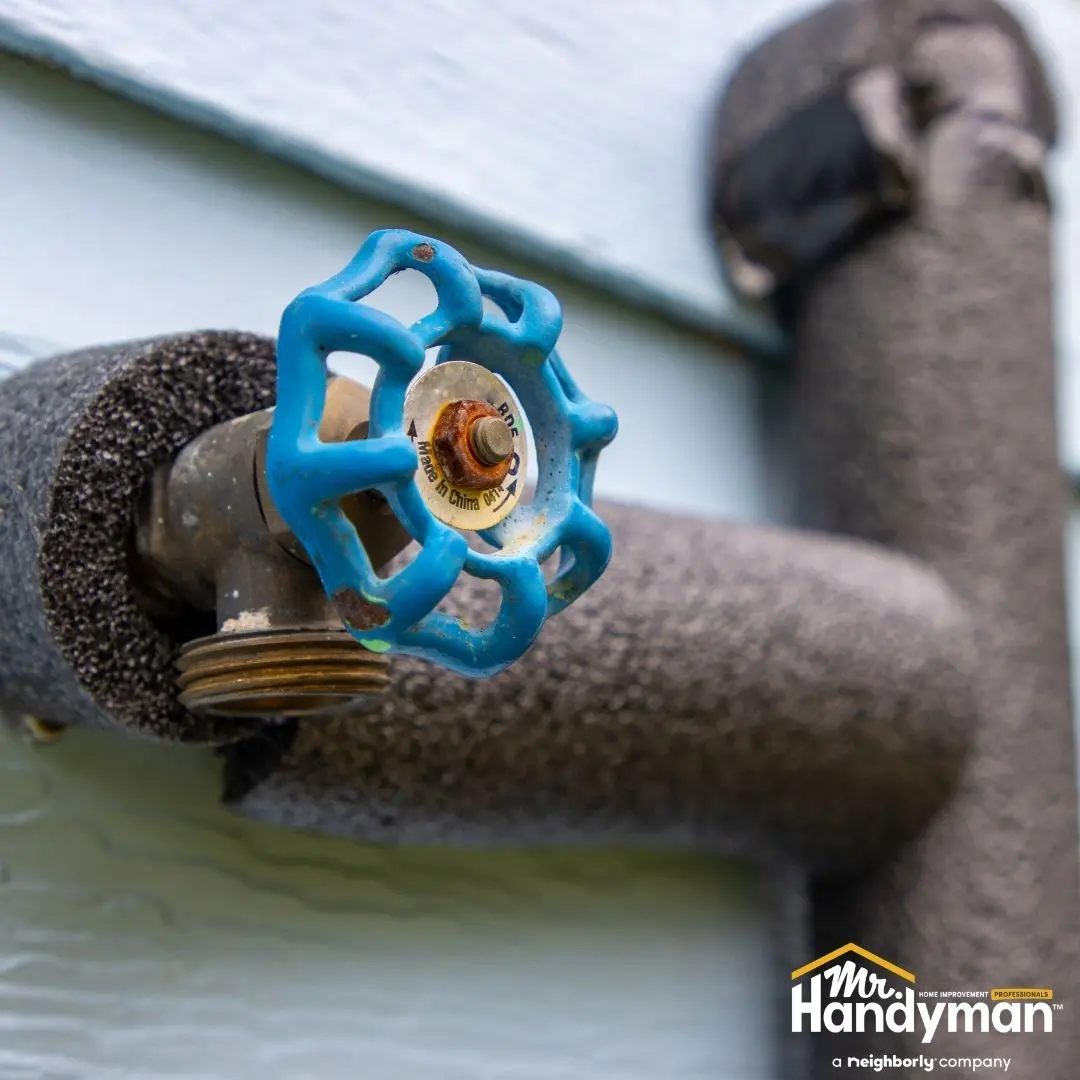
Outdoor faucets, also known as hose bibs, are among the most common sources of winter plumbing problems. Water left inside these fixtures can freeze quickly during overnight cold snaps. As ice expands, it can crack the faucet body or the pipe inside the wall, often without immediate visible signs.
Homeowners should take the following steps before winter temperatures arrive:
- Disconnect and drain all garden hoses
- Shut off interior supply valves to outdoor faucets when available
- Open outdoor faucets to allow remaining water to drain
- Install insulated faucet covers
These simple actions help prevent water from becoming trapped in exterior plumbing lines. Many homeowners only discover hose bib damage in spring, when water is turned back on and leaks appear inside walls or foundations.
Addressing Pipes in Crawl Spaces and Foundations
Crawl spaces are another high-risk area for frozen pipes in central Oklahoma. These spaces are often poorly insulated and exposed to cold air moving beneath the home. Pipes running through crawl spaces can freeze quickly during harsh winter conditions, especially when wind chills are present.
To reduce freezing risk in crawl spaces:
- Ensure crawl space vents are properly sealed during winter
- Insulate exposed pipes and ductwork
- Repair gaps or cracks in the foundation
- Confirm vapor barriers are intact
Because crawl spaces are out of sight, problems often go unnoticed until a pipe bursts. Regular inspections as part of routine home maintenance help identify vulnerabilities before cold weather causes damage.
Managing Irrigation and Sprinkler Systems
Irrigation systems are frequently overlooked during winter preparation. Water left in sprinkler lines can freeze and crack pipes, valves, and backflow preventers. Damage to these systems can be extensive and expensive to repair once spring arrives.
Proper winterization of irrigation systems includes:
- Shutting off the main water supply to the system
- Draining remaining water from lines
- Blowing out lines with compressed air when appropriate
- Insulating exposed components
Failing to winterize irrigation systems not only leads to plumbing damage but can also result in water waste and landscape issues when leaks go unnoticed.
The Impact of Wind and Exposure on Exterior Pipes
Wind plays a major role in freezing risk during Oklahoma winters. Even when air temperatures hover near freezing, wind can strip heat away from exposed pipes and fixtures, accelerating ice formation. Pipes located on the north side of a home or in shaded areas are particularly vulnerable.
Homeowners should assess exterior exposure and consider additional protective measures such as:
- Wind barriers near exposed plumbing
- Additional insulation for pipes on exterior walls
- Sealing gaps around pipe penetrations
Reducing wind exposure is a critical but often overlooked aspect of learning how to keep pipes from freezing during harsh winters.
Preparing for Extended Absences During Winter
Leaving a home unattended during winter increases the risk of plumbing damage, especially during sudden freeze events. Without regular monitoring, a frozen pipe can burst and leak for hours or days before being discovered.
Before traveling during winter, homeowners should:
- Set thermostats to maintain consistent indoor temperatures
- Shut off water to exterior plumbing and vulnerable fixtures
- Insulate exposed pipes in garages and crawl spaces
- Arrange for someone to check the home during extreme cold
Some homeowners choose to shut off the main water supply when traveling for extended periods. This can significantly reduce damage if a pipe fails, but it should be done carefully and with consideration for appliances and heating systems that rely on water.
Understanding the Consequences of Frozen Pipes
Frozen pipes are not just a plumbing inconvenience. When pipes crack or burst, water damage often affects multiple areas of the home. Walls, ceilings, flooring, insulation, and electrical systems may all require repair. Mold growth can develop quickly if moisture is not addressed promptly.
The cost of repairing water damage frequently exceeds the cost of preventative measures. Insurance coverage may also be limited if damage is linked to neglected home maintenance. Taking proactive steps is both a practical and financial decision.
Why Seasonal Inspections Are Essential
Seasonal inspections play a key role in preventing winter plumbing problems. Inspections help identify insulation gaps, aging materials, and exposure points that increase freezing risk. They also ensure shutoff valves and safety features are functioning properly.
A thorough inspection may include:
- Evaluating insulation around pipes and fixtures
- Checking exterior plumbing for cracks or leaks
- Confirming proper drainage of outdoor systems
- Identifying areas where airflow increases exposure
Routine inspections are a cornerstone of effective home maintenance and help homeowners stay ahead of winter-related issues.
The Value of Professional Help for Winter Preparation
While many preventative steps can be handled by homeowners, professional assistance provides added confidence. Experienced professionals understand how regional climate patterns and construction styles affect plumbing systems in central Oklahoma.
Homeowners who work with Mr. Handyman of Central Oklahoma City benefit from handyman services that support comprehensive winter preparation. From insulating pipes and sealing drafts to addressing minor repairs, professional support helps reduce the likelihood of emergency situations during harsh winter conditions.
Building a Long-Term Strategy for Winter Plumbing Protection
Learning how to keep pipes from freezing during harsh winters is not about reacting to one cold night. It is about building a long-term approach to home maintenance that accounts for regional weather patterns and structural vulnerabilities.
Homes that receive consistent care are better equipped to handle sudden freezes, wind-driven cold, and temperature fluctuations. Preventative maintenance improves reliability, reduces repair costs, and provides peace of mind throughout the winter season.
By addressing both interior and exterior plumbing risks, homeowners in central Oklahoma can protect their property, avoid costly damage, and ensure their plumbing systems remain dependable no matter how unpredictable winter weather becomes.
Protect your pipes before freezing temperatures cause damage. Book professional plumbing help online or call today.