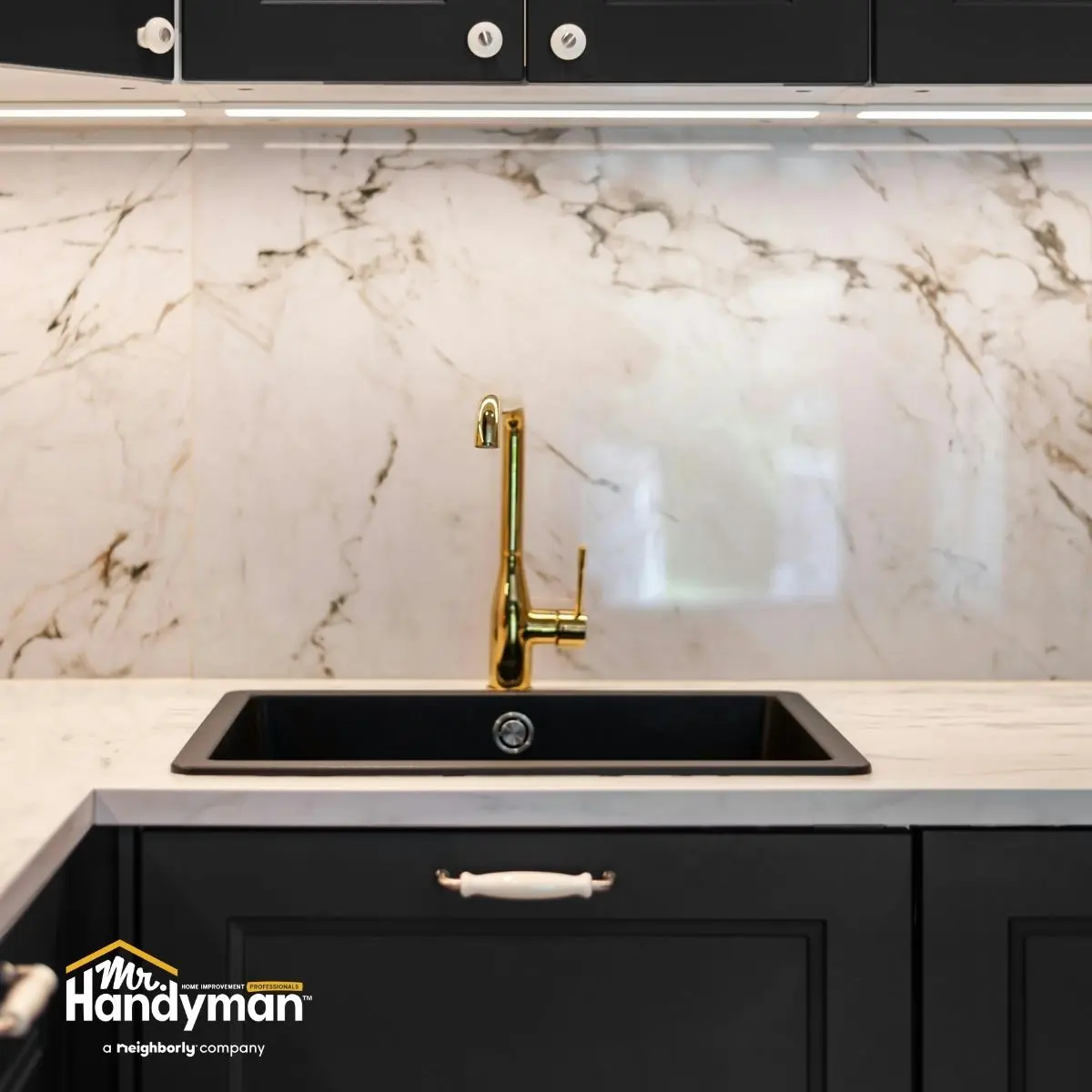
Kitchen plumbing fixtures don't seem important until they stop working properly. A faucet that drips constantly. A sprayer that won't switch back to normal flow. A garbage disposal that grinds slowly or smells foul no matter how much you clean it. These aren't just annoyances—they're inefficiencies that cost money, waste water, and make daily tasks harder than they need to be. Most homeowners tolerate outdated or failing fixtures far longer than they should, assuming replacement is expensive or complicated when the reality is that upgrading kitchen plumbing fixtures delivers immediate, measurable benefits.
In Central Oklahoma City, South Oklahoma City, and Norman, many homes still have original plumbing fixtures installed decades ago. A house built in the 1970s or 1980s likely has a faucet designed when water conservation wasn't a priority and build quality reflected different manufacturing standards. Those fixtures weren't made to last fifty years. Seals deteriorate. Moving parts wear out. Finishes corrode. Hard water—common throughout Oklahoma—accelerates this degradation, leaving mineral deposits that clog aerators, stiffen handles, and reduce water pressure.
Upgrading kitchen plumbing fixtures isn't cosmetic. It's functional. Modern faucets use significantly less water while maintaining strong pressure. New garbage disposals operate quieter and grind more efficiently. Soap dispensers and filtered water taps eliminate countertop clutter and improve convenience. Better fixtures also mean fewer repairs. A quality faucet installed today will outlast a budget model by years, saving you the hassle and expense of repeated service calls or DIY fixes that never quite solve the problem.
The kitchen is the most-used room in most homes. You wash dishes, rinse produce, fill pots, clean counters, and handle food prep multiple times daily. When fixtures work smoothly, these tasks take seconds. When they don't, everything slows down. A faucet with weak pressure means rinsing takes longer. A sprayer that sticks means switching between tasks becomes frustrating. A disposal that jams frequently means you're constantly resetting it or fishing debris out by hand. Small inefficiencies compound over weeks and months into genuine quality-of-life impacts that affect how you experience your home.
Water Efficiency and Lower Utility Bills
Older kitchen faucets can use as much as three to five gallons per minute at full flow. Modern fixtures equipped with aerators and flow restrictors deliver the same cleaning power at one and a half to two gallons per minute. That difference adds up quickly. If you run your faucet for ten minutes daily—a conservative estimate for most households—switching from a four-gallon-per-minute faucet to a two-gallon model saves twenty gallons per day. Over a year, that's more than seven thousand gallons.
Water savings translate directly to lower utility bills. In Oklahoma City and Norman, water and sewer costs are calculated based on consumption. The less water you use, the less you pay—not just for the water itself, but for the sewer treatment tied to that usage. For families doing dishes by hand, rinsing vegetables, or running the faucet while prepping meals, a high-efficiency faucet reduces costs without requiring any change in behavior. You use the kitchen exactly as you always have, but the fixture itself limits waste.
Faucets with sensor technology or touchless activation take efficiency further. These fixtures turn on only when needed and shut off automatically when your hands move away. There's no risk of leaving the water running while you answer the phone, check a recipe, or deal with a child's question. Touchless faucets are particularly useful in busy kitchens where hands are often messy or full. You don't need to touch handles with raw chicken on your fingers or struggle to turn off the faucet while holding a pot.
Leaking faucets waste water invisibly. A drip that seems minor—one drop per second—wastes more than three thousand gallons per year. That's water you're paying for without any benefit. Older faucets with worn cartridges or valve seats develop these leaks over time. Replacing the entire fixture with a modern, well-sealed unit eliminates the leak and the ongoing waste. The savings in water costs alone can offset the price of the new faucet within a year or two.
Improved Functionality and Daily Convenience
Modern kitchen faucets offer features that weren't available or widely adopted when older homes were built. Pull-down or pull-out sprayers integrated into the faucet body provide flexibility for rinsing large pots, washing produce, or cleaning the sink itself. The spray function switches between aerated stream and powerful spray with a button press, giving you control over water flow depending on the task. These aren't luxuries—they're practical tools that make kitchen work faster and easier.
High-arc faucets provide clearance for filling tall stockpots or vases without tilting them awkwardly. Low-profile faucets work better in kitchens with windows directly above the sink where a tall faucet would block the view or interfere with opening the window. Choosing the right faucet height and reach for your specific sink layout improves usability in ways you notice every single day.
Garbage disposals have also improved significantly. Older units are loud, slow, and prone to jamming on fibrous materials like celery or potato peels. Modern disposals use more powerful motors, better grinding chambers, and sound insulation that reduces noise by half or more. A disposal that runs quietly doesn't interrupt conversations or disturb family members in nearby rooms. One that grinds efficiently handles food waste in seconds instead of requiring multiple attempts or manual intervention to clear jams.
Filtered water taps installed at the sink provide clean drinking water without countertop pitchers or undersink systems that take up cabinet space. These taps connect to small, replaceable filters that remove chlorine, sediment, and contaminants while leaving beneficial minerals. Having filtered water directly at the sink encourages hydration and eliminates the need to buy bottled water, which is both expensive and environmentally wasteful.
Soap dispensers built into the sink deck eliminate plastic bottles cluttering the counter. They hold more soap, dispense with one hand, and can be refilled from below without disturbing the countertop aesthetic. This seems small, but in a kitchen where counter space is limited and visual clutter affects how the room feels, integrated dispensers make a noticeable difference.
Durability and Reduced Maintenance Needs
Quality matters in plumbing fixtures. A cheap faucet might cost fifty dollars, but it will need replacing in three to five years. Handles loosen. Finishes corrode. Internal cartridges wear out. You end up spending more over time on replacements and repairs than you would have spent on a quality fixture upfront. Modern mid-range and premium faucets use ceramic disc cartridges that last decades, solid brass or stainless steel bodies that resist corrosion, and finishes that withstand daily use without tarnishing or peeling.
Oklahoma's hard water is particularly hard on plumbing fixtures. Calcium and magnesium in the water leave deposits on aerators, around handles, and inside valve bodies. Over time, these deposits restrict flow, cause handles to stick, and create visible buildup that's difficult to clean. High-quality finishes resist mineral deposits better than cheaper alternatives. Spot-resistant and fingerprint-resistant finishes make daily cleaning easier and keep fixtures looking clean longer.
Garbage disposals with stainless steel grinding components resist corrosion from food acids and moisture far better than galvanized steel components found in budget models. They also handle harder materials—small bones, fruit pits, fibrous vegetables—without dulling or jamming. A quality disposal installed today should function reliably for ten to fifteen years with minimal maintenance beyond occasional cleaning and avoiding prohibited items like grease or expandable foods.
Modern fixtures also simplify repairs when they are eventually needed. Standardized cartridge designs mean replacement parts are widely available and affordable. Many manufacturers offer lifetime warranties on mechanical components, covering cartridges and internal mechanisms even if the fixture is decades old. This long-term support protects your investment and ensures that minor issues can be resolved without replacing the entire fixture.
Enhanced Home Value and Kitchen Appeal
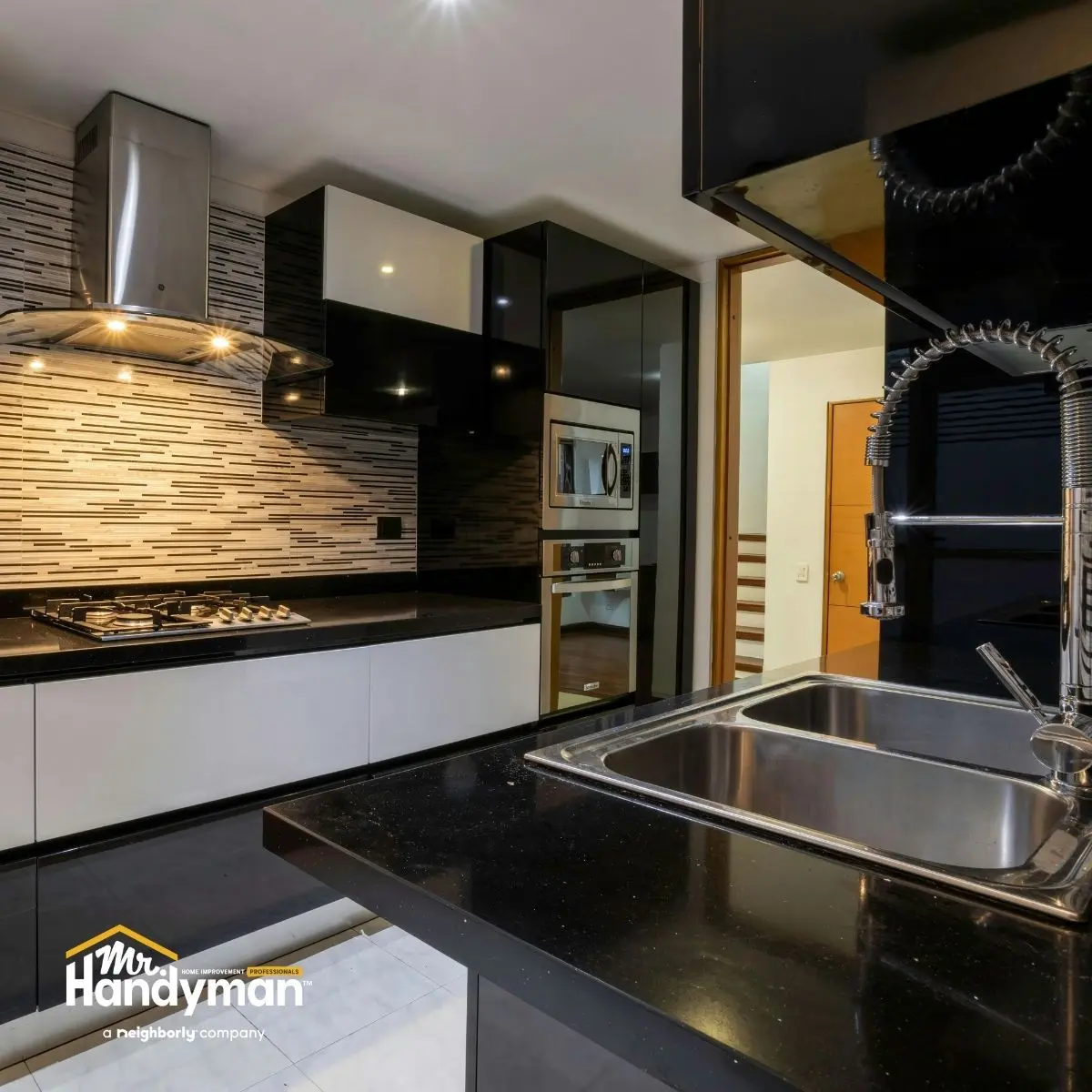
Kitchens sell homes. When potential buyers walk through a house, the kitchen is one of the primary evaluation points. Outdated, worn, or mismatched fixtures signal deferred maintenance and create doubt about what other problems might be lurking. Modern, cohesive fixtures suggest the home has been well-maintained and that systems are up to date. Even if you're not selling immediately, keeping your kitchen current protects resale value and makes your home more competitive when you do decide to sell.
Fixture upgrades are relatively inexpensive compared to full kitchen remodels, but they deliver disproportionate visual impact. A new faucet with a contemporary finish—matte black, brushed nickel, or stainless steel—immediately updates the room's aesthetic. Matching the faucet finish to cabinet hardware and appliances creates a coordinated look that feels intentional and polished. This attention to detail registers with buyers and appraisers.
Functional improvements also add value. A touchless faucet, a powerful quiet disposal, or a pot filler installed above the stove are features that appeal to buyers who cook regularly or value modern convenience. These aren't standard in older homes, so their presence differentiates your property from similar listings in the neighborhood.
Choosing the Right Fixtures for Your Kitchen Layout
Not every faucet works in every kitchen. Sink configuration, counter depth, and cabinet placement all influence which fixtures function best in your space. A single-handle faucet with a pull-down sprayer might be ideal for a deep farmhouse sink but awkward on a shallow drop-in model. A wall-mounted faucet works beautifully in some designs but requires specific plumbing configurations that aren't present in most Oklahoma homes.
Consider how you actually use your kitchen. If you cook frequently and fill large pots, a high-arc faucet with excellent clearance matters. If you primarily rinse dishes before loading a dishwasher, a standard-height faucet with a strong spray function is more practical. Families who hand-wash dishes benefit from fixtures with separate side sprayers that allow one person to wash while another rinses. Single-handle faucets offer one-handed temperature and flow control, useful when your other hand is holding a dish or pot.
Faucet reach is equally important. The spout should extend far enough to deliver water to the center of the sink without overshooting and splashing the backsplash. Measure your sink dimensions and compare them to faucet specifications before purchasing. A mismatch here creates daily frustration—water that hits the edge of the sink and splashes back, or a spout that doesn't reach the drain properly for filling pots.
For garbage disposals, match the horsepower to your household's needs. A half-horsepower disposal handles light use in a one or two-person household. Three-quarter horsepower suits average families. One horsepower or greater is appropriate for large families or homes where cooking generates significant food waste. Undersized disposals jam frequently and wear out quickly. Oversized units are unnecessarily expensive and consume more electricity without providing meaningful benefits.
Finish selection affects both appearance and maintenance. Polished chrome shows water spots and fingerprints but is easy to clean and resists corrosion. Brushed nickel hides smudges better and complements both modern and traditional kitchens. Matte black creates a bold contemporary look but requires regular wiping to prevent soap residue buildup. Stainless steel matches appliances and is extremely durable but can show scratches over time. Choose a finish that fits your aesthetic preferences and your willingness to maintain it.
Understanding Installation Requirements and Costs
Installing a new kitchen faucet isn't always straightforward, especially in older homes. The number of holes in your sink or countertop determines which faucets will fit. A single-hole installation accepts faucets with integrated sprayers or single-handle designs. Three-hole configurations accommodate faucets with separate hot and cold handles or models with side sprayers. Four-hole setups allow for additional accessories like soap dispensers or filtered water taps.
If your current sink has more holes than your desired faucet requires, deck plates can cover unused openings. If you want a faucet that requires more holes than you have, you'll need to drill additional openings in the sink or countertop—possible with stainless steel sinks but difficult or impossible with porcelain, cast iron, or solid surface materials. Understanding these limitations before purchasing prevents compatibility issues.
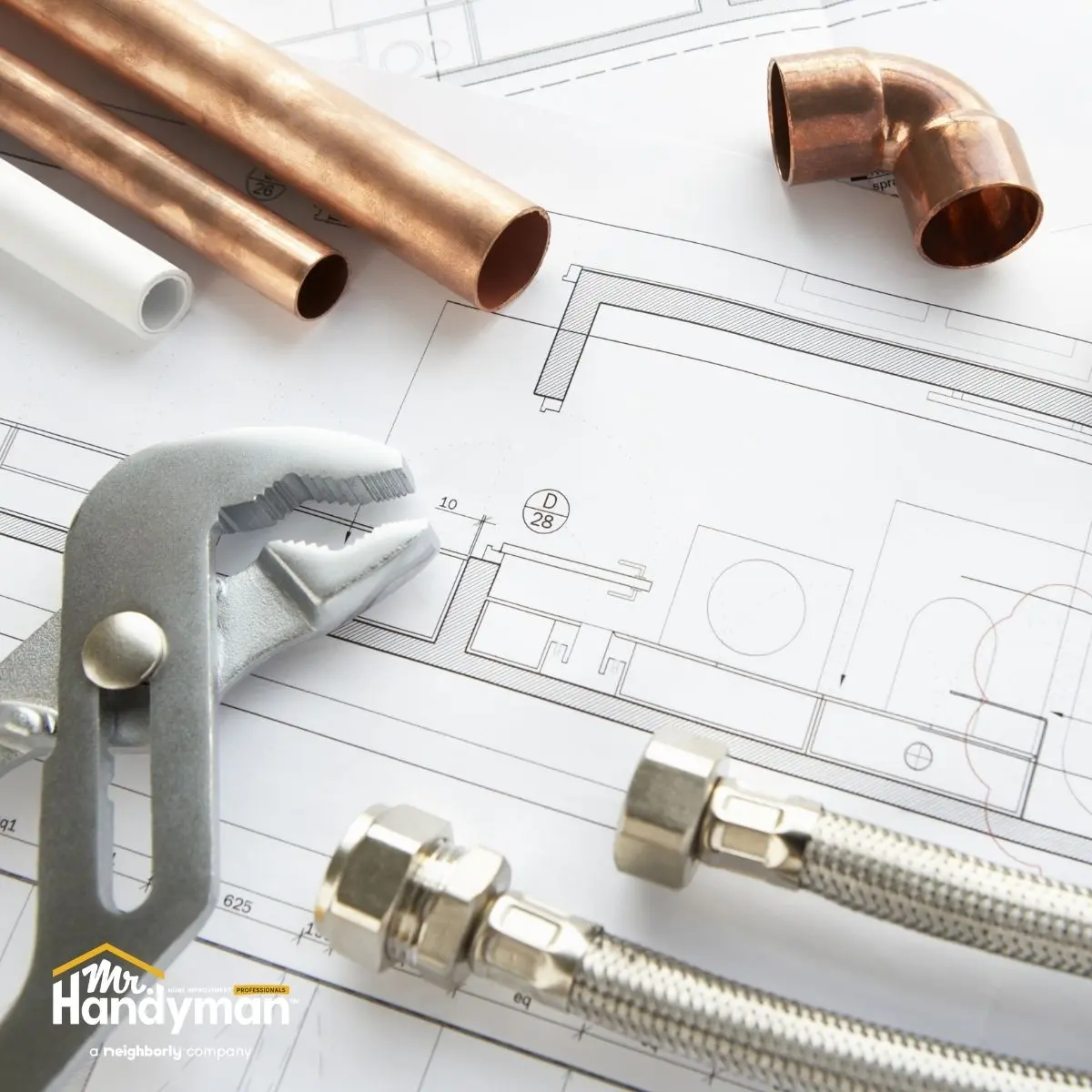
Supply line connections also vary. Modern faucets typically use flexible braided supply lines that connect easily to standard shutoff valves. Older homes might have rigid copper supply lines that need adaptation or replacement. Corroded shutoff valves that haven't been turned in years can break when you attempt to close them, requiring valve replacement before the faucet installation can proceed. These aren't reasons to avoid upgrading—they're simply realities that affect project scope and cost.
Garbage disposal installation involves both plumbing and electrical work. The disposal mounts to the sink drain and connects to the dishwasher drain line and the main drain pipe. It requires a dedicated electrical circuit, typically controlled by a wall switch. Older homes may have disposals hardwired directly to the switch. Modern code prefers a plug-and-outlet configuration that makes replacement easier. Upgrading to current standards during disposal replacement improves safety and simplifies future maintenance.
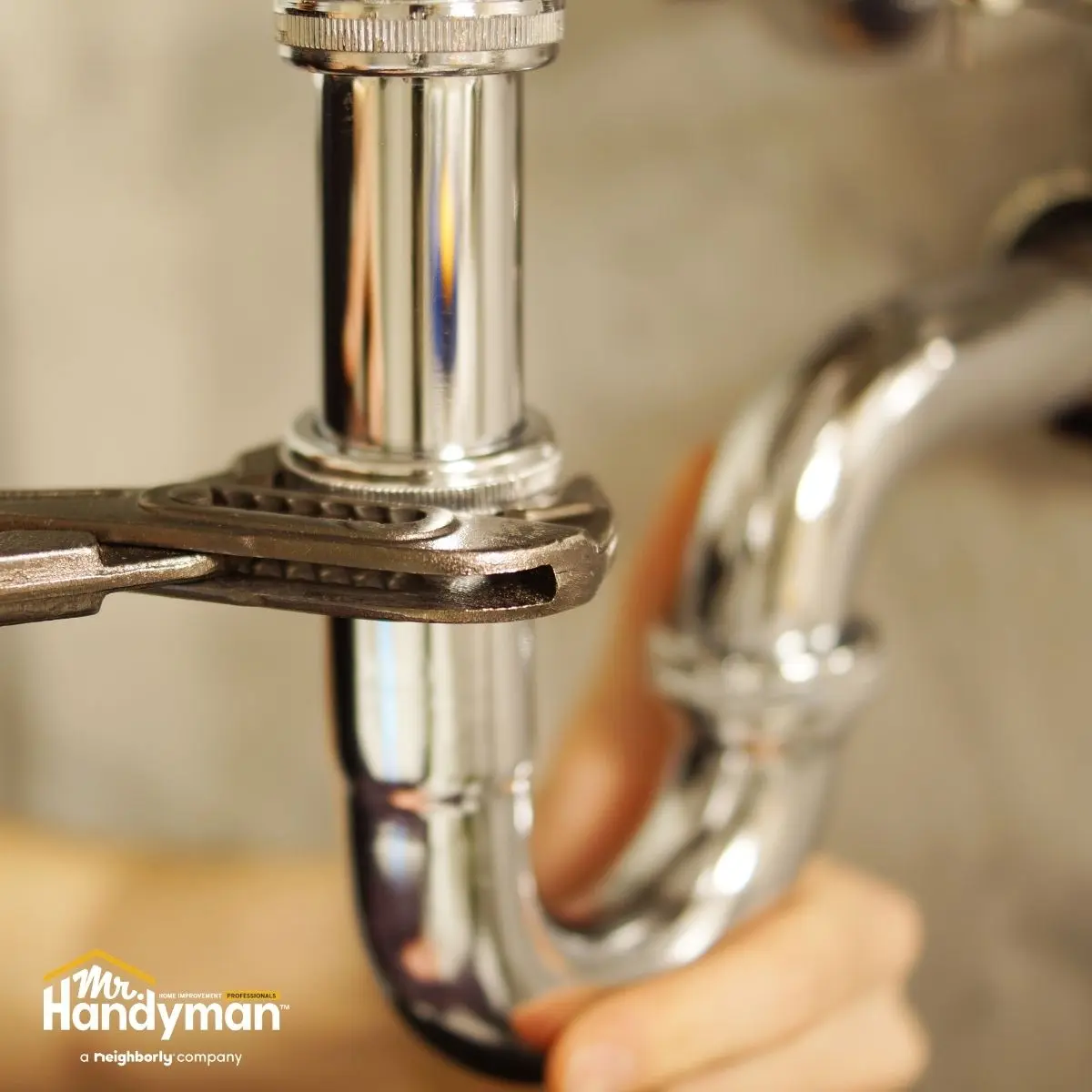
Professional installation ensures fixtures are properly seated, sealed, and secured. Incorrectly installed faucets can leak at the base, drip from loose connections, or wobble during use. Disposals that aren't properly mounted can detach under load or leak at the sink flange. The cost of professional installation is modest compared to the expense of repairing water damage from a failed DIY job or dealing with a malfunctioning fixture that was never set up correctly.
Maintenance Practices That Extend Fixture Lifespan
Even high-quality fixtures require basic maintenance to perform optimally over their lifespan. Faucet aerators should be removed and cleaned every few months to prevent mineral buildup that restricts flow. Unscrew the aerator, soak it in vinegar to dissolve deposits, scrub with an old toothbrush, and rinse before reinstalling. This simple task maintains water pressure and prevents uneven spray patterns.
Wipe down faucets after use to prevent water spots and soap residue from hardening on the surface. This is particularly important with matte finishes that can develop permanent staining if residues aren't removed regularly. Use mild soap and water rather than abrasive cleaners that scratch finishes or damage protective coatings.
Garbage disposals stay cleaner and smell fresher with regular use and proper operation. Run cold water before turning on the disposal and let it continue running for several seconds after grinding stops. Cold water solidifies fats and oils, allowing them to be ground up and flushed away rather than coating the grinding chamber. Periodically grind ice cubes and citrus peels to clean the blades and freshen the drain. Avoid putting fibrous materials, expandable foods like rice or pasta, or hard items like bones into the disposal.
Check under the sink periodically for signs of moisture or leaks. Even a small drip at a connection point can go unnoticed until it damages cabinetry or creates mold growth. Catching leaks early allows for simple tightening or washer replacement before the problem escalates.
Frequently Asked Questions About Kitchen Plumbing Fixtures
How long do modern kitchen faucets typically last?
Quality faucets with ceramic disc cartridges can last twenty years or more with proper maintenance. Budget models may need replacement in five to seven years. Lifespan depends on water quality, usage frequency, and build quality. Hard water and heavy daily use accelerate wear.
Will a new faucet fit my existing sink?
Most likely, but verify hole configuration first. Count the number of holes in your sink or countertop and compare to the faucet specifications. Single-hole faucets need one opening. Some require three holes for separate handles or sprayers. Deck plates can cover extra holes if needed.
Are touchless faucets reliable for everyday use?
Modern touchless faucets are highly reliable when properly installed. Battery-powered models last a year or more between battery changes. Hardwired models eliminate battery maintenance. Sensor technology has improved significantly and works consistently in normal kitchen conditions.
Do high-efficiency faucets feel different when you use them?
Not noticeably. Aerators mix air with water to maintain pressure and cleaning power while using less volume. Most people can't tell the difference between a modern efficient faucet and an older high-flow model during normal use.
Taking the Next Step Toward Better Kitchen Function
Kitchen plumbing fixtures are foundational to how you use the space. When they work well, daily tasks flow smoothly. When they don't, every interaction with the sink becomes an irritation. The good news is that upgrading fixtures delivers immediate, tangible improvements. Better water pressure, quieter operation, easier cleaning, lower utility bills, and enhanced convenience all happen the day the new fixtures are installed.
Waiting to upgrade doesn't make financial sense if current fixtures are already showing age or inefficiency. A leaking faucet wastes money every month. A failing disposal jams repeatedly and risks complete failure at an inconvenient time. Outdated fixtures use more water and energy than necessary. Addressing these issues now prevents escalation and captures the benefits of modern technology sooner rather than later.
Professional installation ensures fixtures perform as designed and last as long as the manufacturer intended. Proper sealing prevents leaks. Correct electrical connections on disposals ensure safe operation. Matching fixtures to your sink configuration and household needs means you get equipment that actually fits how you live rather than something that looked good in the store but doesn't suit your space.
Mr. Handyman of Central Oklahoma City and Mr. Handyman of S. Oklahoma City and Norman provide expert fixture installation and replacement services for homeowners throughout the region. From selecting appropriate fixtures for your kitchen layout to ensuring professional installation that meets code and manufacturer specifications, experienced handyman professionals make the upgrade process straightforward and reliable.
Improve your kitchen's efficiency, functionality, and value with modern plumbing fixtures. Schedule a consultation or installation today. Contact Mr. Handyman of Central Oklahoma City or visit https://www.mrhandyman.com/central-oklahoma-city/. Homeowners in South Oklahoma City and Norman can reach Mr. Handyman of S. Oklahoma City and Norman or visit https://www.mrhandyman.com/northern-montgomery-county/. Experience the difference quality fixtures and professional installation make in the heart of your home.