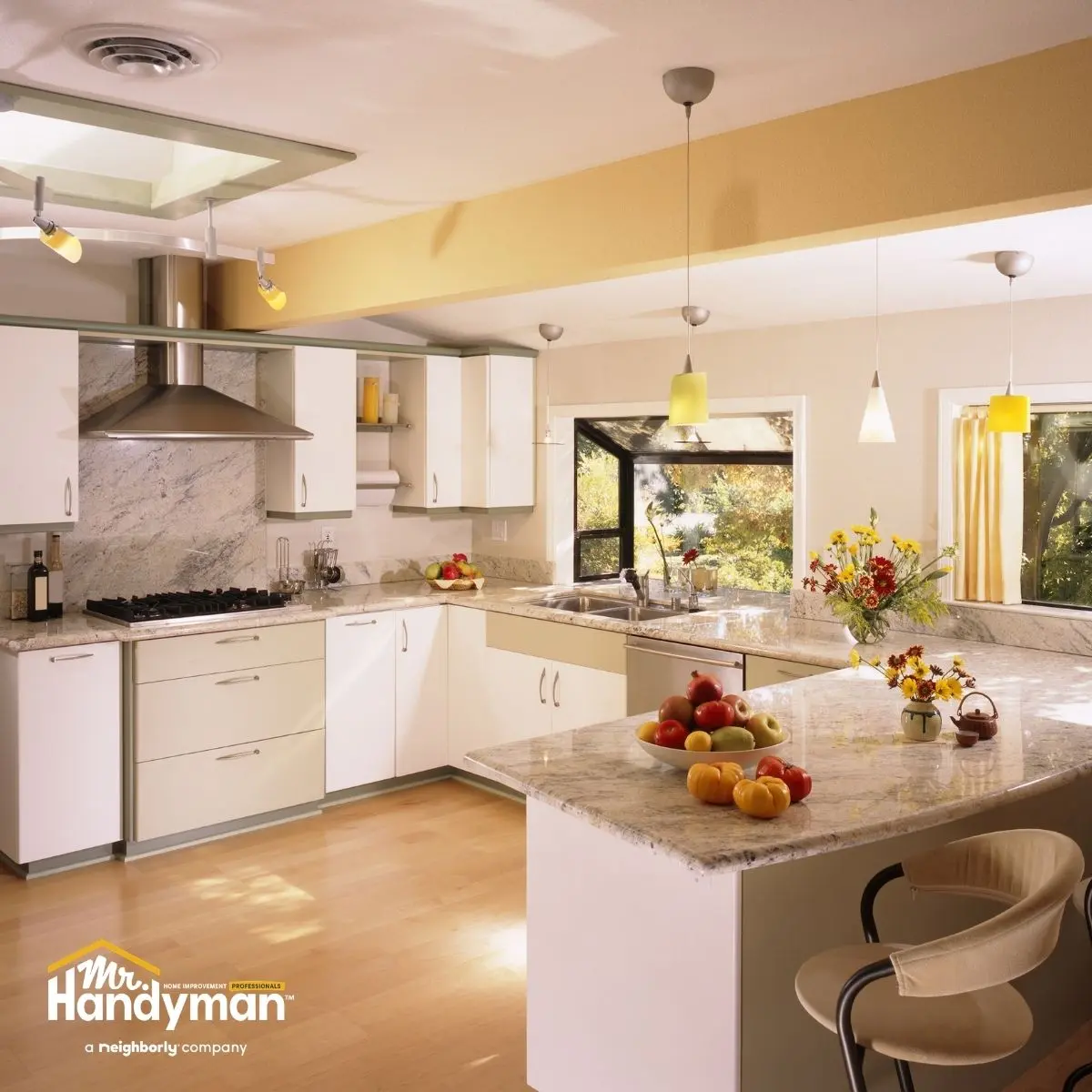
Summer entertaining centers on the kitchen. Whether you're hosting backyard barbecues, family gatherings, or casual dinners with friends, the kitchen becomes command central for food preparation, serving, and the inevitable congregation of guests who ignore the carefully arranged seating outside and cluster around the island instead. A kitchen that functions poorly—limited counter space, inadequate storage, inefficient layout, or outdated appliances—turns entertaining from enjoyable to stressful. You spend more time managing kitchen limitations than enjoying your guests.
Spring is the critical planning window for kitchen remodeling. Projects started now can complete before peak entertaining season arrives in June and July. Waiting until May to begin planning means construction extends into summer when you want to be using the space, not living without it. Kitchen remodels disrupt daily life significantly. You lose access to cooking facilities, storage, and often adjacent living areas during construction. Planning the project for spring completion means the inconvenience happens during moderate weather when outdoor grilling can supplement limited cooking capacity and when social calendars are lighter.
In Central Oklahoma City, South Oklahoma City, and Norman, kitchen remodeling also needs to account for the region's specific challenges. Older homes have layouts designed for different eras—small, closed-off kitchens intended for one person cooking while family gathered elsewhere. Modern entertaining demands open concepts, generous counter space, and kitchens integrated with living areas. Structural changes to achieve these layouts require careful planning, proper permitting, and professional execution that respects the home's existing systems and foundation.
The difference between a successful kitchen remodel and one that delivers disappointing results or runs over budget comes down to planning. Homeowners who rush into remodeling with vague ideas about wanting "something nicer" inevitably face decisions they're unprepared to make, change orders that inflate costs, and compromises that leave them unsatisfied. Those who invest time upfront defining goals, establishing realistic budgets, and making material selections before construction begins get kitchens that function exactly as needed and complete on schedule.
Defining Your Kitchen Remodeling Goals
Kitchen remodeling serves different purposes for different households. Some homeowners need better functionality—more storage, improved workflow, modern appliances. Others prioritize aesthetics—updated finishes, contemporary style, cohesive design. Many want both. The first step in planning is articulating exactly what you want the remodeled kitchen to accomplish. Vague goals like "make it nicer" or "update it" don't provide enough direction for making the hundreds of specific decisions a remodel requires.
Consider how you actually use your kitchen daily and during entertaining. Do you cook elaborate meals requiring extensive prep space and multiple appliances running simultaneously? Do you bake frequently and need dedicated areas for rolling dough and cooling racks? Do guests always end up in the kitchen regardless of where you intended them to gather? Does your current layout force you into inefficient movement patterns—constantly crossing the room to access the refrigerator, stove, and sink?
List specific frustrations with your current kitchen. Not enough counter space for meal prep. Inadequate cabinet storage forcing you to keep small appliances on counters. Poor lighting making food preparation difficult. Outdated appliances that don't perform reliably. Flooring that shows every spill and wear pattern. A layout that isolates whoever's cooking from family or guests in adjacent rooms. These concrete problems inform remodeling decisions far better than general dissatisfaction.
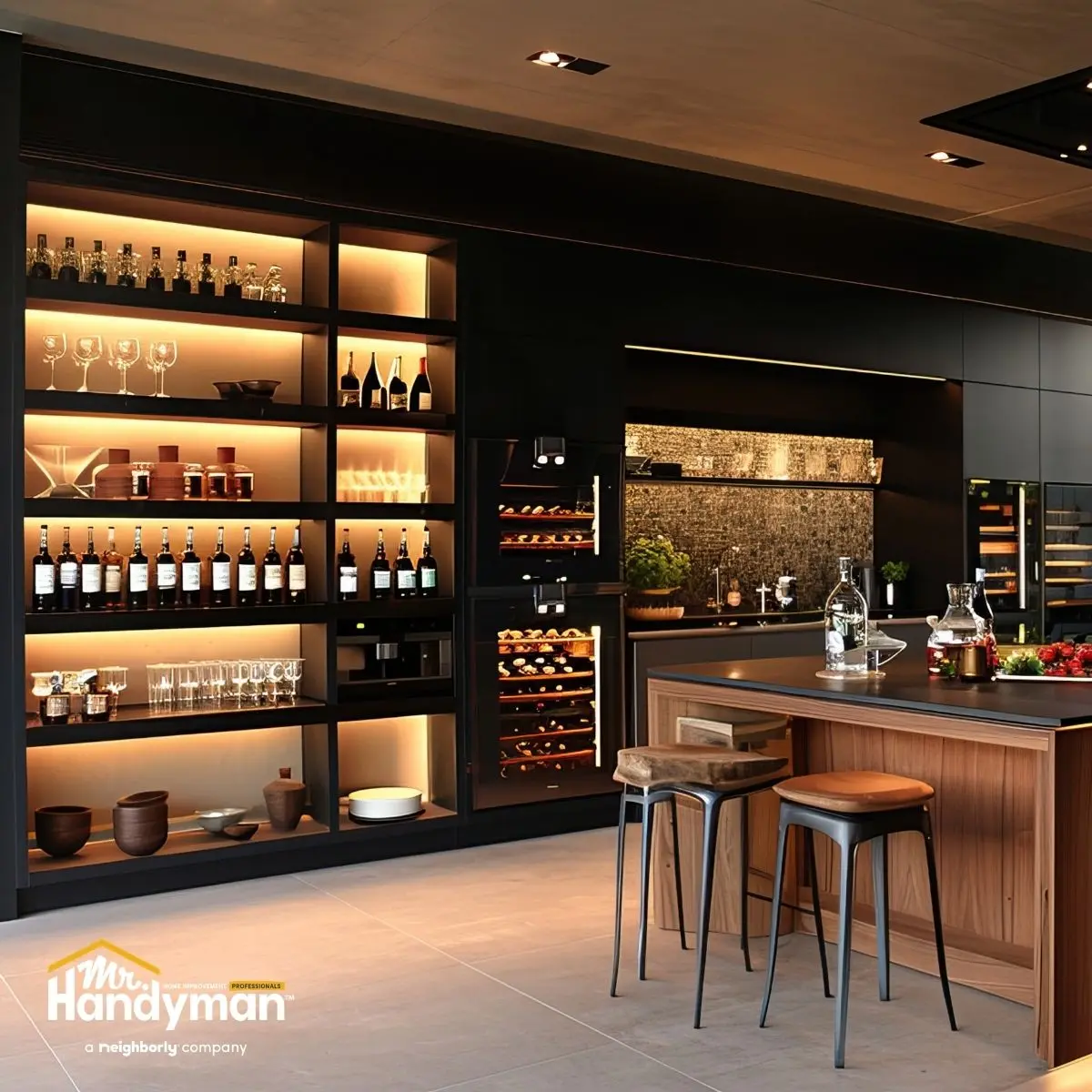
Define your entertaining needs specifically. How many people do you typically host? Do you need seating at an island or peninsula for casual gatherings? Do you serve buffet-style requiring long stretches of counter space for food layout? Do you need a beverage station separate from the main work triangle so guests can access drinks without disrupting cooking? Understanding how the kitchen functions during entertaining—not just daily cooking—ensures the remodel supports both uses.
Establish non-negotiables versus preferences. Some elements might be essential—you absolutely need a dishwasher that's quieter than your current one, or you must have gas cooking rather than electric. Other elements are desirable but flexible—you'd prefer a farmhouse sink but could accept an undermount if budget requires. Distinguishing between must-haves and nice-to-haves prevents overspending on preferences while missing essentials.
Setting a Realistic Budget and Timeline
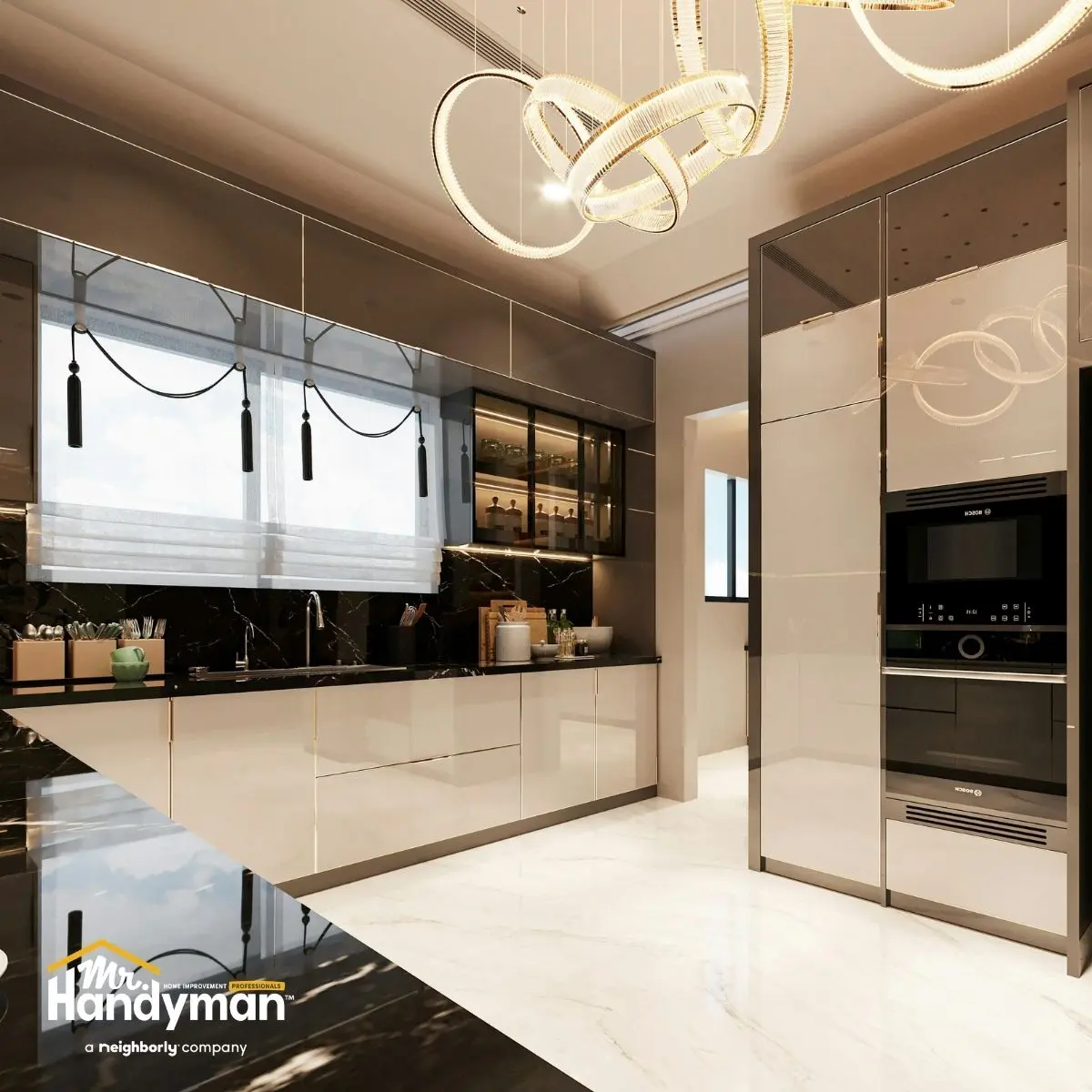
Kitchen remodeling costs vary enormously depending on scope, materials, and whether structural changes are involved. A minor refresh—new countertops, updated backsplash, fresh paint, and modern hardware—might cost five to ten thousand dollars. A mid-range remodel including new cabinets, appliances, flooring, and lighting typically runs twenty to forty thousand. A high-end renovation with custom cabinets, premium appliances, and structural modifications can exceed seventy-five thousand. Understanding these ranges helps set realistic expectations.
Start by determining what you can actually afford without creating financial stress. Kitchen remodeling shouldn't require depleting emergency funds or taking on high-interest debt. If your realistic budget is twenty thousand dollars, design a project that delivers maximum impact within that amount rather than attempting a forty-thousand-dollar design that leaves you half-finished or financially strained. Quality execution of a modest remodel beats incomplete execution of an ambitious one.
Allocate budget across categories strategically. Cabinets typically consume forty to fifty percent of kitchen remodeling budgets. Countertops and backsplash account for ten to fifteen percent. Appliances represent another fifteen to twenty percent. Flooring, lighting, plumbing fixtures, and labor divide the remainder. If you're committed to high-end appliances, you'll need to make concessions elsewhere—perhaps choosing stock cabinets over custom, or quartz counters over marble.
Build contingency into your budget. Remodeling invariably uncovers unexpected issues—outdated wiring that doesn't meet code, water damage behind old tile, structural modifications required for desired layout changes. A contingency fund of fifteen to twenty percent of your total budget provides cushion for these discoveries without derailing the project or forcing you into debt. Without contingency, unexpected costs create panic and poor decision-making.
Timeline planning requires understanding project phases and how long each takes. Design and planning—finalizing layout, selecting materials, ordering cabinets and appliances—takes four to eight weeks. Demolition and rough-in work—removing old materials, updating electrical and plumbing, making structural changes—requires one to two weeks. Installation of cabinets, countertops, flooring, and fixtures takes another two to three weeks. Final details—backsplash, painting, hardware—add another week. A typical kitchen remodel spans two to four months from initial planning through completion.
For a kitchen ready by early June, you should begin planning by late February or early March. This allows time for design decisions, ordering materials with lead times that can extend weeks or months for custom cabinets and specialty appliances, and completing construction before summer entertaining begins. Rushing the timeline compromises quality and increases stress for everyone involved.
Choosing Layout Changes and Workflow Improvements
Kitchen layouts follow established patterns because certain configurations simply work better for cooking and entertaining. The work triangle—the relationship between sink, stove, and refrigerator—remains relevant because efficient kitchens minimize unnecessary movement between these three primary work zones. If your current layout forces you to walk across the entire room to move from sink to stove, remodeling offers the opportunity to correct this inefficiency.
Assess whether your current layout can be improved within existing footprint or whether walls need to be moved to achieve better function. Removing a wall between kitchen and dining room creates open concept flow that supports entertaining but requires structural evaluation to ensure the wall isn't load-bearing. If it is, alternatives like wider openings with support beams may provide similar openness without the cost and complexity of major structural work.
Islands add workspace, storage, and seating but require adequate clearance on all sides. Building codes typically require forty-two inches of clearance around islands for safe passage and cabinet access. In smaller kitchens, adding an island might create congestion that negates any functional benefit. Conversely, large kitchens benefit from islands that reduce walking distances and create defined work zones.
Peninsula configurations attach to existing cabinetry or walls, providing many island benefits without requiring clearance on all sides. They work well in kitchens too small for islands but needing additional counter space and casual seating. Peninsulas also help define kitchen boundaries in open-concept floor plans without closing off the space entirely.
Consider whether your kitchen's relationship to outdoor spaces supports summer entertaining. If you're hosting backyard gatherings, easy kitchen access to the patio or deck matters. A door positioned near the refrigerator or serving counter facilitates moving food and drinks outside. Windows overlooking outdoor spaces allow whoever's inside cooking to remain connected with guests outside.
Storage needs drive cabinet configuration decisions. Deep drawers for pots and pans, pull-out shelving for small appliances, dedicated spaces for baking sheets and cutting boards—these specialized storage solutions eliminate clutter and improve efficiency. Pantry space, whether a walk-in closet or tall pull-out cabinet, keeps dry goods organized and accessible. Corner cabinets with lazy susans or pull-out systems make previously wasted space functional.
Selecting Materials That Balance Style and Durability
Material selections define your kitchen's aesthetic while determining how well it withstands daily use and entertaining demands. The choices are overwhelming—dozens of cabinet styles, countless countertop options, endless tile patterns. Narrowing selections requires balancing personal preferences with practical performance, budget constraints, and how materials interact to create cohesive design.
Cabinet selection impacts both appearance and budget significantly. Stock cabinets from big-box retailers offer the lowest cost and fastest availability but limited size options and basic construction. Semi-custom cabinets provide more size flexibility and finish choices at moderate price increases. Custom cabinets deliver exact specifications and premium materials but cost substantially more and require longer lead times. For spring completion, order cabinets by late March at the latest—custom orders can take twelve weeks or longer.
Cabinet finish affects both style and maintenance. Painted cabinets in white, gray, or navy create contemporary looks but show fingerprints and require careful cleaning to prevent damage. Stained wood cabinets showcase natural grain and hide minor wear better but feel traditional rather than modern. Thermofoil and laminate finishes resist moisture and clean easily but can peel or delaminate over time. Choose finishes that match your maintenance willingness and design preferences.
Countertop materials vary dramatically in cost, durability, and maintenance requirements. Quartz offers consistent appearance, requires no sealing, resists staining, and tolerates heat reasonably well. It's become the default choice for many remodels because it balances performance with aesthetics at mid-range pricing. Granite provides natural stone beauty with unique patterns but requires periodic sealing and can chip at edges. Marble delivers timeless elegance but stains easily and etches from acidic foods—beautiful but high-maintenance.
Butcher block counters add warmth and function as cutting surfaces but require regular oiling and protection from water damage. Laminate costs least but shows seams prominently and damages easily from heat and scratches. For entertaining-focused kitchens where counters endure heavy use, durability matters as much as appearance. Choose materials that maintain their looks despite frequent cleaning, hot dishes, and occasional impacts.
Backsplash connects counters and cabinets visually while protecting walls from cooking splatters. Subway tile remains popular because it's classic, affordable, and available in numerous colors and finishes. Glass tile creates shimmer and depth but costs more and requires precise installation. Natural stone backsplash coordinates with stone counters but needs sealing like countertops. Large-format tiles or slab backsplash minimize grout lines for easier cleaning. Select materials that complement your countertop choice without competing visually.
Flooring must withstand spills, dropped items, and constant foot traffic. Luxury vinyl plank offers wood appearance with superior water resistance and comfort underfoot. It costs less than hardwood while performing better in kitchens where moisture is constant. Porcelain tile provides extreme durability and endless style options but feels hard and cold. Engineered hardwood brings authentic wood character with better moisture tolerance than solid hardwood. Avoid materials requiring frequent resealing or showing every scratch—kitchens see too much abuse for high-maintenance flooring.
Planning for Appliances and Lighting
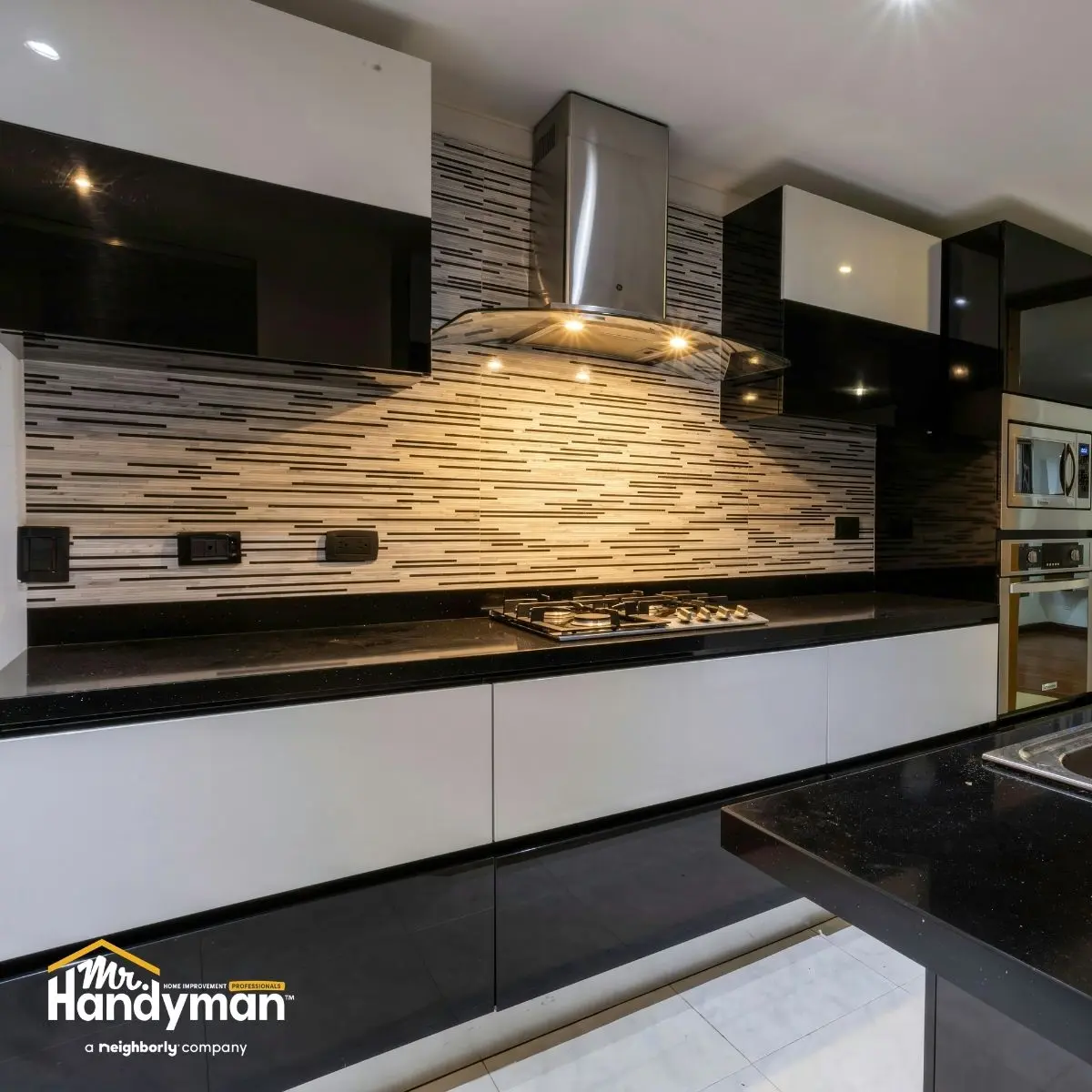
Appliance selection impacts both function and budget substantially. Determine whether you're keeping existing appliances or replacing them as part of the remodel. New appliances offer improved energy efficiency, modern features, and cohesive appearance when finishes match throughout. However, quality appliances represent significant investment—a complete package including refrigerator, range, dishwasher, and microwave easily exceeds five thousand dollars.
Refrigerator size and configuration affect kitchen layout. Counter-depth models sit flush with cabinetry for streamlined appearance but offer less storage than standard-depth units that protrude several inches. French-door refrigerators provide wide shelves and eye-level access to fresh food but cost more than traditional top-freezer models. Consider your actual storage needs and whether aesthetics justify paying premium for counter-depth or specialty configurations.
Range choice between gas and electric depends on existing utilities and cooking preferences. Gas provides instant heat control that serious cooks prefer, but requires gas line access. Electric smoothtop ranges simplify cleaning and cost less but lack the precise temperature control of gas. Induction cooking offers the best of both—precise control, fast heating, easy cleaning—but requires compatible cookware and costs more than standard electric.
Dishwasher performance varies enormously by price point. Budget models are loud and clean adequately. Mid-range units run quietly and include features like adjustable racks and sanitize cycles. Premium dishwashers operate nearly silently and deliver superior cleaning with advanced spray systems. For entertaining-focused kitchens where the dishwasher runs frequently—sometimes during gatherings—quiet operation justifies the investment.
Ventilation requirements depend on cooking habits and range output. Powerful gas ranges produce significant heat and combustion byproducts requiring robust ventilation. Range hoods must vent outside whenever possible—recirculating hoods that filter and return air don't remove heat or moisture effectively. Size the hood to cover the entire cooktop with at least three inches overlap on each side for proper capture.
Lighting transforms kitchen functionality and ambiance. Layer three lighting types—general overhead illumination, task lighting over work areas, and accent lighting for visual interest. Recessed ceiling fixtures provide general light without interfering with sightlines in open concepts. Under-cabinet LED strips illuminate counters for food prep without creating shadows. Pendant lights over islands deliver task lighting while serving as design elements. Dimmer switches allow adjusting light levels from bright task lighting during cooking to softer ambient lighting during entertaining.
Coordinating Contractors and Managing Construction
Successful kitchen remodels require coordinating multiple trades—demolition crews, electricians, plumbers, cabinet installers, countertop fabricators, tile setters, painters. General contractors manage these relationships and scheduling, ensuring work happens in proper sequence and trades don't interfere with each other. Attempting DIY coordination saves contractor fees but requires availability, construction knowledge, and ability to problem-solve when issues arise.
Interview multiple contractors before selecting one. Ask for references from recent kitchen projects and actually contact them. View completed work to assess quality standards. Verify licensing and insurance—unlicensed contractors create liability risks and often lack expertise for proper permitting and code compliance. Get detailed written estimates breaking down labor and material costs. The lowest bid isn't always the best choice if it reflects cut corners or unrealistic timelines.
Frequently Asked Questions About Kitchen Remodeling
How long will I be without a functioning kitchen?
Expect four to eight weeks depending on project scope. Minor updates might allow partial kitchen use throughout. Major remodels require complete shutdown during demolition, rough-in work, and installation phases. Plan alternative cooking arrangements accordingly.
Can I stay in my home during kitchen remodeling?
Yes, though it's disruptive. Dust travels despite containment efforts. Construction noise starts early and continues through the day. Loss of kitchen access affects daily routines significantly. Some homeowners choose to stay with family or rent short-term housing during intensive construction phases.
What's the most common remodeling mistake?
Inadequate planning and rushed material selections. Homeowners who make decisions under pressure during construction often regret choices. Finalize all selections before demolition begins. Changes during construction create delays and increase costs.
Should I buy appliances before or during the remodel?
Order early but coordinate delivery with installation timing. Appliances sitting in garages or storage risk damage. However, models can sell out or go on backorder, so secure orders early and schedule delivery for when installation is ready.
Do I need permits for kitchen remodeling?
Almost always, yes. Electrical, plumbing, and structural work require permits ensuring code compliance and safety. Unpermitted work creates problems during home sales and leaves you liable for code violations. Reputable contractors handle permitting as part of their services.
Finalizing Details Before Construction Begins
The week before demolition, confirm all materials are ordered and delivery schedules established. Cabinets should be on order with confirmed lead times. Countertop templates can't happen until cabinets install, but material selection should be finalized. Appliances should be ordered with delivery coordinated to installation timing. Tile, flooring, lighting fixtures, and plumbing fixtures should be selected, purchased, and stored ready for installation.
Walk through the project plan with your contractor one final time. Review the layout, confirm material selections match what's been ordered, verify the work sequence, and establish the timeline. Address any outstanding questions before work begins—changes during construction cost more and create delays.
Set up communication systems. Exchange contact information with your contractor and key tradespeople. Establish check-in schedules and decision-making processes for questions that arise during work. Clear communication prevents assumptions that lead to errors.
Prepare your household for disruption. Inform family members about the timeline, limitations during construction, and alternative arrangements for meals and daily routines. Patience and flexibility help everyone manage the stress of living through remodeling.
Mr. Handyman of Central Oklahoma City and Mr. Handyman of S. Oklahoma City and Norman provide comprehensive kitchen remodeling services from planning through completion. Whether you're executing a complete renovation or targeted updates to improve function before summer entertaining, experienced professionals ensure quality results on schedule and within budget.
Start planning your kitchen remodel now for completion before summer gatherings begin. Contact Mr. Handyman of Central Oklahoma City or visit https://www.mrhandyman.com/central-oklahoma-city/. Homeowners in South Oklahoma City and Norman can reach Mr. Handyman of S. Oklahoma City and Norman or visit https://www.mrhandyman.com/northern-montgomery-county/. Create the kitchen you need for both daily living and memorable entertaining.