The Room That Makes or Breaks Member Trust
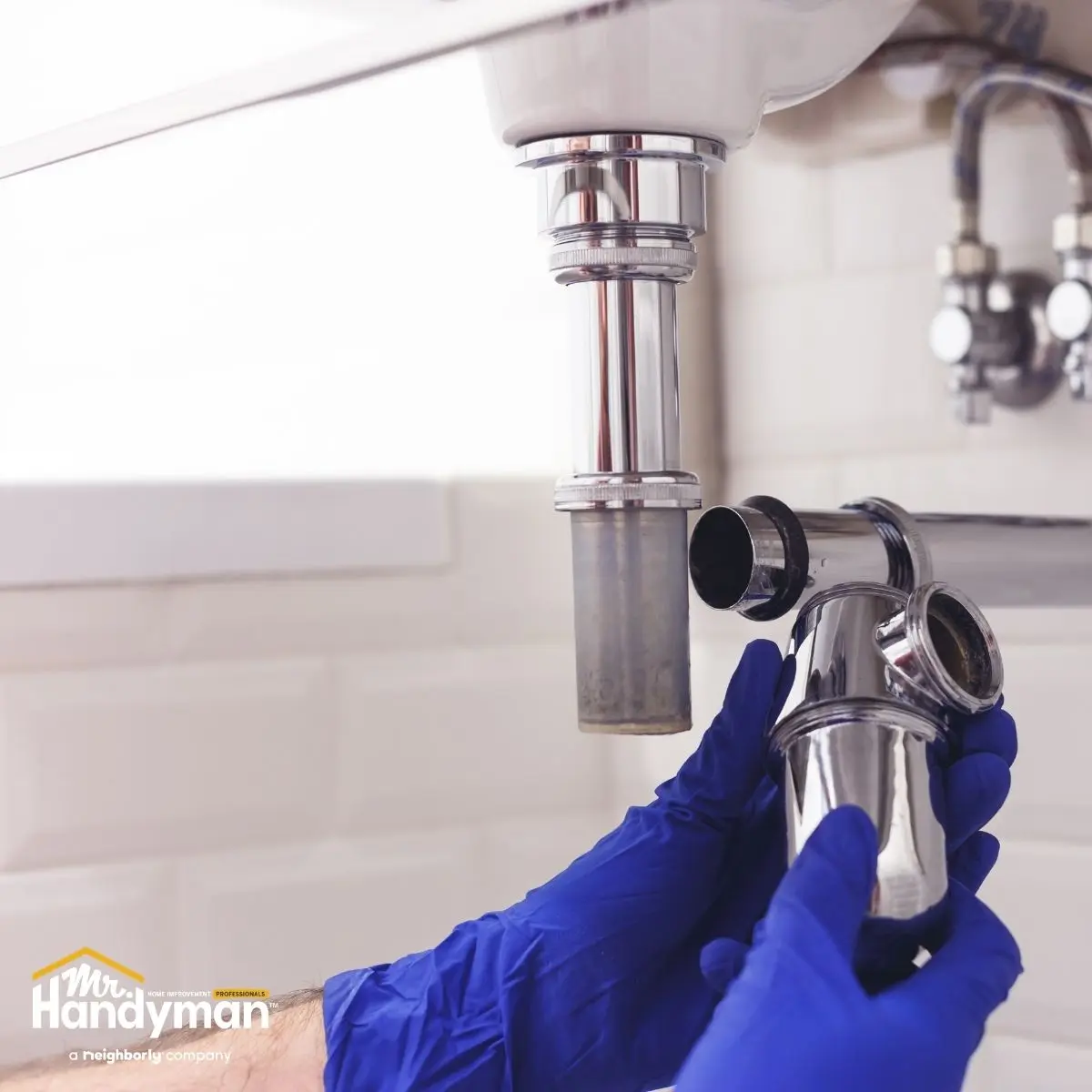
There is a room in every fitness facility that members rarely photograph, never post about on social media, and almost never mention in a positive review. But it is the room they talk about constantly when something goes wrong. The locker room is where members are most physically vulnerable — showering, changing, and moving through a space that hygiene and functional plumbing make either comfortable and safe or deeply unpleasant and concerning. When locker room plumbing works correctly, it is invisible. When it fails, it becomes the defining feature of every member's experience that day.
Gym owners and managers in Oklahoma City and Norman invest heavily in the areas of their facility that members see first — the equipment floor, the lobby, the group fitness studio. These investments are visible, marketable, and easy to connect to membership sales. Locker room plumbing maintenance is none of those things, which is precisely why it is so frequently deferred until a problem becomes impossible to ignore. By the time a plumbing failure in a locker room is impossible to ignore, the reputational damage it creates has usually already begun spreading through member conversations, online reviews, and the quiet but consequential decision by dissatisfied members to look for another facility.
The standard members apply to locker room conditions is not the same standard they apply to other areas of the gym. A scuff on a wall in the weight room registers as wear. A drain that backs up in the shower, a faucet that runs cold when it should run hot, or a persistent odor that signals drainage failure in a locker room registers as a hygiene problem — and hygiene problems in a space where people shower and change their clothes are not forgiven the way cosmetic issues elsewhere in the facility might be.
What Oklahoma's Conditions Add to the Challenge
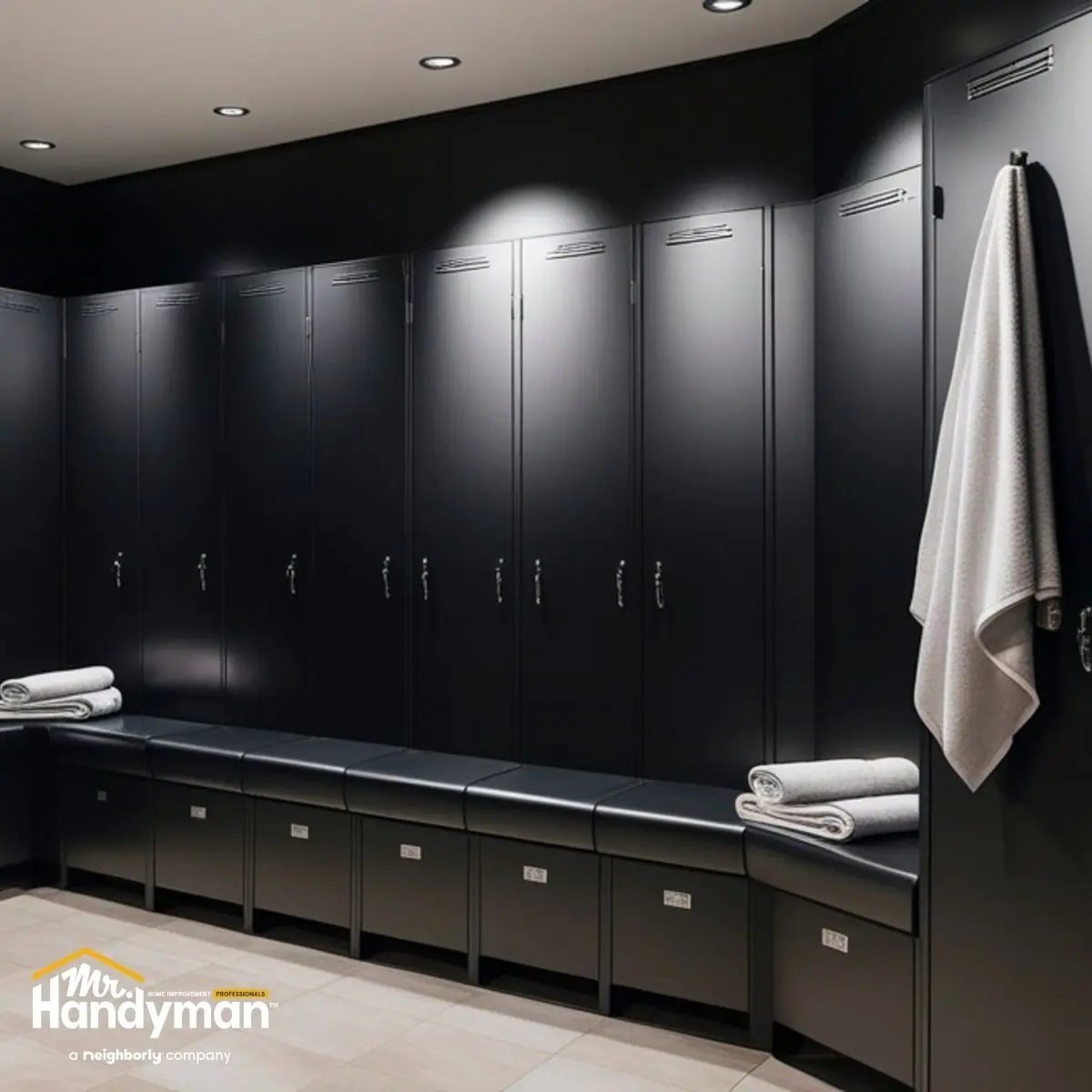
Commercial plumbing systems in fitness facilities across Oklahoma City and Norman operate under conditions that accelerate wear and create maintenance challenges specific to the region. Hard water is a persistent reality throughout central Oklahoma, and its effects on plumbing fixtures, shower heads, faucet aerators, and water heating systems in high-use commercial environments are significant and cumulative.
Hard water deposits — calcium and magnesium minerals that precipitate out of water as it flows through fixtures and sits in water heaters — accumulate continuously in any plumbing system that is not actively managed. In a residential setting, a homeowner might replace a shower head every few years when mineral buildup reduces flow to an unacceptable level. In a commercial fitness facility where dozens of members shower daily, that same buildup process is accelerated dramatically. Shower heads in busy gym locker rooms can reach significant flow restriction within months rather than years if they are not cleaned or replaced on a regular maintenance cycle.
Oklahoma's temperature extremes create additional plumbing stress that facilities in more temperate climates do not experience at the same intensity. The freeze-thaw cycling that central Oklahoma winters deliver stresses pipe joints, valve components, and any plumbing element in exterior walls or poorly insulated spaces. Facilities in older Oklahoma City commercial buildings — where insulation standards were less stringent and mechanical systems have been modified multiple times over decades — are particularly vulnerable to the slow joint failures and valve deterioration that thermal cycling produces over time. These failures rarely announce themselves dramatically. They develop gradually, losing small amounts of water at joints that eventually become significant leaks, or allowing valves to lose their seating in ways that create the chronic dripping and temperature inconsistency that members notice immediately.
Summer heat places its own demands on locker room plumbing systems. Hot water demand in a fitness facility peaks during and after peak training hours, and water heaters that are undersized for the facility's actual usage, scaled internally from mineral deposits, or approaching end of service life will struggle to meet that demand consistently. Members who finish an intense workout and encounter inadequate hot water in the shower are not experiencing a minor inconvenience — they are experiencing a failure of the basic facility promise that membership fees are supposed to deliver.
Drainage Problems and What They Signal to Members
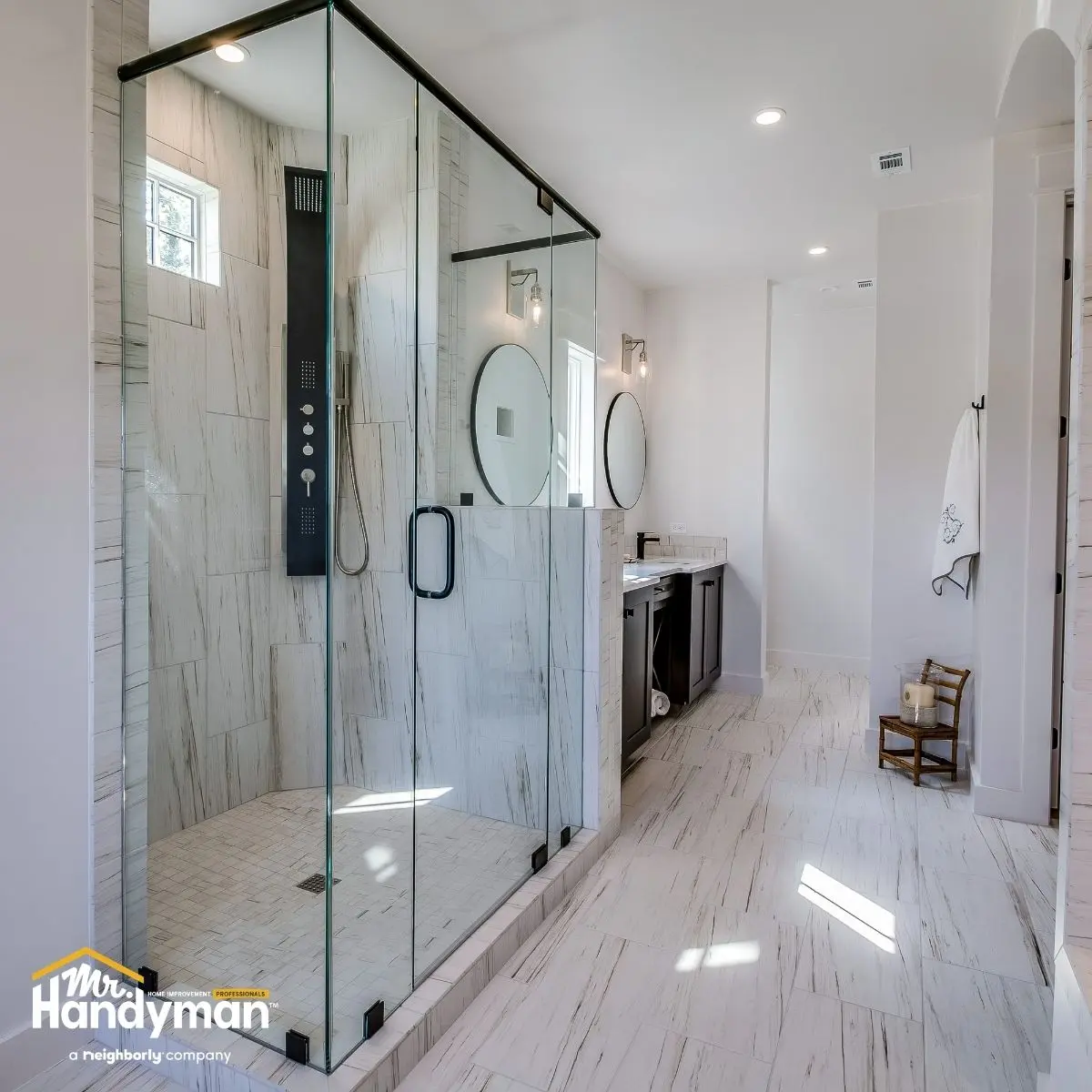
Of all the plumbing issues that affect locker room reputation, drainage failures are the most immediately visible and the most viscerally unpleasant. A shower drain that backs up during use forces members to stand in pooling water that contains the soap, debris, and biological material from every shower taken before theirs. In a commercial gym environment, that reality is not abstract — members understand exactly what is in that water, and the experience creates a hygiene perception that no amount of posted cleaning schedules or air freshener can fully counteract.
Slow shower drains in commercial fitness facilities are almost always the result of one of three conditions: hair and debris accumulation in the trap, biofilm buildup in the drain line, or inadequate drain sizing for the usage load the facility actually experiences. The first two conditions are maintenance issues that a regular cleaning and inspection schedule addresses effectively. The third is a design issue that requires plumbing assessment and potentially drain resizing or additional drainage capacity to resolve properly.
Floor drains in locker rooms and shower areas serve a critical function beyond managing shower water — they handle the incidental water that results from wet floors, cleaning protocols, and the general moisture that a high-use shower environment produces continuously. Floor drains that are partially blocked, improperly trapped, or installed below the surrounding floor level without adequate slope to direct water toward them create standing water conditions that accelerate floor surface deterioration, create slip hazards, and produce the musty drainage odor that is among the most common locker room complaints members voice in online reviews.
In Oklahoma City and Norman facilities where locker rooms were originally designed for lower usage volumes than the facility currently serves, drain capacity is frequently the underlying cause of chronic drainage problems that surface cleaning and trap clearing never fully resolve. Addressing this requires a plumbing assessment that evaluates drain sizing, line pitch, and venting adequacy against the facility's actual usage patterns — not the usage patterns assumed when the space was originally constructed.
Fixture Failures That Members Notice Immediately
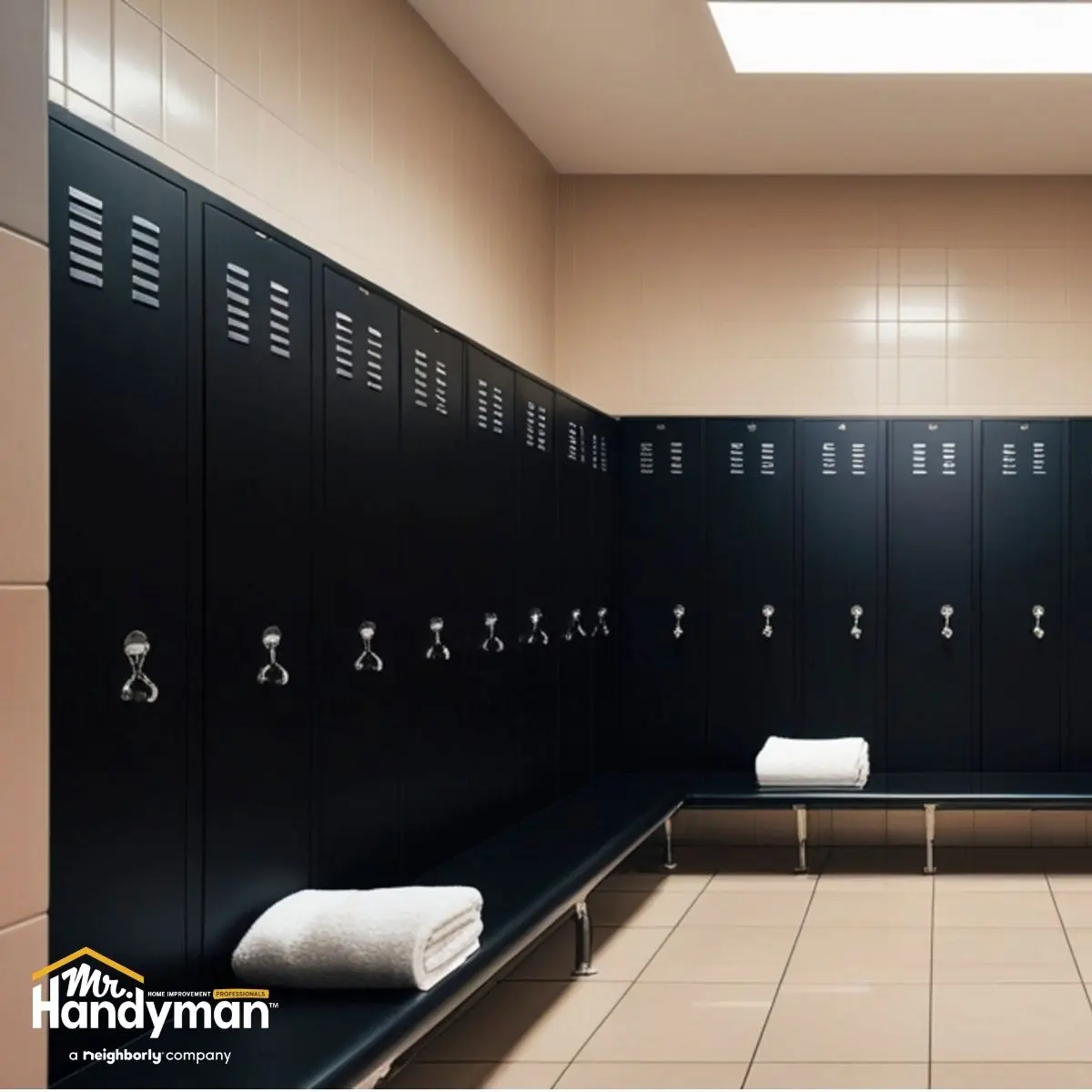
Beyond drainage, the individual fixtures that members interact with directly in locker room environments are the plumbing elements that create the most immediate impression of facility quality and management attention. Faucets, shower valves, toilet flush mechanisms, and urinal flush valves are all high-cycle commercial components that require maintenance attention at intervals that most facility managers underestimate.
Commercial faucet aerators in locker room sink fixtures accumulate mineral deposits from Oklahoma's hard water that progressively restrict flow and create the uneven, splashing stream that members find both frustrating and messy. Replacing or cleaning aerators on a scheduled basis — quarterly in facilities with significant hard water conditions — maintains the consistent, functional flow that members expect and eliminates one of the most common fixture complaints without requiring faucet replacement.
Shower valves in commercial fitness facilities operate through far more cycles per day than any residential valve is designed to handle, and the pressure balancing mechanisms that prevent scalding when toilet flush events change line pressure are components that wear and lose calibration over time. A shower valve that delivers inconsistent temperature — running hot when adjusted to warm, or dropping suddenly to cold when another fixture operates simultaneously — is a member experience failure that generates complaints and, in extreme cases, creates burn risk that carries liability implications.
Toilet and urinal flush valves in high-use commercial locker rooms require periodic diaphragm replacement, handle adjustment, and flow rate calibration to maintain proper function. A running toilet in a locker room is not just a water waste issue — it is a constant auditory signal of deferred maintenance that members in adjacent areas hear and register throughout their visit. In Oklahoma City and Norman, where water costs are a meaningful operational expense for high-use facilities, running toilets and urinals also represent a direct and ongoing financial loss that proper valve maintenance eliminates.
Odor Control and the Plumbing Connection
Persistent odor in locker room environments is one of the most damaging reputation factors a fitness facility can experience, and its most common source is plumbing-related rather than simply a function of cleaning frequency. Members and prospective members who encounter a locker room odor problem attribute it to cleanliness — but the actual source is frequently a dry floor drain trap, a venting failure in the drain system, or a biofilm accumulation in drain lines that cleaning products applied at the surface never reach.
Floor drain traps require water in the trap to maintain the seal that prevents sewer gases from entering the space through the drain. In areas of a locker room that receive infrequent water flow — drains in changing areas rather than shower zones, or floor drains near the periphery of the space — trap water evaporates between uses, breaking the seal and allowing sewer gas to enter the room. Pouring water into unused floor drains regularly, or installing trap primer systems that automatically maintain water levels in commercial floor drain traps, resolves this source of locker room odor at its actual origin rather than masking it with air freshening products that members see through immediately.
Drain vent failures create a related odor problem that is more complex to diagnose and resolve. Plumbing drain systems rely on vent pipes that allow air into the drain system to prevent the siphoning of trap seals that occurs when water movement through drain lines creates negative pressure. When vent pipes are blocked — from debris, bird nests in roof penetrations, or ice accumulation during Oklahoma winter events — negative pressure events pull water from trap seals and allow sewer gas entry through multiple fixtures simultaneously. The resulting odor is pervasive, difficult to localize, and entirely unresolvable without addressing the vent blockage that caused it.
FAQs
How often should commercial locker room plumbing fixtures be professionally inspected?
A comprehensive professional inspection of locker room plumbing — covering fixtures, valves, drain lines, water heater condition, and vent system integrity — should be conducted at minimum annually, with semi-annual inspections recommended for high-use facilities. Daily staff visual checks for obvious issues like running fixtures, slow drains, and visible leaks should supplement professional inspections throughout the year.
What is the most cost-effective locker room plumbing maintenance investment for a gym?
Drain maintenance — regular trap cleaning, drain line flushing, and floor drain trap priming — delivers the highest return of any locker room plumbing maintenance activity. It prevents the drainage failures and odor problems that create the most damaging member experience issues, costs relatively little when performed on a scheduled basis, and avoids the emergency service costs that reactive drain failures generate.
How do I know if my locker room hot water problem is a water heater issue or a distribution issue?
If hot water is slow to arrive at fixtures but eventually reaches adequate temperature, the issue is typically distribution — long pipe runs or inadequate recirculation in the hot water system. If hot water arrives quickly but runs out during peak usage periods or never reaches adequate temperature, the issue is water heater capacity or performance. A plumbing assessment can distinguish between these conditions and identify the appropriate solution for each.
Can locker room plumbing repairs be completed without closing the facility?
Most routine repairs — fixture replacement, aerator service, valve maintenance, and drain cleaning — can be completed during off-peak hours without closing the facility. Repairs requiring water supply shutoff to the locker room are best scheduled during non-peak periods, typically early morning before the facility opens or during afternoon low-traffic windows. Larger repairs involving drain line access may require a partial or full locker room closure for a defined period.
What should gym owners do when members complain about locker room plumbing issues?
Address the complaint immediately with a professional assessment rather than a temporary fix. Members who report plumbing problems are giving the facility an opportunity to resolve an issue before it becomes a reputation problem — treating their report as valuable operational feedback rather than an inconvenience produces a faster resolution and demonstrates the management responsiveness that builds member loyalty.
Protect Your Reputation Where Members Are Most Vulnerable
The locker room is where members decide, on a visceral level, whether a facility respects their experience or simply tolerates their presence. Plumbing that works correctly, drains that clear efficiently, fixtures that deliver consistent water temperature and pressure, and a space free of the odors that signal drainage failure — these are the conditions that make a locker room invisible in the best possible way. Members do not think about a locker room that works. They only think about one that does not.
Mr. Handyman of Central Oklahoma City works with fitness facility owners and managers throughout the area to assess, maintain, and repair the locker room plumbing systems that member experience and facility reputation depend on. From fixture replacement and drain maintenance to odor diagnosis and water heater assessment, our team delivers the professional standard your facility requires.
🌐 mrhandyman.com/central-oklahoma-city/
Mr. Handyman of S. Oklahoma City and Norman serves fitness facilities throughout the southern metro and Norman with the same reliable, detail-oriented plumbing maintenance and repair service that keeps locker rooms functioning at the level members expect every single day.
🌐 mrhandyman.com/northern-montgomery-county/
Schedule your locker room plumbing assessment today and take the guesswork out of one of the most reputation-critical spaces in your facility.