Oklahoma summers are unforgiving. Temperatures routinely exceed ninety-five degrees. Sun exposure beats down relentlessly on roofing, siding, and exterior finishes. Sudden thunderstorms dump inches of rain in hours, testing drainage systems and revealing weaknesses in weatherproofing. Humidity fluctuates wildly, causing materials to expand and contract. Homes that enter summer unprepared face accelerated deterioration, expensive emergency repairs, and efficiency losses that drive utility costs up significantly. The difference between a home that weathers summer well and one that suffers damage comes down to spring preparation that addresses vulnerabilities before heat and storms exploit them.
In Central Oklahoma City, South Oklahoma City, and Norman, exterior preparation isn't optional—it's protective maintenance that preserves your largest financial investment. Winter stress—freeze-thaw cycles, wind damage, ice accumulation—leaves behind weakened seals, damaged materials, and compromised systems. These problems remain hidden or minor during mild spring weather but become critical failures once summer's extreme conditions arrive. A small roof leak that barely drips in April becomes a torrent during July thunderstorms. Caulking that looks acceptable in March fails completely in June when UV exposure and temperature cycling accelerate deterioration.
Spring exterior preparation systematically addresses these vulnerabilities before they become emergencies. Walking your property with intention, inspecting every surface, testing systems, and making repairs while weather cooperates prevents disruptions during the season when you're actually using outdoor spaces. Discovering roofing problems in May allows scheduled repairs with your chosen contractor. Discovering them during a summer storm means emergency tarps, water damage, and taking whoever's available at whatever price they charge. The choice between proactive preparation and reactive crisis management couldn't be clearer.
The return on time invested in exterior preparation is extraordinary. A day spent inspecting and addressing obvious issues prevents multiple expensive service calls during summer. An hour cleaning gutters prevents thousands in foundation or interior water damage. Thirty minutes checking and repairing caulking prevents water intrusion that rots framing. Two hours servicing outdoor faucets prevents burst pipes that flood yards or basements. These aren't dramatic improvements that transform your home's appearance—they're protective actions that ensure your home performs reliably through summer's challenges without costly failures.
Roof Inspection and Minor Repairs

Your roof is the primary defense against weather, and summer storms in Oklahoma test roofing systems severely. Spring inspection identifies problems before heavy rain exploits every weakness.
Inspect roofing from ground level using binoculars if climbing isn't safe or practical. Look for missing, damaged, or curled shingles that expose underlayment to water penetration. Missing shingles are obvious and urgent—each missing shingle is a hole in your roof's protective barrier. Curled or cupped shingles indicate age-related deterioration and mean the roof is approaching replacement needs. Individual damaged shingles can be replaced relatively inexpensively before minor damage spreads.
Examine valleys where two roof planes meet. Valleys channel significant water volume and accumulate debris that can dam water, forcing it under shingles. Clean valleys of leaves, sticks, and roofing granules. Check valley flashing for rust, holes, or separation from shingles. Valley problems are common leak sources that manifest during heavy rain when water overwhelms compromised channels.
Inspect flashing around chimneys, vent pipes, skylights, and roof-wall junctions. Flashing creates waterproof seals at these vulnerable transition points. Look for rust, gaps, or sealant deterioration. Even small gaps allow water entry that damages interior spaces. Resealing or reflashing these areas now prevents leaks during summer storms when water finds every opening.
Check for moss or algae growth on north-facing or shaded roof sections. While primarily cosmetic, heavy growth holds moisture against shingles and can lift shingle edges, allowing water penetration. Remove growth with appropriate roof cleaners or hire professionals for treatment. This work is best done in spring before summer heat makes roof work dangerous and before growth spreads further.
Examine soffits and fascia around roof edges. These components protect roof edge framing from weather exposure. Rotted, damaged, or missing sections need replacement before water reaches underlying framing. Pay particular attention to areas where gutters attach—these see concentrated water flow and deteriorate faster than other sections.
Look for granule accumulation in gutters or at downspout outlets. Asphalt shingles shed granules throughout their lifespan, but accelerated granule loss indicates aging roofing approaching replacement. Bare spots where granules are gone expose asphalt that deteriorates rapidly under UV exposure. Widespread granule loss means the roof is nearing the end of its effective life and budgeting for replacement should begin.
Gutter Cleaning and Drainage Verification
Gutters protect foundations, siding, and landscaping by directing roof water away from the house. When they fail, water causes expensive damage to multiple building systems.
Clean all gutters thoroughly, removing leaves, sticks, shingle granules, and accumulated sediment. Spring is ideal timing—after trees finish dropping seeds and debris from winter storms but before summer storms arrive. Clogged gutters overflow during heavy rain, dumping water directly against foundations where it saturates soil, increases pressure on basement walls, and enters through any crack or opening.
Verify gutters slope properly toward downspouts. Standing water in gutters indicates improper slope from sagging sections or incorrect installation. Water that doesn't drain promotes rust in metal gutters, mosquito breeding, and overflow during storms. Adjust hanger spacing or reposition sections to restore proper drainage slope.
Inspect gutter seams, corners, and end caps for leaks. Run water through gutters with a hose and watch for drips at joints. Seal minor leaks with gutter sealant. Sections with significant rust or damage need replacement—patch repairs on deteriorated gutters are temporary at best.
Check all downspouts for clogs and proper connection to gutters. Disconnect downspouts and flush them with a hose to clear blockages. Verify downspouts direct water at least six feet from foundations. Extensions or splash blocks that direct water away from the house are essential—without them, concentrated roof water saturates soil immediately adjacent to foundations, defeating the entire purpose of gutters.
Examine underground drainage systems if downspouts connect to buried pipes. These systems direct water away from foundations through buried pipes to daylight in yards or connect to storm sewers. Verify outlets are clear and water flows freely. Clogged underground drains cause water backup that overflows at connection points, often directly against foundations.
Test drainage during actual rain if possible. Observing how systems perform under real conditions reveals problems that testing with hoses might miss. Watch for overflow points, inadequate capacity, or areas where water pools rather than draining away. Address these issues before summer storms stress systems at their maximum capacity.
Exterior Surface Inspection and Maintenance
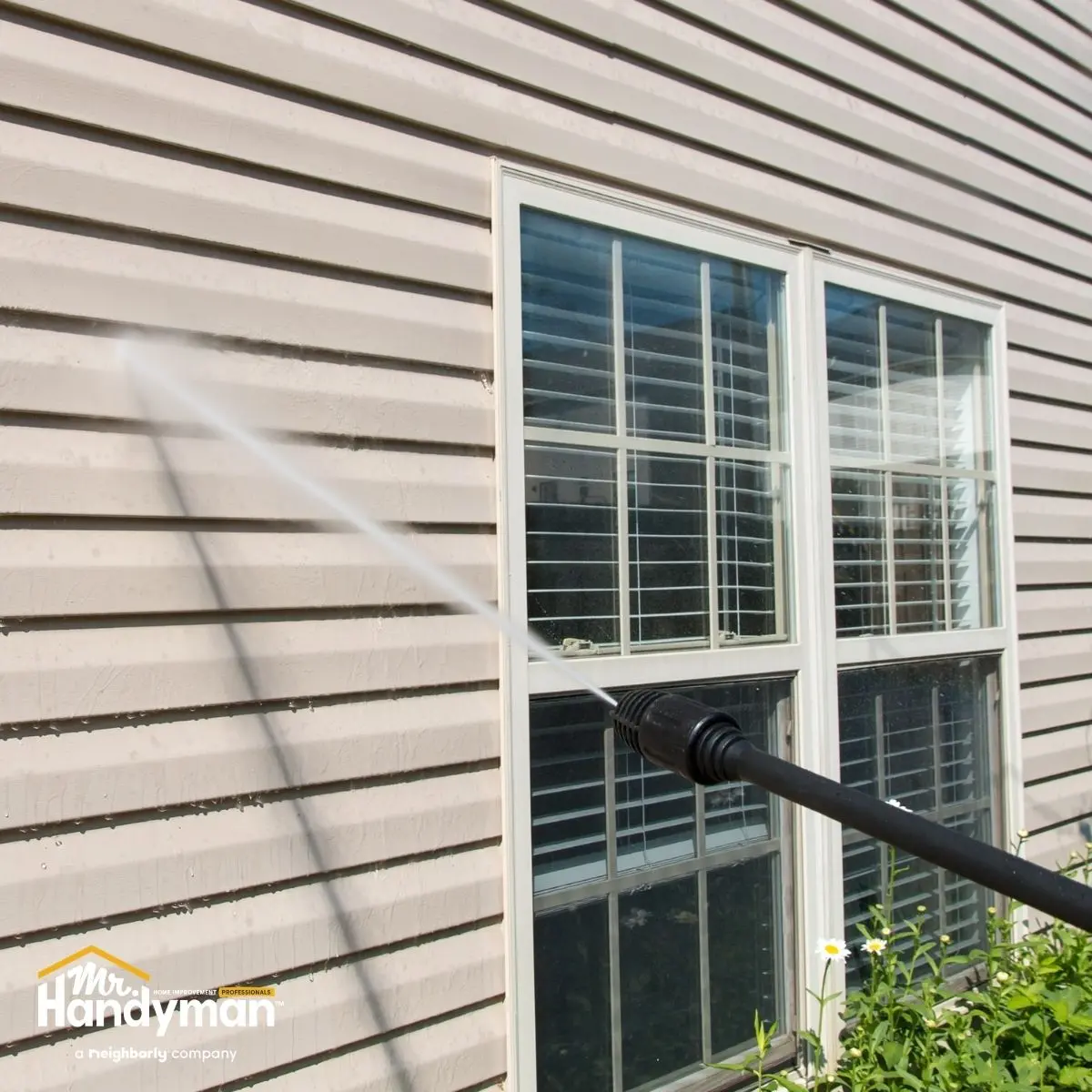
Siding, trim, and other exterior surfaces protect underlying framing and insulation from weather exposure. Spring inspection catches deterioration before it penetrates beyond surface materials.
Walk your home's entire perimeter examining every surface. Look for cracks, gaps, or damage in siding materials—whether wood, vinyl, fiber cement, brick, or stucco. Even small cracks allow water and insects to enter wall cavities where they cause hidden damage. Seal cracks with appropriate materials—caulk for small gaps, patching compounds for larger damage, or professional repair for extensive problems.
Inspect all caulking around windows, doors, and penetrations where utilities enter the house. Caulk deteriorates from UV exposure and temperature cycling typical of Oklahoma's climate. Failed caulk allows air and water infiltration that wastes energy and damages materials. Remove old, failed caulk completely and reapply fresh caulk using quality exterior-grade products. This simple task prevents expensive damage and improves energy efficiency.
Exterior Surface Inspection Continued
Check paint condition on all painted surfaces—siding, trim, doors, shutters. Look for peeling, blistering, fading, or chalking that indicates paint failure. Failed paint exposes underlying materials to moisture and UV damage. Wood without paint protection rots quickly. Metal surfaces rust. Deteriorated paint on south and west exposures facing Oklahoma's intense sun requires particular attention.
Address paint failures before summer heat makes outdoor painting uncomfortable and before further deterioration requires more extensive surface preparation. Small areas of peeling can be scraped, primed, and touched up. Widespread failure indicates full repainting is needed—schedule this work for spring or fall when temperatures support proper application.
Examine all exterior doors for weather stripping condition, threshold integrity, and proper operation. Worn weather stripping allows air infiltration that wastes energy. Damaged thresholds create water entry paths during wind-driven rain. Doors that don't close tightly or latch securely compromise security and efficiency. Replace weather stripping, adjust thresholds, and repair or adjust doors for proper operation.
Inspect foundation walls for cracks, deterioration, or signs of moisture intrusion. Hairline cracks are common as foundations settle, but widening cracks or those with offset indicate structural issues requiring professional evaluation. White chalky deposits—efflorescence—signal water moving through concrete, carrying minerals to the surface. This indicates moisture management problems needing attention.
Check weep holes in brick veneer walls. These small openings at the bottom of brick walls allow moisture to escape from behind the veneer. They should remain open and unobstructed by dirt, insect nests, or caulk. Blocked weep holes trap moisture that deteriorates wall components and reduces the veneer system's effectiveness.
Window and Screen Maintenance
Windows are major components affecting energy efficiency, comfort, and weather protection. Spring attention ensures they perform well through summer.
Inspect every window for cracked or broken glass requiring replacement. Even small cracks compromise window performance and worsen over time. Check glazing putty or sealant around glass panes—deteriorated glazing allows air and moisture infiltration. Reglaze or reseal as needed using appropriate materials for your window type.
Test window operation. Windows should open and close smoothly without binding or sticking. Difficult operation indicates balance problems, track issues, or swollen wood from moisture exposure. Address operational problems now before summer when you need windows to function for ventilation. Lubricate tracks and moving parts with appropriate products—silicone spray for vinyl or metal, furniture wax for wood.
Check window locks and ensure they engage properly. Locks provide security but also help windows seal tightly against weather stripping for better energy efficiency. Locks that don't engage fully allow windows to rattle and leak air.
Inspect weather stripping around all windows. Deteriorated weather stripping allows air infiltration that reduces comfort and wastes energy. Run your hand around closed windows feeling for drafts indicating failed weather stripping. Replace worn strips—this inexpensive fix delivers immediate comfort and efficiency improvements.
Examine window screens for tears, holes, or frames that don't fit properly. Torn screens defeat their purpose of allowing ventilation while excluding insects. Repair small holes with screen patch kits or replace screens that are extensively damaged. Ensure screens fit snugly in frames without gaps that allow insect entry.
Clean windows inside and out for maximum light transmission. Winter grime reduces natural light and makes homes feel darker. Clean windows improve interior brightness and allow you to better observe exterior conditions and identify problems requiring attention.
Outdoor Faucet and Irrigation System Preparation
Outdoor water systems often sustain winter damage that reveals itself during first use. Spring testing and repairs prevent water waste and damage.
Test every outdoor faucet before you need them for watering or other uses. Turn each faucet on fully and check for leaks at handles, around the base where the faucet meets the wall, and along any visible piping. Many leaks only appear under pressure—attach a hose and turn water back on to reveal leaks that weren't visible during initial testing.
Inspect hose bibb washers and internal components. Dripping faucets indicate failed washers needing replacement. This simple repair takes minutes and costs pennies but saves significant water waste. Constant dripping wastes hundreds of gallons monthly—water you're paying for that provides no benefit.
Check outdoor faucets for freeze damage. Even in Oklahoma's relatively mild winters, temperatures drop low enough to freeze water in outdoor plumbing. Ice expansion can crack fittings or valve bodies. Damage may not be visible externally but reveals itself when water flows. Replace damaged components before using outdoor water systems extensively.
For homes with in-ground irrigation systems, conduct careful startup procedures. Don't simply turn the system on at full pressure. Activate it gradually, running each zone individually while watching for problems. Look for geysers indicating broken pipes, heads that don't pop up suggesting damage, or pooling water pointing to underground leaks.
Inspect all visible irrigation components—sprinkler heads, valve boxes, backflow preventers. Clean or replace clogged heads. Adjust spray patterns to ensure water lands on landscaping rather than driveways, sidewalks, or house siding. Verify valve boxes drain properly and aren't holding standing water that could indicate leaks.
Test backflow preventers if your system includes them. These devices prevent contamination of potable water and require annual testing in many jurisdictions. Failed backflow preventers need professional repair or replacement to maintain code compliance and water safety.
Deck and Outdoor Structure Inspection
Decks, patios, pergolas, and other outdoor structures require spring inspection to ensure safe, reliable use during the season when they see heaviest activity.
Inspect decking boards for rot, splitting, or loose fasteners. Press on boards feeling for soft spots indicating rot. Check that boards are securely attached—loose boards create trip hazards and indicate fastener failure. Replace damaged boards and secure loose ones before someone gets injured.
Examine deck railings and baggages for stability. Railings must support significant force to meet code requirements and provide safety. Grab railings firmly and push—they shouldn't move or feel loose. Tighten loose connections or replace deteriorated components. Railing failure creates serious injury risks, particularly on elevated decks.
Check deck ledger boards—the boards attaching decks to houses. Ledger connection is critical for structural integrity. Look for rust on fasteners, rot in wood, or gaps between ledger and house indicating connection problems. Ledger failure causes catastrophic deck collapse. If you observe any concerning signs, hire professionals for thorough evaluation.
Inspect stairs for secure attachment, proper rise and run dimensions, and handrail stability. Stair problems are common injury sources. Risers that vary in height create trip hazards. Loose treads shift underfoot. Failed handrails don't support people who need them during trips or falls.
Clean decks thoroughly, removing debris, mildew, and dirt accumulation from winter. Pressure washing or deck cleaning products restore appearance and allow better inspection of conditions hidden under grime. Clean decks also receive stain and sealer better if refinishing is planned.
Apply deck stain or sealer if needed. Wood decks require periodic treatment to resist moisture, UV damage, and wear. Products applied in spring have ideal conditions for proper penetration and curing. Treated decks are protected through the entire summer season when they face maximum exposure and use.
Frequently Asked Questions About Exterior Preparation
How long does thorough exterior preparation take?
Plan a full day for comprehensive inspection and minor repairs on average-sized homes. Larger properties or those with deferred maintenance require more time. Breaking work into sessions over a weekend works if dedicating a full day isn't possible.
Which exterior preparation tasks are most critical?
Roof and gutter inspection, caulking around windows and doors, outdoor faucet testing, and AC system cleaning. These prevent the most expensive damage and ensure critical systems function reliably when needed most.
Can I delay exterior work until fall?
Not advisedly. Problems identified in fall have already caused damage through summer. Many repairs are more difficult or less effective in fall weather. Summer storms, heat, and UV exposure accelerate deterioration of issues left unaddressed through the season.
Should I hire professionals or handle exterior preparation myself?
Most inspection and basic maintenance tasks are reasonable DIY work. Hire professionals for roofing work, extensive caulking at heights, HVAC service, and any work requiring specialized tools or expertise you don't possess.
How much should exterior preparation cost?
DIY preparation costs fifty to two hundred dollars for materials—caulk, gutter cleaning tools, cleaning supplies. Professional services like HVAC maintenance or minor roof repairs add a few hundred dollars. Comprehensive preparation costs far less than emergency repairs from neglected issues.
Protecting Your Home Investment
Spring exterior preparation protects your home from summer's challenges while ensuring comfortable, efficient operation. The work isn't glamorous but the returns—prevented damage, avoided emergencies, lower utility costs, extended material lifespan—far exceed the modest time and expense invested.
Create a systematic approach addressing every exterior component annually. Document what you inspect and what repairs you make. This record tracks home condition over time and ensures nothing gets overlooked year after year through forgotten or assumed maintenance.
Address problems immediately rather than deferring them. Small issues caught early fix inexpensively. Deferred issues compound into major expenses. The caulking that needs replacing now becomes rotted framing requiring thousand-dollar repairs if ignored through another season.
Mr. Handyman of Central Oklahoma City and Mr. Handyman of S. Oklahoma City and Norman provide comprehensive exterior maintenance and repair services preparing homes for summer's demands. From minor repairs to major system work, experienced professionals ensure your home is ready for Oklahoma's challenging summer conditions.
Prepare your home's exterior now before summer heat and storms arrive. Contact Mr. Handyman of Central Oklahoma City or visit https://www.mrhandyman.com/central-oklahoma-city/. Homeowners in South Oklahoma City and Norman can reach Mr. Handyman of S. Oklahoma City and Norman or visit https://www.mrhandyman.com/northern-montgomery-county/. Protect your home with professional preparation and maintenance services.