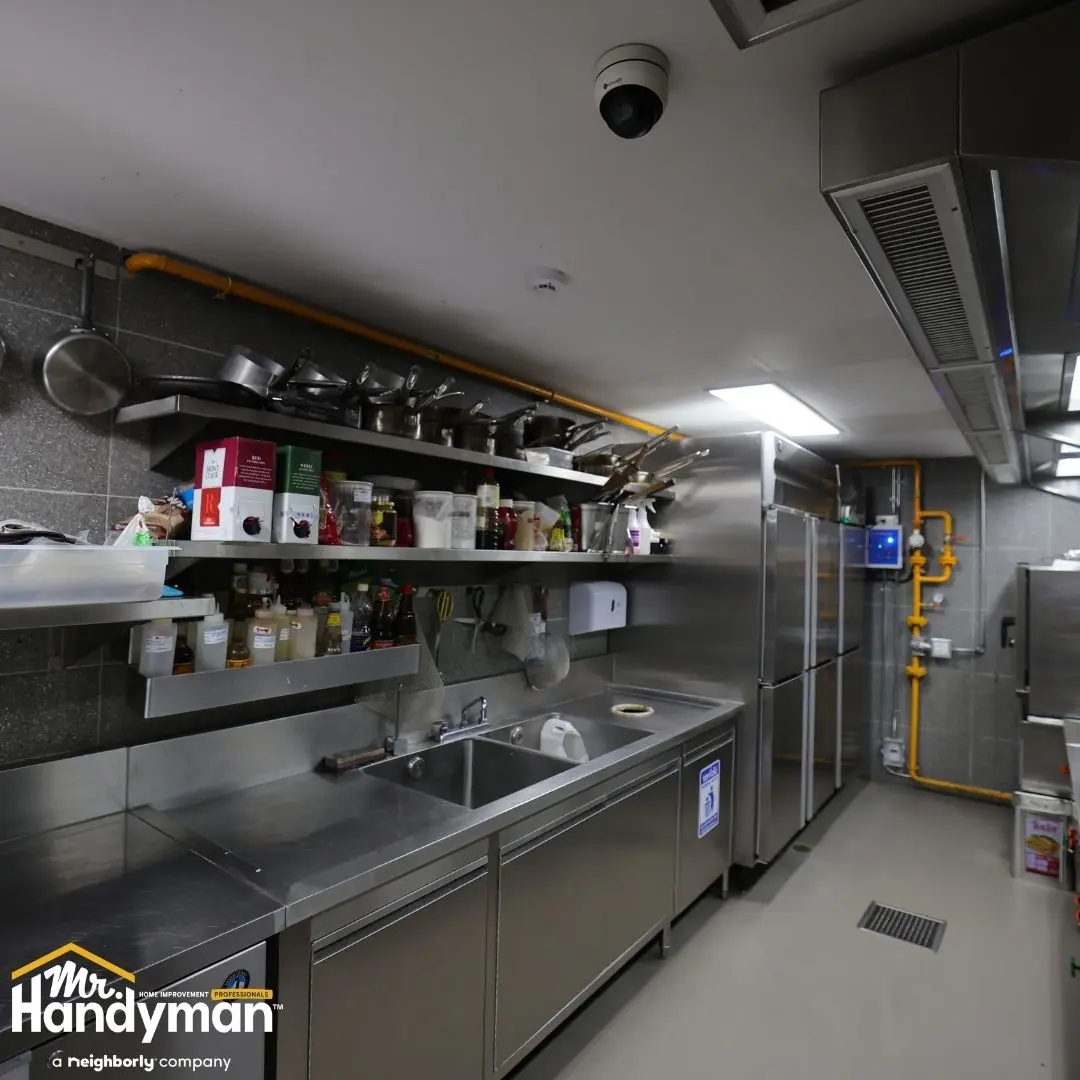
Understanding how businesses can reduce repair costs with preventative maintenance is essential for controlling operating expenses and avoiding disruptive facility issues. Reactive repairs often cost significantly more than planned maintenance, not only in direct repair fees but also in lost productivity, downtime, and customer impact. Preventative maintenance shifts the focus from emergency response to long-term cost control.
For businesses in central Oklahoma, preventative maintenance is especially important. Commercial buildings in Oklahoma City, Midwest City, Choctaw, Arcadia, Jones, and surrounding areas face constant wear from fluctuating temperatures, seasonal weather events, and high daily use. Without a proactive strategy, small issues quickly escalate into expensive repairs that could have been avoided.
Many businesses partner with Mr. Handyman of Central Oklahoma City for ongoing handyman services that support preventative commercial maintenance and help reduce unexpected repair costs throughout the year.
Why Reactive Repairs Are More Expensive Than Planned Maintenance
Emergency repairs rarely happen at convenient times. When systems fail unexpectedly, businesses often face higher labor costs, rushed service, and additional damage caused by delayed response.
Reactive repairs tend to cost more because they often involve:
- Emergency service rates
- Extended downtime or closures
- Secondary damage to surrounding areas
- Disruption to employees and customers
Preventative maintenance helps businesses avoid these situations by addressing issues early, when repairs are simpler and less costly.
Preventative Maintenance Identifies Small Problems Early
Most major repair issues begin as small, manageable problems. Loose hardware, minor leaks, worn components, and alignment issues often go unnoticed until failure occurs.
Preventative maintenance focuses on early detection, allowing businesses to:
- Repair components before they fail
- Replace parts at predictable intervals
- Address wear caused by daily use
- Prevent minor issues from spreading
Fixing a small issue early is almost always less expensive than repairing the damage caused by failure.
Reducing Wear on High-Use Building Components
Commercial buildings experience constant use. Doors, restrooms, flooring, fixtures, and hardware are all subjected to far more wear than residential spaces. Preventative maintenance reduces stress on these components and extends their service life.
High-use areas that benefit from preventative attention include:
- Entry doors and hardware
- Restroom fixtures and partitions
- Hallways and flooring
- Lighting and electrical components
Regular inspections and adjustments help prevent premature replacement and reduce overall repair costs.

Improving Budget Predictability
One of the most valuable benefits of preventative maintenance is improved budget predictability. Emergency repairs are difficult to forecast and can strain budgets unexpectedly.
With preventative maintenance, businesses can:
- Plan maintenance expenses in advance
- Spread costs evenly throughout the year
- Reduce large, unplanned repair bills
- Allocate funds more effectively
Predictable maintenance costs support better financial planning and reduce budget volatility.
Preventing Downtime and Operational Disruptions
Downtime is one of the most expensive consequences of facility failures. Even brief interruptions can affect revenue, employee productivity, and customer satisfaction.
Preventative maintenance helps reduce downtime by:
- Keeping critical systems functional
- Addressing issues during off-hours
- Preventing sudden failures
- Supporting consistent daily operations
Maintaining reliable facilities protects business continuity and reduces hidden costs associated with disruptions.
Protecting Assets and Extending Equipment Life
Buildings and systems represent significant investments. Preventative maintenance protects those assets by reducing unnecessary wear and delaying replacement.
Routine care helps:
- Extend the lifespan of fixtures and finishes
- Maintain structural integrity
- Preserve system efficiency
- Reduce capital replacement costs
Extending asset life is a key way businesses reduce long-term repair and replacement expenses.
Improving Safety and Reducing Liability Costs
Safety issues often result from deferred maintenance. Loose flooring, broken handrails, faulty doors, and inadequate lighting increase the risk of accidents and liability claims.
Preventative maintenance reduces risk by:
- Identifying hazards early
- Keeping safety features functional
- Supporting code compliance
- Reducing accident-related costs
Addressing safety proactively protects both people and finances.
Why Professional Handyman Services Support Cost Control
Preventative maintenance requires consistency and expertise. Professional handyman services provide a practical way to manage a wide range of maintenance tasks without relying on emergency repairs.
Businesses that work with Mr. Handyman of Central Oklahoma City benefit from reliable support that helps identify issues early and address them efficiently. Professional services help ensure preventative maintenance efforts actually reduce costs rather than create new ones.
Preventative Maintenance as a Long-Term Cost Strategy
Understanding how businesses can reduce repair costs with preventative maintenance begins with viewing maintenance as an investment rather than an expense. Preventative care reduces emergencies, protects assets, and supports predictable budgeting.
By focusing on early detection, routine upkeep, and professional support, businesses in central Oklahoma can significantly lower repair costs while maintaining safer, more reliable facilities.
Key Preventative Maintenance Practices That Lower Repair Costs
To fully understand how businesses can reduce repair costs with preventative maintenance, it is important to look at the specific practices that deliver the greatest return. Preventative maintenance is not a single task, but a structured approach that focuses on consistency, early intervention, and attention to high-risk areas. When applied correctly, these practices significantly reduce the frequency and severity of repairs.
For commercial properties in central Oklahoma, preventative maintenance must account for heavy daily use, fluctuating temperatures, and seasonal stress on building systems. Focusing on the right areas helps businesses control costs without overextending maintenance budgets.
Routine Inspections of High-Wear Areas
High-wear areas are where most costly repairs begin. Doors, restrooms, flooring, and shared spaces experience constant use, which accelerates wear and increases failure risk.
Routine inspections should focus on:
- Door hinges, closers, and locking mechanisms
- Restroom fixtures, partitions, and accessories
- Flooring transitions, tiles, and thresholds
- Handrails, stair components, and wall protection
Identifying looseness, cracks, or early wear allows repairs to be completed quickly and at a much lower cost than full replacement.
Addressing Minor Repairs Before They Escalate
One of the most effective preventative maintenance practices is addressing small issues immediately. Minor problems often appear harmless but worsen over time if ignored.
Examples include:
- Tightening loose hardware
- Resealing small leaks or gaps
- Repairing minor drywall damage
- Replacing worn trim or fixtures
These low-cost repairs prevent secondary damage and reduce the likelihood of larger, more expensive repairs later.
Plumbing Maintenance That Prevents Water Damage
Water-related repairs are among the most expensive issues businesses face. Even small leaks can cause damage to flooring, walls, and electrical systems if left unaddressed.
Preventative plumbing maintenance includes:
- Inspecting fixtures for slow leaks
- Addressing recurring clogs early
- Checking water heaters for performance issues
- Ensuring shutoff valves function properly
Routine plumbing checks help businesses avoid emergency repairs and costly water damage restoration.
Lighting and Electrical System Monitoring
Electrical issues often start with small warning signs such as flickering lights or inconsistent power. Preventative maintenance focuses on correcting these issues before failures occur.
Effective electrical maintenance practices include:
- Replacing failing light fixtures promptly
- Securing loose switches or outlets
- Addressing overloaded circuits
- Improving lighting consistency in work areas
Reliable lighting reduces safety risks and prevents electrical issues from disrupting operations.
Maintaining Doors, Windows, and Access Points
Doors and windows play a key role in security, energy efficiency, and daily operations. Misalignment, damaged hardware, and worn seals increase wear on components and raise repair costs over time.
Preventative maintenance in these areas includes:
- Adjusting doors that stick or fail to latch
- Replacing worn handles and hinges
- Sealing drafts around windows and doors
- Ensuring accessibility features remain functional
These small adjustments help extend component life and reduce energy-related costs.
Flooring and Surface Care in Commercial Spaces
Flooring repairs become expensive when damage spreads. Preventative maintenance helps keep small issues from turning into full replacements.
Best practices include:
- Repairing loose or cracked tiles promptly
- Addressing carpet wear before it spreads
- Maintaining transitions between flooring types
- Improving traction in entryways
Well-maintained flooring reduces safety risks and prolongs the lifespan of materials.
Scheduling Maintenance During Low-Impact Periods
Timing is an often-overlooked part of preventative maintenance. Scheduling work during off-hours or low-traffic periods reduces disruption and allows maintenance to be completed more efficiently.
This approach helps:
- Minimize downtime
- Reduce emergency service needs
- Improve coordination with staff
Planned maintenance is always less expensive than rushed emergency repairs.
Why Consistency Matters More Than Frequency
Preventative maintenance is most effective when it is consistent. Infrequent inspections or irregular repairs reduce the benefits of a preventative approach.
Consistent maintenance helps businesses:
- Catch issues early every time
- Maintain predictable repair costs
- Reduce the risk of major failures
- Extend the life of building components
Consistency turns maintenance into a cost-control tool rather than a reactive expense.
The Role of Professional Handyman Services
Preventative maintenance requires skilled evaluation and proper repairs. Professional handyman services provide reliable support for a wide range of maintenance tasks without the cost of multiple contractors.
Businesses that work with Mr. Handyman of Central Oklahoma City benefit from experienced professionals who identify issues early and complete repairs efficiently. This support helps ensure preventative maintenance actually reduces repair costs rather than delaying them.
By applying these targeted practices, businesses can see measurable savings from preventative maintenance. Understanding how businesses can reduce repair costs with preventative maintenance means focusing on routine inspections, early repairs, consistent care, and professional support that keeps facilities running smoothly.
Building a Preventative Maintenance Strategy That Delivers Ongoing Savings
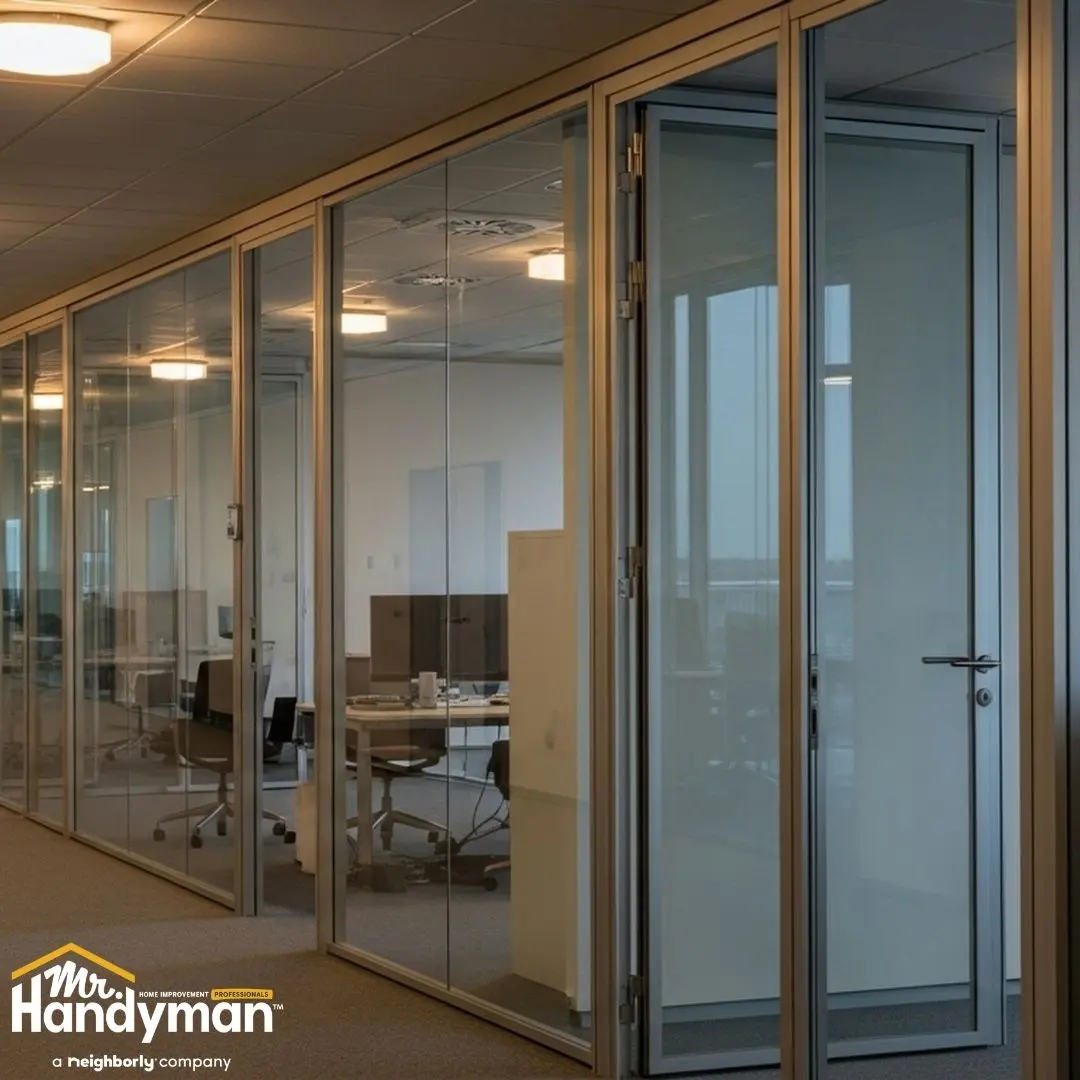
Fully understanding how businesses can reduce repair costs with preventative maintenance requires more than completing individual tasks. Long-term savings come from building a structured maintenance strategy that aligns with business operations, budgets, and facility demands. For commercial properties in central Oklahoma, consistency and planning are what turn preventative maintenance into measurable cost reduction.
A strategic approach helps businesses move away from emergency repairs and toward predictable, manageable maintenance cycles.
Creating a Maintenance Plan Aligned With Business Needs
Every commercial space is different. Offices, retail locations, medical facilities, and industrial buildings each place unique demands on their systems. An effective preventative maintenance strategy accounts for how the space is used, not just what needs repair.
A well-aligned plan considers:
- Daily foot traffic and usage patterns
- Critical systems that affect operations
- Areas with a history of repeated issues
- Seasonal stress points such as winter cold or summer heat
Tailoring maintenance to actual use helps businesses focus resources where they matter most.
Setting Clear Maintenance Intervals
Preventative maintenance is most effective when inspections and repairs follow a clear schedule. Irregular maintenance often allows issues to slip through unnoticed.
Establishing intervals helps ensure:
- High-use components are checked frequently
- Lower-risk areas are monitored appropriately
- Maintenance tasks are not forgotten
- Costs remain predictable throughout the year
Clear intervals reduce guesswork and make maintenance part of routine operations rather than a reaction to failure.
Training Staff to Spot Early Warning Signs
Employees are often the first to notice small issues. Training staff to report early warning signs helps prevent minor problems from becoming expensive repairs.
Useful reporting cues include:
- Doors that stick or do not close properly
- Flickering lights or inconsistent brightness
- Slow drains or recurring clogs
- Loose fixtures or damaged flooring
Encouraging early reporting strengthens preventative maintenance efforts without adding significant cost.
Using Maintenance Data to Make Smarter Decisions
Tracking maintenance activity provides valuable insight over time. Data helps businesses identify trends and determine whether repairs or upgrades are the better investment.
Maintenance data can reveal:
- Components that fail repeatedly
- Areas with rising repair costs
- Opportunities for upgrades instead of repairs
- Budget adjustments needed for future planning
Using this information allows businesses to reduce waste and allocate maintenance funds more effectively.
Balancing Repairs and Upgrades Strategically
Preventative maintenance often reveals when repeated repairs no longer make financial sense. Strategic upgrades can reduce long-term costs by eliminating ongoing issues.
Common upgrade opportunities include:
- Replacing frequently failing fixtures
- Upgrading lighting systems for efficiency
- Installing more durable finishes in high-traffic areas
- Improving components exposed to heavy use
Upgrades reduce repair frequency and lower total cost of ownership over time.
Coordinating Maintenance to Minimize Disruption
One of the hidden costs of repairs is disruption. Preventative maintenance allows businesses to plan work around operations rather than interrupt them.
Coordination strategies include:
- Scheduling work during off-hours
- Grouping related tasks together
- Communicating maintenance plans to staff
Planned maintenance is more efficient and less costly than emergency response.
Why Ongoing Professional Support Is Cost-Effective
Preventative maintenance requires consistent execution and professional evaluation. Partnering with a reliable service provider helps ensure issues are identified early and resolved correctly.
Businesses that work with Mr. Handyman of Central Oklahoma City benefit from handyman services that support long-term preventative maintenance goals. Professional support helps businesses maintain facilities efficiently without the expense of emergency repairs or multiple vendors.
Preventative Maintenance as a Long-Term Cost Control Tool
Reducing repair costs is not about cutting maintenance spending. It is about spending maintenance dollars strategically. Preventative maintenance shifts costs from unpredictable emergencies to planned, manageable upkeep.
By building a structured strategy, setting clear intervals, training staff, tracking data, and working with experienced professionals, businesses in central Oklahoma can significantly lower repair expenses while maintaining safer, more reliable facilities.
Understanding how businesses can reduce repair costs with preventative maintenance empowers business owners and property managers to protect their assets, control budgets, and support uninterrupted operations throughout the year.
Prevent costly repairs with proactive maintenance planning. Book preventative maintenance online.