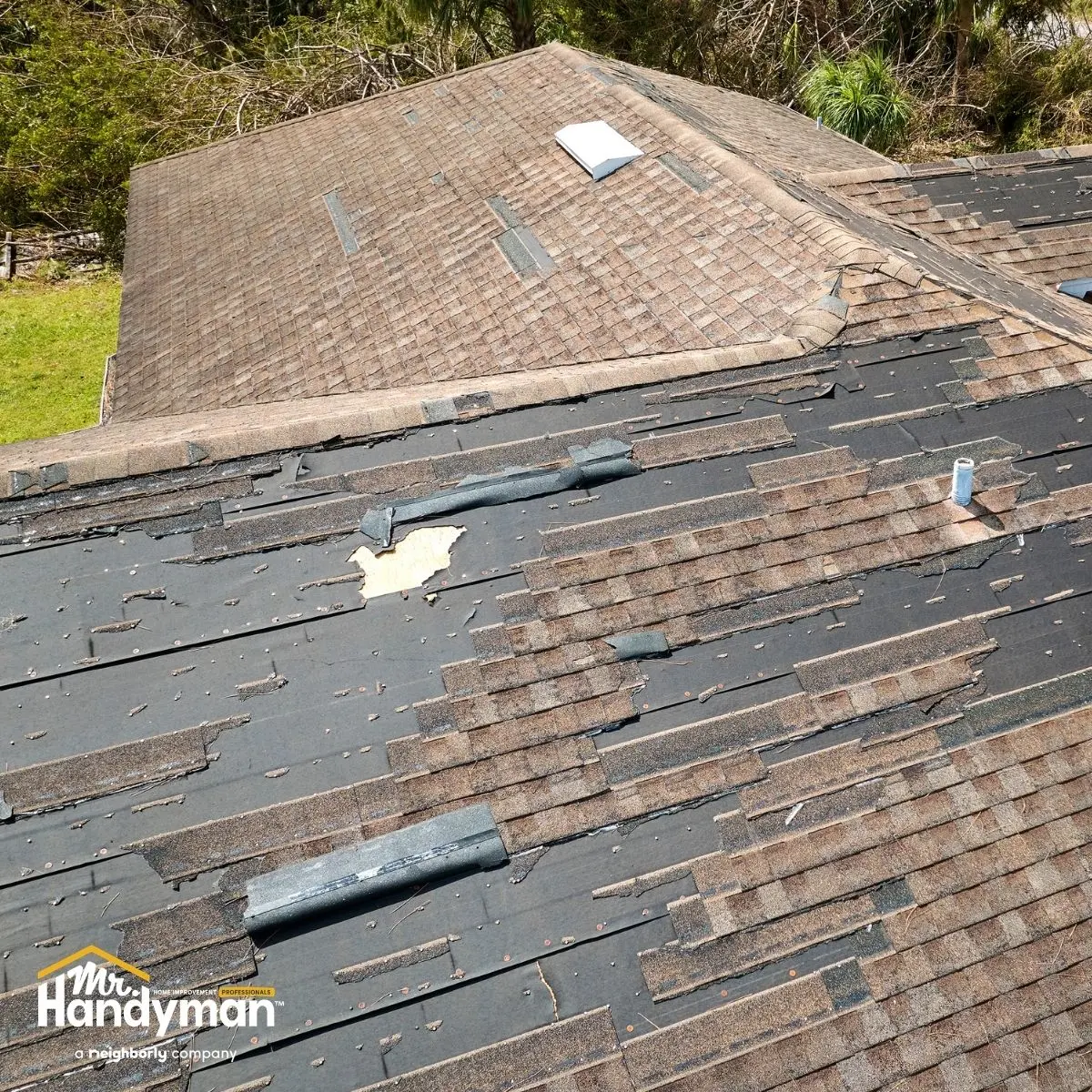
Spring presents the critical maintenance window for commercial properties. Winter stress—freeze-thaw cycles, reduced daylight limiting outdoor inspections, deferred tasks postponed during cold weather—leaves buildings with accumulated issues that need addressing before summer heat and peak business activity arrive. For property managers and business owners in Central Oklahoma City, South Oklahoma City, and Norman, spring maintenance isn't optional upkeep. It's preventive investment that protects property value, prevents expensive emergency repairs, and ensures buildings operate efficiently during the demanding months ahead.
Commercial properties face different maintenance realities than residential homes. Higher occupancy creates accelerated wear on systems and finishes. Building codes and insurance requirements mandate specific maintenance standards. Tenant satisfaction and lease renewals depend partly on well-maintained properties. Curb appeal directly affects customer perceptions and business success. Deferred maintenance compounds quickly in commercial settings—a small roof leak that might go unnoticed in a home becomes a major disruption when it damages inventory, closes business areas, or creates liability concerns.
Oklahoma's climate creates specific commercial property challenges. Flat or low-slope roofs common on commercial buildings handle heavy spring storms differently than residential pitched roofs. HVAC systems sized for large open spaces work harder and require more frequent maintenance than residential units. Parking lots and walkways endure Oklahoma's clay soil movement and freeze-thaw damage that creates trip hazards and drainage problems. Exterior surfaces face intense summer sun that degrades paint, sealants, and roofing materials faster than in moderate climates.
A comprehensive spring maintenance checklist systematically addresses these concerns before they escalate into emergencies. Walking the property with intention, inspecting critical systems, testing equipment, and identifying wear patterns allows you to schedule repairs during mild weather when contractors are available and when disruptions to business operations can be minimized. Waiting until summer means dealing with HVAC failures during heat waves, roof leaks during storms, and parking lot damage during peak customer traffic—all scenarios that cost more, disrupt business, and reflect poorly on property management.
Exterior Building Envelope Inspection
Commercial building exteriors endure constant exposure to weather and environmental stress. Spring inspection identifies damage before it penetrates into interior spaces or creates structural concerns.
Walk the entire building perimeter examining walls, windows, doors, and architectural features. Look for cracks in masonry or stucco that indicate water penetration or foundation movement. Oklahoma's clay soil creates settling and shifting that stresses building exteriors. Cracks wider than a quarter-inch require professional evaluation to determine if they're cosmetic or structural. Seal smaller cracks promptly to prevent water intrusion.
Inspect all caulking and sealants around windows, doors, expansion joints, and penetrations where utilities enter the building. Caulk deteriorates from UV exposure and temperature cycling. Failed caulk allows water and air infiltration that damages interior finishes and increases energy costs. Recaulking is inexpensive preventive maintenance that protects against expensive water damage and efficiency losses.
Examine exterior paint and coatings for peeling, fading, or chalking. Oklahoma's sun exposure degrades paint faster than in northern climates. Peeling paint on wood trim allows moisture to reach underlying materials, causing rot. Faded paint on metal surfaces reduces protective qualities and looks unprofessional. Plan exterior painting projects for spring or fall when temperatures support proper application and curing.
Check all exterior doors for proper operation and weather sealing. Commercial doors see heavy use and their automatic closers, hinges, and locks wear faster than residential applications. Doors that don't close fully or seal properly waste conditioned air and create security vulnerabilities. Test panic hardware and fire doors to ensure life safety systems function correctly—code compliance and liability depend on these working properly during emergencies.
Inspect loading docks, canopies, and covered walkways for structural integrity and water drainage. These areas accumulate debris, develop drainage clogs, and experience wear from delivery operations. Ensure downspouts and drains flow freely and that surfaces slope away from building walls.
Roof System Evaluation
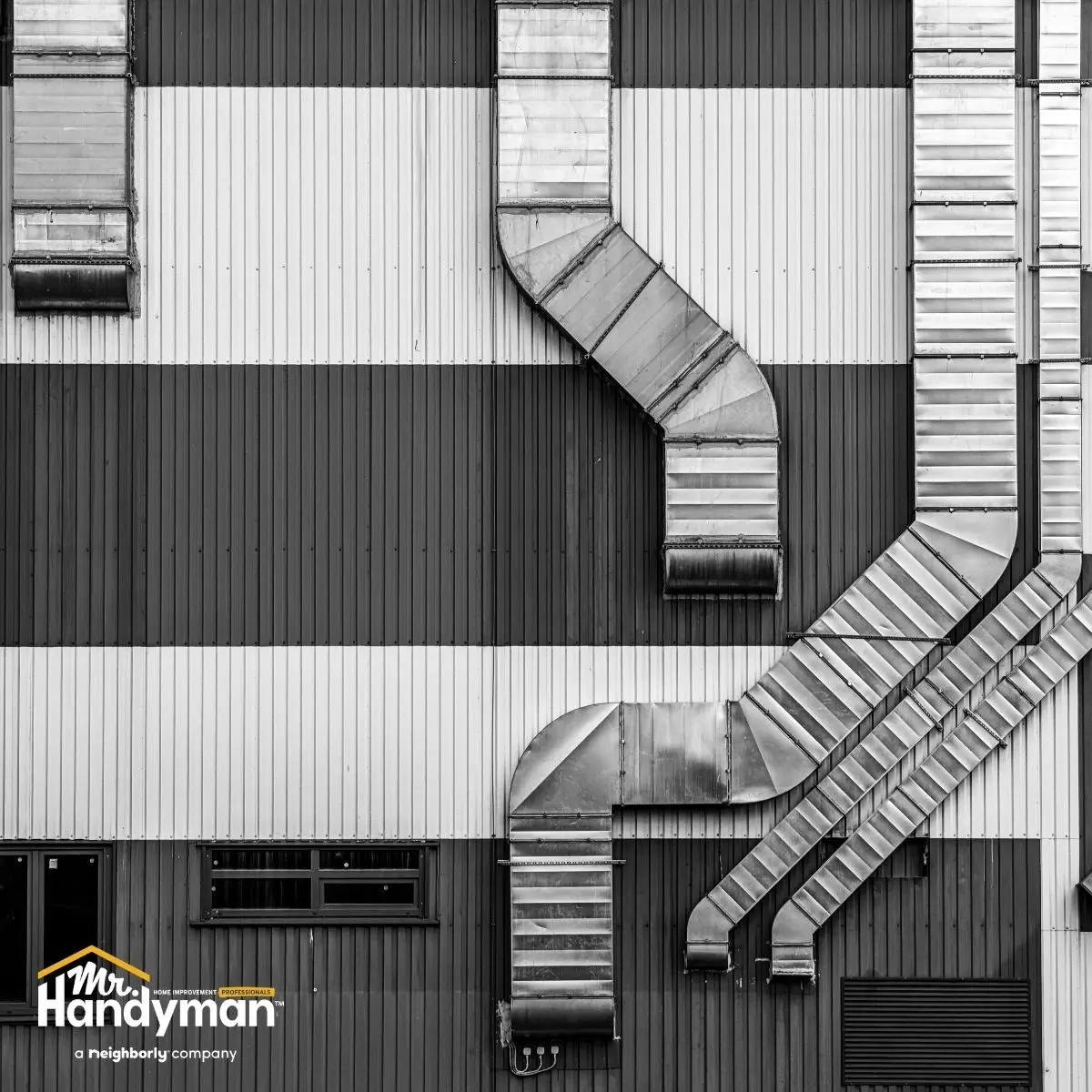
Roofs are the primary defense against weather intrusion, and commercial roofs require more frequent inspection than residential systems due to their low-slope designs and membrane-based construction.
Conduct thorough roof inspections after winter but before heavy spring storms. Look for ponding water—areas where water stands more than forty-eight hours after rain indicate inadequate drainage that shortens roof lifespan. Flat or low-slope roofs should have slight pitch directing water to drains and scuppers. Ponding accelerates membrane deterioration and eventually leads to leaks.
Examine roof membranes for tears, punctures, blisters, or separation at seams. Single-ply membranes like TPO or EPDM can suffer wind damage, hail impact, or degradation from UV exposure. Built-up roofing develops blisters and cracks over time. Small damage caught early can be patched inexpensively. Extensive damage requires membrane replacement.
Inspect all roof penetrations—HVAC units, vent pipes, skylights, exhaust fans. Flashing around these penetrations prevents water entry, but sealants deteriorate and flashing can separate from roof membranes. These junctions are the most common leak sources on commercial roofs. Reseal or reflash penetrations showing wear before leaks develop.
Clear debris from roof drains, gutters, and scuppers. Leaves, dirt, and roofing granules accumulate and block drainage, causing water backup that can enter the building or overload drainage systems. Spring storms in Oklahoma bring heavy rainfall that quickly overwhelms blocked drains.
Check the condition of roof-mounted HVAC equipment. Verify units are properly secured, condensate drains flow freely, and clearances around equipment remain adequate for service access. Vibration from HVAC operation can loosen mounting hardware over time, and units require stable mounting to prevent damage and maintain efficiency.
Document roof condition with photos and notes. This creates historical records useful for warranty claims, insurance documentation, and planning capital replacement budgets. Commercial roofs have defined lifespans—typically fifteen to thirty years depending on material—and tracking condition helps predict replacement timing.
HVAC System Service and Performance Testing
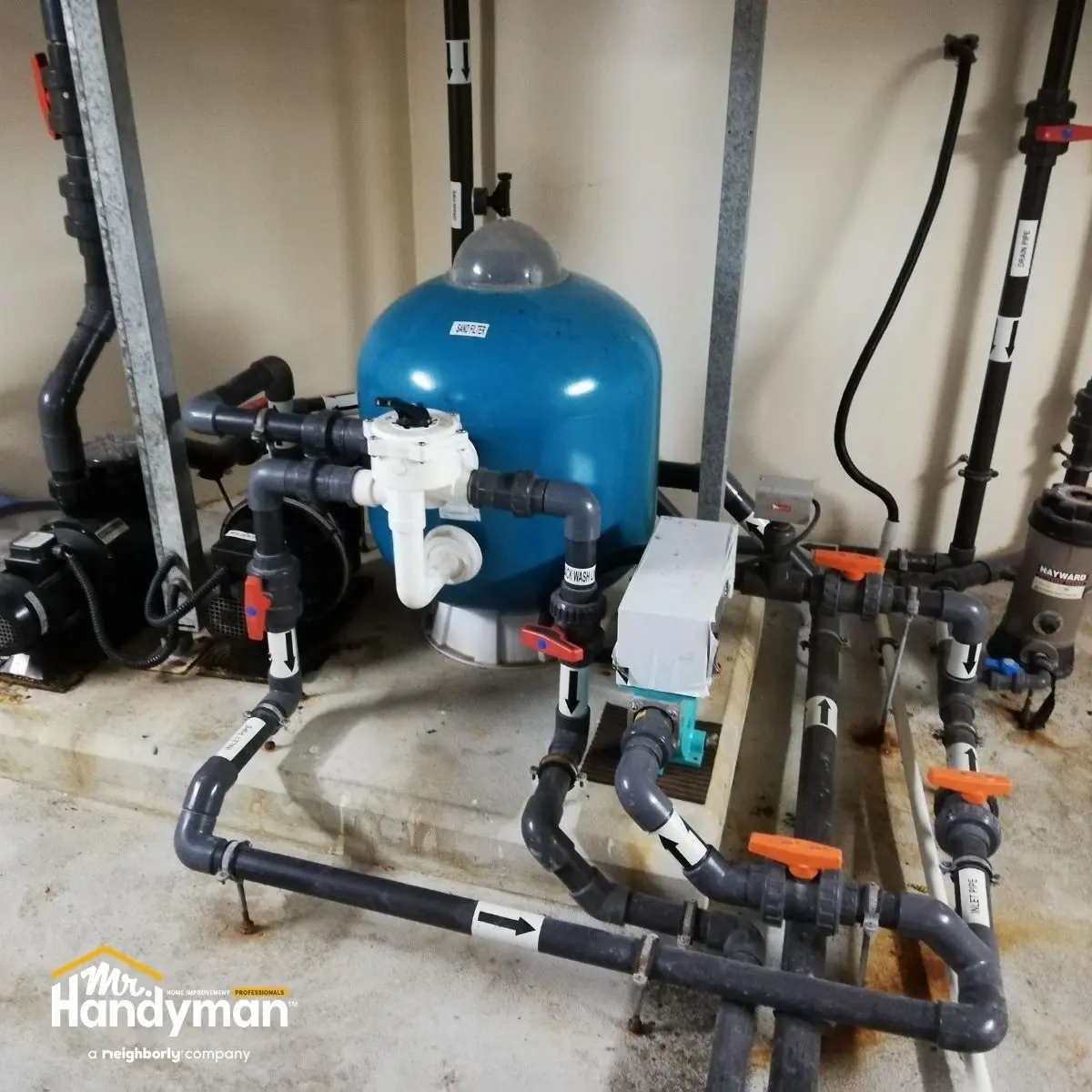
Commercial HVAC systems work year-round and require professional maintenance to operate efficiently and avoid failures during peak demand periods.
Schedule professional HVAC service before cooling season begins. Technicians should inspect all system components—compressors, condensers, evaporator coils, blowers, controls, and refrigerant levels. They should clean coils, change filters, lubricate motors, test electrical connections, and verify proper refrigerant charge. Systems serviced in spring operate more efficiently all summer, reducing energy costs and avoiding breakdowns during heat waves when repair service is delayed and expensive.
Replace air filters throughout the building. Commercial systems use larger filters than residential equipment, and filter changes affect indoor air quality and system efficiency significantly. Dirty filters restrict airflow, forcing systems to work harder and increasing energy consumption. They also allow dust and allergens to circulate, affecting employee and customer comfort.
Test thermostats and building automation systems. Verify temperature sensors read accurately, programming schedules match current business hours, and remote monitoring systems communicate properly. Modern building controls optimize HVAC operation for occupied and unoccupied periods, delivering significant energy savings when programmed correctly.
Inspect ductwork in accessible areas for leaks, disconnections, or damage. Duct leaks waste conditioned air and reduce system efficiency. Sealing ducts in unconditioned spaces—attics, crawl spaces, mechanical rooms—recovers lost capacity and reduces operating costs.
Parking Lot and Walkway Repairs
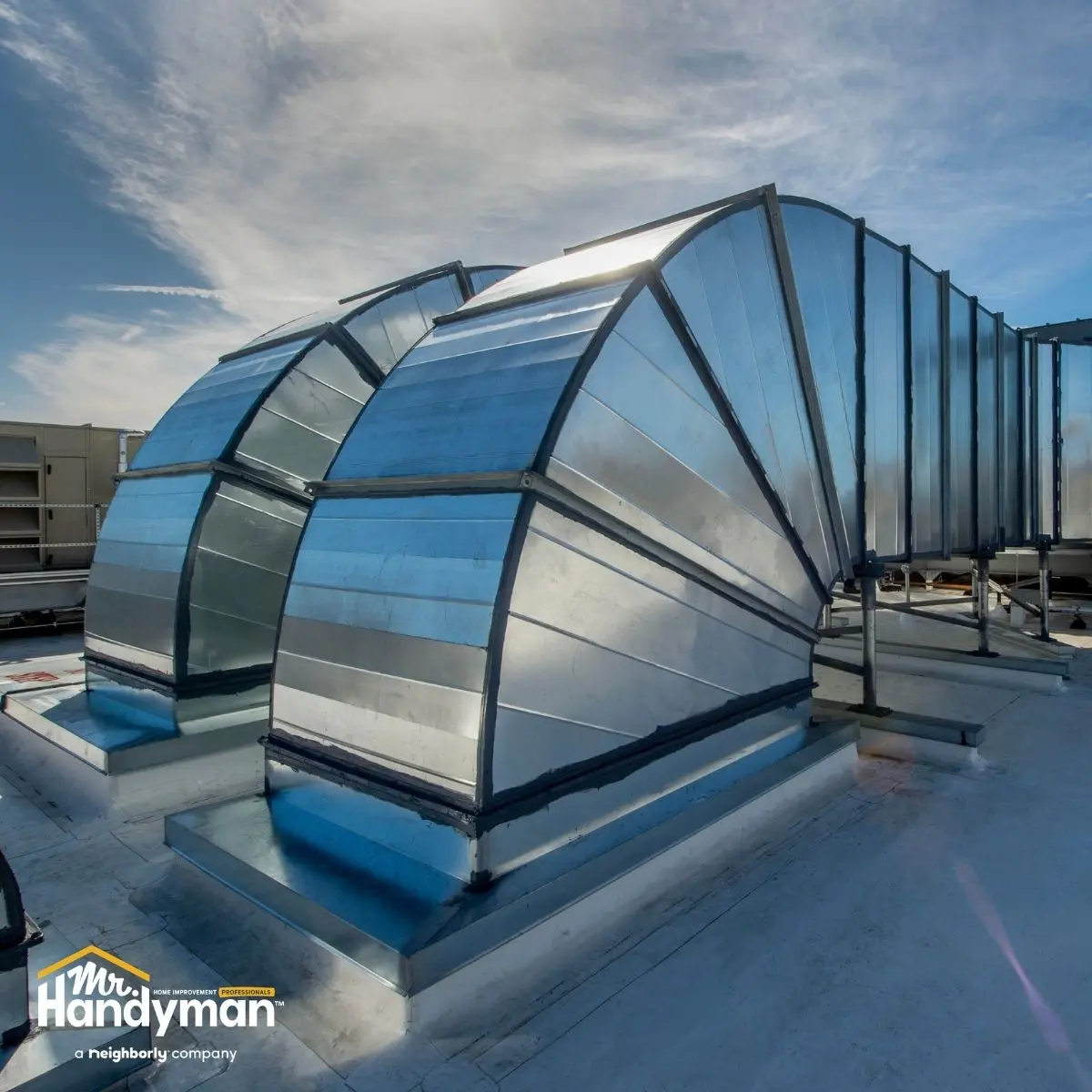
Parking lots and walkways create first impressions and present liability risks if damaged. Spring inspection and repairs prevent trip hazards and extend pavement lifespan.
Walk the entire parking lot identifying cracks, potholes, drainage issues, and faded striping. Oklahoma's freeze-thaw cycles crack asphalt, and clay soil movement creates settling that forms depressions where water pools. Small cracks expand quickly once water penetrates and freezes. Addressing them with crack sealing in spring prevents them from becoming potholes requiring expensive patching.
Potholes create liability exposure and damage customer and employee vehicles. Repair them immediately using cold-patch asphalt as temporary fix until permanent hot-mix repairs can be scheduled. Document repairs with photos and maintenance logs—this record demonstrates due diligence if injury or damage claims arise.
Inspect parking lot striping and signage. Faded lines confuse parking patterns and create conflicts between drivers. Handicap spaces must have proper signage and surface markings meeting ADA requirements—violations carry substantial fines and liability. Restripe parking lots every two to three years to maintain clear, visible markings.
Check drainage throughout parking areas. Standing water after rain indicates inadequate slope or blocked drains. Water infiltration accelerates pavement deterioration and creates icy hazards in winter. Clean catch basins and storm drains, removing accumulated sediment and debris that restricts flow.
Examine sidewalks and walkways for trip hazards—lifted sections from tree roots, cracked concrete, uneven pavers. Sections with vertical displacement exceeding half an inch present trip hazards requiring repair. Grind down minor lips or replace damaged sections before someone gets injured.
Test exterior lighting throughout parking areas and walkways. Replace burned bulbs and consider LED retrofits that reduce energy costs and maintenance frequency. Adequate lighting improves security and reduces liability from poorly lit areas where accidents occur.
Plumbing System Checks
Commercial plumbing sees heavy daily use and requires inspection to catch problems before they disrupt operations.
Test all restroom fixtures—toilets, faucets, urinals. Running toilets waste thousands of gallons and increase water bills unnecessarily. Dripping faucets signal worn washers or cartridges needing replacement. Urinals with constant flow indicate failed flush valves. These repairs are inexpensive but deliver immediate water savings.
Inspect under sinks and around toilets for signs of leaks—water staining, mineral deposits, or active dripping. Even slow leaks damage flooring, cabinetry, and walls if left unaddressed. Commercial spaces often have concealed plumbing behind walls where leaks go undetected until damage becomes extensive.
Check water heaters for proper operation, temperature settings, and signs of corrosion or leaking. Commercial water heaters work harder than residential units and may need flushing to remove sediment buildup that reduces efficiency. Verify temperature settings comply with safety standards—typically 120 degrees to prevent scalding while providing adequate hot water.
Test backflow preventers required on irrigation systems and other cross-connections. These devices protect potable water from contamination and require annual testing by certified technicians in most jurisdictions. Maintain documentation proving compliance with local codes.
Inspect exposed piping in mechanical rooms, crawl spaces, and other accessible areas. Look for corrosion, leaking joints, inadequate insulation, or signs of previous leaks. Address minor issues before they become emergencies that require shutting off water to the building.
Interior Systems and Finishes
Building interiors require attention to maintain professional appearance and tenant satisfaction.
Inspect all interior doors, including office doors, conference rooms, and storage areas. Verify they open smoothly, close properly, and latch securely. Sticking doors indicate hinge problems or settling. Doors that don't latch create security and privacy issues. Adjust or repair hardware promptly.
Test all interior lighting throughout the building. Replace burned bulbs, clean fixtures that have accumulated dust, and consider LED upgrades in areas with high usage. Consistent, adequate lighting improves employee productivity and reduces eye strain.
Examine flooring throughout common areas and tenant spaces. Commercial carpet shows wear patterns in high-traffic areas and may need replacement or cleaning. Hard surface floors develop scratches, cracks, or loose tiles that need repair. Address trip hazards immediately to prevent injuries and liability claims.
Check all exit signs and emergency lighting systems. Test battery backup systems monthly to ensure they function during power outages. Code compliance requires operational emergency systems, and insurance may not cover liability from accidents occurring during evacuations with non-functioning emergency lighting.
Inspect walls and ceilings for water stains, cracks, or damage. Fresh staining indicates active leaks requiring immediate investigation. Old staining may signal resolved issues but should be repaired for professional appearance. Ceiling tiles that sag or show water damage need replacement.
Landscaping and Grounds Maintenance
Exterior grounds create curb appeal that affects customer perceptions and property values.
Clean up winter debris from landscaped areas. Remove dead branches, fallen leaves, and trash that accumulated during months of reduced outdoor maintenance. Trim dead or damaged branches from trees and shrubs before spring storms turn them into hazards.
Inspect irrigation systems before activating them for the season. Check sprinkler heads for damage from freezing or lawn equipment. Test each zone individually watching for leaks, proper coverage, and heads that don't pop up or rotate. Repair issues before peak watering season to avoid water waste and dead landscaping.
Apply pre-emergent herbicides to prevent weeds in landscaped beds and lawn areas. Weed control is far easier and cheaper through prevention than treating established weeds later. Spring application catches weeds before they germinate and spread.
Refresh mulch in landscaped beds. Mulch breaks down over time and loses effectiveness at retaining moisture and suppressing weeds. Add two to three inches of fresh mulch in spring for a clean, maintained appearance that also protects plant roots and reduces irrigation needs.
Schedule lawn fertilization and weed control programs. Commercial properties need consistent, professional lawn care to maintain appearance. Patchy, weedy, or brown grass creates negative impressions that affect business.
Frequently Asked Questions About Commercial Spring Maintenance
How much should businesses budget for spring maintenance?
Generally, budget one to two percent of property value annually for routine maintenance and repairs. Newer buildings require less, older properties more. Deferred maintenance always costs more later through emergency repairs and accelerated deterioration.
Can businesses handle maintenance internally or should they hire contractors?
Depends on staff expertise and time availability. Routine tasks like changing filters or cleaning drains can be internal. Specialized work—HVAC service, roofing repairs, electrical work—requires licensed professionals for quality, safety, and liability reasons.
What maintenance tasks are most critical for spring?
HVAC service before cooling season, roof inspection before spring storms, parking lot repairs before damage expands, and exterior caulking before summer heat makes sealants brittle. These prevent expensive failures during peak business season.
How often should commercial properties be professionally inspected?
Annually at minimum, with quarterly inspections recommended for critical systems like roofs, HVAC, and fire safety equipment. Document all inspections for insurance and liability protection.
What documentation should be maintained for commercial property maintenance?
Keep detailed records of all inspections, repairs, contractor invoices, equipment service, and warranty information. This documentation supports insurance claims, demonstrates diligence in injury cases, and helps plan capital replacement budgets.
Protecting Your Commercial Investment
Spring maintenance prevents problems that disrupt business, damage property, and create unexpected expenses. The investment in systematic inspection and preventive repairs returns multiples through avoided emergencies, extended equipment lifespan, reduced energy costs, and maintained property values.
Create maintenance schedules that address tasks monthly, seasonally, and annually. Assign responsibility for completing and documenting work. Track maintenance costs to identify patterns—repeatedly repairing the same system signals it needs replacement rather than continued patching.
Commercial property success depends on proactive management. Tenants expect well-maintained spaces. Customers judge businesses partly on property condition. Insurance rates reflect maintenance practices. Waiting for failures creates crises that cost more and reflect poorly on property management.
Mr. Handyman of Central Oklahoma City and Mr. Handyman of S. Oklahoma City and Norman provide comprehensive commercial maintenance services for properties throughout the region. From routine repairs and preventive maintenance to emergency service and major system work, experienced professionals keep commercial properties operating efficiently and looking professional.
Protect your commercial investment with systematic spring maintenance. Contact Mr. Handyman of Central Oklahoma City or visit https://www.mrhandyman.com/central-oklahoma-city/. Property managers and business owners in South Oklahoma City and Norman can reach Mr. Handyman of S. Oklahoma City and Norman or visit https://www.mrhandyman.com/northern-montgomery-county/. Ensure your property is ready for the busy season ahead with professional maintenance you can trust.
