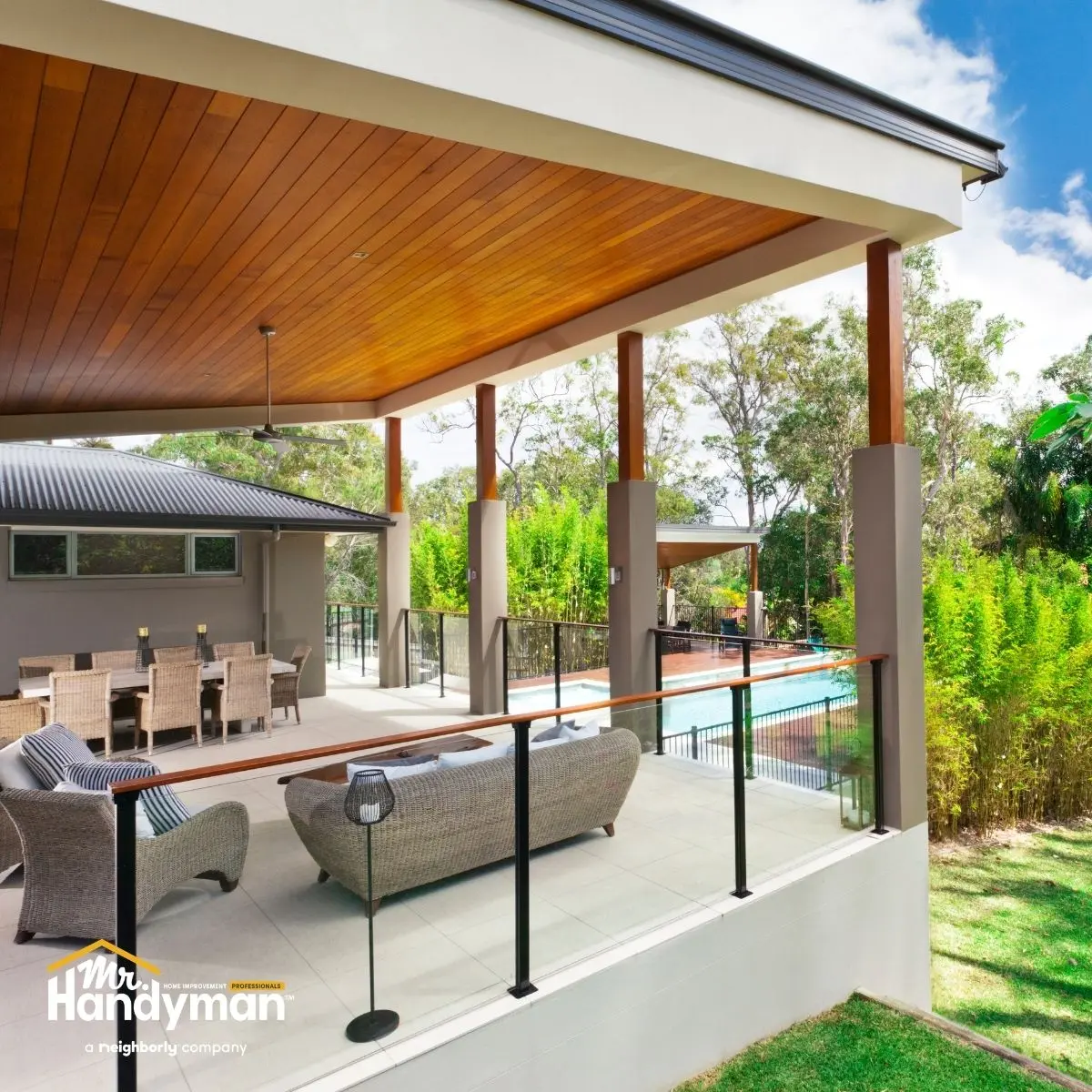
Spring in Oklahoma represents the narrow window between winter's unpredictability and summer's oppressive heat when outdoor construction work happens most efficiently. Temperatures settle into comfortable ranges—sixties and seventies during the day, cool but not freezing at night. Rain arrives regularly but doesn't dominate the weather pattern the way summer thunderstorms do. Materials perform optimally. Concrete cures properly. Paint adheres and dries correctly. Wood doesn't expand or contract with extreme temperature swings. Workers operate productively without battling heat exhaustion or weather delays that plague summer and fall projects.
For homeowners in Central Oklahoma City, South Oklahoma City, and Norman planning outdoor living improvements—decks, patios, pergolas, outdoor kitchens, fire pits, landscaping—spring timing isn't just convenient. It's strategic. Projects completed by early June are ready for immediate use during peak outdoor season. You're hosting gatherings on a new deck in July, not watching contractors frame it. You're enjoying evening fires in a finished fire pit area in August, not waiting for concrete to cure. Spring construction means summer enjoyment rather than summer disruption.
The alternative timeline tells a different story. Projects started in May or June extend into the hottest months when concrete work becomes challenging, when workers slow down in ninety-five-degree heat, and when summer storms create frequent delays. Work that would take three weeks in April stretches to five or six weeks in July. Projects begun in fall face weather uncertainty—early cold snaps, unexpected freezes, shortened daylight limiting work hours. Winter construction of outdoor spaces is essentially impossible in Oklahoma given freeze-thaw cycles that prevent proper concrete curing and make working conditions miserable.
Beyond weather and timing advantages, spring brings motivated contractors with availability before their summer schedules fill completely. By June, quality contractors are booked weeks out. In March and April, they're scheduling work and eager to fill their calendars. You get better availability, more flexibility on project timing, and often more attention to your project because contractors aren't juggling multiple simultaneous jobs the way they do during peak season.
Weather Conditions That Support Quality Construction
Spring weather in Oklahoma, while variable, provides the conditions outdoor construction requires. Concrete work—foundations for pergolas, patio slabs, fire pit surrounds—needs temperatures above forty degrees Fahrenheit during curing. Too cold and concrete doesn't cure properly, resulting in weak, cracked surfaces. Too hot and it cures too quickly, also causing cracking and reduced strength. Spring temperatures fall in the ideal range consistently enough to schedule concrete pours with confidence.
Rain matters differently in spring versus summer. Spring rain tends toward steady, moderate precipitation rather than the intense downpours and severe storms common in summer. While rain delays outdoor work temporarily, spring precipitation rarely washes out freshly poured concrete or floods work sites the way summer storms can. Contractors can work around spring rain more easily, covering materials and pausing briefly rather than losing entire days to weather.
Wood decking and framing installed in spring temperatures has time to acclimate and stabilize before summer heat causes expansion. Wood installed during peak summer heat is already at maximum expansion. When temperatures cool in fall, it contracts, potentially creating gaps or structural issues. Spring installation allows wood to expand into summer naturally without creating problems.
Paint and stain applications require specific temperature and humidity ranges for proper adhesion and curing. Too cold and products don't flow or bond correctly. Too hot and they dry too quickly, creating lap marks and uneven coverage. Spring temperatures provide the ideal environment for finishing work on pergolas, fences, arbors, and deck railings. Finishes applied in optimal conditions last longer and look better than those applied under temperature stress.
Ground conditions in spring allow heavy equipment access without creating the ruts and soil compaction that occur when working on saturated ground. By late spring, soil has dried from winter and early spring moisture but hasn't baked hard the way it does by mid-summer. Excavation for patio bases, post holes for pergolas, and grading for drainage all happen more efficiently in spring soil conditions.
Material Performance and Availability
Building materials perform differently across seasons, and spring offers advantages that impact both construction quality and project timelines. Lumber moisture content stabilizes in spring. Wood that's too wet—common when stored during humid summer months—warps and shrinks as it dries after installation. Wood that's too dry absorbs moisture and swells. Spring lumber sits in the middle range where it installs cleanly and remains stable through seasonal changes.
Concrete and masonry materials cure optimally in moderate temperatures. When contractors pour patio slabs, set pavers, or install stone veneer, spring conditions allow proper hydration and curing without the extreme heat that causes surface cracking or the cold that prevents adequate strength development. Properly cured concrete lasts decades. Rushed curing in poor conditions creates maintenance problems within years.
Composite decking, popular for its low maintenance and durability, expands and contracts with temperature changes more than traditional wood. Installing composite materials during moderate spring temperatures means they're positioned mid-range in their expansion-contraction cycle. Fasteners and spacing accommodate seasonal movement without creating buckling in summer heat or excessive gaps during winter cold.
Material availability improves in spring before summer demand peaks. By June and July, lumber yards and hardscape suppliers struggle to keep popular materials in stock. Specific paver colors, particular deck board profiles, or specialty stone veneers go on backorder when everyone orders simultaneously. Spring ordering typically faces fewer delays, allowing projects to proceed on schedule rather than waiting weeks for material delivery.
Paint, stain, and sealer inventory is fresh in spring. These products have shelf life considerations. Material sitting in warehouses through hot summers can separate or degrade. Spring stock is typically newer, performing better when applied. It's a minor consideration but contributes to overall project quality.
Preparing Yards After Winter Before Major Projects
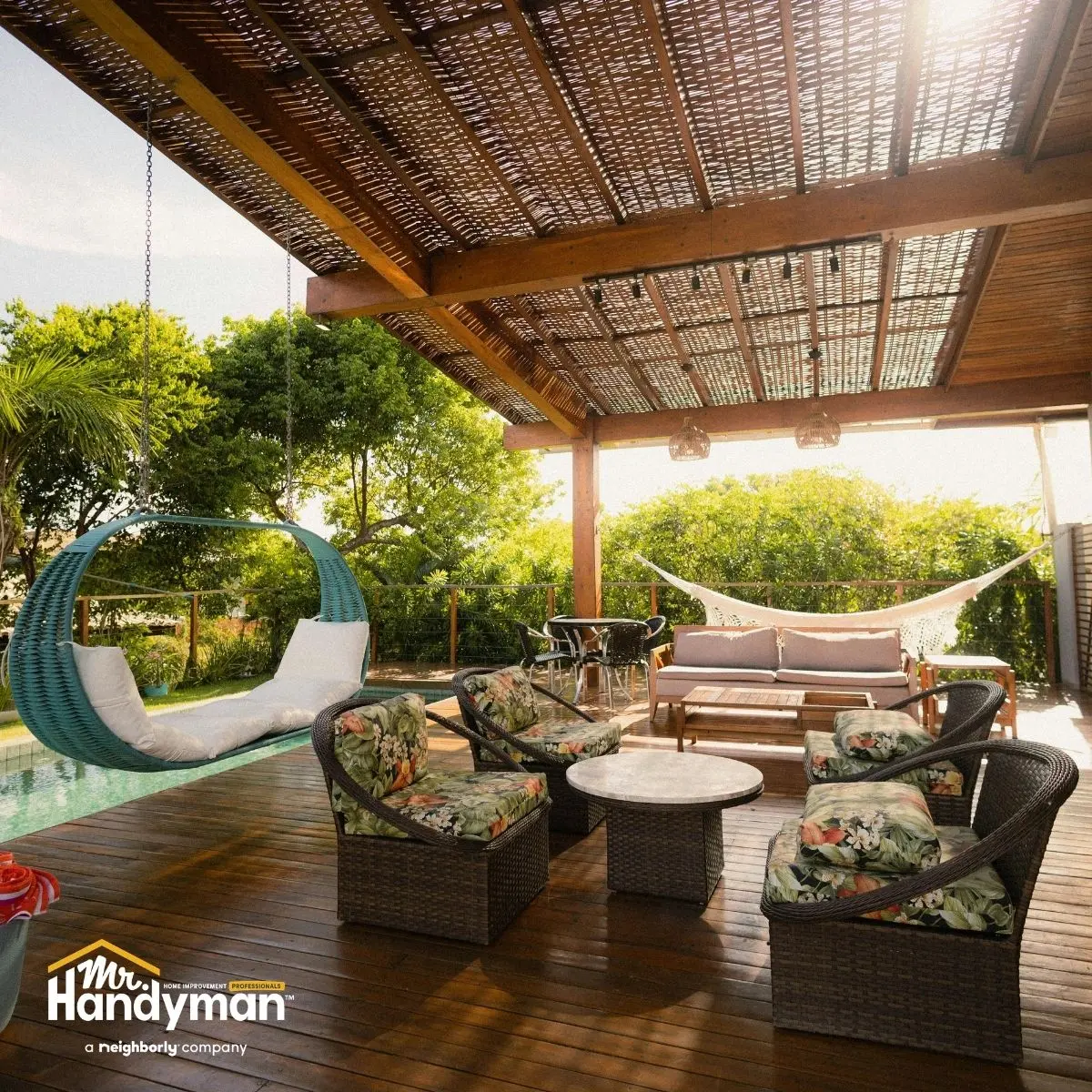
Spring outdoor projects benefit from addressing winter damage before construction begins. Oklahoma winters—while milder than northern states—still stress landscapes through freeze-thaw cycles, occasional snow and ice, and periods of dormancy that leave grass and plants looking rough by March. Cleaning up and repairing winter damage before building creates better working conditions and prevents construction from compounding existing problems.
Walk your yard and identify damaged areas. Dead branches need removal before they fall on new structures. Bare spots in lawns should be reseeded so grass establishes before summer heat arrives. Drainage problems revealed by spring rains—standing water, erosion channels, soil washout—need correction before building patios or decks that could be affected by poor drainage.
Tree and shrub trimming should happen before construction to prevent workers from damaging plants or having to work around overgrown landscaping. Clear vegetation from work areas so contractors have adequate access and space for materials. This also reveals any hidden issues—tree roots that might interfere with post holes, underground utilities that need flagging, slopes or grade problems that affect design.
Test soil drainage if your project includes hardscaping. Pour several gallons of water on the proposed patio or deck location and observe how quickly it drains. Standing water indicates poor drainage that needs addressing through grading, French drains, or other solutions before building. Construction over poorly draining soil creates ongoing problems with standing water, settling, and structural issues.
Spring is also when you can assess sun and shade patterns accurately. Deciduous trees are leafing out, showing you exactly where shade will fall during summer months. This matters for positioning outdoor kitchens, seating areas, or fire pits. A location that seems perfect in March when trees are bare might be uncomfortably hot or poorly lit once summer foliage blocks sun.
Popular Outdoor Living Projects Suited for Spring Construction
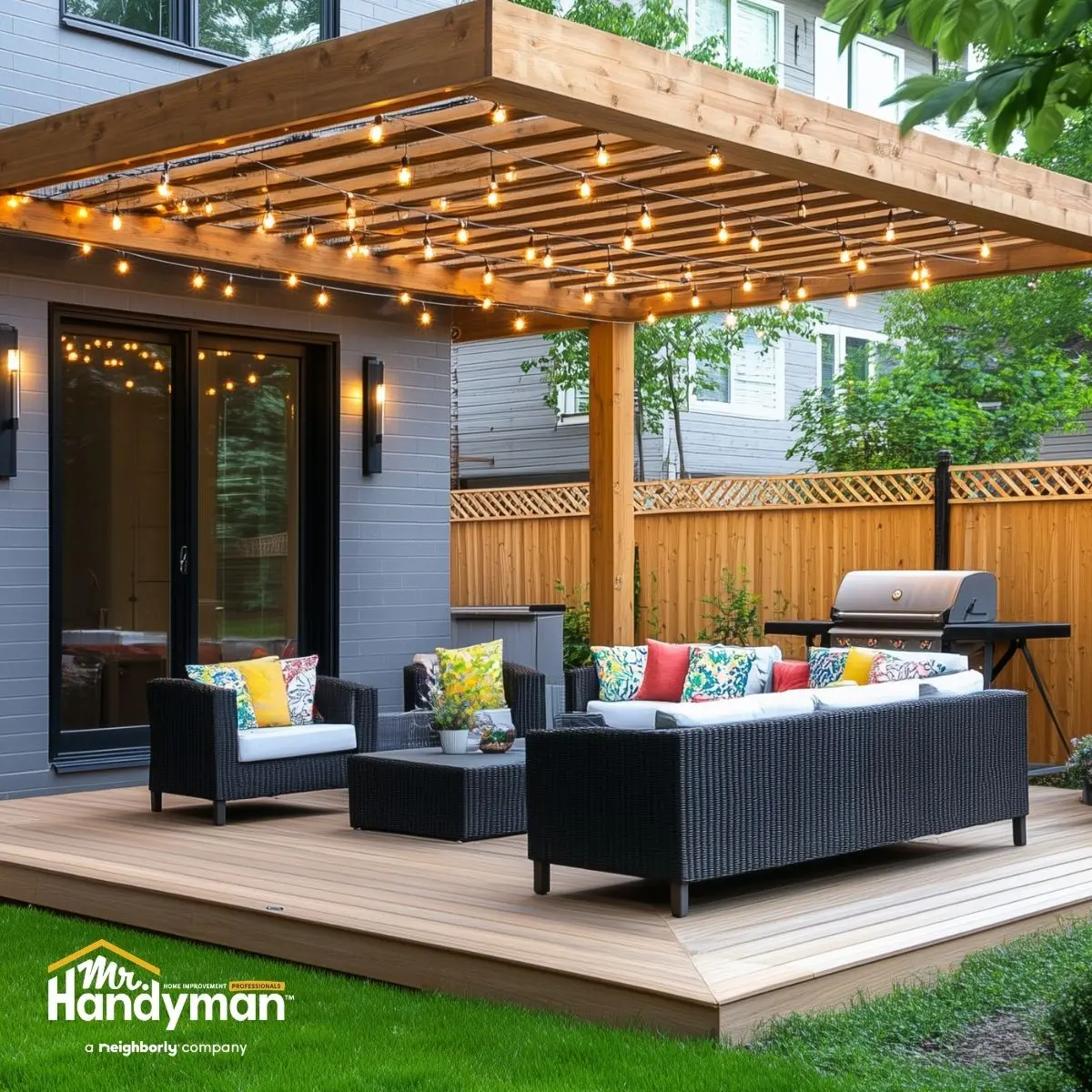
Certain outdoor improvements align particularly well with spring construction timelines and weather conditions. Understanding which projects work best when helps you prioritize work and maximize the spring building window.
Deck construction benefits enormously from spring timing. Framing work happens efficiently in moderate temperatures. Workers aren't battling heat exhaustion while carrying lumber and operating tools. Wood has time to acclimate before summer humidity affects it. Most importantly, a deck completed by late May is ready for Memorial Day gatherings and full summer use. Waiting until June to start means the deck isn't finished until August, missing half the outdoor season.
Patio installation—whether concrete, pavers, or natural stone—requires spring conditions for optimal results. Concrete needs proper curing temperatures. Paver bases must be compacted correctly, which is difficult in summer heat when workers rush to finish before temperatures become unbearable. Stone setting requires time and precision that's hard to maintain when temperatures exceed ninety degrees. Spring allows meticulous installation that creates patios lasting decades.
Pergola and arbor construction combines lumber work with concrete footings, making spring ideal for both components. Posts set in concrete cure properly in moderate temperatures. Lumber cuts and assembles cleanly. Finishing work—staining or painting—happens in optimal conditions. By summer, vines or climbing plants have time to establish on new structures.
Outdoor kitchen projects involve multiple trades—concrete for countertop bases, gas lines for grills, electrical for lighting and refrigerators, masonry for stone or brick veneer. Coordinating these trades happens more smoothly in spring when contractors aren't overbooked. The work progresses steadily without the delays common during peak summer when everyone competes for the same subcontractors.
Fire pit installations range from simple to elaborate but all benefit from spring construction. Whether you're building a permanent stone structure or installing a prefabricated unit, the surrounding area needs preparation—gravel bases, retaining walls, seating areas. This work happens efficiently in spring weather and creates gathering spaces ready for cool spring evenings and extending into fall.
Fencing projects face fewer complications in spring. Post holes dig more easily in moderate soil conditions. Concrete for posts cures properly. Workers maintain productivity without heat stress. Wood fencing has time to settle before extreme weather arrives. Gates hang and adjust correctly when installed at moderate temperatures rather than during heat that expands materials.
Planning Your Project Timeline
Successful spring outdoor projects require realistic timeline planning that accounts for design, material ordering, contractor scheduling, and actual construction duration. Rushing any phase compromises results or creates stress that diminishes enjoyment of the finished project.
Start planning in late winter—February if possible. Research design options, gather inspiration from online resources or magazines, and develop clear ideas about what you want. Vague concepts like "a nice patio" don't provide enough direction for contractors to bid accurately or for you to make informed decisions. Specific plans—size, materials, features, location—allow for accurate estimates and realistic timelines.
Get multiple contractor estimates by early March. Interview at least three contractors, verify licensing and insurance, check references, and review portfolios of completed work. Choose based on overall value—quality, timeline, communication, and price—not price alone. The cheapest bid often reflects cut corners or unrealistic timelines.
Material selection and ordering should happen by mid-March for April construction starts. Some materials require lead times—custom stonework, specific composite decking colors, specialty pavers. Order early ensures materials arrive when contractors need them rather than creating delays that push work into less favorable weather.
Schedule construction for April or early May completion. This timeline allows full summer enjoyment of finished spaces while avoiding the heat, storms, and contractor scheduling difficulties of June and July. Projects started in April typically complete by late May or early June depending on scope.
Build buffer time into schedules for weather delays and unexpected issues. Even spring weather occasionally doesn't cooperate. Rain delays concrete pours. Cold snaps postpone finish work. Digging reveals unexpected underground utilities requiring rerouting. A project estimated at three weeks should have four weeks scheduled to accommodate these inevitable disruptions.
Budgeting for Outdoor Living Improvements
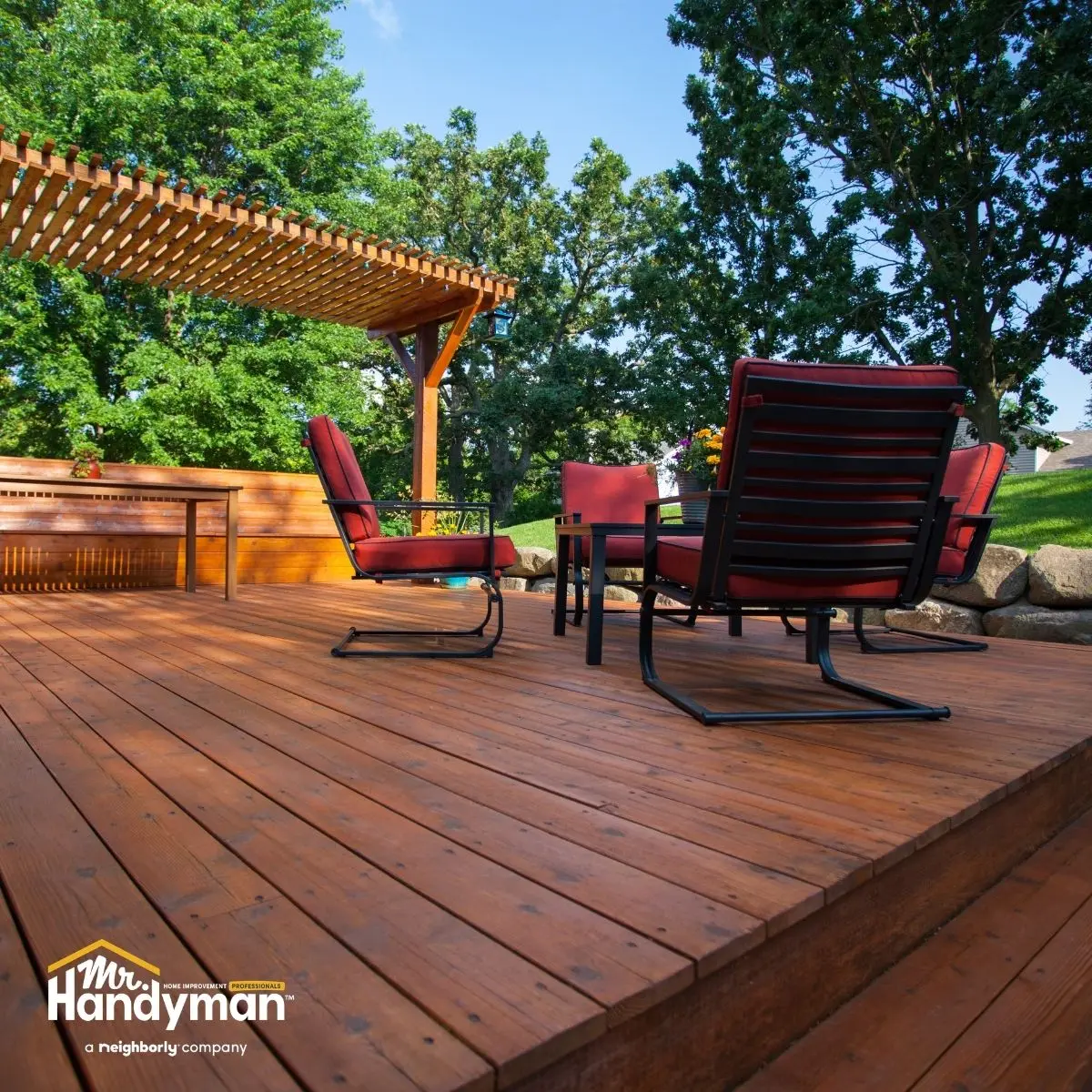
Outdoor projects vary dramatically in cost depending on size, materials, and complexity. Setting realistic budgets prevents financial stress and allows you to make informed decisions about scope and materials.
Basic deck projects—twelve by sixteen feet with standard pressure-treated lumber and simple railings—start around five to seven thousand dollars. Larger decks, composite materials, built-in seating, or multiple levels increase costs proportionally. High-end composite decking with custom railings and integrated lighting can reach fifteen to twenty thousand for substantial decks.
Patio costs depend heavily on material selection. Basic concrete slabs run three to six dollars per square foot. Stamped or colored concrete increases to eight to twelve dollars. Pavers range from ten to twenty dollars per square foot depending on stone type and pattern complexity. Natural stone patios can exceed twenty-five dollars per square foot for premium materials and intricate designs.
Pergolas range from simple kits for a few thousand dollars to custom structures costing ten to fifteen thousand. Size, lumber quality, complexity of design, and whether you include electrical for lighting or fans all affect final cost.
Outdoor kitchens represent significant investment—basic setups with grill and small counter start around eight thousand dollars, while elaborate kitchens with multiple appliances, extensive countertops, and custom cabinetry reach thirty thousand or more.
Fire pits vary wildly. Simple gravel areas with prefabricated metal rings cost a few hundred dollars DIY. Built-in stone fire pits with seating walls and gas lines run three to eight thousand dollars professionally installed.
Include contingency in outdoor project budgets. Underground utility conflicts, unexpected grade issues, or material price increases happen. Budget an additional fifteen percent beyond estimates to handle surprises without financial panic.
Frequently Asked Questions About Spring Outdoor Projects
How early in spring can outdoor construction begin?
Once nighttime temperatures consistently stay above freezing and ground isn't saturated. In Oklahoma, mid-March typically offers reliable conditions. Earlier if winter was mild, later if spring arrives slowly.
Can projects pause if weather turns bad?
Yes, and reputable contractors build weather delays into timelines. Spring storms rarely last more than a day or two, so pauses are brief. Summer storms can delay projects for days at a time.
Should I landscape before or after construction?
After major construction finishes. Heavy equipment and material staging damage lawns and plantings. Complete hardscaping first, then add or repair landscaping around finished structures.
Do I need permits for outdoor living projects?
Almost always for structures—decks, pergolas, outdoor kitchens. Requirements vary by municipality. Contractors typically handle permitting, but verify this is included in contracts.
How long do spring-built outdoor projects last?
Properly constructed and maintained outdoor structures last decades. Decks need periodic sealing or staining. Patios require occasional cleaning and joint sand replenishment. But fundamental construction quality determines longevity, and spring conditions support quality installation.
Making the Most of Spring Construction Season
Spring's limited duration makes decisive action important. The window between ground thaw and summer heat is only eight to ten weeks. Homeowners who spend those weeks planning miss the opportunity to build. Those who planned during winter and execute in spring enjoy finished outdoor spaces for the entire summer season.
Don't let indecision delay projects into less favorable construction periods. Make material selections, choose contractors, and commit to timelines while spring weather supports efficient work. Projects postponed to "later in the season" often don't happen at all as summer heat, contractor unavailability, and competing priorities push work to fall or the following year.
The investment in outdoor living spaces pays returns in daily quality of life and home value. Families actually use well-designed outdoor areas for meals, relaxation, and entertaining. These aren't luxury additions—they're functional extensions of living space that improve how you experience your home and property.
Mr. Handyman of Central Oklahoma City and Mr. Handyman of S. Oklahoma City and Norman provide comprehensive outdoor living construction services from deck and patio installation to pergolas, outdoor kitchens, and hardscaping. Experienced professionals ensure quality construction completed on schedule during optimal spring building conditions.
Start your outdoor living project this spring and enjoy the results all summer long. Contact Mr. Handyman of Central Oklahoma City. Homeowners in South Oklahoma City and Norman can reach Mr. Handyman of S. Oklahoma City and Norman. Transform your outdoor spaces during the perfect season for construction.
