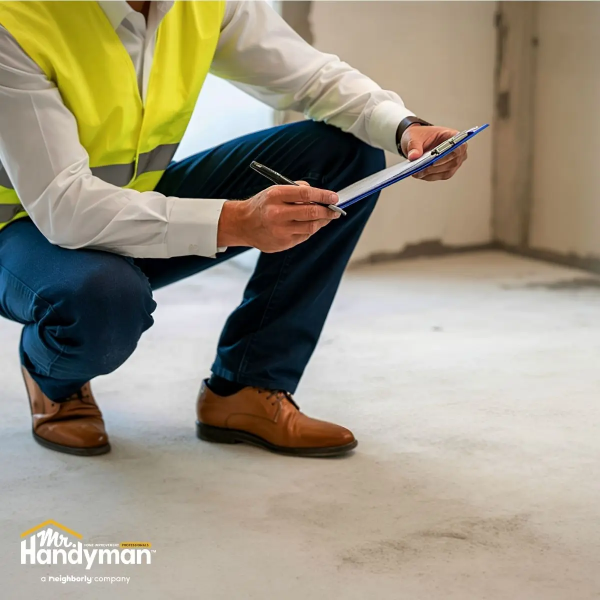
Property management success hinges on preventing problems rather than reacting to them. Tenants don't call to compliment well-maintained properties—they call when systems fail, when leaks appear, when safety concerns arise. By the time issues become tenant complaints, they've already progressed from minor maintenance needs into expensive repairs that disrupt operations, damage property, and strain landlord-tenant relationships. Spring inspections represent the systematic approach that separates reactive property managers constantly fighting fires from proactive ones who identify and address issues before tenants ever notice them.
In Central Oklahoma City, South Oklahoma City, and Norman, rental properties face specific seasonal challenges. Winter's freeze-thaw cycles stress plumbing, roofing, and foundations. Spring storms test drainage systems and reveal roof vulnerabilities. Summer heat will soon demand properly functioning air conditioning and adequate insulation. Properties entering summer without spring inspections face peak-season failures when repair costs spike, contractor availability drops, and tenant satisfaction plummets. A failed air conditioner in April is an inconvenience. A failed air conditioner in July during a heat wave is an emergency requiring immediate response, premium pricing, and potentially temporary relocation expenses.
Spring inspections serve multiple strategic purposes beyond simple maintenance. They document property condition, creating records that protect against false damage claims when tenants move out. They identify deferred maintenance that, if left unaddressed, could violate habitability requirements or create liability exposure. They provide opportunities to build positive tenant relationships by demonstrating attentiveness to property conditions. They allow systematic budgeting for necessary repairs rather than scrambling to fund emergency work. Most importantly, they catch small problems—a slow toilet leak, a missing shingle, a clogged gutter—before they become catastrophic failures requiring five-figure repairs.
The cost-benefit equation for spring inspections overwhelmingly favors conducting them. An inspection taking two hours and identifying $500 in preventive repairs prevents $5,000 in emergency restoration work when that slow leak becomes a collapsed ceiling. Scheduling HVAC service for $150 in April prevents a $3,000 compressor replacement in July plus tenant hotel costs during repairs. Resealing a small roof penetration for $100 prevents water damage requiring $2,000 in drywall replacement. Property managers who view inspections as optional are essentially gambling that nothing will fail—a bet that consistently loses over time.
Establishing Systematic Inspection Protocols
Effective property inspections require structure and consistency. Walking properties without defined checklists leads to missed issues and inconsistent documentation. Establish standardized inspection forms covering every critical system and area. This ensures nothing gets overlooked and creates comparable records tracking property condition over time.
Divide inspections into exterior and interior components. Exterior inspections assess roofing, siding, windows, doors, foundations, drainage, landscaping, parking areas, and outdoor amenities. Interior inspections cover HVAC systems, plumbing fixtures, electrical systems, appliances, flooring, walls, ceilings, and safety devices. Both require systematic attention—skipping sections because they "looked fine last time" misses developing problems.
Schedule inspections consistently each spring—ideally late March or early April after winter but before peak summer demand for contractors. Consistent timing allows year-over-year comparisons revealing deterioration patterns. A roof showing minor granule loss one year and significant bare spots the next signals replacement needs. Gutters requiring minor cleaning annually but suddenly showing heavy debris accumulation indicate tree overgrowth needing attention.
Photograph everything during inspections. Photos document conditions objectively, supporting maintenance decisions and providing evidence if disputes arise about property damage or needed repairs. Date-stamped photos track deterioration over time and demonstrate diligent property management to owners and insurance companies. Modern smartphones make comprehensive photo documentation trivially easy—there's no excuse for not maintaining visual records.
Document findings immediately in writing. Don't rely on memory to recall specific issues observed during inspections. Note locations precisely—"master bathroom toilet" rather than just "toilet." Describe problems specifically—"1/4-inch crack in foundation wall southeast corner" rather than "foundation crack." Detailed documentation supports accurate repair quotes and helps contractors understand exactly what needs addressing.
Critical Systems Requiring Spring Attention
Certain property systems demand particular focus during spring inspections because their failure creates the most significant tenant disruption and expense.
HVAC systems top the priority list. Schedule professional service for every rental unit before cooling season begins. Technicians should inspect compressors, condensers, evaporator coils, refrigerant levels, electrical connections, and controls. They should clean coils, change filters, and test system operation under load. Systems serviced in spring operate efficiently all summer and rarely fail during heat waves. Systems that don't receive service fail at the worst possible times—during ninety-five-degree days when tenants are miserable and repair services are overbooked.
Roofing inspections prevent water intrusion that damages ceilings, walls, insulation, and tenant belongings. Spring storms in Oklahoma bring heavy rain that exploits any roof weakness. Missing shingles, damaged flashing around chimneys or vents, and deteriorated valleys all allow water entry. Catching these issues before summer storms prevents emergency repairs and tenant displacement during restoration work.
Plumbing systems require thorough testing. Run water at every fixture checking for leaks, adequate pressure, proper drainage, and hot water delivery. Inspect under sinks for moisture or signs of previous leaks. Test toilets for running or phantom flushing that wastes water. Check water heater condition, temperature settings, and signs of corrosion or leaking. Small plumbing issues ignored become major problems—a slow toilet leak can rot subfloors requiring thousand-dollar repairs, while a $10 flapper replacement would have solved it.
Electrical systems need safety verification. Test GFCI outlets in bathrooms, kitchens, and exterior locations. Verify smoke detectors and carbon monoxide detectors function properly with fresh batteries. Check that circuit breakers aren't overloaded and that wiring shows no signs of damage or amateur modifications. Electrical issues create fire risks and liability exposure requiring immediate attention.
Exterior drainage directly affects foundation integrity. Oklahoma's clay soil creates foundation problems when drainage directs water against rather than away from buildings. Verify gutters and downspouts flow freely and extend water at least ten feet from foundations. Check grading around properties ensuring soil slopes away from structures. Confirm window wells drain properly and aren't accumulating water against foundations.
Tenant Communication and Access Procedures
Conducting inspections while respecting tenant rights and maintaining positive relationships requires clear communication and proper procedures.
Provide written notice meeting legal requirements for your jurisdiction—typically twenty-four to forty-eight hours before entry. Explain the inspection purpose, expected duration, and benefits to tenants. Frame inspections positively as preventive maintenance protecting their comfort rather than intrusive oversight. Most tenants appreciate proactive management preventing problems from disrupting their lives.
Offer flexible scheduling accommodating tenant preferences when possible. Some tenants prefer being present during inspections, others would rather be away. Providing options demonstrates respect for their space and schedules. For occupied units, confirm appointments the day before to avoid arriving when tenants have forgotten or aren't available.
Conduct inspections professionally and efficiently. Arrive on time, identify yourself clearly, and complete work systematically without unnecessarily disrupting tenant activities. Respect tenant belongings and privacy—you're inspecting property systems, not judging housekeeping or lifestyle choices. Take photos of property conditions, not personal items.
Document findings and communicate them promptly. If inspection reveals issues requiring repair, inform tenants about what was found, what will be done, and when work is scheduled. This prevents surprise maintenance visits and demonstrates responsive management. For non-urgent issues that will be addressed during slower periods, explain the timeline so tenants know problems aren't being ignored.
Documenting Conditions for Legal Protection
Thorough inspection documentation protects property managers and owners from disputes, false claims, and liability issues that arise throughout tenancy and at move-out.
Create detailed move-in inspection reports with photos documenting property condition when tenants take possession. These baseline records establish what damage existed before the tenant arrived versus what occurred during occupancy. Without this documentation, proving tenant responsibility for damage becomes nearly impossible. Courts and arbitrators consistently favor tenants when property managers can't document pre-existing conditions.
Annual spring inspections supplement move-in documentation by tracking property condition throughout tenancy. They create dated records showing maintenance was performed, issues were addressed timely, and property deterioration followed normal wear patterns rather than neglect or abuse. This ongoing documentation demonstrates diligent property management and supports claims against security deposits when appropriate.
Note maintenance requests alongside inspection findings. If a tenant reported a leak six months ago and spring inspection reveals water damage, your records should show the leak was repaired promptly and the damage occurred before repair or didn't exist when you addressed the issue. Without documentation, tenants can claim maintenance neglect caused damage you're now trying to charge them for.
Photograph everything systematically—flooring in every room, walls from multiple angles, appliance conditions, fixture states, window and door operations, outdoor areas. These photos prevent "he said, she said" disputes at move-out. When tenants claim damage existed when they moved in, timestamped photos from move-in and annual inspections prove otherwise. The few extra minutes taking comprehensive photos saves thousands in disputed damage claims.
Store documentation securely and maintain it throughout tenancy and for reasonable periods after—typically three to seven years depending on local statute of limitations for various claims. Digital storage with cloud backup prevents loss from computer failures or office disasters. Organized filing systems allow quick retrieval when disputes arise or documentation is needed for insurance claims or legal proceedings.
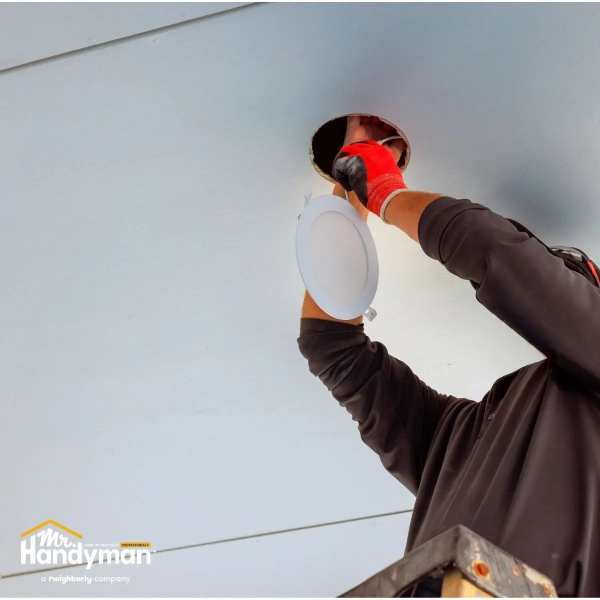
Identifying Habitability Issues Before They Become Legal Problems
Property managers have legal obligations to maintain habitable conditions. Spring inspections identify issues that, if left unaddressed, could violate implied warranty of habitability or create liability exposure.
Verify adequate heating and cooling systems. Non-functional HVAC during temperature extremes violates habitability requirements in most jurisdictions. Spring inspection and service ensures systems work before summer heat makes failures emergencies requiring immediate response at premium costs. Document service and testing proving systems operated properly at inspection time.
Check for water intrusion, mold, or excessive moisture. These issues affect habitability and create health concerns. Musty odors, visible mold, water staining, or dampness require investigation and remediation. Document findings and actions taken. Ignoring moisture problems exposes property managers to liability for health issues tenants develop and damage to tenant belongings.
Test all safety devices—smoke detectors, carbon monoxide detectors, fire extinguishers where required. These protect tenant safety and property manager liability. Non-functional safety devices discovered after fires or carbon monoxide incidents create severe liability exposure. Testing during spring inspections and replacing batteries or defective units demonstrates reasonable care.
Inspect for trip hazards, structural issues, or conditions creating injury risks. Loose handrails, uneven flooring, cracked walkways, or damaged stairs need immediate repair. Document these hazards and repair them promptly. If repairs can't happen immediately, provide interim warnings to tenants until permanent fixes are completed. Failing to address known hazards that later cause injuries creates liability for resulting medical costs and damages.
Verify adequate weatherization and energy efficiency. While not habitability requirements in most jurisdictions, excessive utility costs from poor insulation or inefficient systems affect tenant satisfaction and retention. Identify improvements that reduce tenant expenses and increase property competitiveness in the rental market.
Planning Capital Improvements and Replacement Schedules
Spring inspections inform long-term capital planning by tracking system ages, performance, and expected replacement timing.
Document ages of major systems—HVAC units, water heaters, roofing, appliances. Systems have predictable lifespans. HVAC equipment lasts fifteen to twenty years. Water heaters need replacement every eight to twelve years. Roofs last fifteen to thirty years depending on material. Knowing system ages allows planning replacements before failures disrupt tenants.
Track repair frequencies revealing systems approaching end-of-life. An HVAC unit requiring multiple repairs annually is signaling imminent failure. Continuing to repair rather than replacing wastes money and frustrates tenants dealing with repeated service calls. Spring inspection revealing frequent recent repairs indicates replacement should be budgeted soon.
Identify deferred maintenance accumulating into major expense. Minor issues ignored year after year become significant problems. Small roof damage not repaired leads to water intrusion requiring costly interior restoration. Exterior paint failure leads to siding rot requiring replacement. Spring inspections catch deferred maintenance before it compounds into capital-level expenses.
Prioritize improvements based on urgency, cost, and impact. Safety issues get immediate attention regardless of cost. Systems affecting tenant comfort—HVAC, plumbing, appliances—rank high because failures generate complaints and potential vacancy. Cosmetic issues affecting marketability but not function can be scheduled during lower-priority periods or between tenancies.
Budget systematically for capital needs based on inspection findings and system ages. Create reserve accounts accumulating funds for known future replacements rather than scrambling when systems fail. Property owners appreciate property managers who plan proactively, preventing surprise capital calls for emergency replacements that could have been anticipated and budgeted.
Competitive Advantage Through Proactive Management
Properties managed proactively with systematic spring inspections command advantages over those managed reactively.
Tenant retention improves when properties are well-maintained. Tenants appreciate management that addresses issues before they become problems. They're more likely to renew leases, reducing vacancy costs and turnover expenses. Long-term tenants also tend to care for properties better because they view them as homes rather than temporary stops.
Lower vacancy rates result from properties showing well and having reputations for responsive management. Word spreads about property managers who maintain properties versus those who ignore problems. Online reviews increasingly influence rental decisions, and maintenance responsiveness features prominently in tenant reviews.
Reduced emergency repair costs occur when inspections catch problems early. A minor leak repaired for $100 prevents water damage costing thousands. HVAC service for $150 prevents compressor failure costing $3,000. Preventive maintenance costs a fraction of emergency repairs while avoiding tenant displacement during restoration work.
Better relationships with contractors develop when you provide steady, planned work rather than only calling during emergencies. Contractors prioritize property managers who schedule routine maintenance over those who only call in crisis. This translates to better pricing, faster response, and higher quality work.
Higher property values result from documented maintenance programs. Properties with maintenance records showing systematic inspections and timely repairs command premium prices when sold. Buyers value properties with known maintenance histories over those with uncertain conditions requiring assumption of deferred maintenance costs.
Frequently Asked Questions About Property Inspections
How often should rental properties be inspected?
Annually at minimum, with spring being ideal timing. High-turnover properties or those with history of tenant damage may warrant more frequent inspections. Document inspection frequency policies in leases so tenants understand expectations.
Can tenants refuse inspection entry?
Generally no, if proper notice was provided. Lease agreements typically grant landlords reasonable access for inspections with appropriate notice. Persistent refusal could constitute lease violation. However, work with tenants to accommodate reasonable scheduling concerns when possible.
What if inspections reveal tenant-caused damage?
Document it thoroughly with photos and descriptions. Notify tenants in writing about damage and responsibility for repairs or costs. Decide whether to repair during tenancy and bill tenants or deduct from security deposit at move-out depending on damage severity and lease terms.
Should inspections be conducted by property managers or hired inspectors?
Property managers can conduct routine inspections for properties they manage regularly. Complex issues—structural concerns, specialized systems—may warrant professional inspectors. Annual spring inspections are typically handled by property management staff with professionals engaged as specific issues arise.
How much time should be allocated for thorough inspections?
Plan one to two hours per unit for comprehensive inspections. Rushing through inspections defeats their purpose. Properties with extensive systems or known issues require more time. Building efficiency comes with practice and standardized procedures.
Implementing Spring Inspection Programs
Property managers overseeing multiple units need systematic approaches managing inspection schedules, findings, and follow-up repairs efficiently.
Create master schedules tracking when each property was last inspected and when next inspection is due. Spreadsheets or property management software prevent properties from slipping through cracks and missing annual inspections. Schedule inspections in manageable batches—three to five properties weekly rather than attempting all properties simultaneously.
Develop standardized inspection forms ensuring consistency across properties and inspectors if multiple staff conduct inspections. Forms should cover all critical systems with checkboxes for common issues and space for detailed notes about specific problems. Digital forms on tablets allow immediate photo attachment and eliminate transcription from paper forms.
Establish protocols for addressing findings based on urgency. Safety issues get immediate attention. System failures affecting habitability require rapid response. Routine maintenance can be scheduled efficiently batching similar work across multiple properties. Cosmetic issues wait for appropriate timing without affecting tenant comfort or property protection.
Track inspection findings and repairs in centralized databases. This historical record reveals recurring issues suggesting systemic problems versus random failures. Properties consistently requiring similar repairs may have underlying issues—drainage problems causing repeated moisture damage, for example—requiring more comprehensive solutions than continued patching.
Communicate findings to property owners promptly with recommendations and cost estimates for necessary work. Owners appreciate property managers who identify issues, propose solutions, and execute repairs efficiently rather than simply reporting problems without guidance. Proactive communication builds trust and demonstrates value of professional property management.
Mr. Handyman of Central Oklahoma City and Mr. Handyman of S. Oklahoma City and Norman provide comprehensive property maintenance and repair services supporting property managers throughout the region. From routine maintenance identified during spring inspections to emergency repairs and system replacements, experienced professionals help property managers maintain properties efficiently and cost-effectively.
Protect your rental properties and tenant satisfaction with systematic spring inspections. Contact Mr. Handyman of Central Oklahoma City or visit https://www.mrhandyman.com/central-oklahoma-city/. Property managers in South Oklahoma City and Norman can reach Mr. Handyman of S. Oklahoma City and Norman or visit https://www.mrhandyman.com/northern-montgomery-county/. Partner with professionals who understand property management needs and deliver reliable service maintaining your investment properties.