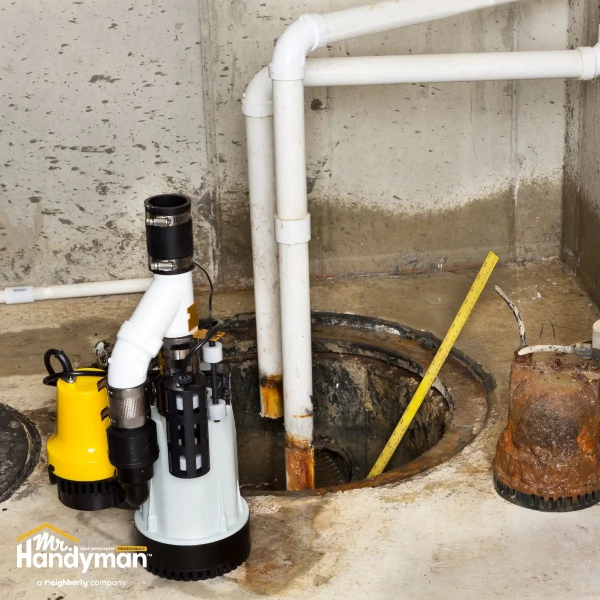
Spring in Oklahoma means rain. Heavy, unpredictable, sometimes relentless rain that tests every drainage system in your home. For homeowners with basements or crawl spaces, the sump pump is the last line of defense against flooding. When it works, water that accumulates in the sump pit gets pumped out and away from the foundation. When it fails, that water has nowhere to go except into your living space, onto your stored belongings, and into the structural materials that keep your home sound.
Sump pumps don't fail dramatically with warning bells and flashing lights. They fail quietly, often at the worst possible time—during a heavy storm when you need them most. A pump that sits unused for months can seize. A float switch that worked fine last spring can stick in the off position. A discharge line that froze over winter can clog with ice or debris, causing the pump to run continuously without moving water. By the time you discover the problem, water is already pooling in your basement.
In Central Oklahoma City, South Oklahoma City, and Norman, spring storms arrive with intensity. The clay soil that dominates the region doesn't absorb water quickly. When heavy rain falls, water saturates the ground around foundations and increases hydrostatic pressure against basement walls. If your sump pump isn't functioning correctly, that pressure forces water through cracks, through block walls, or up through floor drains. What starts as dampness becomes standing water, and standing water becomes expensive damage.
Testing your sump pump before spring rains isn't optional maintenance—it's essential protection. The equipment is simple, but its job is critical. A ten-minute inspection in March can prevent thousands of dollars in water damage, mold remediation, and lost belongings in April. You're not looking for perfection. You're looking for functionality. Does the pump turn on when it should? Does it move water efficiently? Does the discharge system direct water away from your home? These questions have straightforward answers if you check before you need the system to perform.
How Sump Pumps Fail During Dormant Periods
Sump pumps are designed to activate only when water reaches a certain level in the pit. During dry months—late fall and winter in Oklahoma—the pump can sit idle for weeks or months at a time. Mechanical components that don't move regularly can seize or corrode. The float switch, which triggers the pump to turn on, can stick in one position if it's not exercised periodically. Impellers inside the pump housing can collect sediment or debris that hardens and prevents proper rotation.
Electrical components also degrade during dormancy. The pump motor relies on capacitors and windings that can fail even when not in use, especially in damp basement environments where humidity and temperature fluctuations stress electrical systems. A pump that tested fine in October might have a failed motor by March, and you won't know until you test it or until the first major rain event reveals the problem.
Check valves in the discharge line prevent water from flowing backward into the sump pit after the pump shuts off. These valves can stick open or closed during periods of inactivity. A stuck-open check valve means water drains back into the pit every time the pump stops, forcing the pump to cycle repeatedly and wear out prematurely. A stuck-closed valve prevents water from leaving the system at all, causing the pump to run without pumping and eventually burn out.
Discharge lines are vulnerable to winter damage in Oklahoma. Even though winters here aren't as severe as in northern states, temperatures regularly drop below freezing for extended periods. Water remaining in discharge pipes can freeze, creating ice blockages that don't thaw until spring. When the pump tries to move water through a frozen or partially blocked line, it can't generate enough pressure to clear the obstruction. The pump runs, the motor heats up, and without adequate flow to cool it, the motor burns out.
Testing Your Sump Pump Step by Step
Testing a sump pump requires no special tools or expertise. Start by locating the sump pit—typically a round hole eighteen to twenty-four inches across in the lowest part of your basement or crawl space. The pump sits inside this pit, either resting on the bottom or suspended slightly above it. You should see the pump body, the float switch that rises and falls with water level, and the discharge pipe that carries water out of the pit.
Pour water into the pit slowly using a bucket or hose. Watch the float switch as the water level rises. The float should lift smoothly without catching on the pump body or pit walls. When it reaches the activation point, the pump should turn on immediately. Listen for the motor running and watch the water level drop as the pump removes water from the pit. The process should take less than a minute for a properly functioning pump to clear several gallons.
If the pump doesn't activate, check the power source. Make sure the unit is plugged in and the circuit breaker hasn't tripped. Some sump pumps have built-in reset buttons on the motor housing that need to be pressed after a power interruption. If power is confirmed and the pump still won't run, the float switch may be stuck, the motor may have failed, or there could be an internal mechanical problem requiring replacement.
Watch how the pump performs once it's running. It should operate smoothly without excessive vibration, grinding noises, or cycling on and off rapidly. Unusual sounds suggest the impeller is damaged or obstructed. Rapid cycling indicates the check valve isn't holding or the pump is undersized for the pit and inflow rate. Either issue reduces efficiency and shortens the pump's lifespan.
Follow the discharge line from the pump to where it exits your home. Make sure water flows freely through the pipe and out the end. If water backs up or the pump runs without discharging, the line is blocked. Remove any visible obstructions at the outlet. If the blockage is deeper in the line, the pipe may need to be cleared or replaced.
Check where the discharge line terminates in your yard. Water should exit away from the foundation—at least ten feet if possible—and flow downhill away from the house. If the discharge empties too close to the foundation or into a low area where water can seep back toward the house, you're undermining the entire purpose of the sump pump. Redirect the discharge to a more appropriate location before spring rains begin.
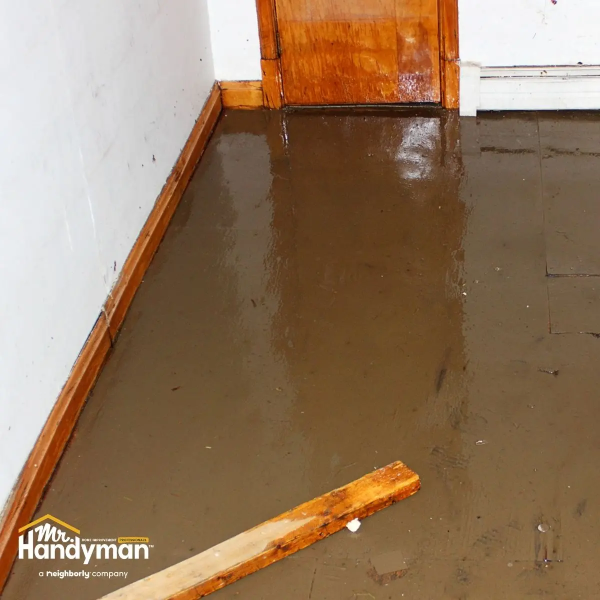
Recognizing Signs Your Sump Pump Needs Replacement
Age is a primary factor in sump pump reliability. Most pumps last seven to ten years with regular use. If your pump is approaching or exceeding that age, consider replacing it preemptively rather than waiting for failure. The cost of a new pump is a few hundred dollars. The cost of a flooded basement runs into thousands. Proactive replacement eliminates the risk of catastrophic failure during a storm.
Frequent cycling—the pump turning on and off every few minutes even during dry weather—indicates either a failing check valve or a pump that's too powerful for the pit size. Constant cycling wears out the motor quickly and wastes electricity. Replacing the check valve or adjusting the float switch might solve the problem, but if the pump is old, full replacement is often the better choice.
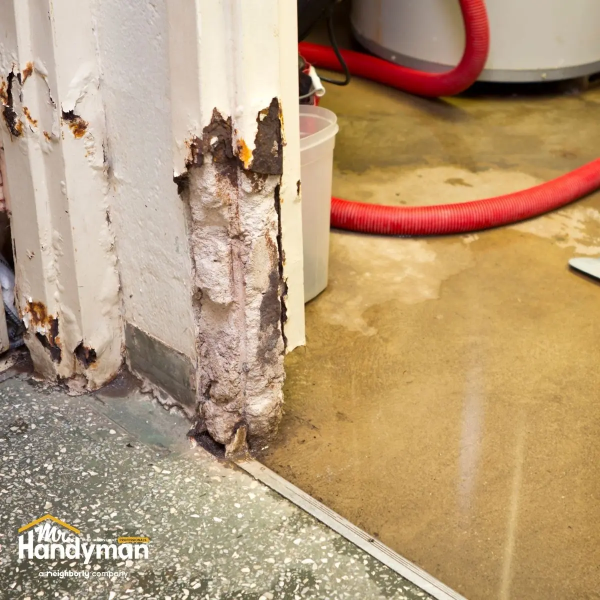
Visible rust or corrosion on the pump body, float, or discharge connections suggests the unit is deteriorating. Rust weakens metal components and can cause structural failures. Corroded electrical connections create fire risks. Once corrosion is visible, the pump is nearing the end of its functional life.
Excessive noise during operation—loud grinding, rattling, or screeching—means internal components are damaged. Bearings may have failed, the impeller may be striking the housing, or debris may be caught in the mechanism. These issues rarely resolve on their own and typically worsen until the pump stops working entirely.
If the pump runs continuously without lowering the water level in the pit, either the motor has lost power, the impeller is broken, or the discharge line is completely blocked. Continuous running without effective pumping will burn out the motor within hours. Shut off the pump immediately and investigate the cause.
Understanding Backup Systems and Power Failures
Sump pumps require electricity to operate. During severe storms—exactly when you need the pump most—power outages are common. A primary sump pump connected to household electricity is useless during an outage. Water continues accumulating in the pit, and without power, the pump can't remove it. This is where backup systems become critical.
Battery backup sump pumps activate automatically when the primary pump fails or loses power. They run on deep-cycle batteries that provide several hours of operation depending on how frequently the pump needs to cycle. These systems won't run indefinitely, but they bridge the gap during typical storm-related outages that last a few hours. Battery backups require periodic testing and battery replacement every few years to remain reliable.
Water-powered backup pumps use municipal water pressure to create suction that removes water from the sump pit. They don't require electricity or batteries, making them functional during any power outage as long as water service remains active. They're less powerful than electric pumps and use household water to operate, which increases your water bill, but they provide reliable backup protection without battery maintenance.
Combination systems with both a primary electric pump and a battery or water-powered backup offer the most comprehensive protection. The primary pump handles normal conditions efficiently. The backup activates only when needed, preserving its capacity for genuine emergencies. For homes in flood-prone areas or regions with frequent power interruptions, dual systems provide peace of mind that's worth the additional investment.
Test backup systems the same way you test primary pumps—by adding water to the pit and confirming activation. For battery backups, verify the battery charge indicator shows full capacity and replace batteries according to the manufacturer's schedule. For water-powered backups, ensure the water supply connection is secure and the discharge operates smoothly.
Seasonal Maintenance Beyond Spring Testing
Sump pump maintenance shouldn't happen only once a year. Quarterly checks throughout the year keep the system reliable and catch developing problems early. Pour water into the pit every three months to exercise the float switch and pump motor. This prevents mechanical components from seizing during periods of low rainfall and confirms the system remains operational.
Clean the sump pit annually by removing the pump and clearing debris, sediment, and any material that's accumulated at the bottom. Dirt, gravel, and organic matter can enter the pit through foundation drains and settle over time. This debris can clog the pump intake, interfere with float movement, or reduce pit capacity. A clean pit allows the pump to function efficiently and extends equipment life.
Inspect the discharge line for damage after winter and before fall. Freezing temperatures can crack PVC pipe, and ground settlement can crush or misalign sections of buried discharge lines. Walk the path of the discharge from your home to its termination point and look for soft spots, pooling water, or visible pipe damage. Repairing discharge lines before they fail completely prevents pump overwork and ensures water exits properly.
Check the vent hole on the discharge pipe near the pump. This small hole prevents airlock that can reduce pumping efficiency. Make sure it's not clogged with debris or mineral deposits. A blocked vent hole forces the pump to work harder and may cause irregular cycling or reduced flow.
Addressing Common Oklahoma-Specific Challenges
Oklahoma's clay soil creates unique sump pump demands. Clay doesn't absorb water efficiently, so rainfall saturates the ground quickly and stays saturated longer than in regions with sandy or loamy soil. This means sump pits fill faster during storms and may continue receiving water for hours or days after rain stops. Your pump needs adequate capacity to handle these extended run periods without overheating or failing.
Foundation drains in older Oklahoma homes may be undersized or deteriorated. Clay tile drains installed decades ago crack over time, reducing their effectiveness at directing groundwater to the sump pit. If your sump pump runs constantly during wet periods or if you notice water entering your basement even with a functioning pump, your drainage system may need evaluation and potential upgrade.
Hard water affects sump pumps just like other plumbing components. Mineral deposits can accumulate on the float switch, causing it to stick or operate unreliably. They can coat impeller blades and reduce pumping efficiency. During annual pit cleaning, inspect the float and pump housing for mineral buildup and clean with vinegar if necessary.
Spring storms in Oklahoma can be intense. Three or four inches of rain in a few hours isn't unusual. Make sure your sump pump's capacity matches this reality. Pumps are rated in gallons per hour. A typical residential sump pump removes thirty to fifty gallons per minute. If your pit fills faster than the pump can empty it, you need a more powerful unit or a secondary pump to handle peak flow.
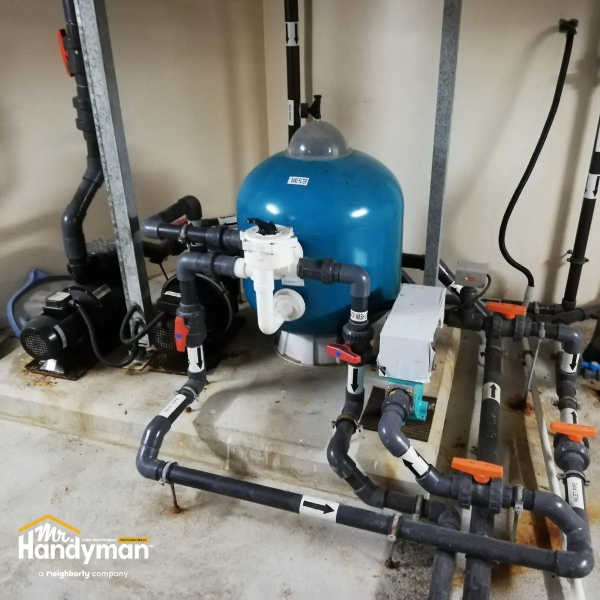
Knowing When to Call for Professional Help
Some sump pump issues are straightforward—a tripped breaker, a stuck float, or a clogged discharge outlet. Others require professional diagnosis and repair. If your pump doesn't activate during testing despite having power and no obvious obstructions, internal mechanical or electrical failure is likely. Motor repairs aren't cost-effective for most pumps. Replacement is typically the better option.
If your basement floods even with a functioning sump pump, the problem extends beyond the pump itself. Insufficient drainage around the foundation, failed waterproofing, or inadequate pit size all contribute to water intrusion that no pump can fully address. Professional assessment can identify whether foundation work, improved grading, or drainage system upgrades are necessary.
Installing a new sump pump or backup system requires proper pit preparation, electrical connections that meet code, and discharge routing that effectively moves water away from your home. Incorrect installation creates ongoing problems—pumps that short cycle, discharge lines that freeze, or electrical systems that pose safety hazards. Professional installation ensures equipment operates as designed and complies with local building requirements.
Frequently Asked Questions About Sump Pump Maintenance
How often should sump pumps be replaced?
Every seven to ten years regardless of apparent condition. Pumps operating beyond this timeframe have significantly higher failure rates. Replacing before failure prevents emergency situations during storms when professional help is hardest to obtain and most expensive.
Can I hear my sump pump running during storms?
You should hear it cycling on and off as the pit fills and empties. Continuous running without pauses suggests the pump can't keep up with inflow, the discharge is blocked, or the pump is failing. Investigate immediately.
What size sump pump do I need?
This depends on pit size, inflow rate, and vertical lift required. Most residential applications use one-third to one-half horsepower pumps. Homes with high water tables or large drainage areas may need more powerful units. Professional assessment ensures proper sizing.
Should the sump pit have a cover?
Yes. Covers reduce humidity in the basement, prevent debris from entering the pit, minimize odors from standing water, and provide safety by preventing accidental falls into the pit. They should allow easy access for maintenance and testing.
Is it normal for the sump pump to run when it's not raining?
Occasional running during dry periods can indicate high groundwater levels or slow drainage into the pit from previous rain. Constant running during extended dry spells suggests a plumbing leak, failed check valve, or other problem requiring investigation.
Protecting Your Home Before the Next Storm
Spring rains arrive whether you're ready or not. The difference between a dry basement and a flooded one often comes down to a single piece of equipment working correctly for a few critical hours. Testing your sump pump now, before you need it, gives you time to address problems, make repairs, or install upgrades without the pressure of an approaching storm.
Don't wait for weather forecasts predicting heavy rain to think about your sump pump. By then, it's too late to order parts, schedule service, or install backup systems. Address sump pump maintenance during calm, dry weather when you can work methodically and make informed decisions about repairs or replacement.
Mr. Handyman of Central Oklahoma City and Mr. Handyman of S. Oklahoma City and Norman provide sump pump testing, repair, and installation services for homeowners throughout the region. Whether you need a failing pump replaced, a backup system installed, or professional assessment of chronic basement moisture problems, experienced professionals ensure your home stays protected.
Schedule a sump pump inspection or replacement before spring storms arrive. Contact Mr. Handyman of Central Oklahoma City or visit https://www.mrhandyman.com/central-oklahoma-city/. Homeowners in South Oklahoma City and Norman can reach Mr. Handyman of S. Oklahoma City and Norman or visit https://www.mrhandyman.com/northern-montgomery-county/. Protect your basement and your peace of mind with reliable sump pump service you can trust.
