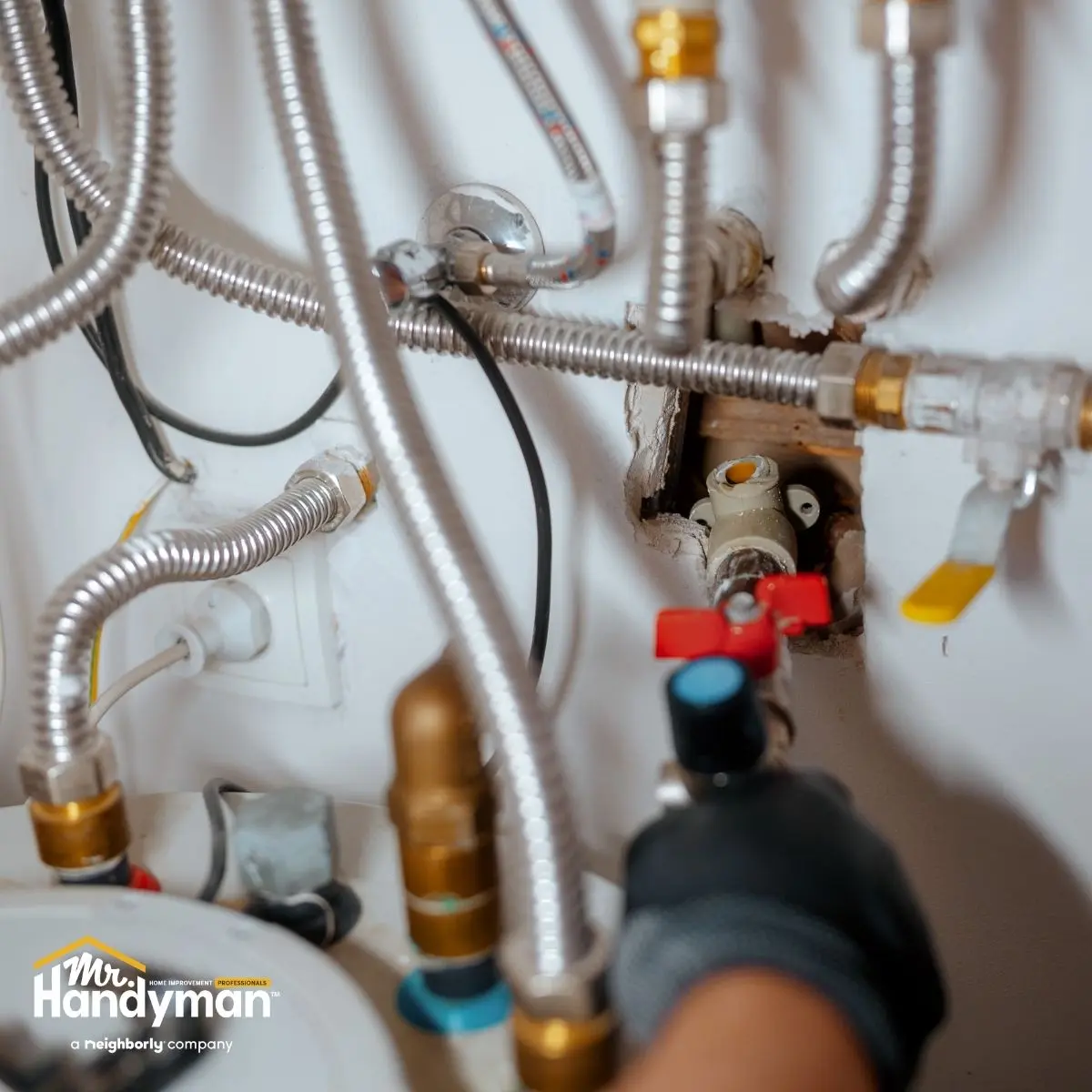
Summer in Oklahoma brings heat, humidity, and stress on every system in your home. Air conditioners run constantly. Water usage spikes for showers, laundry, and lawn irrigation. Plumbing systems that coasted through mild spring weather suddenly face daily demands they haven't experienced in months. Small problems that seemed manageable in April become urgent failures in July when temperatures hit ninety-five degrees and everyone in the household is using water simultaneously.
The time to address plumbing issues is before summer arrives, not during the season when you're already dealing with heat, increased utility bills, and the chaos of vacations and outdoor activities. A leaking outdoor faucet that drips occasionally in May becomes a geyser in June when you connect a sprinkler system. A water heater that's been marginal all spring fails completely in July when demand increases. A toilet that runs intermittently wastes water year-round, but the cost becomes painfully obvious when summer water bills arrive showing usage spikes you didn't anticipate.
In Central Oklahoma City, South Oklahoma City, and Norman, homes deal with specific challenges tied to age, soil conditions, and weather extremes. Many houses were built decades ago with plumbing that's approaching or exceeding its designed lifespan. Galvanized pipes corrode internally. Sewer lines crack from soil movement. Water heaters operate past their effective years. These aren't catastrophic failures waiting to happen—they're gradual deteriorations that finally break under the increased load of summer use.
Proactive plumbing repairs in late spring prevent emergencies during peak season. The work isn't glamorous. Fixing a dripping faucet or replacing a toilet flapper doesn't transform your home visibly. But these repairs protect your budget, prevent water waste, and ensure that when you need reliable plumbing most, your systems perform without interruption. Summer should be about enjoying your home and yard, not dealing with plumbing crises that could have been prevented with an hour of attention in May.
Repairing Outdoor Faucets and Hose Connections
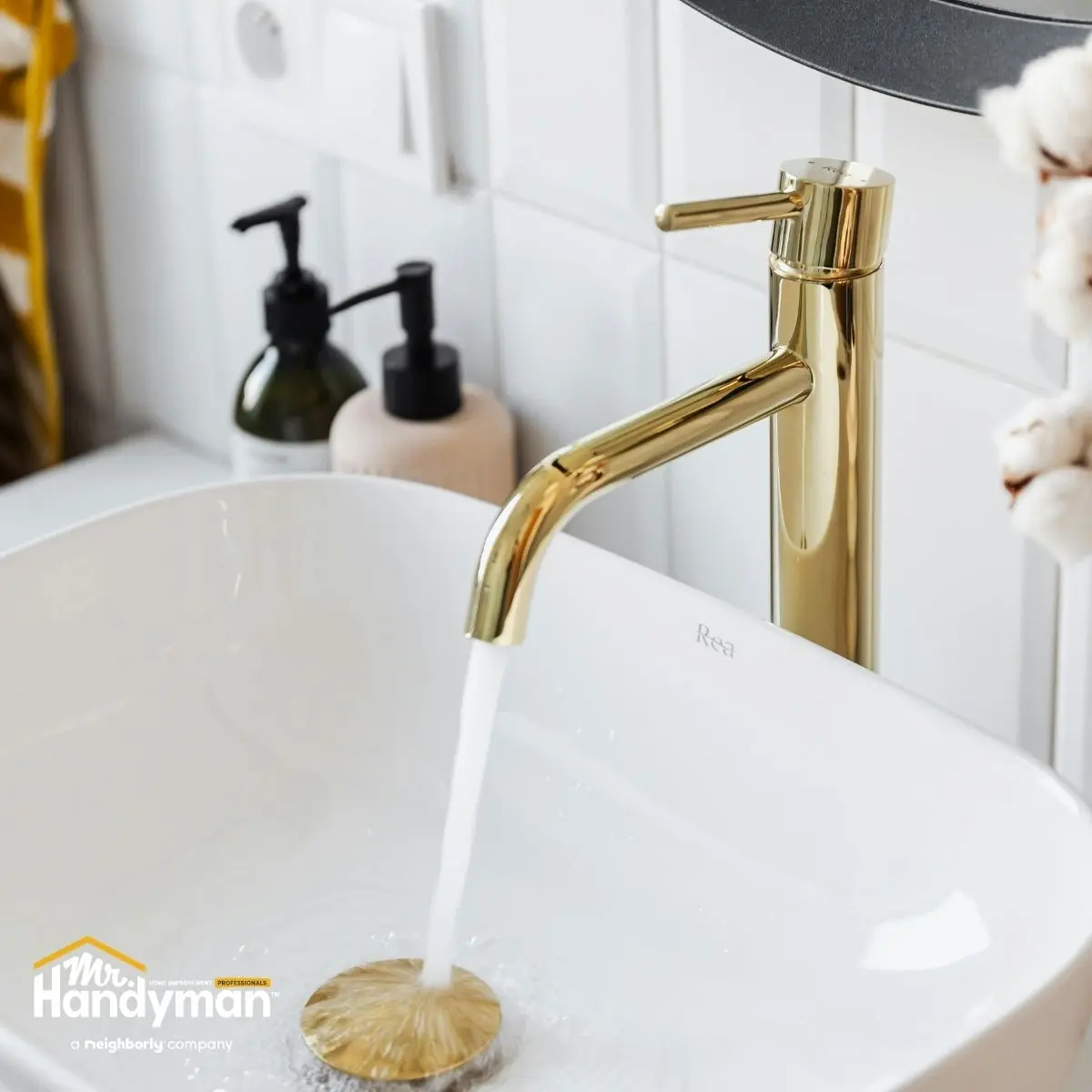
Outdoor faucets are essential for summer—watering gardens, washing cars, filling pools, running sprinklers. They're also the plumbing fixtures most likely to have sustained damage during winter. Even in Oklahoma's relatively mild climate, freezing temperatures occur frequently enough to crack fittings, split valve stems, or damage washers and seals inside faucet bodies.
Test every outdoor faucet before you need it. Turn each one on fully and check for leaks at the handle, around the base where the faucet meets the wall, and along any visible piping. A faucet that turns on and produces water might still have internal damage that only becomes apparent when you attach a hose and apply back pressure. Connect a hose, turn on the water, and watch for spraying at connections or wet spots on exterior walls that indicate hidden leaks.
Hose bibb washers deteriorate with age and use. When you turn off an outdoor faucet and water continues dripping from the spout, the washer has failed. Replacing a washer is simple and inexpensive, but ignoring the drip wastes hundreds of gallons over a summer. Each drop adds up. A steady drip—one per second—wastes over three thousand gallons annually. That's water you're paying for that accomplishes nothing except running down your driveway.
Check hose connections and threads. Outdoor faucets subjected to frozen hoses or over-tightened connections can have damaged threads that prevent proper sealing. If you attach a hose and water sprays from the connection no matter how tight you make it, the threads are stripped. The faucet needs replacement. Attempting to compensate with excessive tightening or additional washers creates stress that can crack the faucet body or the pipe behind the wall.
Frost-free faucets have long stems that extend into the warmer interior of the house, allowing them to shut off water inside where freezing is less likely. These faucets only work correctly if installed with a slight downward pitch toward the outside so residual water drains out when shut off. If installed level or pitching inward, water pools inside the stem and can freeze. Test frost-free faucets by shutting them off and checking that water stops flowing completely. If dripping continues, the internal seal may be damaged or debris may be preventing complete closure.
Addressing Water Heater Issues Before Peak Demand
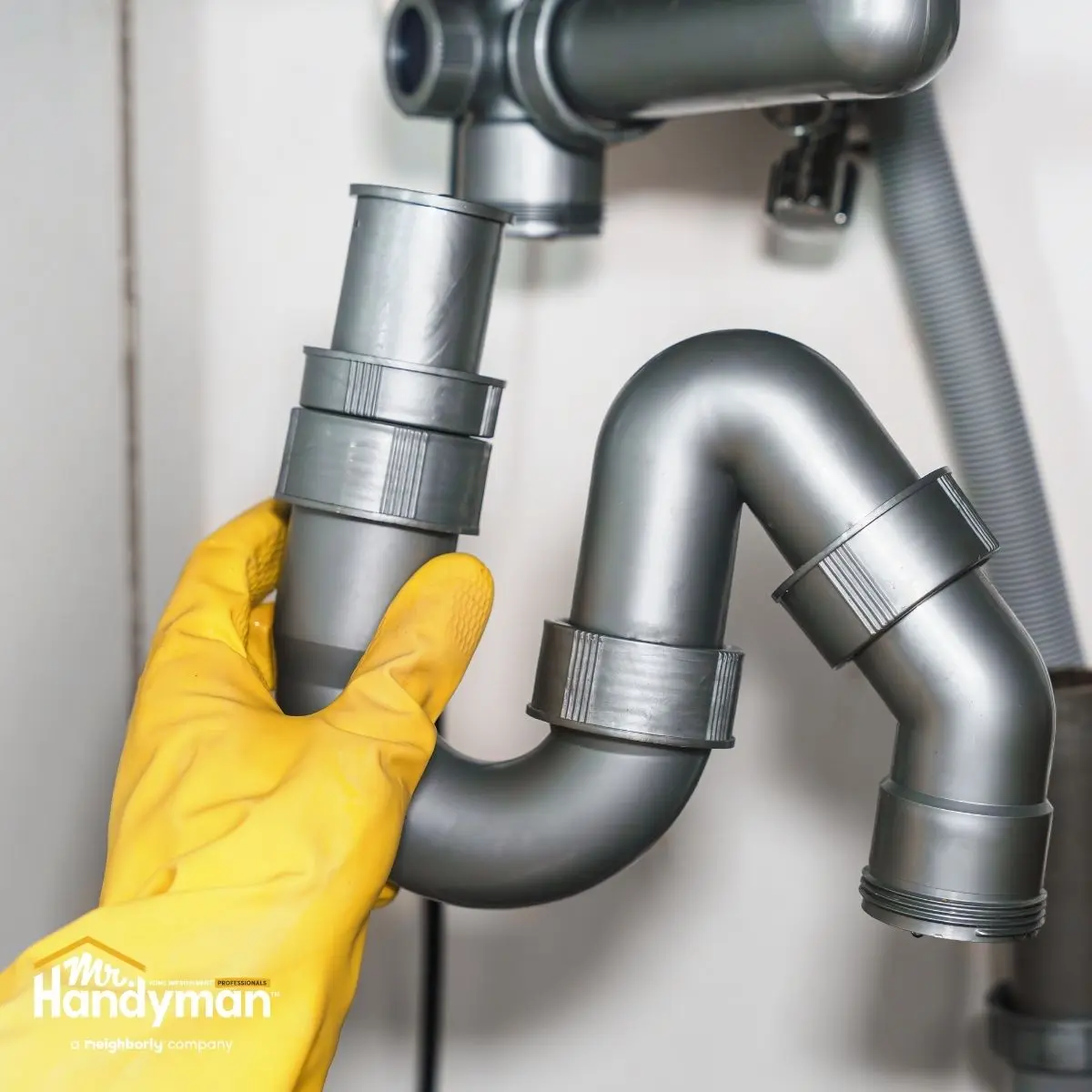
Water heaters work harder in summer than many homeowners realize. Yes, incoming water is warmer than in winter, but household water usage increases significantly. More frequent showers, running sprinklers that draw from hot water lines if connections are reversed, extra laundry from outdoor activities, and guests visiting all increase demand. A water heater that's been barely keeping up suddenly can't recover fast enough between uses.
Inspect your water heater for visible signs of trouble. Look at the base of the tank for moisture, rust, or corrosion. Water pooling under the tank indicates a leak—either from the pressure relief valve, a failing drain valve, or a crack in the tank itself. Tank leaks don't repair. Once a water heater tank develops a leak, replacement is the only solution. Catching this early, before the tank ruptures and floods your utility room, prevents emergency situations and water damage.
Listen to your water heater. Loud banging, popping, or rumbling noises indicate sediment buildup at the bottom of the tank. Oklahoma's hard water accelerates mineral accumulation. Over time, layers of calcium and magnesium insulate water from the heating element or burner, forcing the system to work longer and harder to heat water. This reduces efficiency, increases energy costs, and shortens the tank's lifespan. Flushing the tank removes sediment, but if noises are severe, the buildup may be too hardened to flush completely.
Check the temperature setting on your water heater. It should be around one hundred twenty degrees Fahrenheit. Higher settings waste energy and create scalding risks. Lower settings can allow bacteria growth and reduce available hot water. If you're constantly running out of hot water or if water takes longer to heat than it used to, the heating element may be failing or sediment may be interfering with heat transfer.
Water heaters older than ten years are candidates for replacement regardless of current performance. Failure rates increase dramatically after a decade. Replacing a ten-year-old water heater proactively during mild weather is far less disruptive and expensive than emergency replacement when it fails on a Saturday evening in July. Modern water heaters are also significantly more efficient, reducing energy costs enough to offset replacement expense over time.
Fixing Toilet Leaks and Running Mechanisms
Toilets are the largest source of water waste in most homes when they malfunction. A toilet that runs continuously or cycles on randomly can waste thousands of gallons monthly. The problem is rarely the toilet bowl itself—it's the internal components in the tank that control filling and flushing. These parts are inexpensive and replaceable, but homeowners often ignore running toilets because the sound becomes background noise they stop noticing.
Test every toilet in your home for silent leaks. Add a few drops of food coloring to the tank and wait fifteen minutes without flushing. If color appears in the bowl, the flapper valve is leaking. Water continuously seeps from the tank into the bowl, and the fill valve runs periodically to replace it. This wastes water constantly, and summer rate increases make the cost particularly noticeable.
Flapper valves deteriorate from mineral buildup, chlorine exposure, and age. They become stiff, warped, or coated with deposits that prevent proper sealing. Replacing a flapper takes five minutes and costs a few dollars. It's one of the highest-return plumbing repairs possible. A single leaking toilet can waste two hundred gallons per day. Over a summer, that's eighteen thousand gallons—enough to fill a small swimming pool.
Fill valves control water flow into the tank after flushing. When they fail, toilets run constantly or refill randomly. You might hear water running in the bathroom when no one has used the toilet recently. This indicates the fill valve isn't shutting off completely. Adjusting the float height sometimes solves the problem, but worn fill valves should be replaced. Modern fill valves are quieter, more reliable, and adjust easily to different tank sizes.
Check toilet tank components for visible wear. Rubber parts should be flexible, not brittle or cracked. Metal parts shouldn't show heavy corrosion. The chain connecting the flush handle to the flapper should have slight slack when the flapper is seated—too much slack and the toilet won't flush completely, too little and the flapper can't seal properly.
Inspecting and Clearing Drain Lines
Summer brings increased water use that stresses drain systems. Showers run more frequently as people rinse off after yard work or outdoor activities. Kitchen sinks handle more dishes from cookouts and gatherings. Washing machines run extra loads for beach towels, grass-stained clothes, and sweaty workout gear. Drains that were slow in spring become completely clogged in summer when organic buildup, soap residue, and debris accumulate faster than the system can handle.
Walk through your home and test every drain. Run water in bathroom sinks, tubs, and showers for a minute and watch how quickly it drains. Water should disappear immediately, forming a small vortex at the drain opening. If water pools even briefly before draining, partial blockage exists. Kitchen sinks should drain quickly even with the garbage disposal running. Slow drainage indicates buildup in the P-trap or further down the line.
Bathroom sink drains clog with hair, soap scum, and toothpaste residue. Pop-up stoppers collect this debris and should be removed and cleaned regularly. Unscrew the stopper, clean accumulated material, and rinse thoroughly before reinstalling. For deeper clogs, remove the P-trap under the sink and clear it manually. Chemical drain cleaners provide temporary relief but don't address underlying problems and can damage older pipes.
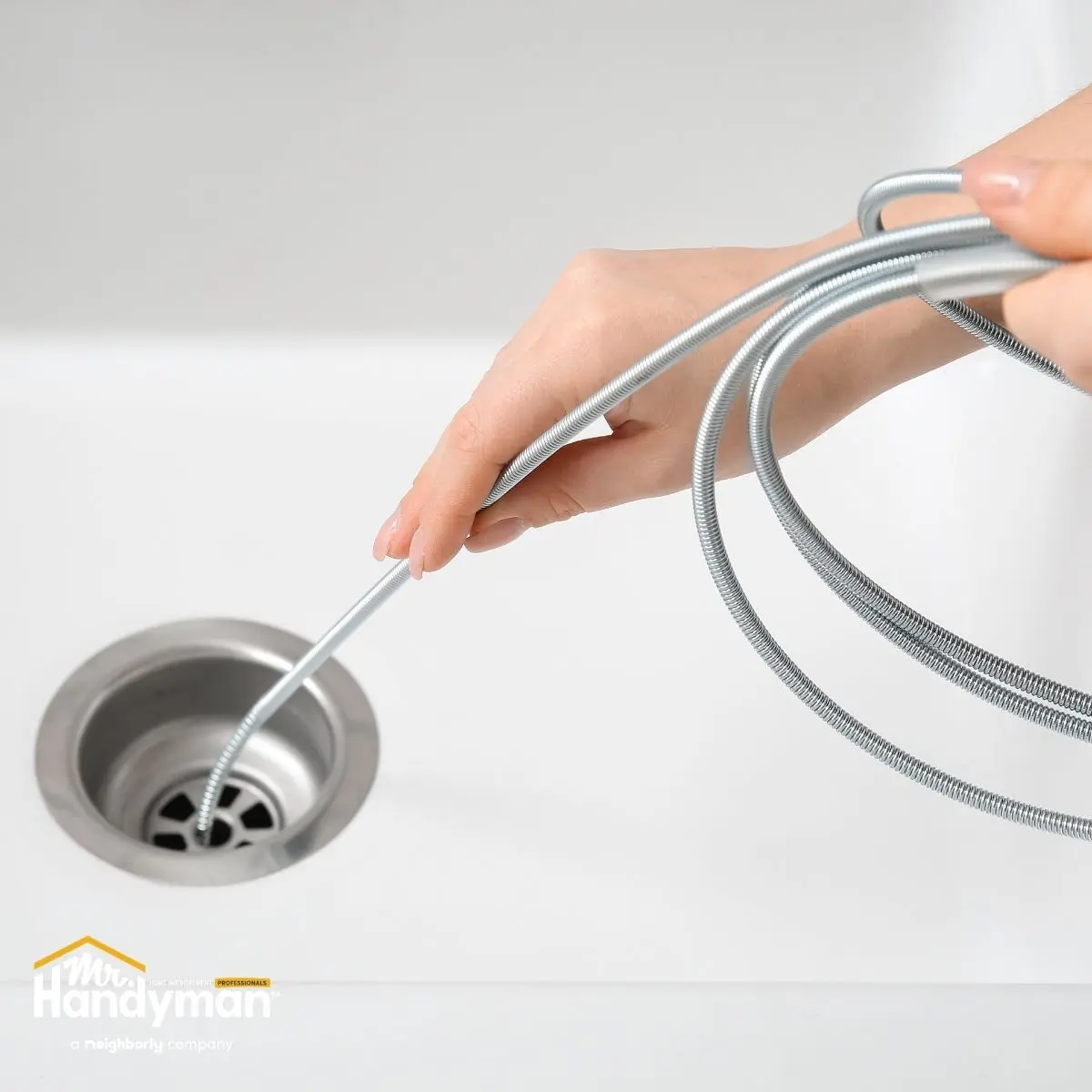
Shower and tub drains accumulate hair faster than any other fixture. Hair combines with soap and body oils to form dense clogs that worsen over time. Remove drain covers and use a drain snake or zip-it tool to pull out accumulated hair. Do this before clogs form completely. Preventive clearing every few months keeps drains flowing freely.
Main sewer line issues often surface during summer when water use peaks. If multiple drains in your home back up simultaneously, or if you notice gurgling sounds from toilets when running water elsewhere, the main line may have blockage or root intrusion. Clay sewer lines common in older Oklahoma homes crack over time, allowing tree roots to enter. These roots grow into dense masses that catch debris and eventually block the pipe completely. Professional inspection with a sewer camera identifies problems before they cause sewage backups.
Upgrading Washing Machine Hoses
Washing machine hoses fail without warning. Standard rubber hoses degrade internally over time, developing weak spots that burst under normal water pressure. When a hose fails, hundreds of gallons can flood your laundry room, adjacent rooms, and even lower levels of your home before you discover the problem. Summer increases this risk because washing machines run more frequently, subjecting hoses to repeated pressure cycles.
Inspect your washing machine hoses even if they look fine externally. Check both hot and cold supply hoses where they connect to the wall valves and where they attach to the machine. Look for bulging, cracking, or any visible wear. Feel along the hose length for soft spots or stiffness that indicates internal deterioration. If hoses are more than five years old or show any signs of wear, replace them.
Braided stainless steel hoses are far more durable than rubber. They resist bursting, handle temperature extremes better, and last significantly longer. The modest additional cost compared to standard rubber hoses is negligible given the protection they provide. Replacement is straightforward—shut off the water supply valves, disconnect old hoses, attach new ones, and restore water flow. The entire process takes fifteen minutes.
Check the standpipe where your washing machine drains. This vertical pipe should be properly vented and sized to handle the machine's discharge rate. If water backs up during the drain cycle or if you notice slow drainage and gurgling sounds, the standpipe may be clogged with lint and detergent buildup. This creates drainage problems that can overflow the standpipe and flood the laundry room. Professional cleaning clears buildup and restores proper flow.
Verify that water supply valves for the washing machine turn freely. These valves often go untouched for years. When you finally need to shut them off for hose replacement or machine service, they may be seized or corroded. Turn each valve off and back on now to ensure they function. If valves are stuck or leak when operated, replace them before they fail completely at an inconvenient time.
Preparing Irrigation Systems for Seasonal Use
In-ground sprinkler systems require startup maintenance after winter dormancy. Lines that weren't properly winterized can have freeze damage. Even professionally blown-out systems can retain residual water in low spots or valve boxes that freezes and cracks PVC pipe or damages sprinkler heads. Before activating your system for summer, visual inspection prevents turning on the water only to discover geysers erupting in your yard.
Walk your property and examine visible system components. Check sprinkler heads for cracks or damage. Inspect valve boxes for standing water that suggests underground leaks. Look at backflow preventers—particularly above-ground units—for cracks in brass or copper fittings that indicate freeze damage. Any visible damage should be repaired before pressurizing the system.
Activate zones individually rather than running the entire system at once. This allows you to monitor each zone for proper operation and identify problems before they waste significant water. Watch for heads that don't pop up, areas where water pools unexpectedly, or hissing sounds indicating pressurized leaks. Adjust spray patterns and coverage as needed to ensure efficient watering without overspray onto driveways, sidewalks, or your home's foundation.
Underground leaks reveal themselves as soft spots in the lawn, unusually green patches where grass receives constant water, or areas that remain saturated long after irrigation cycles end. These leaks waste water continuously when the system runs and can cause foundation problems if water saturates soil near your home. Mark problem areas and schedule repairs before peak summer watering season increases waste and costs.
Frequently Asked Questions About Pre-Summer Plumbing Repairs
Which plumbing repair has the biggest impact on summer water bills?
Fixing running toilets. A single leaking flapper can waste two hundred gallons daily. With summer water rate increases, one running toilet can add fifty dollars or more to monthly bills. Replacing flappers costs less than ten dollars and takes minutes.
Should I worry about small drips from faucets?
Yes. A faucet dripping once per second wastes over three thousand gallons annually. That's wasted water and money for zero benefit. Summer rate increases magnify the cost. Faucet repairs are simple and inexpensive compared to ongoing waste.
How do I know if my water heater will make it through summer?
Age is the primary indicator. Water heaters older than ten years have high failure rates. Visible rust, pooling water at the base, loud noises, or inability to maintain adequate hot water all suggest imminent failure. Replace proactively rather than waiting for emergency breakdown.
Can I test my irrigation system myself?
Yes. Walk the property while running each zone individually. Watch for geysers, pooling water, heads that don't activate, or weak spray patterns. These indicate leaks or damage requiring repair. Catching problems early prevents thousands of gallons of waste during summer watering season.
Do washing machine hoses really burst without warning?
Absolutely. Internal deterioration isn't visible externally. Hoses fail suddenly under normal pressure, releasing hundreds of gallons in minutes. If your hoses are over five years old or you don't know their age, replace them with braided stainless steel versions immediately.
Acting Now to Prevent Summer Plumbing Emergencies
Spring is when you have time, moderate temperatures, and contractors available to handle repairs without emergency pricing. Waiting until summer means dealing with plumbing failures during the season when you're busiest, when weather makes repairs uncomfortable, and when everyone else is calling for service too. A water heater that fails in July might mean waiting days for replacement during peak demand. A leaking outdoor faucet discovered when you're trying to water your lawn means scrambling for quick fixes instead of proper repairs.
Address known issues now. That toilet that runs occasionally needs a new flapper today, not next month. The outdoor faucet that dripped last fall needs repair before you connect hoses. The water heater approaching ten years old should be replaced during mild weather, not after it fails during a heat wave. These aren't optional maintenance tasks—they're essential protection against disruption and expense.
Professional plumbing service ensures repairs are done correctly the first time. Improper repairs create new problems. A faucet installed without proper sealing leaks behind the wall. A toilet flapper that doesn't match the valve seat wastes just as much water as the old one. Water heater installation requires proper venting, electrical connections, and code compliance that DIY attempts often miss.
Mr. Handyman of Central Oklahoma City and Mr. Handyman of S. Oklahoma City and Norman provide comprehensive plumbing repair services for homeowners throughout the region. From simple fixture repairs to water heater replacement, irrigation system startup, and drain cleaning, experienced professionals ensure your plumbing operates reliably through Oklahoma's demanding summer season.
Don't wait for plumbing failures to disrupt your summer. Schedule repairs and inspections now while weather is mild and availability is good. Contact Mr. Handyman of Central Oklahoma City or visit https://www.mrhandyman.com/central-oklahoma-city/. Homeowners in South Oklahoma City and Norman can reach Mr. Handyman of S. Oklahoma City and Norman or visit https://www.mrhandyman.com/northern-montgomery-county/. Prepare your plumbing for summer and enjoy the season without emergency repair stress.