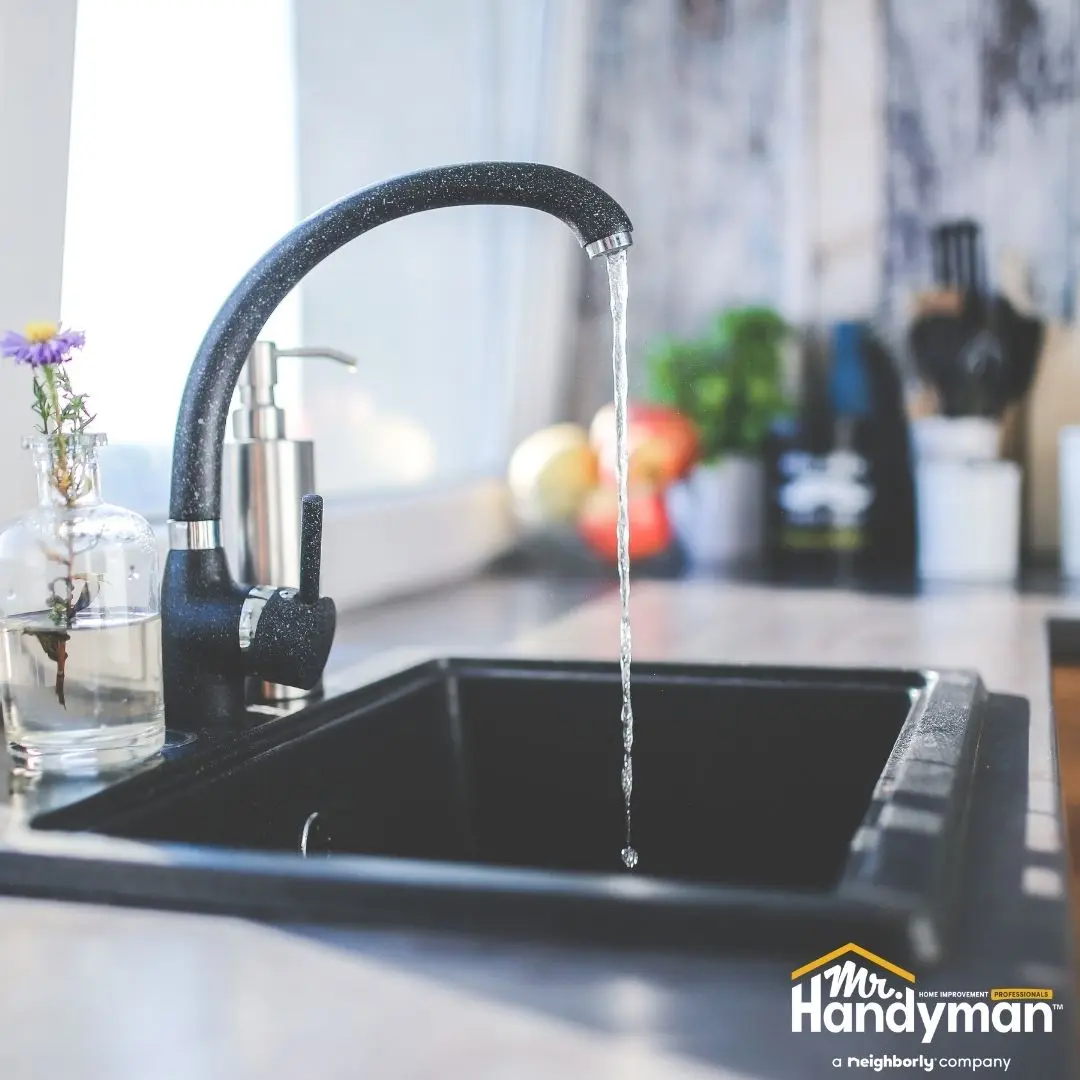
Understanding why your faucets drip in winter and what you can do about it is an important part of winter home maintenance for homeowners in central Oklahoma. While a dripping faucet may seem like a minor nuisance, cold weather often turns small plumbing issues into persistent problems that waste water, increase utility bills, and signal deeper concerns within the plumbing system.
In Oklahoma City, Midwest City, Choctaw, Arcadia, Jones, and surrounding areas, winter weather is defined by sudden cold snaps rather than long periods of snow and ice. These rapid temperature changes place stress on plumbing components, especially faucets, valves, and seals. Faucets that function normally during warmer months may begin dripping once temperatures drop, even if they appeared fine before winter.
Addressing the cause early helps prevent larger plumbing issues and reduces the likelihood of emergency home repair needs. When homeowners need professional assistance, Mr. Handyman of Central Oklahoma City provides handyman services that support reliable plumbing performance throughout the winter season.
How Cold Weather Affects Faucets and Valves
Faucets rely on internal components such as washers, cartridges, O-rings, and seals to control water flow. During winter, these components are exposed to temperature-related stress that can affect their performance.
Cold weather causes materials to contract. As temperatures drop overnight, metal and rubber components inside faucets shrink slightly. When temperatures rise again during the day, they expand. This repeated expansion and contraction weakens seals over time, making it harder for faucets to shut off completely.
In central Oklahoma, where freeze-thaw cycles are common, this process happens repeatedly throughout the winter. Faucets that were already worn or aging are especially vulnerable, which is why dripping often begins during colder months.
Worn Washers and Seals Become More Noticeable in Winter
One of the most common reasons faucets drip in winter is worn washers or seals. These components degrade gradually, and the effects may go unnoticed during warmer months. Cold weather accelerates the problem by reducing flexibility in rubber parts, making it harder for them to form a tight seal.
Signs that worn seals may be causing winter dripping include:
- Dripping that worsens during cold nights
- Faucets that require extra force to shut off
- Inconsistent dripping that comes and goes
While washers and seals are small components, they play a critical role in faucet performance. Winter conditions often expose wear that has been developing for years.
.webp)
Increased Water Pressure During Freezing Temperatures
Cold weather can also affect water pressure inside plumbing systems. As pipes contract slightly during freezing temperatures, pressure can increase in certain sections of the system. This added pressure pushes against faucet valves and seals, making it easier for water to leak past worn components.
In some cases, homeowners notice dripping only at certain times of day, such as overnight or early morning. This timing often coincides with the coldest temperatures, when pressure-related stress is highest.
Pressure-related dripping is an important signal that plumbing components may be nearing the end of their service life and should be addressed through routine home maintenance.
Outdoor Faucets and Interior Drips
Outdoor faucets and hose bibs are particularly vulnerable during winter. If exterior faucets are not properly winterized, water can freeze inside the fixture or the pipe behind it. As ice expands, it can damage internal components.
Once temperatures rise and ice melts, this damage often shows up as dripping or leaking, sometimes inside the home rather than outside. Interior dripping near exterior walls is a common sign of winter damage to outdoor plumbing.
This issue is especially common in older homes throughout central Oklahoma that may not have freeze-resistant outdoor fixtures.
Dripping as a Warning Sign of Potential Freezing
In some cases, a dripping faucet during winter is not a problem but a response. Homeowners may intentionally allow faucets to drip slightly during extreme cold to reduce freezing risk by keeping water moving through pipes.
However, unintentional dripping should not be ignored. Persistent drips can indicate restricted water flow caused by ice forming inside pipes. As water struggles to pass through partially frozen sections, pressure builds and escapes through the faucet.
This type of dripping may signal a higher risk of frozen or burst pipes and should be addressed promptly.
Why Ignoring Winter Drips Can Lead to Bigger Problems
A dripping faucet wastes more water than many homeowners realize. Even a slow drip can waste hundreds of gallons over the course of a winter. Beyond water waste, dripping often points to underlying issues that worsen with time.
If left unaddressed, winter-related dripping can lead to:
- Increased water bills
- Accelerated wear on plumbing components
- Damage to cabinets, fixtures, or flooring
- Higher risk of leaks or pipe failure
What starts as a minor annoyance can become a costly home repair if ignored.
The Role of Preventative Home Maintenance
Preventative home maintenance is the most effective way to address winter faucet issues. Inspecting faucets, replacing worn components, and addressing pressure concerns before cold weather arrives reduces the likelihood of winter dripping.
Routine maintenance also helps homeowners identify vulnerabilities related to insulation, pipe exposure, and aging fixtures. Addressing these issues early improves overall plumbing reliability during winter temperature swings.
Understanding why your faucets drip in winter and what you can do about it starts with recognizing that cold weather exposes weaknesses rather than creating new problems. By paying attention to early warning signs and taking proactive steps, homeowners in central Oklahoma can protect their plumbing systems and avoid unnecessary repairs.
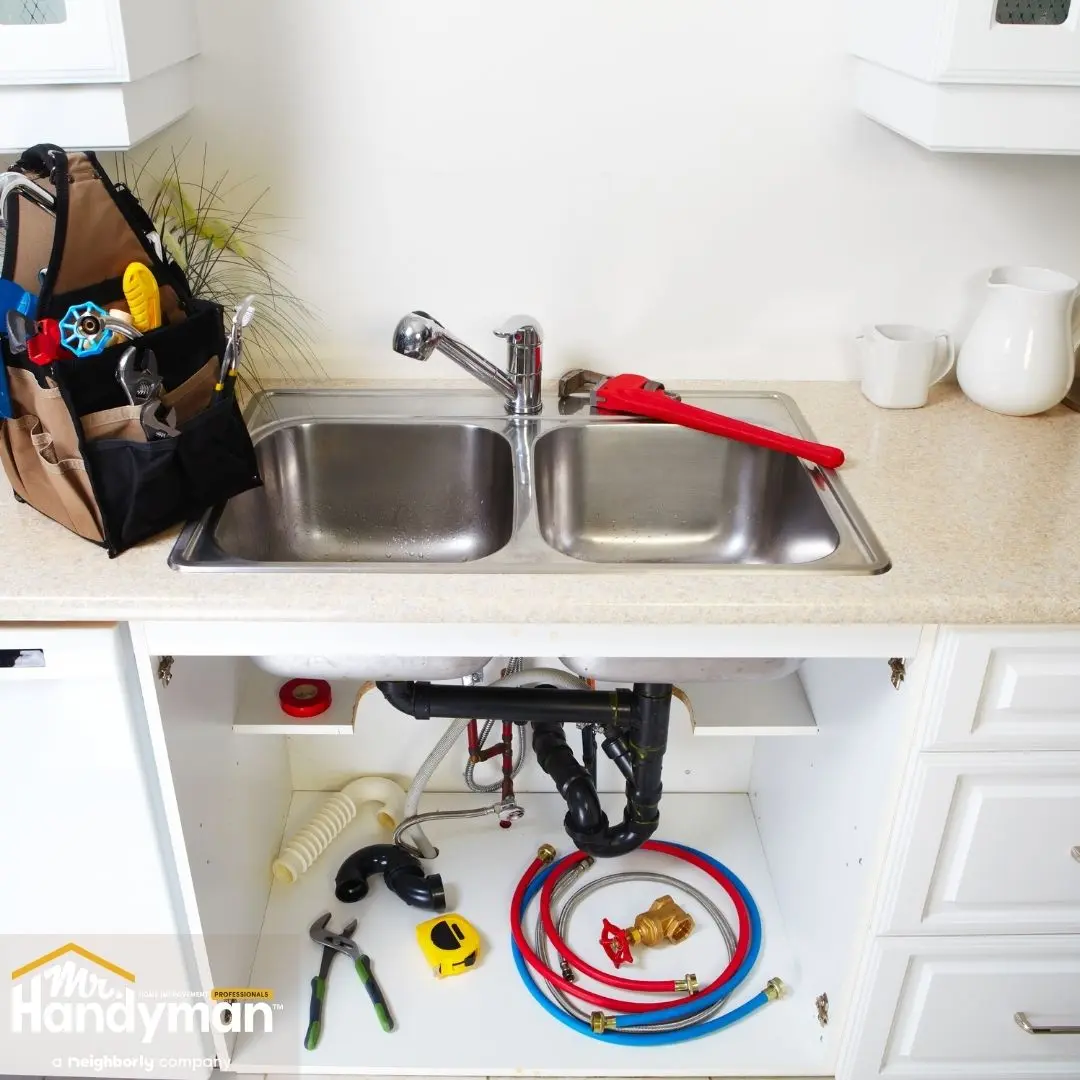
What Winter Faucet Drips Reveal About Your Plumbing System
Understanding why your faucets drip in winter and what you can do about it goes beyond the faucet itself. In many central Oklahoma homes, a winter drip is a symptom of broader plumbing stress caused by cold air exposure, pressure changes, and aging components. Faucets are often the first visible place where these issues appear, making them an early warning system for homeowners.
During winter cold snaps in Oklahoma City, Midwest City, Choctaw, Arcadia, Jones, and nearby areas, plumbing systems experience rapid temperature shifts. Pipes contract overnight and expand during warmer daytime hours. This repeated movement affects valves, seals, and fittings throughout the system, not just at the faucet.
Cold Air Exposure Inside Walls and Cabinets
Many winter faucet drips originate from pipes hidden inside exterior walls or cabinets. These areas are often poorly insulated and exposed to cold air infiltration. When temperatures drop, pipes inside these spaces cool quickly, even if the rest of the home feels warm.
As pipes cool, metal components contract slightly. This contraction can reduce the effectiveness of internal seals in faucets, allowing water to pass through even when the handle is fully closed. The result is a slow, persistent drip that appears only during colder weather.
Homes in central Oklahoma are especially susceptible because insulation standards are designed primarily for heat, not extended cold. Even newer homes may have vulnerable areas where plumbing runs close to exterior surfaces.
Pressure Fluctuations Trigger Winter Dripping
Water pressure behaves differently in cold weather. As temperatures drop, pipes contract and water movement becomes more restricted in certain sections of the system. This can cause pressure to build behind faucet valves, particularly overnight when usage is low.
When pressure increases, it looks for the easiest exit point. Worn washers, aging cartridges, or weakened seals provide that outlet. The faucet may drip only during cold nights or early mornings, then stop once temperatures rise and pressure normalizes.
Pressure-related dripping is not just a faucet issue. It often indicates that multiple components within the plumbing system are under strain and may need attention as part of routine home maintenance.
Hard Water and Mineral Buildup Make Winter Worse
Mineral buildup from hard water contributes significantly to winter faucet problems. Over time, minerals accumulate inside valves and cartridges, preventing them from sealing tightly. Cold weather reduces the flexibility of these components, making it harder for them to compensate for buildup.
Common signs mineral buildup is contributing to winter drips include:
- Stiff or grinding faucet handles
- Drips that worsen after temperature drops
- Reduced water flow combined with leaking
In winter, increased heating cycles and pressure changes make these issues more noticeable. What felt like a minor inconvenience in summer becomes a persistent drip once temperatures fall.
Outdoor Plumbing Damage Showing Up Indoors
Exterior plumbing problems frequently show up as interior faucet drips during winter. If outdoor faucets or hose bibs were not properly winterized, water can freeze inside the fixture or the pipe behind the wall. As ice expands, it damages internal components.
When temperatures rise, this damage often presents as dripping faucets inside the home, especially near exterior walls. Homeowners may not immediately connect the issue to outdoor plumbing, but winter exposure is often the root cause.
This is a common issue in older homes across central Oklahoma, where freeze-resistant fixtures may not be installed.
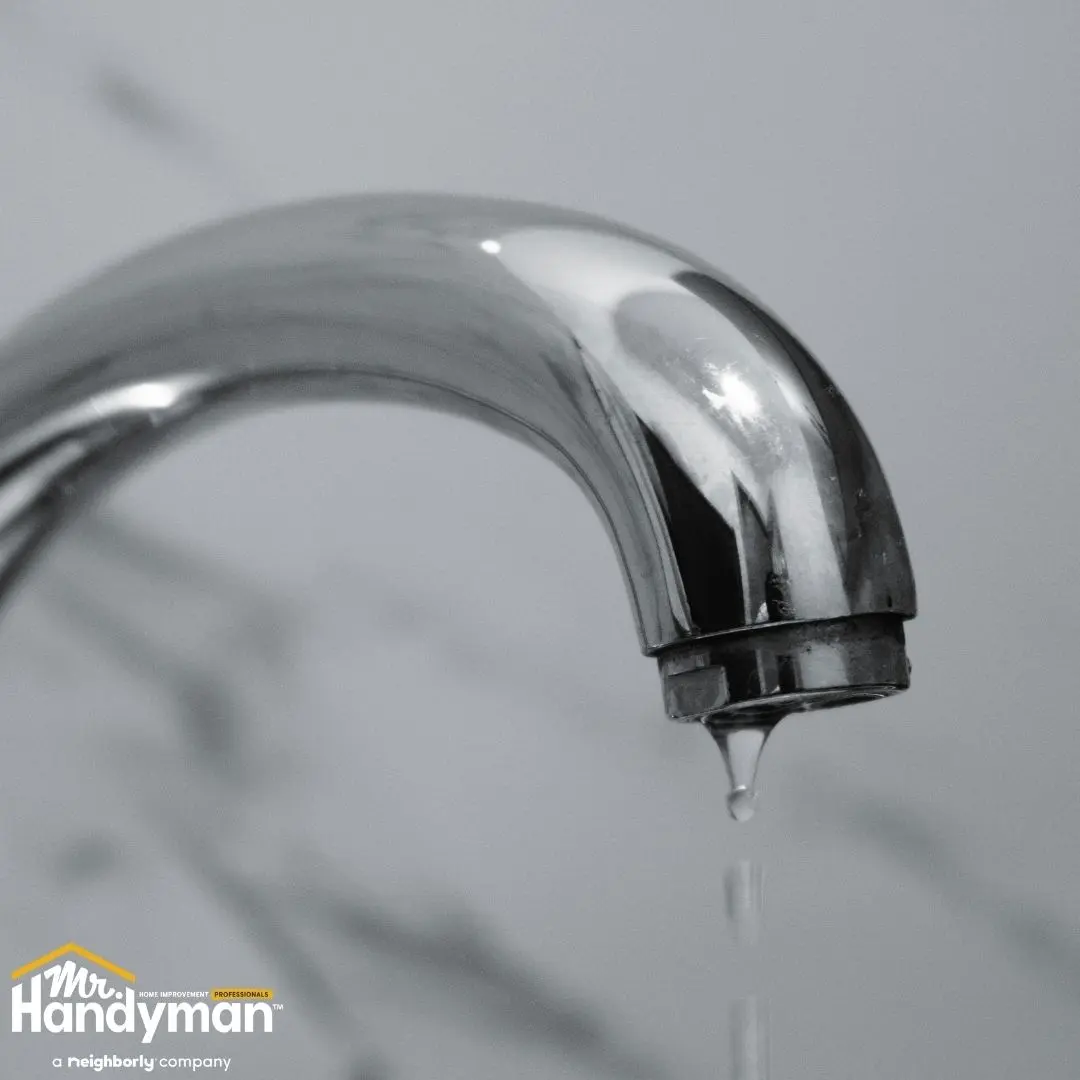
Dripping Faucets and Frozen Pipe Risk
In some situations, a dripping faucet is a response to restricted water flow caused by ice forming inside pipes. As water struggles to pass through partially frozen sections, pressure builds and escapes through the faucet.
This type of drip can signal a higher risk of frozen or burst pipes. Homeowners may notice reduced water pressure, inconsistent flow, or dripping that starts suddenly during extreme cold.
Ignoring these warning signs increases the risk of serious plumbing damage. Frozen pipes can crack or burst once temperatures rise, leading to significant water damage and costly home repair needs.
Why Winter Drips Should Not Be Ignored
A dripping faucet may seem minor, but over the course of a winter it can waste hundreds of gallons of water. Beyond water waste, dripping accelerates wear on valves and seals, increasing the likelihood of larger failures.
Potential consequences of ignoring winter faucet drips include:
- Higher water and energy bills
- Damage to cabinets, counters, or flooring
- Increased risk of leaks behind walls
- More extensive repairs later
Winter drips are often a sign that preventative home maintenance is overdue.
The Value of System-Wide Inspection
Because winter faucet drips are often linked to broader plumbing issues, addressing only the faucet may not solve the problem. A system-wide inspection helps identify insulation gaps, pressure issues, and aging components that contribute to winter stress.
Inspections typically focus on:
- Faucet valves and internal components
- Pipe insulation in vulnerable areas
- Signs of pressure imbalance
- Evidence of previous freeze damage
Professional handyman services can identify these issues efficiently and recommend practical solutions tailored to local conditions.
Homeowners who work with Mr. Handyman of Central Oklahoma City benefit from experienced evaluations that look beyond surface symptoms. This approach helps prevent recurring winter problems and supports long-term plumbing reliability.
Understanding why your faucets drip in winter and what you can do about it requires looking at the entire plumbing system, not just the faucet itself. Cold weather exposes weaknesses that already exist, and addressing them early helps protect the home throughout Oklahoma
What You Can Do About Dripping Faucets During Winter
Knowing why your faucets drip in winter and what you can do about it ultimately comes down to taking the right action at the right time. In central Oklahoma, winter faucet drips are often manageable when addressed early. Ignoring them, however, increases the risk of water waste, damage, and more extensive plumbing problems.
A thoughtful approach combines simple homeowner steps with preventative home maintenance and professional support when needed.
Simple Fixes Homeowners Can Handle
Some winter faucet drips are caused by minor wear or environmental factors that homeowners can address safely. If dripping is light and the faucet is otherwise functioning normally, these steps may help reduce or stop the issue.
Helpful homeowner actions include:
- Gently tightening loose handles or fittings
- Replacing worn washers or cartridges when accessible
- Insulating pipes under sinks and near exterior walls
- Opening cabinet doors during cold nights to allow warm air circulation
These steps help stabilize conditions around the faucet and reduce stress caused by cold air exposure.
When a Drip Is a Sign of a Bigger Problem
Not all winter drips are minor. Persistent dripping, sudden leaks, or dripping accompanied by reduced water pressure often indicate deeper plumbing issues. These signs may point to frozen sections of pipe, pressure imbalances, or damage caused by previous freeze events.
Homeowners should be cautious if they notice:
- Dripping that worsens during extreme cold
- Water stains or moisture near walls or cabinets
- Changes in water pressure throughout the home
- Drips that return quickly after repairs
These situations often require professional evaluation to prevent further damage.
Preventing Drips Before Cold Weather Arrives
Prevention is the most effective way to deal with winter faucet problems. Addressing vulnerabilities before temperatures drop helps reduce the likelihood of dripping and protects the entire plumbing system.
Preventative home maintenance steps include:
- Inspecting faucets and replacing aging components
- Insulating exposed pipes and valves
- Sealing air leaks near plumbing penetrations
- Winterizing outdoor faucets and hose bibs
Taking these steps early reduces stress on faucets and minimizes the impact of sudden temperature changes.
Why Outdoor Plumbing Preparation Matters
Outdoor plumbing issues frequently lead to indoor faucet problems during winter. If exterior faucets are not properly winterized, freezing can damage pipes behind walls. Once temperatures rise, this damage often appears as interior dripping or leaking.
Disconnecting hoses, draining exterior lines, and installing insulated covers are simple but effective steps. These actions protect both outdoor fixtures and the interior plumbing connected to them.
Outdoor preparation is an essential part of winter home maintenance in central Oklahoma.
Managing Water Pressure During Winter
Monitoring water pressure during winter can help prevent faucet drips. Excessive pressure increases wear on valves and seals, especially during cold weather when materials are less flexible.
If pressure issues are suspected, a professional inspection may be needed to assess pressure regulators and system balance. Addressing pressure concerns improves faucet performance and extends the life of plumbing components.
The Role of Professional Handyman Services
While many minor faucet issues can be handled by homeowners, professional assistance is often the safest option when problems persist. Experienced professionals understand how cold weather affects plumbing systems and can identify issues that are not immediately visible.
Homeowners who work with Mr. Handyman of Central Oklahoma City benefit from handyman services that address both immediate repairs and long-term prevention. This comprehensive approach helps reduce recurring winter issues and protects the home from water damage.
Professional services may include:
- Faucet repair or replacement
- Pipe insulation and draft sealing
- Pressure evaluations
- Inspection for freeze-related damage
Long-Term Benefits of Addressing Winter Faucet Drips
Taking action when faucets drip in winter offers benefits beyond the current season. Reduced water waste, improved efficiency, and fewer emergency repairs all contribute to lower long-term costs and greater peace of mind.
Homes that receive consistent home maintenance are better prepared for seasonal changes and experience fewer plumbing disruptions. Addressing faucet drips early supports reliable plumbing performance throughout the year.
Final Thoughts on Winter Faucet Drips
Understanding why your faucets drip in winter and what you can do about it helps homeowners in central Oklahoma respond effectively to cold-weather challenges. Winter does not create new plumbing problems so much as it exposes existing weaknesses.
By combining early detection, preventative home maintenance, and professional support when needed, homeowners can reduce water waste, prevent damage, and maintain dependable plumbing throughout Oklahoma’s unpredictable winter season.
A dripping faucet can signal bigger plumbing issues. Schedule faucet repairs online or call us.