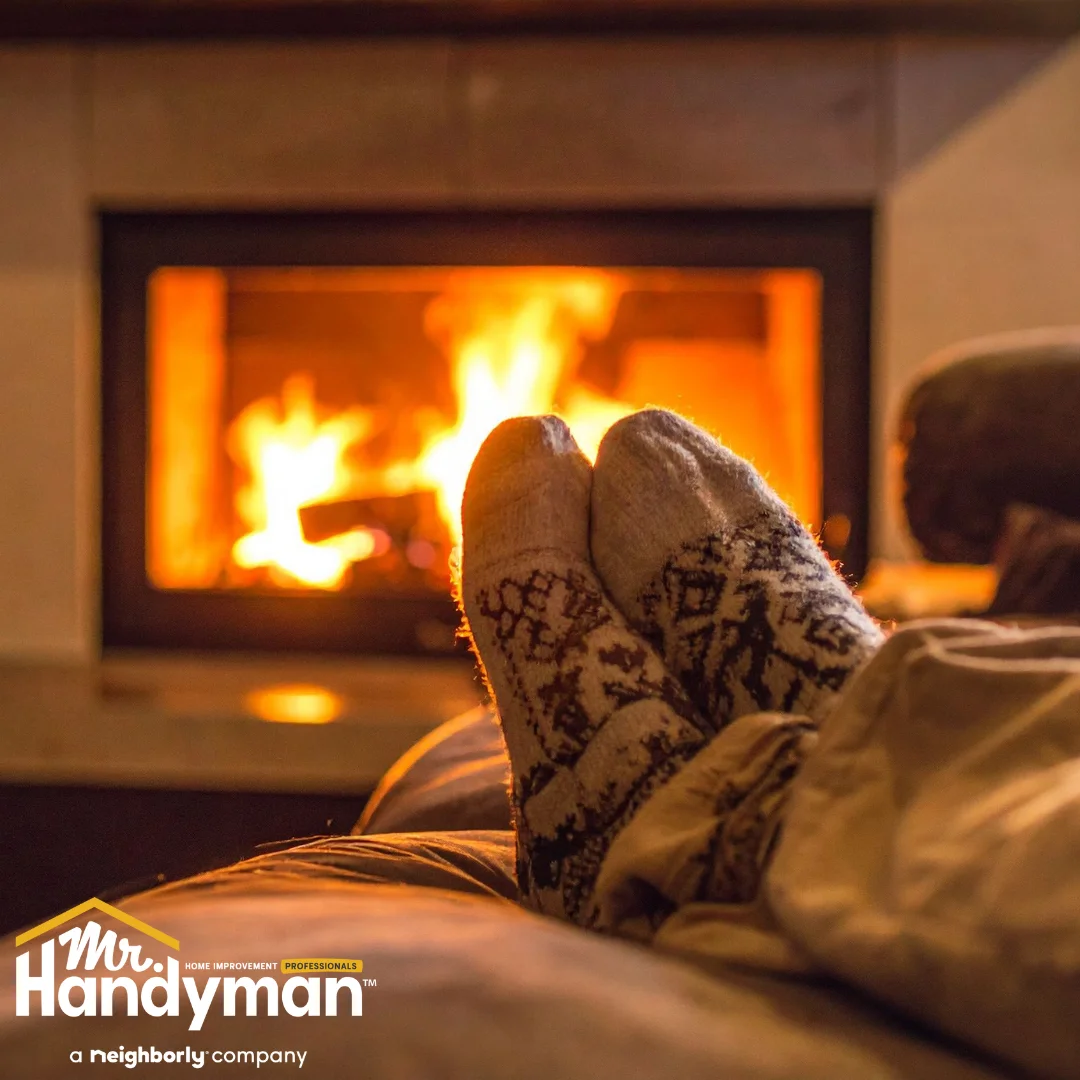
Winter in Citrus Park, Keystone, Westchase, Odessa, and surrounding Tampa Bay communities looks very different from winter in northern states. Instead of snowstorms, icy roads, and sub-zero temperatures, Florida winters bring mild air, short cool fronts, occasional dips into the 40s, and year-end humidity shifts that affect home comfort and indoor air quality. Even without extreme cold, homeowners still need to prepare their furnace or heating system—and for many Florida residents, their gas or electric fireplace—for safe, reliable, efficient use throughout the holiday season.
While local homes do not face heavy freezes, they do face unique challenges: HVAC systems that run almost year-round, fireplaces that sit unused for nine or ten months, humidity that lingers deep into December, and sudden temperature swings when cold fronts sweep in. Homes in Citrus Park and Keystone often rely heavily on central heating for only short periods, which means furnaces and fireplaces rarely get tested until the first cool night arrives. That sudden switch from months of air conditioning to heating catches many homeowners off guard.
This section explains why winter preparation still matters for Florida homes, how heating systems can develop issues even when used infrequently, and what homeowners gain by preparing their furnace, heat pump, or fireplace before cooler weather arrives.
Why Winter Preparation Matters in Citrus Park & Keystone—Even in Florida
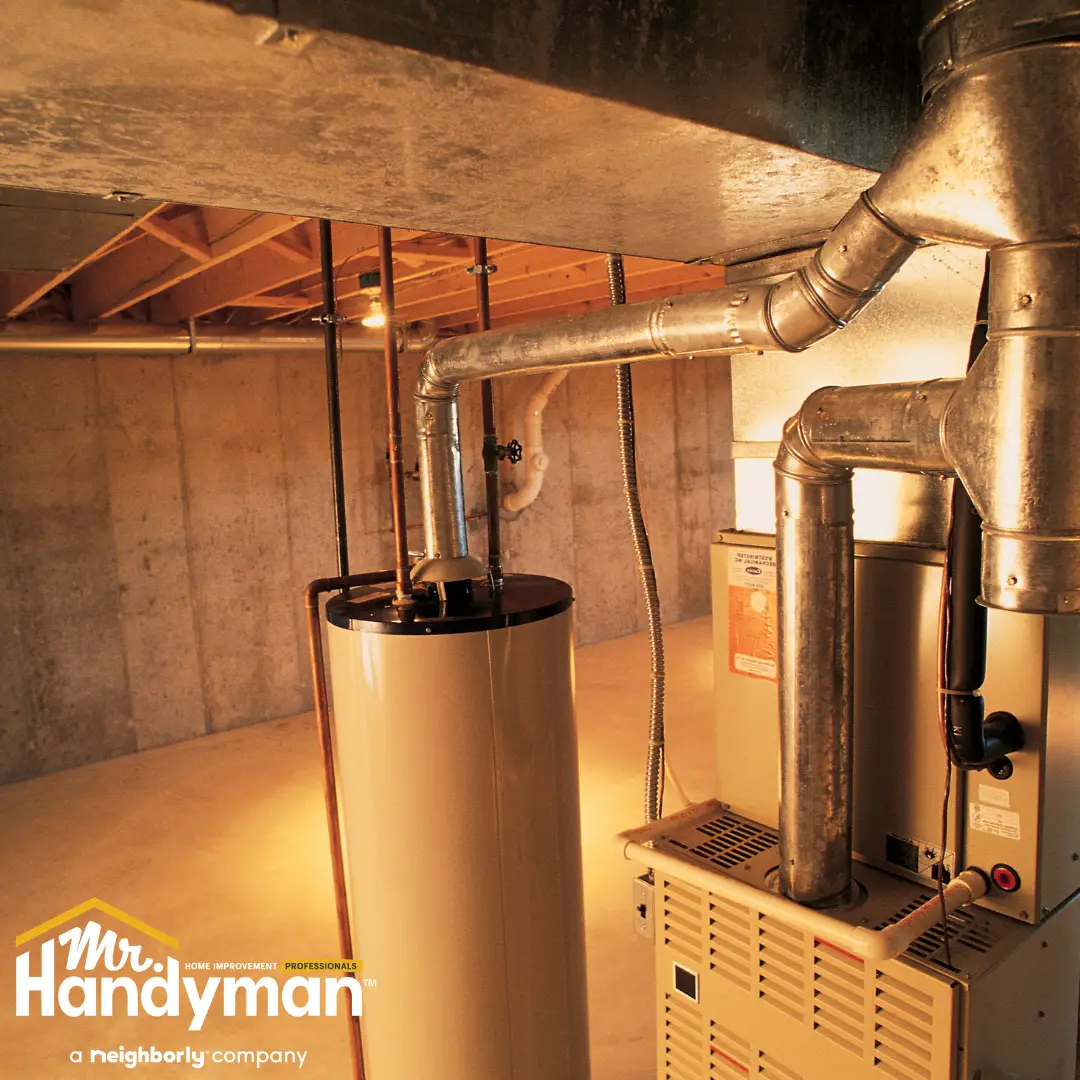
While Florida winters are mild, local HVAC and fireplace systems face their own unique stresses.
1. Heating Systems Sit Unused for Most of the Year
Florida homeowners may go eight to ten months without turning on their furnace or heat setting. During that downtime:
- Dust settles on heating components
- Burners or heating strips accumulate debris
- Electrical contacts corrode from humidity
- Heat pumps lose lubrication
- Blower motors collect dirt
- Filters become clogged from AC-heavy seasons
The first time the heat kicks on, homeowners often experience burning smells, slow warm-up times, or lack of heat output. Winter preparation eliminates these early-season issues.
2. Humidity Creates Year-Round Strain on Equipment
Citrus Park, Keystone, and the broader Tampa region experience some of the nation’s highest annual humidity levels. Even in December, moisture levels often remain elevated.
Humidity affects heating systems by:
- Causing rust on metal components
- Wearing down electrical connections
- Encouraging mold growth inside air handlers
- Making dust cling to coils and blower assemblies
- Increasing airflow resistance
Preparing the furnace or heat pump before switching to heat mode helps reduce moisture-related failures.
3. Rare Cold Snaps Can Create a Sudden Demand for Heat
While the region avoids freezing winters, it is known for overnight cold fronts that drop temperatures by 30–40 degrees in a single evening. During these events:
- Heat pumps struggle to keep up
- Emergency heat mode activates
- Electric heating strips overwork
- Fireplaces become a main source of comfort
- Homeowners notice drafts and air leaks
Winter preparation ensures the system is strong enough to handle these sudden demands.
4. Because AC Runs Most of the Year, Heating Issues Often Go Unnoticed
Florida HVAC systems work harder than almost anywhere in the country—running AC for most of the year. That means homeowners rarely think about heating components until December or January.
Common problems include:
- Heating elements that no longer activate
- Heat pumps stuck in cooling mode
- Thermostats miscalibrated from constant AC use
- Blowers that fail under heating load
- Fireplaces with clogged pilot assemblies
Preparing in advance prevents an uncomfortable surprise on the first chilly night.
Areas of the Home That Need Winter-Ready Attention in Florida
Florida homes require different winter priorities compared to northern properties. Heat systems remain mostly idle, while fireplaces tend to be decorative but still require annual checks.
1. Heat Pumps & Air Handlers
The majority of homes in Citrus Park and Keystone rely on heat pumps, which require winter-specific attention:
- Checking reversing valves
- Ensuring proper refrigerant levels
- Testing emergency heat mode
- Cleaning blower motors
- Removing algae from drain pans
- Ensuring clean ductwork
- Checking for mold or mildew
Heat pumps can heat efficiently—but only when properly prepared.
2. Electric Furnaces & Heating Strips
Electric heating strips frequently wear out or burn out due to:
- Dust accumulation
- Lack of use
- High initial load when first turned on
- Humidity corrosion
Winter preparation ensures they activate safely and evenly.
3. Gas Fireplaces & Decorative Gas Logs
Many homes in communities like Keystone, Citrus Park, and Westchase include: Gas log fireplaces
- Decorative gas flames
- Electric fireplaces with heating elements
- Outdoor fireplaces or fire features
Gas features, in particular, require:
- Safe ignition testing
- Pilot light inspection
- Burner cleaning
- Debris removal
- Gas line checkups
- Draft check for proper airflow
Homeowners often use fireplaces heavily during the holidays, making preparation especially important.
4. Indoor Air Quality Systems
Because Floridians keep windows closed during heat and AC seasons, indoor air quality becomes a winter priority.
Systems needing attention include:
- Air filters
- UV purification systems
- Dehumidifiers
- Ductwork sanitation
- Ventilation balance
Winter preparation helps reduce dust, odors, and moisture buildup.
5. Weatherstripping & Draft Points
Even Florida homes can experience winter air leaks, especially during cold fronts. Areas to check include:
- Sliding glass doors
- Window seals
- Exterior door gaps
- Attic access points
- Garage-to-home entry doors
These leaks make the home harder to heat and raise energy bills—especially during a cold snap.
Fireplace Preparation for Florida Homes

Florida fireplaces may not provide essential heat, but they still play an important role in home comfort and holiday ambiance.
1. Removing Dust, Debris & Inactivity Buildup
Because fireplaces sit unused most of the year, they accumulate:
- Cobwebs
- Dust
- Rust
- Pilot obstructions
- Gas residue buildup
Before holiday gatherings begin, homeowners want them functioning safely and cleanly.
2. Ensuring Safe Operation During Holiday Season
Holiday gatherings often mean:
- Full homes
- Higher risk of accidents
- Increased use of decorative gas features
Preparation ensures:
- Proper flame height
- Safe ignition
- Clean exhaust
- No gas leaks
- No smoke backdrafting
This is especially important in homes where fireplaces serve as a visual focal point.
3. Avoiding Odor, Smoke & Efficiency Issues
A neglected gas or electric fireplace may cause:
- Burning smells
- Weak ignition
- Uneven flame patterns
- Flickering flames
- Poor aesthetic appearance
A quick professional tune-up resolves these issues before guests arrive.
Benefits Homeowners Experience After Winter Preparation
Once heating systems and fireplaces are winter-ready, the difference is immediate.
1. Faster, More Efficient Heating During Cold Fronts
Prepared systems heat the home:
- More evenly
- More quickly
- With less energy consumption
- With stronger airflow
- With fewer cold pockets
Heat pumps in particular benefit from pre-season checks, as they often struggle when ignored.
2. Lower Energy Bills Throughout the Winter Months
A well-prepared furnace or heat pump uses far less electricity because: Airflow is restored
- Heating elements activate correctly
- Thermostats operate accurately
- Ducts distribute air evenly
- Emergency heat mode activates only when necessary
This is especially valuable during multi-day cold spells.
3. More Comfortable Holiday Gatherings
A winter-ready home stays:
- Warm
- Balanced
- Draft-free
- Clean smelling
- Safe for guests
- Ambiance-ready
This is one of the biggest benefits for Florida homeowners.
4. Longer Lifespan for HVAC & Fireplace Systems
Seasonal preparation prevents:
- Emergency wear
- Rust damage
- Overheating
- Motor strain
- Ignition failures
- Blockages
- Moisture-related deterioration
This keeps repair costs low in the long run.
Why Professional Winter Preparation Matters in Florida
Because Florida heating systems operate under different conditions than northern systems, professional preparation is essential for:
- Identifying humidity-related problems
- Checking electrical heating components
- Testing emergency heat modes
- Ensuring proper fireplace ignition
- Removing mold risks in air handlers
- Improving indoor air quality
Florida HVAC systems are complex because they combine year-round cooling with occasional heating. Professionals understand how to balance both without damaging the system.
Once a home in Citrus Park, Keystone, Westchase, Odessa, and the surrounding Tampa Bay area is fully prepared for the winter season, homeowners quickly notice the difference in comfort, safety, and efficiency—even in Florida’s milder climate. Winter preparation may look different here than it does in colder states, but the results are equally valuable. In a region where humidity persists nearly year-round, where heating systems sit unused for long stretches, and where fireplaces are mostly seasonal features, proper winter-readiness provides both practical and long-term benefits.
Section 2 explains what homeowners experience after their furnace, heat pump, or fireplace is professionally prepared for winter; how seasonal readiness supports better indoor air quality; why Florida weather makes winter preparation more important than many residents assume; and how Mr. Handyman serving Citrus Park and Keystone helps create a safer, more comfortable home all season long.
What Homeowners Experience After Their Heating System Is Winter-Ready
Because Citrus Park and Keystone residents rarely use heat through most of the year, the difference between a prepared and unprepared system becomes immediately noticeable the first time temperatures dip.
1. Faster Heat Delivery on Cool Mornings and Evenings
Florida’s winter lows often drop unexpectedly, especially during December and January cold fronts. When the heating system has been prepared:
- Warm air reaches rooms faster
- The system doesn’t hesitate or click repeatedly
- Dust burning smells are minimized
- The heating elements activate smoothly
- Heat pumps switch modes without struggling
Homeowners are often surprised by how quickly and comfortably their home warms when the system has been serviced properly.
2. Improved Indoor Air Quality Throughout Cooler Months
Because windows stay closed and air conditioning remains active most of the year, indoor air quality accumulates pollutants faster in Florida homes. Winter preparation improves air quality through:
- Clean air filters
- Cleared blower motors
- Dust-free heating elements
- Mold inspection around air handlers
- Removal of debris inside return vents
- Corrected air pressure balance
This creates fresher, cleaner air, especially important for households with allergies or sensitivities.
3. Reduced Odor When the Heat First Turns On
It’s common for Florida homeowners to experience a burning smell the first time they turn on the heat—typically caused by dust buildup on unused heating components.
With proper preparation:
- Odors are minimized
- Dust is cleared before operation
- Moisture-related smells are reduced
- Airflow carries fewer contaminants
This leads to a much smoother first use, which is especially helpful during holiday gatherings.
4. Fewer Sudden HVAC Problems During Cold Fronts
Because heating systems in Florida operate so infrequently, cold snaps expose issues quickly. Winter-prepared homes avoid:
- Heating elements failing to activate
- Heat pumps stuck in cooling mode
- Thermostats misreading temperature
- Blowers failing on first use
- Circuit breakers tripping from overload
- Pilot or ignition failures in fireplaces
When temperatures dip into the 40s or 50s overnight, homeowners with prepared systems stay comfortable without scrambling for emergency repairs.
Improvements to Fireplaces After Seasonal Preparation
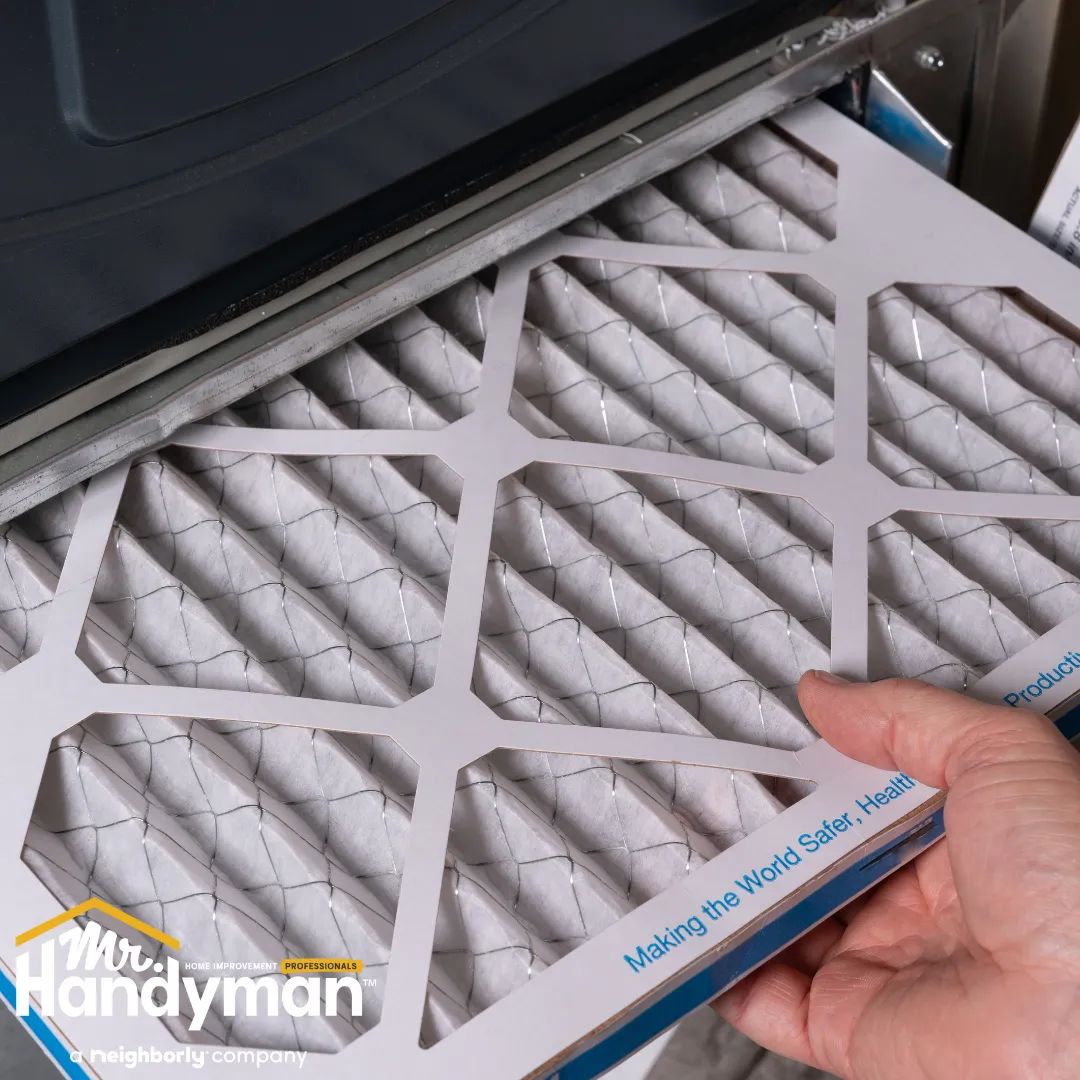
Florida fireplaces are used mostly for ambiance and special occasions, but they still require proper inspection—especially gas units, which dominate the Citrus Park and Keystone market.
1. Stronger, More Consistent Flame Performance
After preparation:
- Gas logs ignite more quickly
- Flames burn evenly and cleanly
- Decorative fireplaces produce a steady appearance
- No flickering from dust or moisture in burners
- Flame height stays consistent throughout use
These improvements enhance seasonal enjoyment and reduce risks.
2. Elimination of Smoke, Odor & Backdraft Issues
Even in gas fireplaces, poor airflow or unused components can cause problems like: A faint “gas smell”
- Pilot hesitation
- Smoky odor when heating elements activate
- Weak drafting in wood-burning fireplaces
Seasonal preparation ensures safe ventilation during holiday events and family gatherings.
3. Safer Fireplace Use During High Guest Traffic
Florida homeowners frequently use fireplaces during:
- Holiday parties
- Christmas morning
- Family gatherings
- New Year’s events
- Seasonal photos
- Weekend winter evenings
With proper preparation, homeowners have confidence that their fireplace will perform reliably throughout these festivities.
Protecting Florida Homes From Winter Weather Patterns
While Florida winters are mild, the region’s weather still affects heating systems and fireplaces in ways many homeowners don’t realize.
1. Temperature Fluctuations Create Unexpected System Stress
Winter cold fronts in Hillsborough County often bring:
- A dramatic temperature drop
- Dry air replacing humidity
- Strong winds
- Increased pollen movement
- Evening lows colder than expected
A prepared system adjusts better to these patterns and avoids strain.
2. Humidity Does Not Disappear During Winter
Florida’s humidity lingers even when temperatures drop.
Humidity causes:
- Corrosion of furnace components
- Mold inside return ducts
- Moisture buildup on heating elements
- Sticky dampers in fireplaces
- Increased airborne particles
Winter preparation addresses these moisture-related risks.
3. Air Conditioning Wear Affects Heating Performance
Because AC is used nearly year-round, important heating components become secondary. This means:
- Blowers experience AC-season dust
- Coils gather pollen and debris
- Vents distribute airflow unevenly
- Thermostats remain calibrated for cooling, not heating
Seasonal maintenance corrects these imbalances.
Home Efficiency Improvements After Winter Preparation
Prepared homes enjoy better energy performance even with Florida’s minimal heating demand.
1. Lower Utility Bills During Cold Fronts
Homes with winter-prepared systems use less energy due to:
- Cleaner airflow
- Correct thermostat calibration
- Improved heat pump efficiency
- Better duct distribution
- Reduced strain on heating strips
Even small savings add up, especially during multi-day cold spells.
2. Fewer Hot/Cold Zones in the Home
Heat pumps often struggle to distribute heat evenly in two-story homes common throughout Citrus Park and Keystone.
Winter preparation helps:
- Stabilize interior temperature
- Improve warm airflow to second floors
- Reduce cold spots near doors or windows
- Balance return air pressure
Homeowners enjoy more uniform comfort.
3. Reduced Stress on the HVAC System
Because heat is used occasionally but intensely, an unprepared system may overwork itself the first time it’s activated.
Maintenance reduces the risk of:
- Overheating
- Motor strain
- Electrical overload
- Failed heating strips
- Premature system failure
These benefits extend HVAC lifespan significantly.
Outdoor & Structural Improvements Related to Winter Preparation
Although Florida winters do not bring snow, outdoor structures still need attention due to humidity changes and seasonal weather.
1. Exterior Sealing Reduces Drafts & Heat Loss
Weak points in Florida homes include:
- Sliding glass doors
- Older windows
- Patio doors
- Garage entry doors
- Attic access hatches
Improved sealing keeps heat inside when needed and reduces HVAC strain.
2. Chimney & Vent Inspections Prevent Holiday Hazards
Florida fireplaces may be used infrequently, but that doesn’t mean they are risk-free. Unchecked chimneys can contain:
- Bird or insect nests
- Debris blown in during storms
- Rust on caps
- Small obstructions
- Gas residue buildup
Seasonal checks ensure trouble-free holiday use.
3. Weatherstripping Enhances Overall Energy Efficiency
Door and window drafts may not be as noticeable as they are in northern homes, but they affect comfort during cold snaps.
Preparation includes:
- Replacing worn seals
- Tightening door alignments
- Adjusting tracks
- Filling gaps in attic accesses
These improvements keep indoor temperatures comfortable with minimal heating effort.
Why Professional Winter Preparation Matters for Florida Homes
Florida’s climate creates a specific set of hidden risks that only skilled professionals recognize.
1. Heating Systems Require Expertise to Diagnose After Long Downtime
DIY attempts often overlook issues such as:
- Sensor corrosion
- Mold in blower compartments
- Weak heating strip performance
- Heat pump valve problems
- Improper thermostat transitions
- Fireplace pilot obstructions
Professionals identify and resolve these risks thoroughly.
2. Florida Fireplaces Require Localized Knowledge Many Florida fireplaces are:
- Gas log systems
- Electric decorative models
- Outdoor fireplaces
- Vent-free designs
- Media fireplaces with built-in heaters
Each type requires different safety and performance checks.
3. HVAC Systems in Florida Run More Hours Than Almost Any Other State
Because AC dominates for most of the year, having a professional tune the heating system ensures it transitions smoothly into winter mode without causing premature wear.
Trusted Furnace & Fireplace Preparation for Citrus Park & Keystone
When homeowners want their home to stay comfortable, safe, and winter-ready, Mr. Handyman serving Citrus Park and Keystone provides reliable, detail-oriented preparation tailored to Florida’s unique climate. From heat pump readiness to electric furnace tune-ups and gas fireplace safety checks, our professionals help ensure your home is prepared for every cool front and every holiday gathering.
Schedule your winter preparation service today with Mr. Handyman serving Citrus Park and Keystone. Get ahead of the season and enjoy a warm, comfortable, efficient home all winter long.