
The Ceiling Communicates What the Nashville Metropolitan Market Evaluates Overhead
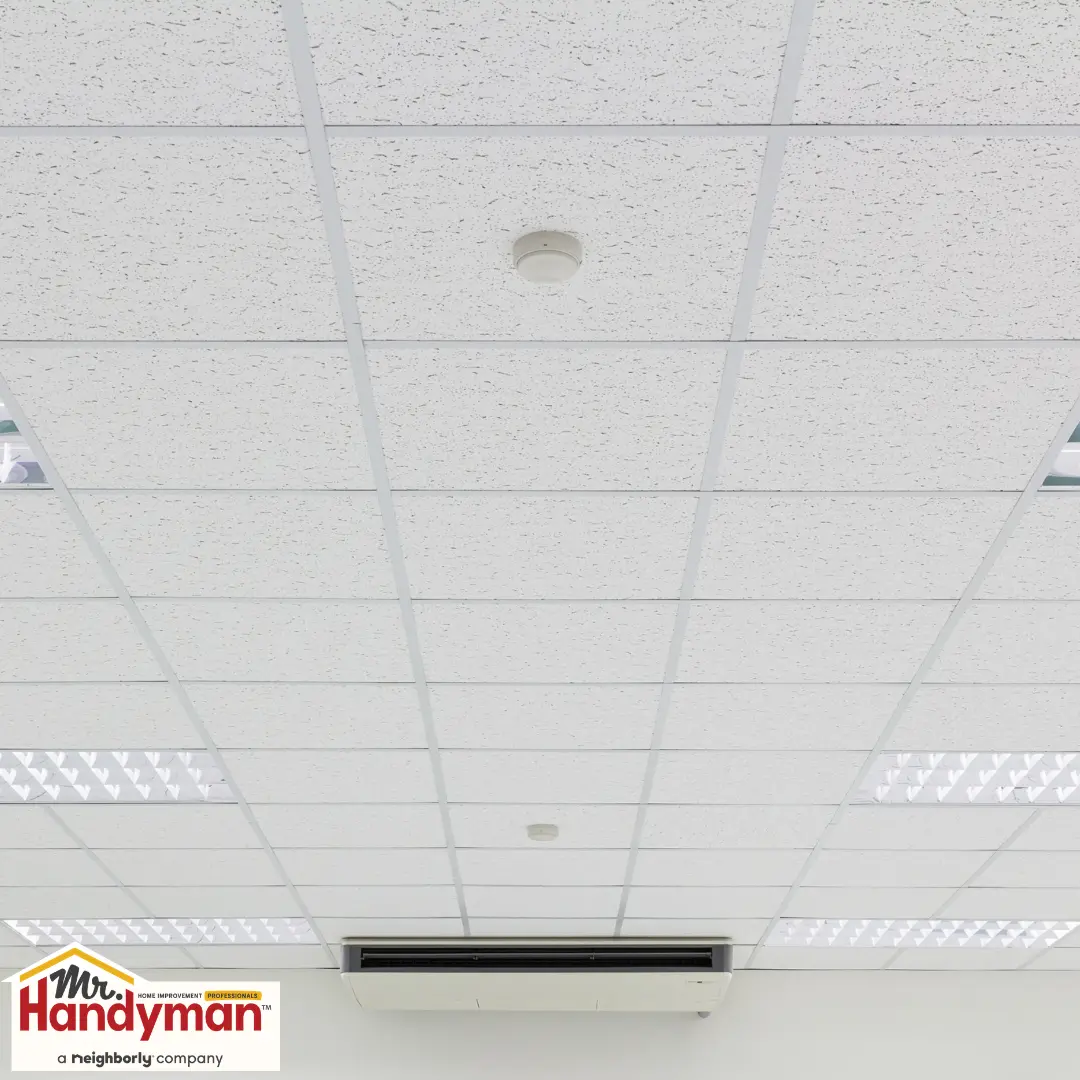
A commercial ceiling in West Nashville, Belle Meade, and Clarksville is not background architecture that customers observe passively while evaluating other aspects of the business environment. It is the largest continuous overhead surface that every customer in every occupied commercial space sees simultaneously from every position in the room, and its condition communicates the management standard and maintenance investment of the business more comprehensively than any other single interior surface because no proximity variation or selective observation angle reduces its visibility from any customer location beneath it.
The specific conditions that the Nashville Basin's transitional climate creates in commercial ceiling tile systems distinguish the West Nashville, Belle Meade, and Clarksville service area's ceiling maintenance requirements from national guidance calibrated to average commercial building conditions. The HVAC seasonal transition that the Nashville Basin's genuine temperature variation between the heating season and the summer's cooling demand creates produces the ductwork condensation above commercial ceiling planes during the weeks when the transition from the heating season's conditioned plenum environment to the cooling season's cold supply air creates the temperature differential that condensation requires above finished ceiling assemblies throughout the service area's commercial buildings. The Nashville Basin's warm, humid conditions that the extended growing season sustains advance the biological growth that moisture-affected ceiling tiles develop at the rates that the regional climate's warmth and humidity creates in those organic, moisture-laden materials more aggressively than drier or harder-freezing markets produce at the same pace. And the Cumberland River watershed's water chemistry creates the specific mineral staining character in ceiling tiles affected by plumbing leak events and HVAC condensation that the regional water chemistry produces in tile materials in ways that the softer water of other markets does not create at the same mineral deposit concentration.
The Nashville metropolitan consumer base that the West Nashville, Belle Meade, and Clarksville service area's commercial market serves creates the specific ceiling quality evaluation that the broader metropolitan market's commercial standards establish as the reference point the service area's consumers bring to every business visit. Belle Meade's premium commercial character makes this evaluation specifically consequential because the community's established residential consumer base and the professional services that the community's commercial properties host both create the interior quality expectation that the premium market evaluates at the overhead detail level that ceiling condition communicates throughout every customer visit.
What the Nashville Basin Creates in Commercial Ceiling Systems
The HVAC transitional condensation from the Nashville Basin's genuine seasonal temperature variation is the most consequential regional ceiling tile staining source in commercial buildings throughout the service area. The transition between the temperatures the Nashville Basin's heating season creates in commercial building plenum environments and the cooling demand that Middle Tennessee's summer activates produces the ductwork condensation above commercial ceiling planes at the temperature differential that the regional seasonal variation creates. When commercial HVAC systems shift from heating to cooling mode as the Nashville Basin's spring warming activates the cooling demand, the ductwork carrying cold supply air passes through plenum environments that the heating season conditioned to temperatures above the cooling season's supply air, creating the condensation that drips through ceiling plane penetrations and onto tile surfaces at the rates the Middle Tennessee seasonal transition produces.
The biological growth dimension of ceiling tile deterioration in West Nashville, Belle Meade, and Clarksville area commercial buildings reflects the establishment condition that the Nashville Basin's warm, humid transitional climate creates in the moisture-affected ceiling tile materials the regional biological growth activity advances. The moisture that HVAC transitional condensation introduces to ceiling tile materials creates the biological growth conditions that the Nashville Basin's warmth and humidity advances in those organic, moisture-laden tile substrates between professional maintenance intervals. The biological staining and the air quality concerns that affected ceiling tiles produce communicate both the aesthetic deterioration and the occupant environment concern that the Nashville metropolitan consumer base specifically registers against the maintained commercial reference environments of the broader metropolitan market.
The Cumberland River watershed's water chemistry staining dimension in ceiling tiles affected by plumbing leaks and HVAC condensation events carries the mineral deposit character that the regional water supply creates in moisture events. The calcium and magnesium content that the Cumberland River system and the regional supply infrastructure delivers creates the yellowish-brown mineral deposit staining that the service area's water chemistry embeds in ceiling tile materials through leak and condensation events in ways that cleaning addresses at the surface appearance without extracting from the mineral-absorbed material beneath the visible surface layer.
The extended Nashville Basin warm season adds the biological growth advancement dimension that the region's extended growing season sustains in moisture-affected ceiling tile materials through the full warm period. Commercial buildings in West Nashville, Belle Meade, and Clarksville that experience HVAC transitional condensation in spring have the full Middle Tennessee growing season ahead during which the biological growth the condensation moisture initiated advances in affected ceiling tiles without the cold-season biological suppression that harder-freezing markets receive between spring moisture events and the following year's warm season.
Belle Meade's Specific Ceiling Quality Context

The City of Belle Meade's premium commercial character creates the ceiling maintenance context where the quality signal that commercial ceiling condition communicates is evaluated against the premium residential and commercial reference environments that the community's established character creates as the standard that both the community's residential consumer base and the professional services operating within the city sustain as the quality expectation that every commercial interior detail must meet. A commercial ceiling in a Belle Meade business that communicates the biological staining and deferred maintenance that the Nashville Basin's conditions advance in neglected ceiling tile systems presents the quality inconsistency that the community's sophisticated consumer base translates into the brand confidence assessment that affects patronage decisions in the community's competitive premium commercial landscape.
Identifying Ceiling Tile Conditions Requiring Replacement in Middle Tennessee Commercial Spaces
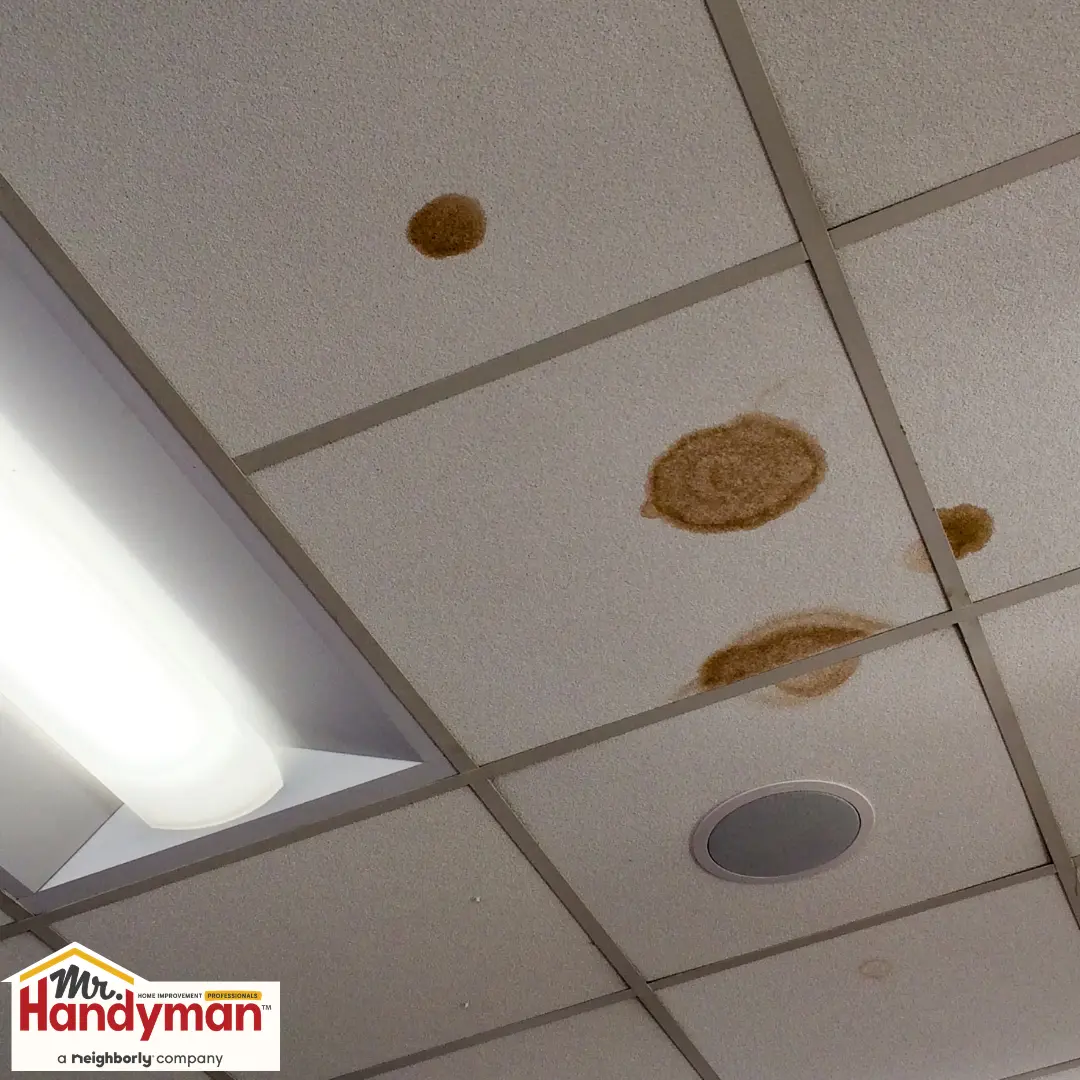
The range of ceiling tile conditions that West Nashville, Belle Meade, and Clarksville area commercial spaces present reflects the specific damage mechanisms that the Nashville Basin's HVAC seasonal transition condensation, the Cumberland River watershed's water chemistry, the extended warm season's biological growth advancement, and the humid transitional conditions create in ceiling systems, and understanding which conditions require replacement versus cleaning directs maintenance investment to the responses that ceiling condition restoration in the service area's commercial environment actually requires.
HVAC transitional condensation staining with Cumberland watershed mineral deposits is the most consistently replacement-warranting ceiling tile condition in service area commercial buildings. The combination of moisture absorption that tile material receives from the condensation above the ceiling plane and the Cumberland River watershed's water chemistry creates the embedded mineral staining that cleaning addresses at the surface appearance without extracting from the mineral-absorbed material beneath. The Nashville Basin's spring HVAC transition produces the condensation that introduces the regional water chemistry's mineral content into ceiling tile materials, and the extended warm season that follows then advances biological growth in those moisture-affected tiles through the full growing season. The combination of the Cumberland watershed's embedded mineral staining and the Nashville Basin's biological growth advancement in the same moisture-affected tiles creates the ceiling condition that replacement resolves most completely in the service area's commercial environment.
Plumbing leak staining from commercial building water systems represents the ceiling tile staining category whose source resolution must precede replacement tile installation. The Cumberland River watershed's mineral deposit character in plumbing leak staining makes replacement urgency more pronounced in the service area because the mineral absorption the regional water chemistry creates in plumbing leak-affected ceiling tiles produces the permanent staining that cleaning cannot reverse, making replacement after source resolution the specifically warranted response.
Biologically established tiles in West Nashville, Belle Meade, and Clarksville area commercial ceilings carry the staining and air quality conditions that the Nashville Basin's extended warm, humid season advances in moisture-affected ceiling tile materials from the initial moisture event through the full growing season. The biological growth that moisture-affected tiles develop progresses through the Nashville Basin's extended warm season without the cold-season biological suppression that harder-freezing markets receive between moisture events and the following year's warm period, creating the advanced biological establishment that communicates the occupant environment concern and aesthetic deterioration the Nashville metropolitan consumer base specifically registers against maintained commercial reference environments.
Structurally compromised tiles that the Nashville Basin's extended HVAC transitional condensation and plumbing leak events have advanced beyond dimensional stability indicate the replacement urgency that safety and appearance both warrant in the occupied commercial spaces beneath those compromised assemblies throughout the service area.
Building a Replacement Program for Middle Tennessee Commercial Ceilings
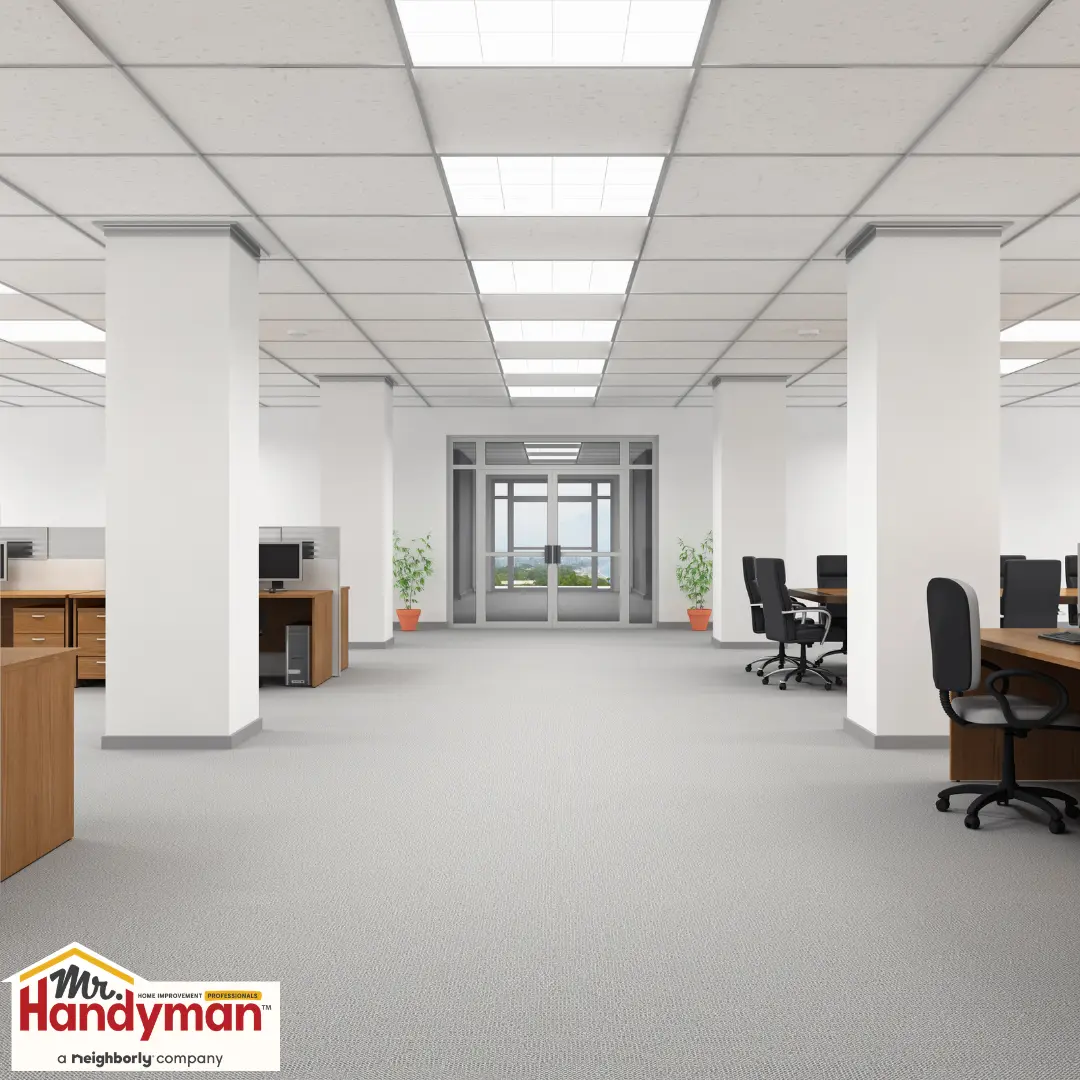
Post-HVAC-transition inspection timing calibrated to the Nashville Basin's spring warming creates the ceiling condition assessment that captures the staining and biological growth initiation of the regional HVAC transitional condensation mechanism produced in commercial ceiling tiles. Conducting ceiling assessment in the weeks following the HVAC system's shift to cooling mode in service area commercial buildings, typically occurring between March and May depending on the year's temperature progression, identifies the transition staining and early biological growth initiation before the Nashville Basin's extended warm season advances those moisture-initiated conditions through the full growing season.
The extended warm season urgency that the Nashville Basin creates for post-HVAC-transition ceiling assessment reflects the biological growth advancement the regional climate sustains in moisture-affected tiles through the full growing season without the cold-season suppression that harder-freezing markets provide. A West Nashville, Belle Meade, or Clarksville area commercial building completing the post-HVAC-transition ceiling assessment and replacing tiles showing moisture staining and biological growth initiation before the Nashville Basin's extended warm season advances those conditions prevents the advanced biological establishment that the regional growing season creates in inadequately maintained moisture-affected ceiling tiles.
Systematic versus reactive replacement produces measurably better continuous ceiling quality in service area commercial spaces than programs waiting for customer-visible deterioration to trigger replacement response. The Nashville Basin's HVAC transitional condensation mechanism combined with the extended warm season's biological growth advancement creates the recurring conditions that advance developing ceiling tile deterioration toward customer-visible deterioration more rapidly than in harder-freezing or drier commercial markets.
Selecting Replacement Tiles for Middle Tennessee Commercial Applications
Moisture-resistant tile specification for West Nashville, Belle Meade, and Clarksville area commercial ceiling replacement addresses the HVAC transitional condensation and the extended Nashville Basin warm season's biological growth advancement the regional conditions create as recurring ceiling tile mechanisms rather than exceptional events. Standard acoustic tiles develop the moisture absorption and biological growth conditions that the Nashville Basin's extended warm season advances in affected materials without the cold-season interruption that harder-freezing markets provide, and moisture-resistant alternatives with built-in mold and mildew resistance deliver the service interval between replacement cycles that standard tiles cannot provide through the regional conditions.
Cumberland watershed mineral staining resistance in replacement tile selection specifically addresses the mineral deposit character that the service area's water supply creates in moisture-affected ceiling tiles through HVAC condensation and plumbing leak events. Tile specifications that include surface treatments resisting mineral deposit absorption provide better performance in the Middle Tennessee water chemistry context than standard acoustic tiles whose porous surfaces absorb the Cumberland River watershed's mineral content at the rates the regional supply consistently delivers in condensation and moisture events.
Frequently Asked Questions
How does the Nashville Basin's extended warm season specifically affect commercial ceiling tile replacement frequency?
The Nashville Basin's extended warm season creates the biological growth advancement that the regional climate sustains in moisture-affected ceiling tiles through the full growing season without the cold-season biological suppression that harder-freezing markets provide between moisture events and the following year's warm period. A commercial building in West Nashville, Belle Meade, or Clarksville that experiences HVAC transitional condensation moisture in the spring has the full Middle Tennessee growing season ahead during which biological growth advances in affected tiles at the rates regional warmth and humidity sustains between the moisture event and the following year's assessment opportunity. This extended biological growth advancement period means moisture-affected tiles develop advanced biological establishment more rapidly than comparable tiles in harder-freezing markets, and the replacement frequency maintaining acceptable commercial ceiling quality in the service area reflects that extended warm season biological growth acceleration.
Should Middle Tennessee commercial ceiling tile staining from Cumberland watershed condensation be cleaned or replaced?
The Cumberland River watershed's mineral deposit character that the Nashville Basin's HVAC transitional condensation creates in affected ceiling tile materials embeds calcium and magnesium into tile materials that cleaning removes from the surface appearance without extracting from the mineral-absorbed material beneath. The Nashville Basin's annual HVAC transitional condensation mechanism returns the Cumberland watershed's mineral staining to cleaned tiles through the next seasonal transition event, producing the repeated cleaning cost cycle that replacement interrupts by delivering the uniform appearance that new tiles provide until the next replacement interval. The service area's water chemistry makes replacement the more financially justified response than the cleaning cycle that the Cumberland River watershed's mineral content makes consistently temporary in commercial ceilings throughout the service area.
How does the Nashville Basin's spring HVAC transition affect ceiling tile replacement timing?
The Nashville Basin's spring warming creates the HVAC transitional condensation that the regional seasonal progression produces in commercial building plenum environments transitioning from heating to cooling operation. Post-HVAC-transition ceiling assessment in the weeks following the cooling system's activation provides the staining condition documentation that replacement planning requires before the Nashville Basin's extended warm season advances those moisture-initiated conditions toward the advanced biological establishment the regional growing season creates in inadequately maintained moisture-affected ceiling tiles.
What is the most cost-effective approach to ceiling tile maintenance in West Nashville, Belle Meade, and Clarksville area commercial spaces?
Systematic inspection timed to the Nashville Basin's post-HVAC-transition period combined with targeted replacement of tiles showing transition staining and biological growth initiation, supplemented by plumbing leak monitoring for water distribution systems above commercial ceiling planes, and supported by HVAC system maintenance addressing condensate drain cleaning and coil condition, provides the most cost-effective approach for sustained ceiling quality. This approach costs less across the maintenance cycle than the full ceiling replacement that deferred reactive programs eventually require and maintains the professional overhead presentation that the Nashville metropolitan consumer base evaluates continuously against the quality reference points the broader metropolitan market creates.
How does the Nashville metropolitan consumer base affect ceiling tile maintenance expectations in the West Nashville, Belle Meade, and Clarksville commercial market?
The Nashville metropolitan market's commercial environments that the service area's consumer base regularly inhabits create the quality reference points those consumers bring to every service area business visit, and the commercial ceiling condition falling below the maintenance standard those metropolitan commercial environments communicate is evaluated against the quality gap that the Nashville metropolitan consumer translates into the brand confidence and patronage decisions that ceiling maintenance directly affects. Belle Meade's premium commercial character makes this evaluation specifically pronounced because the community's established residential consumer base expects the premium overhead presentation that the systematic replacement program the Nashville Basin's regional conditions require delivers as the maintained investment standard the community's commercial market rewards.
Ceilings That Communicate West Nashville, Belle Meade, and Clarksville Commercial Quality
The commercial ceiling in a West Nashville, Belle Meade, or Clarksville area business is the overhead surface that every customer observes throughout every visit, and its condition communicates the management standard the business sustains through the Nashville Basin's HVAC transitional condensation, the Cumberland watershed's mineral deposit character in those condensation events, the extended warm season's biological growth advancement in moisture-affected tiles, and the regional humid transitional conditions that advance ceiling tile deterioration more rapidly than harder-freezing or drier commercial markets produce at comparable maintenance intervals. A ceiling maintained through the systematic replacement program that the service area's specific climate mechanisms require demonstrates the active management investment that the Nashville metropolitan consumer base translates into the business quality confidence that competitive service area commercial environments specifically reward.
The team at Mr. Handyman of West Nashville, Belle Meade, and Clarksville has the commercial maintenance experience to help businesses assess, plan, and execute ceiling tile replacement programs that maintain the professional overhead presentation their brand standards and the Nashville metropolitan market require.
Website: https://www.mrhandyman.com/nashville-west-south-central/
Serving businesses throughout West Nashville, Belle Meade, and Clarksville with dependable commercial maintenance and the expertise your property deserves.