
Middle Tennessee's Spring Storm Season Creates Specific Commercial Property Demands
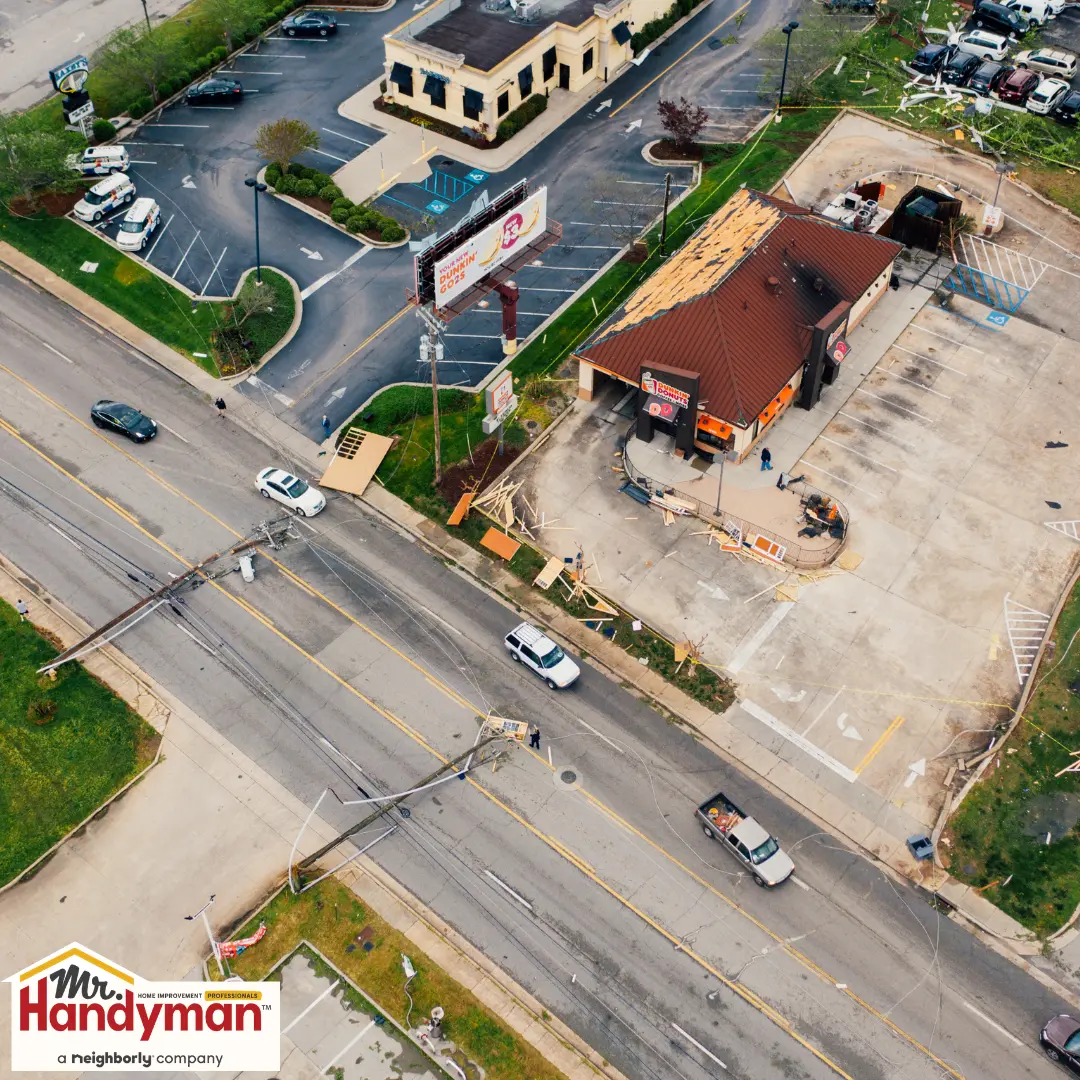
Commercial property owners and managers in West Nashville, Belle Meade, and Clarksville operate within the spring weather pattern that the Nashville Basin's position in the mid-South and the Middle Tennessee region's transitional climate creates as the defining seasonal reality for the service area's commercial landscape. The organized frontal systems that track through the Tennessee Valley, the Gulf moisture that the regional atmospheric pattern draws northward through the spring months, and the convective storm activity that the Nashville Basin's spring warming generates together deliver the concentrated rainfall, the significant wind events, and the occasional severe weather that Middle Tennessee's spring storm season creates for commercial properties throughout Davidson and Montgomery Counties.
The commercial property environment across the West Nashville, Belle Meade, and Clarksville service area reflects the diverse development character that the Nashville metropolitan area's sustained growth has created. The established commercial corridors of West Nashville's Charlotte Avenue, the White Bridge Road business district, and the commercial development that Nashville's westward expansion produced carry the original commercial construction whose age and the Nashville Basin's transitional climate have been advancing the building envelope and structural conditions that spring storm assessment specifically evaluates. Belle Meade's commercial character reflects the premium community standards that the city's established residential and commercial context sustains along Harding Pike and the Belle Meade Boulevard corridor. And Clarksville's rapidly expanding commercial landscape along Wilma Rudolph Boulevard, the US-41A corridor, and the Madison Street business district carries the diverse commercial stock whose spring storm exposure reflects the full range that Middle Tennessee's organized frontal systems and convective activity delivers to commercial properties throughout Montgomery County.
The common thread across these diverse commercial environments is the Nashville Basin's spring storm season whose organized frontal precipitation, significant wind events, and concentrated rainfall tests every commercial building in the service area with the specific storm character that the Middle Tennessee spring creates. Pre-season preparation that addresses what the Nashville Basin's winter produced in commercial building systems before those systems are tested by the spring storm season converts the active rainfall period from an emergency discovery environment into a managed maintenance situation whose outcomes reflect the planning that preceded the first significant spring event.
What Middle Tennessee Winters and Springs Produce in Commercial Building Systems

Commercial roofing conditions after a Middle Tennessee winter reflect the thermal cycling that the Nashville Basin's genuine seasonal variation creates in commercial roofing membrane assemblies, flashings, and drainage components. The biological growth that the Nashville Basin's warm, humid transitional climate advances on commercial roofing surfaces between professional maintenance intervals creates the organic accumulation on membrane surfaces and drain areas that concentrated Middle Tennessee spring rainfall tests when those drainage systems must manage peak flow conditions without the obstruction that biological growth and organic debris creates. Post-winter roofing assessment that confirms membrane integrity, flashing adhesion, and drainage pathway clearance provides the condition inventory that spring storm preparation requires before the active rainfall period tests those conditions.
Building envelope sealant conditions on West Nashville, Belle Meade, and Clarksville area commercial properties reflect the Nashville Basin's thermal cycling contribution to caulked joint adhesion failure at building envelope transitions. The thermal variation that the service area experiences between the heating season's genuine freeze events and the summer's heat advances the joint adhesion failure at window perimeters, curtain wall transitions, storefront assemblies, and utility penetrations on commercial buildings throughout the service area. The organized frontal systems that Middle Tennessee's spring delivers carry the wind-driven rainfall that tests those compromised building envelope conditions with the horizontal moisture loading that concentrated spring precipitation creates against commercial facade joints that inadequate sealant leaves as infiltration pathways.
Biological growth on commercial exterior surfaces reflects the condition that the Nashville Basin's warm, humid transitional climate advances on commercial building facades and the exterior surfaces that the regional warmth and moisture creates as the ongoing biological establishment condition between maintenance intervals. Commercial properties in West Nashville and Clarksville whose exterior surfaces carry the biological accumulation that inadequate maintenance allows to advance present the compromised substrate that spring storm events expose through the moisture infiltration that biological establishment creates in the material degradation beneath organic growth.
The Nashville Basin's clay soil spring saturation response creates the below-grade commercial building condition that the Middle Tennessee geology specifically creates for commercial properties with basement or below-grade mechanical and storage spaces during and following significant spring storm events. The clay soils that West Nashville and Clarksville area commercial properties sit on respond to concentrated spring rainfall by saturating and creating the hydrostatic pressure against commercial building foundations and below-grade components that the regional clay soil's drainage limitation concentrates during the active spring storm season.
The Middle Tennessee Spring Storm Season's Commercial Risk Profile
The Tennessee Valley's organized frontal system character creates the specific commercial building envelope loading that the service area's spring storm season produces through the wind-driven precipitation that organized frontal systems deliver against commercial facades with the horizontal moisture loading that those systems create as their defining characteristic for building envelope performance in the Nashville Basin's commercial property environment. The spring frontal systems that track through the Tennessee Valley deliver the sustained wind-driven rainfall that tests building envelope sealant, roofing membrane edge conditions, and the commercial storefront assemblies that West Nashville's Charlotte Avenue corridor and Clarksville's commercial districts present to the organized storm character that Middle Tennessee's spring reliably creates.
The Cumberland River watershed's flood risk dimension that the Nashville area's significant flooding history creates adds the specific commercial property consideration that below-grade commercial spaces in the lower-elevation positions along the Cumberland River corridor, the Harpeth River drainage, and the creek tributaries that serve the service area require as a spring storm preparation priority beyond the standard building envelope assessment that all commercial properties warrant before the active spring season.
Building Envelope Preparation for the Middle Tennessee Spring Season

The building envelope repairs that West Nashville, Belle Meade, and Clarksville area commercial property owners address before the spring storm season carries the specific urgency that the Nashville Basin's organized frontal systems and convective storm activity, the biological growth conditions the regional transitional climate advances on exterior surfaces, and the thermal cycling that Middle Tennessee's seasonal variation creates at building envelope transitions produces as the regional spring commercial maintenance priority.
Biological treatment before caulking and sealant restoration at every building envelope transition on service area commercial properties addresses the organic establishment that the Nashville Basin's previous warm season advanced on exterior surfaces adjacent to those transitions before new sealant is applied over the clean substrate that biological removal provides. Applying new caulk over biologically established surfaces in the Nashville Basin's transitional climate seals organic material beneath the new sealant layer that the subsequent warm season then advances through at the rates the regional biological growth conditions create, producing the premature failure that biological treatment before application specifically prevents.
Caulking replacement at identified failure locations with high-performance elastomeric products appropriate for the Nashville Basin's thermal cycling and the organized frontal system's wind-driven rainfall provides the weather exclusion that Middle Tennessee's spring storm season requires to find intact protection at building envelope joints. Spring sealant replacement before the active spring frontal system period converts the moisture infiltration that failed sealant allows into the managed building envelope condition that adequate protection provides through the concentrated rainfall events that Middle Tennessee's spring reliably delivers to the commercial buildings across the West Nashville and Clarksville service area.
Post-storm building facade assessment following significant Middle Tennessee spring events evaluates the window and glazing condition, the storefront assembly integrity, and the exterior finish and sealant conditions that the concentrated wind-driven rainfall that organized frontal systems create in commercial building facades throughout the service area. Commercial properties along West Nashville's Charlotte Avenue corridor, the Belle Meade Boulevard commercial district, and Clarksville's Wilma Rudolph Boulevard and Madison Street commercial corridors that sustained wind-driven precipitation from a significant spring frontal system warrant the systematic post-event assessment that distinguishes the moisture infiltration pathways those events revealed from the pre-existing conditions that pre-season assessment would have addressed before the spring storm season tested those building envelope conditions.
HVAC and Mechanical Systems: Spring Season Readiness

Rooftop HVAC equipment condition deserves specific spring attention for West Nashville, Belle Meade, and Clarksville area commercial properties because the biological growth accumulation that the Nashville Basin's warm, humid conditions advance on rooftop equipment between professional maintenance intervals creates the coil restriction and the drainage obstruction that the seasonal transition to cooling mode tests when commercial HVAC systems shift to the cooling demand that the Middle Tennessee summer's heat and humidity activates. A commercial HVAC system whose rooftop equipment carries the biological growth and organic accumulation that the Nashville Basin's previous outdoor season advanced manages the seasonal transition with the coil restriction and drainage limitation that inadequate maintenance creates in the regional biological growth environment.
Condensate drain assessment for West Nashville, Belle Meade, and Clarksville area commercial HVAC systems addresses the biological growth and organic accumulation that the Nashville Basin's warm, humid transitional climate advances in condensate drain lines between annual service intervals. The seasonal transition to cooling mode that the Middle Tennessee spring activates in commercial HVAC systems produces the condensate volumes that the humid conditions create, and the drain obstruction that biological growth creates in those drain pathways during the warm season produces the overflow and water damage conditions that annual pre-season clearing prevents.
Emergency generator readiness for service area commercial properties whose operations require continuous power should be confirmed through load testing and fuel supply verification before the spring storm season rather than during the power outage that Middle Tennessee's significant spring frontal systems occasionally create in the Nashville Electric Service and Cumberland Electric Membership Corporation distribution infrastructure serving the service area's commercial landscape.
Site, Grounds, and Drainage Assessment
Commercial site drainage assessment at West Nashville, Belle Meade, and Clarksville area properties evaluates the inlet conditions, surface grade, and the paving conditions that the Nashville Basin's clay soil spring saturation response and the concentrated rainfall that Middle Tennessee's organized frontal systems deliver creates in commercial site drainage infrastructure. The drainage inlet blockages, biological growth in drainage pathways, and the surface conditions that pre-season assessment identifies and addresses before those frontal system events arrive converts reactive emergency drainage management into the planned maintenance that protects commercial property during the events the Middle Tennessee spring reliably delivers.
The Cumberland River watershed's flood risk dimension for West Nashville and Clarksville area commercial properties in lower-elevation positions along river corridors and creek drainages warrants the site drainage assessment that specifically evaluates whether current drainage infrastructure adequately manages the combined direct rainfall and concentrated watershed drainage that significant Middle Tennessee spring frontal systems create simultaneously at those drainage positions. Commercial properties in the Clarksville area adjacent to the Red River and Cumberland River corridors and the West Nashville commercial properties adjacent to the Harpeth River drainage both warrant the watershed-aware drainage assessment that the Middle Tennessee flooding history specifically motivates as a spring commercial preparation priority.
Frequently Asked Questions
How often should West Nashville, Belle Meade, and Clarksville area commercial properties address biological growth on building exteriors before spring storm season?
Annual pre-spring biological treatment of commercial building facades, roofing surfaces, and the exterior hardscape that the Nashville Basin's warm, humid conditions sustain biological establishment on between maintenance intervals provides the appropriate treatment frequency for most service area commercial properties. The Nashville Basin's extended warm season advances biological growth from the previous spring's treatment through the full growing season, and the spring treatment that removes that accumulated establishment before the spring storm season's organized frontal systems mobilize that organic material against building envelope transitions and drainage pathways provides the clean surface condition that the service area's spring storm management specifically requires.
What spring storm-related damage is most common in West Nashville, Belle Meade, and Clarksville area commercial properties?
Building envelope moisture infiltration through the compromised caulking and sealant joints that the Nashville Basin's thermal cycling and biological growth conditions advance at commercial building envelope transitions is the most consistently identified spring storm damage category across the service area's commercial properties. The concentrated wind-driven rainfall that Middle Tennessee's organized frontal systems direct against commercial building facades tests those compromised envelope joints with the horizontal moisture loading those systems create, and the pre-season biological treatment and sealant restoration that addresses those conditions before the active spring frontal system period converts moisture infiltration from recurring storm damage discovery into the managed building envelope condition that adequate spring preparation provides.
How does the Nashville Basin's clay soil specifically affect commercial spring storm preparation in West Nashville and Clarksville?
The Nashville Basin's clay soils create the specific spring storm preparation priority that the clay's rapid saturation response to concentrated Middle Tennessee rainfall produces in the below-grade commercial building conditions that the regional geology creates for commercial properties with basement or below-grade spaces. The clay soil's drainage limitation concentrates spring frontal system rainfall against commercial building foundations and below-grade components at the hydrostatic pressure rates that the Nashville Basin's clay creates during rapid saturation, and the pre-season assessment of below-grade drainage adequacy, sump system capacity, and foundation perimeter conditions before the spring storm season's first significant frontal system event tests those conditions provides the preparation information that commercial property management in the Middle Tennessee clay soil environment specifically requires.
Should West Nashville, Belle Meade, and Clarksville area commercial properties install backflow prevention for spring storm season?
Commercial properties in the service area whose sewer infrastructure connections serve below-grade spaces or whose drainage positions create the surcharging risk that significant Middle Tennessee spring events deliver to the established infrastructure serving those properties warrant the backflow prevention assessment that professional evaluation provides before the active spring storm season. Tennessee Department of Environment and Conservation cross-connection control requirements and the applicable municipal utility requirements of Nashville Water Services and the Clarksville-Montgomery County Water System establish the regulatory framework that commercial property backflow prevention must satisfy in the service area's jurisdictions, and confirming current compliance alongside the spring storm preparation the regional season warrants provides the complete protection framework.
How far in advance should West Nashville, Belle Meade, and Clarksville area commercial properties complete spring storm preparation?
February and March completion of the systematic biological treatment, building envelope sealant assessment, roofing inspection, site drainage evaluation, and HVAC equipment assessment that spring storm preparation encompasses provides the scheduling buffer that contractor availability, material procurement, and repair completion before April's increasing organized frontal system activity requires in the Middle Tennessee commercial property market. The Nashville Basin's spring storm season increases in organized frontal system frequency and convective storm activity through April and May, and the preparation that completes through March provides the full buffer that contractor scheduling and material lead times for identified repairs require before those active storm months test the commercial building conditions that winter and early spring produced across the Davidson and Montgomery County commercial landscape.
Prepared Middle Tennessee Commercial Properties Navigate the Spring Storm Season From Strength
The commercial properties across West Nashville, Belle Meade, Clarksville, and the surrounding Davidson and Montgomery County communities whose owners and managers complete systematic spring storm preparation before the Nashville Basin's organized frontal systems and convective storm activity tests every commercial building simultaneously are positioned to manage those events as planned maintenance situations rather than emergency discoveries. The biological growth treated from building envelope surfaces before spring frontal systems mobilize that accumulation against envelope transitions, the sealant restored before the concentrated wind-driven rainfall tests those joints, the HVAC equipment cleared for seasonal transition before cooling demand activates, and the site drainage confirmed adequate for the clay soil's spring saturation response all represent costs managed on planned timelines rather than the emergency service rates and business interruption consequences that the same conditions discovered through spring storm damage create.
The team at Mr. Handyman of West Nashville, Belle Meade, and Clarksville brings the commercial property maintenance experience to help business owners and property managers prepare their service area properties before the Middle Tennessee spring storm season tests everything those buildings are carrying.
Website: https://www.mrhandyman.com/nashville-west-south-central/
Serving businesses throughout West Nashville, Belle Meade, and Clarksville with dependable commercial maintenance and the expertise your property deserves.