The Nashville Metropolitan Business Environment Makes Signage Quality a Competitive Priority

Commercial signage in West Nashville, Belle Meade, and Clarksville operates within a business environment shaped by the Nashville metropolitan area's remarkable decade of economic expansion, the diverse commercial character that the service area's varied neighborhoods and commercial corridors create across Davidson and Montgomery Counties, and the Nashville Basin's spring storm season that tests every exterior commercial installation through the organized frontal systems and convective storm activity that the regional spring delivers to commercial signage with the frequency and intensity that Middle Tennessee's transitional climate creates for the service area's commercial landscape.
The business whose signage communicates professional quality and active maintenance investment is positioning itself favorably in a regional consumer market whose quality reference points reflect the corporate and professional culture that the Nashville metropolitan area's significant employer base and rapid business growth has established as the standard that commercial presentation is evaluated against throughout the service area. The Nashville metropolitan market's sophisticated consumer base, which the corporate relocations, the music and entertainment industry, and the healthcare and technology sectors that Nashville's economic expansion has concentrated in the region, creates the quality expectation that commercial signage is measured against in the competitive service area business environment.
The Rock Hill and Fort Mill service area's commercial signage environment reflects the distinctive character of each commercial corridor and community. West Nashville's Charlotte Avenue corridor carries the authentic neighborhood commercial character and the creative business culture that the Sylvan Park, Nations, and West Nashville communities sustain. Belle Meade's Harding Pike corridor carries the premium retail and professional service signage standards that the community's established residential character and the sophisticated consumer base those properties attract creates. And Clarksville's Wilma Rudolph Boulevard, Madison Street, and the US-41A corridor carry the diverse commercial signage that the service area's military community, the Austin Peay State University population, and the Montgomery County business landscape creates across one of Tennessee's most active commercial growth environments.
Understanding what the Nashville Basin's spring storm season specifically produces in commercial signage, how installation appropriate for the regional biological growth conditions and Middle Tennessee's thermal cycling differs from moderate-climate specifications, and what the maintenance priorities are for the service area's specific signage environment gives local businesses the practical awareness to protect their signage investment and maintain the professional presentation that the Nashville metropolitan market's quality-conscious consumer base specifically rewards.
What the Nashville Basin's Climate Does to Commercial Signage
Biological growth on commercial sign surfaces is the most distinctively regional commercial signage maintenance challenge in the West Nashville, Belle Meade, and Clarksville service area because the Nashville Basin's warm, humid growing season advances the mold, mildew, and algae that establishes on sign cabinet assemblies, face materials, graphic surfaces, and mounting hardware with the frequency and biological establishment rate that the regional transitional climate's warmth and moisture creates between maintenance intervals. Commercial signage in the service area experiences the biological growth that the Nashville Basin's extended warm season sustains at rates that the signage markets of drier southwestern markets or cooler northern markets do not manage at the same biological establishment pace, and the maintenance disciplines that account for the regional biological growth conditions distinguish service area commercial signage from the moderate-climate specifications that underestimate the organic establishment that Middle Tennessee's warm, humid outdoor environment creates in commercial sign materials.
The Nashville Basin's thermal cycling creates the specific mounting hardware stress and cabinet assembly cycling that the service area's genuine seasonal variation between the heating season's freeze events and the summer's heat and humidity produces in commercial sign installations across Davidson and Montgomery Counties. The expansion and contraction that sign cabinet frames, mounting hardware, and the adhesive bonds between graphic materials and substrates experience through Middle Tennessee's seasonal range advances the fastener loosening, cabinet assembly stress, and the graphic material adhesion conditions that the regional climate creates between maintenance intervals at rates that more thermally stable climates do not produce between comparable service periods.
The spring storm season's concentrated wind-driven rainfall creates the weatherproofing stress and the mounting hardware loading that the Nashville Basin's organized frontal systems and convective storm activity delivers to commercial sign installations with the intensity and frequency that the Middle Tennessee spring creates for the service area's commercial signage environment. The sustained wind-driven precipitation that significant Middle Tennessee frontal systems produce tests sign cabinet weatherproofing, electrical connections on illuminated signs, and mounting hardware integrity at the concentrated rates that the regional spring storm character creates rather than the gradual precipitation that more moderate markets manage as their primary sign weatherproofing challenge.
Biological growth on sign faces and graphic materials in West Nashville, Belle Meade, and Clarksville area commercial signage reflects the organic establishment that the Nashville Basin's warm, humid growing season advances on sign cabinet surfaces and face materials between professional cleaning intervals. Sign faces whose recessed areas and texture variations accumulate organic material carry the biological staining and appearance deterioration that the Middle Tennessee warm season advances most visibly between professional cleaning intervals in the service area's biologically active outdoor environment.
Installation: Getting It Right for the Nashville Basin Environment

Substrate selection for Middle Tennessee area exterior signage should prioritize the material performance specifications that the Nashville Basin's biological growth conditions, the regional thermal cycling, and the spring storm season's concentrated wind-driven rainfall creates as requirements for commercial signage that maintains its quality through the regional environment. Aluminum composite material provides the dimensional stability through the Nashville Basin's thermal variation, the surface hardness that resists biological attachment compared to more porous substrate materials, and the compatibility with the UV-stable and mildew-resistant coating systems that the service area's biological growth conditions make specifically important for maintaining graphic quality through the regional exposure conditions.
Hardware specification for Middle Tennessee's spring storm exposure must account for the wind loading and moisture that the Nashville Basin's organized frontal systems creates on commercial sign mounting systems across the Davidson and Montgomery County service area. Fastener sizing, mounting plate specifications, and the structural connection between sign assemblies and their mounting substrates should reflect the wind and rainfall loading that the regional spring storm character creates as the design condition for Middle Tennessee commercial signage.
Illuminated Signage: West Nashville, Belle Meade, and Clarksville Maintenance Priorities
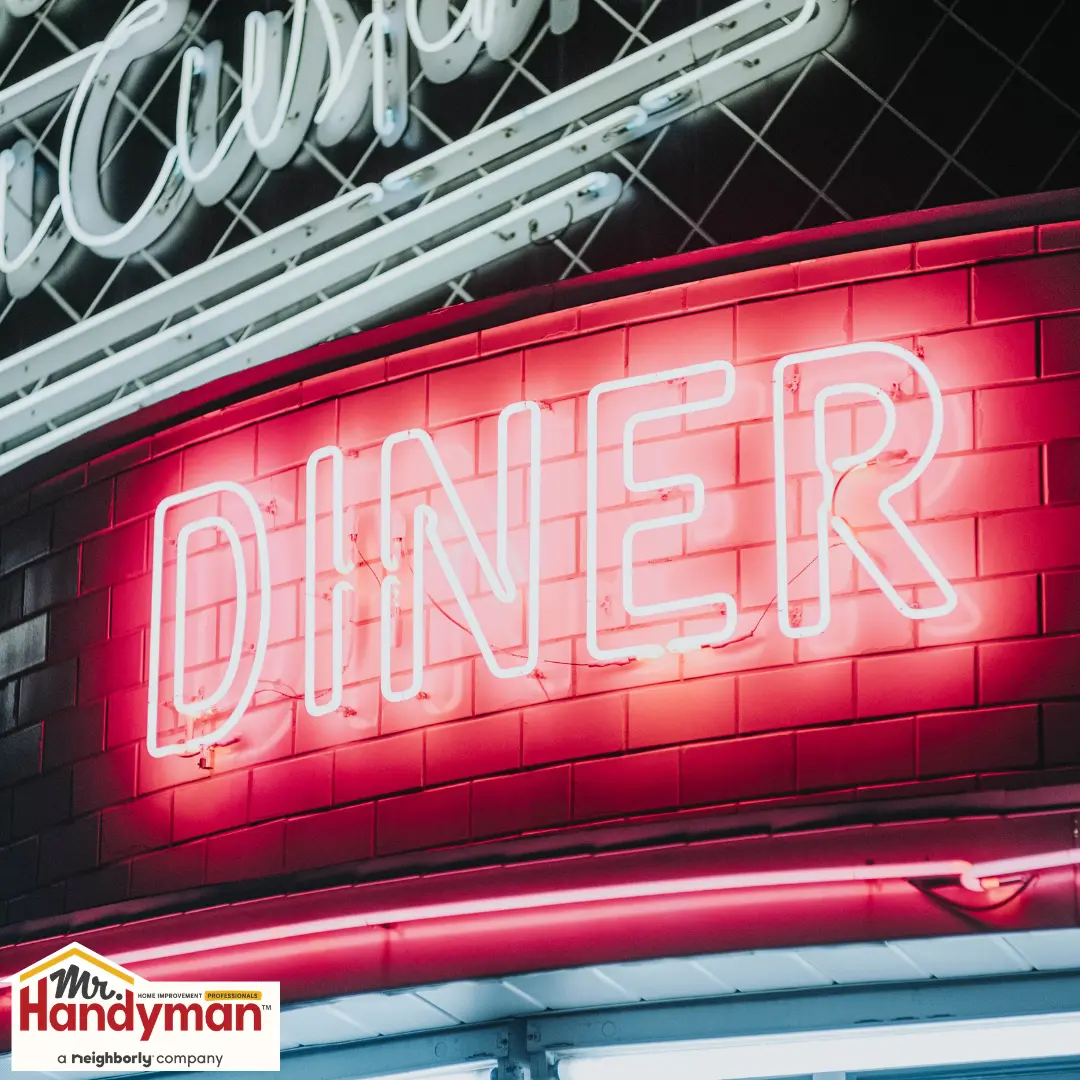
Illuminated commercial signage in the service area carries the maintenance demands that the Nashville Basin's biological growth conditions, the regional thermal cycling, the warm season's moisture loading, and the concentrated wind-driven rainfall that the Middle Tennessee spring storm season delivers to illuminated sign electrical and optical components through the year-round business calendar the service area's commercial environment sustains.
LED retrofit and component maintenance for illuminated sign cabinets in the service area addresses both the energy efficiency improvement that LED technology delivers over legacy fluorescent and neon illumination and the reliability improvement that solid-state technology provides in the biological growth and moisture environment that the Nashville Basin's warm, humid conditions create for illuminated sign electrical components. Fluorescent ballasts in illuminated sign cabinets throughout the service area's commercial corridors experience the biological growth infiltration and the moisture conditions that Middle Tennessee's warm, humid outdoor season creates in sign cabinet environments that inadequate weatherproofing allows to affect electrical components. LED conversion eliminates the ballast failure mode while delivering the energy efficiency improvement against Nashville Electric Service's and Cumberland Electric Membership Corporation's commercial electricity rates that the extended operating hours service area commercial sign illumination requires.
Cabinet weatherproofing and biological growth treatment on illuminated signs throughout the West Nashville, Belle Meade, and Clarksville service area specifically addresses the dual threat that the Nashville Basin's conditions create for illuminated sign cabinet integrity through both the biological growth the warm, humid season advances on cabinet surfaces and the concentrated wind-driven rainfall that the Middle Tennessee spring storm season directs against cabinet seams and weatherproofing gaskets. Illuminated sign cabinet weatherproofing that the Nashville Basin's thermal cycling has compromised at cabinet seams allows the concentrated rainfall of Middle Tennessee frontal systems to infiltrate cabinet interiors at the electrical safety concern that moisture in illuminated sign electrical assemblies represents. Post-storm inspection of cabinet weatherproofing integrity following significant Middle Tennessee spring events confirms the protection that continued illuminated sign operation requires.
Annual spring biological treatment of illuminated sign cabinet exteriors before the Nashville Basin's growing season activates the warmth and humidity that mold and algae establishes most aggressively on commercial sign surfaces provides the clean cabinet surface condition that professional maintenance delivers before Middle Tennessee's warm season advances the biological establishment that the regional outdoor environment creates on inadequately maintained illuminated sign cabinet surfaces.
Post-Storm Signage Assessment for West Nashville, Belle Meade, and Clarksville Businesses
Immediate post-storm assessment following any significant Nashville Basin spring event evaluates every exterior sign on the commercial property for moisture infiltration evidence, mounting displacement, graphic surface biological staining, and cabinet weatherproofing conditions that the concentrated wind-driven rainfall and the physical loading that significant Middle Tennessee frontal systems create in commercial signage. Establishing the systematic post-event evaluation protocol before the active spring season creates the assessment discipline that timely discovery requires across the Davidson and Montgomery County commercial landscape.
Structural mounting assessment following significant Middle Tennessee spring events evaluates whether the wind loading and concentrated moisture the regional spring storms delivered produced the fastener loosening, bracket stress, or wall attachment conditions that continued sign operation without assessment would leave undetected until the next event tests mounting integrity already compromised. Physical assessment of each mounting point after significant service area storm activity confirms the structural adequacy that visual sign appearance cannot assess at the connection level that Middle Tennessee's organized frontal system wind and rainfall loading specifically tests.
Maintaining Sign Presentation Through the Service Area's Business Seasons
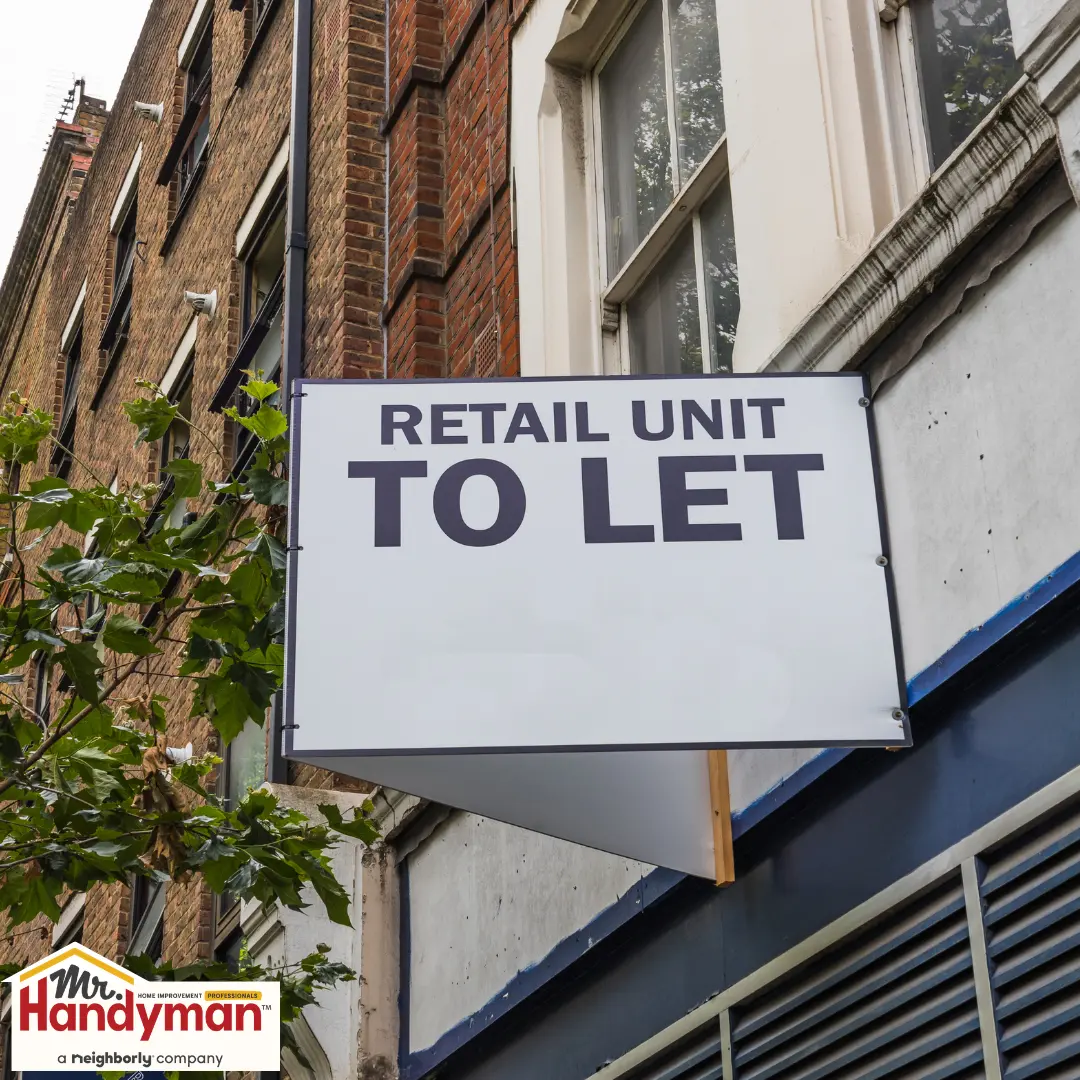
Routine biological treatment and cleaning calibrated to Nashville Basin conditions addresses the mold, algae, and organic accumulation that the regional warm season's humidity and temperature advances on commercial sign surfaces, the spring pollen that the Middle Tennessee tree canopy releases across outdoor surfaces through the growing season, and the biological establishment that the warm, humid outdoor season sustains on sign face materials between treatment intervals. Professional cleaning with products appropriate for the specific sign substrate delivers the sign restoration that the Nashville Basin's biological growth conditions require rather than the surface cleaning that addresses appearance without the biological treatment the regional warm, humid conditions make necessary for durable sign surface maintenance.
Vinyl graphic replacement scheduling for West Nashville, Belle Meade, and Clarksville area exterior signage should account for the accelerated deterioration timeline that the Nashville Basin's thermal cycling and the biological growth conditions the regional warm season creates in vinyl graphic materials between replacement cycles. The service area's extended warm season sustains the biological growth and UV conditions that advance vinyl graphic deterioration at rates that drier or cooler markets produce less aggressively between comparable replacement intervals, and the replacement scheduling calibrated to the Middle Tennessee outdoor environment prevents the faded, biologically stained appearance that the Nashville Basin's conditions advance in graphic materials beyond their effective service life.
Frequently Asked Questions
What signage materials perform best through Nashville Basin biological growth conditions and thermal cycling?
Aluminum composite material substrates with UV-stabilized and mildew-resistant print coatings for non-illuminated applications and aluminum cabinet construction with polycarbonate lenses and LED illumination for illuminated applications represent the material combinations that perform most consistently through the Nashville Basin's biological growth conditions, thermal cycling, and the concentrated wind-driven rainfall that the service area's spring storm season creates. Mildew-resistant coating specifications appropriate for the regional biological growth conditions distinguish the materials that maintain their appearance through Middle Tennessee's extended warm season from those that the regional conditions degrade within shortened service intervals.
How do I know if my West Nashville, Belle Meade, or Clarksville area illuminated sign needs LED retrofit versus full replacement?
Signs with structurally sound cabinet frames, cabinet weatherproofing that the Nashville Basin's spring storm season has not compromised at multiple locations through biological growth advancement on gasket and seal materials, and lenses without the UV deterioration and biological staining that the regional outdoor season has reduced below acceptable commercial visibility levels are candidates for LED retrofit. Signs whose cabinet frames have sustained the structural compromise that Middle Tennessee's thermal cycling and spring storm wind and moisture loading has advanced through multiple seasons without systematic maintenance, whose weatherproofing biological growth has compromised at multiple locations, or whose lens material has reached the deterioration threshold warrant the full replacement evaluation that continued retrofit investment in compromised cabinet assemblies does not justify.
What permits are required for new commercial sign installation in West Nashville, Belle Meade, and Clarksville?
The Metropolitan Government of Nashville and Davidson County administers the sign ordinance requirements that govern commercial sign installations within Nashville's jurisdiction, including West Nashville properties. The City of Belle Meade administers its own sign regulations as an independent municipality whose specific ordinance requirements apply to commercial installations within the city's boundaries. Clarksville commercial properties are subject to the City of Clarksville's sign ordinance requirements that the municipality administers for installations within its jurisdiction. Working with a sign installation contractor familiar with the specific permit requirements of each applicable jurisdiction ensures that new installations satisfy the technical and regulatory standards that the applicable sign ordinance establishes across the service area's varied municipal jurisdictions.
How should West Nashville, Belle Meade, and Clarksville businesses protect commercial signage from Nashville Basin biological growth specifically?
Annual spring biological treatment with appropriate fungicidal and algaecidal products before the Nashville Basin's growing season activates the warm, humid conditions that mold and algae establishes most aggressively on commercial sign surfaces provides the foundational biological management that the regional outdoor environment specifically warrants. Cabinet material selection that prioritizes non-porous surfaces, mildew-resistant coating specifications on substrate and graphic materials, and the post-storm biological assessment that confirms treatment effectiveness following the spring storm events that mobilize established growth against sign surfaces all represent the biological growth management practices that the Nashville Basin's warm, humid outdoor environment specifically requires for commercial signage maintenance throughout the service area.
Is it worth repairing a Middle Tennessee commercial sign after significant storm or biological damage or should it be replaced?
Signs with isolated storm damage to replaceable components including cracked polycarbonate lenses, loosened mounting hardware, or weatherproofing seal compromise limited to specific locations are repair candidates when the underlying cabinet structure, electrical systems in illuminated applications, and the cabinet frame integrity are confirmed sound following professional post-storm assessment. Signs whose cabinet structural integrity has been compromised by the cumulative effect of the Nashville Basin's thermal cycling and spring storm wind and moisture loading across multiple seasons without systematic maintenance, whose biological growth has penetrated weatherproofing and affected internal electrical components, or whose cabinet and lens conditions have reached the biological deterioration threshold warrant the replacement evaluation that continued repair investment in systemically compromised assemblies does not justify against the Nashville Basin's ongoing biological growth and storm exposure conditions.
Signage That Represents West Nashville, Belle Meade, and Clarksville Businesses Through Every Middle Tennessee Season
Commercial signage in West Nashville, Belle Meade, and Clarksville operates through the full demands that the Nashville Basin's biological growth conditions, the regional thermal cycling, the warm season's moisture loading, and the spring storm season's concentrated wind-driven rainfall delivers across the annual cycle. Signage properly installed for those conditions, maintained through the annual biological treatment, post-storm assessment, and replacement scheduling that the Middle Tennessee outdoor environment requires, and addressed promptly following the significant Nashville Basin spring events the regional storm season creates performs as the consistent brand communication asset that professional service area commercial signage investment is intended to provide through every business season.
The team at Mr. Handyman of West Nashville, Belle Meade, and Clarksville has the experience to help local businesses install, maintain, and repair their commercial signage to the standard that the Nashville Basin's environment and the metropolitan area's quality-conscious business community both require.
Website: https://www.mrhandyman.com/nashville-west-south-central/
Serving businesses throughout West Nashville, Belle Meade, and Clarksville with dependable commercial maintenance and the expertise your property deserves.