Why Middle Tennessee's Summer Creates a Predictable Commercial Repair Cycle
The businesses operating throughout West Nashville, Belle Meade, and Clarksville face a summer repair cycle that Middle Tennessee's specific climate conditions create with enough consistency that experienced commercial property managers in the Nashville area can predict the categories of repair that will arise each season before those repairs have presented themselves. This predictability is not simply general commercial real estate knowledge. It reflects the specific interaction between Nashville's combination of genuine summer heat, sustained high humidity, regular afternoon thunderstorm activity, and the physical structures that house the businesses serving these communities.
Nashville's commercial landscape spans the full range of business types that a major metropolitan area and its surrounding communities support. The healthcare practices and professional service firms in West Nashville's established commercial corridors, the retail operations and restaurants serving Belle Meade's premium residential community, and the diverse commercial mix that Clarksville's continued growth and Fort Campbell's economic presence create all share the same seasonal repair experience because they all operate within the same Middle Tennessee climate that delivers summer conditions to every commercial building regardless of the business inside.
Understanding which repairs are most common during Nashville-area summers, what specific conditions create them, and how proactive management prevents them from becoming mid-season disruptions is the commercial property management knowledge that distinguishes facilities managed for long-term performance from those managed reactively. The reactive approach to summer commercial repairs in Nashville's market means service disruption during the season of maximum customer activity, emergency pricing that planned service avoids, and the customer and tenant impression that deferred maintenance creates in communities whose commercial standards are genuinely high.
The businesses that serve West Nashville and Belle Meade's sophisticated residential communities and Clarksville's active economic environment operate in a market where facility quality communicates business quality to customers whose expectations are calibrated accordingly. A commercial facility with visible summer repair needs communicates a maintenance standard that the businesses occupying these spaces work hard in every other dimension to overcome. Pre-season attention to the repairs that Nashville summers predictably create prevents the summer season from becoming the season when deferred maintenance is most prominently on display to the customers these businesses most want to retain.
HVAC System Failures: Nashville's Most Disruptive Summer Commercial Repair
The HVAC system failure is the summer commercial repair that creates the most immediate and most severe business disruption in Nashville-area commercial facilities, and it is the repair that the combination of the system's sustained maximum-demand operation through Middle Tennessee's extended cooling season and the deferred maintenance that many commercial properties carry into summer makes the most predictably common.
Middle Tennessee's summer places commercial HVAC systems under the sustained maximum load conditions that the combination of genuine heat and substantial humidity creates in a way that distinguishes Nashville's cooling demand from markets where either heat or humidity is the dominant challenge rather than both simultaneously. A commercial HVAC system managing Nashville's summer must address both the sensible heat load from the outdoor temperature and the latent load from removing moisture from the genuinely humid air that the region delivers through June, July, and August. A system operating with any maintenance deficiency, whether fouled coils, restricted airflow from overloaded filters, low refrigerant charge from minor leaks, or failing electrical components, addresses this combined load with the efficiency degradation that converts marginal pre-season conditions into active failures during the first sustained heat events of summer.
For Nashville-area restaurants and food service businesses, HVAC system failure during summer creates the immediate health and safety consequence that food temperature management requires professional response to address within hours rather than days. The combination of kitchen heat loads from cooking equipment and Nashville's outdoor conditions without adequate HVAC creates the rapid temperature rise that health code standards for food storage and preparation cannot accommodate. Pre-season HVAC service for Nashville food service operations is a health code compliance matter alongside its customer comfort and employee wellbeing dimensions.
For retail operations in Nashville's established commercial corridors, HVAC failure during summer is a customer experience failure that the competitive commercial market of West Nashville and Belle Meade makes particularly consequential. Customers who encounter an inadequately cooled retail environment in Nashville's summer do not typically wait for the system to be repaired. They complete their visit quickly or leave without completing a transaction, and the pattern of short visits that the uncomfortable environment creates during a system's degraded performance period affects sales results in ways that the business notices.
The commercial HVAC repairs that Nashville summer predictably produces include compressor failures from the sustained high-load operation that Middle Tennessee's extended cooling season creates, capacitor failures in both the compressor and fan motor circuits that the thermal stress of continuous summer operation accelerates, and condenser coil fouling from the cottonwood seed and organic debris that Nashville's late spring and early summer deposits on outdoor condenser units in quantities that significantly restrict airflow through the coil surface. Pre-season service that specifically addresses condenser coil cleaning removes the cottonwood debris before summer's operating season begins and is among the highest-return single maintenance actions available for Nashville commercial HVAC systems.
Entrance Door Hardware and Closer Failures
The commercial entrance door system is the building component that experiences the highest use frequency of any element in a Nashville commercial facility, and summer's combination of high foot traffic, the temperature differential between outdoor conditions and air-conditioned interiors, and the degraded performance of door hardware that has accumulated service wear through previous seasons creates the entrance door failures that Nashville-area business owners and property managers encounter regularly during the summer season.
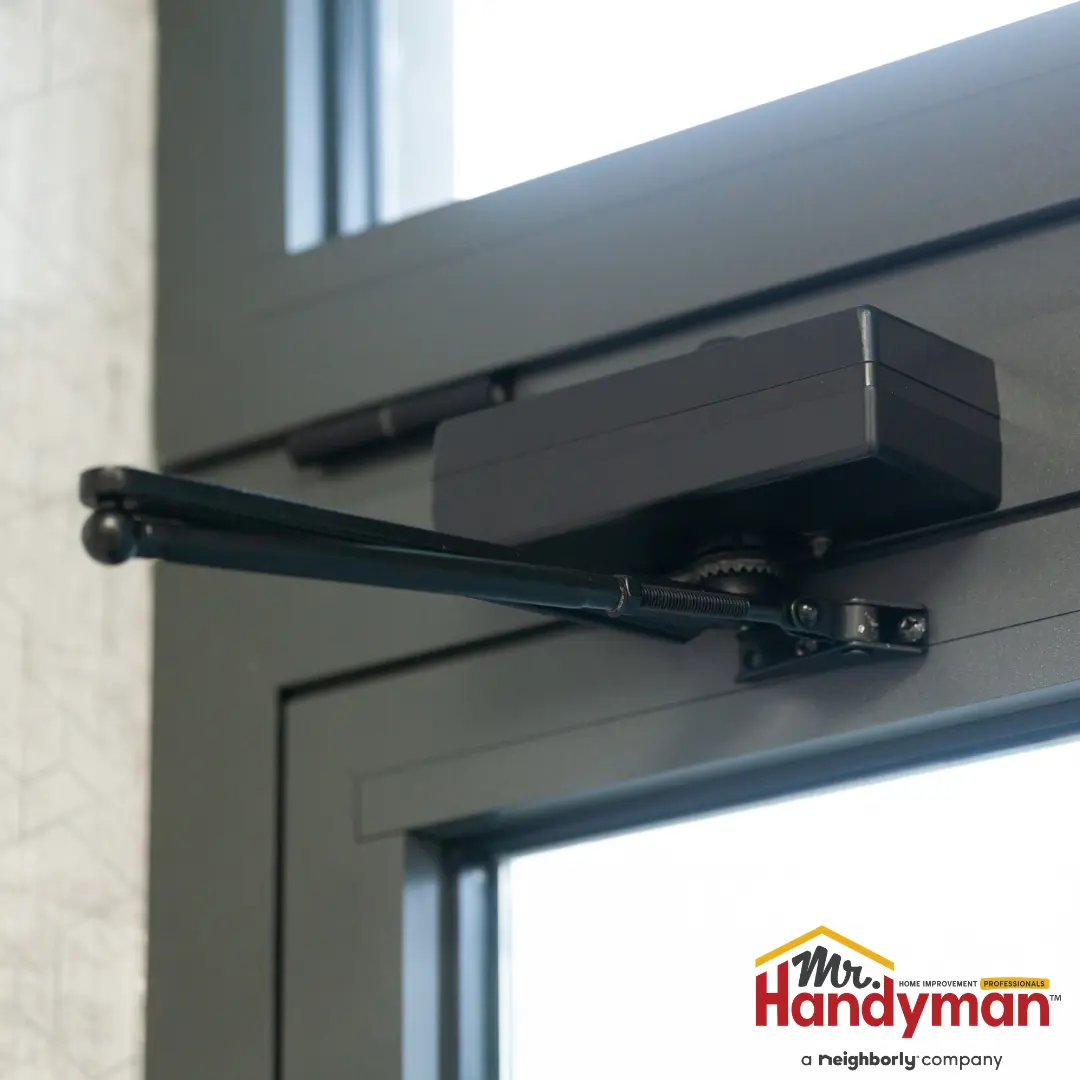
Door closer failures are among the most consistently reported summer commercial repair needs throughout Nashville's commercial landscape, and the specific mechanism that Middle Tennessee's summer creates in closer failures is worth understanding for the predictability it creates in pre-season maintenance planning. The hydraulic fluid within commercial door closers thins when heated, reducing the closer's resistance to opening and closing motion in ways that produce the door that slams in summer and closes too slowly for effective energy management. The thermal cycling between Nashville's summer outdoor heat at the door location and the cooled interior creates the repeated expansion and contraction cycles in closer components that accelerate seal wear and fluid leakage beyond the service life that more moderate temperature environments would allow. A closer that was performing marginally at the end of the previous season enters Nashville's summer as a failure candidate within the first sustained heat period.
The door seal and weatherstripping failure that Nashville's summer creates in commercial entrance doors is both an energy efficiency concern and a customer experience concern that the combination of outdoor heat and humidity makes directly apparent to every customer who enters through an inadequately sealed entrance. A commercial entrance door whose weatherstripping fails to prevent the outdoor heat and humidity from infiltrating around the door frame creates the uncomfortable entry zone temperature that customers notice immediately and that communicates the facility maintenance standard as clearly as any visible condition.
Frame condition at commercial entrance doors in Nashville's established commercial buildings reflects the specific deterioration that Middle Tennessee's humidity cycling creates in the painted wood and composite frame materials that many older commercial buildings carry. The expansion and contraction that Nashville's seasonal humidity variation drives in these materials works at the paint film adhesion at frame edges and creates the peeling and bubbling that summer's heat accelerates. A freshly painted commercial entrance frame that was applied without adequate preparation for Nashville's humidity conditions may show failure within a single summer season, and the visual evidence of paint failure at the commercial entrance communicates a property management standard that proactive maintenance would prevent.
Roof and Ceiling Leak Responses After Nashville's Summer Storms

The afternoon thunderstorm activity that defines Nashville's summer weather pattern creates the roof and ceiling leak events that are among the most frequently reported summer commercial repairs throughout West Nashville, Belle Meade, and Clarksville's commercial landscape. These are not exceptional events requiring exceptional storm conditions. They are the predictable consequence of roofing system vulnerabilities that Middle Tennessee's summer storms test with the regularity that the region's convective weather pattern creates.
The specific roofing conditions that Nashville summer storms convert from marginal conditions into active leaks reflect the deterioration mechanisms that Middle Tennessee's climate creates in commercial roofing systems over their service lives. The UV degradation that Nashville's intense summer sun creates in membrane roofing materials, specifically at the seams and flashing locations where the membrane transitions between horizontal and vertical surfaces, produces the brittleness and cracking that summer storm wind-driven rain exploits as infiltration pathways. The cottonwood debris and organic material that Nashville's late spring deposits on flat commercial roofs creates the water retention conditions that accelerate membrane deterioration at these debris accumulation points. And the thermal cycling between the extreme surface temperatures of a Nashville summer commercial roof and the temperature-controlled building interior creates the movement stress at membrane attachments and penetration flashings that produces the separation that summer storms drive water through.
For Clarksville's commercial properties that are within the Fort Campbell economic corridor, roofing system condition has specific operational continuity dimensions related to the business continuity requirements of the contracts and services that many Clarksville businesses maintain with military installation operations. A roof leak that creates interior damage and operational disruption during a Nashville summer storm is a business continuity failure with consequences that extend beyond the immediate repair cost.
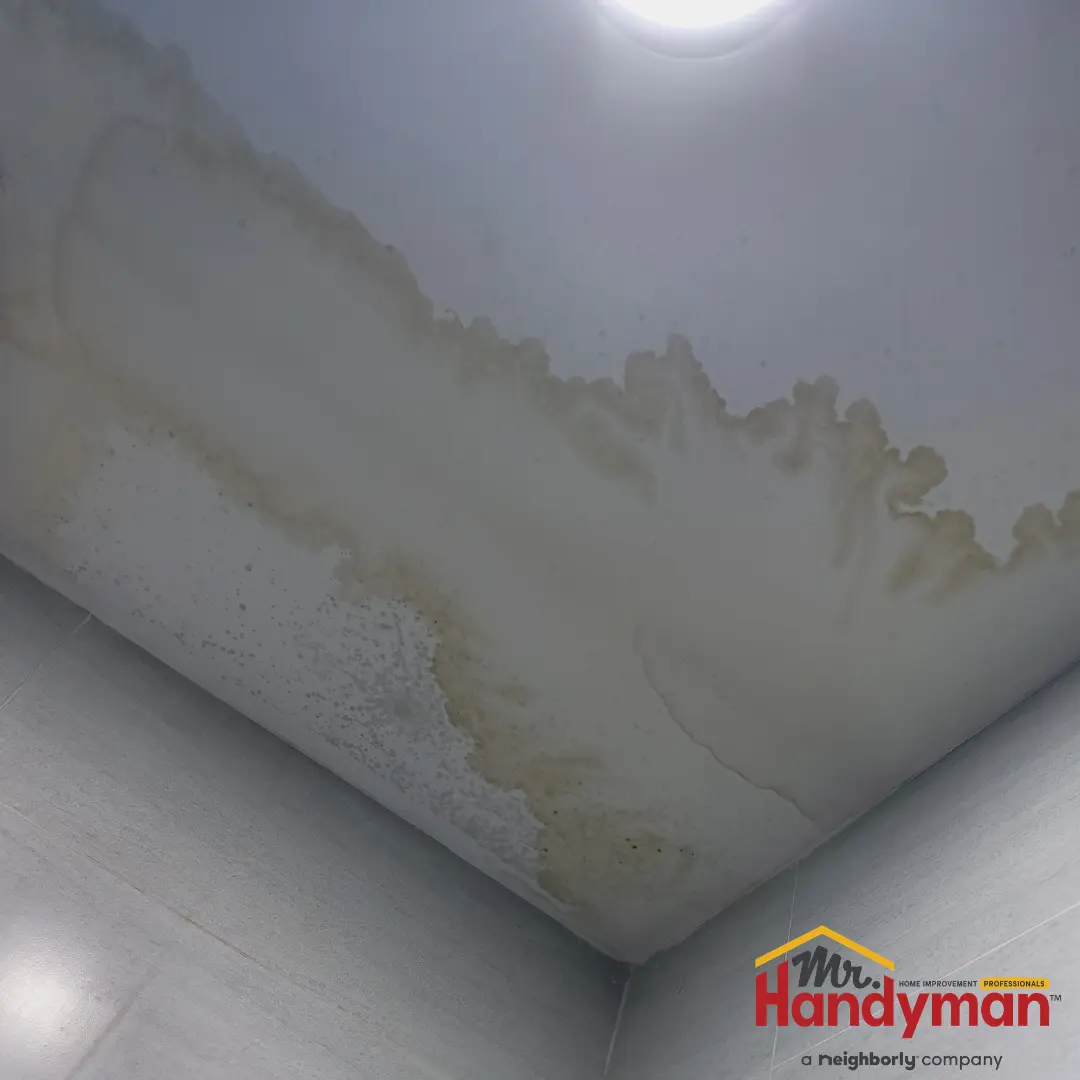
Ceiling water stain management following summer storm infiltration events is the interior repair that commercial property managers throughout Nashville's commercial landscape address in the days following significant summer storm activity. Water stains on ceiling tiles or painted ceiling surfaces communicate the building's roofing condition to customers and tenants in ways that are difficult to conceal and that suggest either active or recently resolved infiltration conditions. Prompt ceiling repair following confirmed resolution of the roofing source condition is the commercial property management practice that maintains the facility presentation standard that Nashville's commercial market expects.
Exterior Caulking and Sealant Failures
The exterior caulking and sealant joints of Nashville-area commercial buildings experience the specific deterioration that Middle Tennessee's combination of summer UV intensity, the thermal cycling of summer's temperature extremes, and the occasional winter ice events create in sealant materials through the seasons of service that commercial buildings accumulate.
The summer discovery of exterior caulking failures in Nashville commercial buildings typically follows a significant thunderstorm event that drives wind-assisted rain against the building face with the lateral pressure and velocity that gentle rainfall cannot replicate. Interior moisture evidence at windows, at wall penetrations, and at the transitions between different exterior materials all indicate the sealant failures that the storm has revealed by driving water through pathways that dry conditions leave functionally invisible.
For Nashville's established commercial buildings in West Nashville's retail and professional service corridors and in Belle Meade's boutique commercial areas, exterior sealant condition is a visible quality indicator that the sophisticated customers of these communities evaluate as part of their overall facility quality assessment. Failed sealant at storefront window frames, at the transitions between exterior sign installations and building walls, and at the joints between different exterior cladding materials creates the visual evidence of deferred maintenance that professional presentation in these communities works against.
The caulking and sealant work that Nashville's summer commercial repair cycle requires is straightforward in its execution but important in its product specification for this climate. Sealant products appropriate for Nashville's outdoor commercial applications must accommodate the thermal movement that the full range of Middle Tennessee's seasonal temperature creates at the joints they seal, must resist the UV degradation that Nashville's summer sun creates in lower-quality sealant formulations, and must adhere adequately to the range of commercial building materials, including aluminum storefront frames, EIFS exterior cladding, masonry, and the various composite materials that commercial building facades incorporate.
Parking Lot and Exterior Surface Repairs
The parking lots and exterior concrete surfaces of Nashville-area commercial properties accumulate the deterioration that Middle Tennessee's climate creates in pavement materials through the combination of the heat cycling that Nashville's summer creates in asphalt surfaces and the occasional freeze events that Nashville's winters deliver to concrete and asphalt surfaces at the rates that this region's specific winter weather pattern produces.
Asphalt parking surface deterioration in Nashville commercial properties reflects the specific mechanism that Middle Tennessee's summer heat creates in the binder material that holds asphalt aggregate in place. The UV oxidation that Nashville's intense summer sun drives in exposed asphalt binder produces the brittle, raveling surface that develops the cracking and pothole formation that Nashville commercial parking areas experience progressively without maintenance. Summer is the season when this deterioration is most active and most visible, and it is also the season when crack sealing is most productively executed before Nashville's next winter delivers the freeze events that exploit unsealed cracks to create potholes from surface cracking.
Concrete walkway and entry conditions at Nashville commercial properties reflect both the thermal cycling that Middle Tennessee's temperature range creates in concrete flatwork over the service life of these surfaces and the occasional freeze events that Nashville's winters deliver to any moisture that has infiltrated existing cracks. The elevation differences between adjacent concrete sections at joints that have been affected by Nashville's soil conditions, and the surface scaling that de-icing chemical application creates on concrete surfaces near commercial entrances, are the specific concrete conditions that Nashville summer commercial repair assessment identifies and addresses before summer's increased customer traffic encounters them.
Interior Repair: What Nashville's Summer Reveals Inside Commercial Spaces
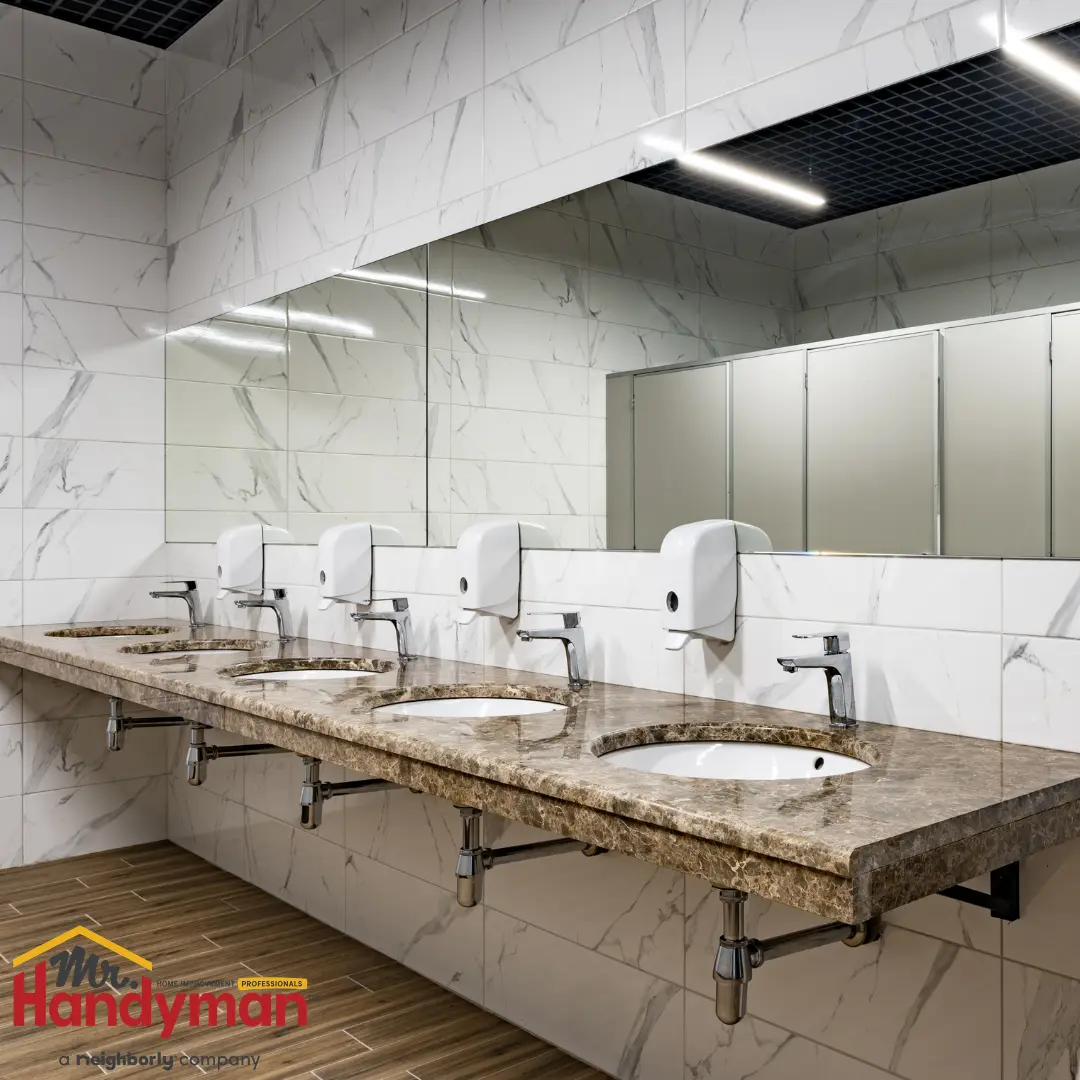
The interior conditions that Nashville-area commercial properties experience during summer reflect both the HVAC performance conditions that Middle Tennessee's cooling demands create and the moisture conditions that Nashville's summer humidity creates in commercial interiors that are not adequately sealed or conditioned.
Wall and ceiling surface conditions that summer's humidity creates in Nashville commercial interiors are among the most visible maintenance signals that customers and tenants evaluate in the facilities they occupy. The paint film failures that high humidity creates in commercial interiors with inadequate vapor management, the biological growth on ceiling tiles in areas with condensation from inadequately insulated supply ducts, and the visible efflorescence on masonry walls in commercial buildings with below-grade moisture infiltration all appear or worsen during Nashville's humid summer and communicate the building condition to occupants and visitors most directly during the season when the building is most actively used.
Frequently Asked Questions
How should Nashville commercial property managers prioritize summer repairs when multiple issues are identified?
The priority framework that Nashville's specific conditions create organizes repairs by their consequence to business operations, customer and tenant safety, and building integrity in that order. HVAC performance issues that affect operational continuity and customer comfort are addressed immediately before other priorities. Roof and building envelope conditions that allow active moisture infiltration during summer storm events are addressed promptly after the storm condition that reveals them. Exterior appearance conditions including caulking, parking lot, and signage are addressed on a planned schedule that fits within the business's operational calendar. Interior cosmetic conditions are addressed during periods of lower customer traffic or after hours as operational schedules allow.
What summer repairs are most commonly overlooked by Nashville commercial property managers until they create disruption?
HVAC condenser coil fouling from Nashville's cottonwood debris is the most consistently overlooked pre-season maintenance item that creates mid-season failures. Exterior door closer condition is the second most commonly deferred item that summer's temperature differential converts from a marginal performance issue into a complete failure. And roof drainage infrastructure, specifically the drain inlet clearing that prevents the ponding that Nashville's flat commercial roofs experience during significant summer storm events, is the third most commonly overlooked item whose consequences appear during the storm events that summer predictably delivers.
Can a commercial handyman service handle the range of summer repairs that Nashville businesses typically need?
A skilled commercial handyman service handles the majority of the summer repairs described in this blog, including door hardware and closer replacement, exterior caulking, interior wall and ceiling repair, parking lot crack filling, and general commercial maintenance work. HVAC system service and repair requires licensed HVAC contractors. Significant roofing repairs require roofing contractors. The commercial handyman's value in the Nashville summer repair context is in addressing the broad range of non-specialized maintenance repairs efficiently and without the scheduling delays that specialty contractors create during their peak summer demand periods.
Keep Your Nashville Business Running Smoothly Through Summer
The summer repairs that Nashville-area commercial properties predictably require are most cost-effectively and most professionally addressed through the proactive management that anticipates them rather than the reactive response that emergency conditions force. The team at Mr. Handyman of West Nashville, Belle Meade, and Clarksville brings the commercial repair expertise and Middle Tennessee knowledge to address every summer repair need your business facility faces.
Call us or visit www.mrhandyman.com/nashville-west-south-central to schedule your commercial repair service. We work around your business schedule, arrive on time, and back everything we do with the Neighborly Done Right Promise.