
Sustainability in Middle Tennessee Has Its Own Regional Character

Earth Month in West Nashville, Belle Meade, and Clarksville arrives with the environmental awareness that the Middle Tennessee community's growing sustainability culture, the Cumberland River watershed's water conservation significance as the regional resource that the service area's communities depend on, and the energy efficiency motivation that Nashville Electric Service's residential rates, Cumberland Electric Membership Corporation's service area, and Atmos Energy's natural gas distribution create as the defining financial and environmental context for eco-friendly investment in Middle Tennessee homes. The eco-friendly plumbing upgrades that deliver genuine environmental and financial returns in the West Nashville, Belle Meade, and Clarksville service area are those whose specifications reflect the regional conditions that the Cumberland River watershed's water supply challenges, the Nashville Basin's transitional climate, and the service area's specific water resource character create for residential plumbing systems rather than the generic sustainability guidance that more moderate or differently situated climates generate for their specific contexts.
The West Nashville, Belle Meade, and Clarksville service area's water conservation context is shaped by the Cumberland River watershed's specific resource management realities and the population growth that the Nashville metropolitan area's sustained expansion creates in the regional water demand environment. The Nashville area draws its water supply from the Cumberland River system that Nashville Water Services manages for Davidson County and the surrounding communities, and the Clarksville-Montgomery County Water System manages the regional water supply infrastructure that serves Montgomery County's rapidly growing residential and commercial demand. The water conservation that individual household efficiency practices deliver against that growing regional demand connects to genuine resource management values alongside the utility bill savings that water efficiency produces against local residential water rates.
The sustainability context that Middle Tennessee creates for eco-friendly plumbing upgrades has specific regional dimensions that the Cumberland River watershed's resource management character, the Nashville Basin's transitional climate, and the service area's rapid growth together contribute to in ways that make water and energy efficiency investment connect to genuine regional environmental values. Understanding which eco-friendly plumbing upgrades deliver the strongest combined environmental and financial return in the West Nashville, Belle Meade, and Clarksville service area's specific regional context, how the Cumberland watershed's water chemistry and the Nashville Basin's climate shape both the upgrade selection and the performance outcomes those upgrades deliver, and why April's Earth Month timing aligns with the spring preparation window that the upgrades' installation quality benefits from gives homeowners throughout the service area the regional framework for eco-friendly plumbing investment that Middle Tennessee's specific context rewards.
Water Efficiency: The Cumberland Watershed Opportunity and the Resource Stakes
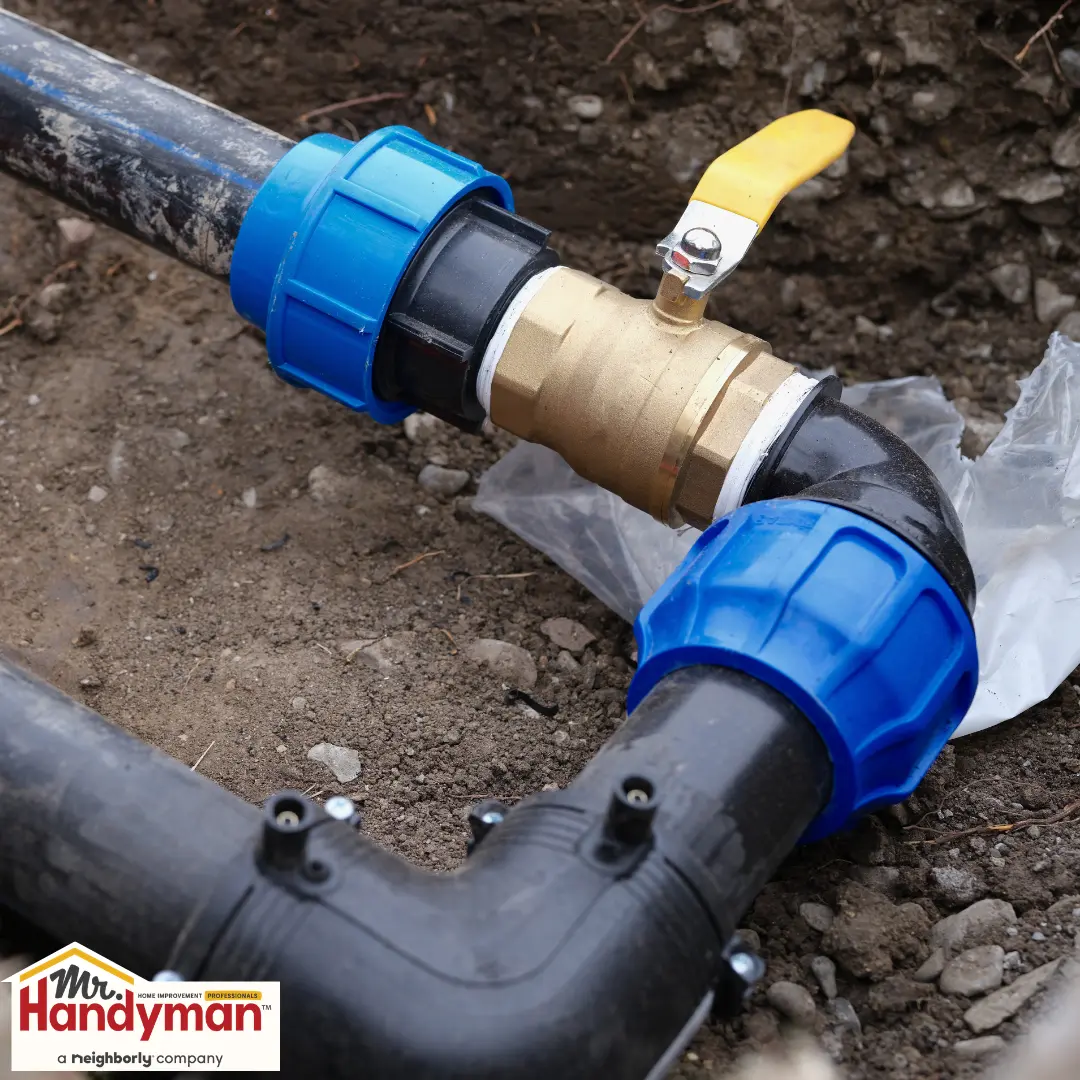
The Cumberland River watershed's water conservation significance for water efficiency in the West Nashville, Belle Meade, and Clarksville service area extends beyond utility bill savings into the specific regional resource management context that the Nashville metropolitan area's sustained population growth and the Cumberland system's capacity creates as the water resource environment that individual household efficiency practices collectively address. The Cumberland River provides the water supply that Nashville Water Services manages for the Davidson County residential landscape, and the conservation that West Nashville, Belle Meade, and Clarksville area homeowners practice in their household plumbing systems contributes to the regional resource management that the watershed's significance to the broader Middle Tennessee water supply network makes specifically consequential.
WaterSense-certified toilet replacement in West Nashville, Belle Meade, and Clarksville area homes still carrying original or early replacement high-consumption fixtures represents one of the strongest single-fixture water efficiency opportunities in the Middle Tennessee market. The diverse housing stock of the service area's established residential neighborhoods across West Nashville's mature corridors, Belle Meade's premium residential community, and the varied Clarksville residential landscape carries a significant inventory of homes whose original high-consumption toilets have never been replaced with current WaterSense specifications. A household replacing two original high-consumption toilets with current 1.28-gallon WaterSense alternatives eliminates tens of thousands of gallons of annual water consumption against Nashville Water Services' and the Clarksville-Montgomery County Water System's residential rates while directly contributing to the Cumberland River watershed conservation that the service area's growing population makes specifically consequential.
WaterSense faucet aerators and fixtures are the most accessible eco-friendly plumbing entry point for West Nashville, Belle Meade, and Clarksville area homeowners because installation is straightforward, the return against local residential water rates is immediate, and the established residential housing stock across the service area provides the efficiency gap between original installations and current WaterSense specifications that makes the upgrade return most compelling. The specific Middle Tennessee consideration for WaterSense fixtures is the Cumberland River watershed's water chemistry that the regional supply delivers to those fixtures, because the mineral content creates accumulation in aerators that the annual cleaning maintenance WaterSense flow performance depends on in the hard water environment must address to maintain the efficiency ratings those fixtures provide at installation.
Low-flow showerhead installation in West Nashville, Belle Meade, and Clarksville area homes provides the combined water and energy savings that reducing heated water volume produces across both the water utility bill and the energy bill simultaneously. The Middle Tennessee year-round hot water demand and the Nashville Basin's extended indoor living season together sustain the showering demand that an efficient showerhead reduces against Nashville Electric Service's and Cumberland Electric Membership Corporation's residential rates and the Atmos Energy natural gas rates that service area customers pay for water heating energy.
Water Heating Efficiency: The Middle Tennessee Regional Context
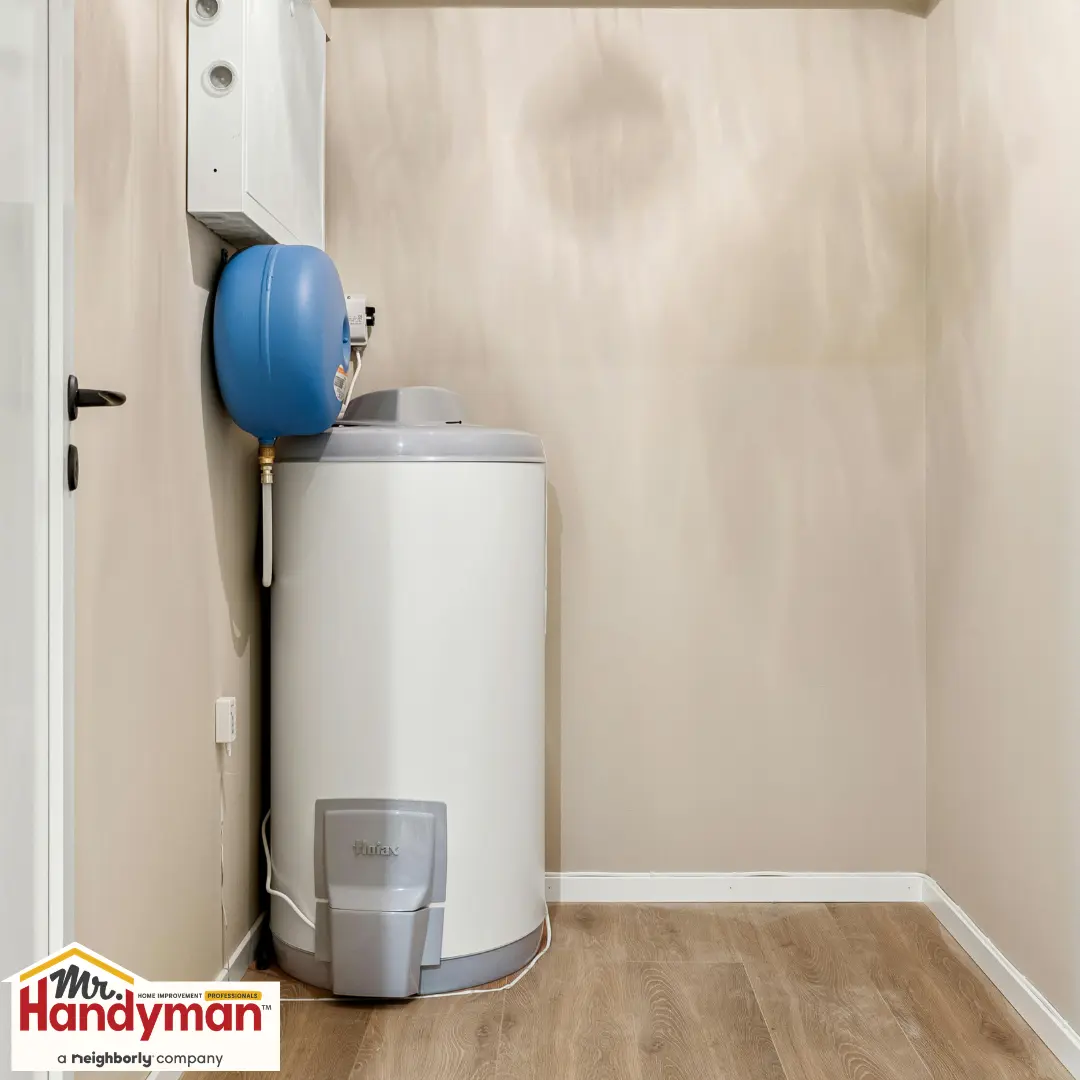
Tankless water heater conversion for West Nashville, Belle Meade, and Clarksville area homes addresses both the standby heat loss elimination that on-demand heating provides and the sediment accumulation problem that the Cumberland River watershed's water chemistry creates in tank units. The water softener assessment that protects the heat exchanger from the mineral scale that the regional water chemistry creates makes whole-house softening specifically important before tankless conversion in the service area's hard water context.
Heat pump water heater consideration for West Nashville, Belle Meade, and Clarksville area homes addresses the efficiency advantage that the technology provides in the Nashville Basin's climate, where the ambient temperatures that heat pump operation requires are available through most of the annual cycle given Middle Tennessee's extended warm season.
Smart Water Management for West Nashville, Belle Meade, and Clarksville Area Homes
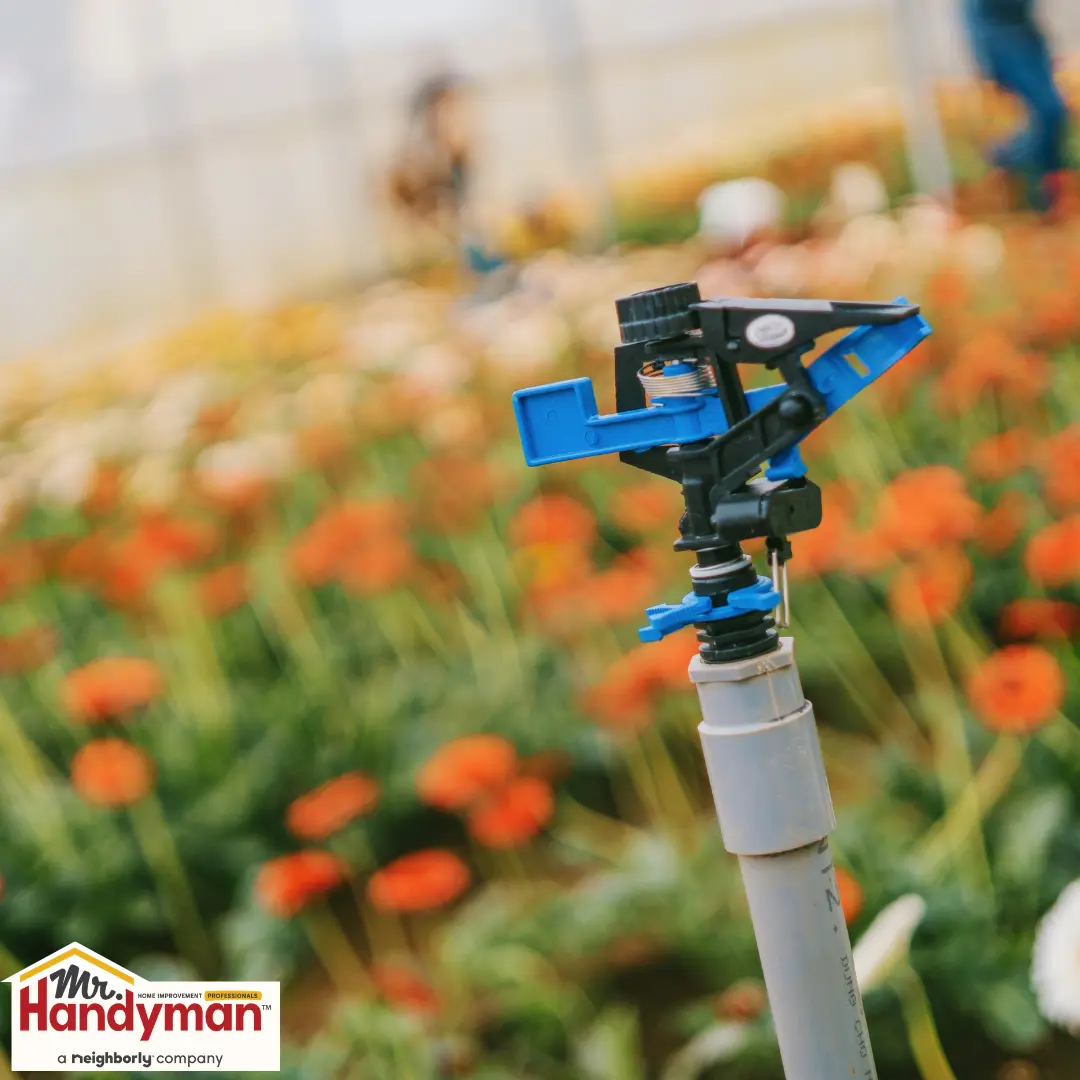
The technology available for residential water efficiency management delivers specific returns in the West Nashville, Belle Meade, and Clarksville service area that the Cumberland River watershed's conservation significance, the service area's residential landscape irrigation culture, and the Nashville Basin's transitional seasonal pattern together create as the specific context for smart water technology investment in the greater Middle Tennessee residential landscape.
Smart irrigation controllers that adjust watering schedules based on real-time weather data deliver efficiency returns that are specifically meaningful in the service area's residential landscape context where the Middle Tennessee outdoor season's length and the established residential landscape investment that Belle Meade's premium residential community and West Nashville's mature residential corridors have made in their landscape plantings motivate the irrigation activity that fixed-schedule systems sustain regardless of whether recent rainfall has already delivered the soil moisture that irrigation would otherwise provide. The organized frontal systems and convective storms that Middle Tennessee's spring and early summer delivers through the service area can saturate the Nashville Basin's clay soils to capacity across extended periods, and the fixed irrigation schedule that continues operating during and following those events deposits water on already-saturated clay soil that cannot absorb additional moisture, creating both the wasted water against Nashville Water Services' and the Clarksville-Montgomery County Water System's residential rates and the unnecessary surface runoff that the regional drainage system already manages under concentrated Middle Tennessee rainfall loading.
The specific West Nashville, Belle Meade, and Clarksville smart irrigation efficiency return reflects the Nashville Basin's pronounced seasonal moisture variation between the spring storm season's concentrated rainfall and the summer's drier periods that the Middle Tennessee climate creates in the soil moisture conditions that irrigation management must account for across the seasonal cycle. A smart controller monitoring local weather data and skipping irrigation cycles following the Middle Tennessee spring events that deliver significant rainfall to the clay soil profiles of the service area's residential landscape eliminates the systematic waste that fixed schedules produce when the regional storm season has already delivered the moisture that the irrigation schedule assumed would not be present.
Leak detection technology for West Nashville, Belle Meade, and Clarksville area homes addresses the specific failure modes that the Cumberland River watershed's water chemistry, the Nashville Basin's transitional climate, and the Middle Tennessee heating season's genuine freeze events create in household plumbing systems. Whole-house water flow monitoring that identifies anomalies indicating slow leaks provides the early detection that the Middle Tennessee context makes specifically valuable because undetected leaks in the Nashville Basin's warm, humid conditions advance the secondary moisture damage and the biological growth that the regional transitional climate sustains in moisture-affected building assemblies at the rates that the warm season's humidity accelerates in the materials those leaks affect.
Smart shut-off valves that automatically stop water flow when monitoring detects catastrophic supply failure address the concern that West Nashville, Belle Meade, and Clarksville area properties carry during extended absence periods when the Middle Tennessee heating season's genuine freeze events create the supply line failure risk that unmonitored properties face when significant cold arrives during periods of household absence. The smart shut-off valve that detects anomalous flow from a burst supply line and closes the main supply within minutes of the failure represents the specific protection that the Nashville Basin's variable winter freeze events and the extended absence periods that households create during the heating season's variable conditions motivate for service area homeowners.
Hard Water Management: The Cumberland Watershed's Eco-Friendly Opportunity
Whole-house water softener installation for West Nashville, Belle Meade, and Clarksville area homes is the eco-friendly plumbing investment whose return in the Middle Tennessee context reflects both the direct household efficiency benefit and the resource conservation dimension that the Cumberland River watershed's water chemistry specifically creates. A properly specified water softener treating the regional household supply before it reaches the distribution system reduces the fixture degradation, water heater sediment accumulation, and the appliance efficiency reduction that the Cumberland system's mineral content creates in untreated supply in ways that extend component service life, maintain fixture efficiency, and reduce the replacement frequency that the regional water chemistry accelerates across all water-using household components throughout the service area.
The environmental return of water softener installation in the West Nashville, Belle Meade, and Clarksville service area reflects the extended service life that treated water produces in the fixtures and appliances whose premature replacement from Cumberland River watershed water chemistry degradation creates the manufacturing energy and material consumption that longer service life prevents. A water heater that serves twelve years in a Middle Tennessee home with treated water rather than the eight to nine years that untreated regional water chemistry conditions produce eliminates one replacement cycle's resource consumption over that service period, and the Cumberland River watershed conservation value that fewer water-using appliance replacements represent connects to the regional resource stewardship motivation that the watershed's significance to Middle Tennessee's water supply creates.
Nashville Electric Service, Cumberland Electric, and Atmos Energy Incentive Programs
Nashville Electric Service efficiency programs periodically offer rebates and incentives for qualifying residential plumbing upgrades that reduce the residential energy demand the Middle Tennessee grid manages. Incentive availability for qualifying water heater upgrades including heat pump water heaters in appropriate installation contexts and high-efficiency tankless installations changes with program funding cycles, and confirming current availability directly with Nashville Electric Service before purchase allows Davidson County homeowners to incorporate available rebates into the financial analysis that upgrade decisions deserve before purchasing commitment.
Cumberland Electric Membership Corporation efficiency programs for the service area portions that the cooperative serves may include incentives for qualifying energy efficiency improvements that reduce residential demand. West Nashville and Clarksville area homeowners in Cumberland Electric's service territory should confirm current program availability alongside Nashville Electric Service incentive options for the complete utility incentive picture that the combined energy bill return on efficient water heating upgrades warrants confirming before purchase.
Atmos Energy efficiency programs for natural gas customers in the West Nashville, Belle Meade, and Clarksville service area periodically include incentives for qualifying gas appliance upgrades. Service area homeowners with natural gas water heaters considering replacement or upgrade should confirm current Atmos Energy program availability for the natural gas efficiency dimension that the combined utility incentive picture requires.
Nashville Water Services and Clarksville-Montgomery County Water System conservation programs may include rebates or incentives for qualifying WaterSense fixture installations that reduce residential water demand. Confirming current program availability through those utilities provides the water conservation incentive information that Earth Month purchasing decisions specifically benefit from across the service area's residential landscape.
Frequently Asked Questions
Which eco-friendly plumbing upgrade delivers the fastest financial return in a West Nashville, Belle Meade, or Clarksville area home?
WaterSense toilet replacement in service area homes with original high-consumption fixtures delivers the fastest financial return because the volume reduction from each flush cycle accumulates continuously against Nashville Water Services' and the Clarksville-Montgomery County Water System's residential rates rather than the intermittent use that other plumbing upgrades affect. The gap between original 3.5-gallon toilets and current 1.28-gallon WaterSense specifications in the established Nashville area and Clarksville residential housing stock is wide enough that the annual water savings against the regional utility rates recovers the fixture and installation investment within a timeframe that the Cumberland River watershed's conservation significance and the service area's growing population pressure make compelling from both financial and environmental perspectives.
Is a smart irrigation controller worth the investment for a West Nashville, Belle Meade, or Clarksville area home?
For service area homes with irrigation systems operating on fixed schedules through the Middle Tennessee spring storm season and the summer's drier periods, smart controller installation pays back its cost through reduced water consumption against local residential rates within one to three seasons depending on the specific rainfall activity the area receives. The Belle Meade-specific efficiency return is particularly compelling given the premium residential landscape investment that the community's established properties sustain through the active irrigation demand those mature plantings create, and the smart controller's elimination of the fixed-schedule waste that Middle Tennessee spring storm events produce when those events have already delivered the soil moisture the schedule assumed irrigation would need to provide.
How does the Cumberland River watershed's water chemistry affect the return on eco-friendly fixture upgrades in the West Nashville, Belle Meade, and Clarksville area?
The mineral content that the Cumberland River watershed's water supply delivers to eco-friendly fixtures creates the calcium and magnesium accumulation in aerators and internal components that the regional water chemistry deposits at rates that progressively reduce the flow efficiency that WaterSense fixtures deliver at installation. Monthly aerator cleaning and periodic showerhead descaling maintains the efficiency that installation provided against the mineral accumulation that the regional water chemistry continuously deposits, and whole-house water softener installation before fixture upgrades produces the best long-term efficiency outcome by eliminating the mineral accumulation source rather than managing its effects at individual fixtures across the household distribution system.
Does the Cumberland River watershed's significance make water conservation specifically more important in the Middle Tennessee service area than in markets without that watershed context?
The Cumberland River watershed's role as the primary water supply source for the Nashville metropolitan area gives individual household water conservation in West Nashville, Belle Meade, and Clarksville a regional resource significance that connects to the broader watershed health that the entire Cumberland system's communities share. The service area's position within one of the South's most actively growing metropolitan areas creates the growing household water demand that the watershed must accommodate at increasing rates, and the conservation that individual eco-friendly plumbing upgrades deliver contributes to the regional resource management that the Cumberland system's significance to the broader Middle Tennessee water supply specifically warrants as a conservation motivation beyond the household financial return those upgrades provide.
Should I install a water softener before or after eco-friendly fixture upgrades in a West Nashville, Belle Meade, or Clarksville area home?
Water softener installation before fixture upgrades in the West Nashville, Belle Meade, and Clarksville service area produces the best long-term outcome because softened water maintains the flow performance and efficiency characteristics that WaterSense specifications establish for efficient fixtures rather than allowing the mineral accumulation that progressively restricts those specifications in untreated Cumberland River watershed supply. Fixtures installed into softened water deliver their rated efficiency through a service life that the regional water chemistry would significantly shorten in the same fixtures without upstream water treatment, making the water softener the foundational investment that maximizes the return on all subsequent eco-friendly plumbing upgrades in Middle Tennessee's water chemistry context.
Earth Month Action That Middle Tennessee Living Rewards
The eco-friendly plumbing upgrades delivering genuine returns in West Nashville, Belle Meade, and Clarksville are those whose specifications reflect the Cumberland River watershed's water conservation significance and the Nashville metropolitan area's growing population pressure on regional water demand, the Cumberland system's water chemistry effects on fixture efficiency and service life, and the Nashville Basin's transitional climate's specific seasonal demands on water heating efficiency across the annual cycle. They are practical investments whose financial returns are measurable against Nashville Water Services' and the Clarksville-Montgomery County Water System's residential rates and the Nashville Electric Service, Cumberland Electric Membership Corporation, and Atmos Energy utility bills that the Middle Tennessee seasonal demands influence across the annual energy consumption cycle, and whose environmental benefits reflect the Cumberland River watershed resource conservation values that the service area's regional context makes genuinely consequential.
The team at Mr. Handyman of West Nashville, Belle Meade, and Clarksville has the regional experience to help homeowners identify the right eco-friendly plumbing upgrades for their specific home and install them correctly for Middle Tennessee conditions.
Website: https://www.mrhandyman.com/nashville-west-south-central/
Serving homeowners throughout West Nashville, Belle Meade, and Clarksville with dependable service and the expertise your home deserves.