
Why Summer Creates Genuinely Higher Water Demands in Middle Tennessee Homes

The transition from spring to summer in West Nashville, Belle Meade, and Clarksville brings a specific and substantial increase in household water demand that the plumbing systems of Nashville-area homes were designed to handle but that years of accumulated mineral deposits, aging components, and deferred maintenance may have compromised to the point where the system's actual capacity falls short of its designed capacity at precisely the season when demand is highest.
Middle Tennessee's summer creates multiple simultaneous sources of increased water demand that compound in ways that individual assessments of each source underestimate when considered separately. The outdoor irrigation that Nashville-area landscapes require through the dry stretches of July and August adds a significant daily volume to household water use that the cooler months of the year never create. The increased cooking activity of summer entertaining, from the extended family gatherings that Middle Tennessee's warm season facilitates to the backyard cookouts that the region's outdoor cooking culture supports, sends more water through kitchen fixtures than daily meal preparation approaches. The higher frequency of showering and bathing that summer's heat and outdoor activity create adds another layer of demand to bathroom plumbing. And the car washing, garden watering, and outdoor cleaning that summer's active outdoor lifestyle generates adds to the outdoor water use that the home's supply system must deliver reliably through the season's most demanding months.
The specific character of Nashville-area homes creates water readiness conditions that are particular to this market. The hard water that Middle Tennessee's limestone geology contributes to the municipal water supply has been accumulating mineral deposits in supply lines, aerators, showerheads, water heater tanks, and every fixture and appliance connected to the water system throughout the home's service history. The galvanized supply lines that remain in the original plumbing of Belle Meade and West Nashville's older homes have been accumulating the interior mineral deposits that progressively reduce effective pipe diameter over decades of Nashville's hard water service. And the pressure reducing valves, shutoff valves, and supply connections throughout the service area have been aging through Middle Tennessee's seasonal cycling in ways that affect their capacity to perform under the increased demands that summer creates.
Understanding whether a Nashville-area home is genuinely ready for summer's increased water demands requires the specific assessment that identifies the conditions affecting supply capacity, delivery pressure, drainage performance, and the mechanical readiness of the fixtures and appliances that summer's increased use will test at their full demand level.
Supply Pressure: The Foundation of Summer Water Performance

The water pressure delivered to fixtures throughout a West Nashville, Belle Meade, or Clarksville home during summer's peak simultaneous demand periods determines the daily quality of every water use the household engages in, and the pressure available during those peak periods is determined by the combined performance of the municipal supply, the pressure reducing valve, and the home's internal distribution system.
Testing actual delivery pressure before summer's increased demands arrive establishes the baseline that identifies whether pressure limitations are a pre-existing condition that summer will amplify or whether supply is adequate for the season ahead. A hose bib pressure gauge, attached to an exterior faucet with no other fixtures running, provides an accurate reading of the home's current delivery pressure. Readings below forty-five PSI indicate a pressure condition that warrants investigation before summer's demand peaks reduce available pressure further during the simultaneous use periods that gatherings and active households create.
The simultaneous-use pressure drop that Nashville-area homeowners most commonly describe as their summer pressure complaint is the condition where pressure is acceptable when a single fixture runs but drops significantly when multiple fixtures run at the same time. A morning shower that delivers satisfactory pressure until the kitchen faucet is turned on, or a garden hose flow that diminishes noticeably when a bathroom shower is in use, reflects the distribution system's capacity limitation at peak simultaneous demand rather than a problem with the overall supply pressure.
In West Nashville and Belle Meade's older homes where original galvanized supply lines remain in sections of the distribution system, the mineral accumulation that Nashville's hard water has deposited on the interior surfaces of these pipes over decades of service creates the diameter reduction that restricts simultaneous-use flow at precisely the peak demand conditions that summer creates. A galvanized pipe that was installed with full three-quarter-inch interior diameter may have accumulated the mineral deposits that reduce its effective diameter to half an inch or less after twenty to thirty years of Nashville's hard water service. The pressure that is adequate when one or two fixtures run may be genuinely inadequate when the full simultaneous demand of an active summer household tests the remaining capacity of these mineral-restricted supply lines.
The pressure reducing valve in Nashville-area homes that have one, typically located on the main supply line where water enters the home from the municipal system, has a service life of seven to twelve years and a failure mode that produces the gradually declining delivery pressure that many homeowners have accepted as simply how their home's water pressure works. In homes where the PRV has been in service since original construction and has never been tested or serviced, early summer assessment of its current delivery pressure against its adjustment setting identifies whether the device is performing correctly or whether the gradual pressure decline that a failing PRV creates is the condition limiting the home's summer water performance.
Hot Water Capacity: Can Your Water Heater Handle Summer Demand?
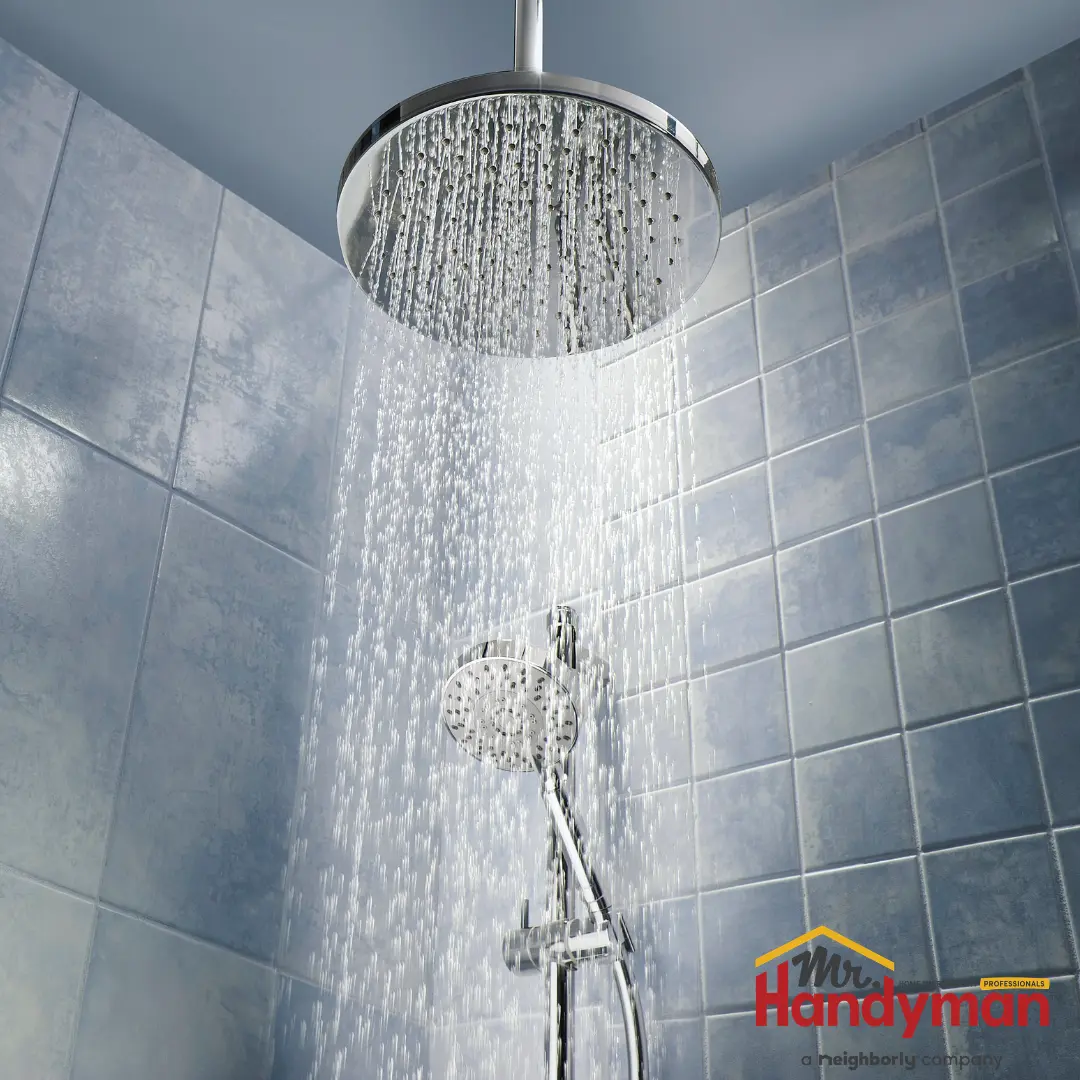
The water heater is the home system whose capacity limitations become most apparent during summer's peak demand periods, and the specific conditions that Middle Tennessee's hard water creates in water heater tanks make Nashville-area water heaters particularly susceptible to the performance reduction that summer's increased demand amplifies.
The sediment accumulation in Nashville-area water heaters that the previous blog in this series addressed through annual flushing creates specific hot water capacity limitations that summer's increased demand makes more noticeable. A water heater tank with significant sediment accumulation at its base has reduced effective capacity because the sediment occupies volume that should be available for hot water storage. The first-hour delivery rate that determines how much hot water the heater can provide for the concentrated morning demand that summer household routines create is reduced in proportion to the sediment accumulation that has developed since the tank was last flushed.
Summer's increased showering frequency in active Nashville households creates the specific scenario where water heater first-hour delivery rate limitations become apparent. A household of four whose daily shower schedule was manageable during the school year may discover that summer's more variable schedule, combined with overnight guests during summer travel season and the increased post-outdoor-activity showering that summer creates, exceeds the water heater's first-hour delivery capacity in ways that produce the cold water surprises that summer hot water performance complaints consistently describe.
Tankless water heater performance under summer's simultaneous demand conditions deserves specific mention for Clarksville and newer Nashville-area homes where tankless systems were installed as alternatives to tank systems. The flow rate capacity of a tankless water heater is its peak simultaneous demand limitation, and a system that was sized for the household's original occupancy may be genuinely inadequate for the summer simultaneous demand that extended family visits, overnight guests, and the active outdoor lifestyle of Middle Tennessee summers creates. Confirming that the installed system's flow rate capacity matches the summer demand profile of the household identifies whether the system was adequately sized for the home's actual peak conditions or whether summer will reveal a capacity gap.
The anode rod condition discussed in the previous blog has a specific relevance to summer water heater performance readiness that goes beyond the long-term protection dimension. A water heater with a depleted anode rod in Nashville's hard water environment may have begun the localized corrosion that produces the rusty water discoloration that is most apparent during the high-flow conditions of summer's peak demand periods. Confirming anode rod condition before summer's increased demand creates the conditions where degraded water quality would be most apparent is the readiness check that protects both the water heater investment and the household's summer water quality.
Fixture Capacity: Are Your Showerheads and Faucets Ready?

The individual fixtures throughout a West Nashville, Belle Meade, or Clarksville home are the points where the home's water readiness is most directly experienced by every household member and guest, and the mineral accumulation that Nashville's hard water creates at these fixtures determines whether the home delivers the performance its supply system is capable of providing or whether restricted fixtures create the perception of inadequate water performance regardless of what the supply system delivers.
Showerheads in Nashville-area homes accumulate the calcium and magnesium deposits that Nashville's water carries at the spray nozzle openings, creating the progressive restriction that reduces both flow rate and spray pattern quality through the years of service since the last cleaning or replacement. A showerhead that was delivering full performance when installed may be delivering a fraction of its designed flow and spray quality after two or three Nashville summers without cleaning. Summer's increased showering frequency makes this performance limitation more apparent and more consequential than the same limitation is during lighter-use seasons.
The aerators on kitchen and bathroom faucets are the fixture components whose mineral restriction most directly affects the performance experience at the specific fixtures that summer's increased entertaining and cooking demands place the greatest use on. A kitchen faucet aerator producing half its designed flow rate is a perceptible limitation during daily cooking that becomes a genuine friction point during the food preparation volume that summer gatherings create. The summer readiness check that specifically confirms full aerator performance at every kitchen and bathroom faucet identifies and corrects the restrictions that summer's peak demand will amplify.
Toilet flushing performance under summer's increased use is the fixture capacity question that households with multiple occupants through summer vacation and guest-hosting periods most commonly encounter. A toilet with the partial mineral restriction in its flush ports that Nashville's hard water creates over time, combined with the fill valve wear that years of daily use develops, may flush adequately under normal daily use but create the incomplete flush conditions that summer's higher frequency use reveals. Pre-summer confirmation that flush performance is full and complete, combined with the fill valve assessment that the previous blog addressed, positions the home's toilets for summer's increased demand.
Drainage Capacity: Can Your System Handle Summer's Outflow?
Summer's increased water use input to a Nashville-area home's plumbing system produces a proportionally increased drainage output demand on the drain, waste, and vent system, and the partial restrictions that years of grease accumulation, mineral deposits, and biological buildup have created in drain plumbing may be adequate for daily routine but inadequate for summer's peak demand events.
The kitchen drain is the component most consistently tested by summer's concentrated entertaining demand in Nashville-area households, and the partial restrictions that accumulate over years of active Middle Tennessee kitchen use without maintenance create the overflow conditions that are both inconvenient and potentially damaging when they occur during a gathering. A kitchen drain that handles the routine dishwashing and food disposal of daily cooking without complaint may back up under the concentrated food waste and dishwater volume of a significant summer gathering, revealing the partial restriction that enzyme treatment and physical assessment before the summer hosting season would have identified and addressed.
The main drain line serving a Nashville-area home carries all of the household's drain output to the municipal sewer system, and the grease accumulation and mineral deposits that years of active household use create in this line may have reduced its effective capacity to the point where summer's peak simultaneous demand approaches its limitation. In the older homes of West Nashville and Belle Meade where original cast iron drain plumbing has been in service for decades, the interior surface condition of the main line reflects the service history of the home in ways that camera inspection reveals and that pre-summer assessment of slow or marginal drainage should prompt a professional to investigate.
Clarksville's residential inventory includes a significant number of homes where the drain cleanout access that plumbers need for drain maintenance and camera inspection is inadequate or located in positions that make accessing it difficult. Early summer confirmation that drain cleanout access is adequate for maintenance access and that the main drain is flowing without restriction before summer's peak demand positions these homes to manage the season without the emergency drain service that mid-summer drain restriction produces.
Appliance Connections: Dishwasher, Washing Machine, and Ice Maker Readiness
The water-using appliances that summer's increased household activity demands the most of have supply connections, drain connections, and operational requirements whose readiness for summer's increased demand warrants the specific assessment that the previous blog series addressed in the hosting season context.
The dishwasher supply connection in a Nashville-area home where the braided supply line has been in service through multiple seasonal cycles is a component whose age and condition deserve the pre-summer assessment that identifies whether replacement before summer's increased cycling is the appropriate precautionary investment. A dishwasher that runs once or twice daily during normal routine may run three to five times daily during summer entertaining periods, and the increased cycling creates the increased connection stress that supply line age converts into failure risk.
The washing machine supply lines that previous blogs have addressed in multiple contexts deserve the specific summer readiness note that Nashville's increased summer laundry demand creates. The sports uniforms, beach towels, outdoor activity clothing, and general summer wardrobe demands of active Nashville-area households can double or triple weekly laundry volume through the summer months, and the high-pressure supply connections that feed washing machines are among the highest-risk failure points in residential plumbing systems under increased demand.
Refrigerator ice maker supply connections in Nashville-area homes are among the most consistently overlooked supply line assessments in pre-summer plumbing readiness, yet they are supply connections whose failure mode produces significant water damage in the kitchen or adjacent spaces and whose increased summer demand, from the greater ice consumption that summer heat and entertaining creates, reflects directly in the cycling frequency of the ice maker supply valve. Confirming that the refrigerator supply line is in sound condition, that the saddle valve or angle stop supplying it operates correctly, and that there is no moisture or mineral accumulation at the connection before summer's increased demand begins is the brief assessment that prevents a water damage event in one of the home's most expensive rooms.
Frequently Asked Questions
How do I know if my Nashville home's water system is genuinely ready for summer's increased demand or just marginally adequate?
The most direct assessment is measuring actual delivery pressure with a hose bib gauge during a period of moderate simultaneous use, confirming that aerators and showerheads are delivering full designed flow, testing water heater first-hour delivery by drawing hot water continuously until temperature drops and measuring how many gallons the system delivered, and observing drain flow response during the concentrated dishwashing and disposal use that simulates summer entertaining conditions. A home that performs acceptably on all four of these assessments is genuinely ready for summer's increased demands. One that shows limitations on any of these assessments has a specific condition that pre-season attention should address.
My Nashville home has enough hot water for our normal family of four. Will it be adequate when we have overnight guests through the summer?
Standard tank water heaters in Nashville-area homes are sized for the household's normal occupancy, and extended family visits or regular overnight guest hosting may genuinely exceed the heater's first-hour delivery capacity during concentrated morning demand periods. Strategies that manage this without equipment replacement include staggering shower schedules to allow recovery time between showers, confirming that the thermostat is set to the maximum safe temperature to maximize the hot water volume available in the tank, and flushing the tank to remove sediment accumulation that reduces effective capacity. If these management strategies are not adequate for the household's actual summer hosting patterns, water heater capacity assessment and potentially replacement or supplementation with a point-of-use heater for guest bathrooms is the appropriate response.
Is a whole-home water softener worth considering for a Nashville home before summer?
Middle Tennessee's hard water creates the mineral accumulation that affects every fixture, appliance, and supply component in the home continuously throughout its service life. A whole-home water softener that addresses the water's hardness before it reaches the home's distribution system prevents the progressive mineral accumulation that Nashville's water creates in pipes, appliances, and fixtures from developing, extends the service life of water-using appliances including the water heater and dishwasher, and eliminates the periodic cleaning and replacement that mineral accumulation at aerators, showerheads, and fixture components currently requires. The investment case for water softening in Nashville's hard water context is genuine and specific, and professional water testing that quantifies the home's actual water hardness provides the basis for an informed decision about whether softening is the appropriate improvement for the specific household's situation.
Can a handyman assessment identify the specific water readiness conditions in my Nashville home?
A skilled handyman with plumbing experience conducts the practical water readiness assessment that identifies aerator and showerhead restriction, observable supply line condition, toilet performance, water heater tank condition, and drain flow response that the most common summer readiness conditions reflect. Conditions that require pressure measurement equipment, drain camera inspection, or water quality testing beyond visual and performance assessment require the professional tools and licensing that a licensed plumber provides. A pre-summer handyman visit identifies the large majority of common readiness conditions and either corrects them directly or identifies the specific professional assessment that more complex conditions warrant.
Make Sure Your Nashville Home Is Ready for Everything Summer Brings
Summer's increased water demand tests every component of a West Nashville, Belle Meade, and Clarksville home's plumbing system in ways that the quieter months of the year never approach. The team at Mr. Handyman of West Nashville, Belle Meade, and Clarksville brings the plumbing assessment expertise and Middle Tennessee knowledge to confirm that your home is genuinely ready for the season ahead.
visit www.mrhandyman.com/nashville-west-south-central to schedule your summer readiness assessment. We show up on time, work cleanly, and back everything we do with the Neighborly Done Right Promise.
