
Middle Tennessee Creates a Distinctive Outdoor Faucet Challenge
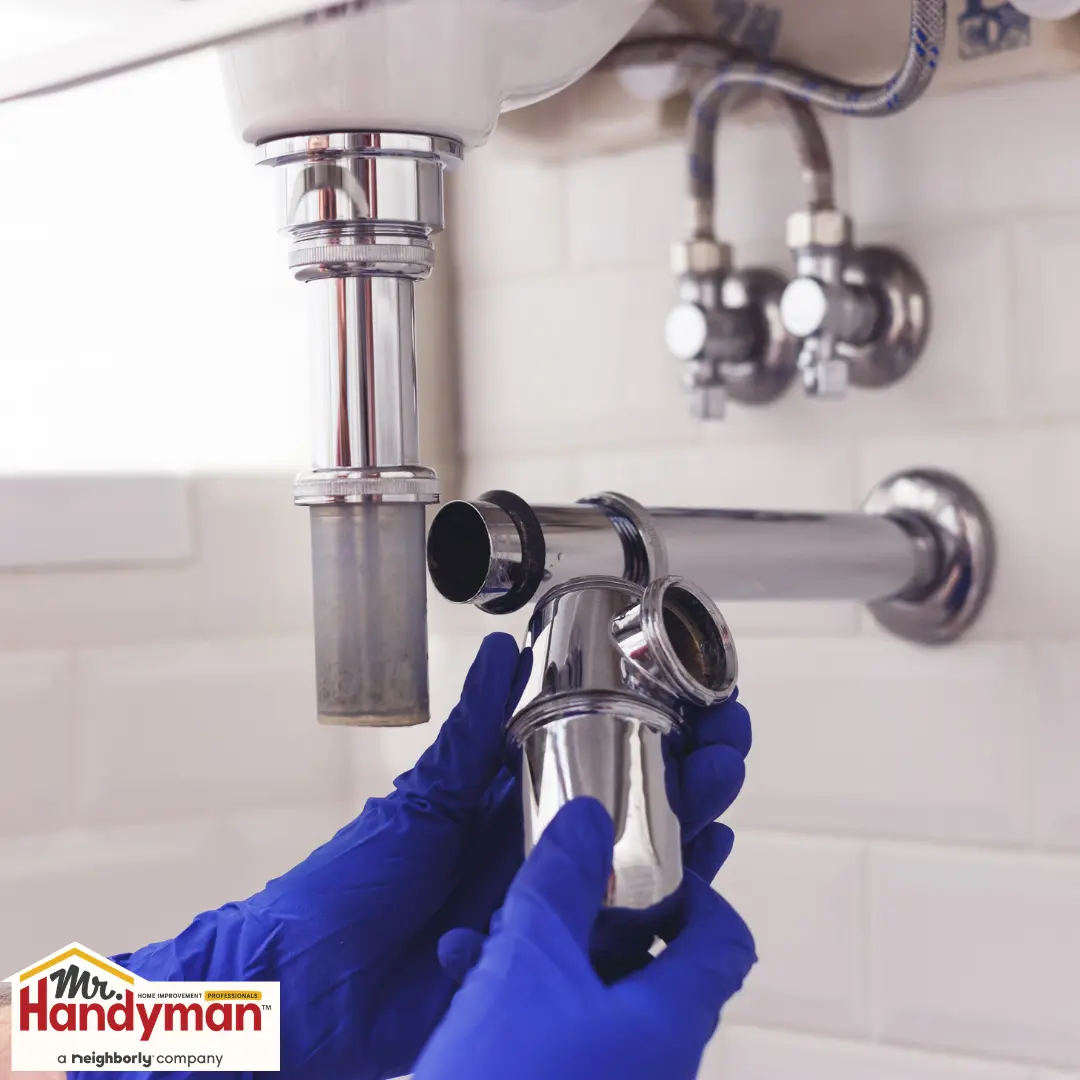
The outdoor faucet maintenance challenge in West Nashville, Belle Meade, and Clarksville differs meaningfully from the freeze-dominated guidance that northern markets generate as their primary outdoor plumbing concern and from the year-round mild conditions that more southerly coastal markets experience as their defining outdoor faucet environment. Middle Tennessee occupies the transitional climate position that places the West Nashville, Belle Meade, and Clarksville service area in the specific outdoor plumbing maintenance context that the region's genuine but variable winter freeze risk, the Cumberland River watershed's water chemistry, the humid continental-to-subtropical transitional conditions of the Nashville Basin, and the significant UV exposure that Tennessee's outdoor season creates in exterior hardware finishes and seal materials all together produce in ways that a single-mechanism maintenance framework does not adequately address.
The Middle Tennessee outdoor faucet maintenance challenge operates through several distinct mechanisms that the regional conditions create simultaneously. The genuine freeze risk that the Nashville Basin's winter creates through the cold air mass intrusions that Middle Tennessee's transitional climate delivers, including the significant winter storm events that the region experiences with enough frequency to create real outdoor plumbing vulnerability for homeowners who underestimate the regional cold exposure, creates the specific damage mechanism that frost-free installations and behavioral protection discipline specifically addresses. The water chemistry that the Cumberland River system and the regional aquifer sources contribute to the treated supply that Nashville Water Services, the Clarksville-Montgomery County Water System, and the other providers serving the service area deliver to residential outdoor faucets creates the mineral accumulation that the regional hard water character deposits in aerators, flow restrictors, and internal valve components over the service life of outdoor plumbing hardware. And the humid transitional climate that Middle Tennessee sustains through the warm months creates the biological growth conditions on outdoor faucet housing surfaces and the moisture vapor environment that the service area's outdoor season produces in the seal and washer materials of outdoor faucet assemblies.
Understanding those specific outdoor faucet maintenance mechanisms in the West Nashville, Belle Meade, and Clarksville context, what each creates in outdoor plumbing hardware across the regional maintenance cycle, and what the maintenance practices that Middle Tennessee conditions specifically reward gives homeowners across the service area the framework for outdoor faucet care that the regional environment requires rather than the single-mechanism guidance that more climatically extreme markets generate for their specific dominant conditions.
The Middle Tennessee Freeze Risk That Demands Consistent Respect
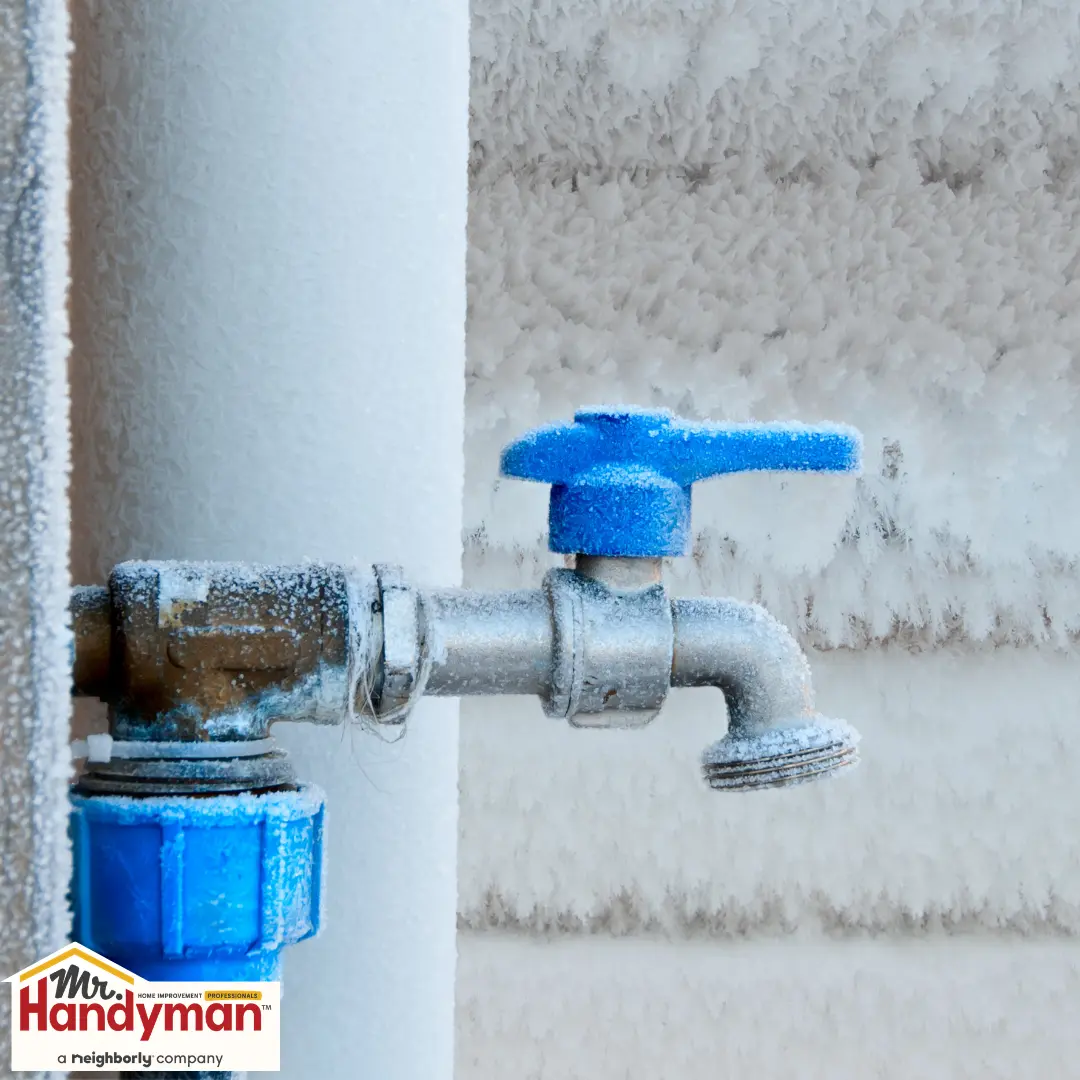
The Nashville Basin's genuine winter freeze character creates the outdoor faucet damage risk through the mechanism that Middle Tennessee's transitional climate delivers more variably than the northern markets whose sustained deep cold makes freeze protection the obvious non-negotiable that those markets build into their autumn outdoor plumbing preparation consistently. West Nashville, Belle Meade, and Clarksville homeowners manage the winter weather pattern that the region's transitional position creates through the cold air mass intrusions that push down from the north through the Tennessee Valley with the frequency and intensity that the regional climate's variable winter character produces between the mild periods that the Nashville Basin's transitional climate sustains through the heating season's most comfortable stretches.
The February ice storm and significant cold event history that Middle Tennessee has accumulated across the decades creates the regional awareness that the Nashville Basin's mild reputation does not eliminate the genuine freeze risk that the service area's outdoor plumbing carries through the heating season. The winter storm events that periodically affect the West Nashville, Belle Meade, and Clarksville communities with the ice accumulation and the sustained below-freezing temperatures that those events produce demonstrate at the property damage scale that the service area's outdoor and indoor plumbing experiences that Middle Tennessee's variable winter creates the genuine freeze exposure that consistent outdoor plumbing preparation discipline specifically addresses.
The mild-between-events pattern that the Nashville Basin's transitional climate creates in the West Nashville, Belle Meade, and Clarksville outdoor plumbing preparation context produces the specific vulnerability that the extended mild periods between significant freeze events reduce the preparation attention that consistent protection requires in the homeowners whose freeze preparation awareness the comfortable intervening conditions consistently undermine. A frost-free hose bib in a West Nashville or Clarksville home eliminates the behavior-dependent freeze protection that the Middle Tennessee climate's variable freeze pattern tests precisely because the mild conditions between significant events reduce the preparation discipline that protection requires when a cold event arrives with the compressed advance notice that the Tennessee Valley's weather pattern occasionally creates.
Cumberland River Watershed Water Chemistry Effects on Outdoor Faucets
The water supply serving West Nashville, Belle Meade, and Clarksville draws from the Cumberland River system and the regional water treatment infrastructure that Nashville Water Services delivers to the Davidson County residential landscape and the Clarksville-Montgomery County Water System provides to the Montgomery County service area. The mineral content that the Cumberland River system and regional aquifer sources contribute to the treated supply creates the calcium and magnesium deposits that accumulate in outdoor faucet aerators, flow restrictors, and internal valve components over the service life of outdoor plumbing hardware throughout the Middle Tennessee residential landscape.
Mineral deposit accumulation at outdoor faucet aerators in West Nashville, Belle Meade, and Clarksville area homes reflects the hard water characteristics that the Middle Tennessee water supply's mineral content creates in the flow-restricting components of outdoor plumbing hardware. The calcium and magnesium that the regional supply carries accumulates in aerator screens at those restricted flow surfaces between annual cleaning intervals, progressively reducing the flow performance the outdoor faucet delivers to garden hoses and outdoor water uses across the Middle Tennessee outdoor season that the region's warm months sustain.
The Nashville Basin's transitional climate moisture dimension adds the humidity and biological growth consideration to the mineral accumulation challenge that outdoor faucet components in the West Nashville, Belle Meade, and Clarksville service area manage between maintenance intervals, creating the compound maintenance environment that the region's specific climate character produces for outdoor plumbing hardware.
Biological Growth and the Middle Tennessee Outdoor Faucet Environment
The biological growth that the Nashville Basin's transitional climate advances on outdoor hardware surfaces between maintenance intervals represents the maintenance dimension that distinguishes the West Nashville, Belle Meade, and Clarksville outdoor faucet environment from the drier climates of southwestern markets and from the cooler outdoor seasons of northern markets where cold-season temperature suppression limits biological establishment on outdoor surfaces during the months that those climates interrupt the warm growing season that biological growth requires.
The Middle Tennessee warm season that the Nashville Basin's transitional climate creates in the West Nashville, Belle Meade, and Clarksville outdoor environment sustains the biological activity conditions that mold, algae, and organic growth establish on outdoor faucet housing surfaces, mounting escutcheon plates, and the wall surfaces adjacent to exterior faucet penetrations through the warm months that the regional climate provides. The combination of the Nashville Basin's warm temperatures, the humid conditions that Middle Tennessee sustains through the spring and summer, and the moisture that outdoor faucet use and the region's spring and summer rainfall creates at the faucet's mounting location together provide the biological growth conditions that the extended Tennessee warm season advances on outdoor hardware surfaces between cleaning and maintenance intervals.
The Cumberland Plateau's moisture contribution to the Nashville Basin's outdoor humidity creates the specific warm-season moisture loading that the transitional climate produces in the outdoor faucet environments of West Nashville, Belle Meade, and Clarksville area homes. The moisture-laden air that the regional atmospheric pattern creates through the warm months sustains the biological establishment conditions on outdoor hardware surfaces at the rates that Middle Tennessee's specific climate character produces between maintenance intervals, and the outdoor faucet housings, escutcheon plates, and wall surfaces adjacent to exterior faucet penetrations carry the biological accumulation that the regional warm season advances in the moist outdoor environment that the Nashville Basin's transitional climate creates.
Annual spring cleaning of outdoor faucet housing surfaces, escutcheon plates, and the wall surfaces adjacent to outdoor faucet penetrations before the Middle Tennessee growing season advances biological establishment on those surfaces provides the clean starting condition that prevents the biological accumulation from advancing to the embedded staining that the regional warm, humid outdoor environment creates in untreated outdoor hardware between cleaning intervals. Spring cleaning that removes the heating season's atmospheric deposits and the early biological growth initiation that the Nashville Basin's spring warming activates on outdoor hardware surfaces provides the clean surface that the maintenance season begins from rather than the accumulating organic condition that continued biological establishment advances through the warm months.
Spring Startup and Seasonal Assessment in the Middle Tennessee Calendar

Spring startup assessment for outdoor faucets in West Nashville, Belle Meade, and Clarksville area homes evaluates the conditions that the previous heating season's freeze events, the Nashville Basin's winter temperature cycling, and the Cumberland River watershed's water chemistry mineral accumulation created in the outdoor plumbing components that the Middle Tennessee outdoor season immediately places concentrated demand on. The comprehensive spring startup that evaluates each outdoor faucet individually, confirming flow performance, checking for drips at the handle and spout, assessing the wall mounting condition at each faucet's exterior connection, and confirming frost-free drain function in homes with those installations provides the condition inventory that outdoor plumbing maintenance planning requires before the outdoor season's use begins.
Aerator cleaning at each outdoor faucet during the spring startup removes the mineral deposit accumulation that the Cumberland River watershed's water chemistry created in the flow-restricting aerator screens between the previous season's maintenance and the current spring assessment. Removing and soaking the aerator screens in white vinegar solution dissolves the calcium and magnesium deposits that the Middle Tennessee water supply's mineral content accumulated through the outdoor season's use, restoring the flow performance that clean aerator surfaces provide versus the restricted flow that mineral accumulation progressively creates between cleaning intervals in the Nashville Basin's water chemistry context.
Hose bib washer and seat inspection during the spring startup identifies the dripping that compromised valve seat and washer conditions produce as the mineral accumulation and the operational cycling that Middle Tennessee's extended outdoor season creates in outdoor faucet internal components advances those conditions toward the failure threshold. The outdoor season that the Nashville Basin's climate provides to West Nashville, Belle Meade, and Clarksville area properties creates the operational cycling and the UV and heat exposure on seal and washer materials that the Tennessee warm season advances between replacement intervals.
Fall Preparation in the Middle Tennessee Seasonal Calendar
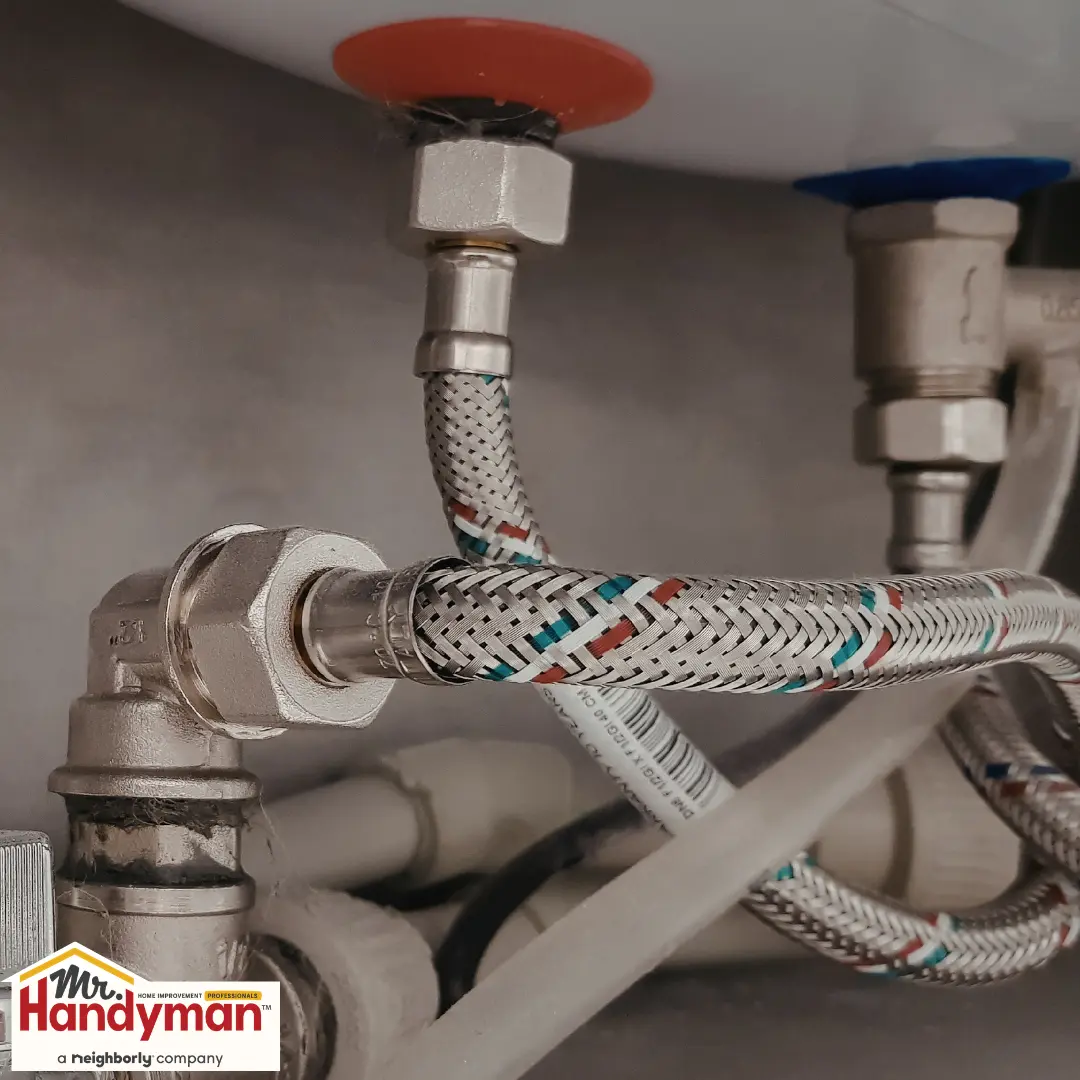
Fall outdoor faucet preparation for West Nashville, Belle Meade, and Clarksville area homes addresses the genuine freeze risk that the approaching heating season creates in the Nashville Basin's variable winter weather pattern. The November through March period that the Middle Tennessee heating season spans creates the freeze event window that outdoor faucet protection specifically addresses before the compressed advance notice that cold air mass intrusions into the Tennessee Valley provide arrives with the freeze temperatures that unprepared outdoor plumbing encounters without the protection opportunity that advance notice would have provided.
Garden hose disconnection from every outdoor faucet before any forecast freeze event is the single most critical fall preparation practice for West Nashville, Belle Meade, and Clarksville area outdoor plumbing. A frost-free hose bib whose freeze protection mechanism the connected garden hose prevents from draining is as vulnerable during a Middle Tennessee freeze event as the standard faucet whose interior shutoff was not closed, and the consistent hose disconnection practice before every forecast freeze provides the protection that eliminates the most common freeze damage pathway in the Nashville Basin's outdoor plumbing landscape regardless of the freeze event's predicted severity.
Interior shutoff valve location and function confirmation for standard outdoor faucets in West Nashville, Belle Meade, and Clarksville area homes that do not have frost-free installations establishes the emergency isolation capability that a significant Middle Tennessee freeze event requires when protection preparation needs to be executed before the freeze event's arrival. Confirming that each interior shutoff valve operates freely and closes completely before the heating season's first significant cold event provides the protection preparation that the Nashville Basin's genuine freeze risk warrants for the outdoor plumbing that standard installation leaves dependent on the behavioral protection that interior shutoff closure provides.
Frequently Asked Questions
How often should West Nashville, Belle Meade, and Clarksville area homeowners clean their outdoor faucet aerators given the regional water chemistry?
Annual aerator cleaning at the spring startup assessment provides the appropriate cleaning frequency for outdoor faucet aerators in the West Nashville, Belle Meade, and Clarksville service area, addressing the mineral deposit accumulation that the Cumberland River watershed's water chemistry creates in those flow-restricting components between the previous season's maintenance and the current spring startup. The white vinegar soak that dissolves the calcium and magnesium deposits the regional supply accumulates in aerator screens restores the flow performance that the outdoor season's demand immediately places on those components from the first outdoor water use of the spring. Homes with older outdoor faucets showing significantly reduced flow despite aerator cleaning may have mineral accumulation in the internal valve body that professional assessment evaluates for the replacement decision that advanced internal deterioration warrants in the Middle Tennessee water chemistry context.
Should West Nashville, Belle Meade, and Clarksville homeowners replace standard outdoor faucets with frost-free models given the Middle Tennessee freeze risk?
Any standard outdoor faucet in a West Nashville, Belle Meade, or Clarksville area home that is not already frost-free warrants the frost-free replacement that converts freeze protection from the behavioral discipline that standard faucets require into the mechanical design that protects the faucet automatically whenever the handle is closed and the garden hose is disconnected. The Nashville Basin's mild-between-events climate pattern creates the specific vulnerability where the extended mild periods between significant freeze events reduce the freeze preparation awareness that consistent protection requires, and the frost-free replacement that eliminates that behavioral dependency provides the reliable protection that Middle Tennessee's variable winter freeze pattern warrants without relying on the consistent preparation discipline that comfortable intervening conditions consistently undermine in the West Nashville and Clarksville residential landscape.
How does Middle Tennessee's transitional climate specifically affect outdoor faucet service life compared to more extreme climates?
The Nashville Basin's transitional climate creates the outdoor faucet service life conditions that the combination of genuine but variable freeze risk, the Cumberland River watershed's hard water mineral accumulation, the warm season's humidity and biological growth activity on outdoor hardware surfaces, and the UV exposure that Tennessee's extended outdoor season advances in seal and washer polymer materials together produce in West Nashville, Belle Meade, and Clarksville area outdoor faucets. The multiple-mechanism service life challenge that Middle Tennessee's transitional climate creates in outdoor plumbing hardware distinguishes the service area's outdoor faucet maintenance context from the single-dominant-mechanism environments of both the severe northern markets whose sustained cold defines their maintenance reality and the year-round mild markets whose absence of freeze risk removes the most consequential failure mode from their outdoor plumbing consideration.
What is the most common outdoor faucet failure in the West Nashville, Belle Meade, and Clarksville service area?
Dripping from the faucet spout after the handle is closed is the most consistently identified outdoor faucet failure across West Nashville, Belle Meade, and Clarksville area residential properties, reflecting the combined effect of the Cumberland River watershed's water chemistry mineral accumulation in valve seat interfaces and the UV and heat degradation of the washer and seal materials that the Middle Tennessee outdoor season advances in polymer faucet components through the warm months of active garden, landscape, and outdoor water use. Annual aerator cleaning that removes mineral accumulation before it advances to the valve seat interfaces, periodic washer and seat inspection that identifies the early-stage deterioration before the dripping that advanced wear produces appears at the spout, and the frost-free faucet installation that eliminates the freeze damage that Middle Tennessee's genuine winter cold events create in the expansion mechanism that freeze damage advances in unprotected outdoor faucet assemblies all represent the maintenance practices that the service area's multi-mechanism outdoor faucet challenge rewards through the extended service life and reliable performance that addressed conditions produce.
How does the Belle Meade community's established landscape character affect outdoor faucet maintenance specifically?
Belle Meade's established residential landscape, with its mature tree canopy, extensive ornamental plantings, and the premium residential property character that the community sustains, creates the specific outdoor faucet maintenance context that the larger garden areas, the irrigation demands of established plantings, and the premium property presentation standards the community maintains produce in the outdoor water use frequency and the outdoor hardware visibility that Belle Meade's residential character establishes. The outdoor faucets that serve Belle Meade's established residential properties experience the operational cycling frequency that larger property maintenance creates and the visibility expectation that premium property presentation sustains, making the annual maintenance discipline that the Cumberland River watershed's water chemistry and the Nashville Basin's genuine freeze risk together warrant specifically important for the outdoor plumbing serving the service area's most established and premium residential community.
West Nashville, Belle Meade, and Clarksville Outdoor Faucets Ready for the Full Middle Tennessee Seasonal Cycle
The outdoor faucets and hose bibs serving West Nashville, Belle Meade, Clarksville, and the surrounding communities manage the genuine freeze risk that the Nashville Basin's variable winter creates, the mineral accumulation that the Cumberland River watershed's water chemistry deposits in outdoor plumbing components, the biological growth that the Middle Tennessee warm season's humidity and warmth advances on exterior hardware surfaces, and the UV and heat exposure that Tennessee's outdoor season creates in the seal and washer materials that outdoor faucet function depends on. The spring startup that assesses the previous season's accumulated conditions, the annual aerator cleaning that addresses the regional water chemistry's mineral deposits, the fall preparation that protects outdoor plumbing before the heating season's genuine freeze events arrive, and the frost-free installation that eliminates the behavior-dependent freeze protection that Middle Tennessee's mild-between-events winter pattern consistently undermines all deliver the outdoor faucet service life and reliable performance that the Cumberland River watershed region's outdoor calendar creates the demand for.
The team at Mr. Handyman of West Nashville, Belle Meade, and Clarksville has the regional experience to help homeowners maintain, repair, and upgrade their outdoor faucets and hose bibs for the specific conditions that Middle Tennessee creates throughout the service area.
Website: https://www.mrhandyman.com/nashville-west-south-central/
Serving homeowners throughout West Nashville, Belle Meade, and Clarksville with dependable service and the expertise your home deserves.