Why Early Summer Is the Right Window for Outdoor Plumbing in Middle Tennessee
The brief seasonal window that opens between Middle Tennessee's spring wet season and the arrival of Nashville's full summer heat is among the most productive improvement periods available to West Nashville, Belle Meade, and Clarksville homeowners. The temperatures of early June are genuinely comfortable for outdoor work. The soil has drained from spring's heavy rainfall. The landscape is in its most vigorous growth phase, creating the perfect conditions for establishing new irrigation infrastructure. And the full demands of summer entertaining, outdoor living, and landscape maintenance have not yet arrived in force, making this the moment when outdoor plumbing project completion delivers its return through the entire season rather than partway through it.
Middle Tennessee's outdoor living culture makes outdoor plumbing infrastructure genuinely valuable rather than simply convenient. The warm season stretches from May through October in the Nashville area, and the outdoor spaces that homeowners in West Nashville's established neighborhoods, Belle Meade's premium residential landscape, and Clarksville's active family communities use through this extended season benefit from the water access, irrigation reliability, and outdoor amenity improvements that targeted early summer plumbing projects deliver. A properly functioning outdoor plumbing system turns the long Tennessee warm season into the extended outdoor living experience these communities were designed to support.
Clarksville's specific residential context adds urgency to this seasonal window that West Nashville and Belle Meade homeowners feel less acutely. Clarksville's explosive growth over the past two decades has produced neighborhoods of production homes from the 1990s through the 2010s where original outdoor plumbing infrastructure, including hose bibs, irrigation systems, and outdoor water features, has been in service through multiple Nashville-area winter seasons. This infrastructure has accumulated the service history that early summer assessment and targeted improvement converts into reliable summer performance rather than the mid-season failures that deferred attention produces.
The rainfall patterns that Middle Tennessee's climate creates provide the specific seasonal context for irrigation system importance in this region. Nashville-area summers alternate between extended dry periods that landscape irrigation must bridge and intense rainfall events that drainage management must handle. The outdoor plumbing infrastructure that performs both of these functions reliably is the infrastructure that early summer projects establish, maintain, and improve before the season's weather demands test it at full intensity.
Hose Bib Assessment and Upgrade: The Foundation of Outdoor Water Access
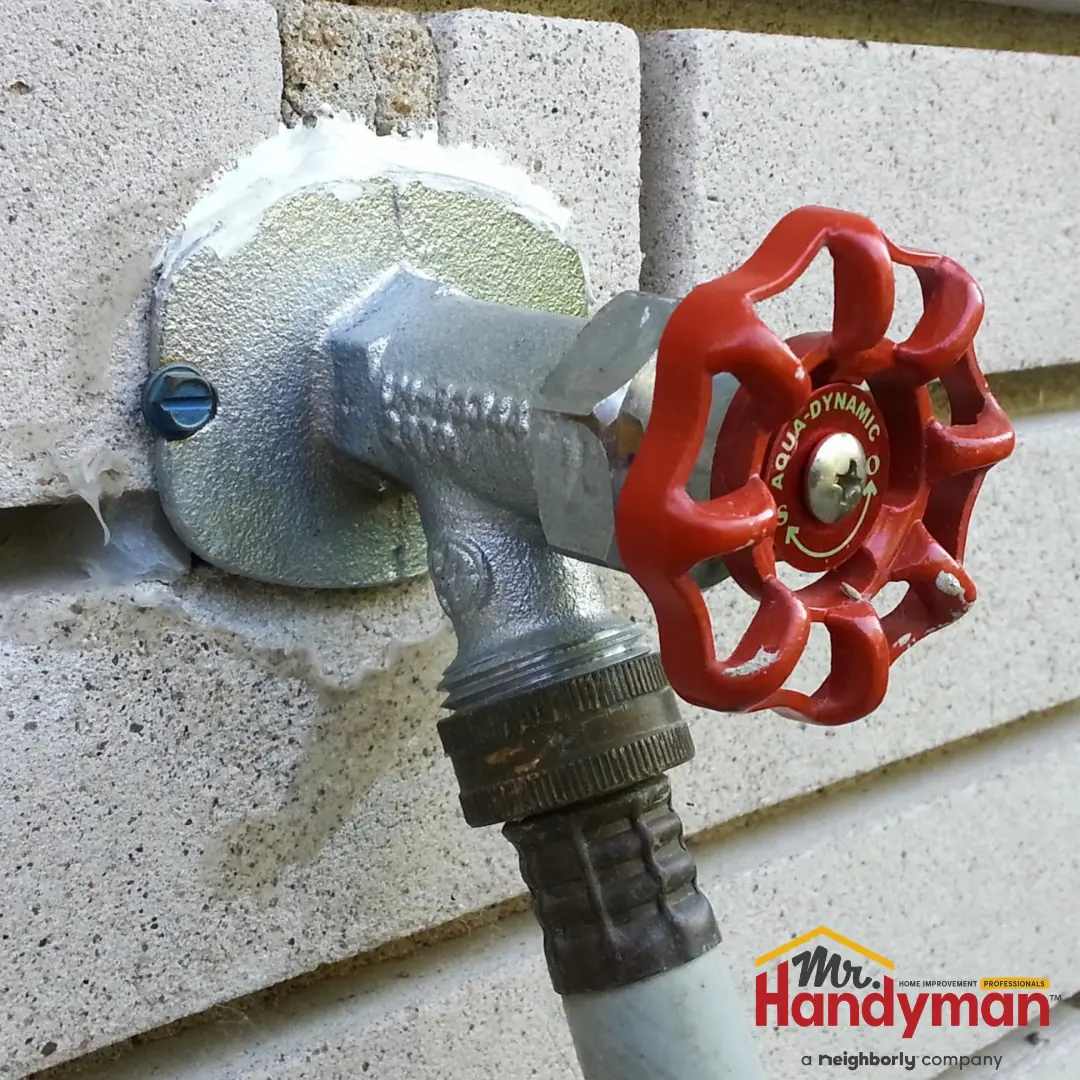
The exterior hose bibs of West Nashville, Belle Meade, and Clarksville homes are the most basic and most continuously used outdoor plumbing components, and their condition directly determines the quality of the outdoor water access that every summer outdoor activity depends on. A hose bib that leaks at its packing nut, that drips continuously at the spout when the handle is fully closed, or that delivers reduced flow from internal mineral accumulation or partial valve failure is a consistent friction point for every outdoor water use through the entire summer season.
Middle Tennessee's winter freeze events create the specific hose bib damage that early summer assessment identifies before summer's intensive outdoor use reveals it under the worst possible conditions. A hose bib whose interior was damaged by water freezing in the pipe section between the exterior wall and the shutoff valve during a Nashville-area ice event may appear functional at low flow but fail structurally when summer pressure and volume demands test it fully. Running each exterior hose bib fully open before hoses are connected for the season and observing both the flow and the condition of the surrounding wall for any moisture suggesting an interior leak confirms the functional status of each bib before summer's demands depend on them.
Anti-siphon hose bibs, which include a vacuum breaker that prevents the backflow of garden hose water into the home's potable water supply, are the current standard for residential exterior hose bib installations and are required by plumbing code in most jurisdictions including Tennessee. The older homes of West Nashville and Belle Meade's established neighborhoods that were built before anti-siphon requirements were adopted may have original hose bibs without this protection. Early summer is the appropriate time to upgrade non-compliant bibs to current anti-siphon designs, both for the code compliance dimension and for the genuine cross-contamination protection that backflow prevention provides when garden hoses are used for irrigation, car washing, and the other outdoor water applications where backflow contamination risk is real.
Frost-free hose bibs, which position the actual valve mechanism well inside the wall rather than at the exterior face, provide the freeze protection that standard hose bibs do not offer for Nashville-area homes where the infrequent but genuine freeze events of Middle Tennessee winters create the pipe freezing risk that a single unattended cold event can convert into a burst pipe. For West Nashville and Belle Meade homes with original hose bibs on exterior walls where the valve seats at the exterior face, replacing them with frost-free designs is a targeted improvement that eliminates the annual winterization requirement and the freeze damage risk that Nashville's variable winter creates.
Additional hose bib installation is the outdoor plumbing project that most directly improves the practical outdoor water access of Nashville-area homes where the original bib placement served minimal outdoor use assumptions that the current household's active outdoor lifestyle has outgrown. A Belle Meade home with a single hose bib on the front of the house and one on the back serving a landscape and outdoor living space that extends across the full lot perimeter creates the continuous hose-dragging frustration that an additional strategically placed bib eliminates entirely. Adding a dedicated bib adjacent to the outdoor kitchen or grill area, near the garden space, or at the far end of a large lot's landscape creates the convenient water access that makes every outdoor activity that requires water more efficient and more enjoyable through the entire Tennessee warm season.
Irrigation System Startup and Assessment: Setting the Season Up for Success
Irrigation systems serving Nashville-area landscapes emerge from their winter dormancy with the accumulated conditions that the previous year's heavy use and winter's occasional freeze events have created, and early summer is the appropriate window for the comprehensive system assessment that identifies and addresses these conditions before the full heat of a Tennessee summer creates the landscape damage that irrigation failure produces.
The Nashville area's clay-heavy soil creates specific irrigation system considerations that homeowners from sandier-soil regions may not anticipate. The expansive clay that underlies much of the Nashville metropolitan area's residential development responds to moisture variation through the expansion and contraction cycles that shift irrigation system components over time. Spray heads that were flush with the lawn grade when installed may have shifted above or below grade as the clay soil has moved through moisture cycles. Supply lines that were buried at appropriate depth may have shifted closer to the surface in areas where clay soil movement is most active. And the zone valve boxes that protect valve assemblies from direct weather exposure may have settled unevenly as the soil beneath them has responded to the moisture cycling that Middle Tennessee's rainfall pattern creates.
Zone-by-zone assessment of the irrigation system before the irrigation season begins in earnest identifies the spray heads that are not functioning correctly, the zones that are not receiving appropriate pressure suggesting a supply line or valve issue, and the spray patterns that have drifted from their designed coverage through head movement or nozzle deterioration. Running each zone for a full cycle while observing the coverage pattern, checking each head for proper pop-up operation, and confirming that no heads are spraying onto hardscape, structures, or in directions that represent wasted water identifies the corrections that convert a marginally performing system into one that serves the Nashville landscape efficiently through the season.
The irrigation timer and controller that automates system operation requires specific early summer attention in Nashville-area homes where the controller was set to winter dormancy mode and has not been updated for the summer schedule. Nashville's early summer typically requires less frequent irrigation than the full heat of July and August, and establishing a graduated seasonal schedule that increases irrigation frequency as summer's heat and dry periods intensify serves the landscape better than a single fixed schedule that either overwater during moderate conditions or underwater during the season's most demanding periods.
Clarksville's significant population of production homes from the 1990s and 2000s may have original irrigation systems that have been in service through twenty or more Middle Tennessee growing seasons. These systems may have the original poly-pipe supply lines that have become brittle through UV exposure and the chemical degradation that soil chemistry creates over extended service periods. Early summer assessment of these older systems should specifically assess supply line condition, replacing brittle or cracked sections before the increased water pressure of summer's more frequent cycles creates the line failures that mid-season discoveries are both more disruptive and more expensive to address.
Outdoor Kitchen and Hose Station Plumbing: Extending Functionality
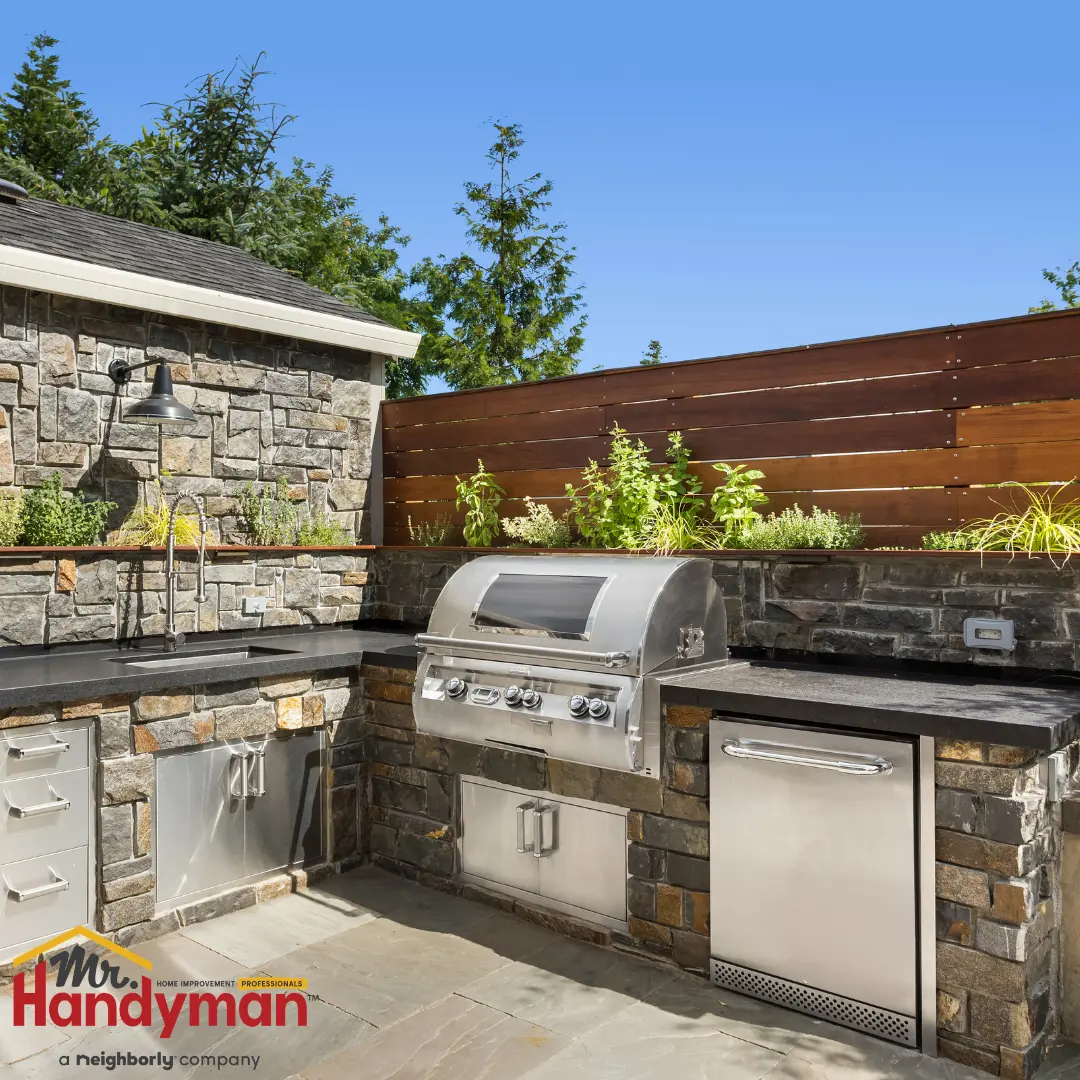
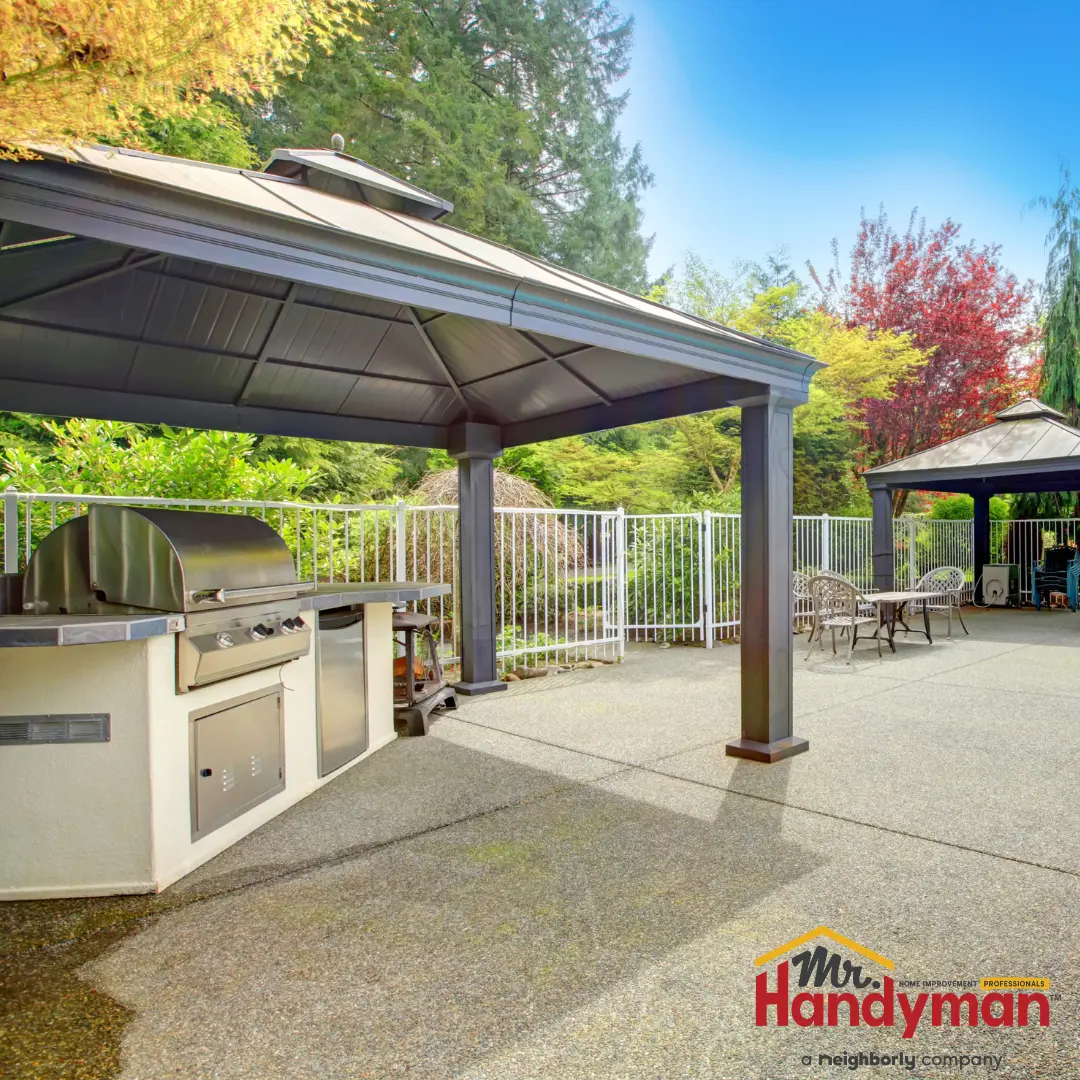
The outdoor kitchens and entertainment areas that Nashville's extended warm season justifies and that the premium residential properties of Belle Meade, West Nashville, and Clarksville's established communities frequently feature represent a specific category of outdoor plumbing project whose early summer execution delivers returns through the full entertaining season.
An outdoor kitchen sink with dedicated hot and cold supply is among the most practically impactful outdoor plumbing additions available to Nashville-area homeowners who entertain outdoors regularly. The reduction in trips between outdoor cooking and indoor kitchen facilities that a dedicated outdoor sink provides is felt at every gathering, and the convenience of having water for food preparation, utensil rinsing, and cleanup immediately adjacent to the outdoor cooking area elevates the outdoor kitchen from a grill area to a functional cooking environment.
The supply connections for an outdoor kitchen sink in a Nashville-area home require specific attention to the freeze protection that Middle Tennessee's winter creates. Unlike indoor plumbing that is protected by the home's thermal envelope, outdoor sink supply connections are exposed to the ambient temperatures that Nashville-area winters deliver, including the genuine freeze events that can arrive without extended warning. Installing shutoff valves that are accessible from inside the home for the outdoor sink supply, and insulating the supply runs in the wall and any exposed section, provides the winterization capability that a single cold event without freeze protection would eliminate in a season.
A dedicated outdoor wash station for garden tools, pet cleanup, and the utility washing that active outdoor Tennessee life creates is a practical addition that many Nashville-area homeowners have considered but not yet executed. A simple single cold-water connection with an appropriate fixture, positioned near the garden, adjacent to the pet area, or at a utility location that makes sense for the specific property's use patterns, eliminates the improvised outdoor washing that currently uses the primary hose bib for purposes that a dedicated utility location would serve more efficiently and with less interference with other outdoor water needs.
Drainage Improvements: Managing Nashville's Summer Rainfall
Middle Tennessee's summer rainfall pattern, which delivers extended dry periods punctuated by intense storm events that can deposit significant rainfall in short periods, creates the specific drainage management requirements that outdoor plumbing projects address most permanently and most effectively.
The established neighborhoods of West Nashville and Belle Meade contain properties where the original grading and drainage infrastructure was designed for the landscape's original conditions, and decades of landscape maturation, structure additions, and the natural settling that Nashville's clay soil creates over time have altered those conditions in ways that standing water, erosion, and wet area development in previously dry locations reflect. Early summer, before the intense rainfall events of Nashville's peak storm season arrive, is the window when targeted drainage improvements address these developed conditions before they are tested at their most challenging.
French drain installation in the low areas and persistently wet zones of Nashville-area properties directs the subsurface water that clay soil's limited permeability creates toward appropriate discharge points. The clay-heavy soils of the Nashville metropolitan area hold water rather than percolating it readily, and the grade conditions that deliver surface and subsurface water to low areas of a property create the wet zones that French drain systems intercept and redirect. Early summer installation after spring's moisture has revealed the specific wet areas and flow patterns that need to be addressed positions the drainage improvement to manage the concentrated summer rainfall events that Middle Tennessee delivers regularly from June through September.
Downspout extension and discharge management is the most accessible drainage improvement available to West Nashville, Belle Meade, and Clarksville homeowners and the one whose installation is most directly connected to the foundation conditions that Nashville's clay soil creates. Downspouts that terminate immediately adjacent to the home's foundation perimeter introduce the moisture that drives clay soil expansion directly at the location most consequential for foundation behavior. Extending these downspouts through splash blocks, flexible underground extensions, or the buried pipe systems that larger properties may warrant carries the concentrated roof drainage from summer's intense storm events well away from the foundation before it enters the soil.
Outdoor Water Features: Nashville's Summer Landscape Enhancement
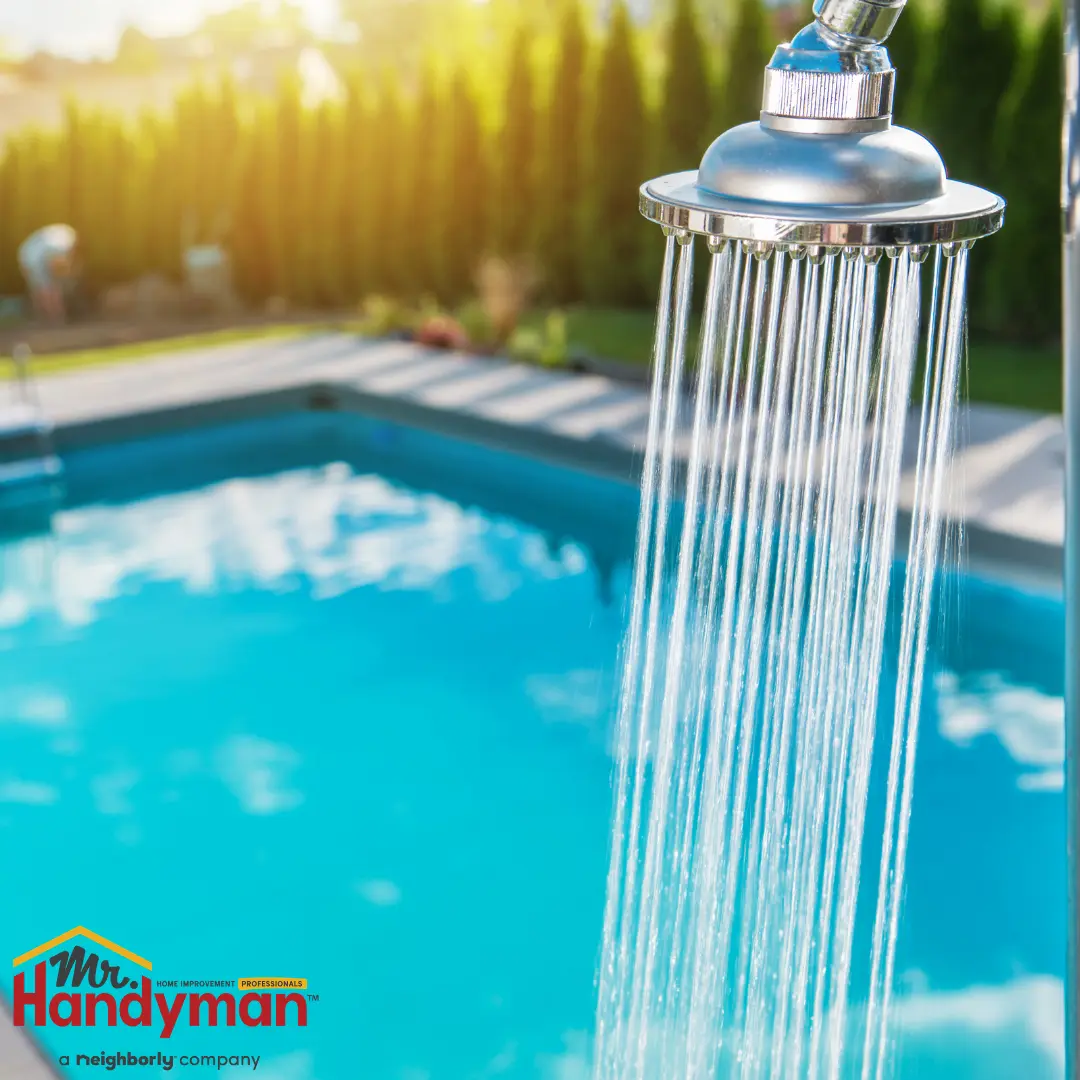
The water features that enhance Nashville-area residential landscapes, from the modest garden fountain to the more substantial water garden that Belle Meade's premium residential properties occasionally support, have outdoor plumbing supply requirements that early summer project execution addresses before the season's peak heat creates the conditions where water feature operation is most valued.
A dedicated supply connection for an outdoor fountain or water feature eliminates the improvised hose connections and manual filling that most Nashville homeowners currently manage, converting the water feature from a high-maintenance ornament that requires regular attention into a self-maintaining landscape element that the household can enjoy without the management burden that manual water level maintenance creates during the daily outdoor living of a Middle Tennessee summer.
The water feature supply in a Nashville-area home benefits from the same freeze protection consideration that applies to all outdoor plumbing. A dedicated shutoff within the thermal envelope of the home, accessible without going outdoors, allows the water feature supply to be shut off for winter without the annual valve-replacement that a freeze event damaging an unprotected exterior valve would require.
Frequently Asked Questions
Is early summer the right time to install additional outdoor hose bibs in my Nashville area home?
Yes, for several reasons specific to Middle Tennessee's seasonal conditions. The early summer temperature range makes outdoor work comfortable in ways that Nashville's peak summer heat does not. The soil has drained from spring's wet period, making any trenching required for supply line installation more straightforward. And installation before the full summer season delivers the return of improved outdoor water access through the entire season rather than partway through it.
How does Nashville's clay soil affect irrigation system performance and maintenance?
Nashville's expansive clay soil affects irrigation systems through the movement that moisture cycling creates in the soil surrounding buried supply lines, spray head bases, and valve box installations. Spray heads that have shifted in grade, supply lines that have moved closer to the surface in active clay movement zones, and valve box settlements that expose valve assemblies to direct weather contact are all clay soil consequences that early summer assessment identifies. The irrigation system that serves a Nashville-area landscape requires annual physical assessment that the same system in a stable-soil market may not need to the same degree.
Can a handyman handle outdoor plumbing projects in Tennessee?
A skilled handyman with plumbing experience handles a broad range of outdoor plumbing projects including hose bib replacement and addition, outdoor sink connections to existing supply runs, irrigation system startup assessment and head replacement, and drainage improvement installations that do not involve main service connections. Work involving new connections to the home's main water service, gas line connections for outdoor kitchens with gas fixtures, and any condition requiring Tennessee licensed plumber involvement is coordinated with the appropriate professional. A professional assessment of the specific project scope before work begins confirms which elements fall within handyman scope and which require additional professional involvement.
What outdoor plumbing project delivers the most practical return for an active Belle Meade or West Nashville outdoor entertaining household?
For households that entertain outdoors regularly through Nashville's long warm season, an additional strategically placed hose bib combined with an assessment and tuning of the existing irrigation system delivers the most broadly felt practical improvement. The additional hose bib eliminates the hose-dragging friction that every outdoor activity requiring water currently creates, and the irrigation system assessment ensures that the landscape that serves as the backdrop for outdoor entertaining is receiving the water management it needs through Nashville's summer dry periods and intense rainfall events.
Make the Most of Nashville's Early Summer Outdoor Plumbing Window
The early summer window for outdoor plumbing projects in West Nashville, Belle Meade, and Clarksville is brief and productive. The team at Mr. Handyman of West Nashville, Belle Meade, and Clarksville brings the outdoor plumbing expertise and Middle Tennessee knowledge to execute the projects that set your outdoor spaces up for the full Tennessee warm season.
Call us or visit www.mrhandyman.com/nashville-west-south-central to schedule your outdoor plumbing service. We show up on time, work cleanly, and back everything we do with the Neighborly Done Right Promise.