
Why Middle Tennessee's Rainfall Pattern Creates Specific Sewer Line Concerns
.webp)
West Nashville, Belle Meade, and Clarksville homeowners live with a rainfall pattern that creates specific and recurring sewer line challenges that homeowners in drier climates or in climates with more evenly distributed annual rainfall never encounter with the same intensity or frequency. Middle Tennessee receives substantial annual rainfall, and that rainfall does not arrive evenly distributed through the year. It arrives in the concentrated events that the region's storm pattern creates, with spring and early summer delivering significant rainfall in intense events that the ground, the municipal storm and sewer infrastructure, and the residential lateral connections that link homes to the main sewer system must manage simultaneously.
The Cumberland River basin geography that defines the Nashville metropolitan area creates specific drainage conditions for the communities within it. West Nashville's established neighborhoods, Belle Meade's mature residential landscape, and Clarksville's position along the Cumberland all exist within a watershed that concentrates rainfall from substantial areas into the drainage systems these communities depend on. When significant rainfall events deliver concentrated moisture to Nashville's clay-heavy soils faster than those soils can absorb it, the water finds alternative pathways, and residential sewer laterals that are compromised in any of the ways that aging plumbing, tree root intrusion, and structural degradation create become the pathways that excessive moisture exploits.
Nashville's clay soil is the geological factor that most directly connects rainfall intensity to sewer line vulnerability in this market. The clay that underlies most of the Nashville metropolitan area's residential development absorbs water slowly, reaches saturation quickly during significant rainfall events, and in its saturated state creates the groundwater pressure conditions that compromised sewer laterals experience as infiltration from outside rather than simply as normal drain flow from inside. A sewer lateral with the cracks, joint separations, or root intrusions that years of service and the movement that clay soil creates have produced becomes a pathway for groundwater infiltration during the rainfall events that saturate Nashville's clay soils, creating the combined sewer overload conditions that manifest in homes as slow drainage, gurgling drain sounds, and in severe cases the sewage backup conditions that are among the most costly and most disruptive plumbing emergencies residential homeowners face.
Understanding the specific mechanisms that create sewer line vulnerability in Middle Tennessee homes, and the maintenance and management practices that prevent those vulnerabilities from becoming emergencies during Nashville's rainy months, allows West Nashville, Belle Meade, and Clarksville homeowners to protect their properties from a specific and preventable category of plumbing failure.
Tree Root Intrusion: Middle Tennessee's Most Consistent Sewer Line Threat
.webp)
The mature tree canopy that defines the residential character of West Nashville and Belle Meade's established neighborhoods is among these communities' most valued qualities, and it is simultaneously the single most consistent source of sewer line vulnerability that the homes within these neighborhoods face. Tree roots and sewer laterals coexist throughout the residential landscape, and the relationship between them is not passive. It is active, progressive, and in Middle Tennessee's climate conditions, more aggressive than in drier regions.
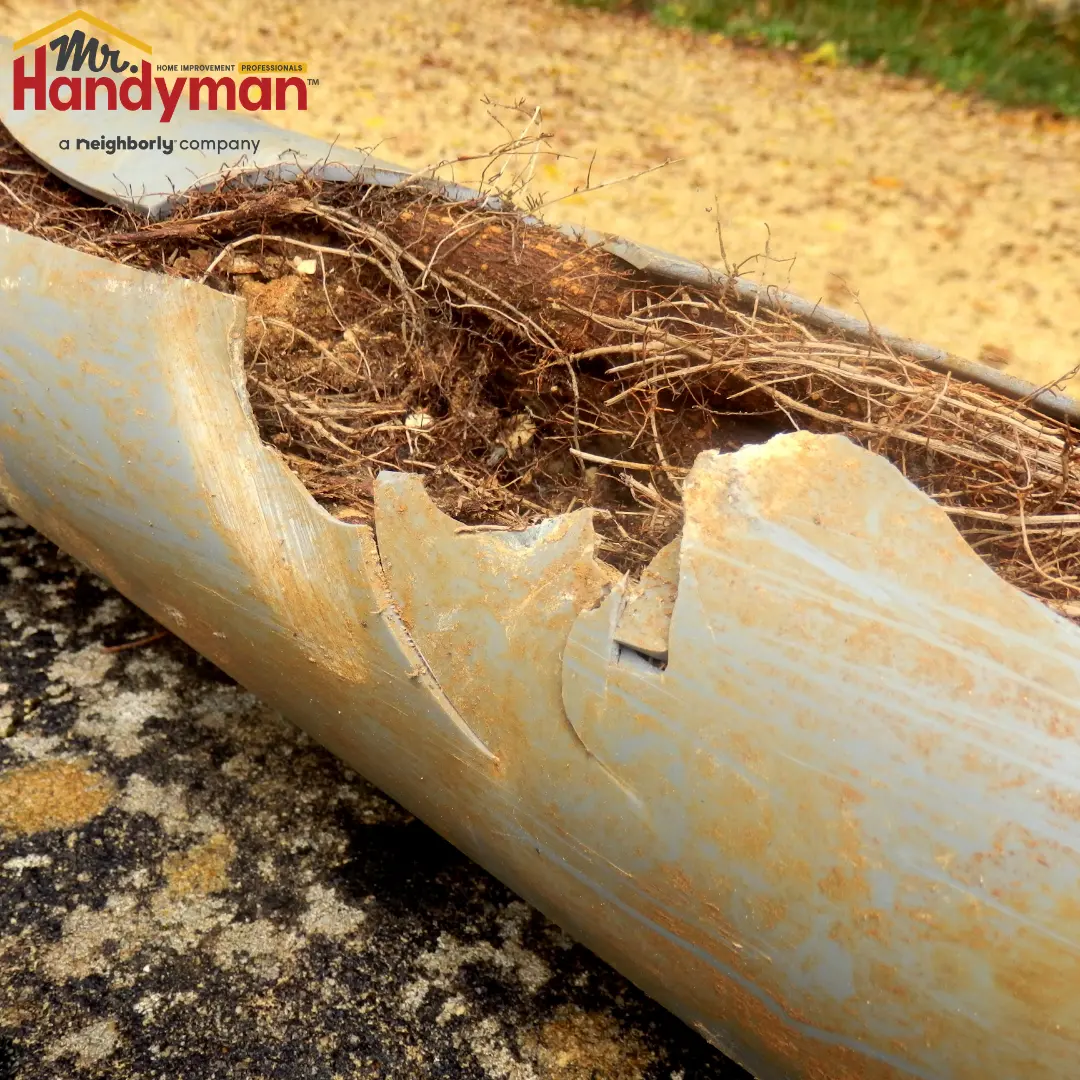
Nashville's clay soil creates the specific conditions that make tree root intrusion into sewer laterals particularly aggressive in this market. Clay soil holds moisture in a way that creates the moisture differential between the soil surface and the warmer, moisture-rich environment within a sewer lateral that tree roots actively grow toward. The roots that find their way into a sewer lateral, typically through the joint separations that the movement of Nashville's expansive clay soil creates in clay tile, cast iron, or even PVC sewer pipe at connection points, find the nutrient-rich environment within the lateral ideal for rapid growth.
The seasonal dynamic of tree root intrusion in Nashville-area sewer laterals creates a specific rainy season connection that homeowners should understand. During dry periods, the tree roots that have established themselves within a sewer lateral may not create complete obstruction, allowing normal drain flow to continue while gradually accumulating the root mass that will eventually create a complete blockage. During the significant rainfall events that Middle Tennessee's rainy months deliver, the increased groundwater pressure that saturated clay soils create accelerates root penetration at joint locations, and the increased flow volume that roof drainage, foundation drainage, and the general increased water use that rainy periods sometimes accompany creates the demand that a partially root-restricted lateral cannot fully accommodate.
The specific tree species that are most prevalent in West Nashville and Belle Meade's established landscapes create root systems whose aggressiveness toward sewer laterals varies. The mature oaks that define the canopy character of these neighborhoods have root systems that extend well beyond their drip lines and that demonstrate the root pressure capacity to penetrate compromised sewer pipe joints. The sycamores and maples that are common throughout the Nashville residential landscape have similarly aggressive root systems. Willows, which are present near the creek corridors that run through parts of the service area, have the most aggressively water-seeking root behavior of any common Nashville landscape tree and create the most serious root intrusion risk for any sewer lateral within their substantial root range.
Pre-rainy-season root treatment of sewer laterals that have a documented history of root intrusion, using the copper sulfate or foaming root killer products that penetrate the root system within the lateral without damaging the pipe itself, reduces the root mass that rainy season's increased flow will encounter and extends the interval between professional rooter service visits that active root intrusion requires without treatment.
Identifying the Warning Signs Before a Rainy Season Backup
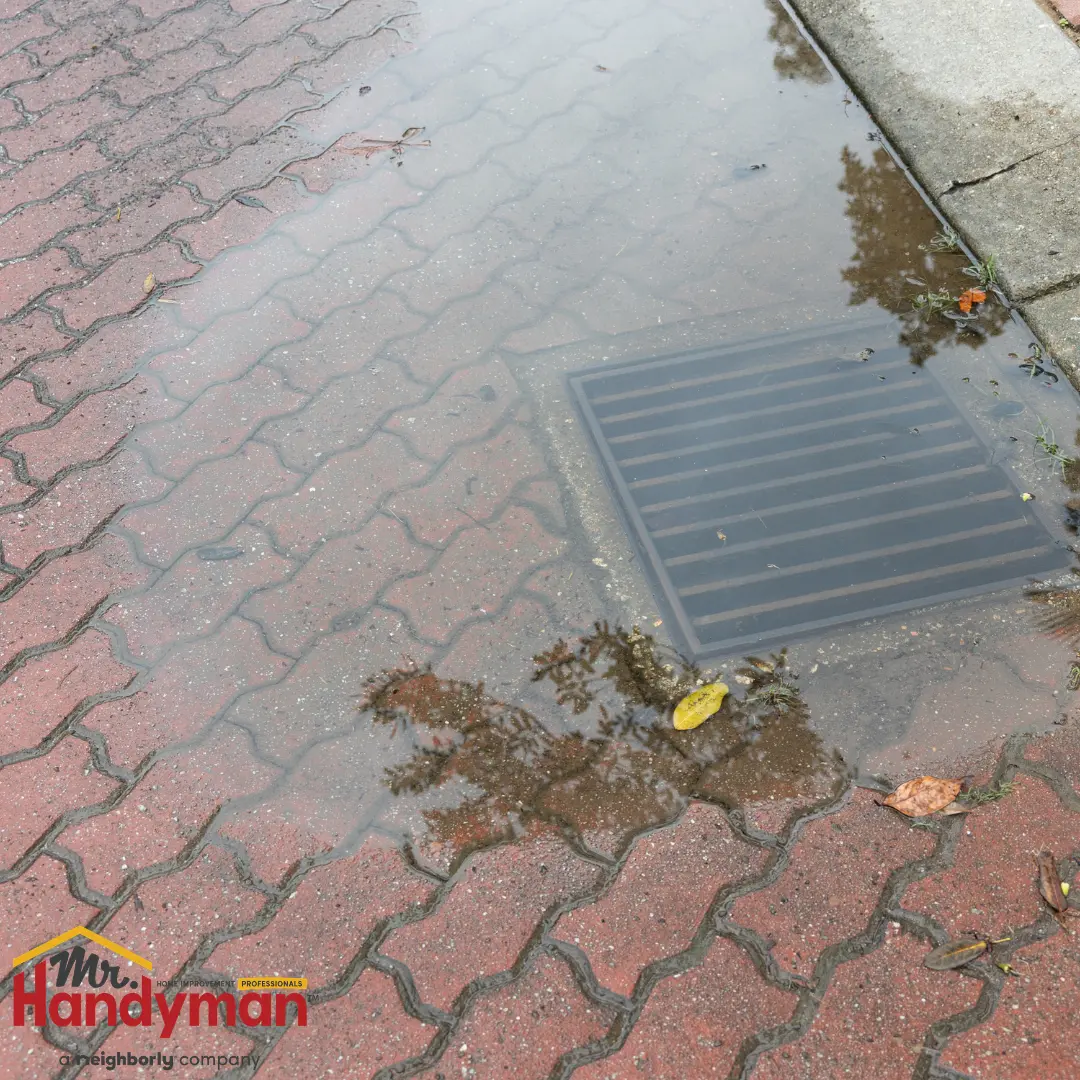
The sewer line conditions that produce the backup events that rainy season's increased flow triggers do not typically develop overnight. They develop gradually through the accumulation of root intrusion, grease and solid buildup, and the structural degradation that creates the compromise that rainy season's conditions convert from a developing vulnerability into an active emergency. The warning signs that gradual development creates are observable before the emergency arrives if homeowners know specifically what to look for.
Multiple slow drains throughout the home simultaneously is the diagnostic pattern that most reliably distinguishes a main line developing restriction from the localized drain restrictions that individual fixture maintenance addresses. A single slow drain at the kitchen sink or bathroom lavatory typically reflects a local restriction at the trap or the drain line immediately below that fixture. Multiple slow drains throughout the home, or a condition where draining one fixture creates backup or gurgling at a different fixture, reflects a restriction in the main sewer lateral below the point where the individual drain lines converge. This pattern in a Nashville-area home before the rainy season is an early warning of the main line condition that professional assessment should address before rainy season's increased flow tests it to failure.
Gurgling sounds from toilet bowls after other fixtures drain is the specific symptom that reflects inadequate drain venting capacity in the main line, which is often a symptom of partial main line restriction. When the main line is partially restricted, the drain flow from other fixtures displaces air through the path of least resistance, which may be through the water seal of toilet traps, creating the bubbling or gurgling that homeowners in older Nashville homes sometimes observe during or after heavy drain use. This symptom warrants main line assessment before the rainy season creates the increased flow conditions that partial restriction converts into complete blockage.
Sewage odors from floor drains, basement drains, or ground-floor bathroom drains are the symptom that indicates the main line restriction is significant enough that the normal negative pressure of a properly flowing drain system has been compromised. In Nashville-area homes with finished basements or ground-level drain fixtures, this symptom appearing before a rainy season is a clear indicator that professional main line assessment and clearing is needed before the season rather than after it.
Wet areas in the yard above the sewer lateral route, particularly if they appear or worsen during dry periods when surface runoff is not the cause, indicate the exfiltration from a compromised lateral that is releasing sewage into the surrounding soil. This condition requires immediate professional assessment regardless of seasonal timing, but its identification before Nashville's rainy season prevents the soil saturation that rainfall would add to an already wet area from concealing the condition behind what appears to be simply wet ground.
Nashville's Clay Soil and Sewer Lateral Structural Integrity
The expansive clay soil that underlies most of Nashville's residential development creates a specific pattern of sewer lateral structural degradation that distinguishes the sewer maintenance requirements of Middle Tennessee homes from what the same homes would face in stable-soil markets.
Clay soil movement driven by seasonal moisture variation creates the lateral displacement and joint stress at sewer lateral connection points that converts the tight, watertight joints of a properly installed lateral into the partial separations that root intrusion and groundwater infiltration exploit. The expansion that wet seasons drive in Nashville's clay soil and the contraction that dry periods create through the same soil in the same season create a cyclical movement that works at the connections between sewer lateral pipe sections in ways that accumulate over the years and decades of a home's service history.
Older homes in West Nashville and Belle Meade where the original sewer lateral is clay tile pipe from the home's original construction era face the specific structural condition that clay tile's brittleness and its joint design create in Nashville's clay soil movement context. Clay tile sewer laterals in good condition can provide decades of reliable service. Clay tile laterals that have experienced the joint displacement that Nashville's clay soil movement creates over multiple decades are candidates for the camera inspection that accurately assesses their current structural condition and identifies the sections requiring replacement before their structural condition creates the rainy season emergency that replacement would have prevented.
Concrete sewer laterals from Nashville-area homes built in mid-century construction eras face a different structural degradation pattern that the chemical environment within sewer pipes creates over extended service periods. The hydrogen sulfide gas that biological activity in sewer pipes produces converts to sulfuric acid in the pipe's crown, above the normal waterline, creating the acid corrosion that progressively degrades concrete pipe from the inside out in a pattern that visual inspection from outside cannot detect. Camera inspection that examines the pipe interior is the only reliable assessment method for concrete sewer lateral condition in Middle Tennessee's older housing stock.
Sump Pump Integration: Nashville's Basement Drainage Connection
The relationship between basement sump pump systems and sewer line performance during Nashville's rainy months is a specific and sometimes misunderstood connection that West Nashville and Belle Meade homeowners with basement construction should understand clearly.
Sump pumps that discharge into the sanitary sewer system rather than to the exterior of the home through a dedicated discharge line create a specific and problematic connection between the groundwater infiltration that Nashville's rainy periods create and the municipal sanitary sewer system's capacity. When Nashville's clay soils become saturated during significant rainfall events, sump pumps in affected homes run continuously, and a pump discharging into the sanitary sewer adds its continuous groundwater output to the sewer system at precisely the moment when the system is most stressed by other sources of infiltration and inflow.
Many Nashville-area municipalities have prohibition on sump pump discharge to sanitary sewer connections, reflecting the recognition that this connection contributes to the sewer system overload that combined wet weather events create. Confirming that a Nashville-area home's sump pump discharges to the exterior rather than to the sanitary sewer, and that the exterior discharge terminates well away from the foundation perimeter in a location where the discharged water will not re-enter the basement drainage system, is both a municipal compliance matter and a practical contribution to the sewer system capacity that the home's lateral shares with the municipal infrastructure.
Grease Management: The Year-Round Habit That Matters Most in Rainy Season
The grease accumulation that Nashville's active food culture creates in residential sewer laterals throughout the service area contributes to the blockage conditions that rainy season's increased flow and the root intrusion that clay soil conditions facilitate combine to create complete obstructions from partial ones.
The cooking grease that West Nashville and Belle Meade households generate through the year-round cooking activity that Middle Tennessee's food culture supports accumulates on the interior walls of sewer laterals in the layer that builds progressively with each cooking event that sends grease down the drain. This accumulation reduces the effective diameter of the lateral progressively, and in combination with the root intrusion and structural conditions that older Nashville-area laterals carry, can create the compound restriction that rainy season's increased flow cannot pass.
Grease management practices that prevent rather than address accumulation are the year-round habits that protect Nashville-area sewer laterals from the grease contribution to blockage. Capturing cooking grease in containers for disposal rather than sending it down the drain, using cold water rather than hot when running the garbage disposal to keep grease in solid form that the disposal can process rather than liquid form that coats the drain walls, and periodic enzyme treatment of kitchen drains throughout the year reduces the grease accumulation that Nashville's cooking culture would otherwise deposit continuously in the sewer lateral.
When to Call for Professional Sewer Line Assessment
The sewer line conditions that create rainy season emergencies are almost always identifiable through professional assessment before they reach the failure stage, and the timing of that assessment, before the rainy season rather than during it, is the difference between a planned service engagement and an emergency response.
Camera inspection of the sewer lateral is the professional assessment tool that provides the most accurate and most actionable information about a Nashville-area lateral's current condition. A plumbing professional with a drain camera can assess the presence and severity of root intrusion, the structural condition of the pipe, the level of grease and solid accumulation, and any structural compromise including cracks, joint separations, and the bellied sections that clay soil settlement creates in older Nashville laterals. This assessment, conducted before the rainy season arrives, provides the specific condition information that determines whether cleaning, root treatment, or lateral replacement is the appropriate response.
Professional hydro-jetting of the main sewer lateral, which uses high-pressure water to remove root material, grease accumulation, and solid deposits from the interior of the lateral, restores the full effective diameter of a restricted lateral in a way that mechanical rooter equipment cannot achieve as completely. In Nashville-area homes where camera inspection reveals significant root intrusion and grease accumulation but structurally sound pipe, hydro-jetting before the rainy season positions the lateral to handle the increased flow conditions that Nashville's rainy months create from a condition of full capacity rather than partial restriction.
Frequently Asked Questions
How do I know if my Nashville home's sewer lateral has tree root intrusion?
The most reliable confirmation is camera inspection of the lateral by a licensed plumber. The warning signs that suggest root intrusion worth investigating include multiple slow drains throughout the home, gurgling toilet sounds when other fixtures drain, and the history of periodic main line blockages that have required professional rooter service. In West Nashville and Belle Meade's established neighborhoods where mature trees are present throughout the residential landscape and where sewer laterals may be clay tile from the home's original construction, root intrusion is sufficiently common that periodic camera inspection every five to seven years is a reasonable proactive practice regardless of current symptom presence.
Does Nashville's municipal sewer system have specific backup protections for homeowners?
The Nashville Metropolitan Government maintains the main sewer infrastructure but the responsibility for the lateral connection from the home to the main typically falls on the homeowner from the property line to the home's foundation. Overflow conditions that originate in the municipal main can affect home laterals under extreme rainfall conditions, and homeowners with a history of wet weather sewer backup should discuss the availability of backwater valves with a licensed plumber. A properly installed backwater valve prevents municipal sewer system overflow from entering the home through the lateral connection during the extreme conditions that Nashville's most significant rainfall events create.
How often should Nashville area sewer laterals be professionally cleaned?
For Nashville-area homes with established trees near the sewer lateral route, professional cleaning every two to three years maintains the lateral in a condition that rainy season flow can pass without creating the backup conditions that deferred maintenance allows. For homes without significant tree root intrusion history and with more modern PVC laterals, a five-year professional cleaning interval with camera confirmation of lateral condition maintains appropriate protection. Any home with a history of rainy season sewer backup should have professional assessment and cleaning before each rainy season regardless of the interval since the previous service.
Can a handyman address sewer line issues or is a licensed plumber required?
Sewer lateral camera inspection, hydro-jetting, mechanical rooter service, and lateral repair or replacement all require a licensed plumber with the appropriate equipment and expertise. The prevention practices discussed in this blog, including drain enzyme treatment, grease management maintenance, and the early warning sign monitoring that prompts professional assessment, are within the maintenance practices any homeowner or skilled handyman can implement. The professional assessment and service that identified conditions warrant is appropriately performed by a licensed plumber who is appropriately equipped for this specialized work.
Protect Your Nashville Home From Rainy Season Sewer Line Problems
The sewer line conditions that create Nashville's most disruptive and most costly plumbing emergencies during rainy months are identifiable and preventable through the combination of proactive maintenance, informed warning sign monitoring, and timely professional assessment that prepared homeowners implement before the season rather than after it has created an emergency. The team at Mr. Handyman of West Nashville, Belle Meade, and Clarksville provides the plumbing assessment and maintenance expertise that supports this proactive approach throughout the service area.
visit www.mrhandyman.com/nashville-west-south-central to schedule your service. We show up on time, work cleanly, and back everything we do with the Neighborly Done Right Promise.