
Middle Tennessee Spring Arrives With Opportunity and a Clear Deadline
Spring arrives in West Nashville, Belle Meade, and Clarksville with the specific duality that homeowners who understand the Nashville Basin's seasonal calendar recognize as the season's defining character for outdoor improvement planning. On one side is the genuine outdoor living opportunity that follows the heating season's variable conditions. On the other side is the approaching spring storm season whose organized frontal systems and convective activity will test whatever building envelope and outdoor structure conditions exist at the moment those systems arrive rather than waiting for scheduled maintenance to address those conditions first.
The spring outdoor repair and project window in the service area is simultaneously the assessment opportunity and the approaching storm season deadline that the Middle Tennessee calendar creates. It is the period when the building envelope repairs that the Nashville Basin's thermal cycling and biological growth conditions produced can still be addressed before the first significant spring frontal system tests those conditions, when the outdoor structures that the heating season's thermal cycling and the Nashville Basin's clay soil movement stressed can be assessed and restored before the outdoor season's use begins, and when the foundation drainage conditions that the regional clay creates can be corrected before the concentrated spring rainfall that Middle Tennessee delivers saturates those profiles.
Understanding which outdoor repairs carry the most urgency in the Middle Tennessee spring context, how the regional biological growth conditions, the Nashville Basin's clay soil spring dynamics, and the spring storm season's approaching activity shape the priority and sequencing of spring outdoor work gives homeowners throughout the West Nashville, Belle Meade, and Clarksville service area the practical framework for spring outdoor improvement that the regional calendar specifically creates.
Foundation Drainage and Nashville Basin Clay Management
Foundation perimeter drainage assessment is the outdoor repair category whose urgency the combination of Middle Tennessee's clay-dominated soils and the spring storm season's concentrated rainfall creates as the first priority for residential properties throughout the service area. The clay soils that cover significant portions of the Davidson and Montgomery County residential landscape respond to spring storm rainfall by limiting subsurface percolation, concentrating surface water against residential foundations and creating the hydrostatic pressure conditions that the Nashville Basin's clay saturation produces during significant spring events.
A foundation perimeter that had positive drainage at the previous spring's assessment may have developed the negative grading conditions that the Nashville Basin's clay soil seasonal moisture variation and the heating season's conditions created in the soil zone adjacent to the foundation. Spring assessment after the heating season's completion identifies where surface water from spring storm rainfall is pooling against the foundation rather than draining away, and correcting those negative grade conditions before the spring storm season tests whatever drainage currently exists converts the moisture loading from a structural concern into a managed condition.
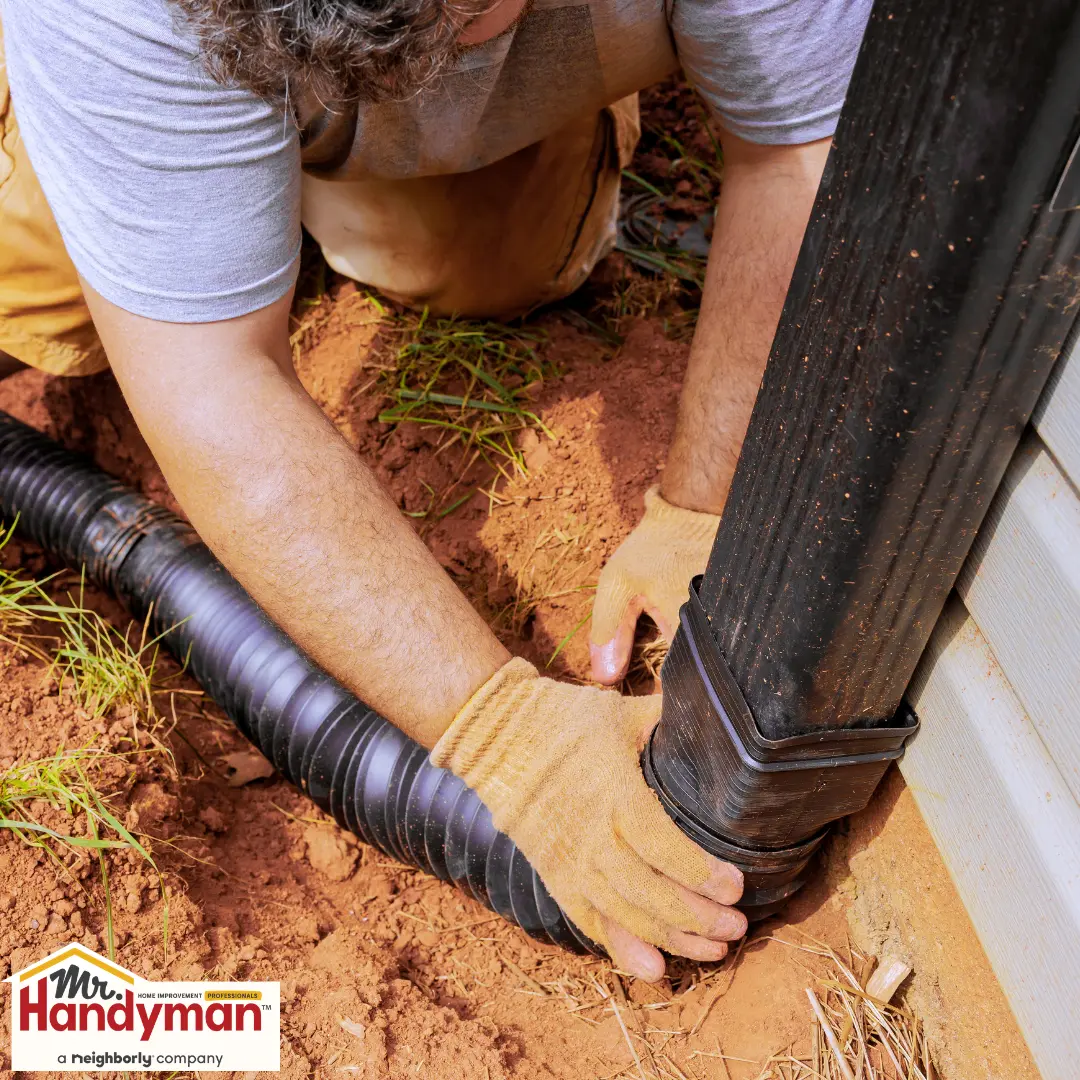
Downspout extension confirmation that roof water is being discharged adequately away from the foundation perimeter before the spring storm season's concentrated rainfall events saturates the Nashville Basin's clay profiles is the drainage management step the regional soil dynamics makes specifically consequential. A downspout terminating at or near the foundation routes every inch of spring storm rainfall from the roof catchment directly to the clay soil zone where the regional soil's saturation response creates the hydrostatic pressure that adequate extension distance specifically prevents.
Concrete and Paved Surfaces After the Middle Tennessee Winter
Driveway and walkway crack sealing after the Nashville Basin's heating season addresses the crack advancement that the regional thermal cycling, the genuine freeze events, and the clay soil's seasonal moisture variation contributed to in residential concrete. The thermal variation that the service area experiences combined with the clay soil's moisture-driven movement beneath concrete surfaces advances the crack widening that flexible polyurethane sealing addresses in spring's moderate temperature window before the biological growth that the Nashville Basin's warm, humid growing season activates in unsealed cracks advances to the embedded staining the regional conditions create quickly once warm season temperatures arrive.
Biological growth on concrete surfaces following the Middle Tennessee winter addresses the algae and mold that the Nashville Basin's warm, humid conditions advance on residential driveway and walkway surfaces between professional cleaning intervals. The biological growth that the regional climate advances on horizontal concrete creates the slip hazard and appearance deterioration that spring cleaning addresses before the outdoor season concentrates foot and vehicle traffic on those surfaces through the warm months.
Wood Structures: Spring Assessment in the Middle Tennessee Context
Deck structural assessment after the heating season evaluates the conditions that the Nashville Basin's thermal cycling, the biological growth the previous warm season advanced on deck surfaces, and the clay soil's spring moisture expansion created in residential deck assemblies. The post base hardware condition at each foundation point, the ledger connection integrity after the Nashville Basin's seasonal thermal variation, and the biological accumulation on deck surfaces all warrant the physical assessment that confirms structural safety and surface condition before the outdoor season's use begins across the West Nashville, Belle Meade, and Clarksville service area.
Belle Meade's Specific Spring Outdoor Repair Context

Belle Meade's premium residential outdoor environment creates the spring outdoor repair context where the established landscape investment, the premium property values the Nashville metropolitan market sustains, and the outdoor living quality that the community's established residential culture has developed across its mature properties all together produce the preparation standard that the spring assessment and restoration investment specifically serves. The outdoor structures and exterior surfaces of Belle Meade properties communicate the maintenance standard that the community's premium residential character rewards, and the spring preparation that addresses what the Nashville Basin's winter accumulated in those outdoor conditions delivers the property presentation that the community's established values and the Nashville metropolitan market's quality-conscious buyers specifically reward through the spring listing season.
Exterior Paint and Building Envelope Repairs: The Spring Storm Season Urgency
The building envelope repairs that West Nashville, Belle Meade, and Clarksville area homeowners address in spring carry the specific urgency that the approaching Nashville Basin spring storm season and the building envelope compromises that the regional thermal cycling and biological growth conditions produced together create. Every caulking failure at a window perimeter, every exterior trim section whose paint biological growth has undermined, and every flashing condition that the heating season's thermal cycling moved toward the infiltration threshold is a condition that the spring storm season's organized frontal systems and concentrated rainfall will test before the homeowner who deferred assessment has the scheduling window that continued deferral assumed was still available.
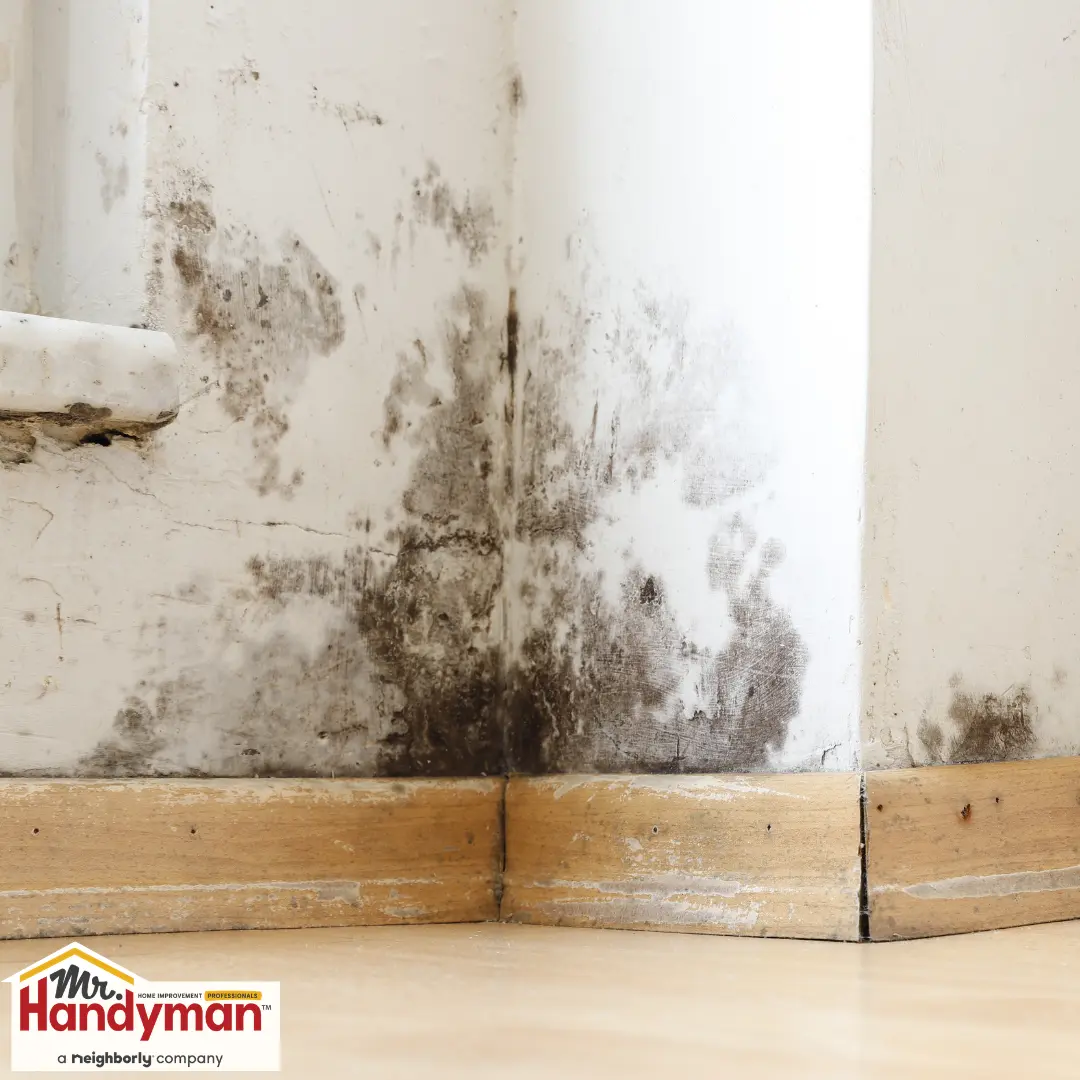
Biological treatment before caulking replacement at window and door perimeters addresses both the biological establishment the Nashville Basin's previous warm season advanced on those surfaces and the sealant failures the regional thermal cycling produced at building envelope transitions. Treating biological growth from caulking positions before replacement proceeds over the clean substrate that biological removal provides prevents the premature failure that biological establishment sealed beneath new caulk creates in the Nashville Basin's transitional climate on the compressed timeline the regional warm, humid season creates in biologically contaminated substrates beneath new sealant.
Exterior trim paint repair after the Middle Tennessee heating season addresses the biological staining and paint adhesion failure the Nashville Basin's warm, humid outdoor season advanced in exterior painted surfaces. Spring trim repair with proper biological treatment, mildew-resistant primer at affected locations, and quality exterior paint with the mildew resistance and flexibility specifications appropriate for Middle Tennessee's transitional climate produces the protection that holds through the outdoor season and the subsequent heating season.
Landscape and Outdoor Living Space Restoration
Planting bed edging and mulch restoration after the Nashville Basin winter addresses the edge displacement and definition loss that the Middle Tennessee clay soil's seasonal movement and the spring storm's moisture loading created in foundation and front-facing landscape beds. Belle Meade's premium residential landscape investment and the established West Nashville residential corridors whose mature plantings define the neighborhood character both reward the spring bed restoration that re-establishes landscape definition before the Nashville Basin's growing season advances the plantings that spring preparation frames.
The Nashville Basin's biological growth context for landscape preparation reflects the condition the regional climate creates in mulch and organic landscape materials through the warm, humid growing season. Fresh mulch installation in properly edged and biologically treated bed surfaces provides the clean landscape presentation that prevents the mold and biological growth the Nashville Basin's warm, humid conditions advance in organic mulch materials during the extended growing season from creating the appearance deterioration that inadequate spring preparation allows to develop.
Tree and landscape hazard assessment in West Nashville, Belle Meade, and Clarksville area residential properties identifies the storm damage risk that the significant trees of the service area's established residential neighborhoods create during the organized frontal systems and convective storm activity that the Nashville Basin's spring storm season delivers. Belle Meade's mature tree canopy and the established West Nashville residential corridors carry the wind loading and branch failure risk that Middle Tennessee spring storm activity tests, and pre-season arborist assessment identifies the structural and root conditions that spring provides the timing to address before the storm season reveals those hazards through the damage they create in unprepared landscape.
Completing the Middle Tennessee Spring Outdoor Repair List
Correct sequencing of multiple spring outdoor projects in the West Nashville, Belle Meade, and Clarksville service area reflects both the logical dependencies between project categories and the specific timing urgency that the approaching spring storm season creates. Foundation drainage and building envelope conditions deserve the first priority because those improvements affect how every subsequent spring storm event's concentrated rainfall behaves around and within the home against the Nashville Basin's clay soil saturation response. Biological treatment of exterior surfaces follows to address organic establishment before repair and restoration work proceeds. Structural assessment of outdoor structures confirms safety before the outdoor season's use begins. Landscape improvements complete the sequence.
Contractor engagement timing for spring outdoor projects reflects the compressed spring shoulder season between the heating season's variable weather and the summer's heat and humidity that concentrates contractor scheduling simultaneously across Davidson and Montgomery Counties. The homeowner who begins spring contractor conversations in February or March accesses the scheduling availability that April outreach finds increasingly committed against the simultaneous spring activation that the Nashville Basin's seasonal calendar creates across the service area.
Frequently Asked Questions
Which spring outdoor repair carries the most urgency for West Nashville, Belle Meade, and Clarksville area homes?
Foundation drainage correction and biological treatment of building envelope and exterior surfaces together carry the most urgent spring timing. Foundation drainage specifically addresses the Nashville Basin's clay soil dynamics that concentrate spring storm rainfall against residential foundations as the clay saturates. Biological treatment of exterior trim, caulking positions, and building envelope surfaces carries the spring storm urgency that the Middle Tennessee frontal systems create for the building envelope conditions that wind-driven precipitation tests without advance warning.
How does the Nashville Basin's clay soil create specific outdoor project needs?
The clay soils of Davidson and Montgomery Counties respond to spring storm rainfall by limiting subsurface percolation and concentrating surface water against foundation components, sewer lateral connections, and below-grade plumbing at the hydrostatic pressure rates the regional clay's drainage restriction creates during significant spring events. The seasonal moisture variation the Nashville Basin's spring storm saturation and summer drying creates in those clay profiles cycles the soil movement that advances foundation perimeter grading changes, concrete surface crack advancement, and deck post base hardware stress in ways that more permeable soil profiles do not produce at the same movement intensity between comparable service intervals.
Should West Nashville, Belle Meade, and Clarksville area homeowners address outdoor structural repairs or landscape improvements first?
Structural and safety conditions in deck assemblies, building envelope components, and foundation drainage carry the first priority because those conditions affect the safety and moisture protection that the Nashville Basin's spring storm season will immediately test through the organized frontal systems and concentrated rainfall the regional spring reliably delivers. Landscape improvements appropriately follow the structural and envelope work that confirms the outdoor season's safety foundation, and the spring storm rainfall that landscape investments benefit from through settling and establishment simultaneously tests whatever structural and envelope conditions exist at the moment those systems arrive.
How much spring outdoor repair should West Nashville, Belle Meade, and Clarksville area homeowners expect after a typical Middle Tennessee heating season?
A typical Nashville Basin heating season produces the foundation perimeter grade adjustments the clay soil's seasonal moisture variation creates between annual assessments, the concrete surface crack advancement the regional thermal cycling and clay soil movement contributes to, the building envelope caulking failures and biological growth the Nashville Basin's warm, humid transitional climate advances in exterior surfaces, the deck structural hardware assessment the clay soil's post base moisture variation warrants annually, and the exterior biological growth treatment and paint preparation the Middle Tennessee warm season advances in exterior finish surfaces between maintenance cycles.
Is spring the best season for all outdoor repairs in the West Nashville, Belle Meade, and Clarksville service area?
Spring is the optimal timing for building envelope repairs that the approaching spring storm season creates urgency for, outdoor structural assessments the outdoor season will immediately load, foundation drainage corrections the clay soil's spring saturation will test during the first significant storm event, biological treatment of exterior surfaces before the Nashville Basin's warm season advances established growth, and surface restoration work whose application quality benefits from spring's moderate temperatures. Fall is appropriate for pre-winter preparation including weatherstripping and landscape preparation for the approaching heating season's variable conditions.
The Nashville Basin Spring Rewards Prepared Homeowners
The outdoor repairs and projects that West Nashville, Belle Meade, Clarksville, and the surrounding Davidson and Montgomery County communities complete in spring establish the condition their properties carry through the compressed but genuine outdoor season and the Nashville Basin's spring storm season that tests building envelope and structural conditions most directly. Foundation drainage managing the clay soil's spring saturation correctly. Biological growth treated from building envelope surfaces before storm events mobilize that organic accumulation. Outdoor structures confirmed safe before the outdoor season loads them. Concrete surfaces sealed against the crack advancement the Nashville Basin's thermal cycling and clay soil dynamics continue creating. These investments made within spring's preparation window deliver their returns through every outdoor living moment and every spring storm event the Middle Tennessee seasonal calendar creates in the months that follow.
The team at Mr. Handyman of West Nashville, Belle Meade, and Clarksville has the experience to help homeowners assess, prioritize, and complete their spring outdoor repair list before the Nashville Basin's spring storm season and outdoor season together make those projects more consequential.
Website: https://www.mrhandyman.com/nashville-west-south-central/
Serving homeowners throughout West Nashville, Belle Meade, and Clarksville with dependable service and the expertise your home deserves.