
Middle Tennessee's Spring Rainfall Pattern Creates Specific Plumbing Demands

Spring arrives in West Nashville, Belle Meade, and Clarksville with the weather character that Middle Tennessee's position in the Cumberland River watershed and the region's transitional climate between the Deep South's moisture and the upper mid-South's variable continental influence creates as the season's defining precipitation reality. The organized frontal systems that track northward through the Tennessee Valley, the Gulf moisture that the regional atmospheric pattern draws northward through the spring months, and the convective storm activity that Middle Tennessee's spring warming and high atmospheric moisture content generate together create the concentrated spring rainfall that Nashville area and Clarksville homeowners manage annually as the season's most consequential weather dimension for residential plumbing systems.
Middle Tennessee's specific geography amplifies those spring rainfall consequences in ways that distinguish the West Nashville, Belle Meade, and Clarksville service area from markets whose geography does not create the same plumbing vulnerability profile. The Cumberland River watershed that Middle Tennessee's topography drains toward creates the regional drainage concentration patterns that the hilly terrain of the Nashville area and the Kentucky border communities direct during significant spring rainfall events. The clay-dominated soils of the Nashville Basin and the Robertson and Montgomery County residential landscape create the drainage limitation that concentrated spring rainfall saturates relatively quickly, concentrating surface water against residential foundations and into the drainage corridors that Middle Tennessee's topography creates across the region when the spring storm season's most significant events deliver their rainfall volumes.
The Nashville area's specific combination of rapid residential growth in West Nashville's established and developing corridors, the premium residential character of Belle Meade's established estate community, and the significant expansion that the Clarksville metropolitan area has sustained as one of Tennessee's fastest-growing cities creates the diverse housing stock across multiple construction eras that spring plumbing events test through the varied infrastructure conditions those construction eras produced. Understanding what Middle Tennessee's spring rainfall pattern specifically creates in residential plumbing systems, how the region's clay soils and Cumberland River watershed topography shapes those consequences, and what pre-season preparation addresses before the spring storm season tests whatever plumbing conditions currently exist gives homeowners throughout the service area the practical framework for spring plumbing management.
What Middle Tennessee Spring Storms Deliver to Plumbing Systems

Concentrated rainfall volumes from Middle Tennessee spring storms create the surface water accumulation and soil saturation that the Nashville Basin's clay-dominated soils concentrate against residential foundations and below-grade plumbing connections at the rates that the regional clay's drainage limitation creates when storm volumes exceed the percolation capacity those soil profiles manage. The clay soils that characterize significant portions of the West Nashville and Clarksville residential landscape expand when the spring storm's rainfall contacts those profiles, creating both the drainage limitation and the soil movement that saturation produces in the foundation perimeter environment during significant spring storm events.
The Cumberland River watershed's drainage concentration in the Nashville area creates the specific spring flooding and elevated water table conditions that properties in lower elevation positions along creek corridors and tributary drainages experience during significant spring rainfall events. The hilly terrain of West Nashville's residential corridors and the river bottom communities of the Clarksville area direct the surface runoff that significant spring storms create through the drainage patterns that Middle Tennessee's topography establishes, and properties in those drainage concentration positions experience the combined surface runoff and elevated water table conditions that watershed drainage adds to the direct rainfall contribution during significant Middle Tennessee spring events.
The Nashville area's aging combined and separate sewer infrastructure in the established residential neighborhoods of West Nashville and the Belle Meade community carries the infiltration vulnerabilities and the capacity conditions that significant spring rainfall tests when the combined stormwater infiltration and sanitary flow volumes that spring storms introduce into those systems exceed the capacity that the established infrastructure manages under normal flow conditions. The organized frontal systems that Middle Tennessee's spring delivers to the Nashville Basin create the surge volumes that test the sewer infrastructure serving the established residential communities of the service area with the concentrated flow that spring storm character creates.
Clarksville's Specific Spring Plumbing Context

Montgomery County's rapidly expanding residential landscape carries the diverse construction era infrastructure that Clarksville's sustained residential growth has produced across the full range from the older established neighborhoods near downtown Clarksville through the rapidly developing residential corridors of the city's growth areas. The clay and silt soil profiles of the Montgomery County residential landscape create the drainage limitation that spring storm rainfall concentrates in the foundation perimeter environments of Clarksville area homes in ways that the regional soil's saturation response advances the hydrostatic pressure against residential foundations and below-grade plumbing connections during significant spring events.
The Red River corridor and the creek drainages that Clarksville's topography creates across Montgomery County direct the surface runoff that significant spring storms produce through the drainage patterns that the regional watershed establishes, and the properties adjacent to those drainage corridors experience the elevated water table and concentrated surface drainage that watershed position creates during the Middle Tennessee spring's most significant rainfall events.
Interior Plumbing Symptoms That Middle Tennessee Spring Events Produce
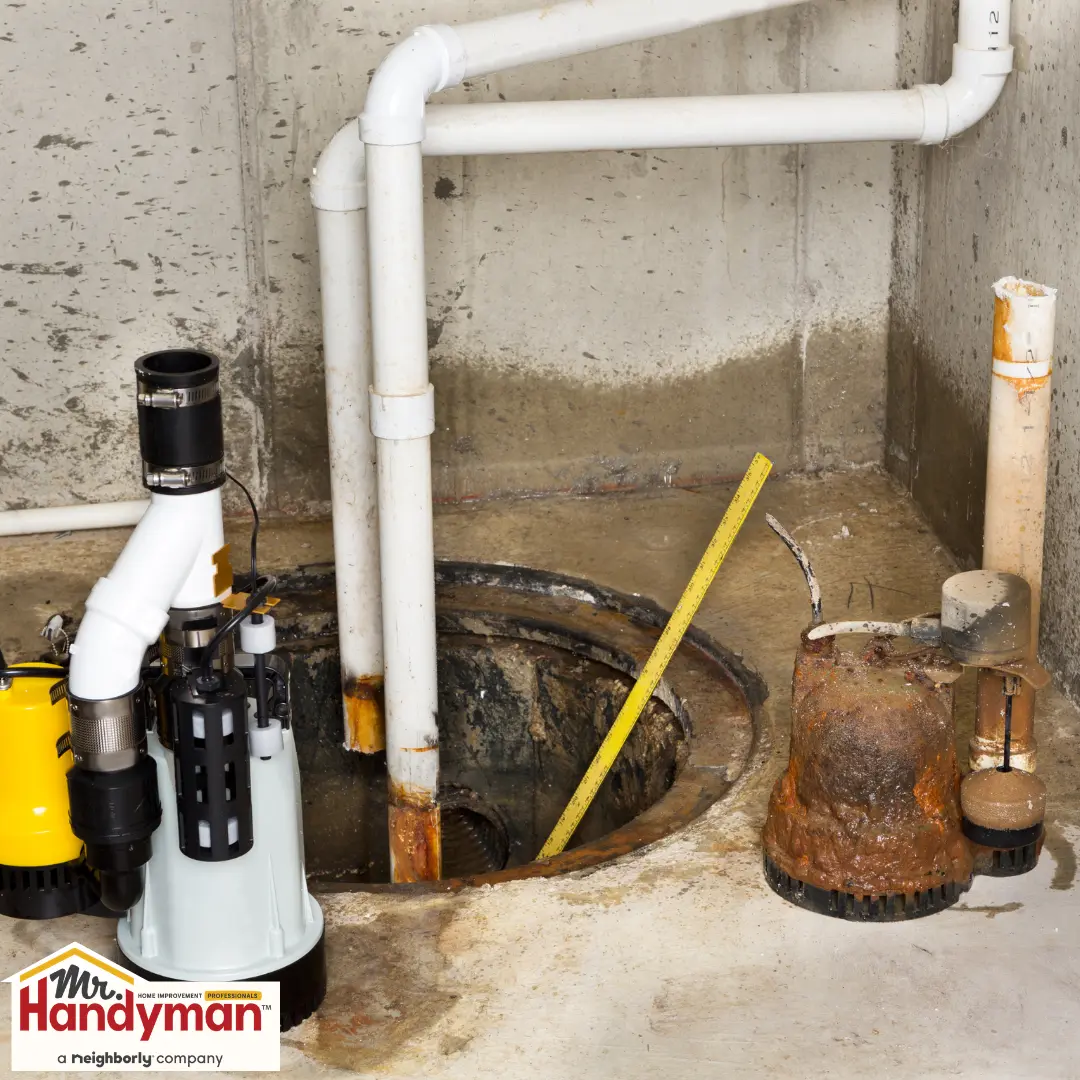
The interior plumbing symptoms that West Nashville, Belle Meade, and Clarksville homeowners observe during and immediately following significant spring rainfall events communicate the underground and below-grade conditions that the Nashville Basin's clay soils, the Cumberland River watershed's drainage dynamics, and the aging sewer infrastructure serving the established neighborhoods in both communities create when those conditions are tested by the concentrated rainfall that Middle Tennessee's spring reliably delivers.
Gurgling sounds from floor drains and toilets during active Middle Tennessee spring events communicate the sewer system pressure that storm-related surcharging creates when the combined stormwater infiltration and sanitary flow volumes that significant spring storms introduce into the aging infrastructure serving established Nashville area and Clarksville neighborhoods exceed the carrying capacity that those systems manage under normal flow conditions. The gurgling communicates the pressure differential that surcharged sewer conditions create at household drain connections rather than the household blockage that drain clearing would address. In West Nashville's established residential corridors where original sewer infrastructure has been managing the Nashville Basin's clay soil infiltration for decades, this symptom during significant spring events communicates the municipal infrastructure's capacity condition at the household connection level.
Basement and below-grade space flooding in Middle Tennessee homes reflects the specific consequence that the Nashville Basin's clay soil drainage limitation creates during concentrated spring storm events when rainfall volumes saturate those clay profiles and surface water accumulates against foundation components at the rates that the regional soil's drainage restriction produces. The hilly terrain of the West Nashville and Belle Meade residential corridors creates the surface runoff concentration that directs storm volumes toward the lower-elevation properties and the foundation perimeters that topographic position places in the path of that concentrated flow, and the clay soil's hydrostatic response to that saturation creates the foundation moisture pressure that below-grade spaces experience during Middle Tennessee's most significant spring events.
Slow drains throughout the home following significant Middle Tennessee spring events indicate the infrastructure conditions that the Nashville Basin's clay soil movement and the spring storm surge volumes create in the sewer lateral and city infrastructure connections rather than the household blockage that simultaneous multiple-fixture slow drainage would otherwise suggest. In the established neighborhoods of West Nashville and the older residential corridors of Clarksville where original sewer lateral infrastructure has been managing the regional clay soil's seasonal movement for decades, the spring storm surge volumes reveal the residual capacity that root intrusion and joint displacement have progressively reduced in ways that normal household flow volumes between storm events did not expose before concentrated spring rainfall tested the damaged infrastructure's actual carrying capacity.
Specific Vulnerabilities in the West Nashville, Belle Meade, and Clarksville Housing Stock
West Nashville's established residential corridors carry the sewer lateral infrastructure age and the Nashville Basin's clay soil history that the neighborhoods surrounding Sylvan Park, The Nations, and the Charlotte Avenue corridor have accumulated across the decades since their original development. The clay soil's seasonal movement in the Nashville Basin has been advancing the joint displacement and root intrusion in the original sewer lateral infrastructure that those neighborhoods carry, and the spring storm surge volumes that significant Middle Tennessee events deliver reveal those developing conditions through the backup and slow drain symptoms that the concentrated flow creates in the reduced-capacity infrastructure serving those established communities.
Belle Meade's premium residential character carries the established infrastructure and the mature landscape that the community's decades of premium residential development have produced in the sewer lateral conditions and the tree canopy root systems that those decades of landscape maturity create adjacent to the original infrastructure serving the community. The mature trees of Belle Meade's established residential landscape have extended root systems toward the moisture that aging sewer laterals represent over the years those trees have grown adjacent to those laterals, and the spring storm surge volumes specifically reveal the root intrusion conditions that normal flow periods between events did not consistently expose.
Clarksville's diverse construction era range carries the full spectrum of infrastructure conditions that the city's rapid growth across multiple decades has produced across Montgomery County's residential landscape. The newer development areas of Clarksville's expanding residential corridors carry more current infrastructure specifications whose spring plumbing vulnerability reflects the Montgomery County clay and silt soil dynamics rather than infrastructure age, while the older established neighborhoods near downtown Clarksville carry the original infrastructure conditions whose age and the regional soil's movement have advanced the infiltration and root intrusion that spring storm surge volumes reveal.
Protecting West Nashville, Belle Meade, and Clarksville Homes From Spring Events
Backflow prevention for homes in the established neighborhoods of West Nashville, Belle Meade, and older Clarksville areas whose sewer infrastructure has demonstrated spring storm surcharging vulnerability addresses the backup risk at its mechanism rather than simply responding to the events that unprotected connections allow to affect household plumbing. A properly specified backflow prevention device in the sewer lateral connection of a Middle Tennessee home whose established neighborhood infrastructure has demonstrated spring event surcharging vulnerability intercepts the pressure that spring events generate before it reaches household fixtures and finished spaces.
Foundation grading and drainage assessment before Middle Tennessee's spring storm season evaluates whether the positive drainage conditions that direct surface water away from foundations are adequate for the concentrated rainfall that the regional spring storms deliver to the Nashville Basin's clay soil profiles. The negative grading that the clay soil's seasonal movement creates adjacent to Middle Tennessee foundations between annual assessments directs spring storm surface water concentration against foundation components rather than away from them, and spring correction of those negative grade conditions before the storm season tests whatever drainage conditions currently exist converts the hydrostatic foundation exposure that concentrated rainfall creates into the managed drainage condition that positive grading provides.
Sewer lateral assessment for homes in the established residential neighborhoods of West Nashville, Belle Meade, and Clarksville whose original infrastructure has been managing the Nashville Basin's clay soil movement provides the condition documentation that spring storm surge vulnerability warrants for the households whose lateral conditions the concentrated spring rainfall will test most directly.
Frequently Asked Questions
Why do my drains back up during Middle Tennessee spring storms but work fine otherwise?
Spring drain backup in West Nashville, Belle Meade, and Clarksville area homes during significant rainfall events typically reflects the municipal sewer surcharging that concentrated Middle Tennessee spring storm volumes create in the aging infrastructure serving established regional neighborhoods rather than the household blockage that drain clearing would address. The concentrated spring rainfall that Middle Tennessee's frontal systems and convective events deliver to the Nashville Basin simultaneously from across the drainage area creates the surge volumes that the established sewer infrastructure experiences as peak flow demand, and the improvement following the event reflects the system's return to normal capacity as the storm's peak flow subsides rather than a self-clearing household condition.
How does the Nashville Basin's clay soil specifically affect spring plumbing vulnerability?
The clay soils of the Nashville Basin create the drainage limitation that concentrates spring storm rainfall against residential foundations and below-grade plumbing connections rather than allowing the percolation that more permeable soils would provide through the subsurface environment. That drainage limitation makes the annual spring assessment of foundation perimeter grading, downspout extension, and below-grade drainage adequacy a more consequential maintenance priority in the West Nashville and Clarksville residential landscape than in markets with more permeable soil profiles that distribute spring moisture loading through subsurface percolation rather than concentrating it against foundation components at the hydrostatic pressure that clay's drainage restriction creates.
What is the most important pre-spring plumbing preparation for a West Nashville or Clarksville home?
Foundation perimeter drainage correction that addresses the negative grading conditions that the Nashville Basin's clay soil movement creates adjacent to residential foundations between annual assessments represents the most broadly consequential pre-spring plumbing preparation for Middle Tennessee homes. The drainage correction that restores positive foundation perimeter grading before the Middle Tennessee spring storm season delivers its concentrated rainfall to the clay soil profiles around those foundations converts the hydrostatic pressure exposure that negative drainage creates during significant events into the managed surface water direction that positive grading provides before those events arrive.
Should Middle Tennessee homeowners be concerned about root intrusion in their sewer lateral given the spring storm season?
Homeowners in the established residential neighborhoods of West Nashville, Belle Meade, and older Clarksville areas with mature trees growing adjacent to original clay tile or cast iron sewer lateral infrastructure should specifically consider professional sewer camera inspection before the spring storm season concentrates the surge volumes that demonstrate whatever lateral capacity root intrusion has progressively reduced. The mature trees of Middle Tennessee's established residential corridors have extended root systems toward the moisture that aging sewer laterals represent over the decades those trees have grown adjacent to the original infrastructure, and the spring storm surge volumes reveal the blockage conditions that incremental slow drain symptoms would not have prompted earlier assessment to identify.
How do I know if my Middle Tennessee spring plumbing backup is a municipal infrastructure issue or a household problem?
Spring storm backup that affects multiple fixtures simultaneously and correlates specifically with significant rainfall event timing rather than household water use suggests municipal sewer surcharging from the storm's surge volumes rather than the isolated household blockage that independent plumbing failure creates without the storm correlation and neighborhood-wide pattern that infrastructure surcharging generates. Confirming whether neighboring properties in the same West Nashville, Belle Meade, or Clarksville neighborhood experienced similar backup during the same event provides the pattern confirmation that municipal infrastructure surcharging produces simultaneously across the drainage basin rather than the isolated condition that household plumbing failure creates.
Middle Tennessee Spring Events Reward Prepared Homeowners
The plumbing consequences of significant spring events in West Nashville, Belle Meade, and Clarksville trace to the Nashville Basin's clay soil dynamics, the aging sewer infrastructure of established Middle Tennessee neighborhoods, and the Cumberland River watershed's spring rainfall concentration that together create the regional spring plumbing vulnerability profile that preparation converts from emergency discoveries into managed conditions. Foundation drainage correction, sewer lateral assessment for established neighborhood homes, backflow prevention for vulnerable connections, and the professional awareness that recognizes storm-related plumbing symptoms for the infrastructure conditions they communicate rather than the household blockages they resemble all represent the spring preparation investments that protect Middle Tennessee homes from the consequences that the regional spring storm season delivers to unprepared plumbing systems.
The team at Mr. Handyman of West Nashville, Belle Meade, and Clarksville has the regional experience to help homeowners assess and address the plumbing vulnerabilities that Middle Tennessee's spring storm season specifically creates.
Website: https://www.mrhandyman.com/nashville-west-south-central/
Serving homeowners throughout West Nashville, Belle Meade, and Clarksville with dependable service and the expertise your home deserves.
