
Why Summer Is the Right Time to Think About Plumbing in Middle Tennessee
West Nashville, Belle Meade, and Clarksville homeowners live with a climate that makes genuine demands on residential plumbing systems throughout the year, but summer creates a specific set of conditions that make this season the right time to pay deliberate attention to the pipes, fixtures, and connections that daily household life depends on. Middle Tennessee's summer is genuinely hot and genuinely humid, with temperatures regularly pushing into the nineties and the humidity that the region's geography creates making those temperatures feel more physically present. The seasonal increase in household activity, from increased cooking and entertaining to the outdoor water use that summer creates, puts every plumbing component under more demand than the quieter months of the year.
The Nashville area's housing stock creates specific plumbing maintenance considerations that homeowners in more uniform markets don't face in the same way. The older homes of Belle Meade and West Nashville's established neighborhoods carry the plumbing infrastructure of their original construction and subsequent renovation eras, including the original cast iron drain plumbing, the galvanized supply lines that may remain in older sections, and the accumulated service history that decades of Nashville's hard water delivers to every fixture and connection in the home. Clarksville's significant growth over the past two decades has produced a large inventory of production homes from the 1990s through the 2010s where original plumbing components are reaching the age ranges where maintenance attention and targeted replacement deliver their highest preventive return.
The hard water that Middle Tennessee's limestone geology creates throughout much of the Nashville metropolitan area is the single most distinctive plumbing maintenance factor in this region, and it affects every fixture, every water-using appliance, and every supply connection in the home in ways that accumulate continuously and that deliberate summer maintenance addresses directly. The calcium and magnesium that Nashville's water supply carries create the mineral deposits that restrict aerators, slow showerheads, coat water heater tank interiors, and accumulate on the sealing surfaces of faucet cartridges and valve components throughout the home.
Summer is the season when Nashville-area homeowners are most likely to notice these accumulated conditions. Increased household occupancy during summer vacation periods, the outdoor entertaining that Middle Tennessee's warm season supports, and the general increase in water use that summer creates all amplify the performance limitations that accumulated mineral deposits and aging components create in systems that handle daily demands without complaint during lighter-use seasons.
Water Heater Maintenance: Summer's Most Productive Plumbing Task
The water heater is the plumbing component whose summer maintenance delivers the most consistent and most measurable return in Nashville-area homes, and the specific maintenance steps that deliver this return are straightforward enough to complete in an afternoon with basic tools.
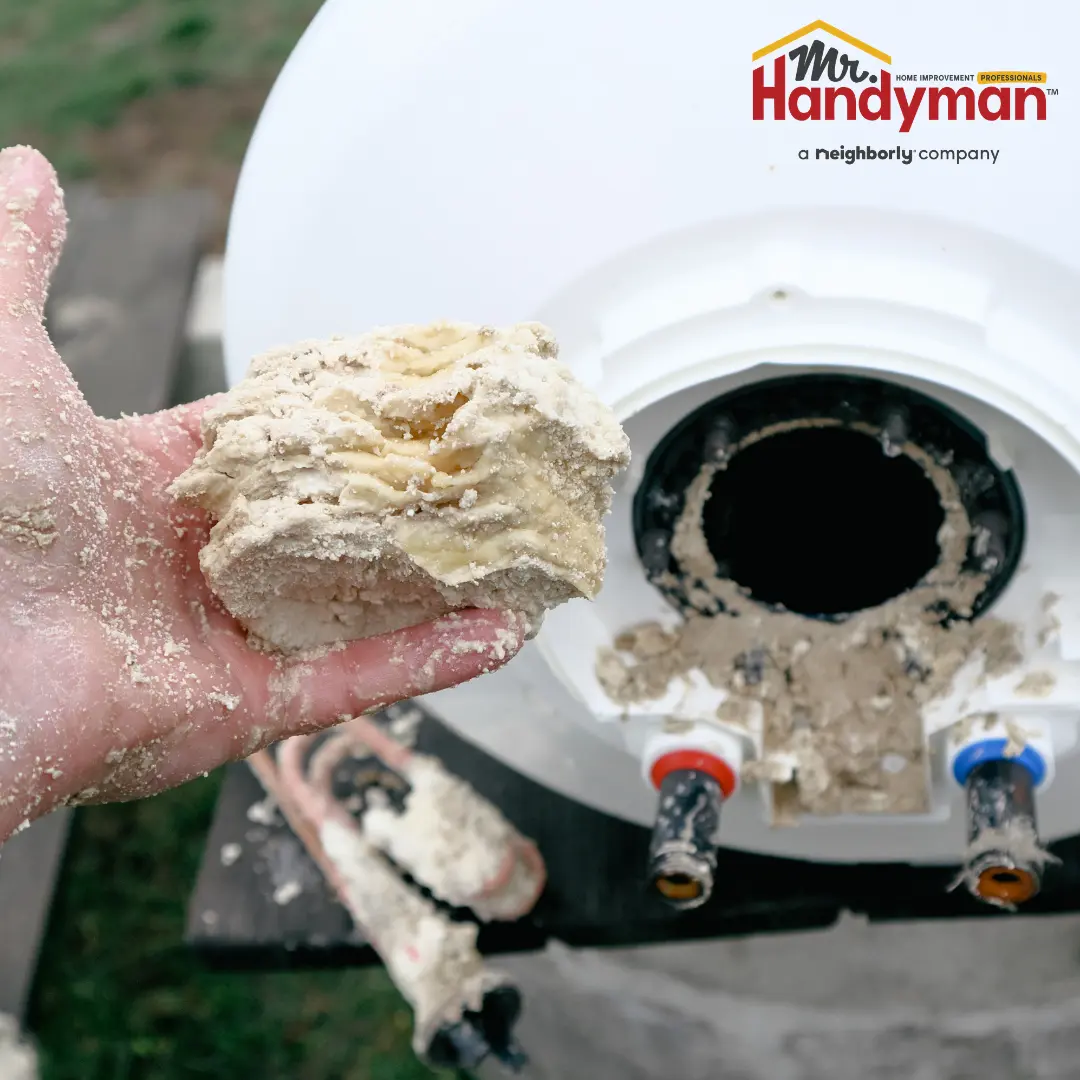
Middle Tennessee's hard water creates sediment accumulation in water heater tanks at rates that significantly exceed what softer-water markets experience. The calcium and magnesium that Nashville's limestone geology contributes to the water supply precipitates out of solution when water is heated, settling to the bottom of the tank as the granular, chalky deposit that accumulates through every heating cycle. Over time this accumulation reduces the tank's effective capacity, insulates the heating element from the water above it in electric water heaters and creates the popping and rumbling sounds that homeowners in older Nashville homes sometimes attribute to other causes, and accelerates the corrosion of the tank liner that eventually leads to water heater failure.
Tank flushing before the peak of summer addresses the sediment accumulation that the previous year's heating cycles have created. Connecting a garden hose to the tank's drain valve, running it to a floor drain or outdoor drainage location, and opening the drain valve to allow the accumulated sediment to flush out removes the material that reduces efficiency and accelerates wear before it develops into the point where effects are visible in energy costs and in the quality of the hot water the system delivers.
The temperature and pressure relief valve is the water heater component that is most likely to have never been tested by most Nashville homeowners, and it is the component whose function protects against the pressure conditions that a malfunctioning thermostat can create. Testing this valve by briefly lifting the lever and confirming both that it releases water when lifted and that it reseats completely when released takes thirty seconds and confirms the function of the safety device that protects the tank and the household. A valve that does not release when lifted, that does not reseat completely after testing, or that is visibly corroded warrants professional replacement.
The anode rod within the water heater tank is the sacrificial component that protects the steel tank liner from the corrosion that hot water and the minerals it carries would otherwise create. In Nashville's hard water environment, anode rods deplete faster than manufacturer service life estimates suggest because the mineral content that Nashville's water carries accelerates the electrochemical reaction that the rod is designed to absorb. A depleted anode rod leaves the tank liner exposed to the corrosion that eventually produces the rusty hot water and the pin-hole leaks that announce a water heater approaching the end of its service life. Inspecting the anode rod during a summer service visit and replacing it if its diameter has reduced to less than half an inch extends the water heater's service life meaningfully in Middle Tennessee's hard water context.
Aerator and Showerhead Cleaning: Nashville's Most Neglected Maintenance Task
The aerators on kitchen and bathroom faucets and the flow restrictors in showerheads are the plumbing components that Nashville's hard water affects most visibly and most immediately, and they are the components that most consistently benefit from the periodic cleaning that restores the flow and spray quality that mineral accumulation progressively degrades.
A kitchen faucet aerator that has been in service for two or three years without cleaning in a Nashville home may have accumulated enough mineral deposit to reduce flow to a fraction of the fixture's design specification. The small screen components within the aerator become progressively coated with the calcium and magnesium deposits that Nashville's water leaves behind at every point where water contacts a surface and evaporates. The result is the reduced, irregular flow that many Nashville homeowners have simply accepted as their faucet's current performance without connecting it to the mineral accumulation that cleaning would reverse.
Removing the aerator from a Nashville faucet requires only a wrench and a few minutes. The aerator unscrews from the spout tip, the screen components are disassembled, and the entire assembly is submerged in undiluted white vinegar for several hours or overnight. The acid in the vinegar dissolves the calcium deposits that coat the screen surfaces, and a soft toothbrush removes any remaining softened material after the soak. Reassembled and reinstalled, the cleaned aerator restores the flow that mineral accumulation had progressively reduced.
Showerheads in Nashville homes respond to the same treatment with the same results. A bag of white vinegar secured around the showerhead face and left overnight dissolves the deposits that have partially or completely blocked individual spray nozzles. The morning shower confirms whether the treatment has restored satisfactory flow or whether the showerhead's deposit accumulation is beyond what surface treatment can address, suggesting replacement is the more practical path.
This straightforward cleaning task, repeated annually at the beginning of summer, maintains the flow and spray quality that Nashville homeowners deserve from their fixtures and prevents the progressive performance degradation that is entirely attributable to the mineral content of Middle Tennessee's water supply.
Outdoor Plumbing: Summer's Active Zone
The outdoor plumbing of West Nashville, Belle Meade, and Clarksville homes receives more use during summer than at any other time of year. Garden hoses, irrigation systems, outdoor spigots, and any water feature that the home's landscape includes all enter their peak season of use simultaneously, making summer the appropriate time to assess these components and address any conditions that winter or spring may have created.
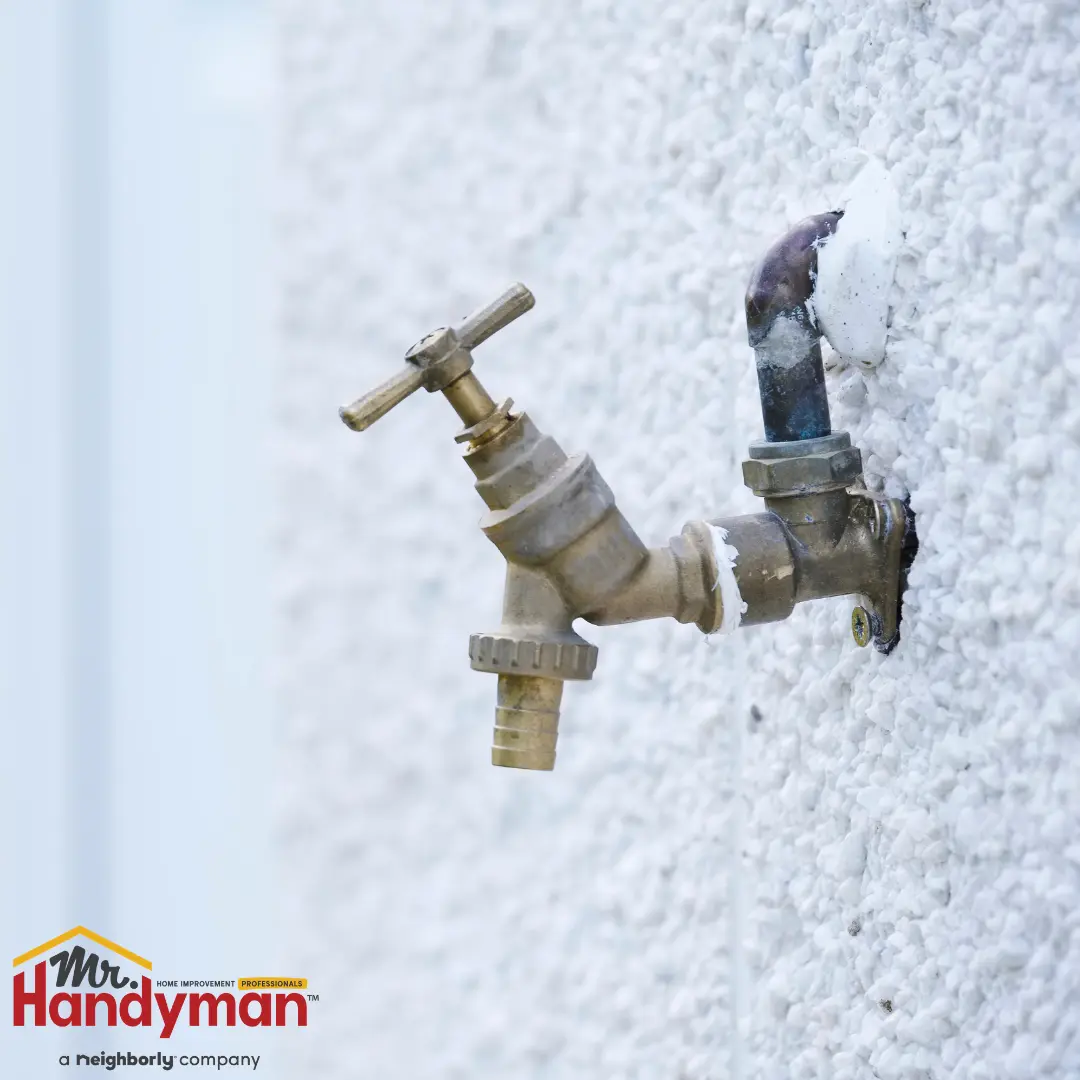
Outdoor hose bibs deserve specific inspection before summer's intensive outdoor water use begins. The freeze events that Middle Tennessee experiences through winter, while milder than northern markets, are sufficient to damage exterior spigots that were not properly winterized, and a hose bib that was compromised by a winter freeze event may appear functional until the water pressure of summer use reveals the crack or separation that the freezing created. Running the hose bib fully open and observing both the water flow and the condition of the surrounding wall for any moisture that might indicate a leak within the wall from a cracked pipe deserves the brief attention it takes before hoses are connected and summer outdoor watering begins in earnest.
Irrigation systems serving Nashville-area lawns and landscapes wake from their winter dormancy to the accumulated conditions that winter may have created in their supply lines, valve assemblies, and spray heads. Running each irrigation zone briefly before the system is called into regular service identifies the heads that are not functioning correctly, the zones that are not receiving full pressure suggesting a line or valve issue, and any obvious supply line damage that winter's occasional freeze events may have created. Addressing these conditions before the full heat of Nashville's summer arrives positions the irrigation system to maintain the landscape through the demanding months ahead without the mid-season failures that unaddressed winter damage would produce.
Drain Health: Preparing for Summer's Increased Kitchen Demand
Nashville-area kitchen and bathroom drains face the increased demand that summer entertaining and family activity creates, and a drain that handles daily routine without complaint may reveal its developing restriction when summer's concentrated activity tests its capacity.
The kitchen drain's most significant summer challenge in West Nashville and Belle Meade's active entertaining households comes from the increased cooking and food preparation that gatherings create. The concentrated food waste, cooking grease, and dishwater volume that a significant gathering sends through the kitchen drain at rates that daily cooking never approaches is the demand that partial restriction turns into backup and overflow.
Enzyme-based drain maintenance treatments are the appropriate preventive approach for Nashville-area kitchen drains whose flow has slowed measurably from previous performance or whose grease accumulation from Middle Tennessee's cooking culture has been building through the year. These treatments introduce biological agents that consume the grease and food material coating the interior of drain plumbing progressively over the days following treatment. Used in the weeks before summer's entertaining season peaks, enzyme treatments improve drain capacity in a way that is ready for the concentrated demands that summer gatherings create.
Bathroom drains in Nashville homes with multiple family members present through summer vacation periods can develop the hair accumulation at drain stoppers that slows drainage noticeably. Physical cleaning of drain stoppers, removing the accumulated hair and soap residue that summer's increased bathroom use deposits, is the straightforward maintenance step that prevents the slow-drain conditions that household members notice and that enzyme treatments cannot address as effectively as physical removal.
Toilet Tune-Up: The High-Use Summer Fixture
Toilets in West Nashville, Belle Meade, and Clarksville homes see their most concentrated use during summer's peak occupancy periods, and a toilet that operates marginally under normal conditions reveals its limitations clearly when summer brings extended family and guests into the home.
Running toilet detection before summer's peak occupancy is the simple preventive step that identifies the continuously running water waste that a worn flapper or fill valve creates. The dye tablet test, placing a dye tablet or food coloring in the tank without flushing and checking for dye in the bowl after thirty minutes, reveals any flapper or valve leak that should be addressed before summer's occupancy amplifies its waste and before the sound of a continuously running toilet becomes a persistent presence during gatherings.
Nashville's hard water creates a specific toilet maintenance consideration beyond the mechanical components. The mineral deposits that Nashville's water leaves on the interior of the toilet bowl, particularly under the rim where the flush water enters, accumulate into the staining and restricted flush water flow that reduces flushing effectiveness over time. Cleaning under the rim specifically with an acid-based bowl cleaner dissolves the mineral deposits that restrict the flush ports and restores the cleaning effectiveness that Nashville's hard water progressively reduces.
Supply Line Inspection: The Pre-Summer Safety Check
The braided flexible supply lines connecting shutoff valves to toilets, sinks, dishwashers, and washing machines in West Nashville, Belle Meade, and Clarksville homes are the residential plumbing components most consistently responsible for the water damage events that insurance claims reflect. These lines fail without visual exterior warning, they fail at the points where the flexible inner core meets the rigid metal fittings, and when they fail they release water continuously until someone closes the shutoff valve or shuts off the main.
Any supply line in service longer than seven years in a Nashville home warrants pre-summer inspection and consideration for replacement as a precautionary measure. The hard water that Nashville's limestone geology contributes to the supply accelerates the mineral accumulation at the fittings that stresses the connection between the flexible core and the rigid fitting. The thermal cycling of Nashville's genuine seasonal temperature range adds its own cumulative stress to these components over the years of service.
The washing machine supply lines deserve the specific attention of closing the wall shutoff valves during any extended summer absence. These are high-pressure connections that supply significant water volume, and a washing machine supply line failure in an unoccupied home can produce catastrophic water damage before the household returns.
Frequently Asked Questions
How does Nashville's hard water specifically affect summer plumbing maintenance requirements?
Nashville's hard water creates mineral accumulation at every point where water contacts surfaces and evaporates or is heated, and this accumulation is continuous and progressive. Summer maintenance that specifically addresses aerator cleaning, showerhead cleaning or replacement, water heater tank flushing and anode rod inspection, and any fixture or appliance whose performance has declined through mineral restriction keeps Nashville-area homes performing at their designed specification rather than at the progressively reduced performance that unaddressed mineral accumulation creates.
Should I turn off the water main when leaving my Nashville home for summer travel?
Yes, for any absence of more than two or three days. Closing the main water shutoff before any extended summer travel converts the potential for a continuous water release from a supply line failure into a contained situation limited to whatever water is in the pipes. In the older homes of Belle Meade and West Nashville's established neighborhoods and in the production homes of Clarksville where original supply lines may be approaching their reliable service life, this precaution is particularly important during summer's extended travel periods.
What is the most impactful summer plumbing maintenance task for a Nashville homeowner?
Water heater tank flushing combined with aerator cleaning throughout the home delivers the most broadly felt performance improvement for the time invested. Both tasks address the specific consequences of Nashville's hard water that accumulate continuously and that are entirely reversible through deliberate maintenance. The combination of restored hot water capacity and restored faucet and showerhead flow is immediately apparent in the daily household experience after a single afternoon of these straightforward maintenance activities.
Is summer plumbing maintenance something a handyman can handle in Nashville?
Water heater tank flushing, anode rod inspection and replacement, aerator and showerhead cleaning and replacement, toilet component inspection and replacement, drain maintenance, supply line inspection and replacement, and outdoor hose bib assessment all fall within the plumbing service capability of a skilled handyman. Work involving the main water service connection, gas water heater components, or any condition requiring licensed plumber assessment is handled by the appropriate professional. A single pre-summer plumbing maintenance visit from Mr. Handyman of West Nashville addresses the full range of maintenance tasks most Nashville-area homes need in an organized and efficient single engagement.
Keep Your Nashville Home's Plumbing Performing Through the Summer
Summer plumbing maintenance in West Nashville, Belle Meade, and Clarksville is the investment that prevents the mid-season failures and the gradual performance degradation that deferred maintenance creates in Middle Tennessee's hard water environment. The team at Mr. Handyman of West Nashville, Belle Meade, and Clarksville brings the plumbing expertise and regional knowledge to handle every summer maintenance task your home needs.
Call us or visit www.mrhandyman.com/nashville-west-south-central to schedule your summer plumbing maintenance service. We show up on time, work cleanly, and back everything we do with the Neighborly Done Right Promise.