
Why Nashville Homeowners Notice Drain Odors More in Summer
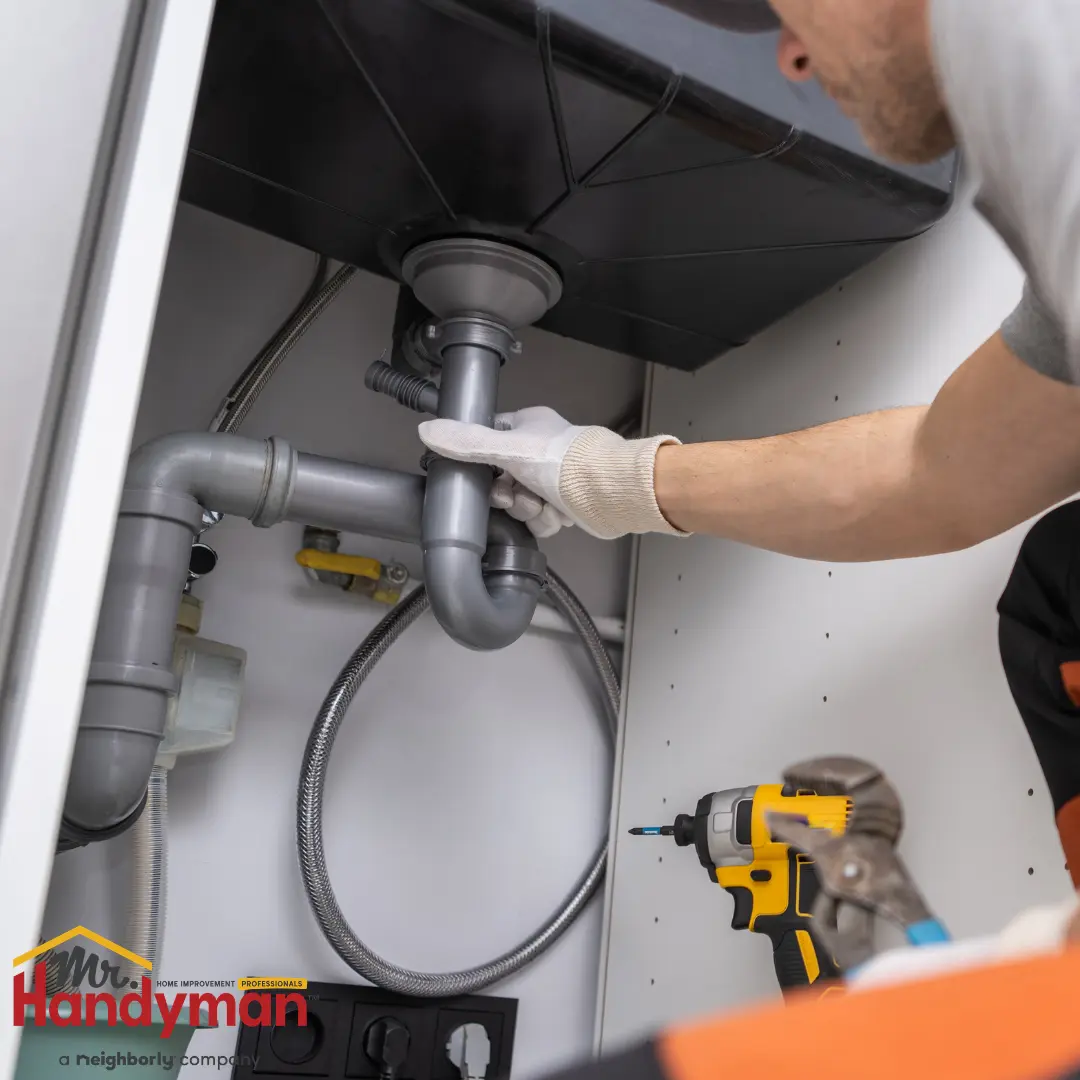
There is a reliable pattern that West Nashville, Belle Meade, and Clarksville homeowners notice each year as summer arrives: drains that were inoffensive through the cooler months begin producing odors that range from mildly unpleasant to genuinely disruptive to daily household life. This pattern is not coincidental, not a sign that the plumbing has suddenly deteriorated, and not unique to any particular home or neighborhood. It is a predictable consequence of the specific combination of conditions that Middle Tennessee's summer creates in residential drain systems throughout the region.
Understanding why this happens is the first step toward addressing it effectively, because the odor sources in Nashville-area drains during summer are several and distinct, and the remedies appropriate to each source differ from those appropriate to others. A homeowner who applies the wrong remedy to the wrong odor source will spend effort and money without resolving the problem, while one who correctly identifies the source addresses it efficiently and prevents its return through the season.
Middle Tennessee's summer creates the drain odor conditions that homeowners notice through two primary mechanisms. The first is biological: the warmth of Nashville's genuine summer accelerates the activity of the microorganisms that live in every drain system, feeding on the organic material that daily household use deposits in pipes, traps, and the drain structures beneath fixtures. These microorganisms produce the gases that drain odors consist of, and they produce them faster, in larger volumes, and at lower concentrations of organic substrate when temperatures are elevated. The biological activity that is barely detectable during a Nashville winter becomes aggressively apparent during a Nashville July.
The second mechanism is physical: the heat of summer reduces the water level in drain traps more quickly than cooler months do, and in seasonally used drains, guest bathrooms, utility sinks, and any fixture that sits unused for extended periods, the trap water that is supposed to create the water seal against sewer gas migration can evaporate partially or completely in Nashville's summer heat and low indoor humidity from air conditioning. A dry or partially dry trap is the most common source of the genuine sewer gas odor that is distinct from biological drain odor and that homeowners in Nashville-area homes most commonly attribute incorrectly to a drain cleaning need when the actual solution is simply restoring the water seal.
The Trap Seal: Nashville's Summer Odor Source Number One
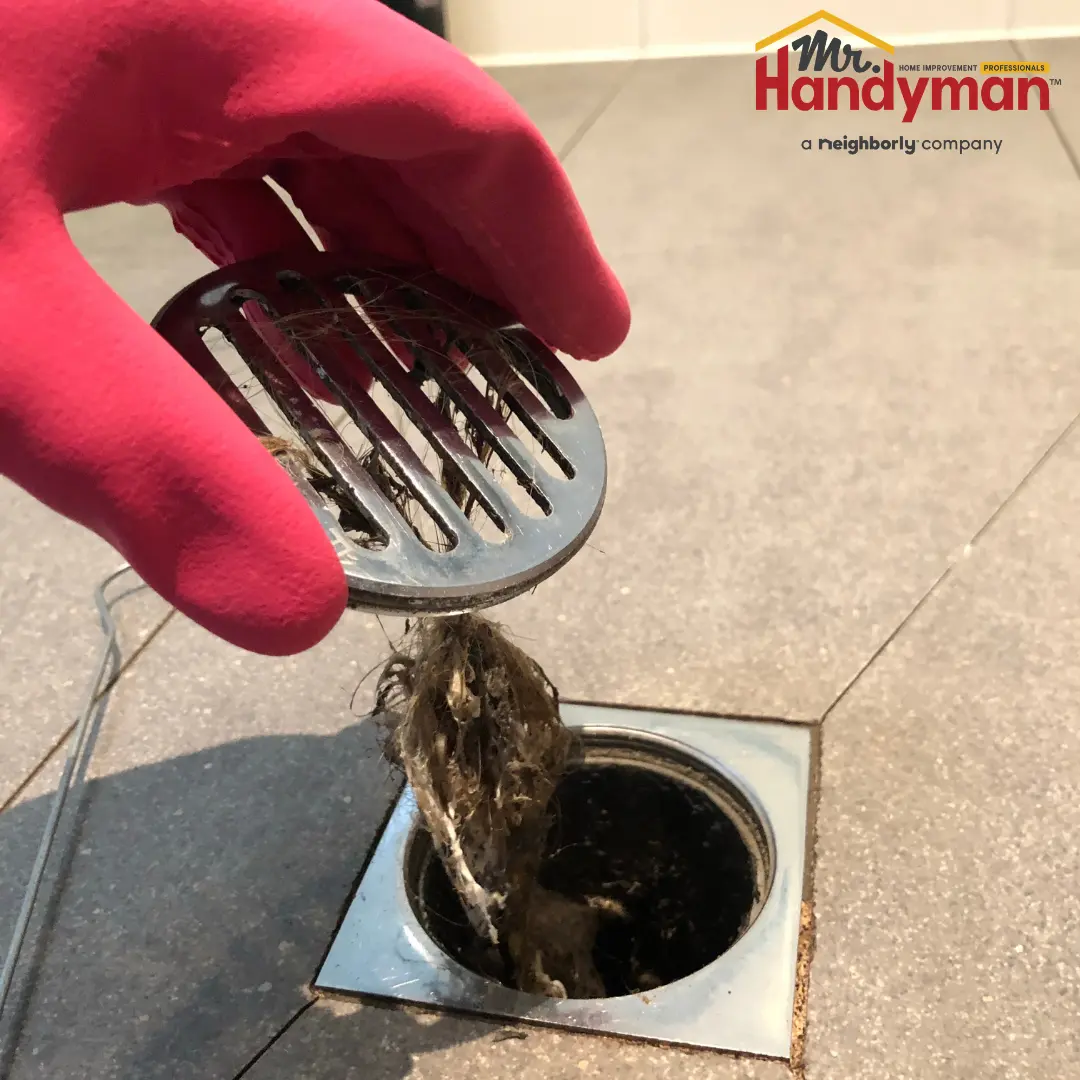
The P-trap beneath every sink, shower, and floor drain in a West Nashville, Belle Meade, or Clarksville home holds a small amount of water whose purpose is specifically to block the migration of sewer gases from the drain system into the home's interior. This water seal is the barrier that keeps the hydrogen sulfide, methane, and the other gases produced by biological activity in the sewer system below from entering the living spaces of the home through the drain openings.
In Nashville's summer, the combination of the city's genuine heat and the dry indoor air that air conditioning creates reduces the evaporation time of trap water in unused fixtures dramatically compared to cooler months. A guest bathroom that is used infrequently, a utility sink in a laundry room that sees limited use, a floor drain in a basement mechanical room, and any other fixture that sits unused for a week or more during Nashville's summer can develop the partially or fully evaporated trap condition that allows sewer gas to migrate into the home freely.
The diagnosis of a dry trap as the odor source is straightforward and requires no special tools or expertise. Running water into the affected fixture for thirty seconds restores the water seal, and if the odor diminishes or disappears within minutes of adding water, the dry trap was the source. For fixtures that are not used regularly enough to maintain the trap seal through Nashville's summer evaporation conditions, periodic water addition, a cup or two every two to three weeks, prevents the seal from evaporating to the level where sewer gas migration occurs. For floor drains that cannot be easily reached for regular water addition, a tablespoon of mineral oil added to the trap holds the water seal longer by floating on the water surface and reducing evaporation.
The Nashville homes most commonly affected by dry trap odors during summer are those with finished basements containing floor drains, homes with guest bathrooms that are unoccupied for extended periods during summer travel, and any home with a utility sink or laundry tub that sees limited summer use. The seasonal pattern is consistent and predictable, and the remedy is genuinely simple once the source is correctly identified.
Biological Buildup: The Organic Material That Summer Activates
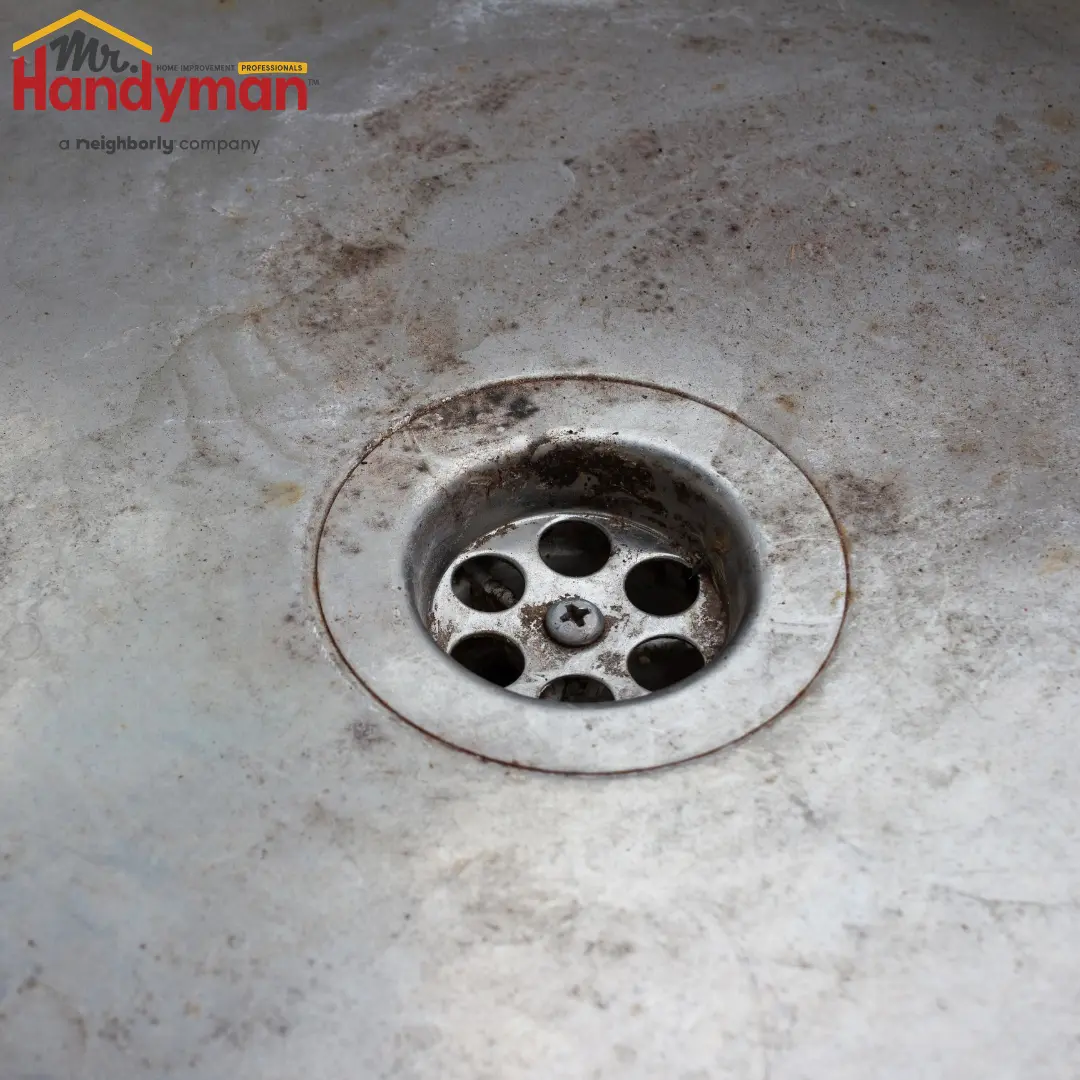
Distinct from the sewer gas migration that dry traps allow, the biological activity in the drain plumbing itself creates the musty, sour, or rotten odors that originate within the drain pipes rather than below the trap seal. These odors are produced by the microbial community that lives in every residential drain system, feeding on the organic material that daily household use continuously introduces into the drain plumbing.
In Nashville-area kitchen drains, this organic material includes the grease from Middle Tennessee's cooking culture, the food particles that garbage disposal use sends into the drain system, and the concentrated food waste of the active summer kitchen that entertaining and family activity creates. In bathroom drains, it includes the soap residue, hair, and the personal care product deposits that daily bathing creates at drain stoppers and in the drain plumbing below. And in every drain in the home, it includes the biofilm layer that microbial communities establish on the interior of drain pipes, living in the thin coating of moisture and organic material that coats every pipe surface.
Middle Tennessee's summer heat accelerates the biological activity in these organic deposits dramatically. The microorganisms that produce drain odors are mesophilic organisms, which means they are most active at the temperature ranges that Nashville's summer creates in residential drain plumbing. The same quantity of organic material that produces barely detectable odor during a cool Nashville morning in October produces a genuinely disruptive odor during a Nashville July afternoon because the elevated temperature has accelerated the biological activity producing the odor gases by a factor of several times.
The kitchen drain is consistently the most productive odor source in Nashville summer homes for the combination of reasons that this climate and this city's food culture create. Middle Tennessee's barbecue tradition, the summer produce of the region's agricultural heritage, and the active entertaining culture of Nashville's residential communities all send concentrated organic material into kitchen drains through the summer months. The garbage disposal, which is the subject of the previous summer blog series, is both a convenience and a consistent odor contributor when the biological activity it introduces into the drain system is not managed through regular maintenance.
The Garbage Disposal: Nashville Summer's Specific Odor Challenge

The garbage disposal requires specific mention in any discussion of summer drain odors in Nashville-area homes because it introduces organic material into the drain system in quantities and forms that the drain system's biological community finds particularly productive as substrate for the odor-producing activity that summer's heat accelerates.
The splash guard is the single component most consistently overlooked in Nashville homeowners' drain odor troubleshooting. The rubber flap assembly at the top of the disposal where food enters has a complex undersurface with folds and crevices that accumulate the organic material that the disposal processes and that the water flow during operation does not reach or clean. This surface develops the biological film that produces odor in Nashville's summer warmth with an efficiency that makes it a primary odor source in any kitchen where it has not been specifically cleaned.
Removing the splash guard, which typically lifts directly off the disposal's mounting ring without tools, and scrubbing it thoroughly on both surfaces with a brush and dish soap reveals the film that has accumulated on the underside and eliminates this specific odor source. In Nashville's summer, this cleaning every two to four weeks prevents the accumulation from developing to the level where it becomes noticeable rather than simply eliminating it after it has already become a problem.
The ice and salt cleaning method described in the previous garbage disposal blog remains the most effective approach for the disposal's internal surfaces during Nashville's summer. The scouring action of ice combined with the abrasive quality of rock salt removes the biological film from the grinding components and internal surfaces that water flow alone cannot access effectively. The warm conditions of Nashville's summer make monthly ice-and-salt cleaning a maintenance practice that keeps disposal odors from becoming the persistent summer presence that active Nashville kitchens can create without this attention.
Bathroom Drain Odors: Summer Hair and Soap Chemistry
Bathroom drain odors during Nashville's summer reflect the combination of increased biological activity and the specific chemistry of the soap residue, hair, and personal care products that daily bathing introduces into bathroom drains at rates that summer's active household occupancy amplifies.
The hair that accumulates at bathroom drain stoppers and in the drain plumbing immediately below is the substrate that the biological community in bathroom drains builds on in Nashville's summer warmth. Hair itself does not produce odor, but the biofilm that bacteria establish on hair surfaces in the warm, moist environment of a bathroom drain is the source of the musty, sulfurous odor that active Nashville households notice in bathrooms during summer months. Physical removal of accumulated hair from drain stoppers and the drain opening, followed by hot water flushing, addresses this source directly and immediately.
The P-trap beneath bathroom sinks accumulates soap residue on its interior surfaces continuously, and in Nashville's summer this residue becomes the organic substrate that biological activity converts into the odors that rise through the drain opening when the sink is not in use. The visual inspection and cleaning of the bathroom sink trap during summer, achieved by removing the trap's cleanout plug if one is present or by fully disassembling the trap where the accumulation level warrants it, removes the material that biological activity in Nashville's summer would otherwise produce odors from continuously.
Shower and tub drains in Nashville homes with active summer occupancy experience the specific combination of increased hair loading, concentrated soap residue from the shampoos and body washes of multiple household members, and the warm, continuously moist conditions that a summer-active household creates in shower drain environments. The bacterial community in these conditions produces odor at rates that the same community would not produce in cooler, drier conditions, and the management strategy that addresses it is the combination of physical hair removal, enzyme treatment of the biological material that physical removal cannot reach, and adequate ventilation of the bathroom space to prevent the warm, moist stagnation that accelerates biological activity.
Enzyme Treatments: The Right Tool for Nashville Summer Drain Maintenance
Enzyme-based drain treatments are the correct maintenance tool for the biological drain odors that Middle Tennessee's summer creates in residential drain systems, and they are specifically preferable to the chemical drain cleaners that most homeowners reach for first when drain odors develop.
The chemistry of enzyme drain treatments works with the biological reality of drain systems rather than against it. These products introduce beneficial bacteria and the enzymes they produce into the drain system, where they consume the organic material that odor-producing organisms are also using as substrate. By competing for and consuming the food source that odor-producing organisms depend on, enzyme treatments reduce the biological activity that produces odor rather than simply masking it temporarily.
The application approach that delivers the best results for Nashville summer drain odor management uses enzyme treatments at night, when drain flow is minimal and the product has time to work without being flushed away before it has established contact with the organic material it is designed to consume. Pouring the treatment into each drain, following the manufacturer's concentration guidance, before the household retires for the night allows the product to work through the period of minimal water flow and reach the organic deposits that daytime drain use would otherwise flush past too quickly for effective contact.
In Nashville's summer, monthly enzyme treatment of kitchen drains and bi-monthly treatment of bathroom drains, combined with the physical cleaning of drain stoppers and disposal splash guards, manages the biological drain odors that Middle Tennessee's summer creates in active residential drain systems without the harsh chemical exposure that caustic drain cleaners create in the pipes and traps they contact.
Ventilation: The Overlooked Factor in Nashville Summer Drain Odors
The drain odor conditions that West Nashville, Belle Meade, and Clarksville homeowners notice during summer are amplified by the ventilation conditions that air-conditioned summer homes create in kitchen and bathroom spaces. The closed-window, mechanically-ventilated interiors that Nashville summer's air conditioning requires trap the odors that drain biological activity produces in ways that naturally ventilated spring and fall conditions do not.
Bathroom exhaust fans serve the dual purpose of removing moisture that biological activity requires and removing the odor gases that biological activity produces. A bathroom exhaust fan that is functioning correctly and that is operated during and after bathing removes the warm, humid air that supports accelerated biological activity and removes the odor gases before they accumulate in the bathroom space. A fan that is not functioning correctly, that is not being used consistently, or that is ducted inadequately is contributing to the summer drain odor conditions that Nashville homeowners experience by allowing the warm, moist environment that biological activity thrives in to persist rather than removing it.
Kitchen ventilation through range hood or exhaust fan operation during and after cooking removes the food odors, grease-laden air, and elevated humidity that active summer cooking creates in the kitchen environment, reducing the organic material available to the biological community in kitchen drains and reducing the ambient temperature and humidity that accelerates biological activity throughout the kitchen drain system.
When Drain Odors Indicate a More Significant Plumbing Condition
Not all drain odors in Nashville summer homes originate from the biological activity and dry trap conditions described above. A subset of drain odor complaints reflects more significant plumbing conditions that require professional assessment rather than maintenance intervention.
Sewer gas odors that persist after the water seal of all traps has been confirmed and maintained, that are present at multiple fixtures simultaneously, or that are accompanied by gurgling sounds from drains may indicate a problem with the drain system's venting rather than with the traps or with biological activity. Drain systems require adequate venting to function correctly, and vent pipe obstructions from debris, bird nests, or the structural damage that Nashville's severe weather occasionally creates in rooftop vent pipes can create the negative pressure conditions that draw trap water out of traps and allow sewer gas to enter the home. This is a condition that requires professional diagnosis and correction rather than maintenance remedies.
Sewage odors beneath sinks or in crawl spaces in West Nashville and Belle Meade's older homes, particularly those with original cast iron drain plumbing that has been in service for decades, may indicate the cracked or separated drain connections that age and the building movement Nashville's climate creates in older structures produce. These conditions require professional drain inspection and repair rather than the maintenance approaches appropriate for biological odor sources.
Frequently Asked Questions
Why do my Nashville home's drains smell fine in spring and fall but develop noticeable odors every summer?
The temperature-dependent nature of the biological activity that produces drain odors explains this consistent seasonal pattern. The microorganisms that live in residential drain systems and produce odor gases are most active within the temperature range that Nashville's summer creates in household drain plumbing. The same organic material that produces minimal odor at spring temperatures produces substantially more odor in summer because the biological activity consuming that material is many times more active at summer temperatures. This is a predictable, manageable seasonal condition rather than a developing plumbing problem.
I have a strong sewer smell from a floor drain in my basement. Is this a plumbing emergency?
A strong sewer smell from a floor drain is most commonly a dry trap condition that restoring the water seal resolves immediately. Adding water to the floor drain until the trap is visibly full, and then adding a tablespoon of mineral oil to slow subsequent evaporation, is the first response to this specific symptom. If the odor persists after the trap is confirmed full of water, a venting or drain system condition requiring professional assessment is the likely cause.
Are chemical drain cleaners appropriate for Nashville summer drain odors?
Chemical drain cleaners are not the right tool for biological drain odors. The caustic chemistry of these products kills biological organisms in the drain system temporarily but does not remove the organic material that biological activity feeds on, and the organisms reestablish quickly after the chemical exposure passes. Chemical cleaners also damage rubber trap components and can create reactions in enclosed drain plumbing that release harmful vapors. Enzyme-based treatments and physical cleaning are the appropriate responses to biological drain odors.
How long do enzyme drain treatments take to produce results in Nashville's summer drain conditions?
Enzyme treatments produce progressive improvement over three to seven days of consistent application rather than immediate results, which is why applying them before a significant odor problem develops is more satisfying than applying them after the odor has already become noticeable. Monthly application through Nashville's summer maintains the biological balance in drain systems before odor production reaches detectable levels.
Keep Your Nashville Home's Drains Fresh Through Summer
Summer drain odors in West Nashville, Belle Meade, and Clarksville homes are predictable, addressable, and preventable with the right combination of maintenance practices applied consistently through Middle Tennessee's warm season. The team at Mr. Handyman of West Nashville, Belle Meade, and Clarksville handles the full range of drain maintenance and plumbing assessment that keeps Nashville-area homes fresh and functional through the summer months.
Call us or visit www.mrhandyman.com/nashville-west-south-central to schedule your service. We show up on time, work cleanly, and back everything we do with the Neighborly Done Right Promise.
