
Northern Indiana Rain Events Create Backflow Conditions That Homeowners Rarely Anticipate
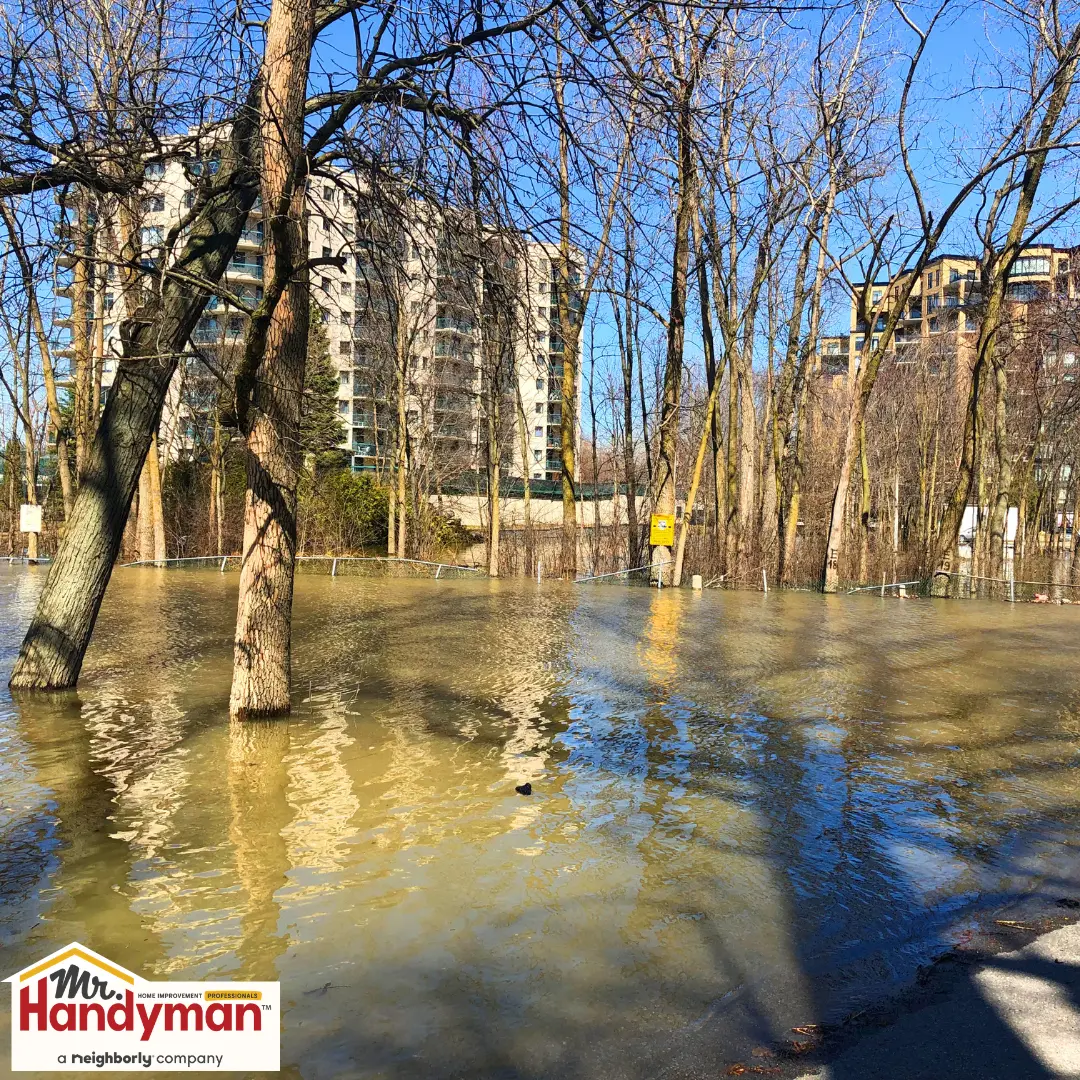
The spring and summer rain events that move through Northern St. Joseph and Elkhart Counties arrive in a regional context that amplifies their effect on residential plumbing systems in ways that homeowners who have not experienced a Northern Indiana spring firsthand rarely anticipate. The combination of saturated soils still thawing from the winter's deep frost penetration, the limited drainage capacity that slowly recovering ground provides during March and April rain events, and the aging combined sewer infrastructure that serves established neighborhoods in South Bend, Mishawaka, Elkhart, and Goshen creates the specific conditions that backflow prevention devices exist to address in this corner of Indiana.
Backflow in a residential plumbing system is the reversal of water flow from its intended direction, allowing water and potentially the contaminants it carries to move backward into the household supply or the municipal distribution system from the connections and fixtures that the supply serves. In normal operating conditions, the positive pressure differential that municipal supply maintains keeps flow moving in one direction without assistance. When the pressure relationships that spring rain events create in Northern Indiana's water systems and sewer infrastructure change that differential, backflow becomes a realistic occurrence rather than a theoretical plumbing concern.
The specific backflow scenarios that Northern St. Joseph and Elkhart County homeowners face are shaped by the region's geology, its aging urban infrastructure in the South Bend and Elkhart metropolitan areas, and the irrigation and outdoor water systems that the compressed but genuinely used Northern Indiana outdoor season supports. Understanding why heavy rain events specifically create backflow risk in Northern Indiana, where that risk appears in residential plumbing systems, and what prevention devices manage it effectively gives homeowners the practical awareness to protect their water supply through the spring and summer seasons that the region's weather pattern delivers.
Why Northern Indiana's Spring Conditions Create Elevated Backflow Risk
Saturated soil conditions during the thaw period create the specific hydrological environment that spring backflow risk in Northern St. Joseph and Elkhart Counties traces to. When significant rain events arrive while Northern Indiana's soils are still working through the thaw process from the winter's deep frost penetration, the rainfall has limited percolation capacity available. Ground that is still frozen at depth cannot accept surface water, and the result is the concentrated surface runoff and the elevated groundwater pressure against the utility infrastructure beneath the properties that the runoff eventually saturates.
That concentrated water load enters the combined sewer systems of South Bend, Mishawaka, and Elkhart's older neighborhoods at volumes that the infrastructure was not designed to manage simultaneously with the sanitary flow that occupied properties continuously generate. The surcharging pressure that storm volume overloads create in these systems reverses the pressure differential at household drain connections, creating the back-siphonage conditions that pull contaminated sewer water toward the household plumbing fixtures connected at the lowest available points.
Lake Michigan's influence on spring storm intensity in Northern Indiana creates the specific precipitation pattern that the region's position within the Great Lakes moisture system produces. As the lake's temperature differential with the warming land drives the atmospheric conditions that deliver organized rain events to the South Bend and Elkhart corridors, the spring storms that Northern Indiana receives can deliver concentrated rainfall volumes that the still-limited soil drainage capacity of the thaw period converts almost entirely into runoff rather than percolation. That runoff concentration is the hydrological mechanism that makes Northern Indiana's spring backflow risk more acute than the same rainfall would produce in fully thawed, freely draining soil conditions.
The Sewer Infrastructure That Northern Indiana Backflow Traces To
Combined sewer overflows in the older portions of South Bend, Mishawaka, Elkhart, and Goshen represent the infrastructure category that creates the most direct residential backflow exposure during Northern Indiana's significant rain events. Combined sewers that carry both sanitary waste and stormwater in the same pipe reach capacity during the storm volumes that Northern Indiana's spring delivers to still-limited soil absorption, and the overflow pressure that capacity exceedance creates moves backward through the system toward the lowest available outlets.
The residential properties most exposed to this surcharging condition are those in older neighborhoods where the original combined sewer connections remain in service and where the household drain connections are configured in the below-grade orientation that surcharging pressure reaches first. A South Bend or Elkhart home in an established neighborhood with a basement floor drain connected to the municipal sewer without backflow protection is managing a direct pathway between the surcharging municipal system and the finished or actively used basement that most Northern Indiana homes depend on.
Municipal improvement programs in South Bend and Elkhart have been addressing combined sewer overflow issues through the infrastructure investments that federal consent decrees and state environmental requirements have driven in these communities. Those improvements are reducing the frequency and severity of combined sewer overflows over time, but they do not eliminate the backflow risk that individual household sewer connections carry during the significant storm events that Northern Indiana's spring season delivers before those infrastructure improvements are fully realized.
Irrigation Systems and Backflow Risk in Northern Indiana
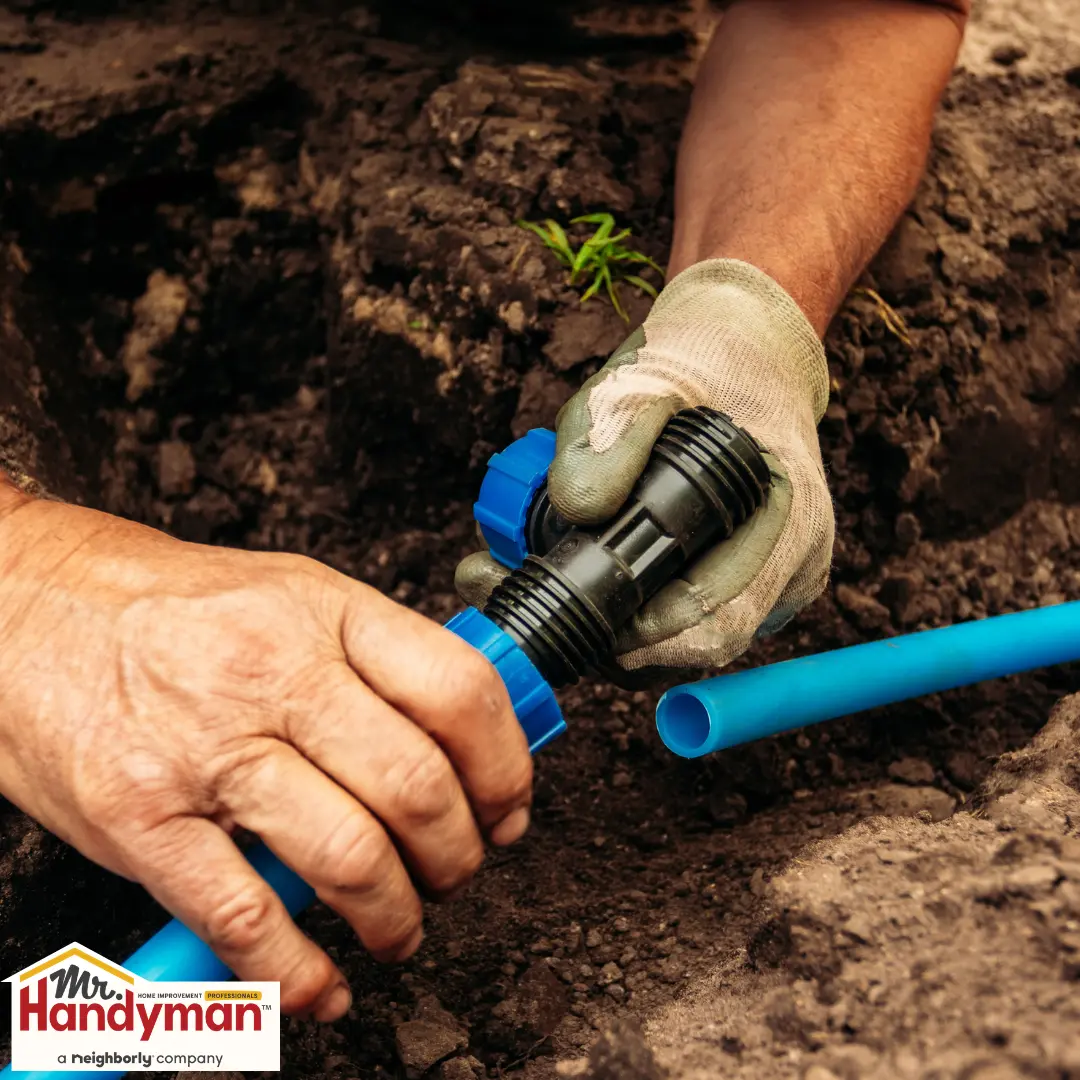
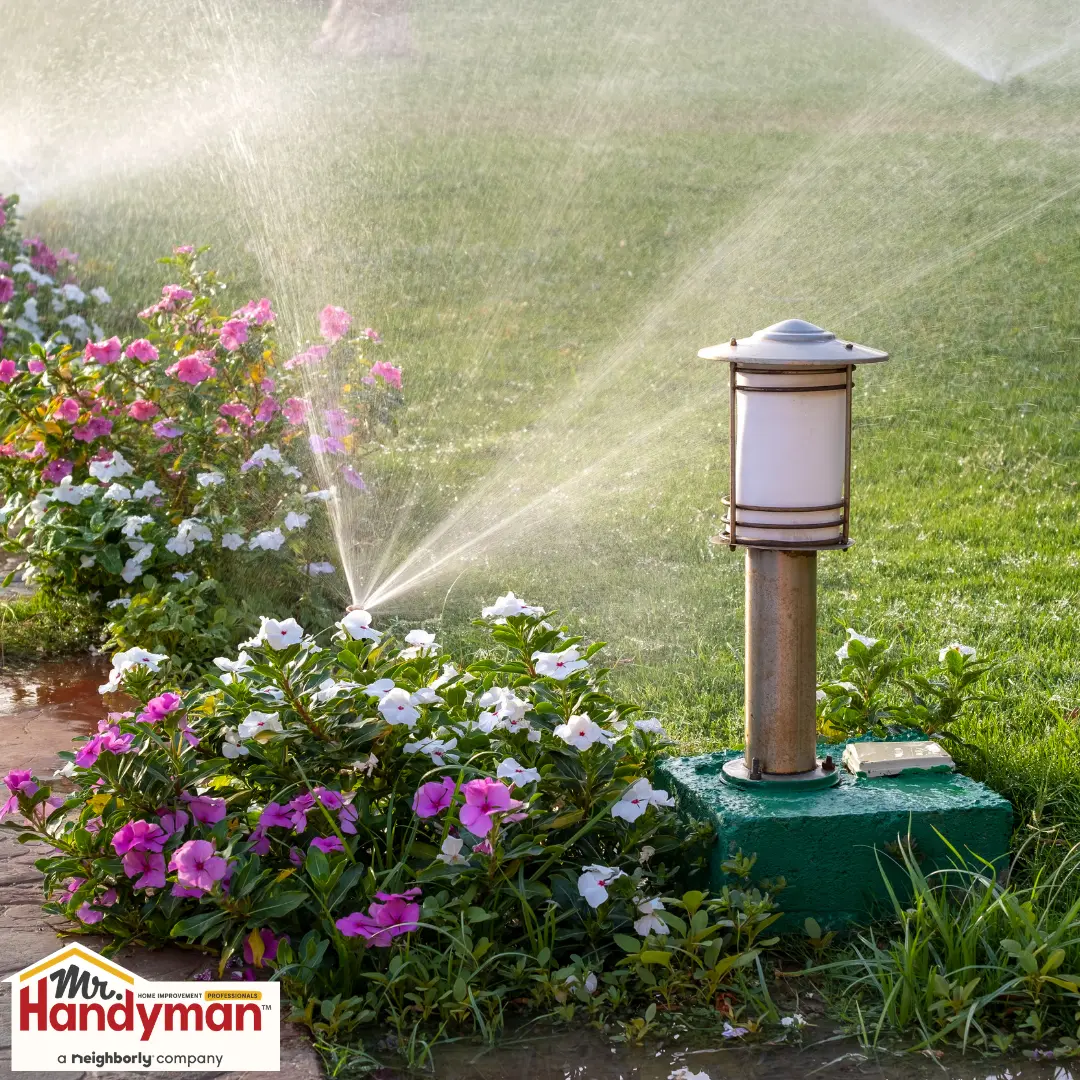
The compressed Northern Indiana outdoor season creates the specific irrigation backflow risk profile that distinguishes this market from warmer climates where irrigation systems operate across a longer season with more gradual startup and shutdown. When Northern Indiana homeowners activate their irrigation systems in spring after the winter dormancy period, they are often doing so during or immediately after the significant rain events that Northern Indiana's May and early June weather pattern delivers, creating the conditions where irrigation system activation coincides with the supply pressure fluctuations that storm-related municipal system stress produces.
An irrigation system activating during a period of municipal supply pressure reduction creates the back-siphonage conditions that draw irrigation water backward into the household supply through the connection that the irrigation system makes to that supply.
Backflow Prevention Devices and Their Northern Indiana Applications

The backflow prevention devices appropriate for Northern St. Joseph and Elkhart County residential applications reflect the specific contamination risks and pressure conditions that Northern Indiana's spring storm season, aging combined sewer infrastructure, and the irrigation systems that the compressed regional outdoor season supports create in residential plumbing connections.
Atmospheric vacuum breakers at outdoor hose bib connections provide the first-line back-siphonage protection that Northern Indiana outdoor plumbing specifically requires during the spring period when municipal supply pressure fluctuations from storm-related system stress create the conditions that back-siphonage needs to draw contaminated water toward the household supply. The atmospheric vacuum breaker allows air to enter the supply line when pressure drops, breaking the siphon before contamination travels toward the household supply from the hose or irrigation connection. In Northern Indiana's spring context, where irrigation activation and outdoor water use coincide with the storm conditions most likely to create supply pressure fluctuations, an atmospheric vacuum breaker on every outdoor hose bib connection is a basic protection specification rather than an optional upgrade.
Pressure vacuum breakers for irrigation system mainlines are the device specification that Indiana's cross-connection control requirements and Northern Indiana's specific irrigation backflow risk establish as the appropriate protection for the mainline connection between the household water supply and the irrigation system. Unlike the atmospheric vacuum breaker that cannot remain under continuous pressure, the pressure vacuum breaker handles the sustained pressure of an active irrigation system while providing the siphon-breaking function that irrigation backflow prevention requires. The above-grade installation position that pressure vacuum breakers typically occupy in Northern Indiana irrigation applications creates the freeze protection consideration that appropriate winterization addresses specifically for this climate.
Pressure vacuum breaker winterization in Northern St. Joseph and Elkhart County is among the most commonly neglected irrigation system winterization steps across the service area. The above-grade position that provides the drainage function that pressure vacuum breaker design requires also exposes the device to Northern Indiana's sustained below-zero temperatures in ways that damage internal check components and housing integrity when the device retains water through the freeze events that the region delivers without fail each winter. Professional irrigation blow-out that includes confirmed device drainage before Northern Indiana's first hard freeze maintains the backflow prevention function that spring startup depends on being present rather than discovering its absence when the irrigation season requires the protection it was supposed to provide.
Sewer backflow prevention for Northern St. Joseph and Elkhart County homes in older neighborhoods served by combined sewer infrastructure is the backflow protection category whose investment is most directly tied to the specific storm conditions that Northern Indiana's spring season creates. Sewer backflow prevention devices installed in the home's sewer lateral intercept the surcharging pressure that combined sewer overflow events create before it reaches the floor drains, basement toilets, and lowest-point fixtures where backup produces the property damage that finished and actively used Northern Indiana basements are most vulnerable to.
The overhead sewer conversion that repositions household drain connections above the sewer main's surcharging level provides the most comprehensive sewer backflow protection available for Northern Indiana homes in affected neighborhoods. For properties where overhead conversion is not practical or economically justified, a properly specified backflow preventer in the sewer lateral provides the valve-based protection that intercepts surcharging pressure before it produces the basement backup that the next Northern Indiana spring storm would otherwise deliver.
Northern Indiana-Specific Maintenance for Backflow Prevention Devices
Post-storm assessment following significant rain events in Northern St. Joseph and Elkhart Counties is the maintenance protocol that Northern Indiana's spring storm pattern makes specifically necessary rather than simply prudent. A spring storm that delivered the rainfall volumes that Northern Indiana's thaw-period soil conditions converted to concentrated runoff has tested every backflow prevention device in its path and may have affected those devices' physical condition or internal component status in ways that reduced their protective function for subsequent events.
Pressure vacuum breaker inspection after significant Northern Indiana spring storms evaluates the device housing condition, confirms that the bonnet is fully seated, and tests that the device passes water appropriately when the irrigation system is activated. A device that sustained the pressure surges that a significant storm event created in the irrigation supply may need professional assessment rather than visual inspection alone to confirm that internal check components are functioning correctly after the storm conditions tested them.
Annual certified testing for backflow prevention devices in commercial applications, and for residential devices where local utility requirements specify testing intervals, provides the documented performance confirmation that Northern Indiana's municipalities require for cross-connection control compliance. Homeowners with pressure vacuum breakers or reduced pressure zone devices that require certified annual testing should confirm that their testing is current before the irrigation season that spring's warming activates, because a device with lapsed testing certification may not satisfy the utility requirements that Northern Indiana's cross-connection control programs enforce.
Protecting Northern Indiana Homes Through the Spring Rain Season
Pre-season backflow prevention confirmation before Northern Indiana's spring rain season becomes active is the maintenance timing that provides assurance before the conditions most likely to create backflow scenarios arrive. Confirming outdoor faucet vacuum breaker function, testing irrigation system pressure vacuum breaker performance at spring startup, and ensuring that sewer backflow prevention is in place for homes in combined sewer neighborhoods before the first significant spring rain event converts theoretical protection into confirmed protection through the storm events that Northern Indiana's spring delivers.
Water quality awareness after significant Northern Indiana spring storms that produced the specific symptoms of potential backflow, including supply pressure drops during the storm event, basement floor drain backup from surcharging conditions, or irrigation system activation during apparent supply anomalies, warrants the professional water quality assessment that confirms whether backflow contamination reached the household supply.
Frequently Asked Questions
How do I know if my Northern Indiana home is in a combined sewer area where backflow risk from storm events is elevated?
The City of South Bend, City of Mishawaka, and City of Elkhart utilities can confirm whether a specific property is served by combined sewer infrastructure. Properties in the older established neighborhoods of these cities, generally those developed before mid-century when separate storm and sanitary sewer construction became standard, are most likely to be in combined sewer service areas. Newer residential development throughout Northern St. Joseph and Elkhart Counties, including the communities of Granger, Osceola, and the rural areas of the service region, typically has separate storm and sanitary sewer infrastructure that does not create the same storm-related backflow risk.
Is backflow from spring storms covered by homeowner's insurance in Northern Indiana?
Sewer backup from municipal system surcharging during storm events is typically a specific coverage category that standard homeowner's insurance policies in Indiana require a separate endorsement to include. Homeowners in Northern St. Joseph and Elkhart County who live in combined sewer areas and who do not currently have sewer backup coverage on their homeowner's policy should review that gap before Northern Indiana's spring storm season creates the event that reveals it. The endorsement cost is modest relative to a single Northern Indiana basement backup remediation event.
Should I have my backflow preventer tested after a significant Northern Indiana spring storm?
Pressure vacuum breakers and reduced pressure zone devices that experienced the supply pressure fluctuations of a significant Northern Indiana storm event benefit from post-storm function testing that confirms the internal check components are seating correctly. An inexpensive test performed after a major storm event provides confidence that the device is protecting the irrigation connection for subsequent activations rather than assuming that storm-era pressure surges left the device's protective function unaffected.
How does Northern Indiana's hard water affect backflow prevention device longevity?
The hard water that communities throughout Northern St. Joseph and Elkhart Counties receive from the region's groundwater sources deposits calcium and magnesium in the internal check components and seat surfaces of backflow prevention devices at rates that softer water supplies do not produce at the same pace. Hard water mineral accumulation in pressure vacuum breaker check components reduces seating effectiveness over time and accelerates the service interval at which professional testing and component replacement is warranted compared to the same devices in softer water supply environments.
What should I do immediately if I suspect backflow contamination entered my household water supply during a Northern Indiana spring storm?
Stop using household water for consumption immediately. Run cold water from multiple fixtures for several minutes to flush supply lines before any testing occurs. Contact the local utility to report the potential cross-connection event. Have the household water supply professionally tested before resuming consumption. In Northern Indiana's combined sewer areas, a backflow event during a significant storm can introduce the biological and chemical contamination that combined sewage carries into the household supply at concentrations that visual inspection and odor assessment cannot fully evaluate without laboratory testing.
Backflow Prevention That Northern Indiana's Spring Season Demands
The backflow prevention that protects Northern St. Joseph and Elkhart County homeowners through the spring rain season is not a passive installation that requires no attention between installation and need. It is a system of devices whose condition and function spring startup assessment confirms, whose winterization Northern Indiana's climate demands be completed correctly each fall, and whose post-storm assessment the region's significant rain events specifically warrant. That system, properly maintained and confirmed functional before spring conditions test it, converts the backflow risk that Northern Indiana's thaw-period storms create from a property damage exposure into a managed condition whose protection has been verified.
The team at Mr. Handyman of Northern St. Joseph and Elkhart Counties has the regional experience to help homeowners assess their backflow prevention, confirm device function, and address the irrigation and outdoor plumbing connections that Northern Indiana's spring storms most directly test.
Website: https://www.mrhandyman.com/northern-st-joseph-elkhart-counties/
Serving homeowners throughout Northern St. Joseph and Elkhart Counties with dependable service and the expertise your home deserves.