
What Northern Indiana's Commercial Interiors Communicate About the Businesses Inside
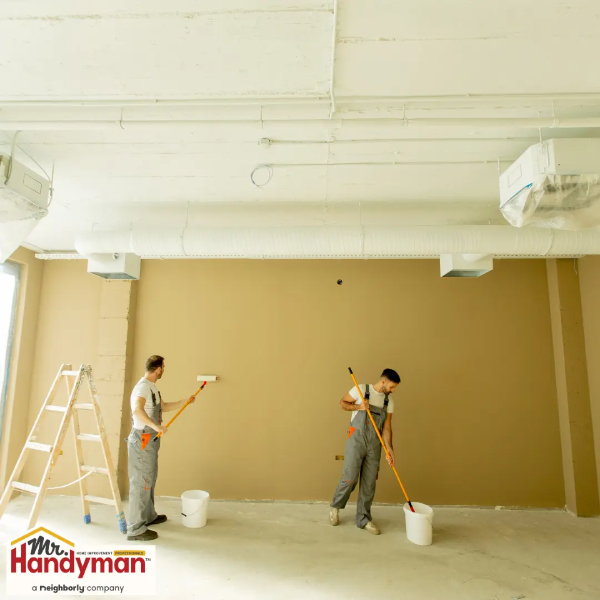
Every business in Northern St. Joseph and Elkhart Counties operates within a physical environment that communicates brand quality and management standards through the walls, ceilings, and finish details that surround customers before any product is seen or any employee interaction occurs. The specific character of that communication in Northern Indiana's commercial environment reflects the region's distinctive conditions in ways that moderate-climate commercial interiors do not fully share. The thermal cycling that Lake Michigan's influence and Northern Indiana's sustained cold creates in commercial building assemblies advances interior drywall joint conditions, paint adhesion failures, and the finish deterioration that commercial interior maintenance programs must address at frequencies that average-condition guidance underestimates for this regional environment.
A commercial space in South Bend, Mishawaka, Elkhart, or Goshen whose interior surfaces communicate professional management and active maintenance investment presents a brand image that customers translate into confidence about every aspect of the business operation. The same space carrying visible joint cracking from Northern Indiana's thermal cycling, paint failure at building envelope transitions where the region's freeze-thaw events concentrated stress, and hardware deterioration from the hard water mineral content that Northern Indiana's water supply creates on interior metal surfaces is communicating a maintenance standard that the Lake Michigan climate creates the conditions for more aggressively than moderate markets and that active commercial interior maintenance prevents from reaching customer-visible thresholds.
The Northern Indiana commercial interior maintenance context is shaped by the specific failure modes that the region's climate creates in commercial building systems in ways that require the regional specificity that national commercial maintenance guidance does not always provide. Understanding how drywall, paint, and finish elements contribute to brand communication in the Northern Indiana market, what the regional conditions create in commercial interior surfaces, and how professional execution of these elements delivers the brand elevation they are capable of gives Northern St. Joseph and Elkhart County businesses the practical framework for interior investment that supports their brand positioning through everything Northern Indiana's seasons deliver.
Drywall Condition: What Northern Indiana's Climate Creates Specifically
Joint cracking in Northern Indiana commercial drywall reflects the thermal cycling mechanism that the region's seasonal temperature range creates in commercial building wall assemblies with an intensity that distinguishes Northern Indiana's commercial maintenance requirements from moderate-climate equivalents. The temperature differential between the sustained cold of Northern Indiana's heating season and the warmth of summer produces the repeated expansion and contraction at drywall joint compound applications and paint film adhesion interfaces that accumulates failure at joint locations with each Northern Indiana seasonal cycle.
Commercial spaces in Northern Indiana's established commercial buildings carry the cumulative effect of multiple heating seasons' thermal cycling contributions to joint condition, and the visible cracking at seams, inside corners, and window and door surround locations that customers observe during business visits communicates the maintenance history that these conditions represent. A commercial space that has not received the joint repair attention that Northern Indiana's thermal cycling specifically requires appears aged regardless of when the original drywall installation occurred, because the region's seasonal cycling advances joint conditions toward visible failure faster than the installation date alone would suggest.
The dry heating season air that Northern Indiana's sustained heating system operation creates in commercial building interiors through the five to six month heating season affects drywall joint compound and paint film conditions in ways that the seasonal humidity introduction of spring then tests as the shift from the heating season's dryness to spring's increasing moisture creates the dimensional changes that inadequately flexible joint and paint applications fail through. Commercial interiors in Northern Indiana experience the full cycle of dry heating season contraction and spring-to-summer humidity expansion that creates the joint and paint conditions that spring assessment identifies before summer's business activity concentrates customer observation in affected spaces.
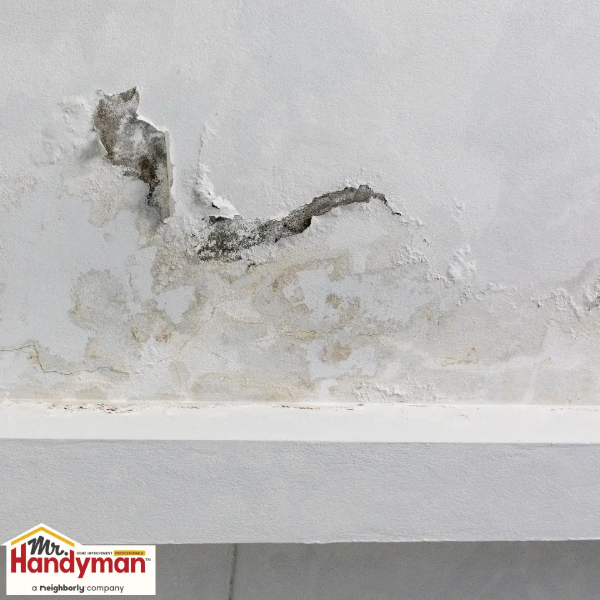
Moisture-related drywall conditions in Northern Indiana commercial spaces require the source identification and resolution discipline that all commercial markets require but that Northern Indiana's specific moisture sources make regionally specific. The HVAC condensation that the compressed transition from Northern Indiana's heating season to cooling season creates in ductwork above commercial ceiling planes, the roofing membrane conditions that the heating season's thermal cycling advanced toward infiltration, and the building envelope sealant failures that freeze-thaw cycling produced at commercial window perimeters all represent moisture sources whose interior drywall evidence warrants the source investigation that surface repair without source resolution does not adequately address.
Paint: Brand Communication Through Northern Indiana's Seasonal Demands

Commercial paint system selection for Northern Indiana interiors should address the thermal cycling that the region's seasonal range creates in interior paint adhesion and the dry heating season followed by spring humidity introduction that commercial building interiors experience across each annual cycle. Paint products with the flexibility specifications that accommodate the dimensional changes Northern Indiana's seasonal cycling drives in wall assemblies perform better at the joint locations, perimeter transitions, and exterior-adjacent surfaces where those dimensional changes concentrate stress than standard commercial formulations whose performance assumptions moderate-climate thermal stability does not translate to Northern Indiana's conditions.
Lake-effect UV consideration for Northern Indiana commercial interiors adjacent to commercial glazing reflects the way that summer's UV exposure through south and west-facing commercial windows affects interior paint surfaces at the positions of direct solar exposure. Commercial interiors in Northern Indiana whose wall surfaces receive direct summer sun through building glazing accumulate the UV-driven surface chalking and color fading that those exposures create in paint films without the UV-stabilizing additives that exterior products include by design.
Hard water effects on commercial interior surfaces in Northern Indiana's water-supplied commercial buildings appear in the mineral staining and surface deposits that the region's municipal water supply creates on commercial bathroom fixtures, kitchen surfaces, and any interior location where the water chemistry that Northern Indiana's groundwater delivers creates the mineral accumulation that cleaning maintenance manages against the persistent regional source condition.
Executing Commercial Interior Repairs That Hold in Northern Indiana's Climate
The repair quality that Northern St. Joseph and Elkhart County commercial interiors require addresses the thermal cycling, humidity variation, and the specific moisture sources that Northern Indiana's climate creates in commercial building assemblies in ways that moderate-climate repair guidance does not fully account for. A repair made without the material specifications and preparation discipline that Northern Indiana's conditions demand is a deferred cost rather than a resolved condition, because the same regional mechanisms that produced the original failure continue operating after the repair is applied.
Surface preparation standards for Northern Indiana commercial repairs must address the thermal cycling-driven adhesion failures that the region's seasonal extremes create in wall surfaces before any repair material is applied. Paint that lost adhesion through Northern Indiana's heating season thermal cycling must be removed rather than painted over, because new paint applied over adhesion-compromised surfaces in the Northern Indiana environment fails through the same mechanism on the first seasonal cycle after application. The preparation investment that removes failed material back to sound substrate before repair materials are applied determines whether the repair holds through subsequent Northern Indiana seasonal cycles or repeats the failure that inadequate preparation allows to continue advancing beneath the cosmetically improved surface.
Flexible joint compound and caulk application at the Northern Indiana commercial interior joint locations that thermal cycling has cracked requires the material flexibility specifications that accommodate the movement the region's seasonal cycle continues to create at those locations. Standard joint compound whose rigidity assumes that the wall assembly will remain dimensionally stable after repair application is not appropriate for the joint locations in Northern Indiana commercial buildings where seasonal thermal cycling drives the movement that flexible materials accommodate without failure. Paintable elastomeric caulk at window and door surround transitions, trim-to-wall interfaces, and the perimeter joints of commercial ceiling assemblies provides the flexibility that Northern Indiana's thermal cycling at these high-movement locations requires rather than the rigidity that repeats the original failure.
Moisture content confirmation of wall assemblies in Northern Indiana commercial buildings before repair and painting addresses the specific condition that the heating season's dry interior air followed by spring's humidity introduction creates in commercial wall materials. The shift from the low humidity of Northern Indiana's heating season to the moisture that spring delivers creates the dimensional changes in wall assembly components that affect how repair materials bond and perform, and confirming wall assembly moisture content within the appropriate range before applying repair materials produces results that hold through Northern Indiana's subsequent seasonal cycle.
Color Strategy for Northern Indiana Commercial Spaces
Natural light quality considerations for Northern Indiana commercial interior color decisions reflect the region's overcast winter and spring sky that produces the flat, diffuse light quality through a significant portion of the year that affects how paint colors appear in commercial spaces with limited artificial light contribution. Colors that maintain their saturation and visual presence under the flat diffuse light of Northern Indiana's frequently overcast conditions perform better in the region's commercial interiors through the months when that light quality dominates than colors whose appearance depends on direct sunlight that Northern Indiana's overcast season does not reliably provide.
Brand color consistency across a Northern Indiana commercial space is the paint execution standard that professional commercial painters deliver and that DIY or inadequately specified commercial painting consistently fails to maintain through the thermal cycling and seasonal humidity variation that Northern Indiana's climate drives in commercial interior surfaces between repainting intervals. The documentation of exact product, color formula, and sheen specification for each commercial space area provides the consistency that future touch-up and maintenance repainting requires in a regional environment where Northern Indiana's thermal cycling advances the conditions that require touch-up faster than moderate markets.
Trim, Hardware, and Finish Details in Northern Indiana Commercial Spaces
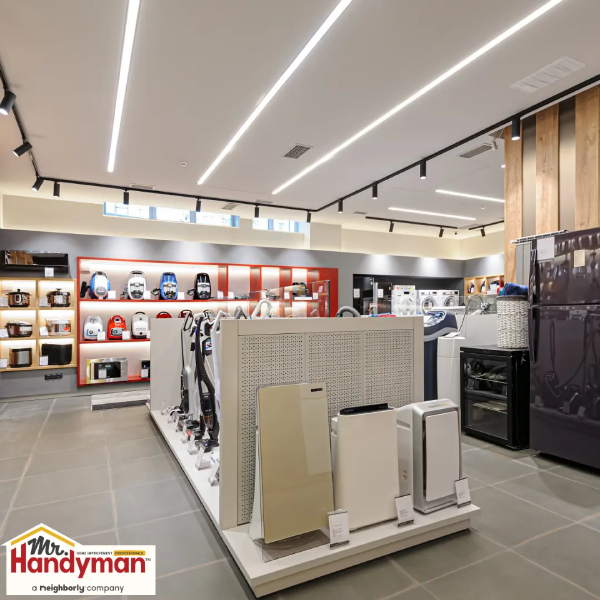
Commercial trim condition in Northern Indiana businesses reflects the thermal cycling effects on the wood and composite trim materials attached to wall assemblies through the region's seasonal extremes and the hard water mineral deposits that Northern Indiana's water supply creates on the metal and finished surfaces in commercial spaces where water contact occurs. Baseboard that has separated from wall and floor surfaces through Northern Indiana's heating season dry air contraction, door casings that carry the paint failure that thermal cycling at building envelope transitions concentrated at trim-to-wall interfaces, and the hardware deterioration that hard water mineral accumulation and freeze-thaw cycling create in commercial interior metal surfaces all warrant the spring repair and restoration investment that Northern Indiana commercial maintenance specifically requires.
Door hardware condition and function in Northern Indiana commercial spaces reflects the combined effects of the mineral deposit accumulation that the region's hard water creates on interior door hardware finishes and the mechanical wear that commercial traffic during Northern Indiana's concentrated indoor business seasons delivers to the door hardware components in high-use commercial entry and interior door positions. Commercial door hardware that has developed the tarnish, finish deterioration, and operational stiffness that Northern Indiana's water chemistry and seasonal demand concentration produces in aging door hardware communicates the maintenance standard that replacement with current coordinated hardware in finishes specified for Northern Indiana's water chemistry conditions addresses.
Ceiling tile and grid condition in Northern Indiana commercial spaces reflects the HVAC condensation conditions that the compressed transition from heating to cooling season creates in commercial ceiling assemblies above the finished ceiling plane. The temperature differential that Northern Indiana's rapid spring transition creates between the cooling system's supply air and the warm building spaces above the ceiling grid produces the ductwork condensation that stains ceiling tiles and affects grid condition in Northern Indiana commercial buildings during the weeks of most rapid seasonal temperature change.
Frequently Asked Questions
How often should Northern Indiana commercial interiors be repainted?
Primary customer-facing areas in Northern St. Joseph and Elkhart County commercial spaces typically require repainting every three to four years with proper preparation and Northern Indiana-appropriate paint specifications that address the thermal cycling and seasonal humidity variation the region's climate creates in commercial interior surfaces. High-traffic entry areas and surfaces subject to concentrated cleaning may require touch-up annually and full repainting every two to three years. Northern Indiana's heating season thermal cycling and the UV exposure through commercial glazing advance paint condition toward the end-of-cycle threshold faster than the intervals that moderate-climate commercial spaces experience for the same products under more stable conditions.
What paint sheen performs best in Northern Indiana commercial spaces?
Eggshell or satin finish for primary commercial wall surfaces in Northern Indiana provides the washability that commercial maintenance requires against the hard water cleaning products that regional water chemistry makes necessary, the reflective quality that current commercial design standards favor, and the surface that conceals minor texture variations from the joint compound repairs that Northern Indiana's thermal cycling creates as a routine commercial interior maintenance need. Semi-gloss at trim and door surfaces provides the durability that high-contact commercial elements require and the finish that hard water cleaning product exposure does not deteriorate as rapidly as flat finishes at those locations.
How should I address recurring thermal cycling joint cracks in my Northern Indiana commercial space?
The recurring joint crack is communicating a material specification mismatch between the rigid joint compound that originally addressed the crack and the thermal movement that Northern Indiana's seasonal cycles continue producing at that location. Resolving recurrence requires removing the failed material at the joint location back to sound substrate, applying a flexible patching compound or elastomeric sealant rated for the thermal movement range that Northern Indiana's temperature extremes create, and finishing with appropriate skim coat, primer, and finish coat application. The flexibility of the repair material determines whether the repair holds through subsequent Northern Indiana heating seasons, not the quality of the surface finish applied over it.
Is professional commercial painting worth the investment for Northern Indiana businesses?
Professional commercial painting in Northern Indiana specifically delivers the preparation quality, Northern Indiana-appropriate product knowledge, and application execution that produces results appropriate for the brand communication function that commercial interior paint serves in a regional climate where thermal cycling and seasonal humidity variation advance the conditions that inadequate preparation allows to reappear quickly. The preparation discipline that professional commercial painters bring to Northern Indiana applications, specifically including the removal of adhesion-failed paint and the flexible compound application at joint locations that the region's thermal cycling requires, is recovered through the extended interval before the next full repainting is required.
What is the most commonly neglected commercial interior maintenance item in Northern Indiana businesses?
Caulk joint maintenance at the commercial interior transitions where Northern Indiana's thermal cycling concentrates movement, specifically at window and door surrounds, trim-to-wall interfaces, and the perimeter conditions of drop ceiling assemblies, is the most consistently deferred commercial interior maintenance item across the service area. These locations experience the movement that Northern Indiana's seasonal cycling creates in commercial building assemblies at their highest amplitude, and the flexible sealant maintenance that keeps those joints sealed through that movement determines whether the broader wall surface preparation and paint investment around them performs at its rated service life or advances toward failure through the unsealed movement that compromised joint conditions allow.
Commercial Interiors That Speak for Northern Indiana Businesses
The drywall, paint, and finish details of a Northern St. Joseph and Elkhart County commercial space communicate the business's management standard continuously through every customer visit and through every seasonal cycle that Northern Indiana's Lake Michigan climate delivers to commercial building assemblies. The maintenance discipline that addresses the thermal cycling, humidity variation, and hard water conditions that the region creates in commercial interior surfaces at the frequency and with the material specifications that Northern Indiana's climate requires produces the interior quality that brand-conscious businesses in the South Bend, Mishawaka, Elkhart, and Goshen markets need their physical spaces to communicate.
The team at Mr. Handyman of Northern St. Joseph and Elkhart Counties brings the commercial interior experience to help businesses maintain and elevate their physical spaces to the brand standard their customers deserve.
Website: https://www.mrhandyman.com/northern-st-joseph-elkhart-counties/
Serving businesses throughout Northern St. Joseph and Elkhart Counties with dependable commercial maintenance and the expertise your property deserves.
