
The Michiana Commercial Entry Communicates Before Anyone Speaks
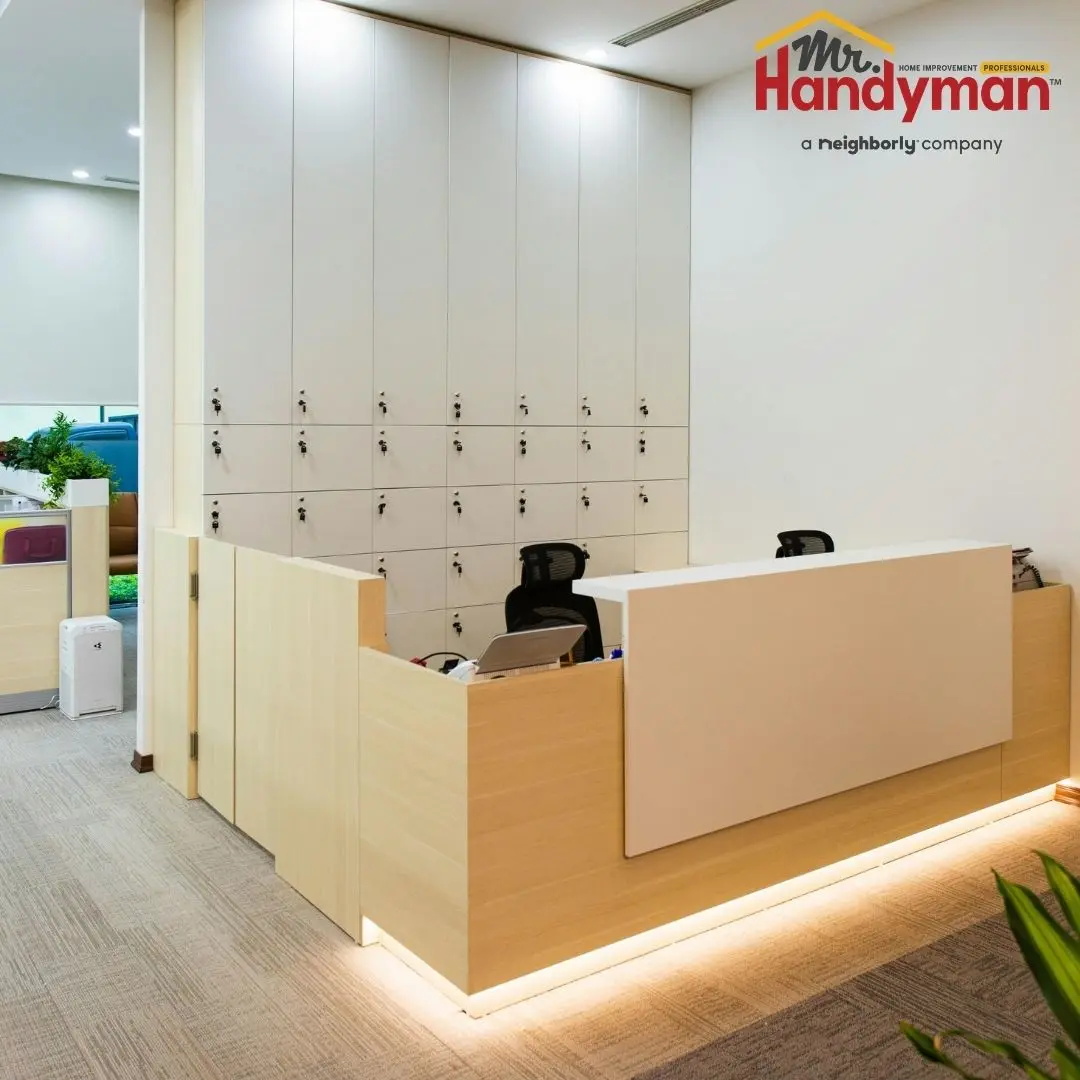
Every commercial entry and customer-facing area in Northern St. Joseph and Elkhart Counties communicates the business's maintenance investment and professional standard to every customer, client, and vendor who passes through before any service interaction, product presentation, or employee communication creates the opportunity for a different impression. That communication happens continuously, across every visit, through the physical condition of the entry door and its hardware, the floor surface the customer walks across at the entry transition, the ceiling and wall conditions visible from the entry position, and the environmental quality that the temperature, the air quality, and the lighting conditions of the customer area create as the sensory context for the business evaluation that every commercial visit produces.
In the Northern St. Joseph and Elkhart County commercial environment, that entry and customer area communication happens against the backdrop of what the Lake Michigan-influenced winter delivers to commercial building interiors and entries between maintenance intervals at rates that moderate climates without the regional winter's specific character do not produce at the same pace. The road salt and ice-melt chemical tracking that winter entry traffic carries from the Lake-effect winter's deicing applications creates the entry floor conditions that inadequate maintenance allows to accumulate across the heating season's entry traffic. The freeze-thaw cycling that the building envelope transition creates at commercial entry positions advances the weatherstripping, threshold seal, and door hardware conditions that winter's thermal cycling deteriorates between the maintenance intervals that regional commercial property management specifically warrants to maintain the entry standard the Michiana area's business community requires.
The Michiana commercial market's specific character elevates the entry and customer area maintenance stakes in ways that the regional business community specifically creates. The healthcare institutions, the educational organizations, and the major employers that Notre Dame, the regional hospital network, and the Elkhart County RV industry's commercial ecosystem anchor as the Michiana area's business community create the quality reference points that the regional commercial consumer base evaluates local business entries and customer areas against. A commercial entry and customer area that communicates active maintenance investment and professional quality standard positions its business favorably in a regional market whose sophisticated consumer base brings those institutional quality references to every commercial evaluation.
The Northern St. Joseph and Elkhart County commercial building stock's diverse construction character creates the specific entry and customer area maintenance challenges that buildings across multiple construction eras carry as the accumulated conditions that regional climate and operational use together advance between maintenance interventions. The older South Bend and Mishawaka commercial buildings whose original construction reflects the quality and the material character of their construction era carry the accumulated weatherstripping, floor surface, and ceiling conditions that decades of Lake-effect winters and continuous commercial use have advanced toward the maintenance thresholds that customer observation evaluates most directly. The newer Elkhart County commercial construction carries the builder-grade entry specifications that commercial development produces as the quality baseline that proactive maintenance elevates above the generic starting point those specifications represent.
Entry Door and Transition Maintenance

Commercial entry door weatherstripping replacement after the Lake-effect winter addresses the seal failure and the compression deterioration that the regional winter's sustained cold, the freeze-thaw cycling at building envelope transition positions, and the concentrated entry traffic that commercial operations create at those positions between maintenance intervals. The thermal comfort that restored entry weatherstripping provides at the customer's first interior experience, the energy efficiency against NIPSCO's commercial rates that adequate entry sealing delivers, and the moisture exclusion that functional weatherstripping provides against the spring's rain events that commercial operations manage without the adequate seal restoration that summer's entry condition warrants all represent the commercial entry maintenance return that Lake-effect winter weatherstripping deterioration specifically motivates as a post-winter priority.
Entry door hardware assessment and restoration evaluates the lockset, the door closer, the panic hardware, and the pull and push hardware conditions that the Lake-effect winter's thermal cycling advanced in those commercial entry hardware components between the previous maintenance interval and the current assessment. The door closer that the winter's sustained cold stiffened to the closing speed that ADA standards prohibit, the pull hardware whose finish the regional winter's chemical contact deteriorated, and the lockset whose cylinder the freeze-thaw cycling stressed toward the operating resistance that customer entry frustration reflects all represent the commercial entry hardware conditions that customer experience evaluates at the first physical contact point every commercial visit creates.
Entry floor surface restoration at the commercial entry transition positions where winter entry traffic concentrated the road salt and ice-melt chemical tracking that the Lake-effect winter's deicing applications created at those high-contact floor positions addresses the surface conditions that the chemical contact advanced in commercial entry flooring between the winter's continuous application events and the spring assessment. The mineral residue that salt tracking deposits in commercial entry tile grout, the surface dulling that deicing chemical contact advances on commercial entry hard flooring finishes, and the matting deterioration that winter entry traffic creates in the commercial entry zones that mat systems serve all represent the entry floor restoration priorities that summer customer observation evaluates most directly at the entry positions where every commercial visit begins.
Customer Area Environmental Maintenance
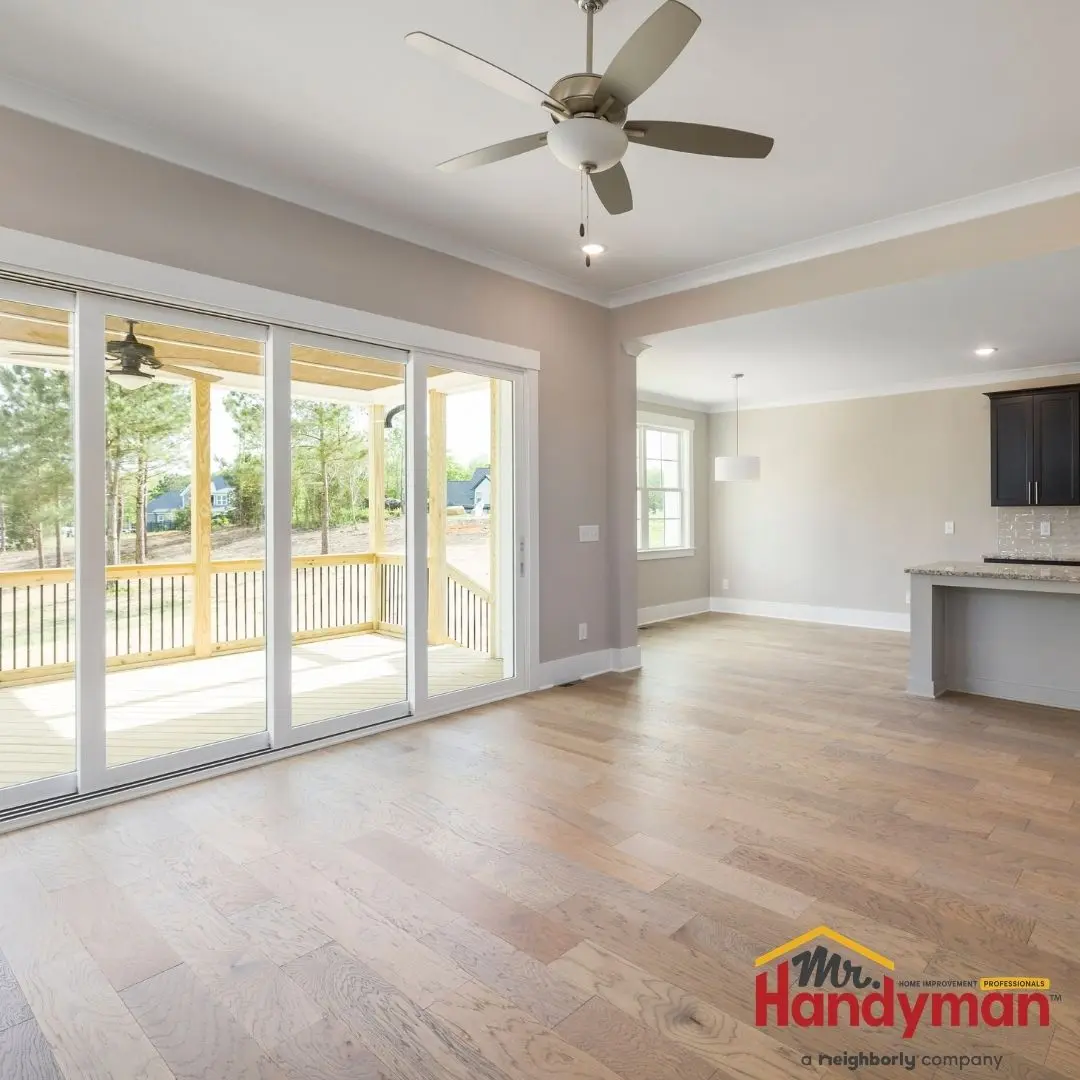
HVAC system transition service before the cooling season that the northern Indiana summer activates in commercial customer areas addresses the filter replacement, the coil cleaning, and the condensate drain clearing that the seasonal transition from heating to cooling operation specifically requires for the commercial HVAC systems serving customer-facing spaces. The air quality, the temperature comfort, and the humidity management that commercial customer areas provide through the summer months depends on the HVAC transition service that pre-season maintenance delivers before the regional summer's cooling demand concentrates maximum load on those systems serving customer-facing commercial spaces.
Interior biological growth treatment in the moisture-adjacent customer area positions where the Lake-effect winter's moisture loading and the commercial HVAC system's condensate conditions advanced biological establishment on commercial interior surfaces addresses the air quality and the aesthetic condition that those customer-visible positions communicate continuously throughout every commercial visit. The commercial restroom, the break room visible to customers, and the customer area ceiling tile positions above HVAC supply and return positions all carry the biological growth conditions that the regional commercial interior environment advances between professional maintenance intervals.
Customer Area Flooring and Surface Maintenance
The customer area flooring and surface conditions that Northern St. Joseph and Elkhart County commercial businesses maintain through the summer season reflect the accumulated effects of the Lake-effect winter's road salt tracking, the HVAC transitional condensation that the spring warming activated in commercial ceiling tile systems, and the biological growth that the regional commercial interior environment advances in moisture-adjacent customer area surfaces between maintenance intervals.
Commercial floor cleaning and restoration in customer-facing areas addresses the mineral film that the Lake-effect winter's salt tracking and the regional hard water's mopping contribution creates on commercial hard floor surfaces between professional cleaning intervals. The calcium and magnesium that the county water systems deliver to commercial floor mopping water creates the mineral buildup that dulls commercial floor surfaces between professional restoration intervals at the rates the regional hard water produces more aggressively than soft water commercial markets experience. Professional cleaning with the products appropriate for each commercial floor surface's specific material chemistry delivers the surface restoration that customer observation evaluates against the maintained commercial reference environments of the regional institutional and major employer facilities that the Michiana area's business community sustains as the quality standard.
Commercial carpet cleaning and restoration in customer-facing areas addresses the winter's road salt residue, the biological establishment that the Lake-effect winter's concentrated moisture tracking initiated in commercial carpet fibers, and the appearance deterioration that winter entry traffic advances in the customer-facing commercial carpet positions that indoor air quality and appearance maintenance both require professional attention for between the cleaning intervals that the regional winter's specific impact on commercial carpet creates between professional service events.
Ceiling tile condition assessment in customer areas evaluates the HVAC transitional condensation staining, the biological growth, and the appearance conditions that the northern Indiana spring's HVAC transition from heating to cooling mode produces in the ceiling tile systems above customer-facing commercial spaces. The NTMWD mineral embedding that the regional water chemistry creates in condensation-affected ceiling tiles makes replacement the appropriate response for those positions, and the customer observation that commercial ceiling conditions receive continuously throughout every commercial visit makes the ceiling tile quality in customer-facing positions a specifically consequential commercial maintenance investment in the Michiana area's quality-conscious business environment.
Restroom and High-Touch Surface Standards

Commercial restroom biological treatment and restoration addresses the most consequential customer area maintenance condition that the Lake-effect winter's moisture loading and the regional commercial interior's warm, humid conditions advance in commercial restroom surfaces between professional maintenance intervals. The Michiana area's commercial customer base evaluates commercial restroom conditions against the quality standards that the region's healthcare institutions, the Notre Dame campus facilities, and the major employer commercial environments establish as the reference points those customers bring to every commercial restroom evaluation. Professional biological treatment before restoration proceeds over those surfaces, mildew-resistant primer and paint at biological growth-affected positions, and grout restoration with the epoxy specification that the regional hard water makes specifically important for commercial restroom tile grout all deliver the restroom quality that Michiana area commercial operations require to meet the regional customer base's expectations.
High-touch surface disinfection and restoration at door handles, service counter surfaces, the reception furniture, and the transaction hardware that commercial customer areas concentrate repeated customer contact on addresses the sanitation standard and the appearance condition that those high-frequency contact positions accumulate between professional cleaning intervals. The commercial entry hardware finishes that the Lake-effect winter's chemical contact deteriorated, the reception counter surfaces that continuous customer contact and the regional hard water's mineral content affects between professional restoration, and the transaction area surfaces that the summer's increased business activity will concentrate the heaviest customer contact on all represent the high-touch surface restoration priorities that commercial customer area maintenance specifically addresses.
Signage and Wayfinding Standards in Commercial Customer Areas
Interior directional signage assessment evaluates whether the commercial property's interior signage clearly communicates the directional and informational content that customer navigation requires in the commercial facility layout those customers encounter. The commercial operations in South Bend's medical district, the Elkhart County manufacturing support businesses whose supplier customers navigate unfamiliar facility layouts, and the retail and hospitality operations that attract first-time customers to their commercial spaces all create the wayfinding demand that clear, current, and well-maintained interior signage specifically serves in the commercial customer area environments those businesses manage.
Menu and service communication display assessment in the customer-facing commercial areas of the Michiana area's food service, retail, and professional service operations evaluates whether current pricing, service offerings, and the business information that customer decisions depend on is accurately and attractively communicated in the customer areas those displays serve. The display condition that the Lake-effect winter's indoor humidity variation advanced in printed and mounted display materials, the print quality deterioration that aging display components reflect, and the information currency that business operations require in their customer-facing communication all represent the display assessment priorities that summer's customer activity concentrates attention on before that activity peaks.
Frequently Asked Questions
What customer area maintenance condition most directly affects customer retention in northern Indiana commercial businesses?
Commercial restroom biological treatment and surface restoration most directly affects customer retention because the Michiana area's sophisticated customer base evaluates commercial restroom conditions against the quality standards that the regional institutional environments establish as the reference points those customers bring to every commercial restroom evaluation. The Lake-effect winter's moisture loading and the regional commercial interior's warm, humid spring transition advance biological establishment in commercial restroom surfaces at the rates the northern Indiana climate creates, making the pre-summer biological treatment and restoration that professional maintenance delivers specifically consequential for the customer retention that restroom quality directly affects in the regional commercial market.
How does the Lake-effect winter specifically affect commercial entry hardware longevity?
The freeze-thaw cycling that the building envelope transition creates at commercial entry hardware positions advances the thermal fatigue in door closer hydraulic seals, the cylinder stiffness in lockset components, and the finish deterioration in pull and push hardware that the regional winter's temperature variation creates between maintenance intervals at rates that moderate climates without the Lake-effect winter's depth and cycling frequency do not produce between comparable service periods. Annual post-winter entry hardware assessment that identifies those conditions before the summer's customer activity concentrates entry use on the deteriorated hardware provides the commercial entry quality that the regional winter's impact on those components specifically warrants addressing before the summer's peak activity tests those conditions.
Should commercial customer area floors be restored before or after ceiling tile replacement?
Ceiling tile replacement should precede floor restoration because the installation activity that ceiling tile replacement creates, including the ceiling grid access and the debris that tile removal and installation generates, creates the floor contamination that floor restoration would need to address again if those sequences are reversed. Completing ceiling work first and then performing floor restoration over the clean substrate that ceiling work completion provides delivers both improvements from the quality baseline that the correct sequence creates rather than the rework that reversed sequencing requires.
How often should northern Indiana commercial businesses professionally clean their customer area carpet? Semi-annual professional carpet cleaning with pre-summer timing that addresses the Lake-effect winter's salt residue and the biological establishment that winter moisture tracking initiated in commercial carpet fibers, combined with mid-winter cleaning that addresses the peak road salt tracking that the heating season's most active deicing period creates in commercial entry carpet positions, provides the professional cleaning frequency that the regional winter's specific carpet impact creates as the appropriate commercial carpet maintenance interval for Michiana area customer-facing commercial carpet applications.
What is the most commonly deferred customer area maintenance item in northern Indiana commercial businesses?
Interior ceiling tile replacement at HVAC transitional condensation-stained positions is the most consistently deferred customer area maintenance item across the Northern St. Joseph and Elkhart County commercial market. The HVAC transition that northern Indiana's spring warming creates from heating to cooling mode produces the condensation staining that the regional water chemistry embeds permanently in commercial ceiling tile materials, and the gradual nature of that staining's development allows those conditions to advance through multiple customer observation cycles before the accumulated deterioration motivates the replacement action that early-stage discovery would have addressed before customer observation registered those conditions as the maintenance signal they specifically communicate.
Michiana Commercial Businesses That Communicate the Quality They Deliver
The commercial entries and customer areas across South Bend, Mishawaka, Elkhart, and the surrounding Northern St. Joseph and Elkhart County communities whose business operators maintain to the standard that the Lake-effect winter's accumulated effects, the regional hard water's mineral accumulation in entry floor surfaces and restroom tile grout, the HVAC transitional condensation staining in customer area ceiling tile systems, and the biological growth that the regional commercial interior environment advances in restroom and moisture-adjacent customer area surfaces all require to meet the Michiana area's quality-conscious customer base's expectations communicate the active management investment that the regional business community specifically rewards through the customer confidence, the repeat patronage, and the business referral activity that maintained commercial entries and customer areas deliver through every summer season's peak business activity.
The team at Mr. Handyman of Northern St. Joseph and Elkhart Counties has the commercial facility experience to help businesses maintain their entries and customer areas to the standard the Michiana area's customers deserve.
Website: https://www.mrhandyman.com/northern-st-joseph-elkhart-counties/
Serving businesses throughout Northern St. Joseph and Elkhart Counties with dependable commercial maintenance and the expertise your property deserves.