

Northern Indiana Remodeling Has Its Own Patterns of Error
Every remodeling market produces its characteristic mistakes, the decisions that homeowners consistently regret, the shortcuts that time pressure or cost pressure sometimes drives contractors to take, and the planning failures that turn manageable projects into expensive complications. In Northern St. Joseph and Elkhart Counties, those patterns reflect the regional conditions that distinguish this corner of Indiana from moderate-climate markets in ways that homeowners planning their first significant remodeling project in the South Bend, Mishawaka, Elkhart, and Goshen area benefit from understanding before those mistakes become their own expensive education.
Northern Indiana's climate creates remodeling mistake categories that simply do not appear with the same frequency or consequence in moderate markets. Selecting materials without verifying their performance through the thermal cycling that Lake Michigan's influence and Northern Indiana's sustained cold deliver to every building assembly across the full annual cycle. Scheduling exterior work during the compressed Northern Indiana construction season without the lead time planning that quality contractor access and material availability require. Failing to assess the below-grade moisture conditions and crawl space or basement infrastructure that the region's seasonal water table and frost dynamics create before investing in above-grade finishes that those conditions then undermine. These are the Northern Indiana-specific planning failures that cost homeowners more here than the same errors would cost in markets where the consequences of material inadequacy and deferred assessment develop more slowly in more forgiving climates.
The universal remodeling mistakes that appear in every market also appear in Northern Indiana, and their consequences are shaped by the regional conditions that determine how quickly poor decisions advance toward costly outcomes. A waterproofing shortcut that might remain inconsequential in a dry climate can become a biological growth remediation project within a single Northern Indiana spring season when the water table rise and the region's humidity combine to advance what inadequate waterproofing allowed to enter. Understanding these patterns gives Northern Indiana homeowners the planning awareness that avoids the most consequential errors before they occur.
Mistake One: Ignoring Below-Grade Conditions Before Above-Grade Investment
The single most consistently costly remodeling mistake in Northern St. Joseph and Elkhart Counties is investing in above-grade finish work before evaluating and addressing the below-grade conditions that Northern Indiana's climate and geology create in established homes across the service area. This is a regional mistake pattern whose specific Northern Indiana character reflects the full basements that are standard construction throughout the region, the seasonal water table dynamics that Lake Michigan's watershed and spring snowmelt create in St. Joseph and Elkhart Counties, and the deep frost penetration that Northern Indiana's sustained cold produces in soil profiles beneath building foundations.
The basement moisture assessment that Northern Indiana remodels require before finish investment begins is the pre-project evaluation whose omission most reliably produces the most expensive outcome in this market. A finished basement in a Northern Indiana home represents a significant investment in a below-grade space that the region's seasonal water table dynamics and the spring snowmelt's contribution to soil saturation can affect in ways that surface-level observation does not reveal during the dry summer and fall periods when most homeowners assess their basements before improvement planning begins.
A basement that appears bone dry in August in South Bend or Elkhart may experience the water table rise that Northern Indiana's spring snowmelt and April rainfall creates in the soil around its foundation walls in ways that the August observation gave no indication of. Finish investment made without the spring moisture assessment that Northern Indiana's seasonal pattern makes the definitive evaluation timing is investment made without the information that determines whether the improvements will hold their condition or become the remediation project that failed moisture management produces.
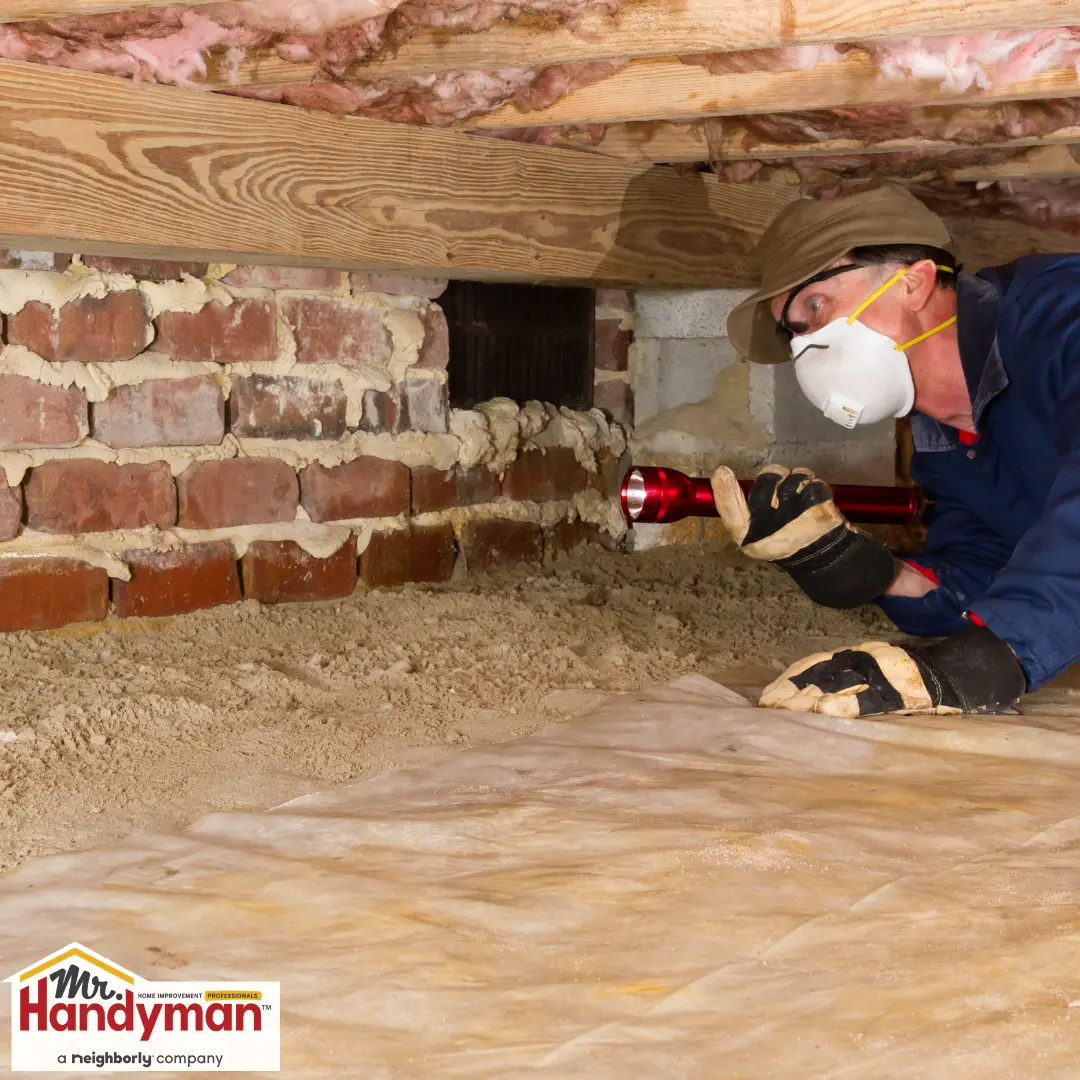
Crawl space conditions in Northern Indiana pier and beam homes carry the moisture accumulation, structural wood condition, and below-grade infrastructure situation that the region's frost depth, seasonal humidity, and the construction era of the home created over its service history. Installing new flooring, completing kitchen updates, or investing in bathroom renovation over a crawl space in a Northern Indiana home without assessing and addressing what the space carries is investing in improvements that the conditions below will undermine at the rates that Northern Indiana's spring and summer moisture dynamics advance deterioration in inadequately managed below-grade spaces.
Mistake Two: Material Selection Without Northern Indiana Climate Verification

Material selection that ignores Northern Indiana's specific performance environment is the error that produces the most visible and most predictable remodeling failures in this market. The specific conditions that Lake Michigan's influence creates in the Northern Indiana climate, from the sustained below-zero temperatures of the heating season through the lake-effect moisture events that deposit mineral and biological content on exterior surfaces, test every material installed in or on Northern Indiana buildings in ways that average residential product ratings do not fully anticipate.
Exterior paint selection without Northern Indiana cold performance verification is the version of this mistake that produces failures most quickly and most visibly. Paint products carrying general residential ratings perform those rated functions under average conditions that assume temperature ranges incompatible with Northern Indiana's sustained cold. An exterior paint system applied to a Northern St. Joseph or Elkhart County home without confirming the flexibility and adhesion specifications appropriate for the region's thermal cycling will develop the paint failure at building envelope transition points within one to two seasons that the product's rating may suggest should not appear for many years under the conditions that national averages assume.
Flooring selection without Northern Indiana moisture and humidity cycling verification produces the warping, gapping, and installation failure that the region's seasonal humidity variation drives in materials whose dimensional stability specifications assume more moderate moisture conditions. Solid hardwood flooring installed in a Northern Indiana home without appropriate acclimation and without confirming that the installation environment maintains the humidity conditions that solid wood flooring requires through the dry heating season may develop the gapping and movement that Northern Indiana's low heating season humidity creates in wood that was not adequately prepared for the regional moisture cycling.
Mistake Three: Underestimating Northern Indiana's Compressed Construction Season
The timeline and contractor availability mistakes that derail Northern St. Joseph and Elkhart County remodeling projects share the origin that Northern Indiana's compressed construction season creates in a market where the outdoor construction window between the end of the heating season and the return of fall's limiting conditions is shorter than in moderate-climate markets, and where the spring and summer period that window creates concentrates every homeowner's outdoor project motivation into the same limited calendar simultaneously.
Northern Indiana's contractor demand concentration reflects the compressed seasonal reality that every homeowner who spent the winter planning outdoor projects attempts to schedule those projects during the same brief window that Northern Indiana's climate makes practically available. Quality outdoor contractors in the South Bend, Mishawaka, Elkhart, and Goshen markets fill their spring and summer schedules from conversations that begin in late winter, and the homeowner who arrives at April with contractor conversations not yet started is scheduling for summer at best, competing with both the residential demand that spring releases and the commercial construction activity that Northern Indiana's manufacturing and institutional economy generates through the same outdoor construction season.
Material lead times in Northern Indiana remodeling reflect the supply chain realities that homeowners accustomed to retail availability discover upon project engagement when those lead times create the scheduling gaps that proper planning would have incorporated. Custom cabinetry runs four to eight weeks. Countertop fabrication adds two to three weeks after the template that cabinet installation creates. Specialty tile from non-stock sources runs four to six weeks. A kitchen remodel whose Northern Indiana homeowner expected a six-week project based on construction phase alone requires twelve to fourteen weeks from final selection to completion when lead times are incorporated into realistic scheduling.
Lake-effect snow season extension into March and April in Northern Indiana creates the outdoor construction schedule disruption that moderate-climate spring scheduling does not manage. A roofing project or deck construction that encounters a late-season lake-effect event in April faces the weather delay that Northern Indiana's proximity to Lake Michigan makes a realistic spring scheduling variable rather than an exceptional occurrence, and contingency planning that incorporates Northern Indiana's extended winter weather risk into spring project timelines produces more realistic completion expectations than schedules calibrated to the moderate-climate spring that April represents in markets to Indiana's south.
Mistake Four: Skipping Permits for Northern Indiana Construction

The permit omission that creates the most expensive and disruptive complications in Northern Indiana remodeling is not the obvious major project permit for a structural modification or room addition. It is the permit for the deck above a threshold size, the electrical panel upgrade, the bathroom remodel with plumbing relocation, or the basement finishing that the homeowner proceeded without because the project seemed straightforward or because the permit process felt like an unnecessary complication.
Indiana construction permit requirements apply to specific project categories regardless of project scope, and the projects most commonly attempted without permits in Northern St. Joseph and Elkhart County homes are precisely those whose unpermitted status creates the real estate transaction disclosure complications and insurance claim documentation gaps that emerge when unpermitted work becomes relevant at the worst possible moment. The Indiana residential code requirements that govern deck construction, electrical modifications, plumbing work, and structural changes apply across the service area, and local municipal requirements in South Bend, Mishawaka, Elkhart, and Goshen may establish additional or more specific permit requirements for specific project types.
The real estate complication that unpermitted work creates in Northern Indiana's active spring real estate market is the consequence that motivates the most expensive retroactive permit and inspection process. A Northern Indiana home with an unpermitted deck that has delivered outdoor living value for years faces the disclosure requirement that Indiana real estate law creates for known material deficiencies, and the buyer who discovers the unpermitted structure during inspection leverages the position that unpermitted work creates at a negotiation moment that proper permitting at original construction would have prevented.
Mistake Five: Sequencing Projects Incorrectly for Northern Indiana's Conditions
Sequencing errors in Northern Indiana remodeling produce their most expensive consequences when the region's compressed construction window and the seasonal vulnerability that the heating season creates in building envelope conditions combine to expose interior improvements to the moisture conditions that inadequate sequencing allowed.
Exterior before interior is the sequencing discipline that Northern Indiana's compressed spring construction season makes more urgent than in moderate markets because every week of the available outdoor construction season that exterior envelope work occupies is a week that has limited availability for sequenced interior work, and the spring storm events and late-season lake-effect moisture that Northern Indiana's April and May deliver to building envelope conditions that remain unrepaired test those conditions before the homeowner who deferred exterior work has had the opportunity to address them.
Moisture management before finish investment in Northern Indiana basements and crawl spaces is the sequencing discipline whose importance the regional water table dynamics and spring snowmelt create specifically for this market. Installing new flooring in a Northern Indiana basement, finishing basement walls, or completing comprehensive interior renovation over moisture conditions that have not been assessed and confirmed manageable is sequencing finish investment before the foundation assessment that determines whether that investment will hold through the Northern Indiana spring seasons that follow.
Frequently Asked Questions
How do I find a reliable contractor for a Northern Indiana remodeling project? Request references from comparable projects completed specifically in the Northern Indiana market, verifying that the referenced work was performed under the regional conditions that Northern Indiana's climate creates rather than in a moderate-climate context where those conditions do not appear. Confirm that the contractor pulls permits for work that Indiana code requires them for, verify licensing through Indiana's contractor registration system, and obtain multiple estimates with scope documentation clear enough to compare. Quality contractors in the Northern Indiana market are consistently busy through the compressed outdoor season, and beginning conversations in late winter provides the access to better options that the spring demand surge eliminates.
What contingency percentage is appropriate for a Northern Indiana remodel? Fifteen percent for homes less than thirty years old and twenty to twenty-five percent for homes in the established neighborhoods of South Bend, Mishawaka, Elkhart, and Goshen that were built before 1980 reflects the infrastructure discovery rate that Northern Indiana's housing stock and the region's climate conditions create in renovation work that involves opening walls, replacing floors, or modifying plumbing and electrical systems. Older Northern Indiana homes may carry the galvanized supply lines, knob-and-tube wiring remnants, or below-grade moisture conditions that the region's construction era and seasonal dynamics create as realistic discovery items that contingency planning incorporates before demolition reveals them.
How does Northern Indiana's compressed construction season affect remodeling scheduling? The practical implication is that planning conversations with quality contractors should begin in January or February for projects intended for spring or summer execution. The homeowner who begins contractor outreach in April for a project intended for June completion is competing with every other Northern Indiana homeowner whose outdoor project planning arrived at the same spring activation simultaneously. Interior remodeling that does not depend on outdoor conditions has more scheduling flexibility, but kitchen and bathroom projects whose scope includes plumbing or electrical work requiring permit inspections benefit from the lead time that winter planning provides.
What is the most common Northern Indiana remodeling mistake that leads to mold remediation? Finishing below-grade spaces without confirming moisture management adequacy through at least one Northern Indiana spring season is the most consistent path to the biological growth remediation that remodeling in Northern Indiana basement and crawl space contexts produces. The combination of Northern Indiana's spring water table rise, the snowmelt that adds to regional soil saturation, and the warm temperatures that follow the heating season creates the moisture and temperature conditions that biological growth requires in below-grade spaces that finish investment has enclosed without adequate vapor management.
Should Northern Indiana remodeling projects include allowances for lake-effect weather delays? Yes, and specifically for any exterior work scheduled during March, April, and May when Northern Indiana's proximity to Lake Michigan makes late-season lake-effect events a realistic scheduling variable rather than an exceptional contingency. Projects with rigid completion deadlines that are driven by events like a home listing date or a summer gathering should incorporate buffer time that accounts for the weather delays that Northern Indiana's extended lake-effect season creates in outdoor construction scheduling that moderate-climate markets do not need to manage with the same regularity.
Planning Well Is the Northern Indiana Remodel That Works
The remodeling mistakes that Northern St. Joseph and Elkhart County homeowners most consistently make are not the result of bad intentions or inadequate investment. They are the result of planning that did not account for Northern Indiana's specific climate conditions, the below-grade realities of the region's full basement construction standard, the compressed outdoor construction season that Lake Michigan's climate influence creates, and the contractor and material availability dynamics of an active remodeling market whose seasonal concentration intensifies the competition for quality resources. Planning that accounts for those specific factors produces the remodeling outcomes that investment and effort deserve.
The team at Mr. Handyman of Northern St. Joseph and Elkhart Counties brings the regional experience to help homeowners plan and execute remodeling projects that avoid the specific errors this market's conditions create and deliver results that Northern Indiana homes are capable of at their best.
Website: https://www.mrhandyman.com/northern-st-joseph-elkhart-counties/
Serving homeowners throughout Northern St. Joseph and Elkhart Counties with dependable service and the expertise your home deserves.