
Northern Indiana's Outdoor Season Starts With an Urgency That Moderate Climates Don't Create
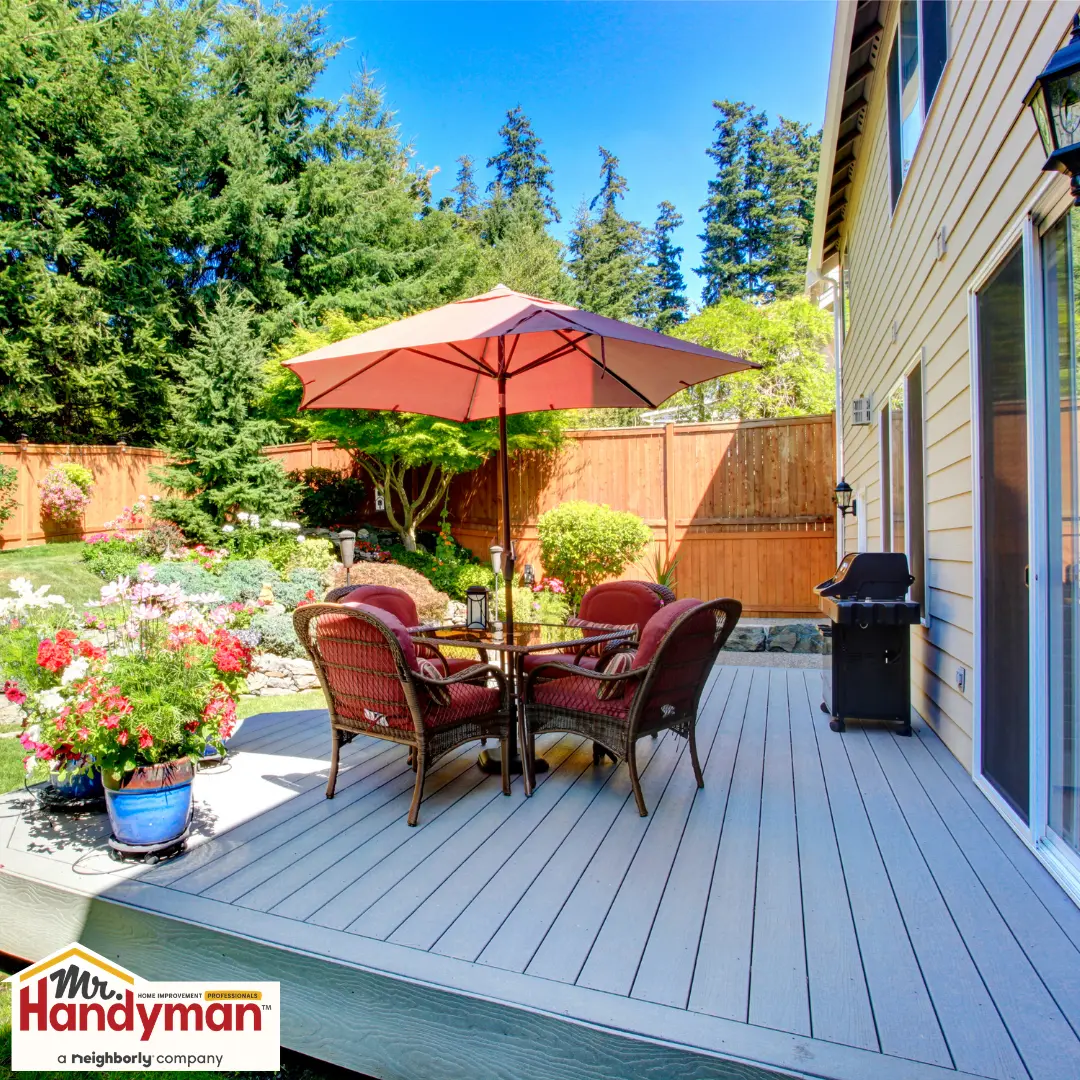
There is a specific quality to the arrival of outdoor living season in Northern St. Joseph and Elkhart Counties that homeowners who have lived through multiple Northern Indiana winters understand deeply. The outdoor season here is not a gradual expansion of pleasant conditions but a compressed and genuinely valued transition from one of Indiana's most demanding heating seasons into the spring and summer that the region delivers with the genuine warmth and outdoor appeal that the contrast with winter makes more precious than the same conditions would feel in a climate without Northern Indiana's winter as their preceding context.
That outdoor season is short by national standards. The window between the reliable spring thaw that frees outdoor spaces from winter's grip and the first fall freeze events that signal winter's return compresses the outdoor living calendar in Northern St. Joseph and Elkhart Counties in ways that every week of unprepared outdoor space represents a proportionally larger loss than the same week would in a longer outdoor season market. A deck that is not ready for use in late May is not simply behind schedule. It is losing a meaningful percentage of the outdoor season that Northern Indiana homeowners invest in outdoor living spaces specifically to use.
What Northern Indiana's winter delivers to decks and patios in the months between the previous outdoor season's last use and the current spring's first assessment is specific and predictable. The sustained below-zero temperatures that Lake Michigan's influence creates in the South Bend, Mishawaka, Elkhart, and Goshen areas test every structural connection in deck assemblies with the thermal cycling that the region's full temperature amplitude produces. The deep frost penetration that Northern Indiana's cold season creates beneath deck footings and patio slabs moves those foundations through the heave and settle cycle that each freeze-thaw event produces in the soil profile beneath them. And the lake-effect moisture events that deliver the season's precipitation to outdoor surfaces create the biological growth initiation conditions that spring's warming temperatures then activate across every horizontal deck and patio surface as winter retreats.
What Northern Indiana's Winter Produces in Deck Assemblies
Structural connection assessment after Northern Indiana's heating season is the deck preparation component whose importance the region's thermal cycling specifically elevates beyond what moderate-climate pre-season inspection requires. The temperature differential that Northern Indiana's sustained cold creates at metal hardware interfaces in deck assemblies, from the below-zero events of January through the freezing overnight temperatures that persist into March and April, creates the expansion and contraction at fastener connections, post base hardware, and ledger attachment points that advances loosening at rates that moderate-climate thermal cycling does not produce at the same amplitude.
Ledger connections at the house structure carry the combined load of the entire deck assembly, and the freeze-thaw cycling that the Eastern-facing and North-facing ledger interfaces experience in Northern Indiana homes exposes these critical connections to the moisture and thermal movement that collectively advance the conditions that physical assessment specifically evaluates. A ledger flashing that separated from its substrate through Northern Indiana's thermal cycling is directing freeze-thaw moisture into the wall or rim joist assembly behind it with every event that the winter delivered after that separation occurred, and spring assessment that identifies that condition provides the repair opportunity before the growing season advances whatever biological growth and wood deterioration the winter's moisture infiltration initiated.
Post base hardware at the deck's foundation level reflects the combined effects of Northern Indiana's sustained cold on metal connectors at or near grade and the clay and mixed soil conditions that portions of the service area carry beneath deck footings. Post base connectors in Northern Indiana experience the rust development and section loss that moisture cycling in the soil zone creates in metal hardware over multiple Northern Indiana heating seasons, and physical assessment that examines each post base for the corrosion progression that reduces structural section thickness identifies the hardware replacement candidates before the load they carry becomes the test that inadequate hardware fails under.
Decking board condition after Northern Indiana's winter reflects the moisture absorption and freeze expansion that the heating season's precipitation events and sustained cold deliver to wood decking boards that were not sealed or adequately maintained before winter arrived. Wood boards that absorbed moisture through checking that developed during previous outdoor seasons experienced the freeze expansion of that moisture through the sustained cold events that Northern Indiana's winter delivers and the thaw contraction that follows, advancing the checking, splitting, and surface degradation that progressive Northern Indiana winters produce in inadequately maintained wood.
Patio and Hardscape: What Frost Depth Creates in Northern Indiana

Concrete patio conditions after Northern Indiana's winter reflect the frost depth that the region's sustained cold creates beneath concrete flatwork and the heave and settle cycle that that frost depth drives in the concrete assemblies above it through each freeze and thaw event. Northern Indiana's frost depth significantly exceeds what more southerly climates produce, and the upward force that frost heave exerts on concrete flatwork in the soil beneath Northern Indiana patios creates the crack advancement, surface scaling, and slab movement that spring assessment identifies and restoration addresses before another outdoor season of foot traffic loads surfaces that winter has compromised.
Paver patio conditions in Northern Indiana reflect the frost heave effects on the sand and gravel base that individual pavers sit on, creating the surface irregularities and joint gaps that differential frost heave produces in paved assemblies over soil that Northern Indiana's frost penetrates deeply each heating season. Pavers that have settled unevenly through frost heave cycles create the trip hazard conditions that spring restoration addresses through base correction and paver releveling.
Wood Deck Surface Restoration for Northern Indiana's Outdoor Season

The surface restoration work that prepares Northern St. Joseph and Elkhart County wood decks for the outdoor season reflects the specific conditions that Northern Indiana's winter and the previous outdoor season together produced in deck surface materials, and the product and application knowledge that regional conditions demand distinguishes results that hold through the compressed but genuinely used Northern Indiana outdoor season from those that begin deteriorating before the season is half completed.
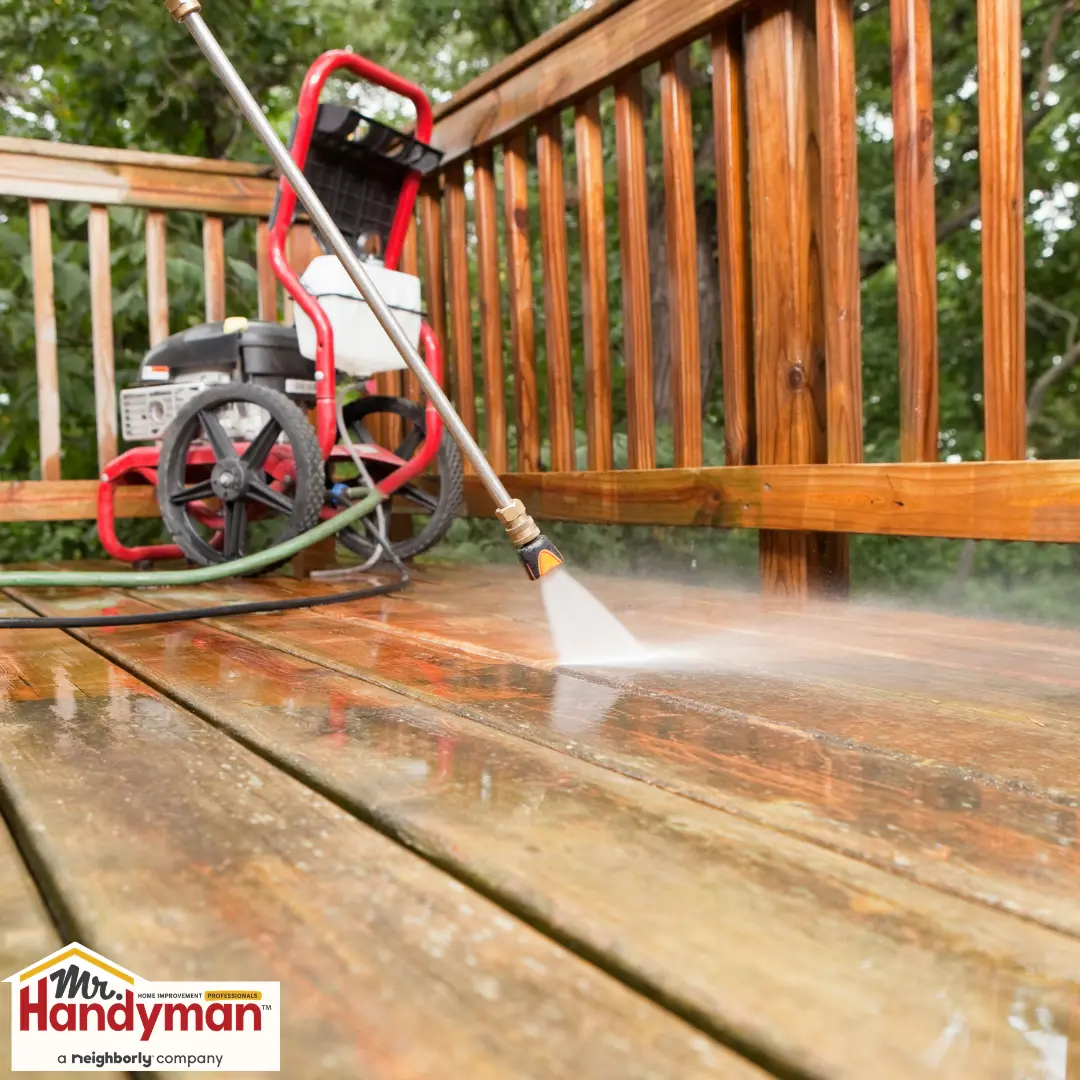
Deck cleaning before any surface treatment in Northern Indiana addresses both the lake-effect mineral and biological material that the heating season deposited on deck surfaces and the biological growth that spring's warming temperatures activate on surfaces whose winter moisture conditions prepared them for colonization. A deck surface in Northern Indiana that has not been cleaned before staining or sealing receives those treatments over the biological contamination and mineral film that bonding adhesion and penetration depth both require to be absent for the treatment to perform at its rated function. Professional cleaning with products appropriate for the specific decking material, applied at pressure and concentration settings that remove embedded material without surface fiber damage, establishes the substrate quality that surface treatment requires to deliver the protection that the Northern Indiana outdoor season will test from its first significant rain event forward.
Penetrating oil-based stain selection for Northern Indiana wood decks provides the UV protection and moisture resistance that the region's outdoor season demands in a formulation that flexes with the dimensional changes that Northern Indiana's thermal cycling drives in wood decking rather than the peeling failure that film-forming alternatives develop at the temperature extremes that Northern Indiana's seasonal range creates. The penetrating stain that absorbs into wood fiber rather than forming a surface film accommodates the wood's dimensional response to Northern Indiana's humidity and temperature variation without the adhesion failure that film-forming products develop when thermal cycling exceeds the movement tolerance that their surface film provides.
Application timing within Northern Indiana's spring window is more consequential here than in moderate-climate deck restoration because the window between adequate spring temperatures for proper product penetration and cure and the arrival of summer's warmth that concentrates the outdoor season's use on restored surfaces is compressed in Northern Indiana's climate calendar. Deck staining completed in late April or May applies treatment at the temperature conditions between fifty and ninety degrees that product penetration and cure require and delivers a cured surface before Memorial Day weekend activates the outdoor season use that Northern Indiana's compressed calendar concentrates into its most socially active months.
Structural Safety Verification Before the Outdoor Season Begins
Physical railing testing throughout the deck perimeter and at stair sections is the safety assessment whose execution specifically protects the Northern Indiana household through the outdoor season that follows without the assurance that visual observation alone cannot provide. A railing that appears intact from arm's length may carry the post connection loosening that Northern Indiana's thermal cycling produced at hardware interfaces through the heating season, and the lateral force testing that physically loads each post and section at the levels that member leaning and children's weight creates during outdoor gathering confirms the connection integrity that appearance does not.
Stair structural assessment evaluates the stringer connections, tread fastener condition, and the landing surface condition that Northern Indiana's frost heave may have shifted since the previous outdoor season's use. Stair sections in Northern Indiana deck assemblies experience the frost movement that the soil beneath stair landings and the footings that support stair stringers undergoes through each freeze-thaw cycle of the heating season, and the cumulative effect of multiple Northern Indiana winters on stair alignment and structural connection condition warrants the spring assessment that confirms safe stair function before the outdoor season's traffic loads these components at their typical frequency.
Deck board fastener assessment throughout the surface evaluates the fasteners that have worked proud of the decking surface through the wood movement that Northern Indiana's moisture and temperature cycling drives in the decking above the framing below. Fastener heads elevated above the decking surface create the trip hazard and foot contact risk that pre-season assessment identifies and correction addresses before the outdoor season's barefoot and casual footwear use concentrates foot traffic on surfaces whose fastener conditions were not confirmed before that use began.
Patio Furniture and Outdoor Equipment Readiness
Furniture inspection and service before the Northern Indiana outdoor season evaluates the condition that either storage through the heating season or outdoor exposure through the winter produced in patio furniture, outdoor dining sets, and the recreational equipment that Northern Indiana households use through the compressed but genuinely active outdoor season.
Furniture stored through Northern Indiana's heating season emerges in spring with the storage condition it was placed in and with whatever the storage environment's temperature cycling produced in frame joints, fabric condition, and mechanical components like reclining mechanisms and folding hardware. Physical inspection before deployment to the deck or patio confirms the structural integrity and fabric condition that the season's use will depend on, and any repairs identified before deployment are addressed at the spring timing that allows completion before the outdoor season's first use rather than during the season when the furniture is already in service.
Outdoor shade structures including pergolas, awnings, and freestanding canopies require spring inspection that evaluates the connection integrity and fabric or panel condition that Northern Indiana's winter wind events and the previous outdoor season's UV and weather exposure produced. The persistent winds that Northern Indiana's position relative to Lake Michigan creates through the outdoor season continuously load shade structure connections in ways that the cumulative effect of multiple seasons advances toward the loosening that spring physical assessment identifies and correction addresses before the summer wind events that Northern Indiana's thunderstorm season delivers test those connections under the loading conditions that pre-season correction would have secured against.
Frequently Asked Questions
How often should wood decking in Northern Indiana be stained or sealed?
Quality penetrating stain on Northern Indiana wood decking requires reapplication every two to three years given the lake-effect moisture exposure, thermal cycling amplitude, and the precipitation that the outdoor season's weather events deliver to horizontal deck surfaces. The lower end of that range reflects the exposure conditions that south and west-facing deck surfaces experience in Northern Indiana's combination of summer sun and winter lake-effect events, while protected north-facing or heavily shaded decks may approach the upper end before reapplication is warranted. The functional test that determines when reapplication is needed regardless of calendar interval is whether water beads on the deck surface or absorbs into it, with absorption indicating that the current application is no longer providing adequate moisture protection.
Is composite decking worth the premium over pressure-treated wood for Northern Indiana homes?
For Northern Indiana homeowners whose outdoor season use pattern and available maintenance time make the annual staining and sealing that wood decking requires in this climate a persistent deferral rather than a reliable spring priority, composite decking's elimination of those maintenance requirements represents a genuine practical advantage that the premium over pressure-treated wood recovers through the maintenance cost and labor elimination over the installation's service life. Quality composite decking handles Northern Indiana's thermal cycling and lake-effect moisture exposure without the surface checking and biological growth that wood decking develops between maintenance intervals, and the performance consistency it delivers through the region's demanding seasonal cycling supports the investment for homeowners whose maintenance history suggests that wood maintenance will continue being deferred.
What concrete patio repair should be completed before Northern Indiana's outdoor season begins?
Crack sealing with flexible polyurethane filler that accommodates the minor movement Northern Indiana's frost heave produces at concrete crack locations should precede any surface treatment or decorative work on concrete patios. Sealer applied over unsealed cracks traps moisture in the concrete around those cracks that the next Northern Indiana freeze event then expands, advancing crack development that pre-season sealing would have interrupted. Surface scaling that Northern Indiana's freeze-thaw cycling produces on concrete patio surfaces warrants the resurfacing assessment that distinguishes cosmetically acceptable surface texture from structurally compromised scaling that continues advancing without treatment intervention.
How do I know if my Northern Indiana deck footings have moved through frost heave?
Post plumb assessment using a level applied to each post from two perpendicular directions reveals the post position changes that frost heave in Northern Indiana's soil profile has produced since the previous assessment. Posts that are no longer plumb in either direction have experienced the movement that frost cycling in Northern Indiana's deep freeze zone creates beneath deck footings that do not extend below the regional frost depth. Any post showing movement from its original plumb position warrants structural assessment that evaluates whether the footing depth is adequate for Northern Indiana's frost penetration before continued outdoor season use loads the structural assembly whose foundation has shifted.
What is the most important pre-season deck safety check in Northern Indiana?
Ledger connection assessment at the house structure is the single most consequential safety check in Northern Indiana pre-season deck inspection because ledger failure is the failure mode with the most severe consequence and the mechanism through which Northern Indiana's thermal cycling and lake-effect moisture most directly advances structural compromise at this critical connection. The ledger carries the full deck load at the most moisture-vulnerable location in the assembly, and the combination of freeze-thaw cycling, flashing condition, and the fastener movement that Northern Indiana's thermal amplitude creates at the ledger-to-house interface warrants the physical examination that spring assessment should always include regardless of what surface conditions or other structural findings the inspection produces.
Northern Indiana's Outdoor Season Deserves a Prepared Outdoor Space
The compressed outdoor season that Northern Indiana's climate creates makes every prepared week of outdoor living proportionally more valuable than the same week represents in a longer-season market, and the deck and patio preparation investment made in spring delivers its return through every gathering, every evening on the deck, and every outdoor living moment that a safe, sound, and properly finished outdoor space provides through the months that Northern Indiana delivers at its genuine outdoor best.
The team at Mr. Handyman of Northern St. Joseph and Elkhart Counties has the experience to assess, restore, and prepare your deck or patio for everything Northern Indiana's outdoor season brings.
Website: https://www.mrhandyman.com/northern-st-joseph-elkhart-counties/
Serving homeowners throughout Northern St. Joseph and Elkhart Counties with dependable service and the expertise your home deserves.