
What Lake-Effect Winters Leave Behind on Outdoor Structures
Summer arrives in St. Joseph and Elkhart Counties and households across Mishawaka, Elkhart, Goshen, Bristol, New Carlisle, and the surrounding communities move outdoors with the enthusiasm that northern Indiana's warm months generate after the region's demanding winters. The deck furniture comes out of storage. The grill gets its first use of the season. Guests arrive for the outdoor gatherings that summer evenings in northern Indiana are made for. And somewhere in that first week of outdoor activity, someone notices the deck board that gives slightly underfoot in a way it didn't last September, the porch railing that shifts perceptibly when a hand presses against it, or the painted porch floor whose surface has developed the peeling and checking that lake-effect winter's moisture and cold did while no one was watching from inside the warm house.
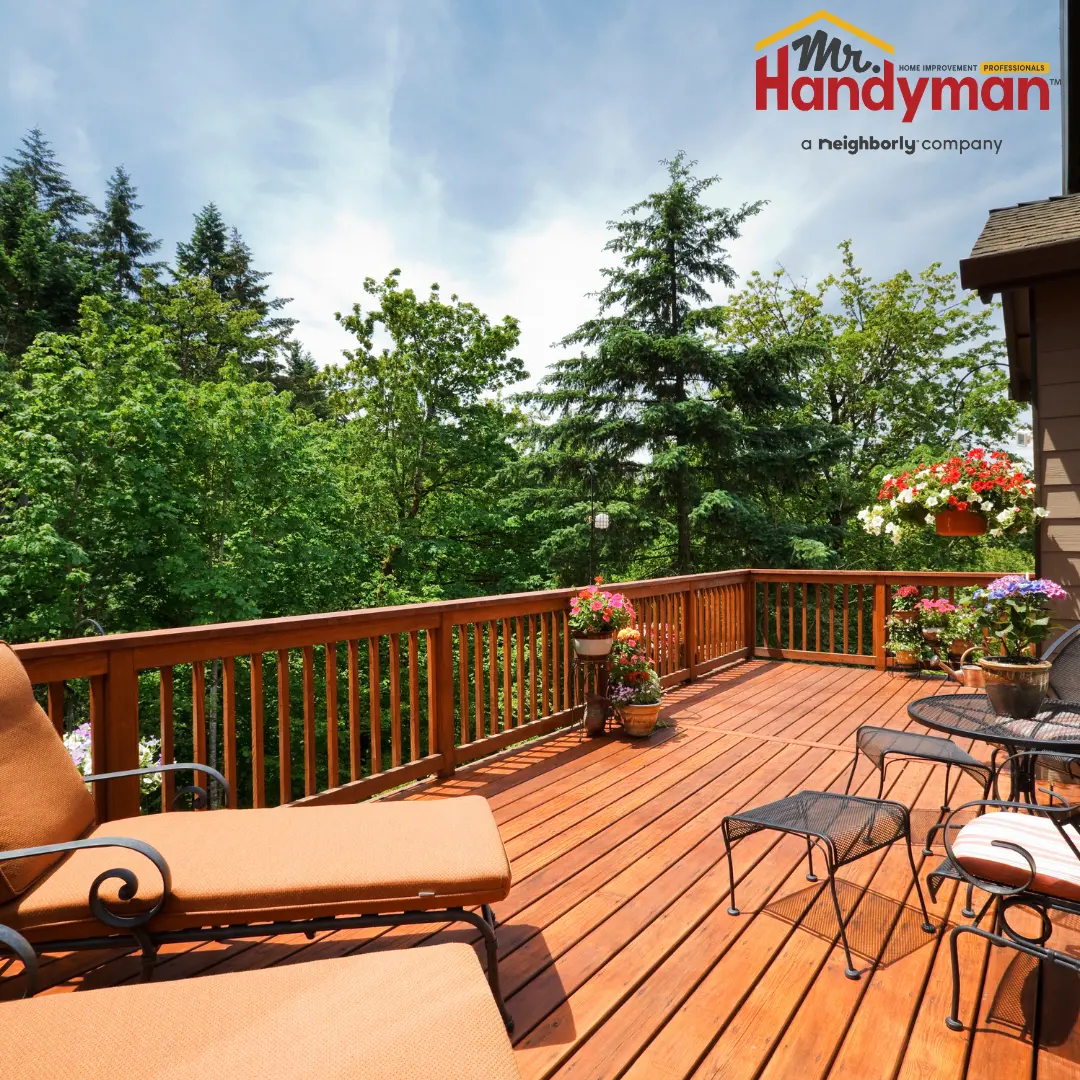
Lake Michigan's influence on St. Joseph and Elkhart County's winters creates specific and consistent deterioration patterns in outdoor wood structures that exceed what inland Indiana communities without lake-effect influence experience at comparable property ages. The heavy snowfall accumulation that lake-effect precipitation delivers to communities throughout the service area deposits more moisture on outdoor structures for longer periods than drier inland winters create, advancing the sustained moisture contact that wood deterioration and hardware corrosion require at rates that northern Indiana's specific climate amplifies. The freeze-thaw cycling that the region's transitional temperature periods create, where temperatures move repeatedly through the freeze threshold rather than staying consistently below it, advances deterioration in wood fiber, hardware connections, and concrete footings through more annual cycles than equivalent cold temperatures without the lake's moderating temperature influence would produce.
By the time summer's outdoor living season arrives and the deck or porch comes under the full load of household use, guest occupancy, and the furniture and equipment that outdoor living requires, the structural and surface conditions that another lake-effect winter and wet spring have advanced are at their most recently expressed state and deserve the systematic assessment and repair program that summer readiness requires before the structures serve summer's gatherings at the structural integrity that safe outdoor use demands.
Mr. Handyman of Northern St. Joseph and Elkhart Counties delivers the outdoor structure assessment and repair services that summer readiness requires throughout the service area.
Railing Safety Assessment: The Non-Negotiable Starting Point
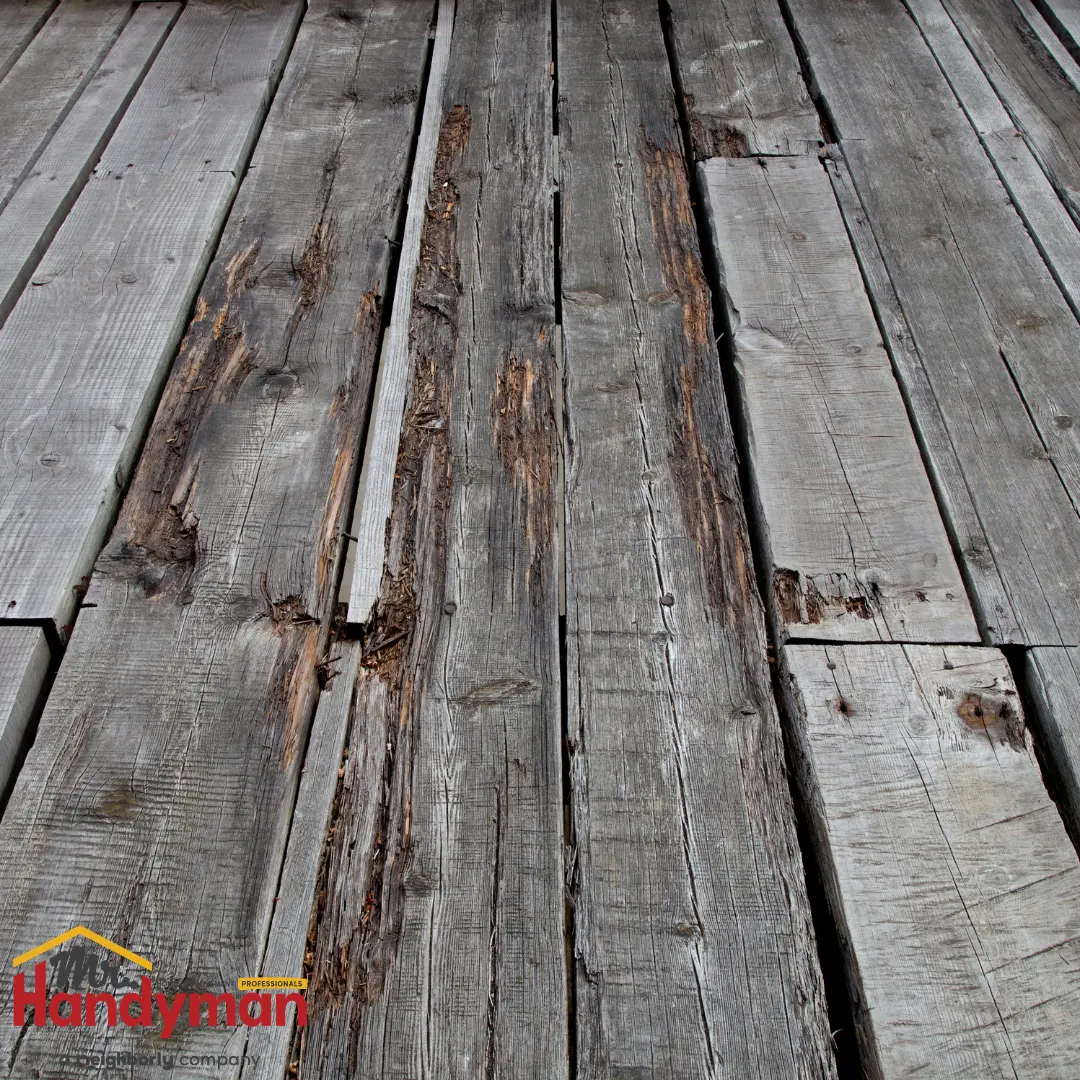
Every deck and porch assessment in St. Joseph and Elkhart County homes should begin with railing structural evaluation rather than with surface condition, because the consequence of railing failure under occupant loading differs categorically from the consequence of every other outdoor structure condition. A deteriorated deck board creates an unpleasant surprise underfoot. A railing that fails under the lateral force that a person falling against it creates results in a fall from elevation whose injury potential the height above grade and the surface below both determine. That categorical difference in consequence makes railing assessment the specific safety evaluation that every elevated deck and porch railing system requires before summer's use brings household members and guests into full-loading contact with those systems.
The Force Test That Visual Inspection Cannot Replace
Visual railing inspection identifies surface deterioration conditions that suggest compromised structural integrity but cannot confirm the load resistance that the railing system provides against sudden lateral force. Railing post connections that have developed the looseness that hardware corrosion and wood shrinkage create through lake-effect seasonal cycling may appear visually sound while providing a fraction of the structural resistance that connected posts should deliver. The force test that professional railing assessment applies at multiple points along every railing section, at every post connection, and at the top rail through its full span between posts provides the load response information that visual inspection cannot reveal.
Lake-effect winters create the specific conditions that make the force test particularly important in northern Indiana, because the moisture accumulation that heavy snowfall deposits at post bases and hardware connections through extended contact periods, combined with the repeated freeze-thaw cycling that the region's transitional temperature pattern creates in those specific locations, advances hardware corrosion and wood deterioration at rates that casual visual inspection at the surface level consistently underestimates until the force test reveals the structural inadequacy that the surface appearance didn't suggest.
Post Connection Conditions in St. Joseph and Elkhart County Homes
Railing post connections in northern Indiana decks and porches from the 1990s through the 2000s reflect the installation methods and hardware specifications of those construction eras, and those specifications have been updated through successive building code revisions that reflect accumulated knowledge about what connection methods perform adequately under real-world loading. Post connections that rely on through-bolts into the rim joist without the additional connection hardware that current code requires, and posts attached to the deck surface through surface-mounted hardware rather than through the structural framing connection that provides adequate lateral resistance, are connection conditions that lake-effect seasonal deterioration advances more rapidly toward inadequacy than properly engineered connections whose additional hardware provides redundant load path resistance.
Baluster Spacing Assessment
Baluster spacing that exceeds four inches creates the entrapment hazard that building codes address through the four-inch sphere rule, which requires that no opening in a railing system allow a four-inch sphere to pass through. Decks and porches in St. Joseph and Elkhart County homes from earlier construction eras may carry baluster spacing that pre-dates or was not installed to current requirements, and summer's family gatherings that bring children into contact with these railings create the specific hazard that non-compliant spacing represents. Measuring baluster spacing as part of every railing assessment and correcting through baluster addition or replacement produces the compliant spacing whose safety benefit is immediate and permanent.
Deck Board and Porch Floor Assessment
Surface Board Condition Indicators
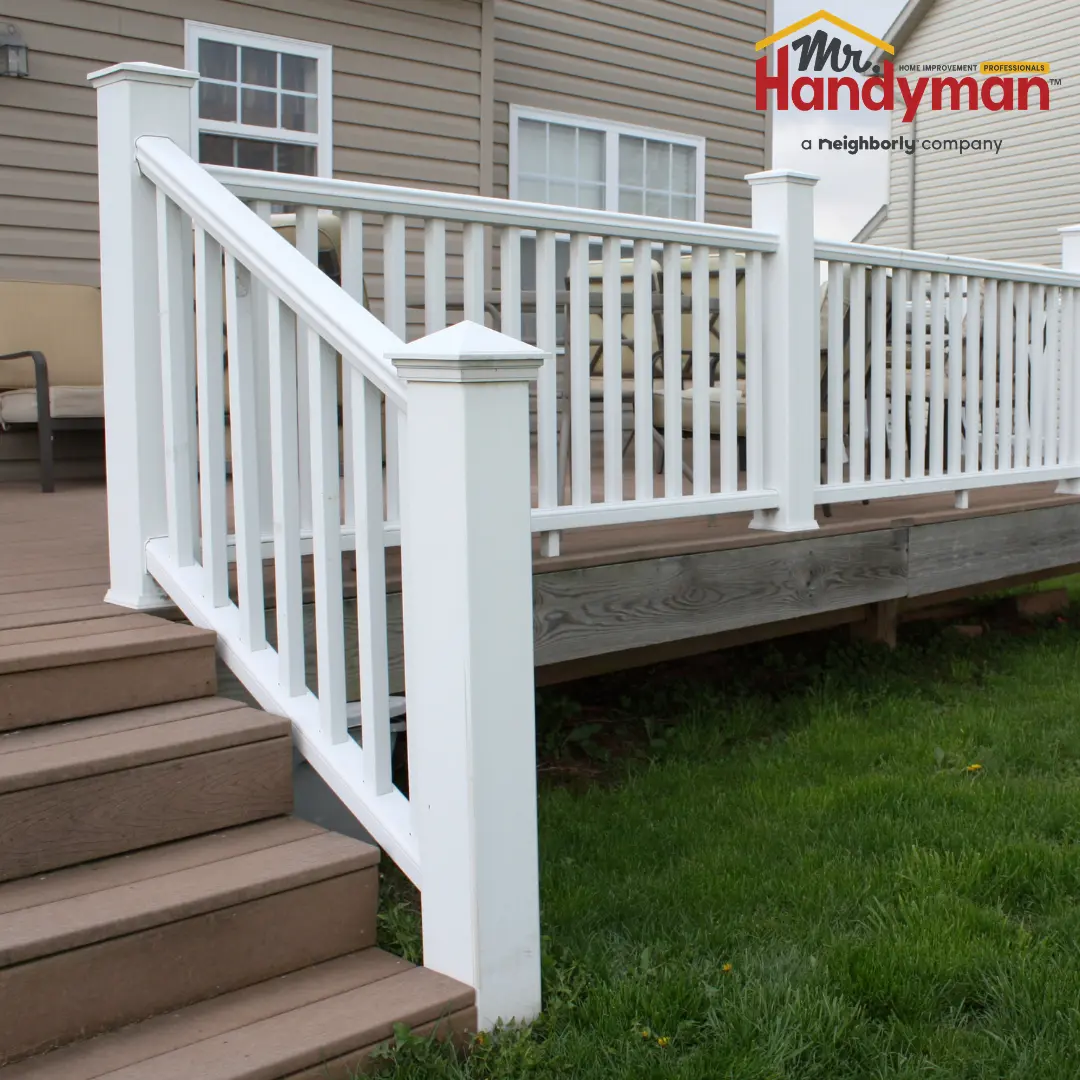
Deck and porch floor boards in northern Indiana communicate their condition through the specific visual and tactile indicators that lake-effect seasonal exposure advances in wood surfaces without consistent protective treatment maintenance. The soft, spongy feel underfoot that moisture-compromised wood fiber produces is the most directly diagnostic surface board condition because it indicates structural deterioration rather than surface weathering, and boards showing this condition are replacement rather than refinishing candidates. The heavy snowfall accumulation that lake-effect winters deposit on deck surfaces for extended periods through the cold months creates the sustained moisture contact at board surfaces, end grain locations, and fastener penetrations that advances the fiber deterioration that summer's first careful deck walk identifies through the soft spots that probe inspection or careful foot pressure reveals.
End grain locations are specifically the board positions whose moisture absorption rate most accelerates deterioration in lake-effect conditions. The end grain at cut board ends, at fastener penetrations, and at any location where the board's interior wood fiber is exposed to direct moisture contact absorbs water at rates that dramatically exceed face grain absorption, and the extended moisture contact that northern Indiana's snow accumulation creates at these locations advances deterioration faster than equivalent moisture exposure in shorter or drier winter conditions.
Fastener Assessment and Correction
The fasteners securing deck and porch floor boards have experienced the thermal cycling that northern Indiana's seasonal temperature range creates in every material, and that cycling advances the fastener protrusion that boards expanding and contracting around fixed fasteners produces over successive lake-effect seasonal cycles. Fasteners that have worked above the board surface create the barefoot hazard and snag point that summer's outdoor use creates at every protruding fastener location across the complete deck surface. Walking the complete deck surface systematically before summer's first barefoot occasion, identifying every protruding fastener, and correcting each through counter-sinking or driving flush and adding a screw fastener in the corrected position eliminates the hazard that lake-effect thermal cycling consistently creates in northern Indiana deck fastener conditions.
Structural Framing Access and Assessment
The structural framing below the deck surface is the most consequential component that professional inspection accesses at the locations that visible surface examination doesn't reach. Joist condition at the rim joist attachment and at midspan, beam condition at post connection locations, and the ledger board condition at the house wall attachment are the framing locations whose deterioration creates structural risk that surface board replacement alone doesn't address. In St. Joseph and Elkhart County homes where ledger board installation predates the flashing standards that current code requires, the moisture accumulation that inadequate original flashing has been allowing through every rain and snowmelt event since installation may have advanced the ledger condition beyond what surface assessment at the deck level suggests.
Porch-Specific Conditions in Northern Indiana Homes
Original Porch Construction in Established Neighborhoods
The established neighborhoods throughout Mishawaka, Elkhart, and Goshen include housing stock whose original front and rear porch construction reflects the architectural character and construction methods of the periods when each home was built. Original wood porch columns, turned balusters, and the decorative elements that period residential design incorporated carry the architectural character that connects each home to its construction era, and assessment of these elements appropriately evaluates condition against the spectrum from sound material requiring only protective treatment through deterioration requiring repair to structural compromise requiring replacement.
Column base deterioration is the most consistently active deterioration location in original wood porch columns throughout northern Indiana's established neighborhoods, because the base of each column is where moisture accumulation from the porch floor surface is most concentrated and where the extended snow contact that lake-effect winters create at porch floor level maintains the sustained wet wood environment that rot advances through in the specific locations where inadequate drainage or finish maintenance has allowed moisture to accumulate through multiple northern Indiana winters without adequate protective treatment renewal.
Porch Floor Boards and Paint Condition
Porch floor boards in St. Joseph and Elkhart County homes experience the moisture and freeze-thaw conditions that northern Indiana's climate creates at horizontal wood surfaces through each seasonal cycle. The heavy snowfall that lake-effect precipitation deposits on porch floors through the winter months, followed by the freeze-thaw cycling that the region's transitional temperature periods create in the moisture that snowmelt deposits in wood fiber and paint film, advances the paint failure and surface deterioration that each northern Indiana winter contributes to the accumulated condition that spring assessment reveals. Porch floors showing active paint peeling, bare wood exposure at wear areas, and the surface checking that UV and moisture cycling creates in unprotected wood are candidates for surface preparation and refinishing. Porch floors showing soft spots, structural flex underfoot, or board edge deterioration from moisture infiltration at board joints are candidates for individual board replacement alongside the refinishing program.
Protective Treatment Timing and Product Selection for Northern Indiana
The Application Window That Summer's Beginning Creates
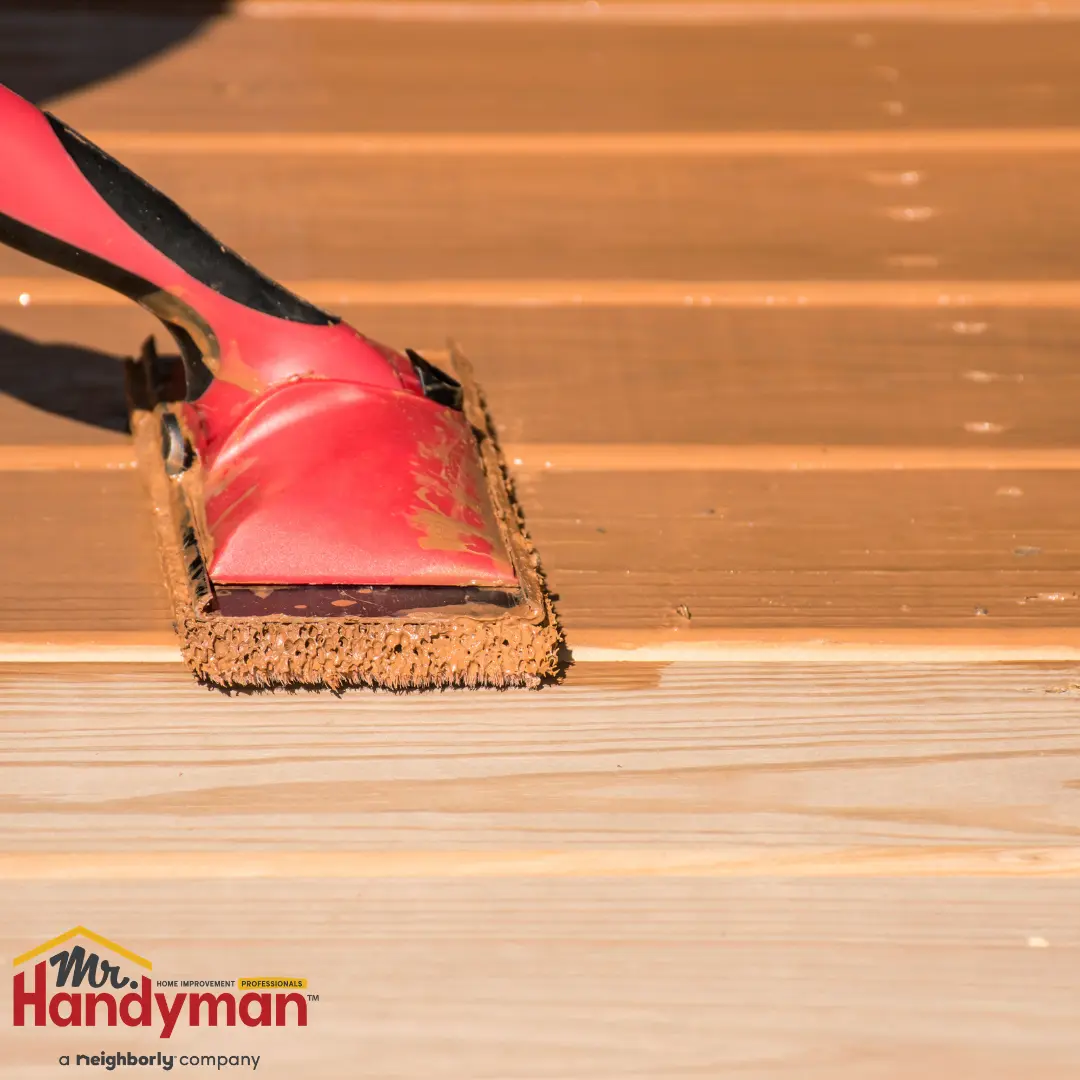
Late spring through early summer, after St. Joseph and Elkhart County's active rainfall and snowmelt season has moderated and temperatures have reached the consistent warm range that protective finish application and curing requires, is the most productive application timing for deck and porch protective treatment in northern Indiana. Applying protective finish before the outdoor living season's primary use occasions ensures the treated surface serves summer's gatherings with fresh protective coverage from the season's beginning rather than being treated mid-season after early summer's first outdoor occasions have already placed unprotected surfaces under use.
Product Selection for Lake-Effect Climate Conditions
Northern Indiana's heavy snowfall creates the extended moisture contact that protective finish product selection should account for specifically alongside the UV protection and mildewcide content that any outdoor wood finish requires. Products with penetrating oil formulations that drive moisture-displacing oils into the wood fiber rather than forming surface films that moisture can work beneath provide the most complete protection for St. Joseph and Elkhart County deck surfaces that lake-effect snow accumulation subjects to extended moisture contact through each winter season. Adequate mildewcide content for the moisture conditions that lake-effect precipitation creates in northern Indiana's outdoor wood environments is the specific product specification dimension that distinguishes appropriate from inadequate protective products for this specific regional climate.
Surface preparation that precedes protective treatment application is the variable whose quality most directly determines how long the treatment performs. Cleaning that removes biological growth, dirt, and any remaining failed finish from the wood surface before application, using a deck cleaner that opens the wood grain rather than simply removing visible surface contamination, allows penetrating products to reach the wood fiber depth that durability requires.
When Outdoor Structure Conditions Warrant More Than Repair
The systematic assessment that this guide describes will confirm adequate or repairable conditions in most deck and porch components for most St. Joseph and Elkhart County homes whose maintenance has been reasonably consistent. It will also identify specific homes where the accumulated lake-effect deterioration across structural framing, post bases, ledger condition, and surface boards has advanced to the point where comprehensive repair scope approaches or exceeds replacement cost without delivering replacement's complete structural renewal. When assessment reaches this conclusion, Mr. Handyman of Northern St. Joseph and Elkhart Counties provides the honest guidance that accurate assessment produces rather than the repair recommendation that maximizes service scope at the expense of the homeowner's long-term interest.
Frequently Asked Questions
How does lake-effect winter specifically affect deck and porch deterioration rates in St. Joseph and Elkhart Counties?
Lake Michigan's influence on northern Indiana winters creates several specific outdoor structure deterioration amplifiers that inland Indiana communities without lake-effect influence don't experience at the same intensity. The heavier snowfall that lake-effect precipitation delivers deposits more moisture on outdoor structures for longer contact periods than drier inland winters create, advancing the sustained moisture contact that wood deterioration and hardware corrosion require. The more frequent freeze-thaw cycling that the lake's moderating temperature influence creates as temperatures move repeatedly through the freeze threshold advances deterioration in wood fiber, hardware connections, and concrete footings through more annual cycles than equivalent cold without the lake's transitional temperature pattern. And the spring snowmelt that concentrated winter accumulation produces creates the concentrated moisture loading at post bases and ledger connections that the season's maximum deterioration expression reflects.
How often should St. Joseph and Elkhart County homeowners assess their deck and porch conditions?
Annual spring assessment after lake-effect winter has expressed its full effects on outdoor structures, and before summer's use brings full occupancy loading to those structures, is the assessment timing that northern Indiana's specific climate and outdoor structure safety most directly motivate. This annual assessment should include the railing force testing that visual inspection cannot replace, the surface board and fastener walk-through that identifies individual deteriorated members and protruding fasteners, and the structural framing inspection at the highest-risk deterioration locations that casual observation from the deck surface doesn't reveal.
What protective finish products work best on St. Joseph and Elkhart County decks and porches?
Penetrating oil-based or water-based stains with adequate mildewcide content for northern Indiana's moisture conditions, adequate UV-inhibiting pigment for the summer sun intensity that the region's outdoor season creates, and the flexibility rating appropriate for the seasonal temperature range that lake-effect winters and northern Indiana summers create together provide the most complete protective performance for outdoor wood in this specific regional climate. The specific product selection within these criteria depends on the wood species, existing finish history, and the color direction each homeowner's deck or porch warrants.
Does deck and porch repair in Mishawaka and Elkhart require building permits?
Structural repairs including ledger board replacement, post replacement, and footing work typically require building permits in the municipalities throughout the service area. Surface board replacement, fastener correction, railing hardware replacement, and protective treatment application typically do not require permits. Mr. Handyman of Northern St. Joseph and Elkhart Counties identifies the permit requirements for each specific repair scope before work begins.
The Outdoor Structure That Serves Northern Indiana Summer Safely
Summer in St. Joseph and Elkhart Counties is the season that makes the deck and porch worth having, and the outdoor structures that summer's gatherings, family visits, and warm evenings depend on should be structures whose safety and condition have been confirmed before the season places full demand on them. The systematic assessment and repair program this guide describes, from the railing force testing that safety requires through the structural framing assessment that surface-level inspection doesn't replace through the protective treatment that lake-effect moisture conditions and northern Indiana's UV intensity demand, ensures that the outdoor structure serves summer's occasions safely and completely rather than revealing its accumulated winter deterioration under summer's first significant use.
Mr. Handyman of Northern St. Joseph and Elkhart Counties is ready to help homeowners throughout the service area assess, repair, and protect their outdoor structures before summer's prime weeks arrive.
Website: https://www.mrhandyman.com/northern-st-joseph-elkhart-counties/
Serving Northern St. Joseph and Elkhart Counties with dependable service and the expertise your home deserves.