
The Summer Drain Problem Northern Indiana Homeowners Recognize
There is a home maintenance mystery that St. Joseph and Elkhart County homeowners encounter with reliable summer consistency. Winter passes without incident. Spring arrives and the house smells fine. Then July settles in with its humidity and heat, and something in the kitchen or a bathroom drain starts producing an odor that ranges from mildly unpleasant to genuinely offensive, with no obvious source that quick cleaning addresses.
The drain is the source, and the heat is the reason it is happening now rather than in February. Northern Indiana's summers, while shorter than the extended heat seasons that more southerly climates experience, bring the combination of genuine warmth and the humidity that Lake Michigan's proximity creates in communities throughout St. Joseph and Elkhart Counties that is sufficient to activate the bacterial decomposition in drain lines that winter's cooler temperatures kept at a rate too slow to produce noticeable odor. Understanding why hot weather amplifies drain odors transforms the mystery into a solvable maintenance problem whose specific cause determines the specific fix.
Mr. Handyman of Northern St. Joseph and Elkhart Counties serves homeowners throughout Mishawaka, Elkhart, Goshen, Bristol, New Carlisle, and the surrounding communities with the drain maintenance and repair services that go beyond what homeowner remedies resolve, and this guide covers both the homeowner-accessible solutions and the indicators that professional service is the right next step.
Why Heat Makes Drain Odors Worse in Northern Indiana
The organic material that drain lines accumulate through normal household use, specifically the food particles, grease, hair, soap residue, and general organic debris that every active household drain collects through daily use, does not sit inertly in the drain environment. It decomposes through bacterial action, and bacterial decomposition produces the sulfur compounds and other organic gases that drain odor is made of.
Heat accelerates bacterial activity significantly. The biological principle that makes food spoil faster in summer than in winter applies equally to the organic material in drain lines, and the warm temperatures that St. Joseph and Elkhart County summers bring, combined with the humidity that Lake Michigan's proximity sustains through the warm months, create the warm, moist environment that bacterial decomposition thrives in. The result is that the same drain accumulation that produced no noticeable odor through winter's cooler temperatures generates the sulfur smell that summer heat activates by accelerating the decomposition rate of whatever organic material the drain line is carrying.
The humidity dimension amplifies this effect because humid air carries odor compounds more effectively than dry air. The gases that bacterial decomposition produces in drain lines travel through the plumbing system's vent connections and through the water in drain traps, and in humid northern Indiana summer air those gases disperse into the living space more readily than the drier winter air allows. A household that smells nothing from its drains in January may smell distinctly from the same drains in July not because the accumulation is worse but because summer's conditions carry and amplify odor at their seasonal peak.
The P-Trap: The Most Common Source and the Easiest Fix
What a P-Trap Is and What It Does
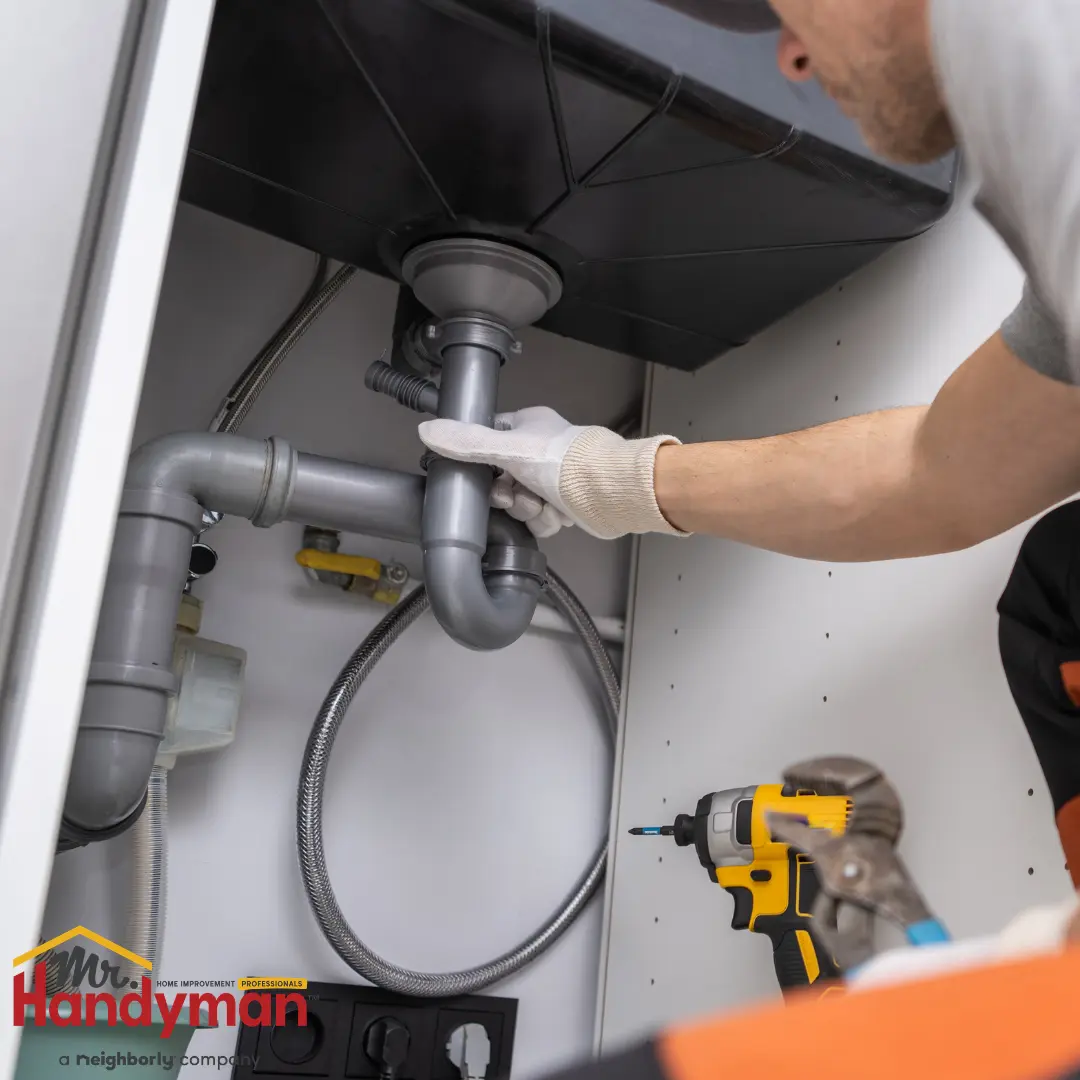
Every drain in your home connects to the plumbing system through a curved pipe section called a P-trap whose curve holds a small amount of standing water that creates the physical barrier between the drain opening and the sewer gases that exist throughout the drain line system beyond the trap. That standing water seal is what prevents the hydrogen sulfide and methane gases that the municipal sewer system generates from traveling freely through the drain line into the living space. When the P-trap works correctly, sewer system odors stay in the sewer system. When it fails, they don't.
Dry P-Traps in Summer
The most common P-trap failure in St. Joseph and Elkhart County homes during summer is evaporation. A drain that receives infrequent use allows the standing water in its P-trap to evaporate through the warm summer air, breaking the water seal and opening a direct path for sewer gases to travel from the drain line into the room. Seldom-used basement drains, guest bathroom drains that sit idle between visits, utility sink drains in laundry rooms that aren't used daily, and floor drains in garages or utility spaces are all candidates for dry trap evaporation in northern Indiana's summer warmth.
The fix is as simple as the cause. Running water down the unused drain for thirty seconds refills the trap and restores the water seal. Making this a monthly habit through summer for every drain in the home that doesn't receive daily use prevents the dry trap condition from developing rather than responding to the odor after the seal has already failed. For drains in truly infrequently used spaces, adding a small amount of mineral oil after running water creates a layer that slows evaporation significantly and extends the seal's effective duration between maintenance flushes.
Biofilm Accumulation in Active P-Traps
P-traps that receive regular use don't dry out but can develop biofilm accumulation on the trap's interior surfaces that produces its own odor independent of sewer gas intrusion. The organic material that passes through the trap each day leaves a residue that builds progressively on the curved trap surface, and in summer's warmth that biofilm becomes an active bacterial culture whose decomposition produces the rotten egg and sulfur odor that rises from the drain in hot weather.
Cleaning P-trap biofilm requires more than running hot water through the drain. The baking soda and vinegar treatment that addresses biofilm most effectively pours each component sequentially down the drain and allows the fizzing reaction to work through the trap for fifteen minutes before flushing with hot water. This treatment dissolves and dislodges the biofilm that accumulated on trap surfaces without the pipe-damaging chemical action that commercial drain cleaners create with repeated use. Monthly treatment through summer prevents biofilm from reaching the accumulation level that produces noticeable odor in St. Joseph and Elkhart County homes.
Kitchen Drain Odors: Grease and Food Accumulation
What Summer Cooking Creates in Kitchen Drain Lines

Kitchen drain odor in northern Indiana homes during summer is overwhelmingly attributable to grease and food particle accumulation in the drain line, specifically the buildup that happens between the P-trap and further reaches of the drain line where grease that entered in liquid form at cooking temperatures has solidified on the pipe wall and is now decomposing in summer's heat. Grease that goes down the kitchen drain does not flow harmlessly to the sewer. It cools as it travels through the drain line and adheres to the pipe wall in layers that accumulate with each cooking session. In summer's warmth, that accumulated grease decomposition accelerates, producing the rancid food-waste odor that rises from kitchen drains in hot weather.
The Treatment That Actually Reaches the Source
Addressing kitchen drain grease accumulation requires getting a cleaning action beyond the drain opening and the P-trap to where the grease deposit exists in the drain line. The most effective homeowner approach combines boiling water, dish soap, and baking soda in a sequence that chemically converts accumulated grease into a soap-like substance that rinses away. Pour a half cup of dish soap down the drain, followed by boiling water to the limit your kettle produces, then let the hot soapy water work through the line for five minutes before following with a baking soda and vinegar treatment and a final hot water flush.
Garbage disposal maintenance is a component of kitchen drain odor management specific to homes equipped with disposals, because the disposal's grinding chamber and the rubber splash guard at the drain opening accumulate food residue in spaces that water running through the disposal doesn't clean. Cleaning the underside of the rubber splash guard with a brush and dish soap, and processing ice cubes through the disposal to clean the grinding chamber, addresses the disposal-specific odor sources that kitchen drain cleaning alone doesn't reach.
Bathroom Drain Odors: Hair, Soap, and Biofilm
What Bathroom Drains Accumulate
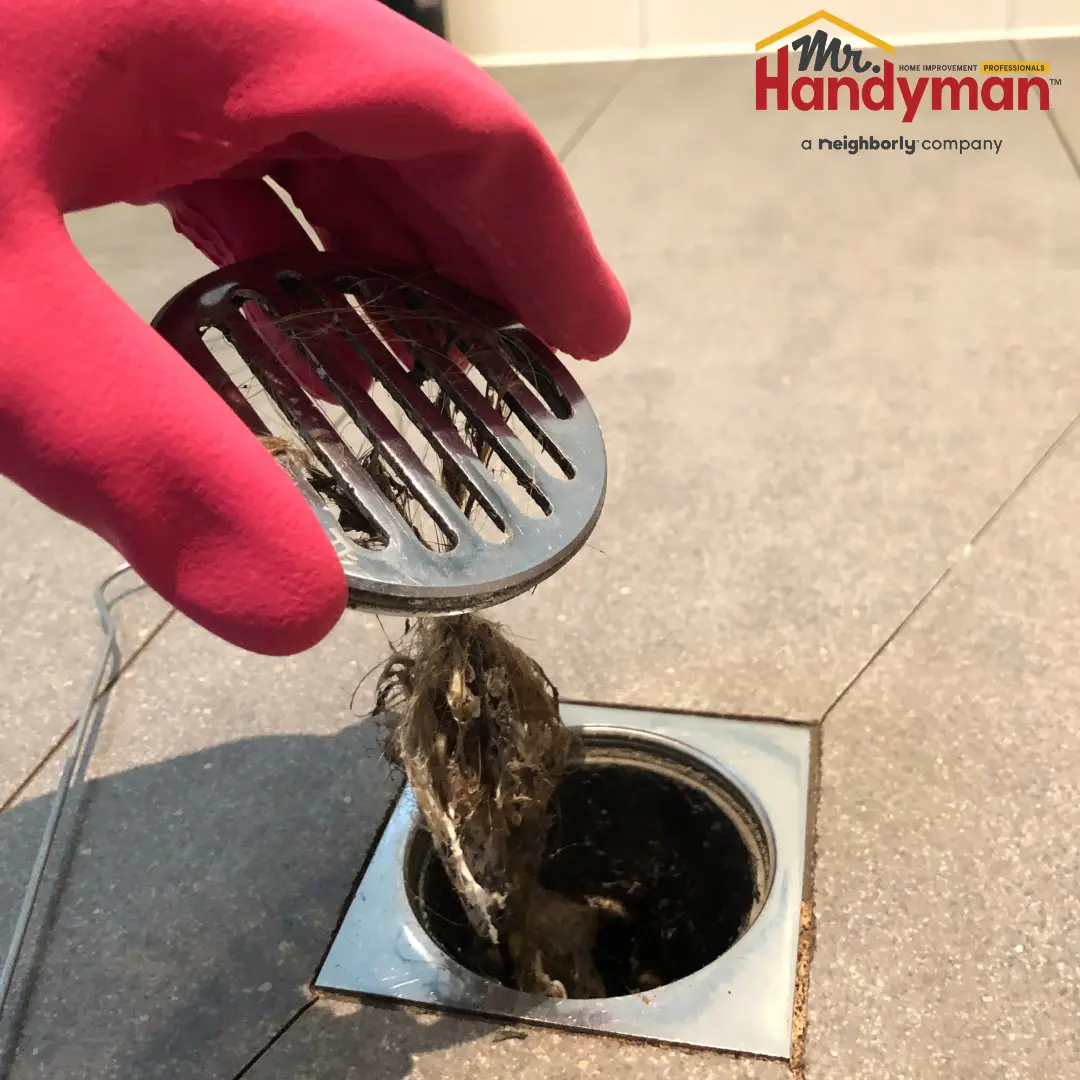
Bathroom drain odor in summer follows a different accumulation profile than kitchen drain odor. Hair and soap residue combine in the drain line to form the organic mat that is simultaneously a physical flow restriction and an active bacterial culture in warm weather. The hair-and-soap combination that coats the drain line just below the stopper and in the P-trap provides the substrate that biofilm bacteria thrive on, and summer's heat activates that bacterial culture at the same rate it activates every other organic decomposition source in the drain environment.
Physical Removal First
The single most effective bathroom drain odor treatment is physical removal of the accumulated hair and soap mat from the drain line's accessible reach, specifically from the drain basket and from the first several inches below it where most accumulation concentrates. A drain cleaning tool removes the accumulated material with a physical action that no liquid treatment replicates, because the mat's physical structure doesn't dissolve easily in any safe cleaning solution. After physical removal, the baking soda and vinegar treatment that addresses residual biofilm on the drain surfaces completes the bathroom drain cleaning that summer odor control requires. Performing this sequence at the beginning of summer and monthly through heavy-use months prevents the bathroom drain odor that deferred cleaning creates throughout northern Indiana homes.
Overflow Drain Cleaning
The overflow drain in bathroom sinks and bathtubs is the secondary opening near the top of the basin whose function is preventing overflow if the primary drain is blocked. Most homeowners never clean the overflow drain, and in summer's warmth the biofilm that accumulates in the overflow drain channel produces odor that seems to come from nowhere identifiable because the overflow opening is not where most homeowners think to look. Directing a small brush or pipe cleaner into the overflow opening to dislodge accumulated biofilm, followed by a small baking soda and vinegar treatment directed into the overflow opening, eliminates the specific odor source that bathroom drain cleaning without overflow attention consistently misses.
Vent Stack Issues That Create Persistent Odor
Every plumbing drain system includes vent pipes that exit through the home's roof, allowing air into the drain system to prevent siphoning of P-trap water and providing an escape path for sewer gases. When vent function is impaired, sewer gases find alternative paths into the living space rather than exiting through the roof as designed. Bird nests, wasp nests, and debris accumulation in rooftop vent openings are the most common vent stack interference conditions in St. Joseph and Elkhart County homes during spring and early summer.
Vent stack issues that cause bubbling sounds in toilet bowls when other drains are used, gurgling sounds after drain water flows, or drain odor that persists despite comprehensive drain cleaning and P-trap maintenance point toward vent system conditions rather than drain accumulation as the source. These conditions warrant the professional assessment that Mr. Handyman of Northern St. Joseph and Elkhart Counties provides when homeowner drain maintenance remedies haven't resolved the odor.
When Professional Service Is the Right Answer
Summer drain odor in most St. Joseph and Elkhart County homes responds to the homeowner maintenance approaches this guide covers. Professional service is the appropriate next step when drain odor persists after comprehensive cleaning and P-trap treatment, when odor is accompanied by slow drainage that physical cleaning hasn't resolved, when gurgling sounds in multiple drains suggest a vent system issue, or when the odor source is a floor drain or infrequently used drain whose P-trap access makes homeowner servicing impractical. Scheduling service before the odor reaches the level that guests notice during summer entertaining is the timing that homeowners throughout the service area consistently describe as the approach they wish they had taken rather than waiting until the problem was impossible to ignore.
Frequently Asked Questions
Is it safe to use commercial chemical drain cleaners for summer drain odor in northern Indiana homes?
Commercial chemical drain cleaners address organic blockages through chemical dissolution but create pipe damage risk with repeated use. The baking soda and vinegar approach this guide recommends addresses the biofilm and light organic accumulation that summer odor requires treating without that pipe material risk. For accumulation that baking soda and vinegar doesn't resolve, physical removal or professional drain service is the appropriate next step.
How often should St. Joseph and Elkhart County homeowners treat their drains for summer odor prevention?
Monthly treatment through June, July, and August for kitchen and primary bathroom drains, combined with monthly P-trap flushing for any infrequently used drain in the home, is the treatment frequency that northern Indiana's summer heat and humidity conditions warrant. More frequent treatment in kitchens receiving heavy summer entertaining use and in bathrooms serving guest occupancy produces better odor prevention than the monthly standard interval alone.
Why does my drain smell fine in the morning but worse in the afternoon?
The temperature increase through northern Indiana summer afternoons accelerates the bacterial decomposition rate in drain accumulation and increases the evaporation rate from P-traps, both producing more gas in the afternoon hours than the cooler morning temperatures create. This daily odor pattern reliably indicates that organic accumulation is the source rather than a vent stack issue, which would produce more consistent odor regardless of time of day.
Can newer homes in St. Joseph and Elkhart County experience summer drain odor?
Yes. New construction homes develop drain accumulation from the first weeks of occupancy, and summer heat activates early accumulation in new drain lines at the same rate it activates established accumulation in older homes. Guest bathroom drains in new construction that receive infrequent use are particularly susceptible to dry P-trap conditions in summer because the traps have not been regularly refreshed through daily use.
The Summer Drain That Stays Quiet
The St. Joseph and Elkhart County home whose drains receive the summer maintenance this guide covers, the monthly baking soda and vinegar treatment in active drains, the regular P-trap flushing in infrequently used drains, the physical hair and debris removal in bathroom drains, and the grease management discipline in kitchen drains, is the home whose summer entertaining proceeds without the drain odor conversation that deferred maintenance eventually forces.
Mr. Handyman of Northern St. Joseph and Elkhart Counties is ready to help with the drain conditions that summer maintenance reveals as needing professional attention throughout the service area.
Website: https://www.mrhandyman.com/northern-st-joseph-elkhart-counties/ Serving Northern St. Joseph and Elkhart Counties with dependable service and the expertise your home deserves.