
The Lake-Effect Winter Leaves a Specific Account on Northern Indiana Homes
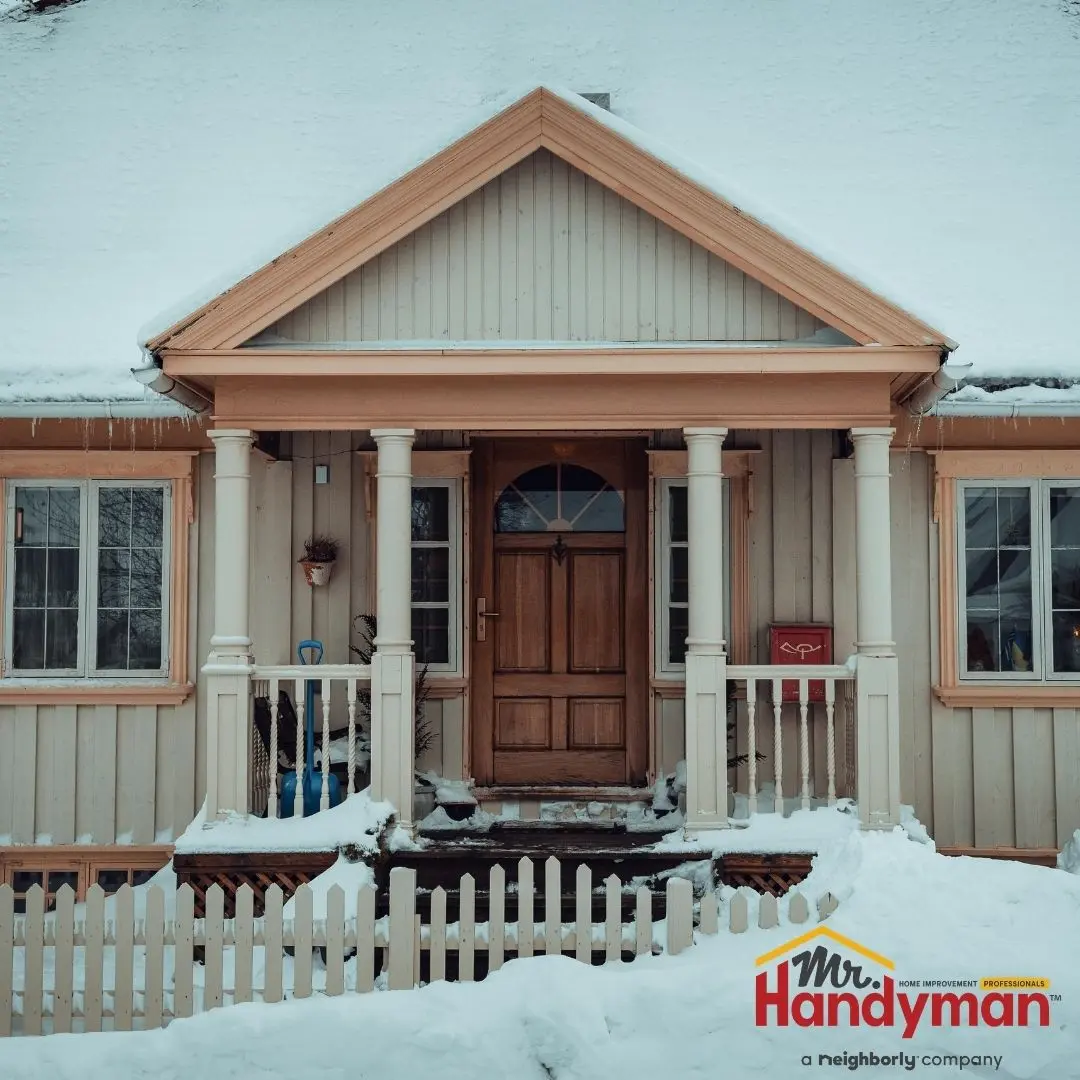
The wear-and-tear that the Lake Michigan-influenced winter delivers to Northern St. Joseph and Elkhart County homes differs from the generic winter damage that national home improvement resources address because the specific mechanisms that Lake-effect snowfall, the sustained below-zero cold, the deep freeze-thaw cycling, the road salt and ice-melt chemical contact, and the humidity variation between the heating season's dry forced-air conditions and the Lake Michigan region's ambient moisture together create in northern Indiana homes produce a specific wear pattern that the regional climate advances at rates and in combinations that more moderate climates without those specific mechanisms do not produce between comparable seasonal intervals.
The Lake-effect winter's wear accumulates across multiple dimensions of the northern Indiana home simultaneously. The building envelope experiences the freeze-thaw cycling at caulked joints and the thermal contraction that the sustained cold creates in the sealant conditions at window perimeters, door surrounds, and the utility penetrations those building envelopes carry. The interior surfaces experience the low-humidity cycling that forced-air heating creates in the joint compound at wall and ceiling seams and the wood trim assemblies at baseboard and door casing positions. The exterior surfaces experience the UV degradation and the road salt chemical contact that the previous outdoor season and the winter's deicing applications advance in exterior paint, concrete, and the metal hardware that building envelope and outdoor structure positions carry. And the mechanical and plumbing systems experience the freeze-thaw legacy, the hard water's ongoing mineral accumulation, and the heating demand concentration that the Lake-effect winter's extended cold creates in the household systems that winter's sustained demands tested through the months that now require assessment and repair attention.
The spring assessment that follows a Lake-effect winter in Northern St. Joseph and Elkhart Counties reveals that accumulated wear across the building envelope, the interior surfaces, the exterior finished surfaces, and the mechanical and plumbing systems that the regional seasonal cycling advanced simultaneously through the heating season's months. Understanding what the Lake-effect winter's specific mechanisms most consistently produce as the wear categories that spring repair addresses, how those regional mechanisms distinguish the northern Indiana winter wear assessment from the national average guidance that moderate climates calibrate their seasonal repair guidance to, and what the repair discipline and material specification the Lake Michigan region's climate demands for lasting results gives service area homeowners the practical framework for addressing the winter's account before the summer's activity and the spring storm season's testing advance those conditions further.
Building Envelope Wear: The Lake-Effect Priority Category
Caulking failure at window and door perimeters is the most consistently identified Lake-effect winter wear category across the Northern St. Joseph and Elkhart County service area because the freeze-thaw cycling that the regional winter delivers to the building envelope sealant at those positions advances the adhesion failure and the material deterioration that spring assessment reveals at rates the regional freeze depth and cycling frequency creates more aggressively than moderate climates produce between comparable service intervals.
The thermal contraction that the sustained below-zero cold the Lake Michigan region delivers to building envelope sealant creates in those materials between the summer's warmer conditions and the winter's deep cold produces the adhesion stress that the freeze-thaw cycling then advances at each thaw event through the material separation that inadequate adhesion creates when the sealant contracts away from the substrate it no longer bonds to adequately. The spring's first significant rainfall event tests those failed positions with the moisture loading that the northern Indiana spring's concentrated precipitation delivers to whatever building envelope conditions currently exist.
The repair approach for Lake-effect winter caulking failure requires the mechanical removal of the failed material to sound substrate, the cleaning of the joint surface that adequate adhesion requires, and the application of the paintable elastomeric caulk with the UV stability and the thermal flexibility appropriate for the northern Indiana seasonal range. Standard painter's caulk without the thermal flexibility that the Lake Michigan region's temperature range creates as the sealant performance requirement develops the adhesion failure through the first subsequent Lake-effect winter that the adequate elastomeric specification resists through multiple regional seasonal cycles.
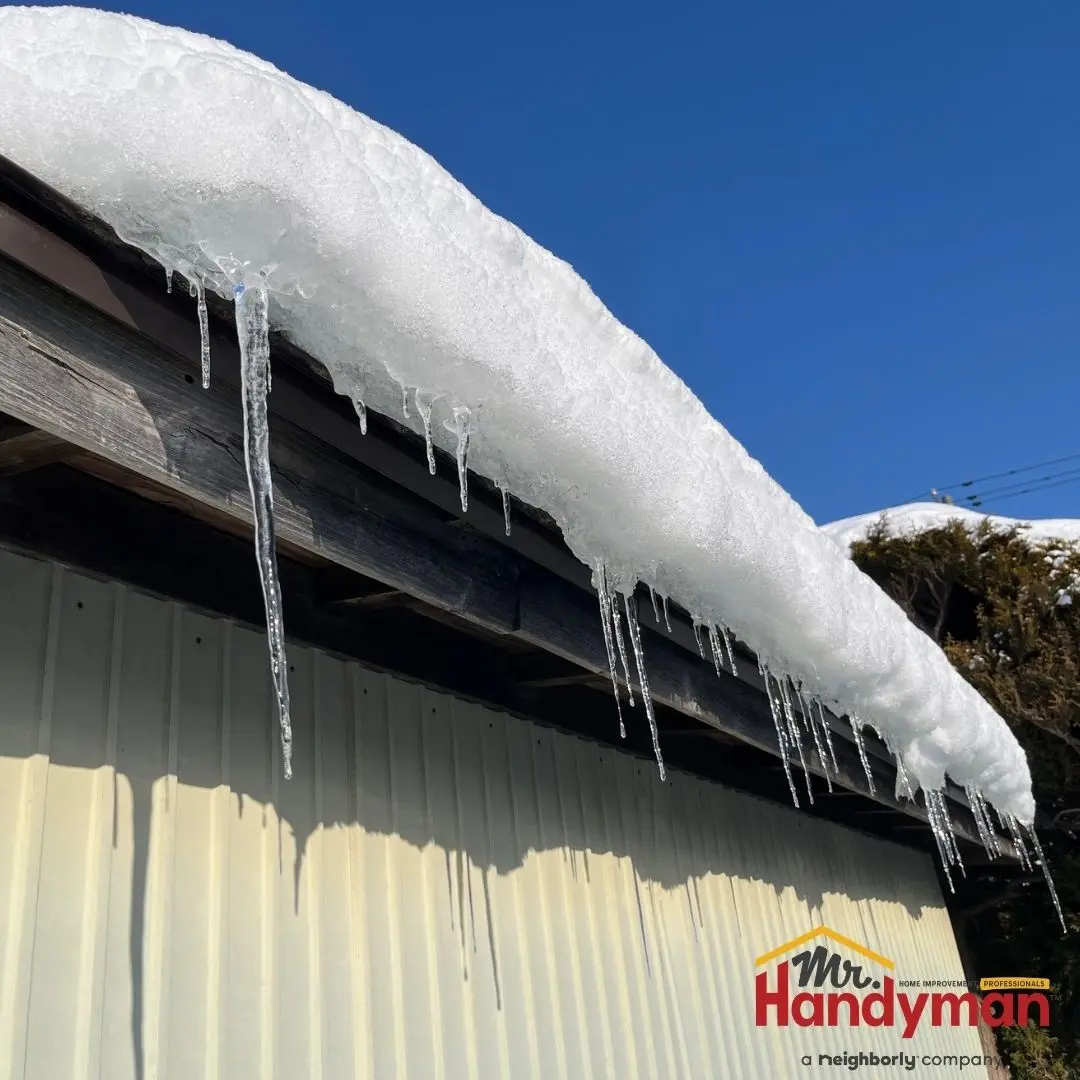
Ice dam damage assessment at the roof perimeter, the soffit and fascia, and the gutter systems that the Lake-effect winter's ice dam formation conditions create at the eave positions of northern Indiana homes evaluates the physical damage, the water infiltration evidence, and the gutter deformation that ice dam loading and the associated water backup produce at those building envelope positions. The ice dam formation that the Lake-effect snowfall's insulating depth combined with the heat loss at inadequately insulated attic floor positions creates at the roof perimeter of northern Indiana homes produces the melt water that refreezes at the cold eave, accumulates behind the ice dam, and backs up beneath roofing material into the building envelope before the homeowner observes the interior damage that the infiltration produces.
Interior Surface Repairs From the Heating Season's Humidity Cycling

Joint compound cracking at wall and ceiling seams reflects the low-humidity cycling that the Lake-effect winter's forced-air heating creates in the interior assemblies of northern Indiana homes. The dimensional contraction that wood framing, drywall, and joint compound materials experience through the heating season's dry forced-air conditions creates the seam separation and the joint cracking that spring assessment reveals as the interior repair category that pre-summer preparation most consistently addresses across the service area's diverse housing stock.
The repair approach for Lake-effect winter interior joint cracking requires the flexible joint compound that accommodates the continued humidity cycling that subsequent Lake-effect winters will create at those joint positions rather than the rigid alternatives that the regional humidity variation advances through failure on the compressed timeline that the northern Indiana heating season's dry conditions create between seasonal cycles. Feathering the flexible compound at cracked positions to the smooth surface that priming and painting delivers the interior wall restoration that holds through subsequent regional seasonal cycling.
Baseboard and trim separation at the floor and wall interfaces reflects the same humidity cycling mechanism that joint cracking communicates in wall assemblies, and the paintable flexible caulk at those trim interfaces that the Lake Michigan region's humidity variation requires provides the gap management that the regional climate's interior dimensional cycling specifically demands.
Exterior Surface Repairs From Lake-Effect Winter Exposure
The exterior surface repairs that Northern St. Joseph and Elkhart County homeowners address in spring reflect the road salt chemical contact, the freeze-thaw cycling, and the UV degradation that the previous outdoor season and the Lake-effect winter together advanced in exterior painted surfaces, concrete flatwork, and the metal hardware that outdoor structure and building envelope positions carry between the fall's last exterior maintenance and the spring's first practical repair window.
Exterior paint repair at road salt-affected positions addresses the paint adhesion failure, the surface chalking, and the chemical deterioration that deicing agent contact advances in the exterior painted surfaces of northern Indiana homes at the positions that road salt overspray, tracked-in boot salt, and the splash zone from the driveway and walkway deicing applications creates through the Lake-effect winter's sustained deicing chemical presence. The mechanical removal of failed paint to sound substrate at those chemically affected positions, the mildew-resistant primer that provides the chemical resistance the regional deicing exposure warrants, and the UV-stable exterior paint that the northern Indiana outdoor season's UV intensity demands for lasting results produces the exterior surface restoration that chemical-affected positions specifically require beyond the standard UV-driven paint repair that South and West-facing positions warrant from the solar exposure dimension of the Lake Michigan region's summer.
Concrete crack repair after freeze-thaw advancement addresses the crack widening and the surface spalling that the freeze-thaw cycling the Lake-effect winter delivered to residential concrete in driveways, walkways, and the patio surfaces that the regional winter's water infiltration and freeze expansion advanced between the fall's last concrete assessment and the spring's first repair opportunity. Flexible polyurethane crack filler applied in spring's moderate temperature conditions before the biological growth that northern Indiana's warm, humid spring activates in unsealed concrete cracks advances to the embedded staining and the crack edge deterioration that delayed repair allows provides the surface restoration that the regional freeze-thaw mechanism specifically warrants addressing while the spring's temperatures support the application quality those products achieve.
Metal hardware corrosion treatment at the building envelope positions, the outdoor structure hardware, and the entry door and garage hardware positions that the Lake-effect winter's road salt overspray and the freeze-thaw cycling advanced in those metal components addresses the surface corrosion and the mechanical function deterioration that the regional winter's chemical and thermal exposure creates in metal hardware between maintenance intervals. The treatment that removes surface oxidation before it advances to structural corrosion, followed by the protective coating application that prevents the regional winter's chemical contact from re-establishing corrosion at those treated positions, provides the hardware longevity that the Lake-effect climate's deicing chemical environment specifically warrants managing through proactive treatment rather than the replacement that unaddressed corrosion eventually requires.
Mechanical and Plumbing Winter Wear Repairs
Outdoor faucet and supply connection assessment after the Lake-effect winter evaluates the frost-free function confirmation, the mineral accumulation in outdoor aerator components, and the supply connection condition that the regional hard water and the winter's freeze-thaw cycling advanced in those outdoor plumbing positions between the heating season's end and the outdoor season's activation. The outdoor faucet whose frost-free drain function the previous winter's freeze-thaw cycling compromised, the supply connection that Uri-era emergency repair conditions created as the installation quality variation the regional freeze history motivates assessing annually, and the mineral accumulation that the county water systems deposit in outdoor aerator assemblies between cleaning intervals all represent the outdoor plumbing wear categories that spring assessment addresses before the outdoor season concentrates continuous demand on those components.
Water softener assessment and salt replenishment after the Lake-effect winter's extended operation evaluates the resin tank condition, the brine tank salt level, and the regeneration function that the regional hard water's sustained mineral removal demands create in water softener systems between the service intervals that annual assessment addresses. The St. Joseph County and Elkhart County water systems' mineral content creates the resin demand and the salt consumption that the Lake-effect winter's continuous household water use concentrates in water softener operation through the extended heating season that the regional climate creates as the most sustained household water use period in the northern Indiana annual cycle.
HVAC filter replacement and system assessment following the Lake-effect winter's sustained heating demand evaluates the filter loading, the heat exchanger condition, and the blower motor operation that the regional winter's extended heating season created in household HVAC systems between the seasonal maintenance intervals that spring transition specifically motivates. The filter loading that the Lake-effect winter's biological spore activity and the sustained interior dust circulation creates in HVAC filter media through the heating season's extended operation warrants the replacement that the seasonal transition provides as the natural maintenance timing that clean filter media for the cooling season activation delivers.
Frequently Asked Questions
What Lake-effect winter wear category most commonly surprises northern Indiana homeowners at spring assessment?
Ice dam damage at soffit, fascia, and gutter positions surprises homeowners most consistently because the water infiltration that ice dam formation allows into the building envelope often produces the interior ceiling staining and the structural moisture effects that homeowners discover at interior positions without observing the exterior ice dam formation that created those infiltration conditions during the winter. The interior evidence that spring's warming reveals as the ceiling staining or the attic moisture that the exterior ice dam formation allowed into the building assembly communicates the Lake-effect winter's roof perimeter wear at positions that interior discovery specifically connects to the exterior assessment and repair that preventing recurrence requires.
How does the regional hard water compound Lake-effect winter wear in northern Indiana homes?
The calcium and magnesium that the St. Joseph County and Elkhart County water systems deliver to every water-using system in northern Indiana homes accumulates in the outdoor faucet components, the water heater sediment, the HVAC condensate drainage, and the household supply connections that the Lake-effect winter's sustained operation loads continuously through the extended heating season. The regional hard water's mineral accumulation compounds the freeze-thaw mechanical wear that the Lake Michigan climate creates in those household systems by adding the chemical deterioration mechanism that mineral deposits advance in valve seats, supply connection fittings, and the pressure-sensitive components that aging hard water contact advances toward failure between maintenance intervals simultaneously with the mechanical stress that freeze-thaw cycling creates in those same components.
Should northern Indiana homeowners repair exterior concrete before or after addressing building envelope caulking?
Building envelope caulking repair should precede exterior concrete work because the spring storm season's concentrated rainfall tests building envelope sealant conditions before the outdoor temperatures that exterior concrete crack repair requires for adequate product cure have stabilized at the consistent levels that polyurethane crack filler achieves its rated performance at. The building envelope urgency that the approaching spring storm season creates for caulking repair at window and door perimeters specifically warrants addressing those conditions before the exterior concrete work that moderate spring temperatures support at the appropriate application conditions those products require.
How does the full-basement construction tradition affect winter wear assessment in northern Indiana homes?
The accessible below-grade infrastructure that the full-basement construction tradition creates in northern Indiana homes makes the supply connection assessment, the water heater evaluation, the sump pump confirmation, and the below-floor structural conditions that the Lake-effect winter advanced in household systems all directly observable without the exploratory demolition that slab-on-grade construction requires to access those same conditions. That accessible inspection opportunity makes winter wear assessment in northern Indiana homes more comprehensive and more efficiently executed than in markets where those conditions can only be evaluated at the fixture level without the below-grade infrastructure visibility that the regional construction tradition provides as the inspection advantage that spring assessment specifically benefits from in the Michiana area's residential context.
What is the most cost-effective sequence for addressing Lake-effect winter wear across multiple repair categories?
Building envelope caulking first, followed by ice dam damage repair at roof perimeter and gutter positions, then interior joint compound and trim repairs, then exterior concrete crack sealing, then mechanical and plumbing assessment and maintenance, and finally exterior paint repair at chemical-affected and UV-damaged positions provides the sequencing that each repair category's timing requirements and the spring's available moderate temperature window support most efficiently. This sequence specifically addresses the moisture exclusion repairs before the spring storm season tests those positions, the interior repairs before the summer's gathering season concentrates observation on those surfaces, and the exterior surface repairs in the moderate temperature window before the summer's heat and UV loading changes the application conditions those products achieve their best performance within.
Northern Indiana Homes Repaired and Ready After the Lake-Effect Winter

The winter wear that the Lake Michigan-influenced heating season accumulates in Northern St. Joseph and Elkhart County homes across the building envelope, the interior surfaces, the exterior finished surfaces, and the mechanical and plumbing systems that the regional seasonal cycling tests simultaneously through the Lake-effect winter's extended demands communicates the maintenance investment that spring repair addresses before the summer's activity, the spring storm season's building envelope testing, and the outdoor living season's use all simultaneously load whatever conditions those winter repairs leave unaddressed. Building envelope caulking restored. Ice dam damage assessed and repaired. Interior joint cracking addressed with flexible compound. Concrete crack positions sealed. Outdoor plumbing confirmed for the outdoor season. Each Lake-effect winter wear category addressed through the repair discipline and the regional material specifications that lasting results in the northern Indiana climate specifically require.
The team at Mr. Handyman of Northern St. Joseph and Elkhart Counties has the regional experience to help homeowners identify and address the specific wear categories that the Lake-effect winter creates in northern Indiana homes before the summer's demands test those conditions further.
Website: https://www.mrhandyman.com/northern-st-joseph-elkhart-counties/
Serving homeowners throughout Northern St. Joseph and Elkhart Counties with dependable service and the expertise your home deserves.