
Regional Hard Water and Lake-Effect Climate Create Specific Pressure Challenges
Water pressure problems in Northern St. Joseph and Elkhart County homes reflect the specific combination of conditions that the regional hard water, the Lake Michigan-influenced climate's deep freeze-thaw cycling, the aging housing stock in established South Bend and Elkhart neighborhoods, and the full-basement construction tradition that concentrates the supply distribution infrastructure in accessible but aging below-grade mechanical spaces all together create as the pressure performance context that distinguishes this market from both the newer Sun Belt developments without the regional water chemistry's accumulated effects and the older eastern cities without the region's specific geological and climate character.
The St. Joseph County and Elkhart County water systems' hard water is the most consistently regional factor in the pressure performance of northern Indiana homes. The calcium and magnesium that the regional supply delivers to every fixture, every aerator, every showerhead, every valve, and every supply connection in service area homes accumulates progressively between the maintenance intervals that address those deposits. The supply infrastructure that has been carrying the regional water chemistry for years without systematic mineral management carries those accumulated deposits at the fixture level, the valve level, and increasingly the pipe level as mineral accumulation progresses in the supply lines serving the homes that multiple decades of hard water have affected most directly.
The Lake Michigan-influenced climate's freeze-thaw cycling creates the supply pipe condition contribution that the deep cold of northern Indiana winters and the spring thaw's rapid temperature recovery advances in the household supply distribution systems of service area homes between heating seasons. Supply pipes that have been through multiple Lake-effect winters carry the micro-crack progression and the connection stress that thermal cycling advances in the supply infrastructure of northern Indiana homes at rates that more moderate climates without the regional freeze depth and frequency do not produce between comparable service intervals.
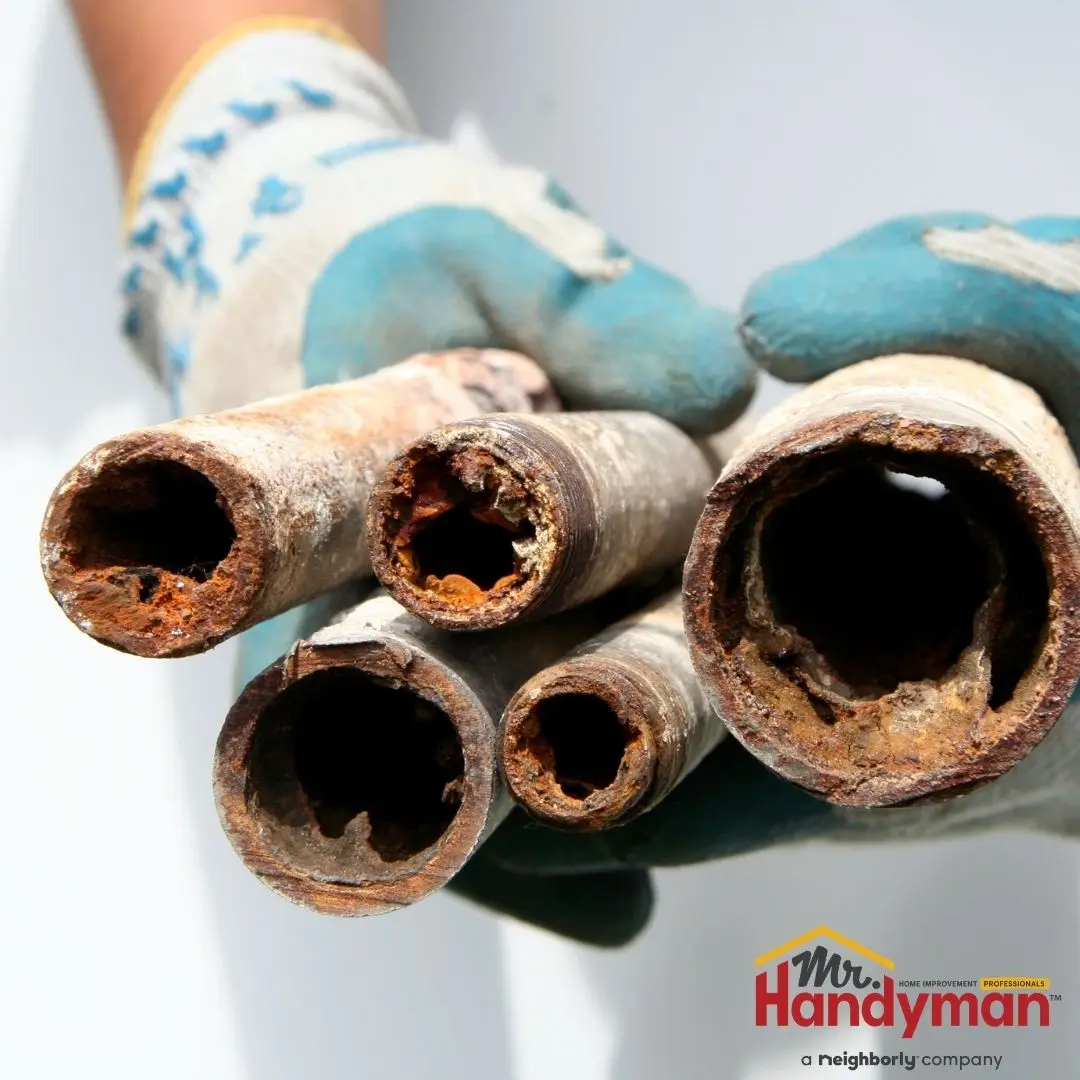
The established neighborhoods of South Bend, Mishawaka, and Elkhart carry the original supply pipe infrastructure that the housing stock's construction era produced. Homes built with galvanized steel supply pipes that the regional water chemistry has been progressively mineralizing since installation carry the internal pipe diameter reduction that mineral accumulation advances over decades of hard water contact. A galvanized supply pipe that was full-diameter at installation may carry a fraction of its original interior diameter after decades of the regional hard water's mineral deposits, creating the pressure restriction at the pipe level that fixture-level cleaning cannot address regardless of how thoroughly those downstream components are maintained.
What Creates Low Pressure in Northern Indiana Homes
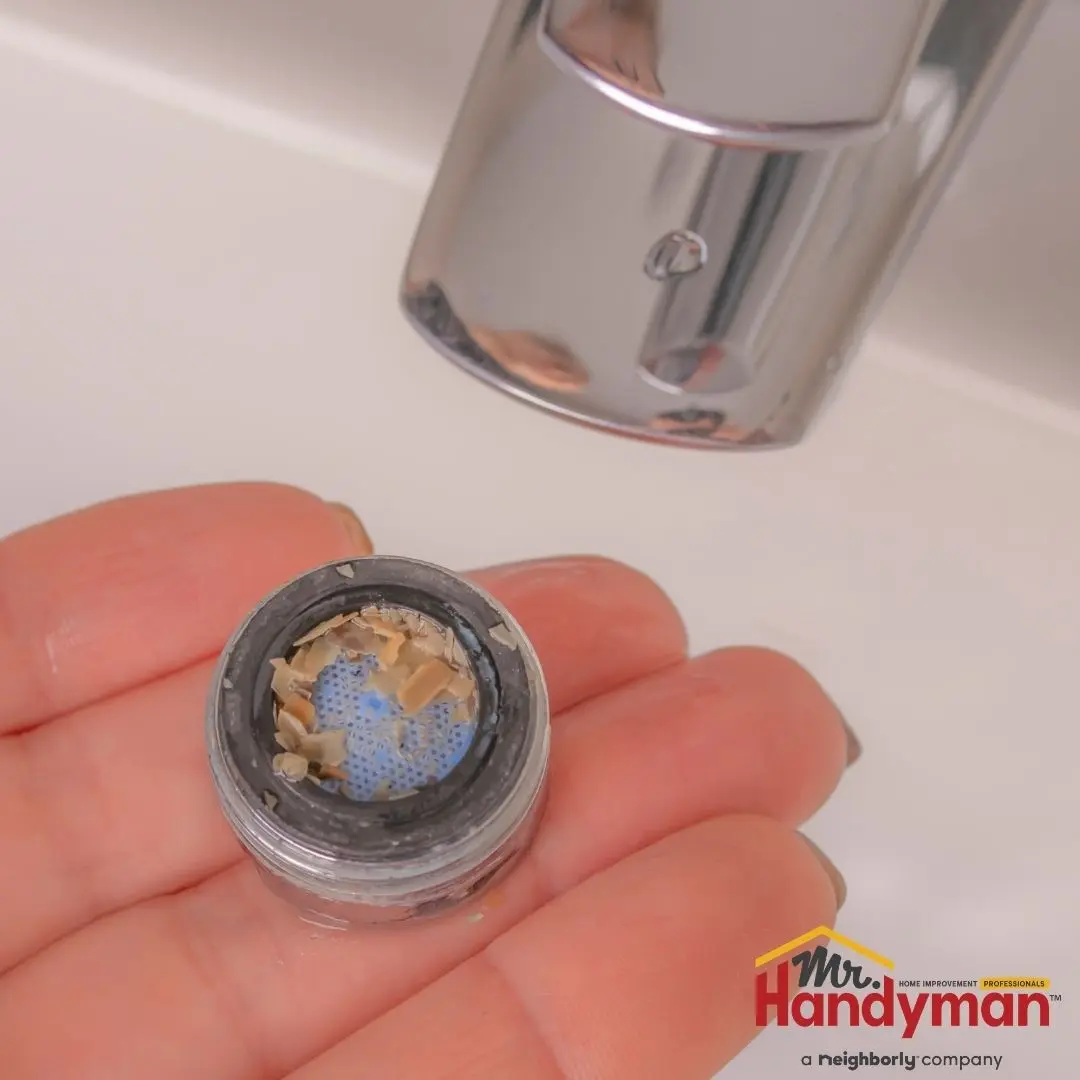
Mineral-restricted aerators and showerheads are the most immediately accessible pressure improvement opportunity in Northern St. Joseph and Elkhart County homes because the calcium and magnesium deposits that the regional supply creates in those flow-restricting components develop between cleaning intervals at the rates the regional water chemistry produces. An aerator or showerhead that has not been cleaned since installation may be delivering a fraction of its rated flow through the mineral restriction that accumulated deposits create, and the immediate pressure improvement that thorough cleaning or replacement delivers at those fixtures requires no professional involvement and minimal investment.
Pressure regulator valve condition creates the whole-house pressure management consideration that the regional hard water advances in the PRV components serving northern Indiana homes between replacement intervals. The pressure regulator valve that manages municipal supply pressure down to the household working pressure carries the mineral accumulation that the regional water chemistry deposits in its internal components over its service life. A PRV that has reached the end of its functional service life in the hard water environment may be delivering insufficient pressure throughout the home despite adequate municipal supply pressure at the service connection.
The galvanized pipe restriction in established South Bend, Mishawaka, and Elkhart area homes carries the internal diameter reduction that decades of the regional hard water have advanced in the original supply pipe infrastructure. Unlike the aerator restriction that cleaning addresses or the PRV condition that replacement resolves, the galvanized pipe restriction that severe mineral accumulation creates in aging supply infrastructure requires the supply pipe replacement that restores full-diameter water passage to the household distribution system.
Whole-house supply line assessment evaluates whether the pressure deficiency that service area homeowners experience reflects the fixture-level restriction that cleaning addresses, the PRV condition that replacement resolves, or the supply pipe restriction that infrastructure replacement requires. The diagnostic approach that distinguishes those three levels of the pressure problem determines the repair scope that the specific condition warrants rather than the fixture-level attention that supply pipe restriction cannot resolve regardless of thoroughness.
The Full-Basement Context for Northern Indiana Pressure Assessment
Accessible below-grade supply infrastructure is one of the genuine maintenance advantages that the full-basement construction tradition creates for Northern St. Joseph and Elkhart County homeowners relative to the slab-on-grade construction that other regional markets carry with their inaccessible below-slab supply distribution. The supply lines, shutoff valves, pressure regulator, and the water meter connection that serve as the household supply distribution infrastructure are visible and accessible in northern Indiana basements in ways that below-slab supply systems in slab construction markets are not, making the pressure assessment that follows the supply infrastructure through the distribution path from the service connection to the problem fixtures straightforward in the regional construction context.
The basement mechanical space observation during a pressure assessment in a Northern St. Joseph and Elkhart County home specifically evaluates the supply pipe material and condition that the below-grade infrastructure carries, the PRV location and condition, the main shutoff valve operation, and the water softener bypass position and function that affects the full-house water chemistry the supply system delivers to every downstream component. This accessible below-grade assessment provides the comprehensive supply system picture that slab-on-grade construction markets with inaccessible below-slab supply infrastructure cannot provide through the same direct observation approach.
Fixture-Level Pressure Improvements Any Homeowner Can Address

Aerator cleaning and replacement at kitchen and bathroom faucets addresses the mineral restriction that the regional hard water creates in those flow-restricting components between cleaning intervals. Removing the aerator screen assembly from the faucet tip, soaking it in white vinegar solution for thirty to sixty minutes, and rinsing thoroughly dissolves the calcium and magnesium deposits the regional supply accumulated in those screens. Northern St. Joseph and Elkhart County homes whose aerators have not been cleaned since installation may see the most dramatic immediate pressure improvement from this single step because the regional hard water creates restriction at rates that soft water markets do not produce at the same pace between comparable intervals.
Showerhead cleaning and replacement addresses the mineral restriction that the regional water chemistry advances in showerhead nozzles between cleaning intervals. Soaking the showerhead in white vinegar solution overnight dissolves the calcium and magnesium that accumulated in the nozzle openings, restoring the spray pattern and flow rate that mineral restriction progressively reduces. For showerheads whose nozzle material has calcified beyond what vinegar soaking fully addresses, replacement with a current WaterSense-rated model in a mineral-deposit-resistant finish delivers the clean baseline that the regional hard water will begin accumulating against from a fully open starting position.
Supply stop valve confirmation beneath kitchen and bathroom sinks and behind toilets evaluates whether partially closed stop valves are restricting flow to specific fixtures rather than the mineral restriction at the fixture itself. Stop valves that were closed for a repair and not fully reopened, or that are stiff from mineral accumulation and resist full opening, create the fixture-level pressure deficiency that full opening or replacement resolves without addressing the supply infrastructure conditions that whole-house pressure problems reflect.
Pressure Regulator Assessment and Replacement
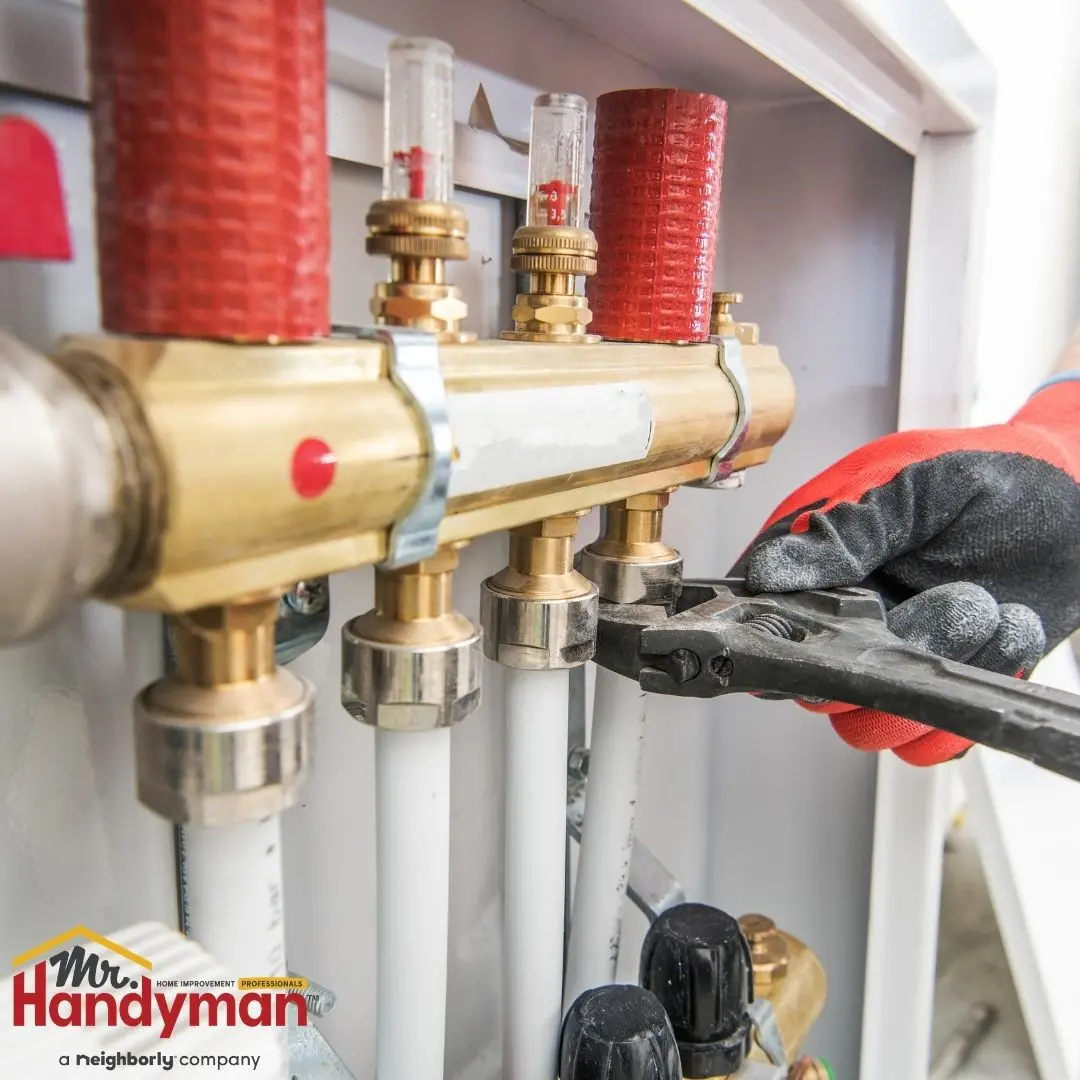
PRV location in northern Indiana basements typically places the pressure regulator valve on the supply line near the water meter connection in the basement mechanical space where the service entry brings municipal supply into the household distribution system. The accessible below-grade infrastructure that the full-basement construction tradition provides makes PRV location and assessment straightforward in service area homes compared to slab-on-grade construction where PRV access may require more involved investigation.
PRV failure symptoms that Northern St. Joseph and Elkhart County homeowners should recognize include whole-house low pressure that fixture-level cleaning does not improve, whole-house pressure fluctuation that varies unpredictably during normal household water use, or conversely, excessively high pressure that creates the hammer and surge conditions that supply line stress and fixture wear both reflect when PRV function has shifted from pressure reduction to inadequate regulation. The regional hard water's mineral accumulation in PRV internal components advances those failure modes at rates that the regional water chemistry creates between replacement intervals.
PRV replacement with a current unit appropriate for the municipal supply pressure that the service area utilities deliver and the household working pressure that the distribution system requires provides the whole-house pressure management that the original PRV delivered at installation. Professional PRV replacement that confirms the new unit is set to the appropriate working pressure for the household supply system provides the pressure baseline that fixture-level maintenance then sustains through the ongoing cleaning discipline that the regional hard water requires between PRV service intervals.
Water Softener Integration and Pressure Considerations
Water softener bypass assessment for Northern St. Joseph and Elkhart County homes with existing softener installations evaluates whether the softener is in service, bypassed, or exhausted between regeneration cycles in ways that affect both the water chemistry the household supply delivers to downstream components and the pressure drop that softener operation creates in the supply flow. A softener whose resin tank has exhausted between regeneration cycles or whose bypass valve was set to bypass position and forgotten delivers the hard water that the regional supply carries directly to every downstream fixture and component, advancing the mineral accumulation that pressure restriction reflects at the rates the untreated regional water chemistry creates.
Softener installation pressure drop is the supply pressure consideration that water softener operation creates through the resin tank resistance that softened water passes through during treatment. A properly functioning softener creates a modest pressure drop across the treatment process that the municipal supply pressure compensates for within the working pressure range the PRV delivers to the household distribution system. An aging softener whose resin tank has developed the channeling or mineral fouling that reduces treatment efficiency while increasing flow resistance creates the pressure drop that softener service or replacement addresses in the regional hard water context.
When Supply Pipe Replacement Becomes the Answer
Galvanized pipe internal restriction in the established South Bend, Mishawaka, and Elkhart area homes whose original supply infrastructure carries decades of the regional hard water's mineral accumulation represents the pressure problem that no fixture-level cleaning or PRV replacement resolves. The internal diameter reduction that severe mineral accumulation creates in aging galvanized steel supply pipes cannot be cleaned from the pipe interior without the pipe replacement that restores full-diameter flow passage to the household distribution system.
Copper or PEX replacement provides the smooth interior surface that resists the mineral accumulation that galvanized steel's interior texture accelerates in the regional hard water environment. Whole-house supply pipe replacement in established northern Indiana homes with severely mineralized galvanized infrastructure delivers the pressure restoration that the pipe-level restriction had prevented fixture-level cleaning from providing regardless of thoroughness.
Frequently Asked Questions
Why does my northern Indiana home have lower pressure than newer homes in the area?
Established South Bend, Mishawaka, and Elkhart area homes with original galvanized supply pipes carry the internal diameter reduction that decades of the regional hard water's mineral accumulation has progressively created. Newer homes with copper or PEX supply infrastructure start with smooth interior pipe surfaces that have not yet accumulated the regional water chemistry's deposits, delivering the full-diameter pressure performance that aging galvanized infrastructure in the same water chemistry environment has progressively lost over decades of hard water contact.
Can a water softener improve water pressure throughout a northern Indiana home?
Whole-house water softener installation prevents the ongoing mineral accumulation that the regional water chemistry creates in supply pipes, fixtures, and PRV components, protecting the pressure performance those components deliver at installation from the progressive restriction that untreated hard water advances over time. For homes with existing mineral restriction in aging supply infrastructure, softener installation prevents further accumulation but does not remove the deposits already established in the affected components.
How do I know if my pressure problem is the PRV or the supply pipes?
Checking the pressure at the outdoor hose bib closest to the service entry with a simple pressure gauge provides the household working pressure reading that the PRV delivers. Adequate pressure at that point with low pressure at interior fixtures indicates the restriction exists between the service entry and those fixtures in the supply distribution pipes. Low pressure at the outdoor hose bib indicates the PRV or the municipal service pressure as the source, and the municipal utility can confirm whether service pressure is adequate at the meter connection.
How long do pressure regulator valves last in northern Indiana homes?
PRVs in the Northern St. Joseph and Elkhart County hard water environment typically deliver reliable performance for seven to twelve years before the mineral accumulation in their internal components advances the failure modes that whole-house pressure problems reflect. Annual confirmation that household working pressure remains within the appropriate range provides the monitoring that identifies PRV function decline before it advances to the complete failure that emergency replacement under pressure addresses less favorably than planned replacement during routine assessment.
Is whole-house supply pipe replacement worth the investment for an established northern Indiana home?
For established South Bend, Mishawaka, and Elkhart area homes with severely mineralized galvanized supply infrastructure where PRV replacement and fixture-level cleaning have not restored adequate pressure, whole-house supply pipe replacement with copper or PEX delivers the pressure restoration and the elimination of ongoing hard water restriction that the galvanized infrastructure was no longer capable of providing. The investment warrants the professional assessment that documents the restriction severity and confirms that pipe replacement rather than less invasive interventions represents the appropriate scope for the specific condition the assessment reveals.
Northern Indiana Homes With the Pressure Their Plumbing Systems Deserve
The water pressure performance that Northern St. Joseph and Elkhart County homes deliver reflects the combined condition of the aerators and showerheads that the regional hard water progressively restricts between cleaning intervals, the PRV that manages whole-house working pressure through the service life that the regional water chemistry advances toward replacement, and the supply pipe infrastructure that carries the distribution history that decades of hard water contact creates in the galvanized pipe material that established northern Indiana homes built their original supply systems with. Addressing those conditions at the appropriate level, from the aerator cleaning that restores fixture performance to the PRV replacement that restores whole-house working pressure to the supply pipe replacement that restores the full-diameter flow passage that severe mineralization eliminates, delivers the pressure that those homes deserve from the municipal supply that serves them.
The team at Mr. Handyman of Northern St. Joseph and Elkhart Counties has the regional experience to assess, diagnose, and address the pressure conditions that northern Indiana's specific water chemistry and housing stock create throughout the service area.
Website: https://www.mrhandyman.com/northern-st-joseph-elkhart-counties/
Serving homeowners throughout Northern St. Joseph and Elkhart Counties with dependable service and the expertise your home deserves.