
When the Shower Underperforms After a Michiana Winter

There is a specific frustration that South Bend, Mishawaka, Elkhart, and Goshen homeowners recognize from summer to summer. The showerhead that delivered adequate pressure through the cold months begins underperforming in June or July, and the kitchen faucet that filled pots without complaint during winter takes noticeably longer by August. The timing feels random, but it reflects the convergence of regional conditions: the Great Lakes winter's effects on building envelope-adjacent supply components, the moderately hard municipal water's mineral accumulation in fixture positions, the increased seasonal demand that Michiana's active summer social calendar concentrates through supply systems, and the municipal distribution dynamics that regional irrigation and outdoor water use creates across service territories.
Low water pressure is a diagnostic symptom, not a single condition. The cause determines the response, and the causes that Northern St. Joseph and Elkhart County homes experience during summer differ meaningfully from winter pressure patterns those same homes navigate. Identifying the specific mechanism behind pressure reduction saves both time and money that generic solutions applied to the wrong cause consistently waste.
The Great Lakes Winter's Residual Effect on Summer Pressure
The most distinctively Michiana summer pressure reduction cause arrives as a delayed consequence of the previous winter rather than a condition the summer itself created. The genuine cold events, the road salt season's chemical contact at building foundation positions, and the sustained freeze-thaw cycling that Northern St. Joseph and Elkhart County winters deliver to building envelope-adjacent supply positions all advance those component conditions between the heating season's end and the summer's activation of outdoor and increased indoor water demand.
Building envelope-adjacent supply lines in older South Bend and Mishawaka homes carry the freeze-thaw cycling effects that regional winters advance in pipe sections at crawl space, basement, and exterior wall thermal transition positions. A supply line whose wall the winter stressed toward partial restriction delivers whole-house or zone-level pressure reduction that summer demand concentrates through without the post-winter assessment that would have identified those conditions before the active outdoor season activated continuous supply demand through those affected positions.
Outdoor faucet supply valve conditions that the Great Lakes winter advanced carry the partial restriction that thermal cycling and the moderately hard municipal water's mineral accumulation creates in those valve internals between assessment intervals. The outdoor faucet supply valve that winter advanced toward partial restriction delivers reduced outdoor pressure that summer's hose connection, irrigation, and outdoor entertaining water use reveals as the flow limitation that post-winter valve assessment would have addressed before the active season concentrated demand through those restricted positions.
A post-winter pressure baseline assessment using a pressure gauge at an outdoor hose bib confirms the household supply pressure that winter conditions left the supply system carrying into the warm season. A reading below 45 PSI communicates the supply pressure deficit the household carries into summer rather than the adequate 50 to 80 PSI range residential plumbing requires for satisfactory performance. That baseline reading determines whether supply system conditions warrant professional assessment before summer demand further reveals existing pressure limitations.
Mineral Accumulation at Fixture Positions

The moderately hard water that South Bend and Mishawaka receive from the St. Joseph River municipal treatment and that Elkhart and Goshen households receive from their respective supplies advances mineral deposits in faucet aerators, showerhead nozzles, and supply valve internals at rates requiring routine cleaning between service intervals. Summer heat specifically accelerates mineral deposition at those fixture positions, making the pressure reduction those deposits create more pronounced during the warm months than the same accumulation produces during cooler periods.
Faucet aerator mineral restriction is the most consistently identified individual fixture pressure reduction cause across Michiana homes during summer. The aerator screen collects mineral deposits from regional municipal water and the biological film that warm temperatures activate between cleaning events. Summer's increased household water use concentrates more mineral contact through those screens daily than cooler months produce, and heat's acceleration of mineral deposition compounds that effect throughout peak warm months.
White vinegar soaking provides an accessible restoration. Removing the aerator, disassembling the screen and flow restrictor, and submerging those components in white vinegar for one to two hours dissolves the calcium and magnesium deposits the regional water accumulated since the last cleaning. Semi-annual aerator cleaning provides the maintenance frequency that moderately hard Michiana municipal water warrants. When mineral accumulation has advanced screen restriction beyond what soaking adequately restores, aerator replacement delivers the complete flow restoration that cleaning alone cannot achieve on mineral-embedded screen material that service age and regional water contact have compromised.
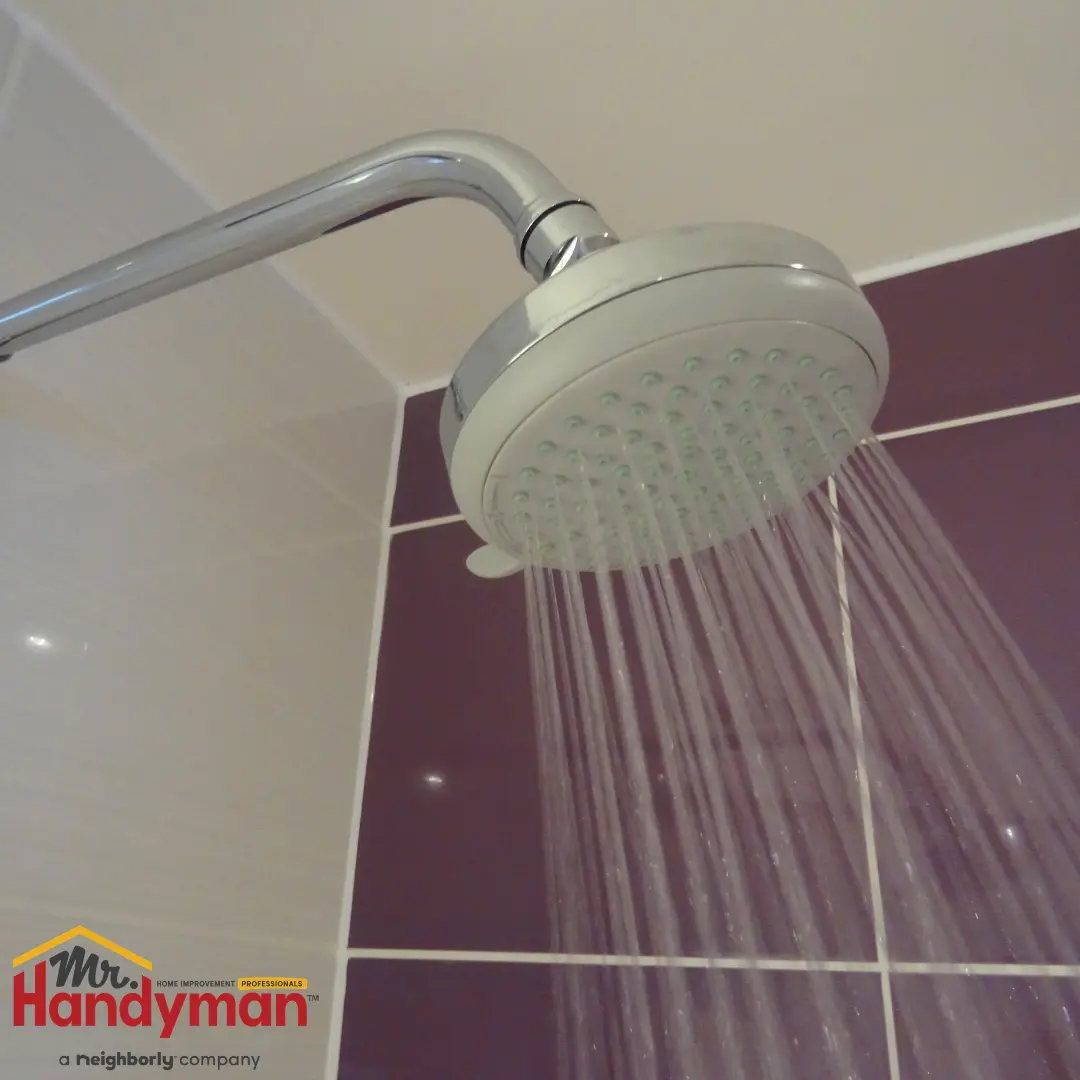
Showerhead nozzle restriction follows the same mineral accumulation mechanism at spray nozzle positions that regional municipal water and summer heat together advance between cleaning intervals. The irregular spray pattern that some nozzles open while others remain mineral-blocked, the reduced overall flow that accumulation across multiple nozzles creates, and the directional drift that partially blocked nozzles produce all communicate the seasonal mineral accumulation that white vinegar soaking addresses. Rubber nozzle showerheads whose openings wipe clean between full soaking cycles provide the most practical maintenance advantage for Northern St. Joseph and Elkhart County households managing moderately hard regional water between cleaning intervals.
Municipal Supply Pressure During Michiana Peak Summer Demand

The municipal water distribution systems serving Northern St. Joseph and Elkhart County communities manage the summer demand concentration that lawn irrigation, outdoor entertaining, and increased household water use creates across service territories. That peak summer demand creates system-level pressure variation affecting households throughout the service territory simultaneously during concentrated use periods, representing a pressure reduction cause that no household-level repair addresses because its origin exists at the distribution level rather than within the home's supply system.
Irrigation system peak demand across South Bend, Mishawaka, Granger, Elkhart, and Goshen residential communities creates the most significant municipal supply pressure concentration regional homeowners experience during summer. Lawn irrigation that Michiana's warm, occasionally dry periods motivate concentrates substantial simultaneous water withdrawal from the distribution system during early morning hours that regional irrigation schedules typically concentrate around. The homeowner whose morning shower pressure drops noticeably between 5:00 and 8:00 AM during summer months is experiencing municipal distribution pressure reduction that neighborhood irrigation concentration creates during peak withdrawal hours, not a household plumbing condition that internal repair addresses.
The Notre Dame summer calendar's water demand in South Bend and Granger service territories creates the specifically regional peak demand dimension that the University's summer programming, conference facilities, and extensive campus irrigation concentrates in the St. Joseph County distribution territory. South Bend and Granger area homeowners who notice summer pressure variation correlated with Notre Dame's active summer programming are observing the regional demand concentration the University's water use creates in the distribution system those households share.
Confirming municipal versus household pressure reduction is the essential diagnostic step that prevents household repair investment from addressing the wrong cause. A pressure gauge on an outdoor hose bib reading below 45 PSI during the pressure reduction period confirms the municipal supply is delivering reduced pressure. The same gauge reading adequate supply pressure at 55 to 65 PSI while interior fixtures deliver reduced flow confirms the household supply system carries the restriction that internal assessment and repair specifically addresses rather than the distribution system condition no household intervention resolves.
Pressure Reducing Valve Conditions in Michiana Homes
The pressure reducing valve managing municipal supply pressure entering Northern St. Joseph and Elkhart County homes represents the whole-house pressure control component whose mineral accumulation and age-related wear create the household supply pressure reduction affecting every fixture simultaneously when that valve's function has been compromised between inspection intervals.
The moderately hard municipal water's mineral contact advances the internal seat and diaphragm conditions those valves carry between service intervals. Unlike aerator and showerhead cleaning that targeted fixture restoration addresses, pressure reducing valve mineral accumulation in the internal components regulating household supply pressure requires professional valve assessment confirming whether adjustment, cleaning, or replacement provides the appropriate restoration for the specific valve condition the inspection reveals.
Older Michiana homes in established South Bend, Mishawaka, and Elkhart neighborhoods carry pressure reducing valve ages that multiple decades of moderately hard municipal water contact and the Great Lakes climate's seasonal thermal cycling have advanced toward deterioration thresholds. A pressure reading below 45 PSI at the downstream port when municipal supply pressure confirms adequate delivery to the home communicates the valve condition that professional service addresses before summer's concentrated demand tests whatever pressure delivery the current valve provides throughout the regional home's fixture positions.
Hot Water Pressure Distinctions
Pressure reduction specifically affecting hot water outlets while cold water positions continue delivering adequate pressure communicates the water heater supply system condition rather than the pressure reducing valve or municipal supply origin that whole-house simultaneous pressure reduction indicates.
The hot water shutoff valve at the water heater's supply inlet carries the mineral accumulation that moderately hard Michiana municipal water creates in those valve internals between maintenance intervals. A partially restricted hot water shutoff valve delivers reduced hot water pressure that all hot water outlets throughout the home simultaneously experience while cold water at those same positions continues performing normally. The household noticing hot water pressure loss at the kitchen faucet, showerhead, and bathroom sink simultaneously while cold water continues performing adequately is observing the hot water supply valve restriction pattern that professional valve assessment identifies and replacement addresses.
Water heater sediment creates the reduced hot water delivery volume that significant mineral accumulation in tank bottoms produces. While sediment does not directly reduce supply pressure at the inlet, the reduced available hot water volume and extended recovery time that significant sediment creates produce the functional pressure sensation homeowners describe as reduced hot water pressure during concentrated summer demand periods when household hot water use peaks through morning routines and evening entertaining that the Michiana active warm season creates simultaneously.
Frequently Asked Questions
Why does water pressure specifically drop during summer in Northern St. Joseph and Elkhart County homes?
The convergence of the Great Lakes winter's residual effects on building envelope-adjacent supply components, the moderately hard municipal water's mineral accumulation accelerated by summer heat, the municipal distribution system's peak demand reduction during neighborhood irrigation hours, and the increased household water use that summer's active social calendar creates together produce the specific summer pressure reduction pattern Michiana homeowners recognize annually as the regional conditions concentrate simultaneously through the warm season.
How do I determine whether my pressure issue is a municipal supply problem or a household plumbing issue?
A pressure gauge on an outdoor hose bib provides the definitive answer. A reading below 45 PSI confirms the distribution system is delivering reduced pressure and that no internal repair restores what the supply is not providing. Adequate supply pressure at the hose bib combined with reduced pressure at interior fixtures confirms the household supply system restriction that aerator cleaning, showerhead service, stop valve assessment, or pressure reducing valve evaluation addresses depending on whether the reduction affects individual fixtures or all fixtures simultaneously.
How often should Michiana homeowners clean faucet aerators?
Semi-annual cleaning provides the maintenance frequency that moderately hard Michiana municipal water warrants. Spring cleaning addresses the mineral accumulation the previous winter's heating season concentrated, and fall cleaning removes the summer's accelerated mineral deposition before winter's renewed demand activates those positions through another heating season. The regional water hardness and the Great Lakes climate's seasonal demand pattern both motivate that semi-annual frequency for the Michiana household managing moderate mineral accumulation through the annual calendar.
What is the most overlooked summer pressure reduction cause in Michiana homes?
The post-winter building envelope-adjacent supply line condition is the most consistently overlooked cause across Northern St. Joseph and Elkhart County homes. The Great Lakes winter's thermal cycling effects on those specific supply pipe sections at crawl space, basement, and exterior wall positions advance restriction without the external signal other pressure reduction causes sometimes communicate. The homeowner who cleans aerators and services the showerhead without restoring adequate pressure at all fixtures may be experiencing the post-winter supply line condition or pressure reducing valve deterioration that those targeted fixture cleanings cannot address because the restriction exists upstream of the fixture positions those cleaning events specifically served.
Does the Notre Dame academic calendar affect water pressure for South Bend and Granger homeowners?
The University's summer programming, campus irrigation, and conference facility operations contribute to the St. Joseph County municipal distribution demand those households share. South Bend and Granger area homeowners observing pressure variation that correlates with Notre Dame's active summer calendar are seeing the regional demand concentration the University's water use creates alongside residential irrigation and outdoor entertaining demand the broader community simultaneously concentrates in the shared distribution system. Distribution-level pressure variation from municipal demand concentration does not respond to household repair investment because its cause exists at the supply system level those households share rather than within individual home supply components.
Michiana Homes With the Pressure They Deserve
Low water pressure during summer in Northern St. Joseph and Elkhart Counties communicates the regional conditions that the Great Lakes winter's residual supply component effects, the moderately hard municipal water's seasonal mineral accumulation, the distribution system's peak demand dynamics during neighborhood irrigation hours, and the household supply component conditions all create during the Michiana warm season. From South Bend and Mishawaka through Granger and Osceola to Elkhart and Goshen, the households navigating those regional conditions benefit from the diagnostic expertise that identifies the specific pressure reduction cause before repair investment proceeds toward the wrong target. Mr. Handyman of Northern St. Joseph and Elkhart Counties provides that regional plumbing knowledge to homeowners throughout the service area.
Mr. Handyman of Northern St. Joseph and Elkhart Counties
Website: https://www.mrhandyman.com/northern-st-joseph-elkhart-counties/
Serving homeowners and businesses throughout Northern St. Joseph and Elkhart Counties with dependable service and the expertise your home deserves.