

Why Michiana Commercial Buildings Need a Mid-Summer Assessment
The mid-summer maintenance checkpoint that commercial building owners and property managers across South Bend, Mishawaka, Granger, Elkhart, and Goshen conduct through July and August serves a specifically regional purpose that the Great Lakes climate, the Michiana business community's active warm season calendar, and the moderately hard municipal water those commercial buildings receive together create as the maintenance evaluation context that distinguishes the Northern St. Joseph and Elkhart County commercial building from comparable structures in more moderate climates without those combined regional mechanisms.
The Great Lakes region's dramatic seasonal character concentrates specific building stress at specific calendar positions that the mid-summer assessment specifically captures as the active warm season's accumulated effects on the commercial building systems that spring brought back into full demand after the winter maintenance the cold season required. The HVAC systems that have been managing the Michiana summer's genuine heat and humidity through the peak demand months of June and July, the building envelope positions that the spring's heavy precipitation and the summer's afternoon storm activity have been testing through the active warm season, the parking lot and exterior surfaces that the previous winter's freeze-thaw cycling created conditions in that summer's biological growth and heat have been advancing further, and the plumbing systems that the commercial building's peak season occupancy has been concentrating demand through since Memorial Day all carry the mid-summer assessment conditions that the specifically regional commercial building maintenance program warrants evaluating before the fall's transition season creates the next maintenance window.
The Elkhart RV manufacturing economy's commercial building stock, the University of Notre Dame area's commercial and institutional properties, the South Bend and Mishawaka retail and service corridors, and the Goshen business community's diverse commercial inventory all carry the mid-summer building maintenance priorities that the Great Lakes commercial building context creates as the regional assessment scope that the peak warm season's accumulated effects specifically motivate evaluating comprehensively before August's end transitions those buildings toward the fall preparation the approaching cold season requires.
HVAC Systems: The Mid-Summer Priority

The commercial HVAC systems serving Northern St. Joseph and Elkhart County buildings have been managing the Michiana summer's genuine heat and humidity through the peak cooling demand months that the Great Lakes region's warm season creates, and the mid-summer assessment that confirms those systems are performing adequately for the remaining warm season weeks specifically addresses the accumulated filter loading, the condensate drain conditions, and the coil performance that peak cooling demand has been testing since the spring transition service those systems received before summer's demand activated.
Filter assessment and replacement at the mid-summer interval addresses the filter loading that the Michiana summer's biological spore activity, the commercial building's peak occupancy, and the outdoor air quality conditions the Great Lakes warm season creates in commercial HVAC filter media since the spring transition replacement. The filter loading that peak cooling season concentrates through commercial filter media at the rates the Michiana summer's warm, humid conditions and the commercial building's active occupancy creates between replacement intervals warrants the mid-summer assessment that confirms whether current filter conditions adequately serve the remaining warm season weeks or whether replacement before August provides the filtration quality the commercial occupancy and the outdoor air conditions warrant.
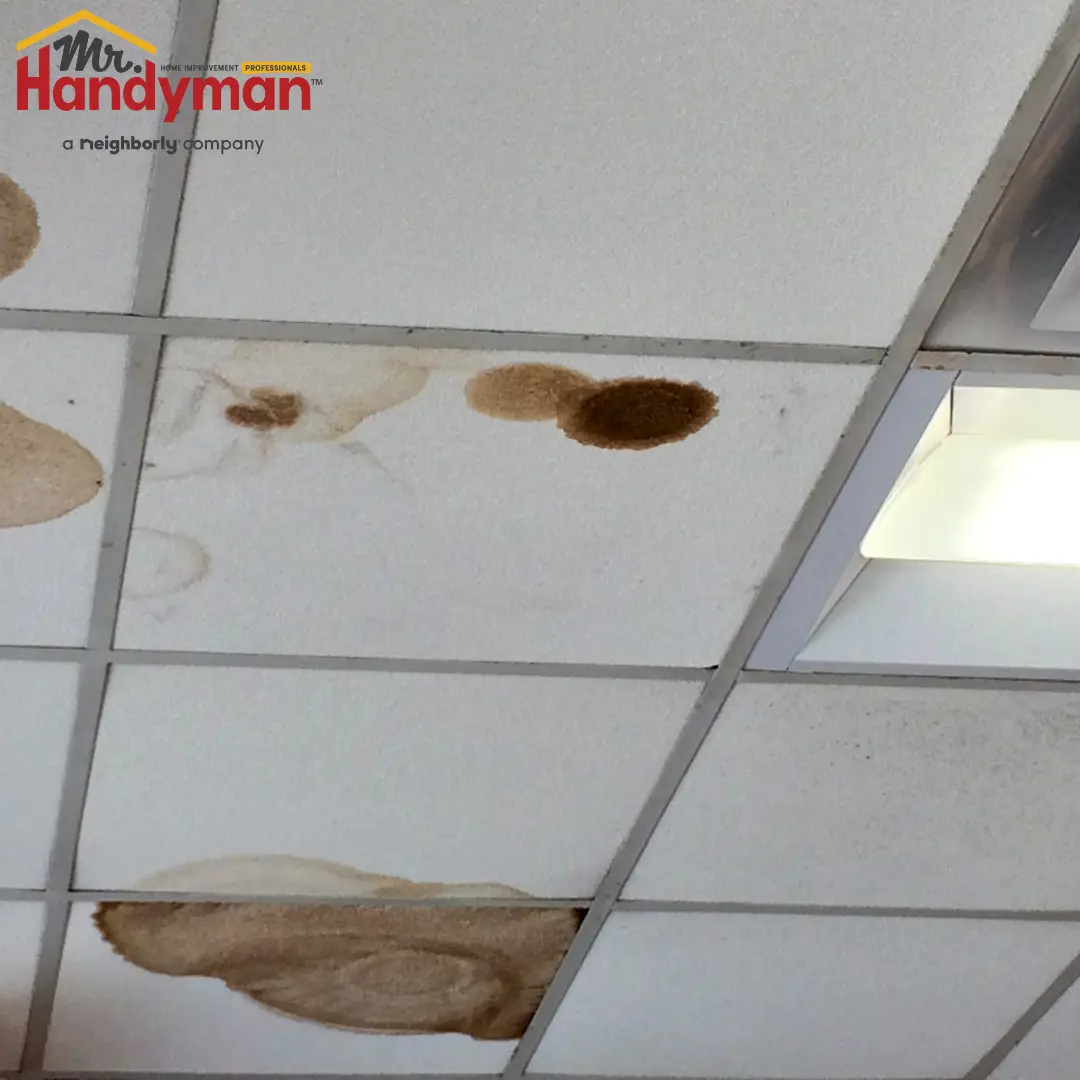
Condensate drain confirmation at the mid-summer interval evaluates whether the biological growth that the warm, humid Michiana spring activated in HVAC condensate drain pathways has restricted those passages toward the overflow threshold that peak summer cooling demand's condensate volumes will test before the fall's reduced cooling demand lessens those drain passage volumes. The condensate drain assessment that confirms clear passage before August's peak cooling demand concentration provides the overflow prevention that the commercial ceiling assemblies above occupied spaces specifically require before restricted drainage creates the ceiling damage and the biological establishment those overflow events produce in affected commercial building positions.
Coil cleaning assessment at the mid-summer interval confirms whether the evaporator and condenser coil conditions the spring transition service addressed have maintained adequate heat transfer performance through the peak cooling demand months that the Michiana summer concentrated through those commercial systems since the spring service event. The coil fouling that biological growth, the moderately hard municipal water's mineral contact through condensate, and the summer's outdoor air particulate advance in those coil surfaces between service intervals specifically reduces the heat transfer efficiency that peak cooling demand concentrates against NIPSCO or Indiana Michigan Power commercial utility rates through the remaining warm season weeks.
Building Envelope Mid-Summer Assessment
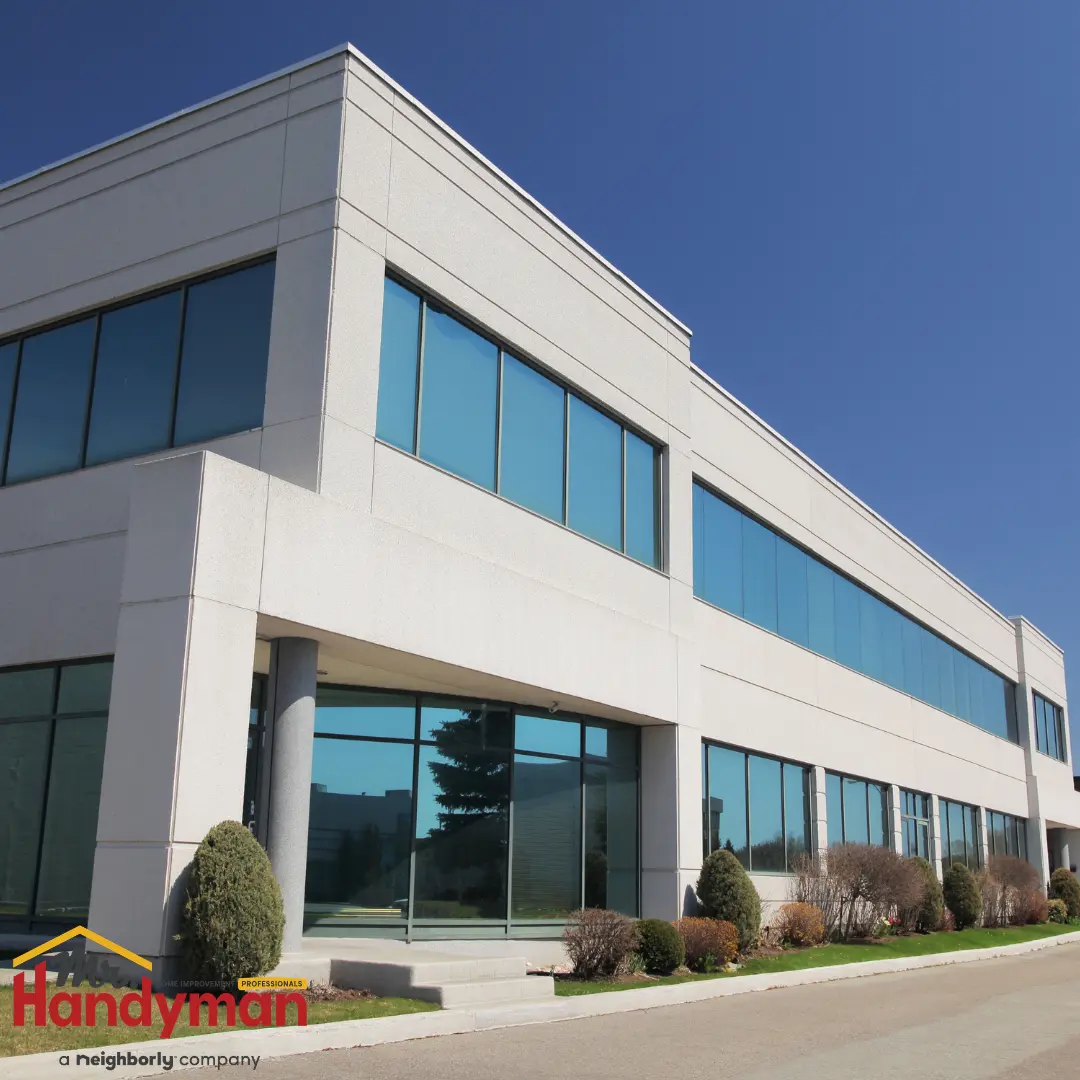
The building envelope conditions that Northern St. Joseph and Elkhart County commercial buildings carry at mid-summer reflect the accumulated effects that the spring's heavy precipitation, the summer's afternoon storm activity, and the biological growth that the warm, humid Michiana season activates on exterior facade and roofing positions have advanced since the winter maintenance the previous cold season required and the spring assessment that followed the Great Lakes winter's freeze-thaw cycling.
Roofing membrane inspection at the mid-summer interval evaluates the membrane conditions, the flashing integrity, and the parapet and penetration sealing that the spring's precipitation and the summer's UV and heat loading have advanced since the last professional assessment. The roofing membrane inspection that identifies developing conditions at the mid-summer assessment provides the repair timing that the fall's transition season can accommodate before the Great Lakes winter's ice dam formation, the snowload accumulation, and the freeze-thaw cycling at roofing membrane positions creates the escalated building envelope risk those developing conditions would present without the mid-summer identification and fall repair that timely assessment specifically enables.
Building facade biological growth assessment evaluates the mold, mildew, and organic accumulation that the warm, humid Michiana summer activates on commercial exterior surfaces since the spring cleaning the previous assessment motivated. The biological growth that the Great Lakes warm season advances on shaded facade positions, at the ground-level masonry that landscaping irrigation and afternoon storm moisture contact sustains between treatment intervals, and at the building envelope transition positions where moisture retention creates the biological growth substrate the regional summer's ambient temperatures advance warrants the mid-summer assessment that identifies the professional treatment need before the accumulated establishment advances further through the remaining warm season weeks.
Caulking and sealant assessment at window perimeters, storefront transitions, and building envelope penetrations evaluates the sealant conditions that the spring's heavy precipitation and the summer's afternoon storm activity have tested at those specific building envelope positions since the previous assessment. The sealant position whose adhesion the spring's moisture loading advanced toward the failure threshold that mid-summer assessment reveals as the developing condition provides the repair timing that fall correction addresses before the Great Lakes winter's freeze-thaw cycling and ice formation at those compromised positions advances the moisture infiltration those failing sealant positions allow toward the interior damage that winter's sustained cold creates in the building assemblies infiltrated moisture reaches.
Parking Lot and Exterior Surface Mid-Summer Assessment
The commercial parking lot and exterior surface conditions that Northern St. Joseph and Elkhart County buildings carry at mid-summer reflect the accumulated effects that the previous Great Lakes winter's freeze-thaw cycling created in those surfaces and that the biological growth and heat of the Michiana warm season have been advancing since the spring assessment evaluated those initial winter effects.
Biological growth on parking surfaces at shaded and moisture-adjacent positions creates the slip hazard that the warm, humid Michiana summer advances on those commercial parking lot positions between professional treatment intervals. The mid-summer biological assessment that identifies the organic establishment those shaded parking positions carry at the peak warm season's biological growth rate provides the treatment timing that protects customer and employee safety at those positions through the remaining warm season weeks before the fall's reduced temperatures naturally slow the biological growth that summer's warmth specifically sustains on those commercial exterior surfaces.
Crack progression assessment in the commercial asphalt and concrete surfaces evaluates whether the crack conditions the winter's freeze-thaw cycling created have advanced through the spring's moisture and the summer's heat toward the sealant threshold that timely repair addresses before those cracks reach the structural deterioration that deferred repair allows. The mid-summer crack assessment that identifies the sealant need provides the repair window that late summer and early fall treatment occupies before the Great Lakes winter's freeze-thaw cycling advances unsealed crack positions toward the accelerated deterioration those vulnerable surface positions experience through the cold season without the sealant protection that timely identification and repair provides.
Storm drainage confirmation evaluates the drain inlet conditions and the parking lot grading performance that the spring's heavy precipitation and the summer's afternoon storm activity have tested at those drainage infrastructure positions since the previous assessment. The biological accumulation and the organic debris that the warm Michiana season deposits in commercial drainage inlet positions restricts the storm water management those systems provide, and the mid-summer clearing that addresses those restrictions before August's remaining storm activity tests those drainage positions further provides the storm water management capacity that the commercial building's parking lot drainage infrastructure warrants maintaining through the remaining active warm season weeks.
Interior Commercial Systems Mid-Summer Assessment
The interior commercial building systems that Northern St. Joseph and Elkhart County buildings carry at mid-summer reflect the accumulated effects that the peak warm season's occupancy concentration, the moderately hard municipal water's continuous mineral accumulation in plumbing and mechanical components, and the biological growth that the Michiana summer's warm, humid conditions activate in moisture-adjacent interior positions have advanced since the spring assessment those systems received before summer's peak demand activated.
Commercial restroom assessment evaluates the biological accumulation on tile, grout, and moisture-adjacent surfaces that the warm Michiana summer advances between professional cleaning intervals, the mineral accumulation that the moderately hard regional municipal water creates on fixture surfaces and grout positions, and the supply and drain component conditions that peak season commercial use concentrates demand through between maintenance intervals. The mid-summer restroom assessment that confirms current conditions and identifies the professional cleaning or component service the situation warrants provides the maintenance timing that the remaining peak season occupancy weeks motivate addressing before those conditions advance further through the warm season's continued biological growth activation.
Breakroom and common space assessment evaluates the plumbing fixture conditions, the coffee station and appliance performance against the moderately hard regional water's mineral accumulation in those components, and the surface conditions that peak season staff use has concentrated through those spaces since the spring preparation. The coffee station descaling need that the moderately hard Michiana municipal water creates in commercial beverage equipment heating elements between cleaning intervals, the breakroom sink aerator restriction that moderately hard water's mineral contact advances in those screen positions, and the refrigeration performance that the Michiana summer's ambient temperatures load against commercial breakroom refrigeration through the peak warm season all represent the mid-summer breakroom assessment items that the remaining warm season occupancy concentration specifically motivates confirming before those conditions compromise the staff facility quality those spaces provide.
Plumbing supply and drain confirmation evaluates the commercial building's supply connection conditions, the stop valve function at each plumbing position, and the drain system performance that the peak season's commercial occupancy has been concentrating through those systems since spring. The stop valve confirmation that each commercial building plumbing position provides the isolation capability that emergency response requires, the supply connection visual assessment at the building's most aged or highest-demand positions, and the drain performance confirmation at the commercial kitchen and restroom positions that peak occupancy most directly loads all represent the mid-summer commercial plumbing assessment that the peak season's demand concentration on those systems motivates confirming before the remaining warm season weeks continue testing those conditions without the professional assessment that identifies developing concerns at the early-stage intervention scope.
Frequently Asked Questions
Why does the Great Lakes climate make mid-summer commercial building assessment specifically important for Northern St. Joseph and Elkhart County properties?
The Great Lakes climate's dramatic seasonal character concentrates specific building stress at specific calendar positions that the mid-summer assessment captures as the active warm season's accumulated effects on commercial building systems that peak demand, biological growth, and the afternoon storm activity the Michiana summer produces have been advancing since spring. The winter's freeze-thaw cycling created the parking lot and building envelope conditions that spring's moisture and summer's heat have been advancing further, the warm season's biological growth has been activating on commercial facade and interior surfaces since the temperatures the Great Lakes summer produces activated that growth mechanism, and the peak season's commercial occupancy has been concentrating HVAC, plumbing, and common space demands through those systems since Memorial Day. Mid-summer assessment captures those accumulated effects at the point where the remaining warm season weeks still provide the correction window before fall's transition and the approaching Great Lakes winter escalate whatever developing conditions the mid-summer assessment identifies without the timely professional attention that assessment motivates.
What commercial building system warrants the highest mid-summer assessment priority in Michiana properties?
HVAC condensate drain confirmation warrants the highest mid-summer assessment priority because the warm, humid Michiana spring activates biological growth in those drain pathways before the cooling season generates the condensate volumes that biological restriction prevents from draining, and the peak summer cooling demand through July and August concentrates those condensate volumes continuously against whatever restriction the spring's biological activation created in those drain passages. The condensate overflow that restricted drainage creates in commercial ceiling assemblies above occupied spaces delivers the ceiling system damage, the biological establishment, and the occupied space disruption that proactive mid-summer drain confirmation prevents at the assessment cost that emergency overflow response costs multiples of after damage occurs.
How does the moderately hard Michiana municipal water affect mid-summer commercial building maintenance priorities?
The moderately hard water that South Bend, Mishawaka, Elkhart, and Goshen municipal supplies deliver advanced mineral accumulation in commercial HVAC condensate components, commercial restroom and breakroom plumbing fixtures, and the commercial building's water-using appliances and equipment between professional service intervals at the rates the regional water chemistry creates. The mid-summer assessment that confirms current mineral accumulation conditions in those commercial building positions provides the service timing that the remaining peak season weeks motivate addressing before those mineral conditions further compromise the equipment performance and the fixture appearance that the commercial building's peak season occupancy most directly evaluates through the active warm season.
Should Northern St. Joseph and Elkhart County commercial building managers conduct mid-summer assessments themselves or hire professional service?
The visual assessments that commercial building managers effectively complete include parking lot biological growth and crack progression observation, exterior facade and roof drainage visual assessment from accessible positions, commercial restroom cleanliness and fixture function evaluation, and breakroom appliance performance assessment. The mid-summer assessment scope that benefits from professional expertise includes roofing membrane condition evaluation at parapet and penetration positions, HVAC coil condition and condensate drain confirmation, commercial plumbing stop valve function testing throughout the building, and the building envelope sealant condition assessment at window perimeter and storefront transition positions. The combination of building manager visual assessment and scheduled professional service at the mid-summer interval provides the most comprehensive commercial building condition awareness the regional context warrants.
What is the most commonly deferred mid-summer commercial maintenance item across Northern St. Joseph and Elkhart County properties?
HVAC filter replacement at the mid-summer interval is the most consistently deferred commercial maintenance item across the Michiana commercial building inventory because the spring transition service that replaced filters before summer's demand activated provides the psychological assurance that current filter conditions remain adequate without the mid-summer reassessment that peak cooling season's actual filter loading rate warrants. The filter loading that the Michiana summer's biological spore activity, the commercial building's peak occupancy, and the outdoor air quality the Great Lakes warm season creates advances in commercial filter media at rates that the spring replacement's timeline alone does not account for through the July and August peak demand months that the regional warm season concentrates at the maximum filter loading rates those commercial systems experience throughout the annual calendar.
Michiana Commercial Buildings Maintained Through the Peak Season
The mid-summer maintenance checklist that Northern St. Joseph and Elkhart County commercial building owners and property managers complete through July and August delivers the peak season building performance that the Great Lakes commercial building context, the Michiana business community's active warm season calendar, and the moderately hard municipal water those commercial buildings receive all together create as the maintenance investment those buildings warrant before the fall transition and the approaching Great Lakes winter escalate whatever the mid-summer assessment identified as the developing conditions the remaining warm season weeks still provide the correction window to address. HVAC condensate drains confirmed before peak August cooling demand tests those passages further. Building facade biological growth addressed before accumulated establishment advances through the remaining warm season. Parking lot biological slip hazards treated before the remaining summer foot traffic concentrates on those conditions. Commercial restroom and breakroom conditions confirmed before peak season occupancy evaluates those spaces through the final warm season weeks. Each mid-summer maintenance investment delivering its commercial building performance return through every remaining peak season week that the adequately maintained Northern St. Joseph and Elkhart County commercial building serves its tenants, customers, and staff throughout the genuinely excellent Michiana warm season.
Mr. Handyman of Northern St. Joseph and Elkhart Counties
Website: https://www.mrhandyman.com/northern-st-joseph-elkhart-counties/ Serving businesses throughout Northern St. Joseph and Elkhart Counties with dependable commercial maintenance and the expertise your property deserves.
