
Northern Indiana Makes Outdoor Faucet Maintenance Non-Negotiable
There are home maintenance tasks that are advisable in moderate climates and genuinely necessary in Northern Indiana. Outdoor faucet and hose bib maintenance falls firmly in the second category for homeowners throughout Northern St. Joseph and Elkhart Counties. The sustained below-zero temperatures that Lake Michigan's climate influence delivers to the South Bend, Mishawaka, Elkhart, and Goshen areas through the heating season, the deep frost penetration that Northern Indiana's winter produces in the soil and building assemblies adjacent to outdoor plumbing, and the compressed outdoor season that the region's climate creates between reliable spring thaw and the return of fall freeze events all shape the outdoor faucet maintenance requirements in ways that moderate-climate guidance simply does not address with the same urgency or the same specificity.

A homeowner in coastal California or central Georgia can be somewhat casual about outdoor faucet maintenance and encounter modest consequences for that casualness. A homeowner in Northern St. Joseph or Elkhart County who approaches outdoor faucet maintenance with the same casual attitude is managing a different risk profile. The below-zero events that Northern Indiana's Lake Michigan-influenced climate delivers without reliable warning and the sustained cold that the region's heating season produces in outdoor and exterior-adjacent plumbing components create the freeze damage conditions that are not hypothetical risks in this climate but routine annual occurrences in homes across South Bend, Mishawaka, Elkhart, and Goshen whose outdoor plumbing has not been adequately prepared.
The compressed outdoor season that Northern Indiana's climate creates adds its own dimension to outdoor faucet maintenance. The window between the reliable spring thaw that frees outdoor plumbing from winter's constraints and the first fall freeze events that signal the return of freeze risk is shorter here than in most of the country. Within that window, every outdoor water use function that Northern Indiana homeowners depend on must be accomplished, and outdoor faucets and hose bibs that are not functioning correctly at spring startup reduce the available outdoor season before repairs can be completed and use can resume.
What Northern Indiana's Winter Does to Outdoor Faucets
Sustained below-zero temperatures in Northern St. Joseph and Elkhart Counties produce the outdoor faucet damage conditions that distinguish Northern Indiana from the transitional climates of more southerly Midwest markets. The Lake Michigan effect that keeps temperatures above zero in markets to Indiana's south and west fails to provide the same protection in the Northern Indiana corridor, and the sustained cold periods that Northern Indiana's winters deliver test outdoor and exterior-adjacent plumbing with the thermal conditions that produce freeze damage not through a single exceptional event but through the ordinary Northern Indiana winter.
A standard outdoor faucet with water remaining in its body during a sustained below-zero Northern Indiana cold period experiences the expansion force that ice creates in confined water in ways that eventually crack the internal housing, split the supply line behind the wall, or produce the connection failure at the fitting that joins the exterior faucet to the interior supply. That damage may not produce an obvious flowing leak until spring temperatures allow water to flow freely again, revealing at first use the damage that the season's cold produced in ways that remained hidden until warmth restored the conditions that make leaks visible.
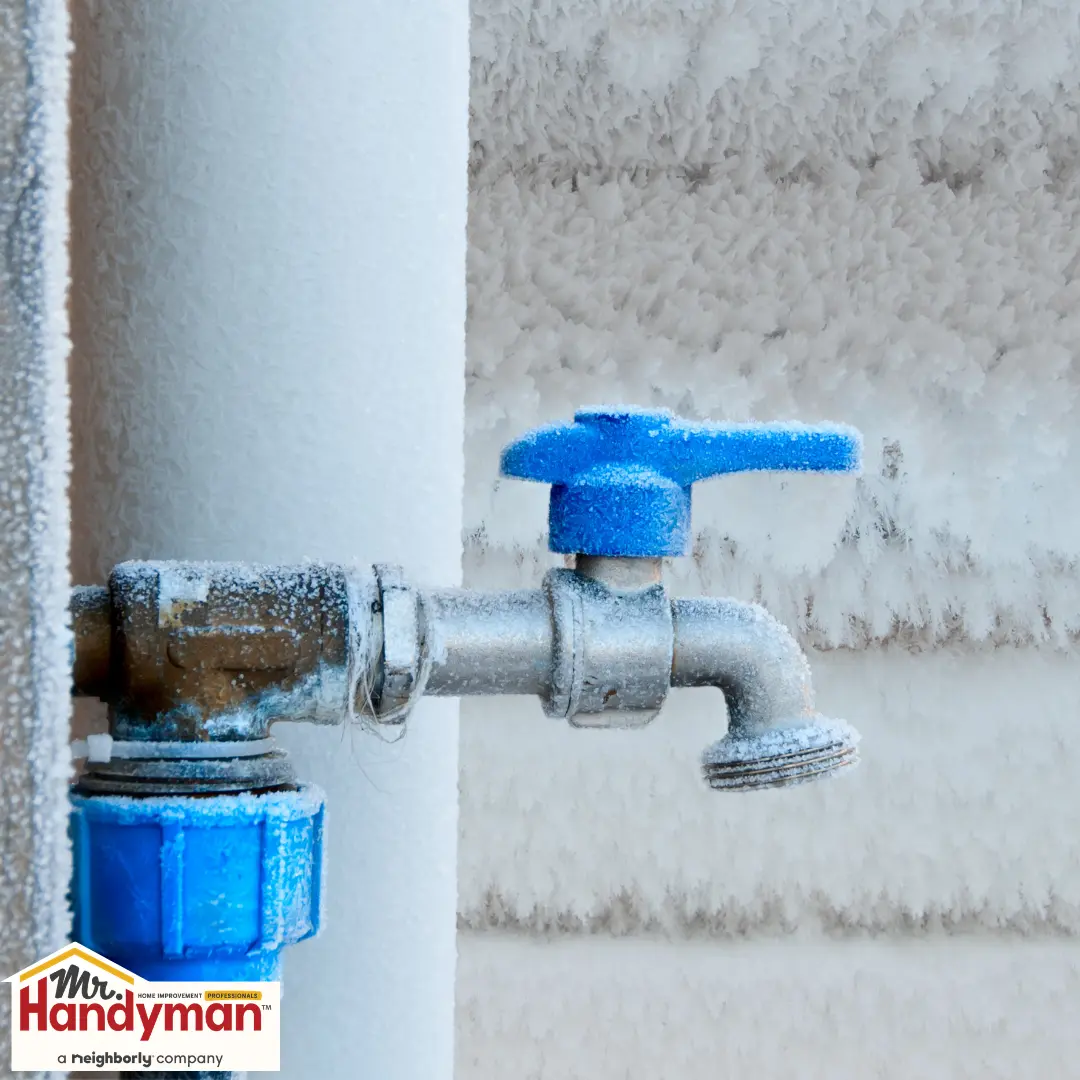
Frost-free hose bibs are the construction standard that Northern Indiana's climate demands, and most homes built in the South Bend, Mishawaka, Elkhart, and Goshen areas in recent decades have them installed. A frost-free hose bib's protection depends on the drainage function that occurs when the handle is closed, allowing the water in the exterior faucet body to drain back toward the interior of the home where temperatures remain above freezing. This protection is eliminated when a garden hose remains connected to the faucet after it is closed, because the hose's water weight creates the back pressure that prevents drainage. In Northern Indiana's climate, leaving a garden hose connected to a frost-free faucet through a cold period is functionally equivalent to having a standard faucet for the purposes of freeze protection.
The fall disconnect imperative in Northern St. Joseph and Elkhart Counties reflects the unpredictability of Northern Indiana's first significant freeze events. The region's fall weather pattern can produce pleasant mild conditions that persist into November followed by a rapid hard freeze that arrives with less warning than homeowners who depend on gradual seasonal signals expect. Hose disconnection and outdoor faucet winterization that occurs on a reliable fall schedule before that first significant freeze rather than reactively in response to forecast warnings provides the protection that Northern Indiana's unpredictable fall freeze timing requires.
Spring Startup: The Assessment That Sets Up the Outdoor Season
Spring outdoor faucet startup in Northern St. Joseph and Elkhart Counties is not simply turning the water on and resuming outdoor use from where the previous season ended. It is the assessment opportunity that confirms whether the winter's conditions produced damage in the outdoor plumbing components that will bear the full outdoor season's demand and that identifies developing conditions before the compressed Northern Indiana outdoor season is already underway when those conditions produce failures.
Supply line integrity confirmation at spring startup involves turning the interior shutoff valve on slowly while observing the exterior faucet and listening for any sound of water movement within the wall cavity. Water flowing freely from the faucet spout when the exterior handle is opened indicates functional supply integrity. Water appearing at the wall connection point rather than the faucet spout, sounds of water movement within the wall, or no flow at all when the interior valve is opened all indicate conditions that the Northern Indiana winter may have produced in the supply line that professional assessment and repair should address before outdoor season use places sustained demand on compromised plumbing.
Frost-free faucet function testing at spring startup confirms that the drainage mechanism that frost-free design depends on has not been compromised by the season's cold events.
Diagnosing Common Outdoor Faucet Problems in Northern Indiana Homes
The symptoms that outdoor faucets in Northern St. Joseph and Elkhart County homes present at spring startup reflect the specific damage mechanisms that Northern Indiana's sustained cold, deep frost penetration, and the mechanical wear that the compressed outdoor season's concentrated use produces in these components between the previous fall's last use and the current spring's first assessment.
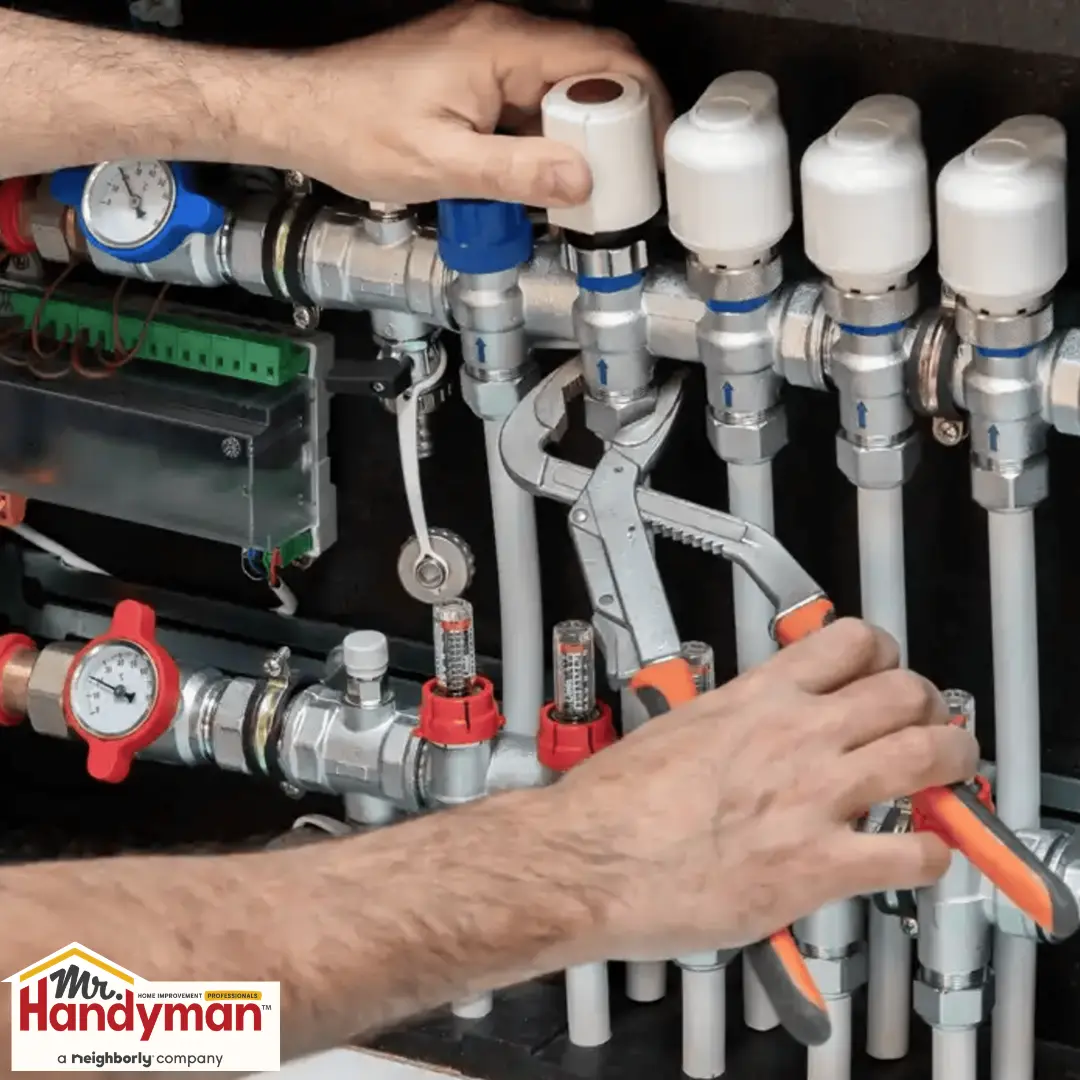
A faucet producing no flow at spring startup after the interior shutoff valve has been confirmed open indicates either a freeze blockage that has not fully thawed despite warming temperatures, a supply line that freeze damage has collapsed or cracked in ways that prevent flow, or an interior shutoff valve that has developed the mineral or corrosion-related failure that Northern Indiana's hard water supply produces in valves that are not regularly operated. In each case, professional assessment before attempting to force flow through a blocked system prevents the additional damage that pressurizing a compromised supply line or faucet assembly creates when the underlying condition warrants repair rather than forced operation.
A faucet leaking at the wall connection is the symptom that communicates the most consequential freeze damage in Northern Indiana outdoor plumbing, because the moisture entering the wall assembly at that location has been doing so since the freeze event that created the damage, and the extended cold period of a Northern Indiana winter means that the leak may have been active for weeks or months before spring startup provided the first opportunity to observe it. The wall cavity moisture that this damage introduces in a Northern Indiana home during the heating season is contained in a cold, relatively dry environment that suppresses biological growth through the winter but that spring and summer temperatures then advance rapidly once warm conditions arrive.
A frost-free faucet dripping continuously at the spout or weep hole when the handle is closed indicates that the internal stem seal or vacuum breaker has failed in ways that the freeze-thaw cycling that Northern Indiana's temperatures create in these components advances at rates that moderate climates do not produce at the same pace. A continuously dripping frost-free faucet is also communicating that the drainage function that protects the faucet body from freeze events may be compromised, meaning that the faucet that has been providing freeze protection through previous Northern Indiana winters may not continue providing that protection through subsequent seasons without the repair that the current symptom indicates.
Reduced flow or irregular spray from outdoor faucets in Northern St. Joseph and Elkhart County homes most commonly traces to the mineral deposits that Northern Indiana's hard water supply accumulates in aerator screens and faucet components over the outdoor season's use. Hard water is a characteristic of the groundwater sources that serve communities throughout the Northern Indiana region, and the mineral content that the region's water carries deposits in every component it passes through over time.
Winterization: The Northern Indiana Outdoor Faucet Annual Requirement
The fall winterization process for outdoor faucets in Northern St. Joseph and Elkhart County homes is the annual maintenance investment whose absence creates the freeze damage that spring startup then discovers. In Northern Indiana's climate, winterization is not optional preparation for an exceptional cold event. It is routine maintenance for the ordinary Northern Indiana winter.
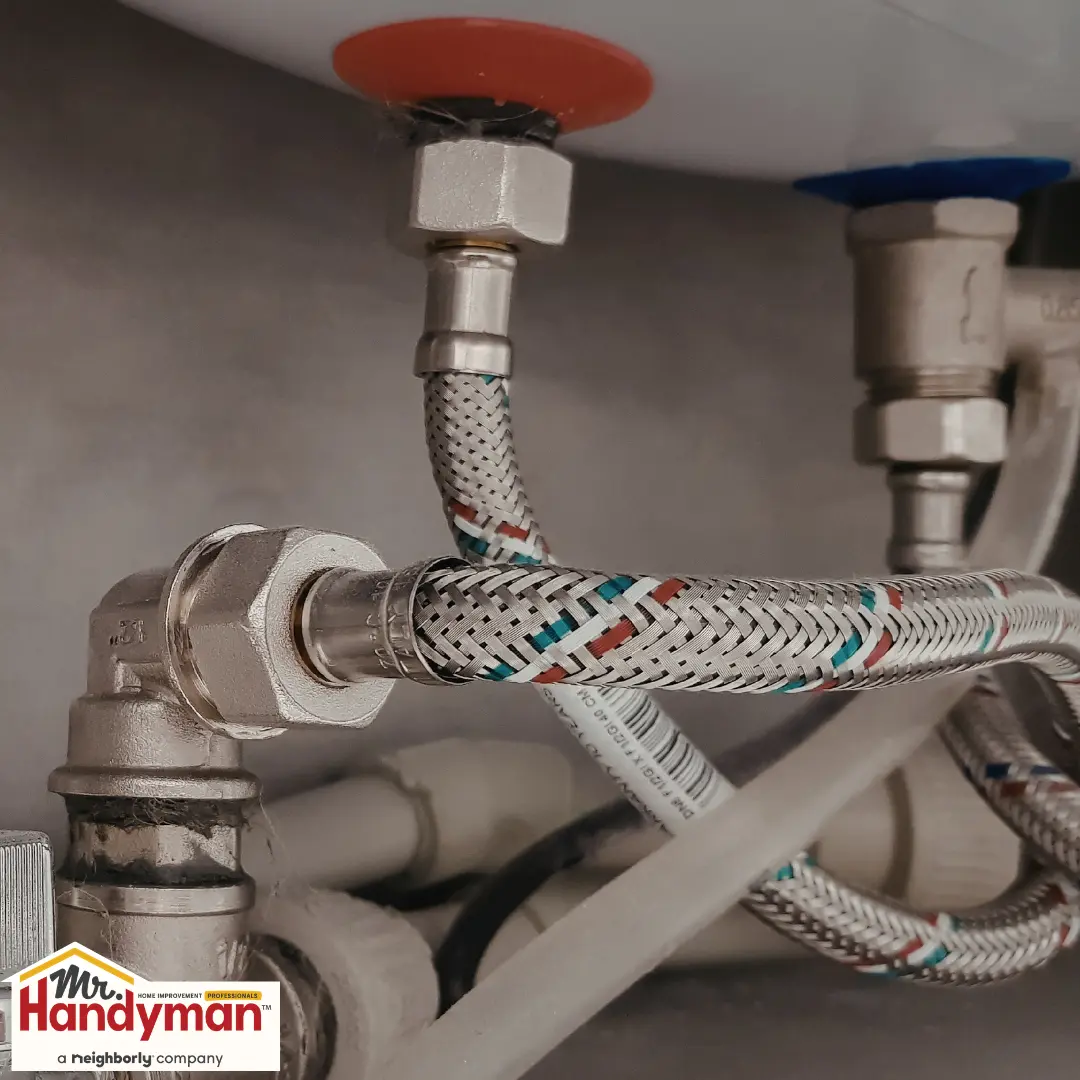
Complete winterization for each outdoor faucet in a Northern Indiana home involves the specific sequence that the regional climate requires. Disconnecting all garden hoses from every outdoor faucet before the first significant fall freeze allows frost-free faucets to drain as designed. Locating and closing the interior shutoff valve serving each outdoor faucet removes the water from the exterior supply path that Northern Indiana's cold reaches. Opening the exterior faucet handle after closing the interior valve allows residual water in the exterior portion of the supply line to drain completely before temperatures reach the freezing threshold that remaining water would be damaged by. And confirming that the faucet handle is returned to the closed position after draining prevents the confusion that an open exterior faucet creates at spring startup when the interior valve is reopened.
Foam faucet covers provide a supplemental insulation layer for frost-free faucet bodies that reduces heat loss during marginal freeze events in Northern Indiana. They do not substitute for the interior shutoff valve closure and hose disconnection that Northern Indiana's climate requires for genuine freeze protection, but they provide meaningful supplemental protection for the frost-free faucets that are serving standard construction correctly and that benefit from the additional insulation buffer during Northern Indiana's most sustained cold periods.
Irrigation System Connections in Northern Indiana
Irrigation system winterization in Northern St. Joseph and Elkhart County is as critical as individual outdoor faucet winterization, and the compressed fall season that Northern Indiana's climate creates for this work creates the urgency that irrigation system owners in milder climates do not manage with the same consequence for inadequate timing.
A professional blow-out of the irrigation system using compressed air to remove all water from zone supply lines, sprinkler heads, and connection hardware before Northern Indiana's first hard freeze is the irrigation winterization approach that the region's sustained cold demands. The water remaining in irrigation system components after the season ends does not drain sufficiently through gravity alone to prevent freeze damage in Northern Indiana's climate, and the sprinkler heads, zone valves, and backflow preventer components that retain water through a Northern Indiana winter accumulate the freeze damage that inadequate winterization allows in ways that spring startup reveals across multiple damaged components simultaneously.
Spring irrigation startup in Northern St. Joseph and Elkhart County homes should include the backflow preventer function assessment that confirms the device protecting household water supply from irrigation system back-siphonage has survived the Northern Indiana winter intact. The freeze-thaw cycling that the region's winters deliver to above-grade irrigation components includes the backflow preventer that is typically installed in an exposed above-grade position, and the internal check components and housing integrity that proper function requires should be confirmed before the irrigation season places ongoing demand on a device whose winter condition has not been assessed.
Frequently Asked Questions
How cold does it need to get before outdoor faucets are at risk in Northern Indiana? At sustained temperatures below twenty-eight degrees Fahrenheit, unprotected outdoor faucets in Northern St. Joseph and Elkhart County homes carry meaningful freeze damage risk, particularly if those temperatures persist for more than a few hours. The outdoor faucets most vulnerable are those with water remaining in the exterior faucet body, those with garden hoses still connected that prevent frost-free drainage, and those in exposed northern or northwestern-facing locations where Northern Indiana's prevailing winter winds accelerate heat loss beyond what air temperature alone suggests.
Should I replace standard outdoor faucets with frost-free models in a Northern Indiana home? Any standard outdoor faucet in a Northern St. Joseph or Elkhart County home that is not already frost-free warrants replacement with a frost-free model. The sustained cold that Northern Indiana's Lake Michigan-influenced climate regularly delivers makes frost-free installation not a quality upgrade but a basic protection specification that the region's ordinary winter conditions demand. The cost of frost-free installation is reliably less than the first freeze damage event it prevents in Northern Indiana's climate.
What is the appropriate length for a frost-free hose bib in a Northern Indiana home? Frost-free hose bibs are available in lengths from four to eighteen inches, and the appropriate length for a Northern St. Joseph or Elkhart County installation depends on the wall assembly thickness and the insulation level of the exterior wall that the faucet passes through. The stem should extend far enough into the conditioned interior that the shutoff point within the faucet body is located in the heated space rather than in the exterior wall assembly where Northern Indiana's frost depth and wall temperatures can reach it during sustained cold events.
How do I locate the interior shutoff valve for my outdoor faucets in a Northern Indiana home? Interior shutoff valves for outdoor faucets in Northern Indiana homes are typically located on the interior wall directly behind the exterior faucet location, often in an unfinished basement or utility space where the supply line is visible before it passes through the exterior wall. In finished basements across the service area where the wall assembly has been covered, the shutoff may be inside a small access panel or in an adjacent mechanical space. Locating and labeling every outdoor faucet's interior shutoff before fall freeze season arrives is the preparation step that emergency winterization or spring startup can rely on without the search that unlabeled valves require.
When should outdoor faucet winterization occur in Northern St. Joseph and Elkhart Counties? Northern Indiana's unpredictable fall freeze timing makes a calendar-based winterization date more reliable than a forecast-based approach in this market. Completing outdoor faucet winterization by October fifteenth provides adequate margin before Northern Indiana's early freeze events in most years without sacrificing significant outdoor use days during the fall shoulder period. Homeowners who prefer to extend outdoor water use through October should monitor extended forecasts specifically for the sustained below-freezing periods that Northern Indiana's fall pattern can produce and complete winterization before any forecast event rather than assuming that November is reliably available for this preparation.
Outdoor Faucets That Work Through the Northern Indiana Outdoor Season
The outdoor faucets and hose bibs in a Northern St. Joseph and Elkhart County home serve the compressed but genuinely valued outdoor season that Northern Indiana provides between winter's end and winter's return. Maintaining those components correctly through annual spring assessment, consistent winterization before fall freeze season, and prompt repair of developing conditions delivers the reliable outdoor water access that the region's outdoor season deserves without the freeze damage discoveries and emergency repairs that inadequate attention to Northern Indiana's outdoor faucet maintenance requirements produces.
The team at Mr. Handyman of Northern St. Joseph and Elkhart Counties has the regional experience to help homeowners assess, maintain, and properly winterize their outdoor faucets and hose bibs for everything Northern Indiana's seasons deliver.
Website: https://www.mrhandyman.com/northern-st-joseph-elkhart-counties/
Serving homeowners throughout Northern St. Joseph and Elkhart Counties with dependable service and the expertise your home deserves.
