
The Lake-Effect Winter Leaves a Specific Safety Account on Commercial Exteriors

Commercial parking lots, walkways, exterior entries, and the site infrastructure that Northern St. Joseph and Elkhart County businesses depend on for the safe arrival and departure of every customer, employee, and vendor emerge from the Lake Michigan-influenced winter carrying the accumulated safety conditions that the regional heating season's specific mechanisms create in commercial exterior surfaces at rates that moderate climates without the Lake-effect winter's specific character do not produce between comparable service intervals.
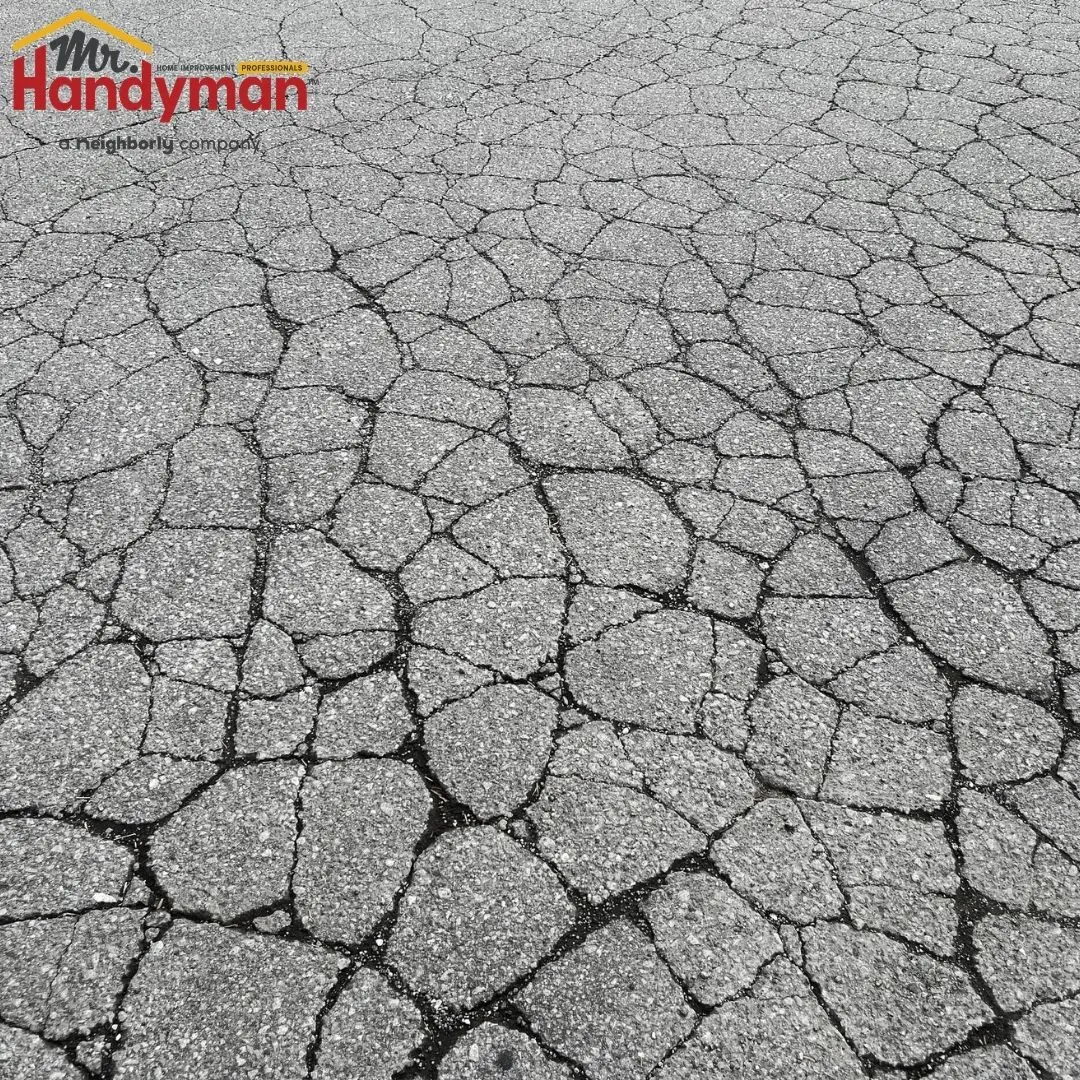
The freeze-thaw cycling that the Lake Michigan region's winter delivers to commercial exterior surfaces is the primary mechanism that distinguishes the northern Indiana commercial exterior safety account from the national average conditions that generic commercial safety inspection guidance addresses. The water that infiltrates existing surface cracks in commercial asphalt and concrete during the precipitation events that the Lake-effect winter creates, the freezing that converts that infiltrated water into expanding ice within those crack positions, and the thawing that releases the expanded crack with its widened dimension and its loosened edge material all together advance the surface deterioration that safety hazards communicate in commercial exterior surfaces at the cycling rates that northern Indiana's winter produces between the fall's last warm-weather repair opportunity and the spring's first practical assessment window.
The road salt and ice-melt chemical contact that commercial exterior safety management requires during the Lake-effect winter's icy conditions creates a secondary deterioration mechanism that the chemical interaction between deicing agents and concrete and asphalt surfaces advances in commercial exterior materials between the winter's application events and the spring's assessment that reveals their accumulated effects. The concrete spalling, the asphalt surface degradation, and the expansion joint deterioration that deicing chemical contact advances in commercial exterior surfaces creates the safety conditions that spring assessment specifically identifies as the repair priorities that summer's business activity will concentrate foot and vehicle traffic on before those conditions are addressed.
The Northern St. Joseph and Elkhart County commercial landscape's diverse character creates the specific safety liability context that the regional business community manages through the Indiana premises liability standards that commercial property owners and operators must satisfy when their exterior conditions create the injury risk that inadequate maintenance allows to develop. The healthcare facilities, the educational institutions, the retail and hospitality operations, the manufacturing support businesses, and the professional services that serve the Michiana area's commercial community all carry the premises liability exposure that commercial exterior safety conditions create in the business environment that Indiana's applicable legal framework establishes for commercial operations open to the public.
Parking Lot Safety Assessment After the Lake-Effect Winter
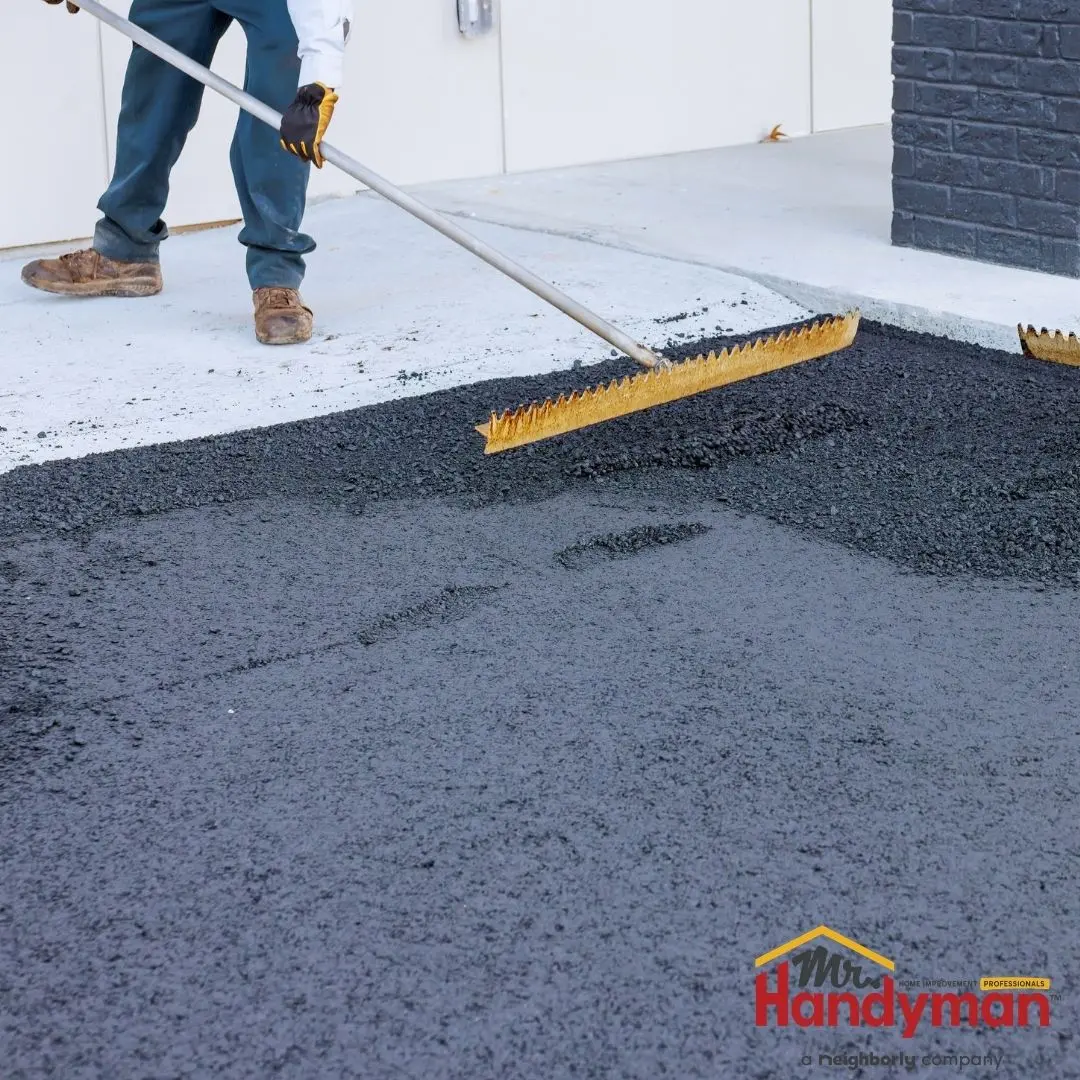
Crack and pothole assessment in commercial parking lots throughout the service area evaluates the surface deterioration that the freeze-thaw cycling and the deicing chemical contact advanced in asphalt and concrete parking surfaces through the Lake-effect heating season. The vehicle traffic that summer business activity concentrates on those deteriorated positions creates the accelerated damage that unsealed cracks and unrepaired potholes develop under the combined mechanical loading and the thermal expansion that the summer's temperature variation creates in those compromised positions. A pothole that emerged through the Lake-effect winter's freeze-thaw cycling presents both the vehicle damage liability and the pedestrian trip hazard that commercial parking lot premises liability specifically encompasses in the Indiana commercial property context.
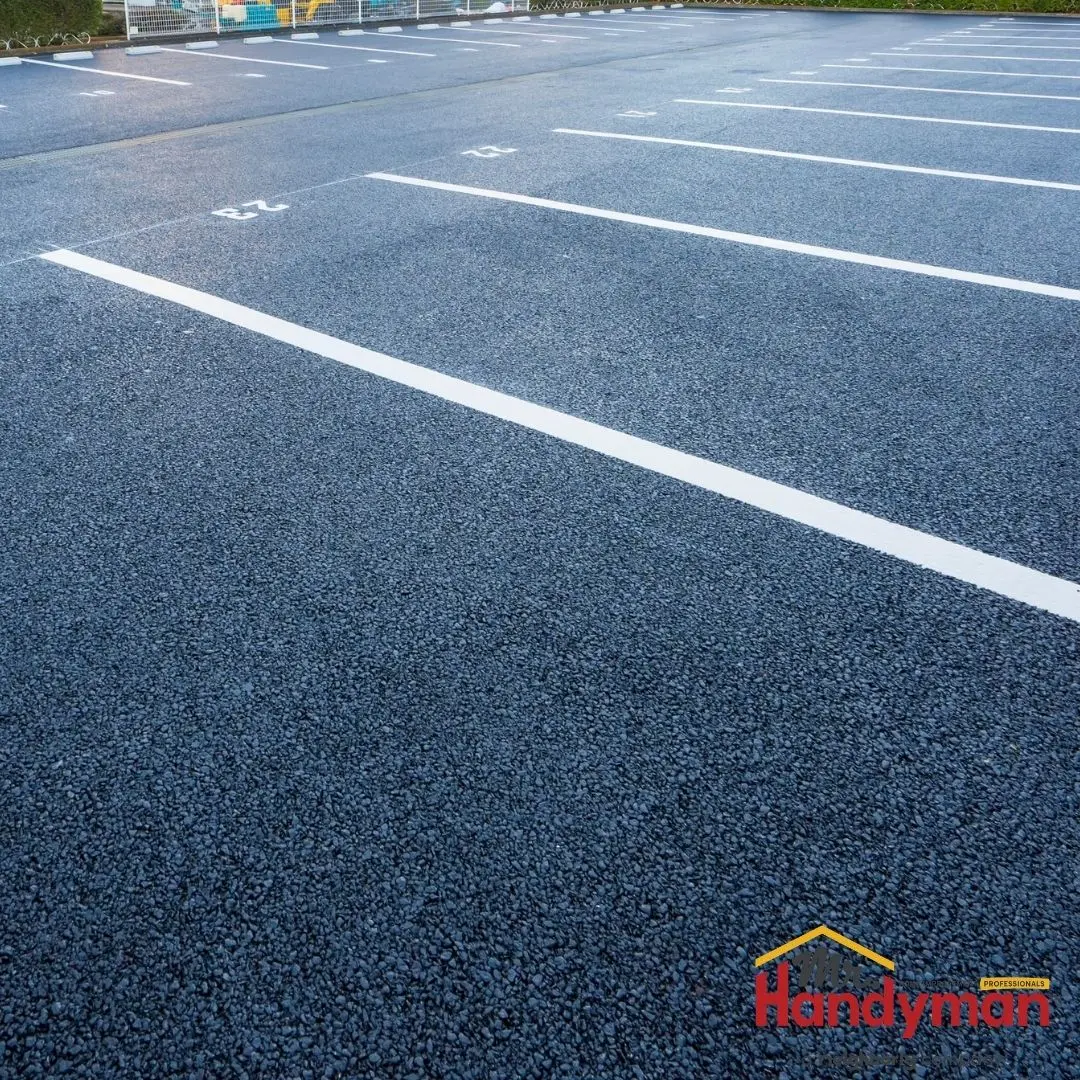
Pavement marking assessment evaluates the visibility condition of parking space lines, directional arrows, fire lane markings, accessible parking designations, and the pedestrian crosswalk markings that commercial parking lot safety depends on for the organized traffic flow and the clear accessible route identification that those markings provide. The Lake-effect winter's road salt and snow plow blade contact advances the pavement marking deterioration that summer's parking lot activity concentrates vehicle and pedestrian navigation on, and the faded or obliterated markings that winter's accumulated effects create in commercial parking lots present both the traffic conflict risk and the ADA compliance exposure that pavement marking restoration specifically addresses before summer's business activity peaks.
Accessible parking space and accessible route assessment evaluates whether the commercial property's accessible parking designations, the surface condition of those spaces and the accessible routes connecting them to the commercial entry, and the accessible entry transition conditions meet the current ADA standards that commercial properties in the Michiana area are required to satisfy. The Lake-effect winter's surface deterioration in accessible parking spaces and accessible route positions creates the compliance and safety concern that accessible route restoration specifically addresses as the commercial property's highest safety priority among the exterior conditions that the regional winter's accumulated effects create.
Drainage system inspection in commercial parking lots evaluates the storm drain inlet conditions that the Lake-effect winter's accumulated debris, the biological growth that spring's warming initiated in those drainage positions, and the deicing chemical residue created in the drainage infrastructure that commercial parking lot runoff concentrates during spring rainfall events. A commercial parking lot whose storm drain inlets are restricted by debris and biological accumulation routes the concentrated spring rainfall across the parking surface rather than through the designed drainage pathway, creating the flooding and the slip hazard that inadequate commercial parking lot drainage generates for the customers and employees whose safety the commercial property's maintenance standards must protect.
Walkway and Pedestrian Surface Safety
Trip hazard assessment on commercial walkways, sidewalks, and the pedestrian surfaces connecting parking positions to commercial entries evaluates the surface elevation differentials, the crack widths, and the settled section conditions that the freeze-thaw cycling and the deicing chemical contact advanced in those pedestrian surfaces through the Lake-effect winter. The ADA standard for pedestrian surface trip hazards establishes the vertical differential threshold that commercial property walkways must not exceed, and the freeze-thaw cycling that northern Indiana's winter advances in pedestrian surface settlement and crack displacement creates those exceedances at the rates the regional climate produces between annual assessment intervals.
Entry approach surface conditions at the commercial entry transitions where pedestrian traffic concentrates the heaviest footfall and where the building envelope transition creates the freeze-thaw thermal differential that surface deterioration concentrates most aggressively reflect the commercial property's most consequential pedestrian safety positions.
Exterior Lighting Safety Assessment
Commercial exterior lighting in Northern St. Joseph and Elkhart County properties serves the safety function that adequate illumination provides for the parking lot, the pedestrian walkways, and the commercial entry positions that after-hours business activity, the evening customer access that the regional service economy creates, and the compressed daylight that northern Indiana's late fall and early winter produces in commercial operating hours all together require from commercial exterior lighting systems.
Parking lot lighting assessment evaluates the fixture conditions that the Lake-effect winter advanced at commercial parking lot light pole positions, the lamp replacement needs that winter's thermal cycling and the seasonal operation hours created in those fixtures, and the illumination adequacy that the current fixture layout and lamp condition provide for the commercial parking safety that customer and employee after-hours access requires. The inadequate parking lot illumination that failed or deteriorated fixtures create in commercial parking positions presents the safety liability that slip, trip, and fall incidents in poorly illuminated commercial parking areas creates for the commercial property owner whose lighting maintenance standards the injury circumstances specifically examine.
Entry and pathway lighting confirmation at the pedestrian routes connecting commercial parking to building entries evaluates whether adequate illumination levels exist at the specific positions where pedestrian trip hazard conditions exist alongside the illumination deficiency that the combination of surface deterioration and inadequate lighting creates as the compounded safety concern that commercial property safety inspection specifically addresses as the highest-priority combination in the premises liability context.
LED upgrade opportunity assessment during the commercial exterior lighting safety inspection identifies the aging fluorescent and HID fixtures that current LED technology replaces with improved illumination quality, reduced energy consumption against NIPSCO's commercial rates, and the extended service life that reduces the maintenance frequency that commercial exterior lighting requires between lamp replacement intervals in the northern Indiana commercial property environment.
Building Exterior Safety Conditions
Exterior stair and ramp safety assessment evaluates the handrail integrity, the surface condition, and the ADA compliance of the exterior stairs and ramps that commercial building access depends on for the full range of customer and employee mobility that commercial operations must accommodate. The freeze-thaw cycling that the Lake-effect winter advances in exterior stair handrail connections, the stair tread surface conditions that deicing chemical contact deteriorates, and the ramp surface grip that winter wear reduces all represent the exterior safety conditions that commercial property inspection identifies as the ADA compliance and premises liability priorities that the regional winter's accumulated effects create at those specific commercial access positions.
Loading dock and service entry assessment at commercial properties with the delivery and service infrastructure that the Elkhart County manufacturing economy and the South Bend commercial community sustain evaluates the dock leveler function, the dock bumper condition, and the exterior surface safety at those commercial service positions. The vehicle and pedestrian activity that loading dock positions concentrate at the industrial and commercial properties throughout the service area creates the safety demands that the Lake-effect winter's deterioration effects advance most consequentially at those high-activity exterior positions.
Exterior signage structural assessment evaluates the mounting hardware condition, the sign structure integrity, and the physical safety of the commercial signage that the freeze-thaw cycling and the Lake-effect winter's wind and ice loading advanced in the mounting connections and the structural components of commercial exterior signage throughout the service area. A commercial sign whose mounting hardware has developed the structural inadequacy that freeze-thaw cycling advanced in those connections without the professional assessment that identifies that condition presents the public safety concern that commercial signage structural failure in an occupied parking lot or pedestrian zone specifically creates.
Documentation and Liability Protection
Written safety inspection documentation with photographs at each identified condition, specific notation of the inspection date and the identified conditions, and clear prioritization between the immediate safety hazards that warrant emergency correction and the maintenance conditions that planned scheduling addresses provides the documentation standard that commercial property premises liability defense requires when injury circumstances examine the property management practices that commercial exterior conditions reflect.
Repair timeline documentation that records when identified conditions were observed, when repair scheduling was initiated, and when repair completion was confirmed provides the continuous care evidence that demonstrates the commercial property management standard that Indiana premises liability defense specifically requires against the injury claims that commercial exterior safety conditions occasionally produce in the Michiana area's active commercial business environment.
Frequently Asked Questions
What commercial exterior safety condition creates the greatest liability exposure in northern Indiana?
Trip hazard conditions at pedestrian walkways and accessible routes where the freeze-thaw cycling that the Lake-effect winter creates in commercial concrete and asphalt surfaces advances the settlement differentials and crack displacements that exceed ADA trip hazard thresholds create the greatest combined safety and liability exposure for commercial properties in the Northern St. Joseph and Elkhart County market. Those conditions concentrate at the positions where pedestrian traffic is heaviest, where the building envelope transition creates the freeze-thaw differential that settlement advances most aggressively, and where the ADA compliance standards establish the specific threshold that commercial property maintenance must satisfy.
How often should northern Indiana commercial properties conduct parking lot safety assessments?
Annual post-winter assessment in the spring provides the appropriate primary assessment frequency for Northern St. Joseph and Elkhart County commercial parking lots given the freeze-thaw cycling that the Lake-effect winter advances in commercial asphalt and concrete surfaces between assessment intervals. A mid-summer assessment that evaluates whether the spring repairs adequately addressed identified conditions and whether summer's thermal expansion advanced any additional surface conditions provides the secondary assessment that comprehensive commercial exterior safety management incorporates for the regional commercial property environment.
What ADA compliance issues most commonly emerge from Lake-effect winter damage to commercial exteriors?
Accessible parking space surface deterioration that creates the uneven surface conditions ADA standards prohibit, accessible route settlement differentials that exceed the quarter-inch threshold ADA trip hazard standards establish, accessible entry ramp surface deterioration that reduces the traction that slip-resistant surface requirements mandate, and pavement marking obliteration that removes the accessible parking designation identification that ADA visible identification requirements establish all represent the ADA compliance conditions that the Lake-effect winter's commercial exterior impact most consistently creates across the Michiana area's commercial property inventory between annual inspection intervals.
Should northern Indiana commercial properties repair cracks before or after pavement marking restoration?
Crack sealing and surface repair should always precede pavement marking restoration because the flexible sealant and the patch materials that crack repair applies create the surface irregularity and the material incompatibility that pavement marking paint does not adhere to adequately at those positions. Completing crack and surface repairs first, allowing those materials to cure fully, and then applying fresh pavement markings over the restored surface provides the sequence that both repair categories deliver their intended performance from rather than the application order that compromises the marking adhesion and the seal integrity that the reversed sequence creates.
How does the Elkhart County manufacturing economy create specific commercial exterior safety considerations?
The heavy vehicle traffic that manufacturing operations, supplier deliveries, and the logistics activity the Elkhart County RV industry and its supporting manufacturing community generates at commercial and industrial properties throughout the county concentrates the pavement loading that accelerates the freeze-thaw damage the Lake-effect winter initiates in commercial asphalt and concrete surfaces. The pothole progression, the crack advancement, and the surface spalling that heavy vehicle loading advances in freeze-thaw damaged commercial pavement creates the combined vehicle damage liability and the pedestrian safety exposure that commercial exterior safety assessment at manufacturing-adjacent commercial properties warrants at the more frequent inspection intervals that heavy-traffic commercial positions specifically create relative to the lower-traffic commercial retail and professional service positions that the regional commercial community also encompasses.
Northern Indiana Commercial Exteriors Safe for Summer Business
The commercial properties across South Bend, Mishawaka, Elkhart, and the surrounding Northern St. Joseph and Elkhart County communities whose owners and managers complete the post-winter exterior safety assessment and address the identified conditions before summer's business activity concentrates customer, employee, and vendor traffic on those commercial exterior surfaces are positioned to provide the safe commercial environment that Indiana premises liability standards require and that the Michiana area's business community specifically deserves from the commercial properties those businesses and their customers depend on through the summer's peak activity period. Trip hazards repaired. Accessible routes restored. Parking lot cracks sealed. Exterior lighting confirmed adequate. Signage structures assessed. Each addressed before the summer's traffic tests whatever conditions the Lake-effect winter left in those commercial exterior positions.
The team at Mr. Handyman of Northern St. Joseph and Elkhart Counties has the commercial property experience to help business owners and property managers identify and address the exterior safety conditions that northern Indiana's specific winter character creates in commercial properties throughout the service area.
Website: https://www.mrhandyman.com/northern-st-joseph-elkhart-counties/
Serving businesses throughout Northern St. Joseph and Elkhart Counties with dependable commercial maintenance and the expertise your property deserves.