
Michiana's Older Homes Carry a Specific Plumbing Story

The older homes defining much of Northern St. Joseph and Elkhart County's residential character tell their plumbing story through the material choices their construction decades made, the moderately hard municipal water those systems have been receiving through every year of service, and the Great Lakes climate's freeze-thaw cycling, road salt season, and sustained cold that outdoor and building envelope-adjacent plumbing has navigated through the accumulated decades since installation. From the established South Bend neighborhoods near the University of Notre Dame to the older ranch homes in Mishawaka's original residential corridors, from the historic properties in downtown Elkhart to the established Goshen communities, the older housing stock that Northern St. Joseph and Elkhart Counties carry represents both the architectural character that makes the regional residential landscape distinctive and the plumbing maintenance priorities that age, moderate hard water, and the Great Lakes climate specifically create.
Understanding the plumbing material generations different construction decades produced, how the moderately hard municipal water has been advancing those materials toward specific failure modes throughout their service life, and what proactive maintenance addresses before conditions progress to emergency repair gives Michiana homeowners the regional framework for managing older home plumbing that the local context requires.
The Plumbing Material Generations in Michiana's Older Homes
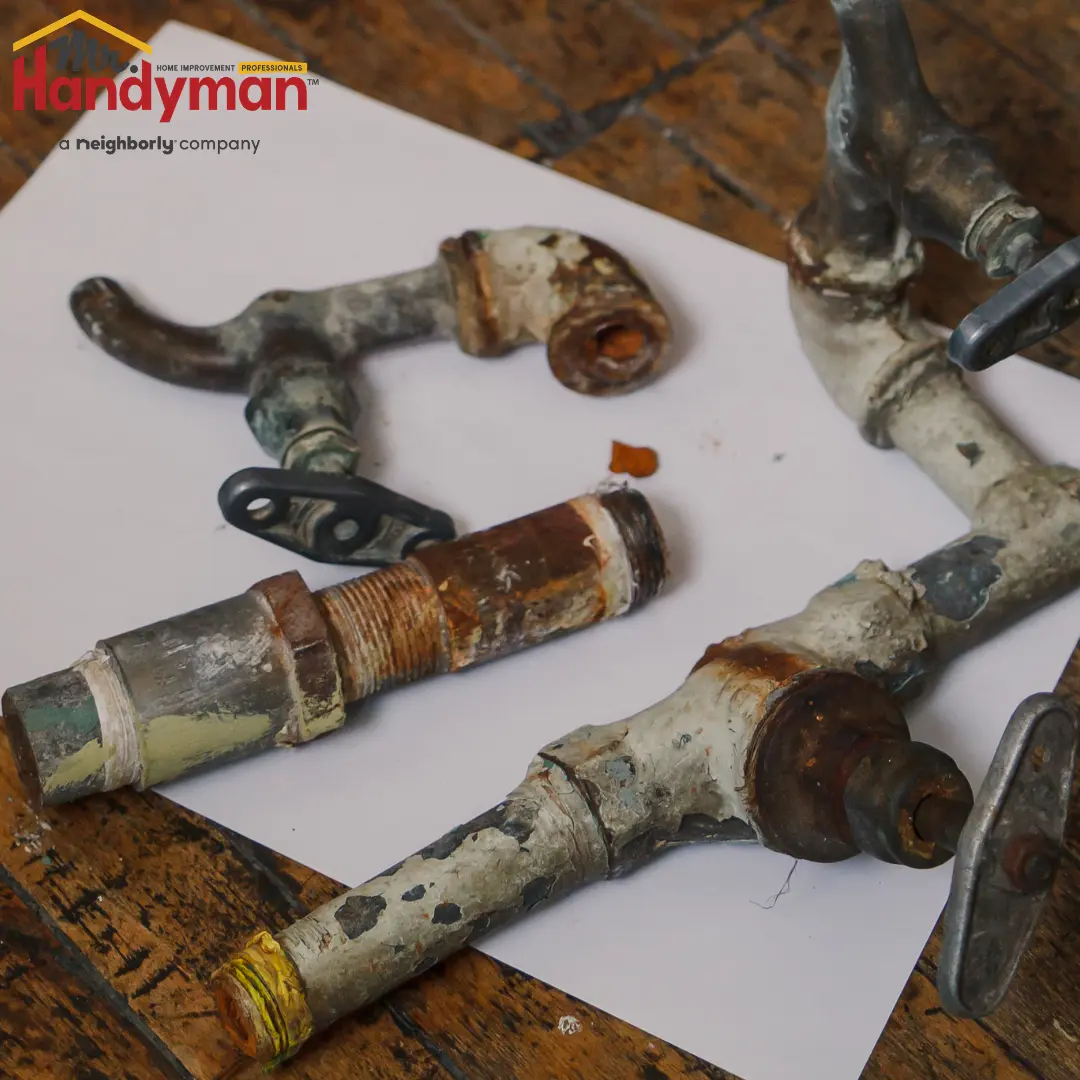
The construction decade producing a Northern St. Joseph or Elkhart County home determines the primary plumbing materials those systems were built with, and those materials interact with the moderately hard municipal water and the Great Lakes climate's seasonal extremes in ways that the maintenance priorities for each generation specifically reflect.
Galvanized steel supply lines appear in the pre-1960s housing stock across South Bend, Mishawaka, and the older Elkhart neighborhoods as the supply pipe material that era's construction standards specified before copper became the dominant residential choice. The moderately hard municipal water supplying those homes has been depositing calcium and magnesium in those galvanized pipe interiors throughout their entire service life, and the internal corrosion that water chemistry and pipe material interaction creates advances the flow restriction that older galvanized supply systems develop progressively over decades. The galvanized supply home delivering reduced pressure at every fixture simultaneously, showing orange-brown discoloration in faucet flow, and displaying external rust at exposed basement and utility sections is communicating that the supply system has reached the replacement evaluation threshold that deferred assessment only advances toward active failure.
Copper supply lines dominate the Michiana homes built from roughly the 1960s through the 1990s and remain the most durable supply pipe material those construction decades produced. Copper performs well in moderately hard water environments without the internal corrosion galvanized steel develops, but the regional municipal water's mineral content creates the pinhole leak vulnerability at copper pipe sections where chemistry advances localized corrosion at solder joints, fittings, and pipe sections that water velocity turbulence concentrates mineral contact against. A Michiana copper supply home developing a pattern of pinhole leaks at multiple locations warrants the professional assessment evaluating whether targeted repairs address isolated conditions or whether the pattern communicates systemic pipe wall deterioration that broader replacement scope addresses more efficiently.
Polybutylene supply lines installed between roughly 1978 and 1995 represent the most urgent plumbing material concern in Michiana's older housing stock from that construction period. The gray plastic pipe that polybutylene systems used degrades under the oxidants that municipal water treatment introduces, developing the internal cracking and fitting failure that produces sudden supply failures without the gradual warning symptoms other pipe material deterioration typically provides. Northern St. Joseph and Elkhart County homeowners in homes built during that construction window who have not confirmed whether polybutylene is present benefit from the professional identification and replacement assessment that the material's known failure history warrants before active failure delivers its full damage potential.
Cast iron drain lines in older Michiana homes represent the drain system material whose service life the moderately hard regional water and decades of use have been advancing toward scale buildup, joint deterioration, and root intrusion. The mineral content the municipal supplies deliver through every drain use deposits scale on cast iron interior surfaces that combines with grease accumulation to advance restriction at rates that softer water drain systems in comparable age cast iron do not develop as quickly between professional cleaning intervals.
The Great Lakes Climate's Specific Impact on Older Home Plumbing

The Michiana climate adds the freeze-thaw dimension to older home plumbing maintenance that the regional seasonal extremes create beyond the moderately hard water's year-round mineral accumulation effect. Older homes carry the building envelope conditions, the pipe insulation histories, and the crawl space and basement thermal performance their construction decades produced, and those conditions interact with the Great Lakes winter in ways that newer construction's improved thermal performance does not replicate.
Crawl space and basement pipe exposure in older South Bend and Elkhart area homes represents the freeze vulnerability that the regional winter's genuine cold events create at supply pipe positions that building envelope-adjacent spaces present in older construction that did not incorporate the pipe insulation and crawl space thermal management current building standards address. The older home whose crawl space pipe insulation was never installed or has deteriorated through decades of service carries the freeze exposure that a Michiana winter creates at those unprotected pipe sections between the heated interior and the unheated crawl space environment.
Road salt infiltration at foundation and exterior wall positions in South Bend and Mishawaka neighborhoods where seasonal road maintenance concentrates salt contact creates the chemical environment that accelerates the deterioration of building envelope-adjacent supply components in older homes along those treated corridors. The accelerated corrosion that road salt contact advances in exterior plumbing positions and at foundation penetration points warrants the visual assessment that confirms whether current conditions at those specific positions require the protective treatment or the repair that road salt exposure specifically motivates in the older Michiana residential context.
The post-winter assessment that spring provides as the first practical evaluation opportunity for older Michiana homes evaluates the supply connection conditions, the outdoor faucet supply integrity, and the drain system performance that the previous winter's freeze-thaw cycling and the moderately hard water's year-round accumulation together advanced between fall preparation and spring inspection. The older home emerging from a Michiana winter without a systematic post-season plumbing assessment carries the developing conditions that seasonal cycling advanced without the early identification that timely discovery provides before those conditions progress toward active failure through the summer's demand concentration.
Hard Water's Accumulated Effect on Older Michiana Home Plumbing
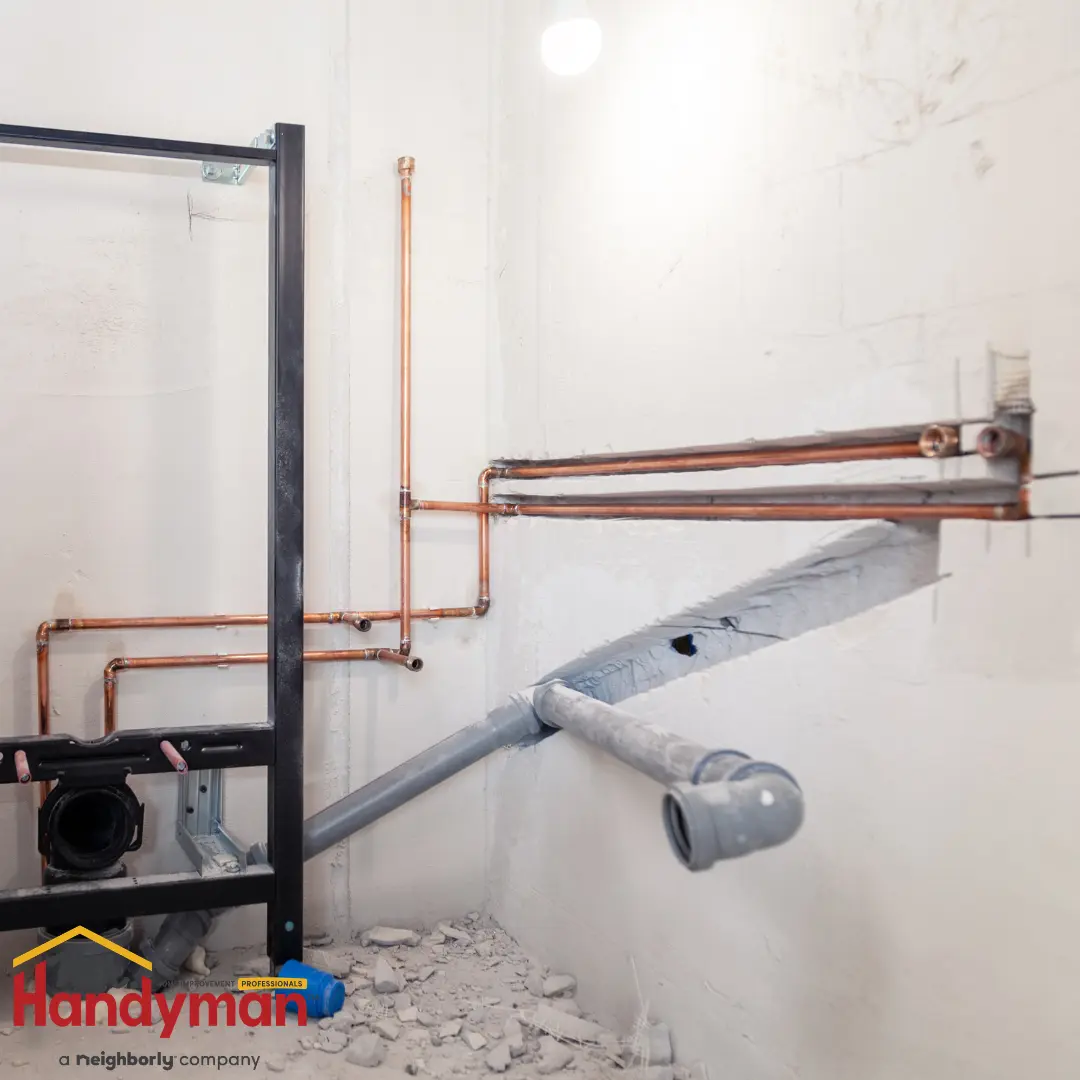
The moderately hard municipal water creates a cumulative plumbing condition in older Northern St. Joseph and Elkhart County homes that newer homes have not yet accumulated across the same decades of mineral contact. Every year of moderately hard water service advances mineral deposits in water heater tanks, supply valve internals, fixture connections, and drain surfaces that household use concentrates mineral contact through. An older home that has never received systematic water heater flushing, supply valve exercising, and drain descaling is carrying the accumulated mineral burden that multiple decades of regional municipal water contact creates between professional service intervals.
Water heater replacement timing in older moderately hard water homes reflects the accelerated service life reduction that mineral content creates in tank water heaters that have not received annual flushing. A Michiana water heater in an older home operating on moderately hard municipal water without annual sediment flushing carries the mineral accumulation compressing that service life toward the lower end of the eight to twelve year standard range, advancing the efficiency decline and the reliability concerns that accumulated sediment burden creates when tank wall corrosion proceeds through decades of thermal cycling.
Supply valve exercising in older Michiana homes addresses the mineral accumulation that decades of moderately hard water contact creates in stop valve internals at every toilet, sink, and appliance position. The stop valve not turned through its full range of motion in years carries the mineral deposit in its internal packing that seizes the valve stem in the open position it has occupied since installation, preventing closure when emergency isolation requires it. The annual routine of turning every stop valve through its full close-and-open cycle exercises those mineral deposits away from the packing that would otherwise seize the stem, maintaining the emergency response capability that adequate stop valve function specifically provides.
Fixture connection integrity at the supply and drain positions of older home fixtures reflects the gasket deterioration, the compression fitting aging, and the moderately hard water mineral bonding at those connection interfaces that decades of service advance between assessment intervals. The older bathroom sink whose supply connection has not been inspected in years may be carrying the developing condition that adequate inspection would identify before active failure delivers the under-sink water damage that enclosed cabinet positions hide from casual observation.
Frequently Asked Questions
How do I know if my older Michiana home has polybutylene supply lines?
Polybutylene pipe is gray in color, typically between half-inch and one-inch diameter, with a dull plastic appearance distinguishing it from shiny copper or darker galvanized steel. It appears at the water meter connection, under sinks, behind toilets, and in utility spaces where supply lines are visible. Homes built in Northern St. Joseph and Elkhart Counties between 1978 and 1995 have the highest likelihood of containing polybutylene if the original plumbing was not subsequently replaced. A professional assessment confirming or ruling out polybutylene presence provides the material identification that older home plumbing planning requires before the fitting failure history that material is known for produces the active supply failure that identification and replacement specifically prevents.
How often should water heaters be flushed in older Michiana homes?
Annual flushing provides the appropriate maintenance frequency for water heaters in homes receiving moderately hard Northern St. Joseph and Elkhart County municipal water. Older homes whose water heaters have not received flushing in multiple years carry the accumulated sediment load that annual maintenance would have managed through progressive removal rather than the concentrated accumulation deferred flushing allows to build. A water heater in an older moderately hard water home unflushed for more than two years warrants the professional assessment evaluating whether flushing adequately addresses the current sediment condition or whether the accumulated burden warrants the replacement evaluation that significant accumulation in an aging tank motivates.
What is the most urgent plumbing maintenance item in a 1970s South Bend or Elkhart area home?
Supply line material identification and stop valve exercising together represent the most urgent priorities in a 1970s Michiana home. The polybutylene supply lines that construction period used in some installations carry the known failure risk that identification and replacement specifically addresses, and the stop valves that three to five decades of moderately hard water contact have been advancing toward mineral seizure in the open position carry the emergency response risk that exercising and replacement maintain against. A professional plumbing assessment evaluating both conditions alongside water heater sediment burden and drain system scale accumulation provides the comprehensive older home baseline that effective regional maintenance planning requires.
Does the Great Lakes climate specifically accelerate plumbing deterioration in older Michiana homes?
The freeze-thaw cycling that genuine Michiana winters create at building envelope-adjacent plumbing positions, the road salt chemical contact at foundation and exterior wall positions in treated road corridors, and the sustained cold that uninsulated crawl space and basement pipe sections experience through the regional heating season all together advance deterioration in older home plumbing at rates that moderate climate markets without the Great Lakes winter's thermal and chemical mechanisms do not produce between comparable assessment intervals. The combination of climate effects and moderately hard water's accumulated mineral contact creates the specifically compounded maintenance requirement that older Michiana homes carry relative to newer construction in the same municipal water service territory.
How should Michiana homeowners prioritize older home plumbing repairs when budgets are limited?
Supply line material assessment and polybutylene identification warrant first priority because that material's failure mode occurs suddenly without warning. Water heater condition assessment and sediment management warrant second priority given the efficiency costs and reliability risk accumulated mineral sediment creates in aging tanks. Stop valve exercising and replacement where mineral seizure has advanced beyond adequate function warrant third priority given the emergency isolation capability those valves provide. Drain system professional cleaning and scale assessment warrant fourth priority given the restriction and backup risk that decades of moderately hard water scale and grease accumulation create in older cast iron drain systems between professional service intervals.
Michiana's Older Homes Maintained for the Long Term
The older homes giving Northern St. Joseph and Elkhart County its residential character carry the plumbing maintenance responsibilities that the moderately hard municipal water accumulated over decades of service, the Great Lakes climate's genuine seasonal extremes, and the material generations those construction decades produced all together create as the specifically regional older home context. From identifying the supply pipe materials the home's construction decade used to exercising the stop valves that moderately hard water has been advancing toward mineral seizure, from annual water heater flushing removing decades of sediment to professional drain assessment confirming the cast iron and P-trap conditions that accumulated scale warrants evaluating, the older Michiana home benefits from the regional expertise that understands both the construction history and the water chemistry context those systems have been navigating since installation. Mr. Handyman of Northern St. Joseph and Elkhart Counties provides that regional knowledge to homeowners throughout South Bend, Mishawaka, Granger, Elkhart, Goshen, and the surrounding service communities.
Mr. Handyman of Northern St. Joseph and Elkhart Counties
Website: https://www.mrhandyman.com/northern-st-joseph-elkhart-counties/
Serving homeowners and businesses throughout Northern St. Joseph and Elkhart Counties with dependable service and the expertise your home deserves.
