The Water Damage Risk That Eastern Panhandle Geography Creates Year-Round
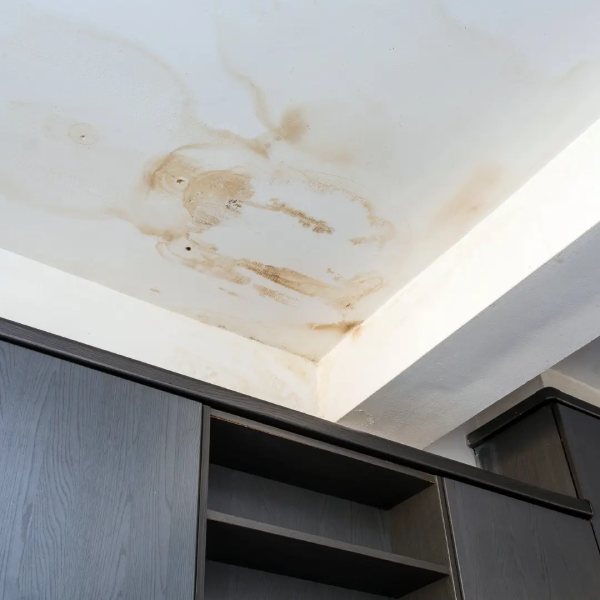
Water damage is the commercial property risk that Martinsburg, Charles Town, and surrounding Eastern Panhandle business owners and property managers consistently underestimate until it arrives in a form that demands immediate and expensive attention. The commercial building that has managed through previous Eastern Panhandle rainfall seasons without a significant water infiltration event accumulates the building envelope conditions that each season's specific weathering advances, and the particular storm event or rainfall concentration that finally produces interior water infiltration is not a new threat but the event that reveals conditions whose development has been ongoing through the seasons preceding it.
The Eastern Panhandle's water damage profile for commercial properties differs from the water damage risk that more geologically uniform West Virginia communities face because the Shenandoah Valley's specific combination of geography, geology, and weather patterns creates a particularly demanding water management environment for commercial buildings in Berkeley and Jefferson Counties. The Blue Ridge Mountains to the east and the Allegheny ridgelines to the west create the Shenandoah Valley's characteristic weather patterns that concentrate precipitation events against the valley's commercial building stock with the specific intensity that orographic lift and valley weather dynamics generate in the Eastern Panhandle's geographic position. The limestone karst geology that underlies Berkeley and Jefferson Counties creates the rapid groundwater response that surface rainfall in the Eastern Panhandle converts to subsurface pressure at building foundations and buried drainage infrastructure faster than more uniform soil profiles without karst drainage allow. And the Potomac River watershed that Eastern Panhandle communities sit within creates the regional drainage context that significant rainfall events charge with the concentrated flow that Berkeley and Jefferson County's commercial properties must manage at building perimeters and drainage infrastructure during the active storm events that the valley's geography generates.
The consequences of commercial water damage in the Eastern Panhandle extend significantly beyond the immediate repair cost. Business interruption during remediation, inventory and equipment damage in affected areas, tenant notification and accommodation in multitenant commercial buildings, and the mold remediation that the Shenandoah Valley's warm, humid summer conditions advance aggressively in inadequately dried building materials following water intrusion events are the cascading consequences that a single water infiltration event creates in the commercial building that was not adequately protected against the specific conditions that Eastern Panhandle geography and climate create.
Mr. Handyman of Martinsburg and Charles Town serves commercial property owners and managers throughout the Eastern Panhandle with the water damage prevention maintenance and repair services that the region's specific water management demands require from every commercial property in the service area.
Understanding Eastern Panhandle Water Damage Mechanisms

The Karst Groundwater Response During Rain Events
The limestone karst geology that underlies Berkeley and Jefferson Counties creates the rapid groundwater response during rainfall events that makes the Eastern Panhandle's commercial property water damage risk profile more demanding than communities without equivalent karst geology face. When significant rainfall events saturate the surface soils of karst landscapes, the water doesn't move through uniform soil profiles at the gradual rates that more homogeneous geologies create. Instead, it enters the subsurface drainage network that karst dissolution has created in the limestone bedrock beneath the Eastern Panhandle, moving rapidly through the subsurface and creating the quick groundwater pressure changes at building foundations, basement walls, and buried drainage infrastructure that commercial properties in karst geology landscapes experience during and immediately after significant rainfall events.
This karst groundwater response creates specific commercial property water damage mechanisms that business owners in Martinsburg and Charles Town need to understand as geologically specific conditions rather than the general groundwater behavior that non-karst commercial property water management addresses. Foundation wall infiltration during significant rain events, basement floor drain backup when karst groundwater pressure exceeds the drain system's capacity, and sewer line infiltration when karst-accelerated groundwater pressure exploits every crack and joint separation in the sanitary sewer system are all the karst-specific water damage mechanisms that Eastern Panhandle commercial buildings face during the active rainfall events that the valley's geography generates.
The Valley's Active Storm Season and Building Envelope Demands
The Shenandoah Valley's position in the mid-Atlantic weather corridor creates the active storm season that delivers significant precipitation events to Martinsburg and Charles Town through spring and summer with the frequency and intensity that the valley's geographic position generates. The concentrated rainfall that significant Eastern Panhandle storm events deliver against commercial building envelopes tests every sealant joint, every roof drainage connection, every storefront perimeter seal, and every building envelope penetration at the specific pressure and moisture loading that intense mid-Atlantic storm events create.
Commercial buildings in the Eastern Panhandle that have not received systematic building envelope maintenance, specifically the sealant replacement, flashing repair, and drainage system maintenance that the active storm season demands, accumulate the infiltration vulnerabilities that each successive storm event exploits progressively until the interior water infiltration that cumulative deterioration eventually produces reaches the commercial interior where its damage becomes immediately apparent and immediately consequential to business operations.
Roof Maintenance for Eastern Panhandle Commercial Properties
Annual Roof Inspection With Valley Storm Season Timing
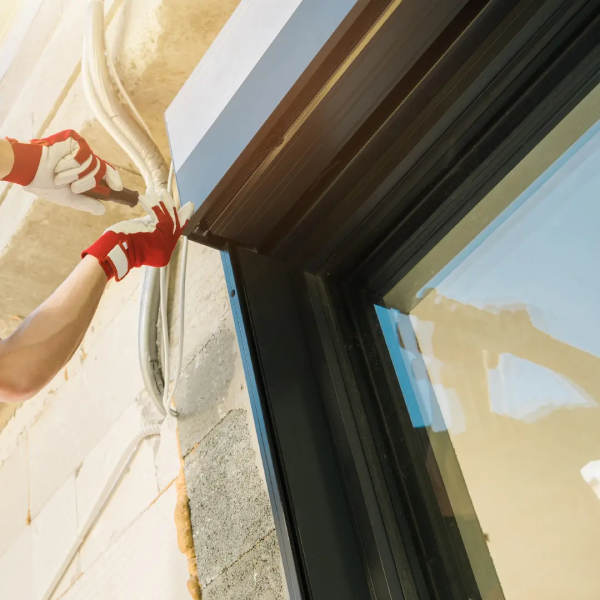
The commercial building roof is the primary water damage prevention investment for every Martinsburg and Charles Town commercial property owner, and the annual inspection program that proactively identifies developing conditions requires the Eastern Panhandle storm season timing that the valley's specific precipitation pattern creates as the most productive inspection window. Performing the annual inspection in late spring after the most active portion of the Eastern Panhandle's rainfall season has expressed its effects on the roof system, including the membrane seam conditions that spring storm events advance, the penetration flashing conditions that concentrated rainfall tests, and the drainage system performance that spring's peak precipitation challenges, captures the complete picture of spring's accumulated effects while summer's continued storm activity has not yet added to those conditions.
The specific inspection scope for commercial flat and low-slope roofs in the Eastern Panhandle covers membrane condition at all penetration flashings checking for the separation and lifting that thermal cycling and storm event moisture advance at flashing details. Seam condition in membrane roofing systems where the factory or field seams between membrane sections are the specific infiltration locations that storm event water pressure exploits when seam adhesion has degraded through the Eastern Panhandle's active storm season. Drainage system performance assessment confirming that interior drains and scuppers are clear of debris before summer's continued storm activity tests drainage capacity. And parapet flashing condition at the base flashing where the roof membrane transitions from horizontal to vertical at parapet walls.
Eastern Panhandle Rainfall Intensity and Roof Drainage Capacity
The Eastern Panhandle's storm events deliver rainfall intensity that tests commercial roof drainage capacity at rates that the valley's concentrated precipitation events create during significant mid-Atlantic storms. Commercial roof drainage systems sized for average rainfall rates may be inadequate for the peak intensity that significant Eastern Panhandle storms deliver during the concentrated rainfall periods that the valley's weather patterns generate. Confirming that interior drain and scupper sizing provides adequate capacity for the peak rainfall intensity that Eastern Panhandle storms create, rather than simply the average rainfall rate that standard drainage sizing calculations may use, is the specific roof drainage assessment dimension that the valley's storm intensity motivates for commercial properties in Martinsburg and Charles Town.
Roof Penetration Sealant Inspection and Renewal
The sealant at each roof penetration flashing in Eastern Panhandle commercial buildings experiences the UV exposure and thermal cycling that the valley's outdoor climate creates across the full annual temperature range, alongside the specific moisture loading that the active storm season delivers to rooftop sealant materials at the frequency and intensity that the Eastern Panhandle's precipitation pattern generates. Sealant products without adequate flexibility for the Eastern Panhandle's thermal range and without adequate adhesion durability for the active storm moisture exposure that valley storms create fail faster than products specified for the service area's specific outdoor demands. Inspecting penetration sealant during the annual roof inspection and replacing any sealant that has developed cracking, separation, or adhesion failure at previously sealed locations prevents the water infiltration at these specific locations during every subsequent storm event that the Eastern Panhandle's active rainfall season delivers.
Building Envelope Sealant Maintenance
Storefront and Window Perimeter Sealant in the Valley's Climate
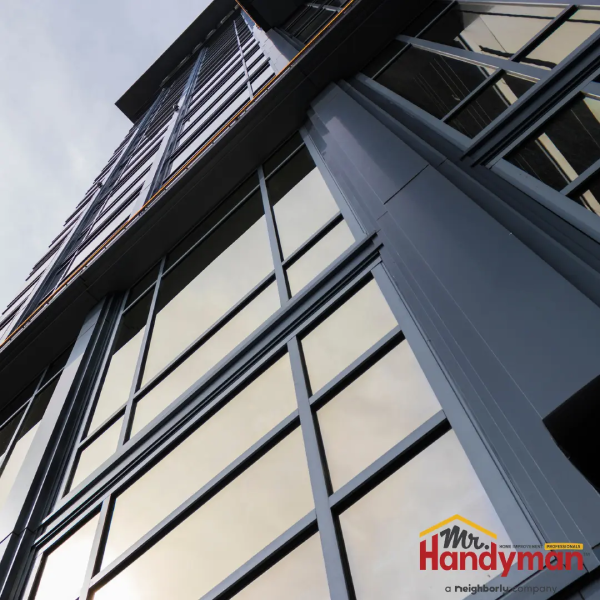
The sealant joints at storefront glazing perimeters, commercial window frames, and exterior wall penetrations throughout Eastern Panhandle commercial properties experience the thermal cycling that the Shenandoah Valley's seasonal temperature range creates alongside the specific moisture loading that the valley's active storm season delivers to exterior sealant joints during significant rainfall events. The wind-driven rain that Eastern Panhandle storms generate against commercial facades tests the adhesion and flexibility of every exterior sealant joint at the pressure differential that storm winds create against building surfaces, and sealant that has lost the flexibility and adhesion that new installation provides may appear visually intact during dry inspection while failing at the joint movement and moisture pressure that storm events create.
Complete sealant replacement at every identified failed location using the thorough removal approach that cleans joint surfaces to the adhesion condition that new sealant requires, followed by backer rod installation at joints requiring the backing that controls caulk depth, and application of a polyurethane or siliconized sealant product whose flexibility and adhesion ratings accommodate the Eastern Panhandle's thermal range and active storm moisture loading produces the joint sealing performance that the valley's precipitation demands from every exterior sealant joint in commercial building envelopes throughout the service area.
EIFS and Masonry Facade Maintenance in Eastern Panhandle Conditions
Commercial buildings throughout Martinsburg and Charles Town with brick masonry or EIFS synthetic stucco facades present specific water infiltration vulnerability patterns that the Eastern Panhandle's active storm season advances more actively than drier mid-Atlantic markets experience at comparable building ages. The concentrated rainfall that significant Eastern Panhandle storms deliver against masonry facades advances the moisture penetration through deteriorated mortar joints at rates that the valley's storm intensity specifically creates, and the wind-driven component that valley storms generate against building facades drives moisture through every mortar joint opening with the specific pressure that Eastern Panhandle storm dynamics create.
Tuckpointing deteriorated mortar joints in Martinsburg and Charles Town commercial masonry facades with mortar of the appropriate composition and applying clear masonry sealer after cleaning and tuckpointing restores the weather resistance that the Eastern Panhandle's active storm season specifically demands from commercial masonry buildings in the valley's precipitation environment. EIFS facades in Eastern Panhandle commercial buildings present the specific infiltration vulnerability that the valley's concentrated storm rainfall creates at EIFS penetration sealant conditions and termination details whose failure allows moisture entry into the substrate that warm, humid Eastern Panhandle summer conditions then advance into biological growth and structural damage faster than drier climates would produce from equivalent moisture infiltration.
Interior Water Management in Eastern Panhandle Commercial Buildings
HVAC Condensate Drain Management for Valley Humidity
Commercial HVAC systems in Eastern Panhandle businesses generate meaningfully greater condensate volumes than equivalent systems in lower humidity commercial environments because the Shenandoah Valley's sustained summer humidity creates the condensate load that air conditioning equipment produces when cooling the valley's humid summer air to indoor set point temperatures at rates that drier outdoor conditions don't generate at the same cooling capacity. The condensate drain lines that manage this elevated condensate volume in Eastern Panhandle commercial buildings require the maintenance frequency that the valley's higher condensate production motivates, because the biological growth that the warm, nutrient-containing condensate drain environment supports advances blockage in Eastern Panhandle commercial condensate drain lines faster than equivalent condensate drain systems in lower humidity commercial environments experience.
Flushing condensate drain lines with diluted bleach solution at the beginning of the cooling season before significant condensate production begins, and monthly through the Eastern Panhandle's humid summer months when condensate production is highest, prevents the biological growth accumulation that the valley's warm, humid conditions specifically advance in commercial condensate drain environments. The condensate overflow water damage that blocked drain lines create during the Eastern Panhandle's most humid summer weeks, when condensate production is at its seasonal peak and the biological growth that valley conditions advance in drain lines is most active, is among the most consistently preventable commercial water damage events in the Martinsburg and Charles Town commercial property landscape.
Karst Groundwater and Basement Commercial Spaces
Commercial buildings in Martinsburg and Charles Town with below-grade commercial spaces, basement retail areas, or below-grade storage and mechanical rooms face the specific karst groundwater water damage risk that the Eastern Panhandle's limestone geology creates during significant rainfall events when karst-accelerated groundwater pressure exceeds the waterproofing and drainage capacity that below-grade commercial spaces present against the rapidly elevated groundwater that valley storm events generate in karst soil profiles.
Below-grade commercial spaces in Eastern Panhandle buildings that have not received systematic waterproofing assessment and maintenance specifically accounting for the karst groundwater pressure that significant storm events create should receive professional evaluation of the waterproofing and interior drainage capacity that below-grade commercial use in karst geology requires. The interior drainage systems, sump pump capacity, and waterproofing condition that adequate below-grade commercial space protection in Eastern Panhandle karst geology demands may exceed the waterproofing adequate for equivalent below-grade spaces in non-karst geology communities whose groundwater response to rainfall events is slower and less pressure-intensive than Berkeley and Jefferson County's limestone subsurface creates.
Restroom and Kitchen Plumbing Leak Prevention
Commercial restrooms and restaurant kitchen plumbing systems in Martinsburg and Charles Town generate the interior water damage risk that supply line condition, fixture volume, and the Eastern Panhandle's mineral water quality together create in commercial plumbing environments. The mineral scale that Berkeley and Jefferson County's limestone water supply creates at supply line fittings, at fixture shutoff valve mechanisms, and at the connection points that commercial restroom and kitchen plumbing concentrates advances the corrosion and material deterioration that supply line failure results from at rates that lower mineral content water environments don't generate at equivalent elapsed service periods.
Supply line inspection at every fixture shutoff valve connection, specifically checking for the mineral staining and fitting corrosion that Eastern Panhandle water quality creates at connection points faster than lower mineral content water produces equivalent conditions, is the preventive inspection that commercial restroom and kitchen facility maintenance should include quarterly through the summer season when fixtures are receiving peak use. Replacing supply lines that show the mineral-accelerated fitting corrosion that Berkeley and Jefferson County's water quality advances before the failure event that corroded supply line fittings eventually produce is the preventive replacement whose water damage prevention return substantially exceeds its modest replacement cost in the Eastern Panhandle's mineral water commercial plumbing environment.
Grade and Drainage Management at Eastern Panhandle Commercial Properties
Positive Drainage Accounting for Karst Groundwater Response
The grade relationship between a commercial building's foundation and the surrounding hardscape and landscaping determines whether surface water from Eastern Panhandle rainfall events drains away from the building as designed or accumulates against the foundation in the ponding condition that the karst groundwater response then converts to subsurface pressure at the building's below-grade envelope. The karst geology dimension that Berkeley and Jefferson County's limestone subsurface creates means that surface water reaching the ground adjacent to commercial foundations enters the karst drainage network more quickly than uniform soil profiles allow, creating the subsurface pressure at foundation walls and drainage infrastructure that karst-accelerated groundwater response generates during and immediately following significant Eastern Panhandle storm events.
Inspecting the grade relationship at commercial building perimeters during or immediately following a significant Eastern Panhandle rainfall event reveals the specific locations where surface water accumulates against the foundation rather than draining away, providing the site information that grade correction targets at the specific problem locations before the next storm event creates equivalent accumulation that karst drainage converts to foundation infiltration pressure.
Expansion Joint Maintenance in Eastern Panhandle Commercial Concrete
The expansion joints in commercial concrete aprons, sidewalks, and parking areas throughout Martinsburg and Charles Town are sealed with joint sealant whose integrity determines whether surface water from Eastern Panhandle rainfall events enters the joint and reaches the karst soil subgrade below, where rapid karst drainage then converts that water to the subsurface pressure that foundation and pavement edge infiltration results from. The Eastern Panhandle's karst geology makes commercial concrete expansion joint sealant integrity specifically more consequential than equivalent joint maintenance in non-karst geology communities, because the rapid subsurface drainage that karst allows means that surface water entering concrete joints through failed sealant reaches the karst drainage network and creates the subsurface pressure at adjacent foundations and pavement edges more quickly than uniform soil drainage would allow from the same joint infiltration.
Frequently Asked Questions
How often should Martinsburg and Charles Town commercial property owners inspect their roofs for water damage risk?
Annual inspection after the Eastern Panhandle's most active spring storm season has expressed its effects on the roof system is the minimum program that the valley's specific precipitation pattern warrants for commercial properties in Berkeley and Jefferson Counties. The Eastern Panhandle's active summer storm season motivates an additional mid-summer inspection for commercial properties with older roofing systems, known drainage or flashing conditions, or previous water infiltration history, because summer's continued storm activity advances developing conditions that spring inspection identified as approaching but not yet having reached the active infiltration threshold.
What is the most cost-effective commercial water damage prevention investment for Eastern Panhandle businesses?
Roof drainage system maintenance, specifically clearing interior drains and scuppers before the Eastern Panhandle's active storm season, is consistently the most cost-effective commercial water damage prevention investment for Martinsburg and Charles Town commercial properties because the concentrated rainfall that significant valley storms deliver tests commercial roof drainage at the peak intensity that blocked drainage systems fail most catastrophically during. The Eastern Panhandle dimension that distinguishes this maintenance from equivalent guidance in lower precipitation markets is the storm intensity that the valley's geographic position generates during significant mid-Atlantic events, which creates the roof drainage demand that adequate capacity serves and blocked systems fail to manage at the most consequential moments.
How does the Eastern Panhandle's karst geology specifically affect commercial property water damage risk?
The limestone karst geology that underlies Berkeley and Jefferson Counties creates the rapid groundwater response during rainfall events that advances water infiltration at commercial building foundations, below-grade spaces, and buried drainage infrastructure more quickly and more intensively than more uniform soil profiles without karst drainage allow. Commercial properties in Martinsburg and Charles Town specifically face the karst-accelerated groundwater pressure at building envelopes during significant storm events that non-karst geology commercial properties without equivalent rapid groundwater response don't experience at the same intensity, making the Eastern Panhandle's commercial property water damage prevention program specifically more demanding than equivalent programs in non-karst geology commercial property markets.
How does Mr. Handyman of Martinsburg and Charles Town help commercial property owners with water damage prevention?
Mr. Handyman of Martinsburg and Charles Town provides the building envelope maintenance and repair services that water damage prevention requires within the permitted commercial handyman scope, including exterior sealant replacement at storefront and window perimeters, roof drainage clearing and maintenance, interior plumbing supply line inspection and replacement, condensate drain clearing and maintenance with the valley humidity's elevated condensate production in mind, gutter cleaning and repair, masonry joint assessment and tuckpointing, and the exterior surface maintenance that keeps Eastern Panhandle commercial building envelopes performing at the water resistance standard that the valley's active precipitation demands.
The Eastern Panhandle Commercial Property That Valley Water Doesn't Reach Inside
The Martinsburg and Charles Town commercial property whose building envelope has been systematically maintained against the specific water infiltration mechanisms that Eastern Panhandle geography, karst geology, and the valley's active storm season create, whose roof drainage is clear before each storm season, whose penetration and perimeter sealant has been renewed at the intervals that valley storm moisture demands, whose interior plumbing and HVAC condensate systems are inspected for the developing conditions that the Eastern Panhandle's mineral water quality and valley humidity specifically advance, and whose site drainage directs surface water away from the foundation before the karst groundwater response converts that surface accumulation to subsurface foundation pressure, is the commercial property that the Eastern Panhandle's active precipitation seasons pass through without producing the interior water damage that deferred building envelope maintenance in this specific geographic and geological context eventually makes inevitable.
Mr. Handyman of Martinsburg and Charles Town is ready to help commercial property owners and managers throughout the Eastern Panhandle implement the water damage prevention maintenance program that each specific property's conditions and valley exposure require.
Website: https://www.mrhandyman.com/martinsburg-charles-town/ Serving Martinsburg, Charles Town, and the surrounding Eastern Panhandle communities with dependable service and the expertise your home deserves.